Menopause and Your Skin: What Changes and What Actually Helps
Many women notice their skin changing quickly in their late 40s and 50s. It feels drier, looks thinner, shows lines that weren't there a year ago, and doesn't respond to the products that used to work. This is not just ageing at its usual pace. Falling estrogen around menopause directly affects collagen, hydration and pigmentation. Knowing why it happens helps you choose treatments that work.
1. What estrogen does for your skin
Estrogen supports collagen production, skin thickness and the skin's ability to hold water. Collagen falls fastest in the first few years after menopause, which is why skin can seem to change so suddenly. Common changes include:
- Dryness and a tight, sensitive feeling
- Loss of firmness along the jaw and neck
- Fine crepey lines, especially around the eyes
- New or darker pigmentation, including melasma
2. Skin treatments that suit menopausal skin
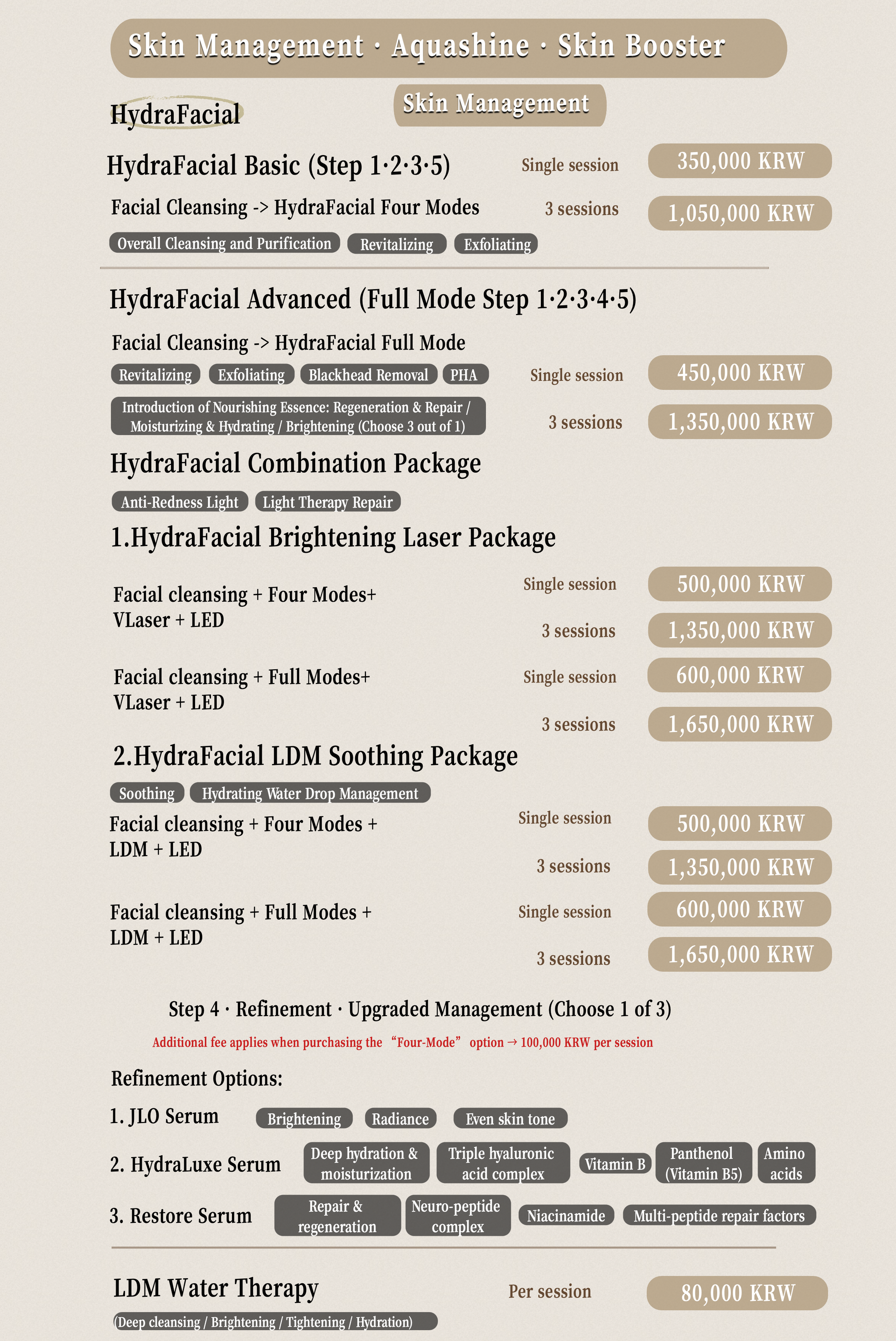
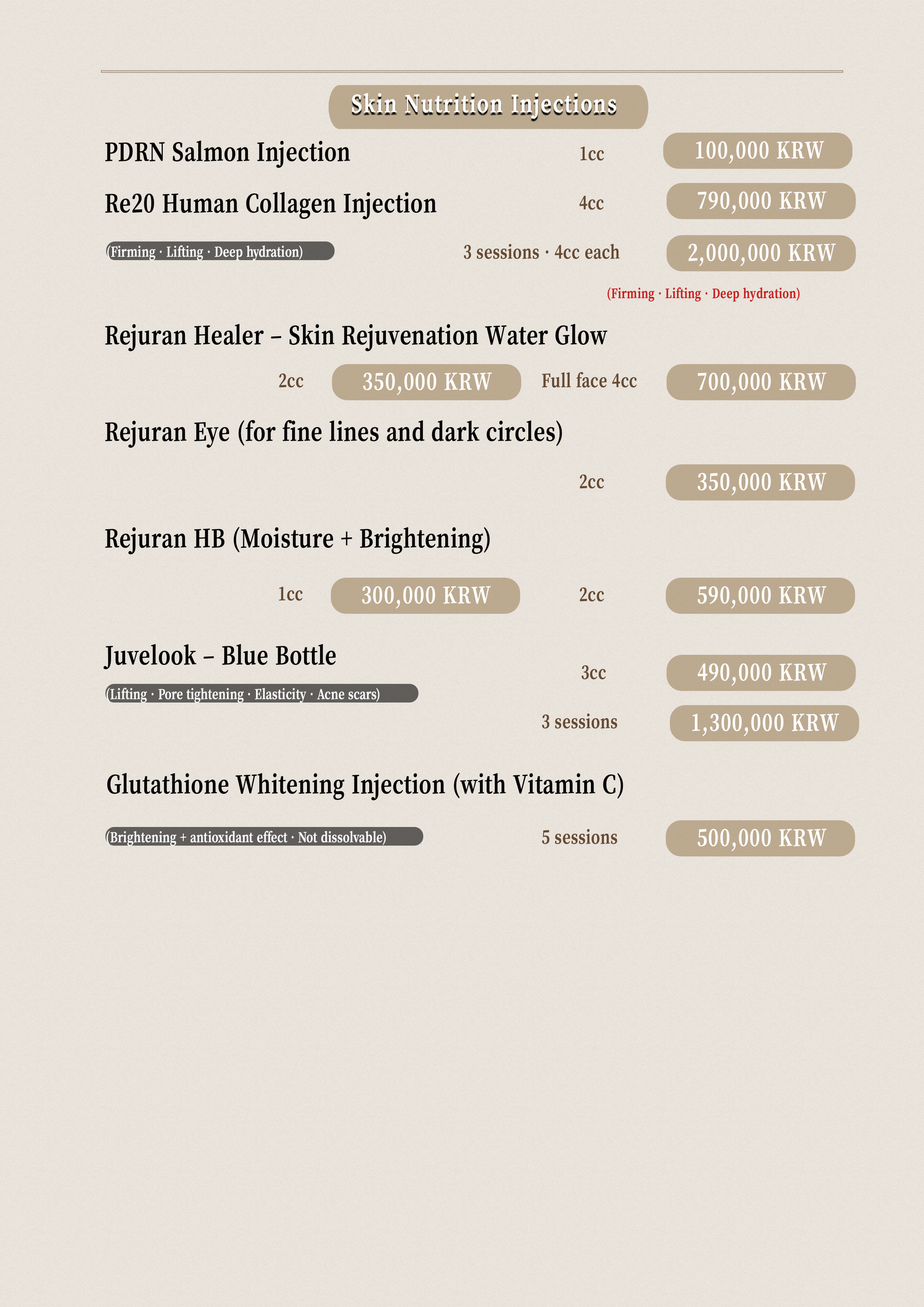
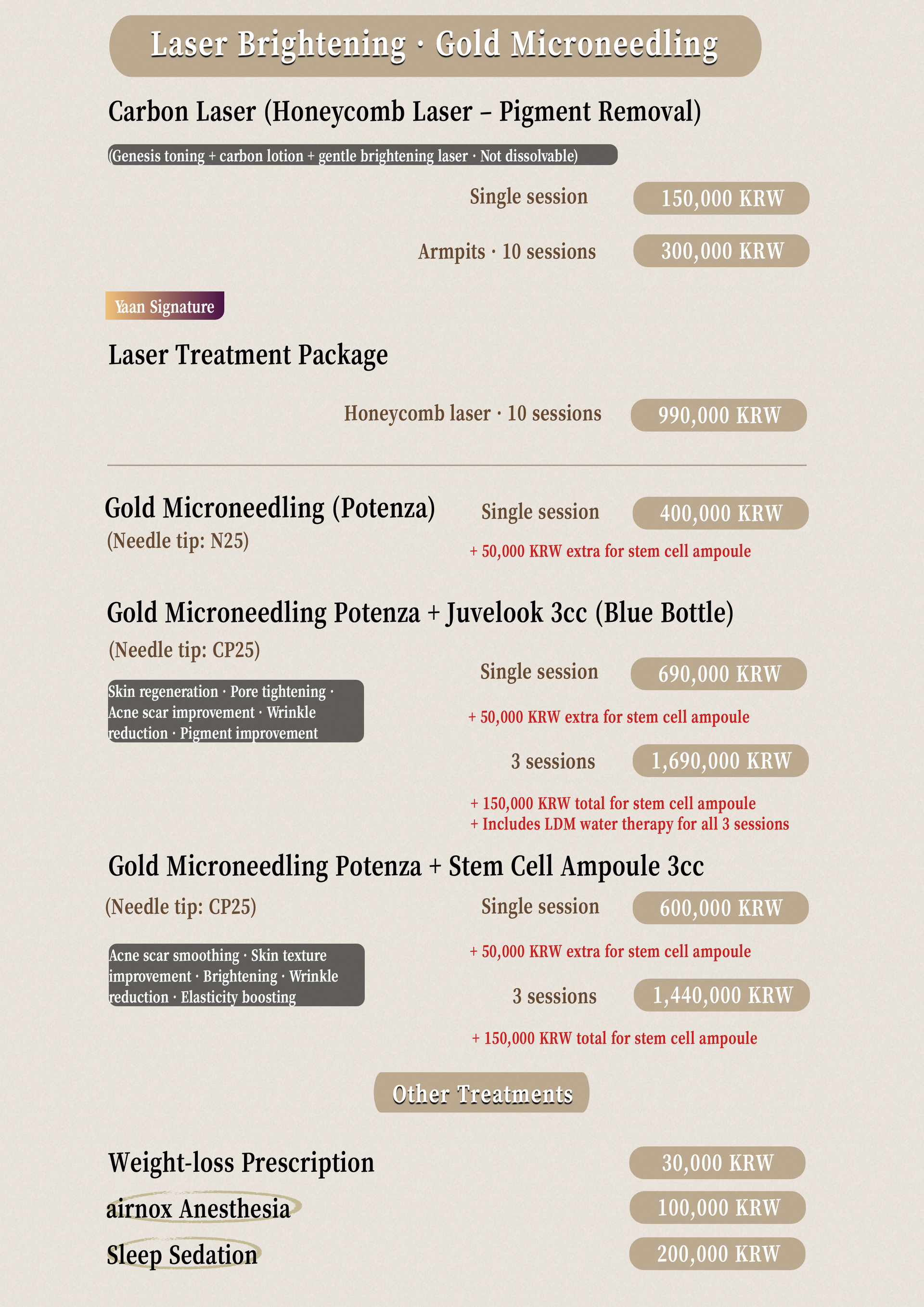
Hydration and repair: skin boosters such as Rejuran and hyaluronic acid injections improve hydration and texture, and many patients notice dull, tired skin looks fresher.
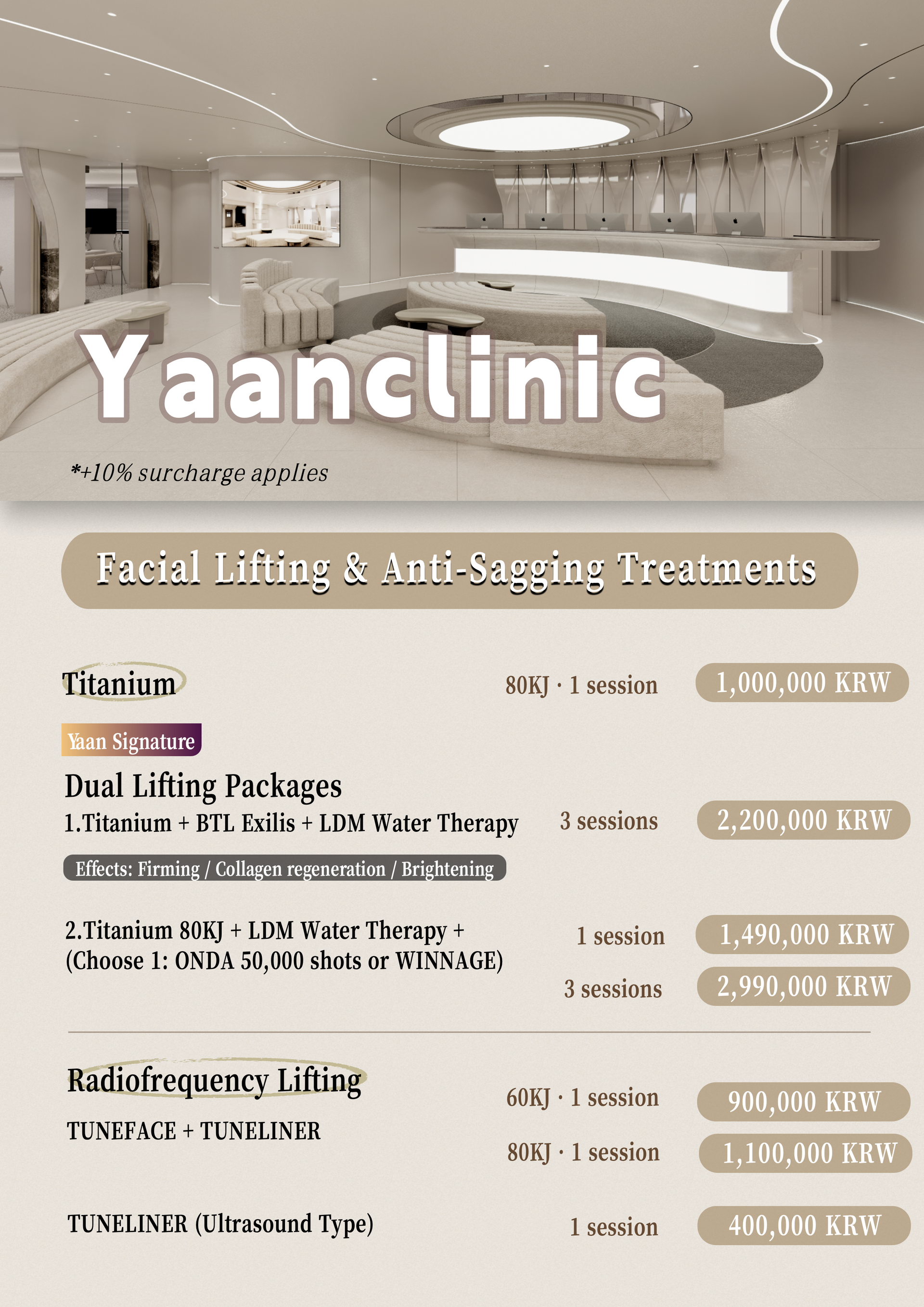
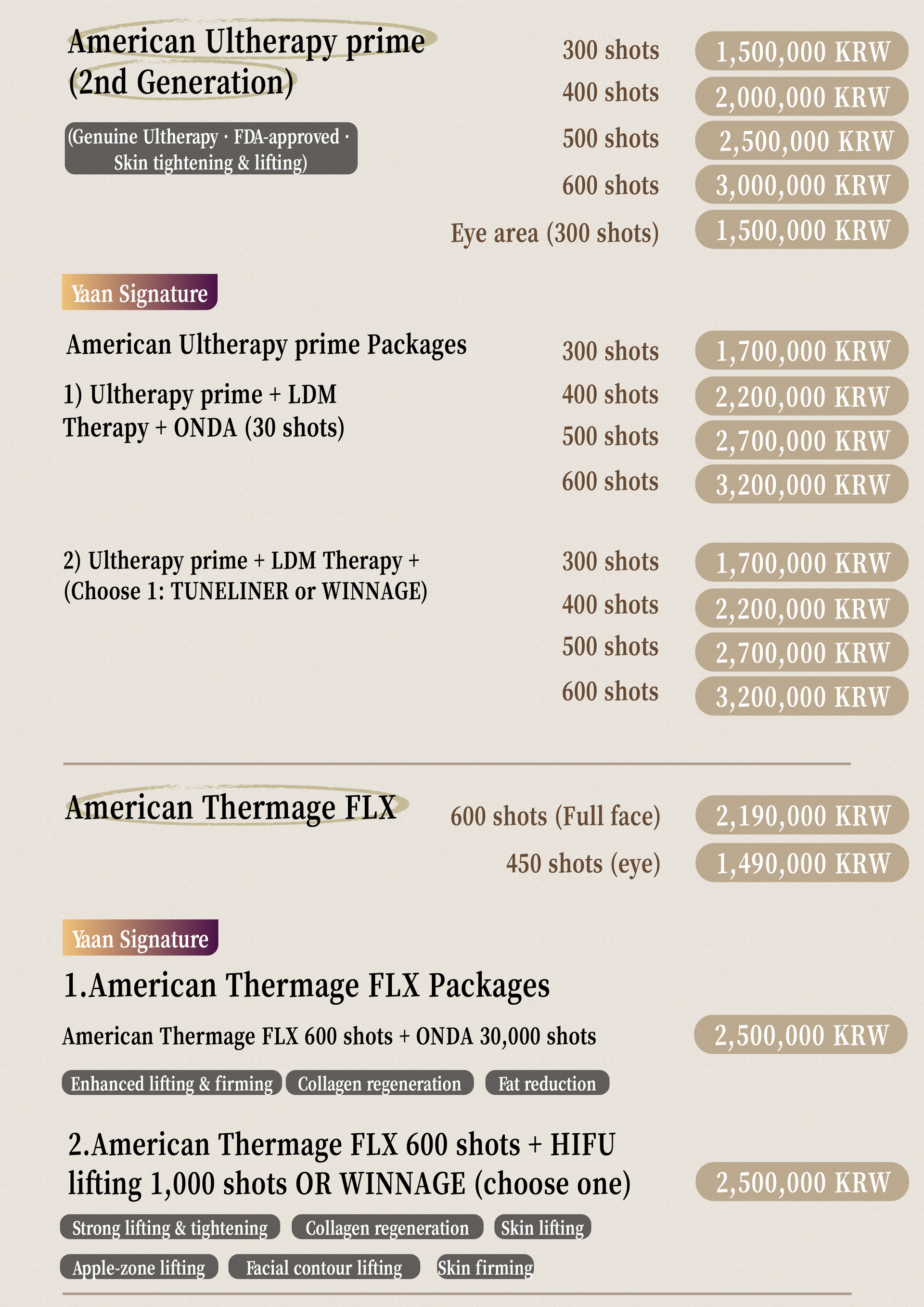
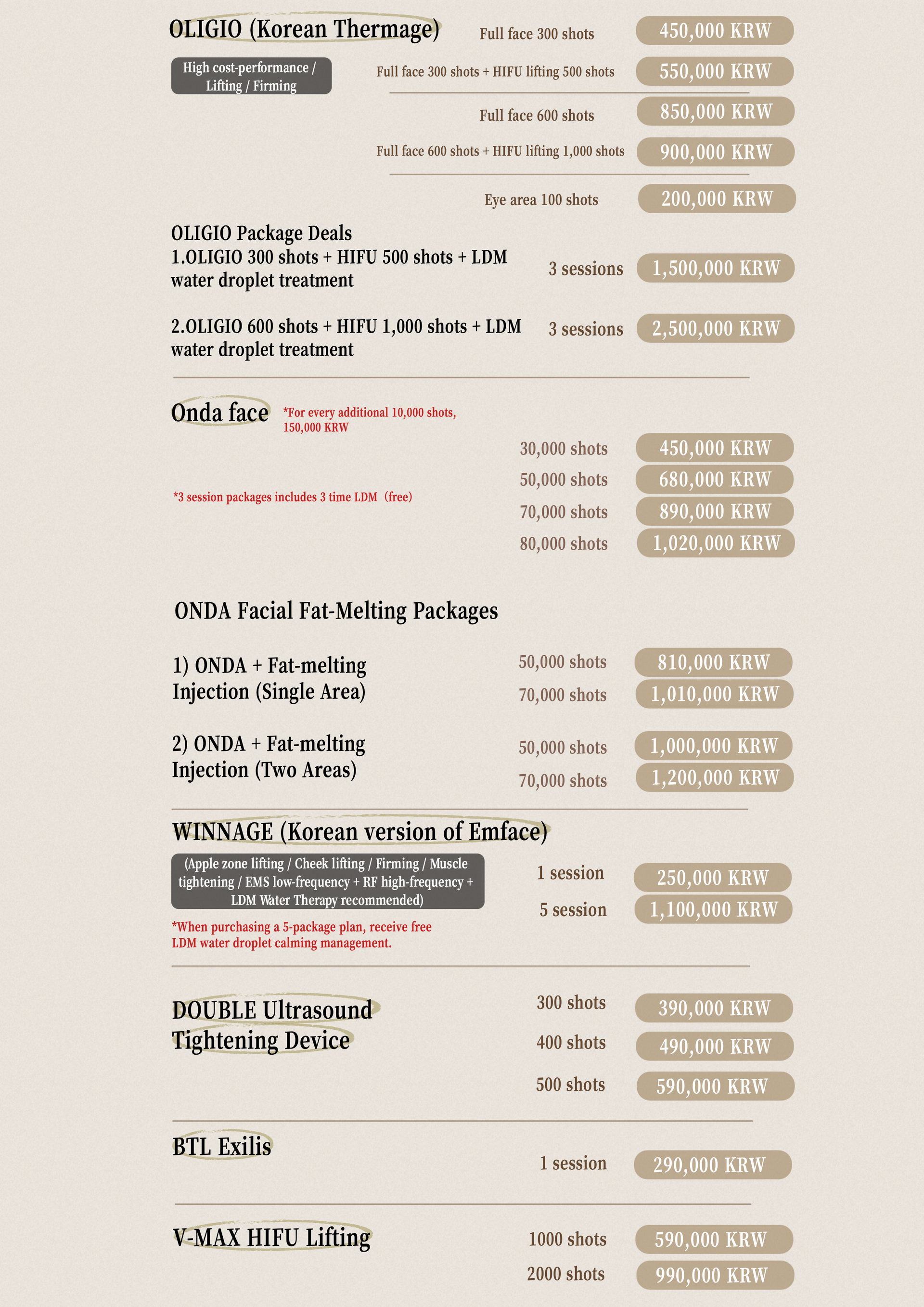
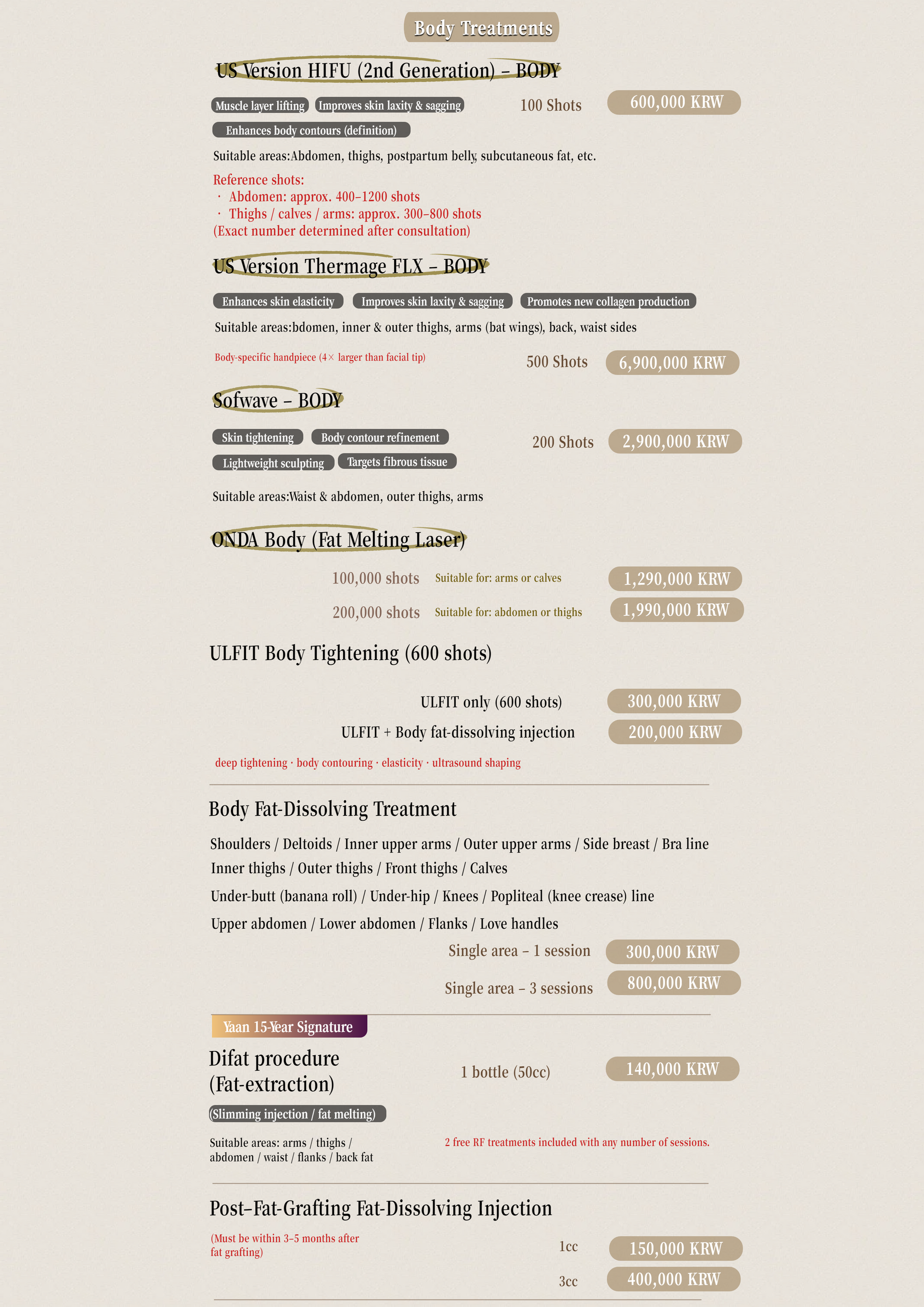
Firmness: collagen-stimulating devices such as Thermage FLX or HIFU can tighten mild laxity. Gentle settings are often better for thinner skin.
Pigmentation: hormonal pigmentation needs a careful approach. Aggressive lasers can make it worse. Our melasma treatment page explains the low-energy approach we use.
3. When to see a gynecologist as well
Skin treatments improve how the skin looks and feels, but they don't change your hormones. If you also have hot flushes, poor sleep, mood changes, vaginal dryness or irregular bleeding, it is worth talking to a gynecologist about your options, which may include hormone therapy. If you would like an English-speaking appointment while you are in Seoul, here is what a menopause consultation in Gangnam usually covers. Many women find that once their overall symptoms are under control, their skin responds better to treatment too.
4. Daily habits that make a difference
- Use a richer moisturiser and a gentler cleanser than you did in your 30s.
- Wear sunscreen every day. Pigmentation gets worse more easily during this stage.
- Use retinoids slowly, starting with fewer nights a week.
- Don't overdo exfoliation. Thinner skin is easier to irritate.
Conclusion
Skin changes around menopause are real, they have a cause, and they can be treated. Gentle, collagen-focused skin care, careful pigmentation treatment and, where needed, medical support for your hormones work best together. Book a consultation at YAAN in Gangnam and we will build a plan around how your skin is now.