What Lifting Treatment Is Best for Someone With Hollow Cheeks?
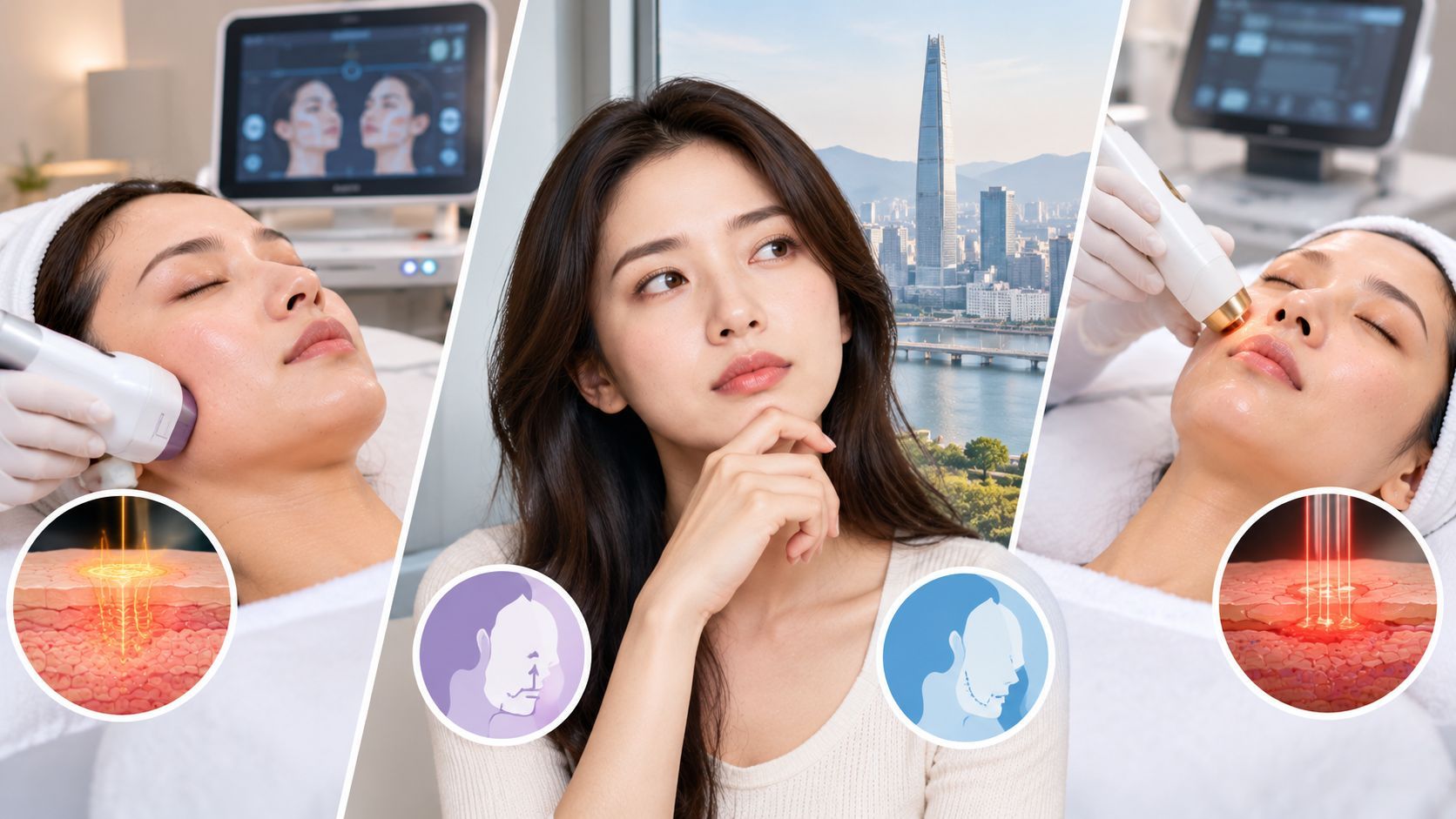
Hollow cheeks can make the face look thinner, more tired, or older than you feel. If you also notice loose skin around your jawline or lower face, you may be considering a Korean lifting treatment such as Thermage, Ultherapy, or Sofwave.
However, hollow cheeks require a different approach from a face with excess fullness and sagging. Some treatments are intended to improve skin firmness, while other procedures reduce fat or restore volume. Choosing the wrong approach can make your facial contours look less balanced.
For someone with hollow cheeks, the goal should be to improve skin laxity without unnecessarily reducing facial volume. There is no single treatment that works best for everyone, and a dermatologist or appropriately qualified aesthetic physician should assess your facial anatomy before recommending a procedure.
Why Do Hollow Cheeks Affect Your Lifting Treatment Choice?
Cheek hollowness can have several causes. Understanding the cause helps determine whether skin tightening is likely to help.
Natural facial structure
Some people naturally have prominent cheekbones, less fullness in the midface, or a narrow facial shape. This is not necessarily a sign of aging or a problem that requires treatment.
If your cheeks have always been hollow, a lifting procedure may not address the feature you want to change.
Age-related volume loss
As people age, facial fat compartments, bone structure, and the skin's supporting tissues can change. These changes may contribute to hollowing, deeper facial folds, and a less youthful appearance.
Skin tightening may improve selected signs of laxity, but it does not reliably replace lost facial volume.
Weight loss
Significant weight loss can reduce facial fullness and make the cheeks or temples appear more hollow. If this happens alongside loose skin, two different concerns may be present: reduced volume and decreased skin firmness.
The treatment plan should address these separately rather than assuming that more lifting will solve both.
Which Lifting Treatments May Be Appropriate?
The most suitable treatment depends on how much loose skin you have, where it is located, and how concerned you are about changes in facial volume.
1. Thermage for selected cases of mild skin laxity
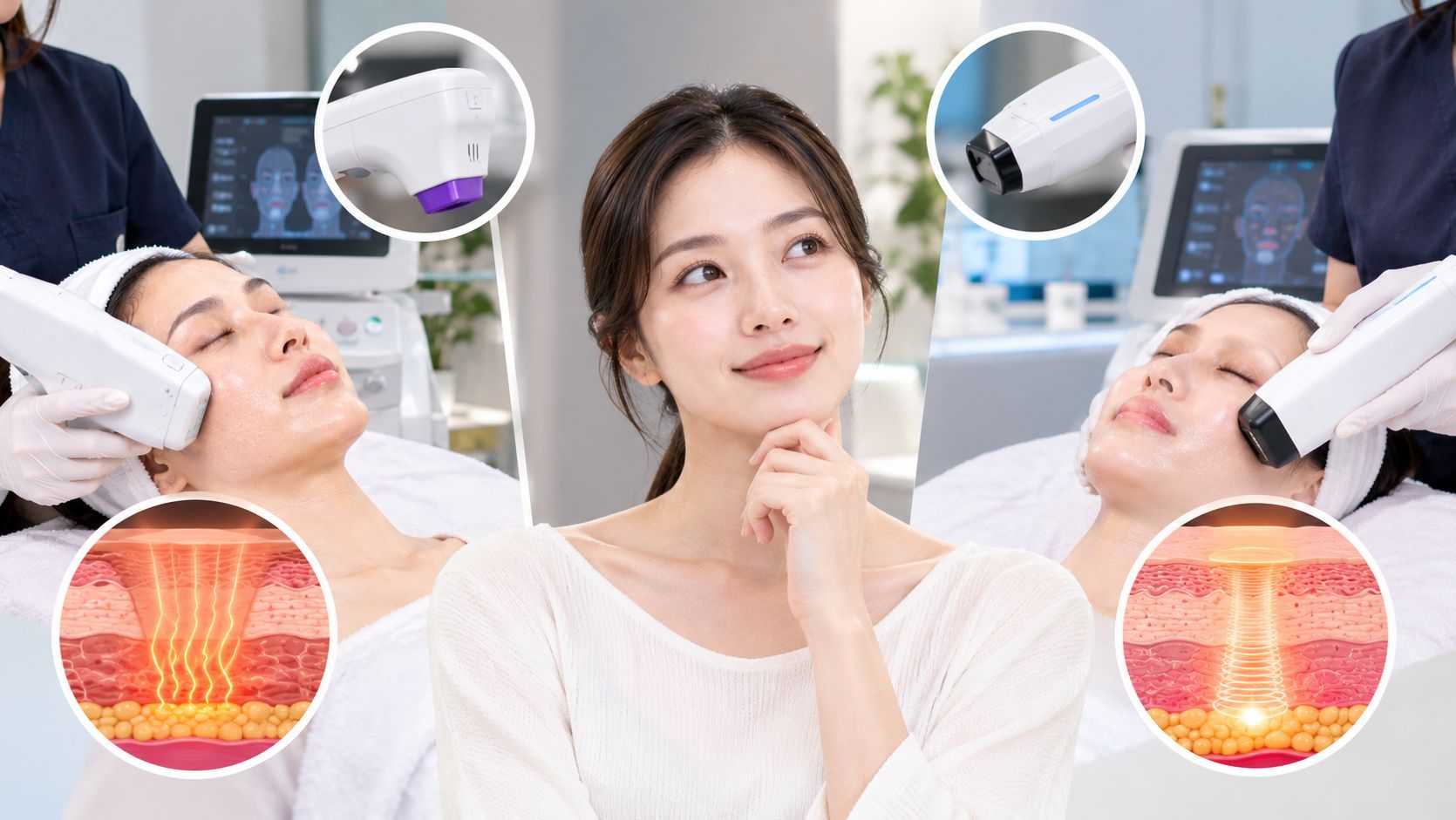
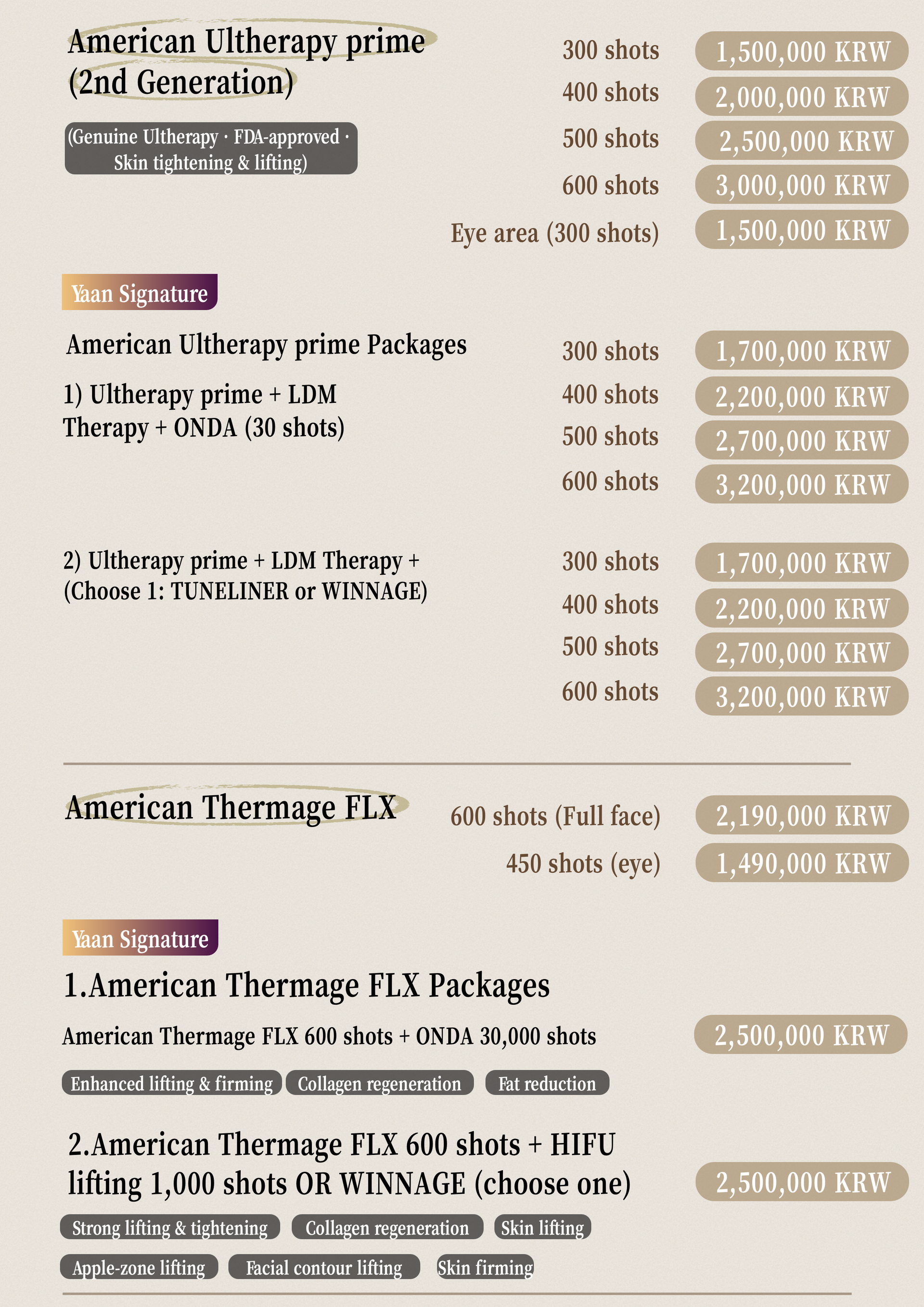
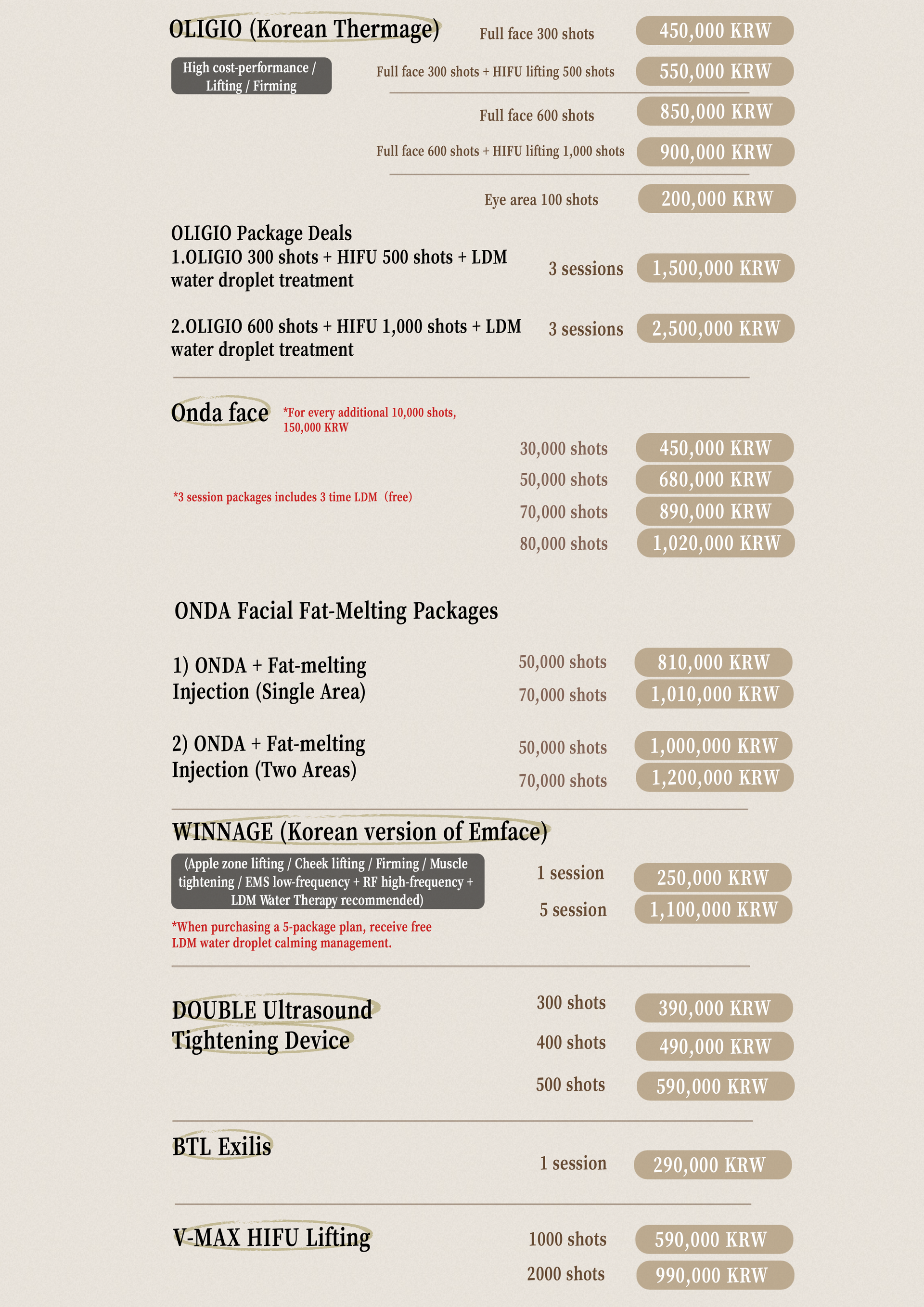
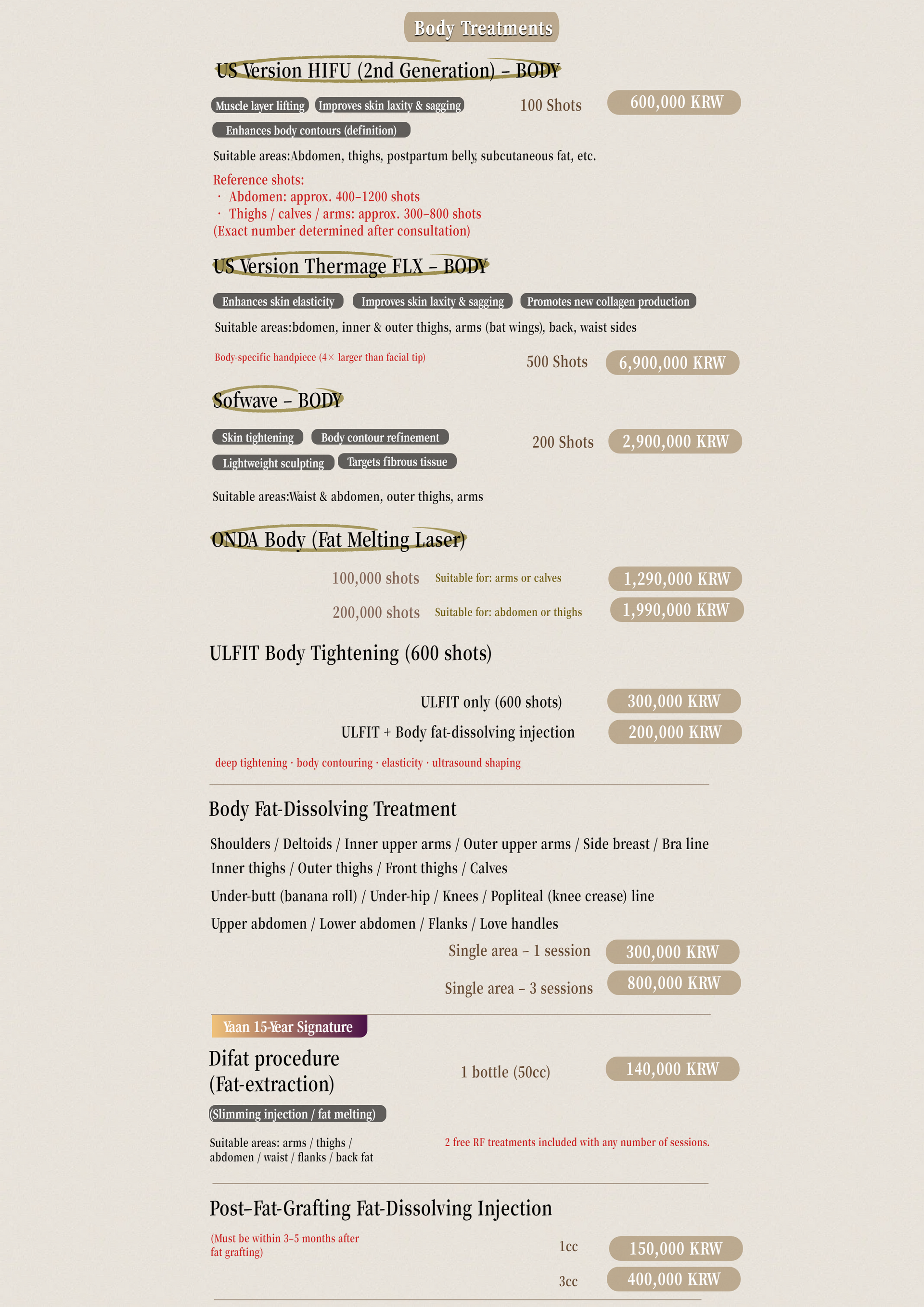
Thermage uses monopolar radiofrequency energy to heat tissue and stimulate collagen-related changes. It may be considered when the main concern is mild skin laxity or wrinkles rather than substantial volume loss.
For someone with hollow cheeks, the clinician should evaluate whether the intended treatment area and energy-delivery plan are appropriate for the person's facial structure.
Thermage should not automatically be considered safe from facial contour changes simply because it uses radiofrequency rather than ultrasound. Discuss the potential benefits, limitations, and risks of the specific device being offered.
May be worth discussing when: You have mild skin laxity and want a non-surgical option, but your clinician believes the proposed treatment is appropriate for your facial anatomy.
2. Ultherapy for carefully selected skin-lifting concerns
Ultherapy uses microfocused ultrasound to deliver energy to targeted tissue depths. It may improve selected signs of skin laxity, including in certain brow, neck, and under-chin areas.
However, people with naturally thin faces or pronounced cheek hollows should be assessed carefully before treatment. Published safety literature includes reports of subcutaneous atrophy, although available evidence does not establish how frequently this complication occurs.
A clinician should explain why Ultherapy is appropriate for your specific concern and which areas will be treated. Avoid assuming that a more intensive treatment will necessarily produce a better or more youthful result.
May be worth discussing when: You have clearly identified skin laxity and a clinician determines that a carefully planned ultrasound treatment is suitable.
3. Sofwave for selected superficial skin-tightening concerns
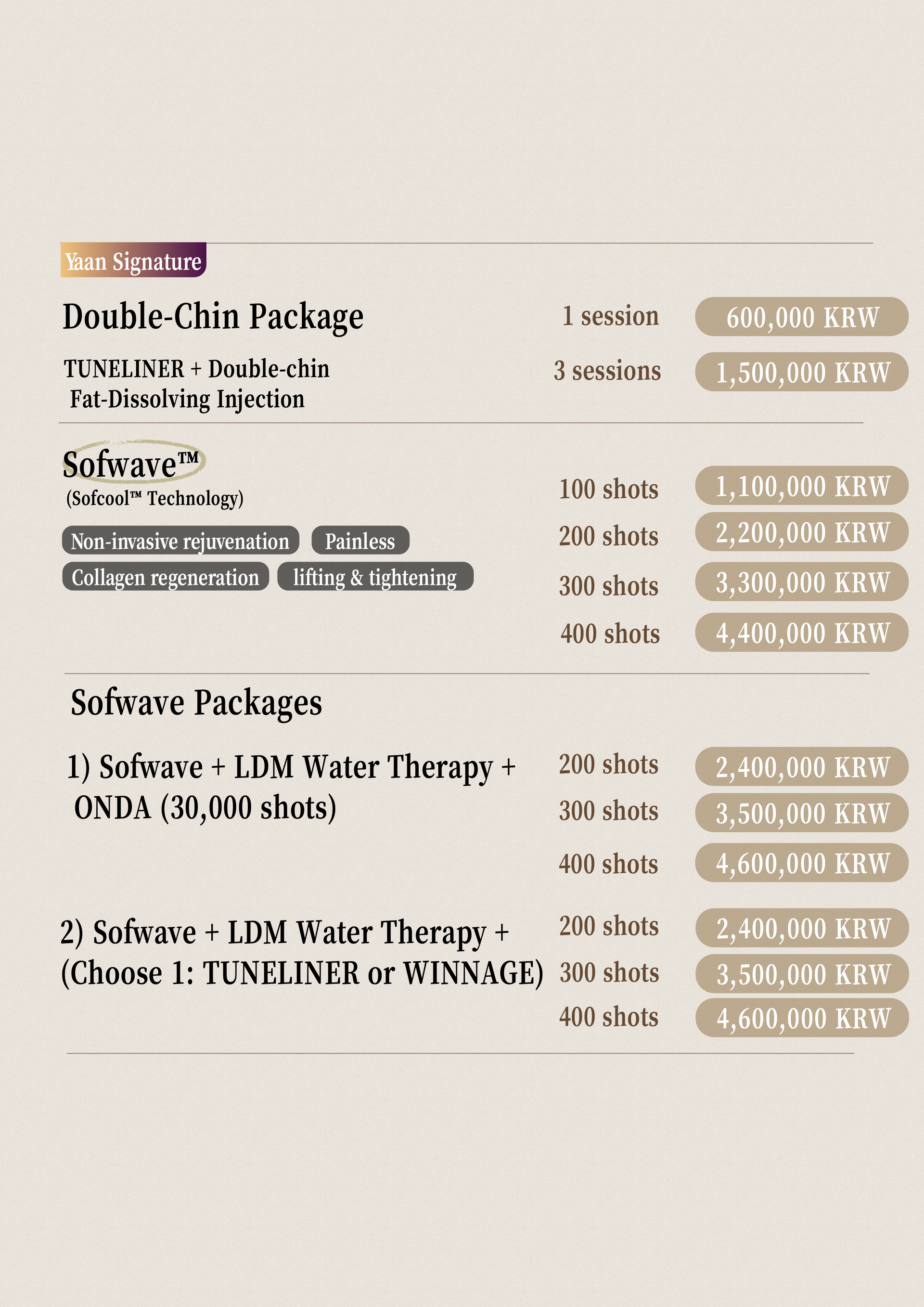
Sofwave uses ultrasound technology designed to target tissue within the mid-dermis to stimulate collagen-related changes. It may be considered for selected wrinkles and mild skin laxity.
Its treatment mechanism differs from that of microfocused ultrasound devices that target different tissue depths. However, this difference does not prove that Sofwave is risk-free for facial volume or that it is the best choice for every thin-faced patient.
Ask the clinician to explain the expected improvement, the limitations of the evidence, and whether the treatment is appropriate for the exact area you want to address.
May be worth discussing when: Your concern is mainly mild skin laxity and the proposed treatment matches the device's intended use.
4. No lifting treatment, at least initially
Sometimes the most appropriate first decision is to postpone an energy-based procedure.
If your cheeks are hollow but your skin is not significantly loose, tightening may offer little benefit. It is important to determine whether your concern is caused by actual skin laxity, volume loss, facial structure, or a combination of these factors.
A conservative approach can help prevent unnecessary procedures that do not address the underlying concern.
What If You Want Firmer Skin Without Losing Cheek Volume?
If preserving facial fullness is your main priority, start with a whole-face assessment rather than selecting a device based on advertising.
Ask your clinician to evaluate the cheeks, temples, jawline, and lower face together. Changes in one area can affect the overall appearance of facial balance.
A practical treatment plan should include the following considerations.
Identify the main problem
Ask whether the visible concern comes primarily from loose skin, reduced facial volume, or both. The answer determines whether skin tightening is likely to help.
Avoid treatments designed to reduce facial fat
If your cheeks are already hollow, be cautious about procedures intended to reduce fat or slim the face. Treatments such as fat-dissolving injections and certain fat-reduction procedures have different purposes from skin tightening.
They should not be used simply because you want a sharper jawline or a more lifted appearance.
Set realistic expectations
Non-surgical tightening treatments may offer gradual, modest improvements, particularly when laxity is mild. They cannot reliably restore substantial lost volume or reproduce the results of a surgical facelift.
Ask what improvement is realistic for your face, when results may appear, and what the clinician would recommend if the expected benefit is small.
Review previous treatments
Tell your clinician about previous fillers, energy-based procedures, facial surgery, and any complications. These details may affect treatment planning and suitability.
If you already developed unexplained hollowing after a previous procedure, seek an assessment before undergoing another lifting treatment.
Should You Consider Fillers Instead of Lifting?
Fillers and lifting treatments address different concerns.
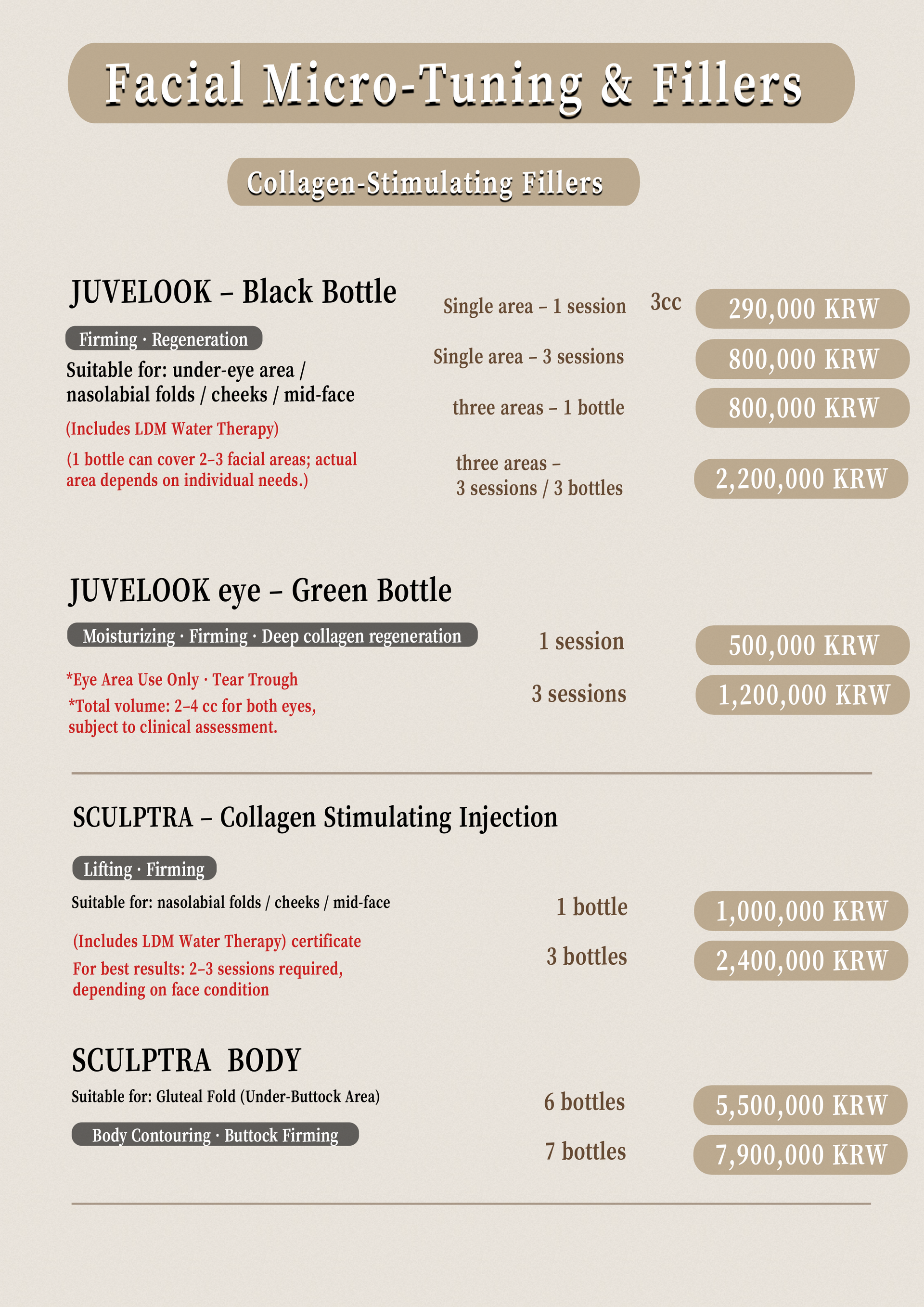
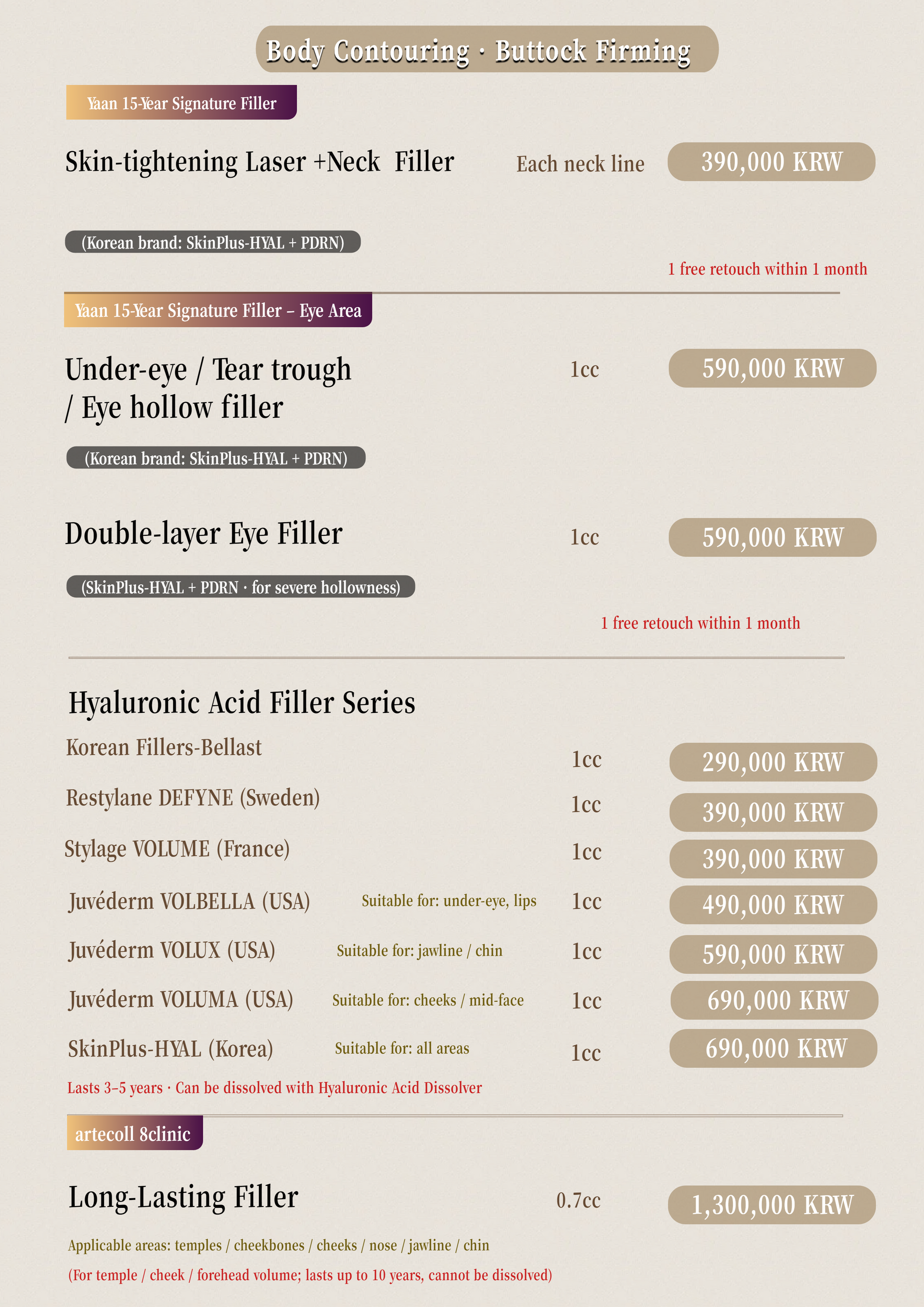
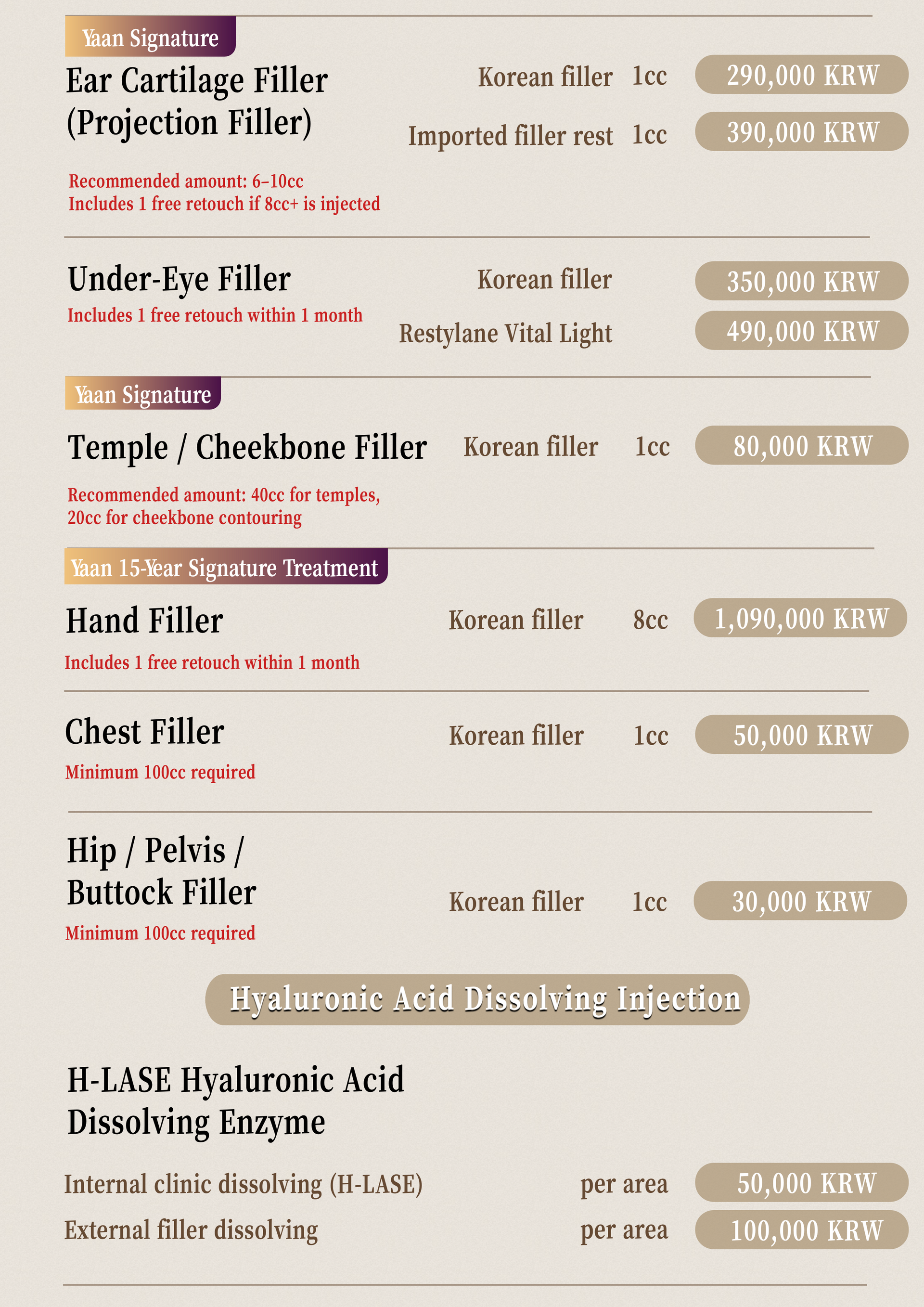
Hyaluronic acid fillers may restore selected areas of volume, including certain cheek hollows, in appropriately selected patients. They do not tighten loose skin in the same way as energy-based procedures.
Fillers also have risks, including swelling, asymmetry, lumps, and rare but serious vascular complications. They should not be treated as an automatic solution for every hollow cheek.
A qualified clinician may discuss volume restoration, skin tightening, a combination approach, or no procedure at all. The choice depends on your anatomy, medical history, preferences, and tolerance for risk.
Choosing a Treatment in Seoul
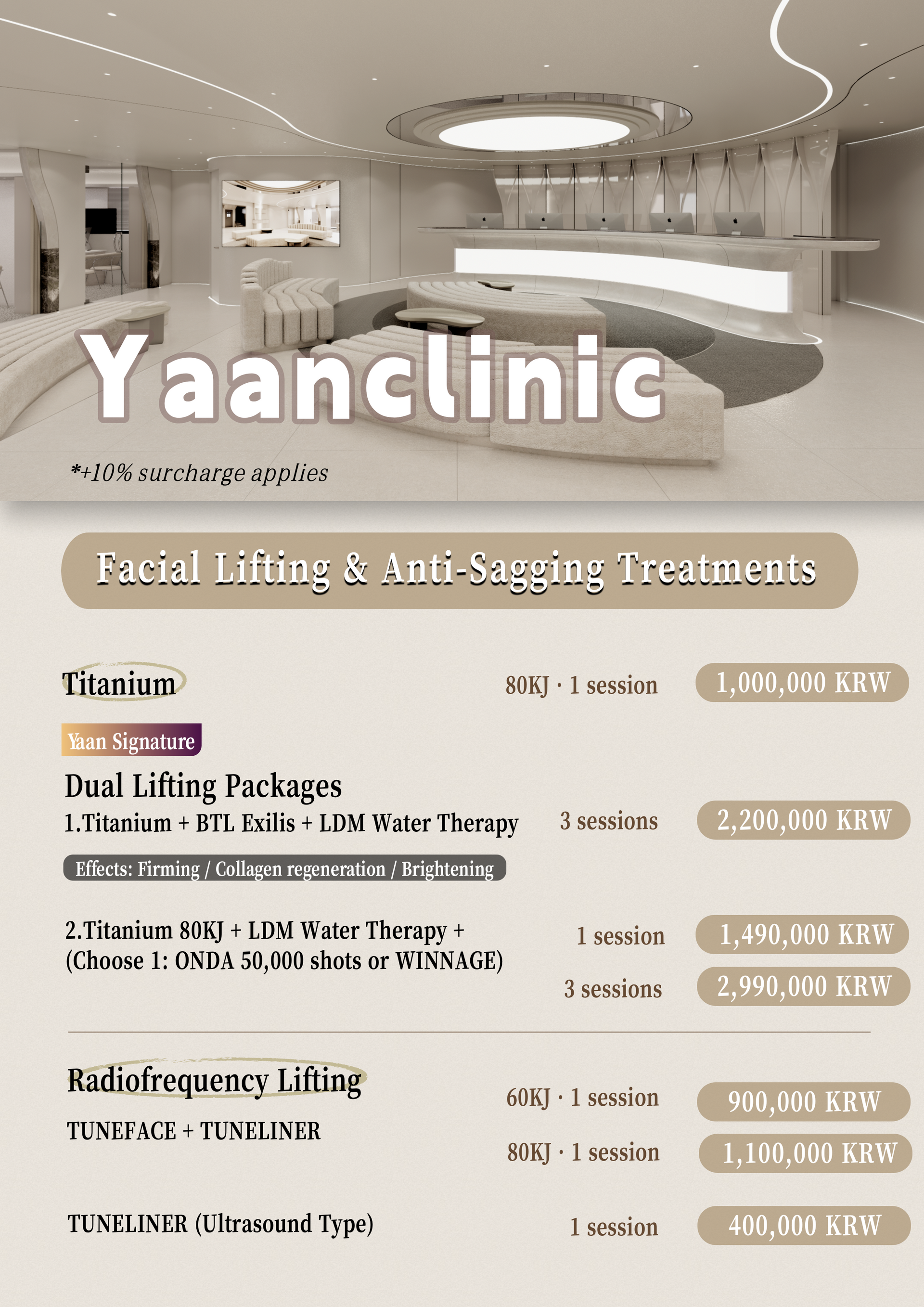
South Korea offers a range of aesthetic procedures, but the treatment name alone does not tell you whether a procedure is suitable for your face.
Before booking, ask the clinic:
- Which exact device and version will be used?
- Which areas of my face will be treated, and why?
- How will the treatment plan account for my hollow cheeks?
- What are the potential risks and alternatives?
- Who will perform the procedure, and what qualifications do they have?
- What follow-up is available if I experience an unexpected change?
If you are travelling to Seoul, obtain clear aftercare instructions and know whom to contact after returning home. Allow time for appropriate follow-up rather than scheduling a procedure immediately before departure.
Conclusion: Choose a Treatment That Preserves Facial Balance
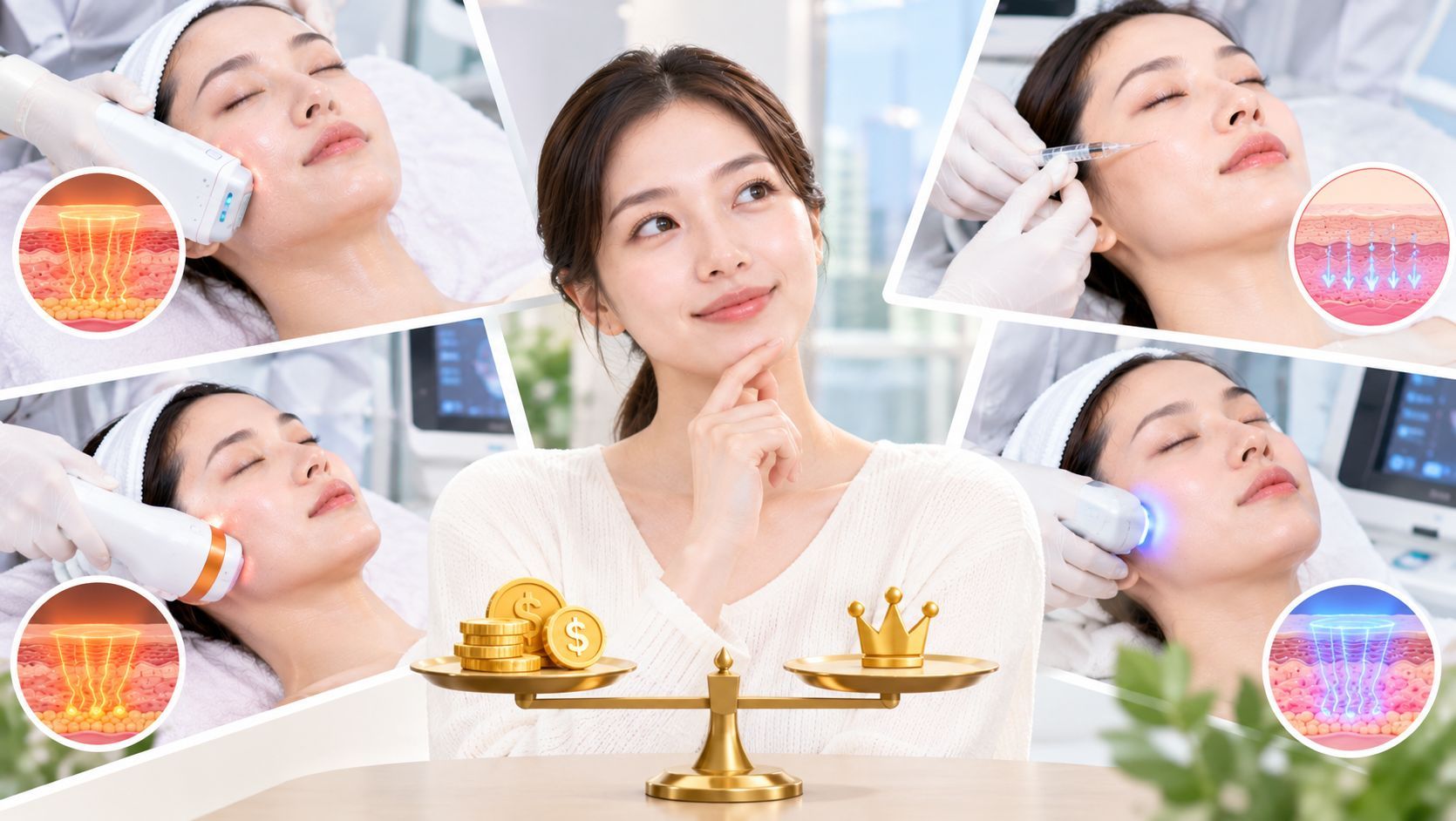
For someone with hollow cheeks, the best lifting treatment is the one that addresses genuine skin laxity without unnecessary intervention. Thermage, Ultherapy, and Sofwave may be options for selected patients, but no device is universally best or guaranteed to preserve every facial contour.
If your main concern is volume loss rather than loose skin, lifting alone may not give you the result you want. Start with an assessment of your facial structure, avoid unnecessary fat-reduction procedures, and discuss conservative options with a qualified clinician.
The goal is not simply a tighter face. It is a natural-looking result that respects your existing facial volume.
Frequently Asked Questions
1. Which lifting treatment is best for hollow cheeks?
There is no universal best treatment. Thermage, Ultherapy, or Sofwave may be considered for selected cases of skin laxity, but suitability depends on your anatomy, treatment area, and risk tolerance. Some people may benefit more from avoiding lifting procedures.
2. Can Ultherapy make hollow cheeks look worse?
Unwanted contour changes, including reports of subcutaneous atrophy, have been documented in the safety literature. However, the evidence does not establish how frequently this occurs. People with hollow cheeks should have their anatomy and treatment plan carefully assessed before proceeding.
3. Is Thermage safer than Ultherapy for thin faces?
Current evidence does not establish that Thermage is categorically safer than Ultherapy for preserving facial fat. The technologies differ, and the risks depend on the specific device, treatment plan, technique, and individual anatomy.
4. Can I tighten loose skin without losing facial fat?
A carefully selected treatment may improve mild skin laxity, but no procedure can guarantee zero risk of unwanted contour changes. Ask a qualified clinician whether the likely benefit justifies the risk in your particular case.
5. Are fillers better than lifting treatments for hollow cheeks?
Fillers may restore selected areas of lost volume, while lifting treatments primarily aim to improve skin laxity. Neither is automatically better. The appropriate option depends on the cause of the hollowing and the result you want.
6. Should I avoid all lifting treatments if my face is thin?
Not necessarily. A thin face does not automatically rule out every tightening procedure. However, treatment should be carefully selected, and the clinician should explain the expected benefits, limitations, and potential risks before you decide.