I'm 44 With a Thin Face. Which Lifting Treatment Won't Cause Facial Hollowing?
If you are 44, have a naturally thin face, and want a firmer jawline or lifted cheeks, choosing an anti-aging treatment requires special care. You may want to improve skin laxity without losing the facial fullness that helps you look healthy and youthful.
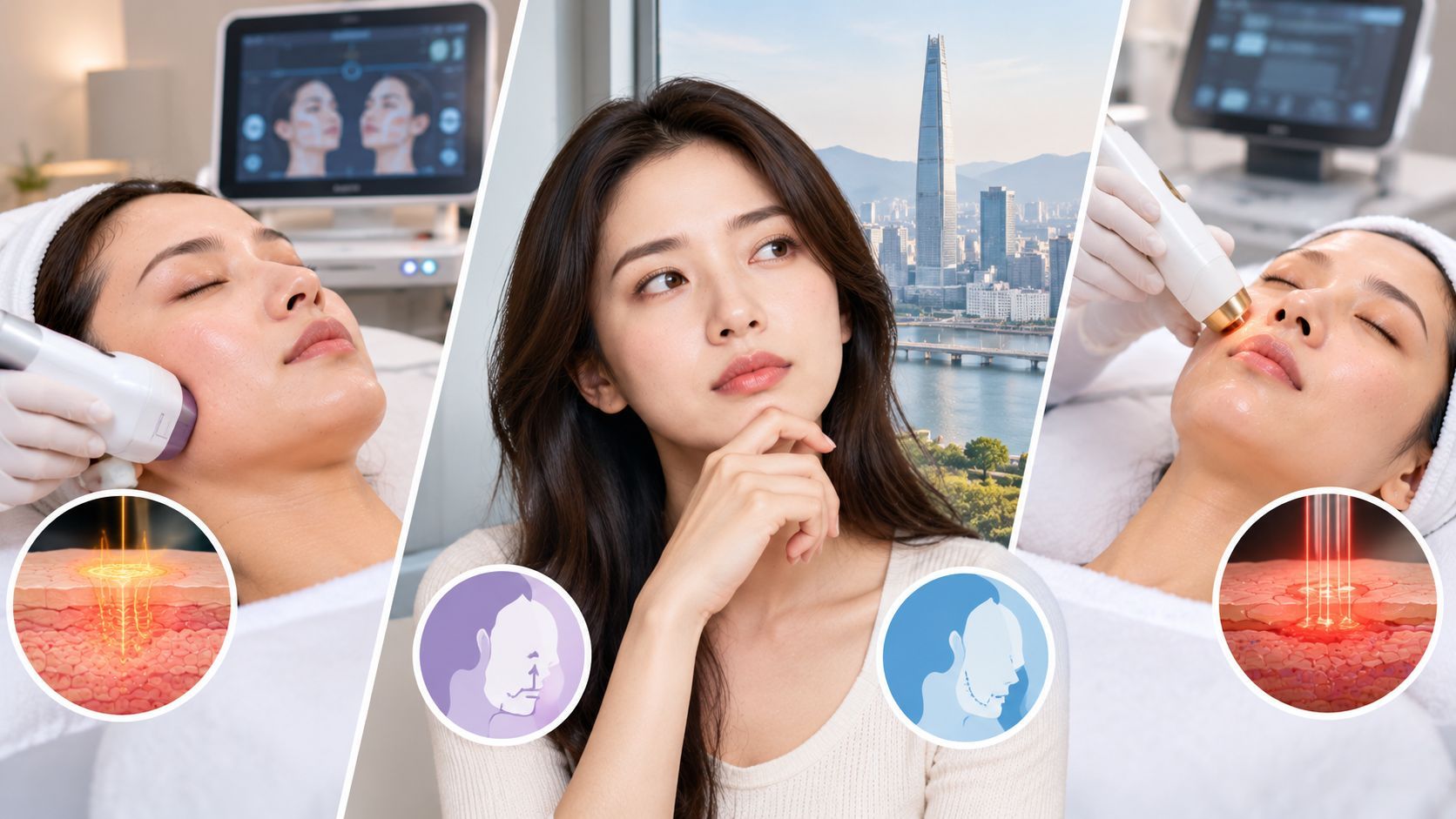
No lifting treatment can guarantee zero risk of facial hollowing. However, a conservative treatment plan that accounts for your facial fat distribution, skin thickness, and degree of laxity can help reduce unnecessary risk. In selected cases, non-invasive radiofrequency (RF) treatment may be worth discussing. Ultrasound lifting may also be appropriate, but the treatment depth, energy settings, and areas treated require careful consideration.
If you are exploring Korean lifting treatments in Seoul, the goal should not simply be to achieve the strongest lift. It should be to improve skin firmness while preserving your natural facial volume.
Why Can a Thin Face Be More Vulnerable to Facial Hollowing?
Facial hollowing occurs when areas such as the temples, cheeks, or under-eye region appear more sunken. It can result from natural anatomy, age-related volume loss, weight changes, or certain aesthetic treatments.
In your 40s, collagen changes and shifts in facial fat may already be affecting your facial contours. If you have naturally low facial fat or prominent cheekbones, even a subtle change in volume may be noticeable.
Several factors deserve attention before choosing a lifting treatment.
- Low facial fat: There may be less volume to compensate for changes in the cheeks.
- Existing hollow cheeks: Further loss of fullness could make the face appear tired.
- Recent weight loss: Reduced facial fat may already be affecting your contours.
- Thin skin: Changes in underlying support may become more visible.
- Previous energy-based treatments: Your clinician needs to understand what devices and settings were used previously.
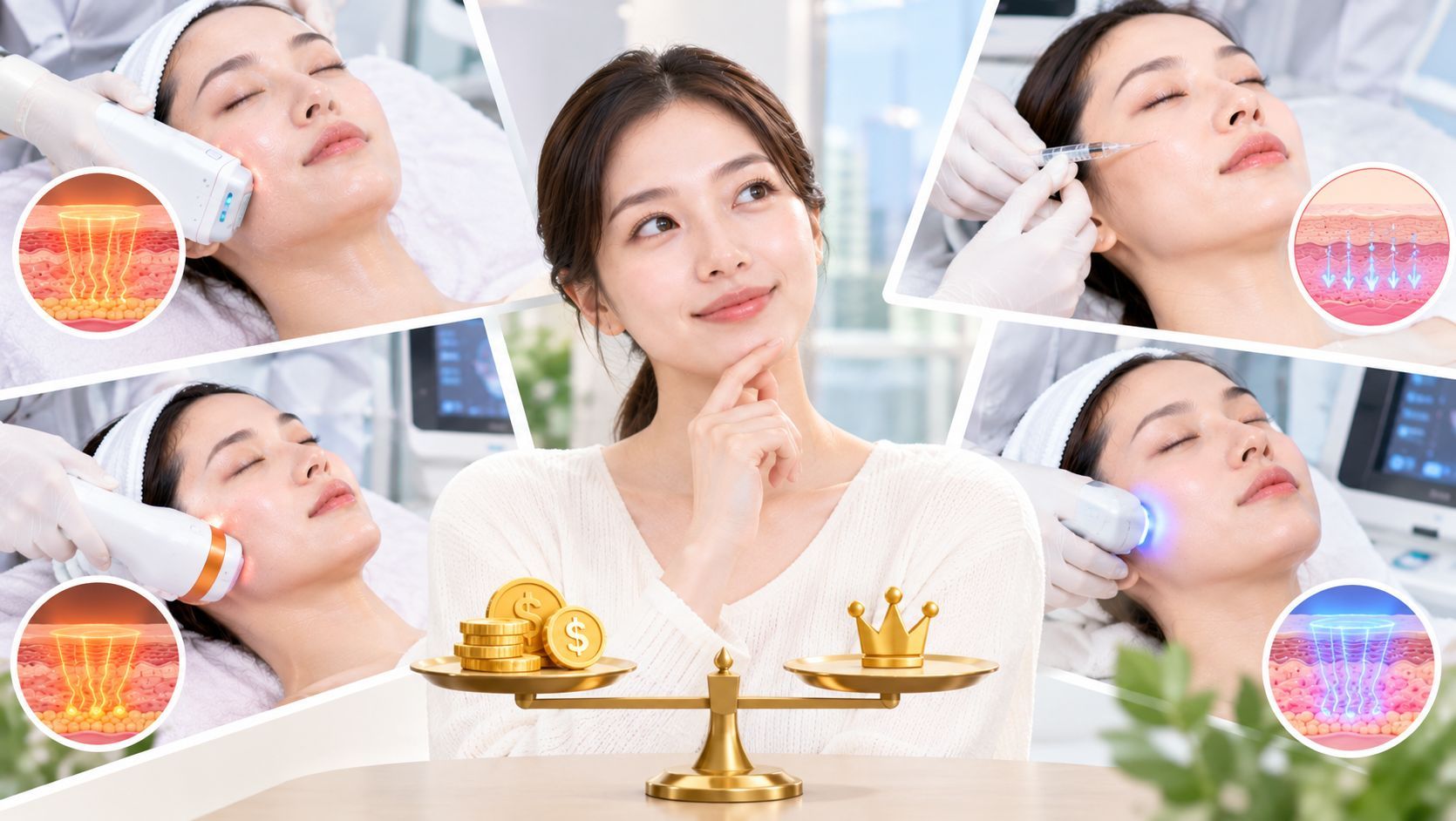
A thin face does not automatically make you unsuitable for lifting. It means your treatment should be selected carefully, with particular attention to where energy is delivered and whether the expected benefit justifies the risk.
Which Lifting Treatments May Be Suitable for a Thin Face?
1. Radiofrequency Skin Tightening: A Possible Option for Mild Laxity
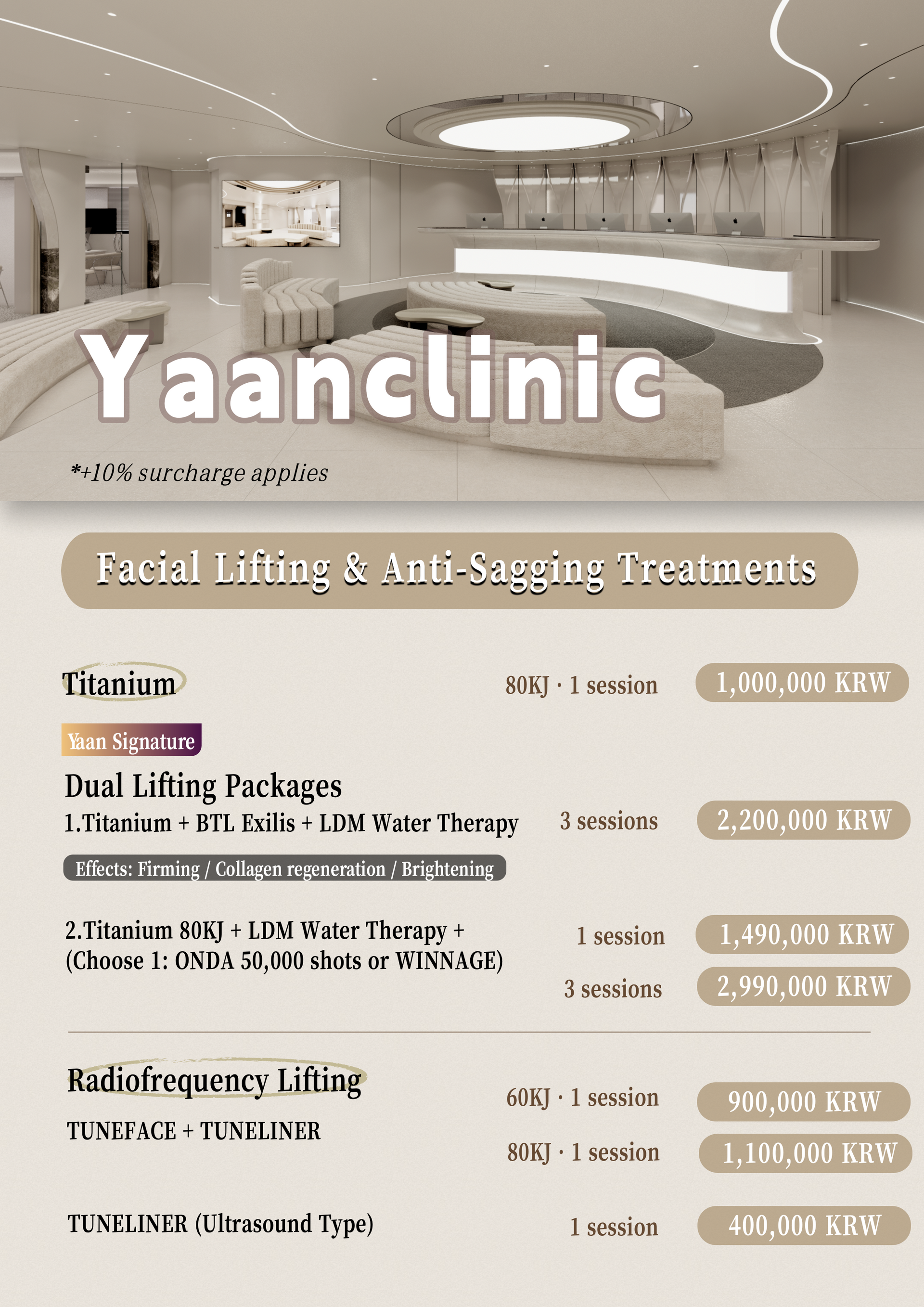
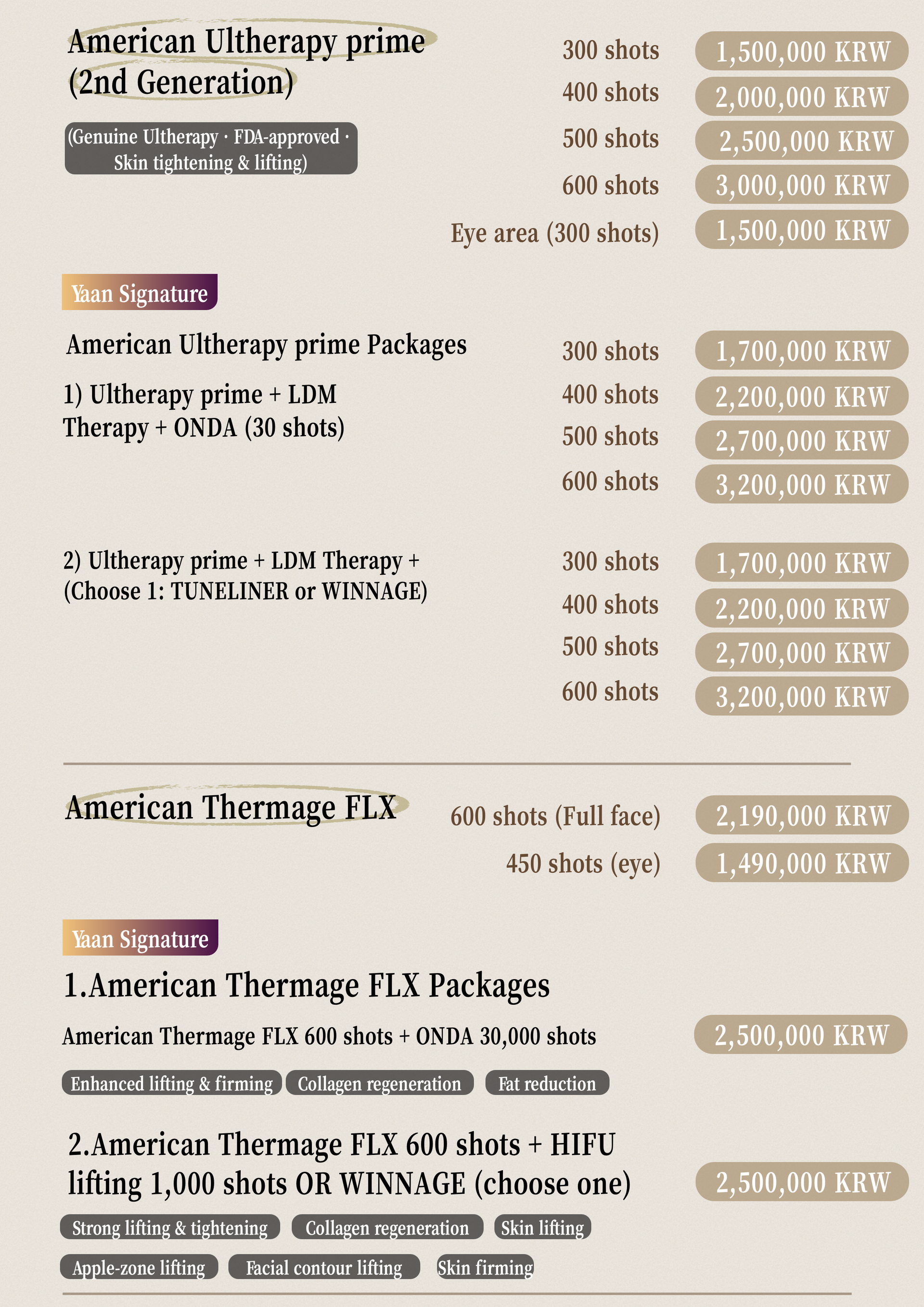
Radiofrequency treatments use controlled energy to heat tissue and stimulate collagen remodeling. Thermage is one example of a non-invasive RF treatment.
For a woman with a thin face, RF may be worth discussing when the main concern is reduced skin firmness rather than substantial sagging or facial volume loss.
Potential advantages include:
- Gradual improvement in skin firmness.
- Treatment of selected areas without surgical incisions.
- Relatively limited downtime with many non-invasive devices.
- The possibility of targeting skin laxity without adding facial volume.
However, RF should not automatically be considered safe from hollowing. The effect depends on the device, energy settings, treatment technique, and the tissues exposed to energy. Unwanted changes in facial contour, including fat loss, are possible complications of energy-based procedures.
What to discuss with your clinician: Ask whether a conservative treatment focused on the areas with actual laxity is appropriate, and whether treating the cheeks would offer enough benefit to justify the potential risk.
2. Ultherapy: Careful Selection Is Especially Important
Ultherapy uses microfocused ultrasound to deliver focused energy beneath the skin and stimulate tissue remodeling. It may be considered for selected areas of mild to moderate laxity in the face or neck.
For a thin-faced patient, the main concern is whether the proposed treatment could affect already limited facial volume.
Potential benefits include gradual improvement in selected areas of laxity without surgery. However, results vary, and Ultherapy cannot reliably reproduce the effects of a facelift.
Possible side effects include pain, tenderness, swelling, bruising, and temporary changes in sensation. Rare complications include burns, nerve injury, and unwanted fat loss.
A naturally thin face does not necessarily rule out ultrasound treatment, but it makes individualized planning particularly important.
What to discuss with your clinician: Ask which anatomical layers and areas would be treated, why ultrasound is appropriate for your face, and how the clinician will minimize the risk of unwanted volume loss.
3. RF Microneedling: Not Automatically the Safer Choice
RF microneedling combines fine needles with radiofrequency energy. Depending on the device and settings, it can target the dermis and deeper tissue layers.
It may be considered for selected concerns involving skin texture, acne scars, or laxity. However, it is not simply a gentler version of every other lifting treatment.
Treatment depth, energy delivery, and technique matter. RF microneedling can cause redness, swelling, pinpoint bleeding, and temporary skin sensitivity. Burns, scarring, pigment changes, and unwanted fat loss are also possible complications.
If your main goal is lifting rather than improving texture, ask whether RF microneedling is actually necessary. It may not be the most appropriate option simply because you want to avoid hollowing.
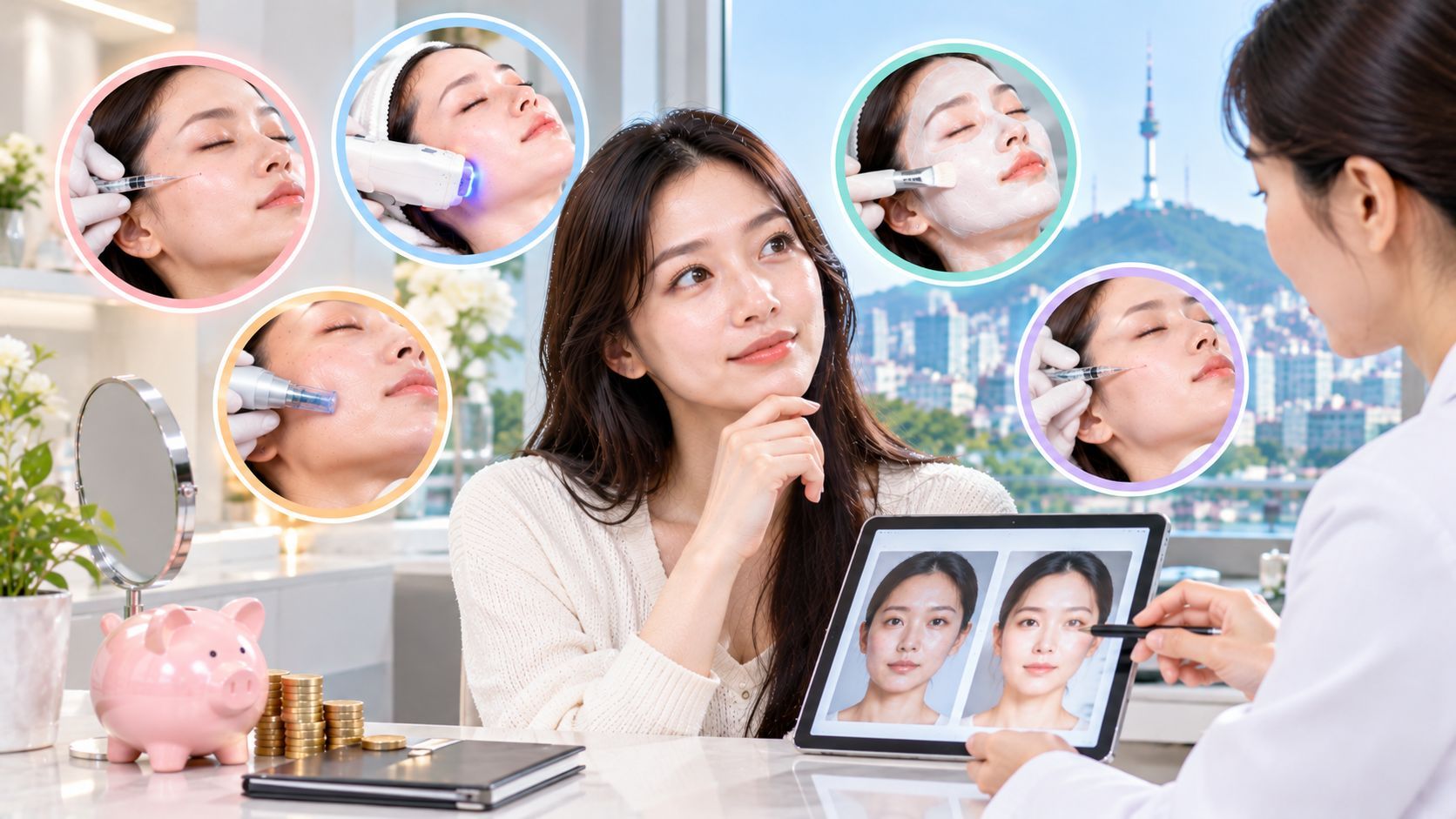
4. Skin-Quality Treatments When Lifting Is Not the Main Priority
Sometimes, a thin face looks older because of fine lines, dryness, rough texture, or reduced skin elasticity rather than significant tissue descent.
In that situation, improving skin quality may be a more suitable starting point than aggressive lifting.
Options to discuss may include:
- A consistent skincare routine with moisturizer and sunscreen.
- A suitable topical retinoid to improve certain fine lines and textural changes.
- Selected laser treatments for pigmentation or surface texture.
- Certain injectable skin-quality treatments, where appropriate.
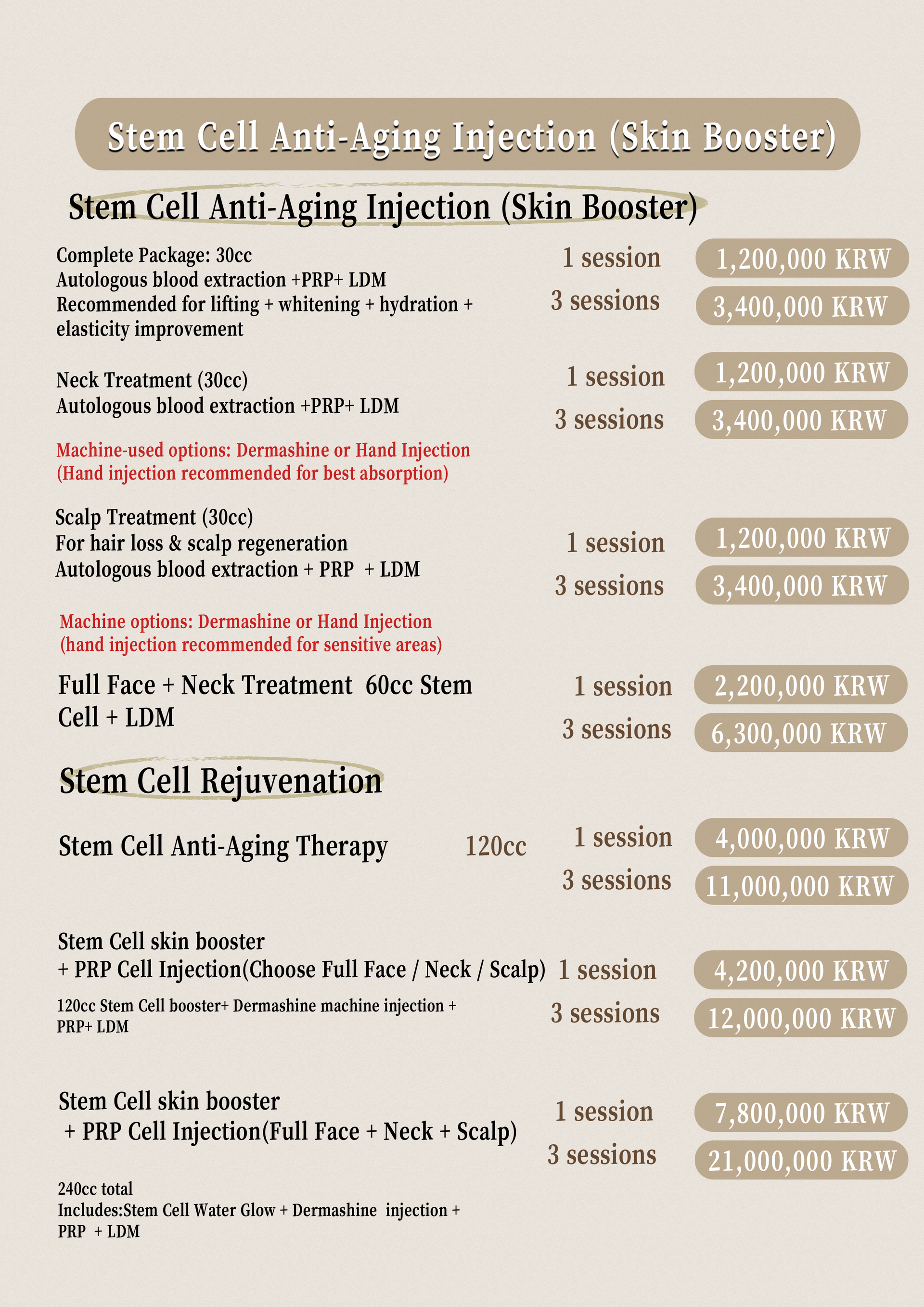
For example, Rejuran is a polynucleotide-based injectable used in some Korean aesthetic clinics for selected skin-quality concerns. It should not be expected to create the same lifting effect as an energy-based procedure or the same volume restoration as a traditional filler.
These treatments have their own limitations and potential side effects. They may improve the appearance of skin without substantially lifting descended facial tissues.
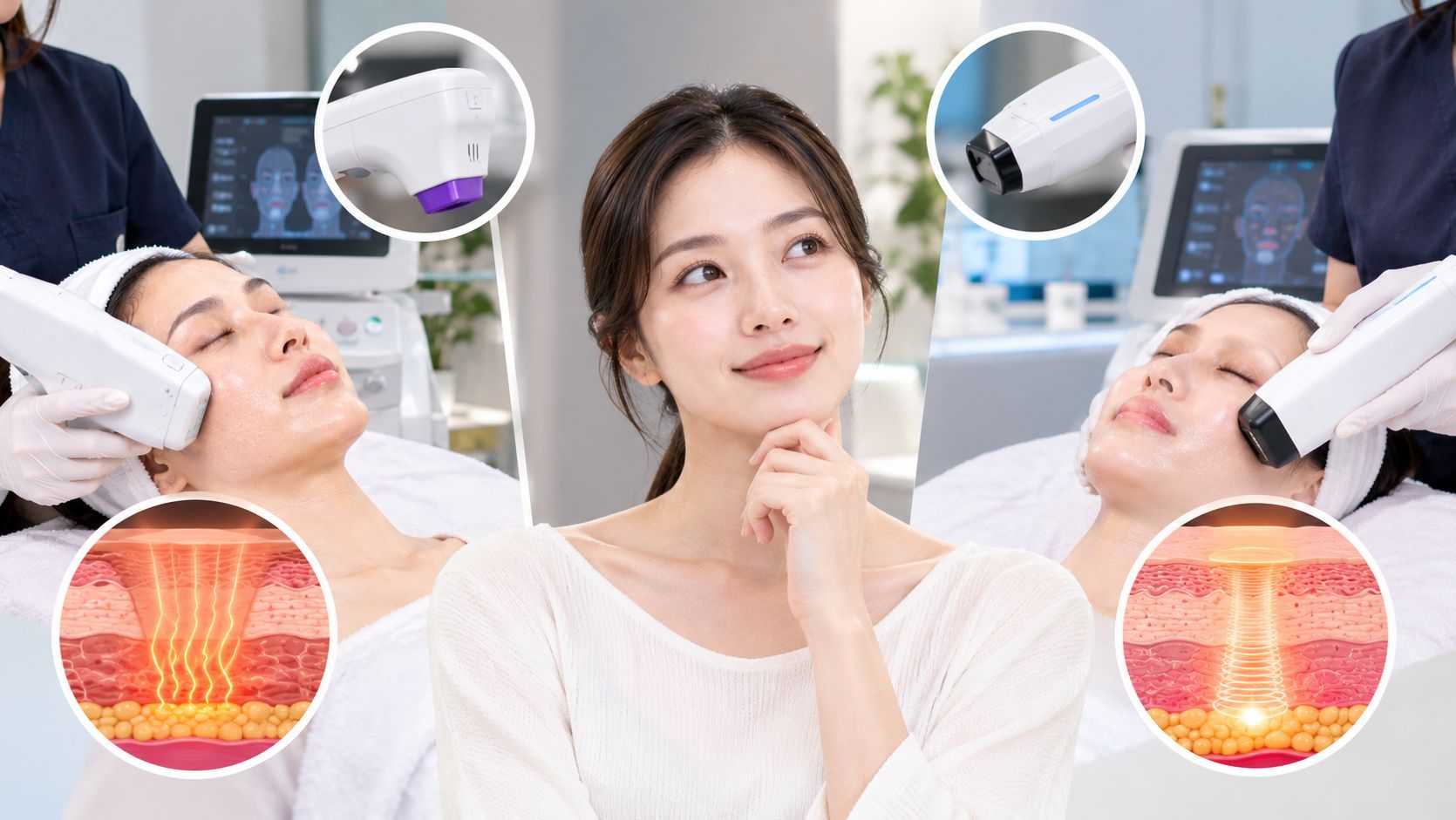
Thermage vs. Ultherapy for Thin Faces
Both treatments stimulate tissue remodeling, but they use different energy-delivery methods. Neither is universally safer or better for every thin-faced patient.
Thermage may be worth discussing when: your main concern is mild skin laxity and reduced firmness, and a clinician believes the proposed treatment can address those concerns without excessive energy exposure.
Ultherapy may be worth discussing when: selected areas of deeper tissue laxity are the main concern and your anatomy is suitable for focused ultrasound treatment.
The most important distinction is not simply RF versus ultrasound. It is whether the treatment targets the right tissue, uses appropriate settings, and offers a meaningful expected benefit for your face.
Before deciding, ask the clinic to explain why it recommends one technology over the other. If the explanation focuses only on the device's popularity or promises a dramatic lift, consider seeking another opinion.
What If Your Cheeks Are Already Hollow?
If your cheeks are already sunken, treating skin laxity alone may not address the appearance you want to improve.
A clinician should assess whether the concern comes from:
- Natural facial structure.
- Age-related loss of facial volume.
- Recent weight loss.
- Skin laxity around the lower cheeks.
- A combination of these factors.
In selected cases, conservative volume restoration with a suitable dermal filler may be discussed. However, filler is not necessary for every thin face, and adding too much volume can create an unnatural appearance.
Fillers also carry risks, including swelling, bruising, lumps, asymmetry, and rare but serious vascular complications.
The best approach may be to preserve your existing volume and improve skin quality rather than attempting to create a dramatic lift.
How to Reduce the Risk of Facial Hollowing
No technique can eliminate every risk, but several steps can help you make a more informed decision.
1. Choose a clinician who assesses facial volume
Your consultation should include an assessment of your cheeks, temples, jawline, skin thickness, and areas of existing hollowing. A clinician should not recommend the same device settings and treatment areas to everyone.
2. Be cautious about aggressive treatment
More energy or more treatment sessions do not automatically produce better results. Ask why the proposed intensity is appropriate for your anatomy and whether a conservative approach would be reasonable.
3. Discuss previous procedures and weight changes
Tell your clinician about previous lifting treatments, fillers, facial fat-reduction procedures, and recent weight loss. This information can affect treatment planning.
4. Set a realistic goal
If your skin laxity is mild, a subtle improvement may be more appropriate than pursuing a dramatic change in your facial contour. If you have significant sagging, ask whether a non-surgical treatment is likely to provide enough benefit.
5. Ask about alternatives
A good consultation should cover the option of not treating an area, improving skincare first, or choosing a procedure that addresses a different concern. You should not feel pressured to undergo treatment.
What Should You Ask at a Korean Skin Clinic?
If you are considering treatment in Seoul or Gangnam, use your consultation to understand both the benefits and limitations of the proposed procedure.
Ask these questions:
- Do I have true skin laxity, or is my concern mainly related to low facial volume?
- Which areas would you treat, and which would you avoid?
- What is the risk of unwanted fat loss with this device and treatment plan?
- Would a lower-intensity or more targeted approach be appropriate?
- What degree of improvement is realistic for my face?
- What side effects and recovery time should I expect?
- What alternatives are available if lifting is unlikely to help?
Ask for the exact device name and details of the proposed treatment. If you are traveling internationally, allow time for assessment and recovery, and make sure you have a way to contact the clinic if a complication develops after returning home.
Conclusion
For a 44-year-old woman with a thin face, the most appropriate lifting treatment is one that improves genuine skin laxity while minimizing unnecessary treatment of areas with limited facial volume.
Radiofrequency or microfocused ultrasound may be options in selected cases, but neither guarantees protection against facial hollowing. RF microneedling is not automatically safer, and skin-quality treatments may be more appropriate when wrinkles or texture—not sagging—are the main concern.
Before choosing a procedure in Seoul, seek an individualized assessment, discuss the risks of unwanted volume loss, and prioritize a conservative plan that preserves your natural facial proportions. A subtle improvement with minimal risk may be a better outcome than a more aggressive treatment that changes the shape of your face.
Frequently Asked Questions
1. Which lifting treatment is safest for a thin face?
There is no single treatment that is safest for everyone. Suitability depends on your anatomy, existing facial volume, degree of laxity, device, and treatment settings. A clinician should evaluate these factors before recommending RF or ultrasound.
2. Can Thermage cause facial hollowing?
Unwanted changes in facial contour, including fat loss, are possible with energy-based treatments. The risk depends on multiple factors, including the device and technique. Discuss your thin facial structure and existing hollow areas before treatment.
3. Can Ultherapy make thin cheeks look more hollow?
Unwanted fat loss is a recognized potential complication of focused ultrasound treatment. A thin face does not automatically rule out treatment, but careful patient selection and treatment planning are important.
4. Should I avoid all lifting treatments if I have a thin face?
Not necessarily. If you have genuine skin laxity, a carefully selected procedure may help. The key is to determine whether the expected improvement justifies the risks and whether another approach would be more appropriate.
5. Is Rejuran better than Thermage for a thin face?
They serve different purposes. Rejuran is used for selected skin-quality concerns, while Thermage targets tissue remodeling and skin firmness. Neither is universally better, and Rejuran should not be expected to provide substantial lifting.
6. What should I do if my cheeks are already hollow?
Start with an assessment of your facial volume and skin laxity. Depending on the cause, your clinician may recommend skincare, a conservative treatment for skin quality, or carefully selected volume restoration. Aggressive lifting is not automatically the best approach.