What's the Best Treatment for a Tired-Looking Face at Age 35?
At 35, you may notice that your face looks tired even when you get enough sleep. Your under-eyes may appear darker, your cheeks may look less full, or your skin may seem dull and less firm than it did a few years ago. These changes can make you look exhausted even when you feel perfectly fine.
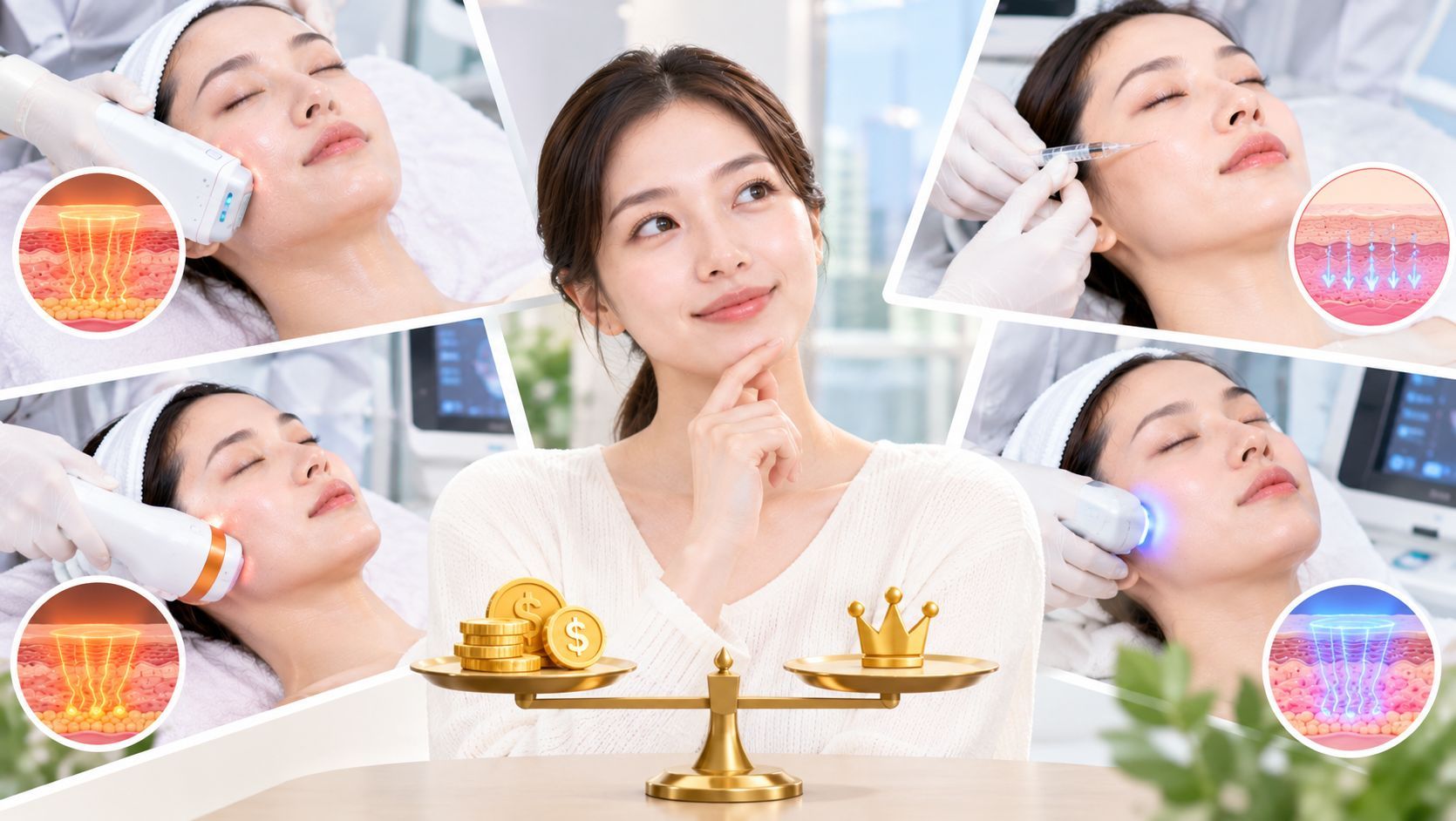
The best treatment for a tired-looking face at age 35 depends on what is causing the appearance. Skin boosters may help when dullness and dehydration are the main concerns, under-eye treatments may be considered for specific tear-trough or pigmentation issues, and treatments such as Thermage or Ultherapy may be appropriate when early skin laxity is present. If volume loss is responsible, a different approach may be needed.
There is no single treatment that works best for every tired-looking face. Identifying the cause before choosing a procedure can help you avoid unnecessary treatments and achieve more natural-looking results.
Why Does Your Face Look Tired at Age 35?
A tired appearance does not always mean that your skin is aging prematurely. Several different factors can contribute, and more than one may be present at the same time.
Dark Circles and Under-Eye Hollows
The under-eye area has thin skin and a complex underlying structure. Dark circles may result from pigmentation, visible blood vessels, shadows caused by tear-trough hollows, or a combination of these factors.
If the area beneath your eyes looks sunken, light may create shadows that make you appear tired. However, if the darkness is mainly due to pigmentation or visible blood vessels, adding volume may not address the underlying cause.
Dull or Dehydrated Skin
When the skin lacks sufficient moisture, its surface may look less smooth and reflective. Dehydration can make fine lines more noticeable and contribute to a tired appearance.
Environmental exposure, irritating skincare products, and changes in the skin barrier can contribute to this problem. Dullness may improve with appropriate skincare or selected professional treatments, depending on the cause.
Early Loss of Skin Firmness
Collagen helps support the skin's structure. As collagen changes with age, some people begin to notice mild laxity, particularly around the cheeks, jawline, and lower face.
At 35, these changes may be subtle. Skin tightening treatments may be considered when laxity is present, but they will not necessarily improve dark circles, hollow cheeks, or dehydration.
Facial Volume Changes
Changes in facial fat distribution or weight can make the cheeks appear flatter and the area around the mouth look more pronounced. This can create a tired or less refreshed appearance even when the skin itself remains relatively firm.
Because volume loss and skin laxity are different concerns, they may require different approaches.
What's the Best Treatment for a Tired-Looking Face?
The most appropriate treatment depends on the specific feature that makes your face look tired. A medical consultation can help determine whether you would benefit from skincare, an injectable treatment, an energy-based procedure, or no cosmetic procedure at all.
1. Skin Boosters for Dullness and Dehydrated Skin
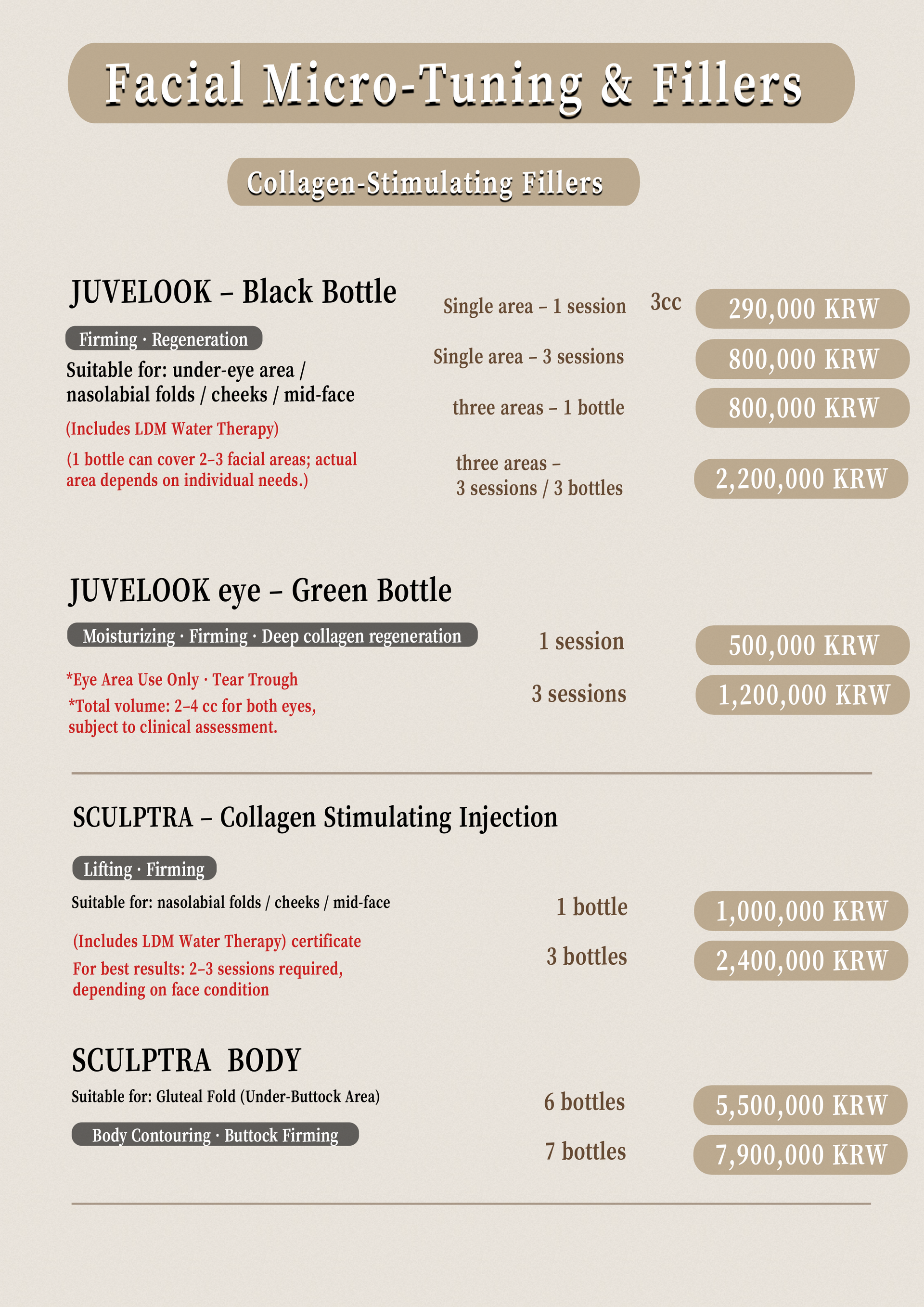
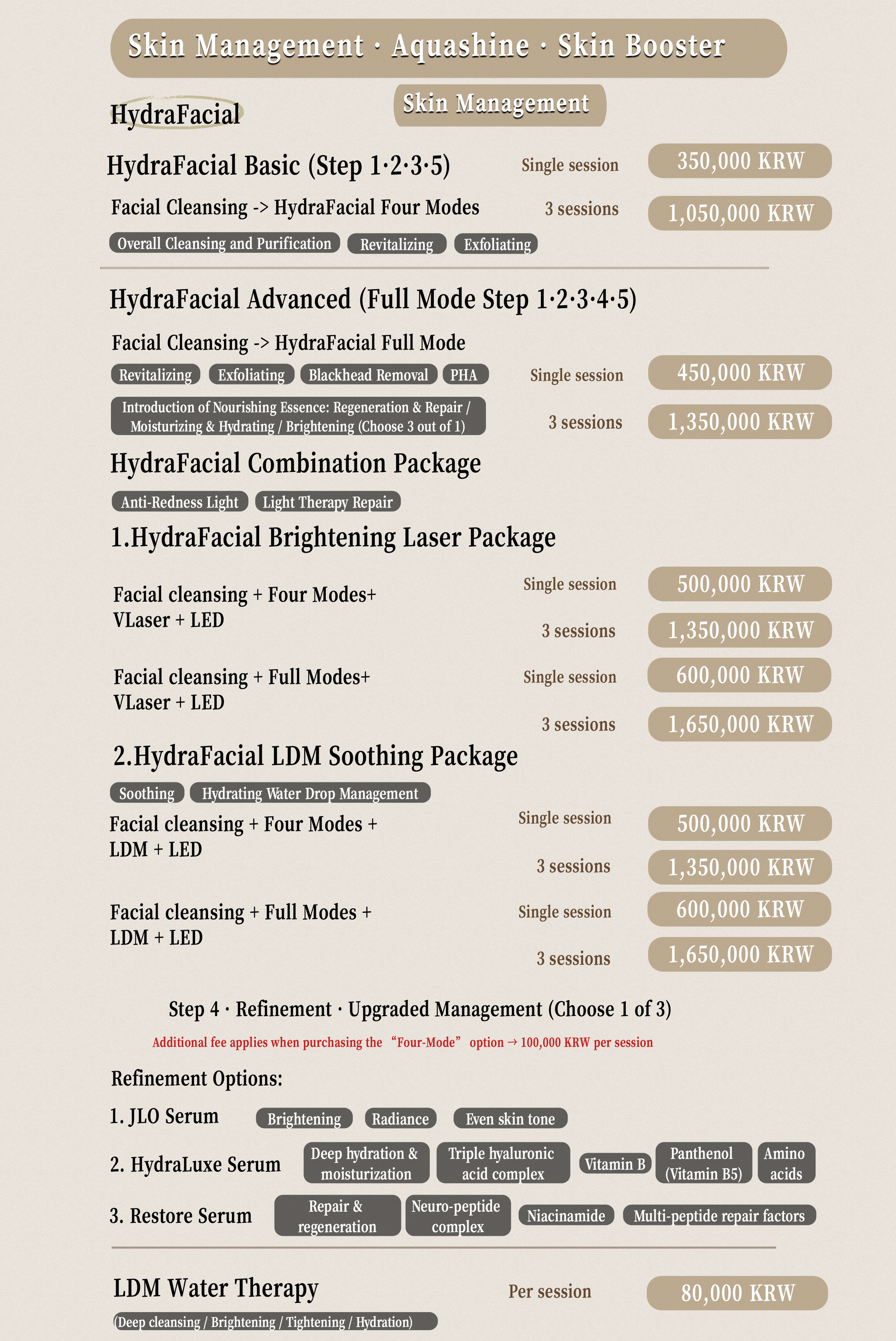
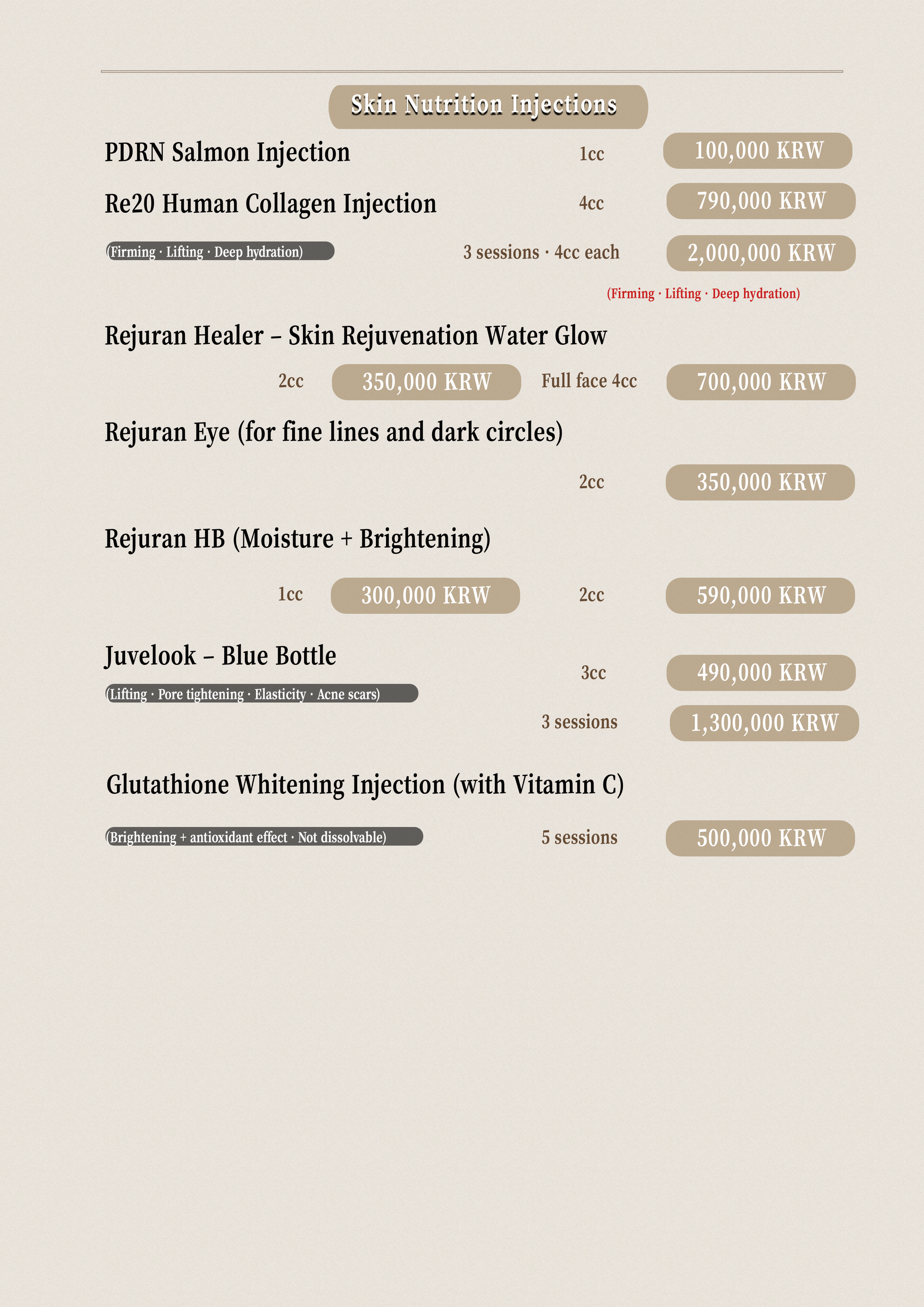
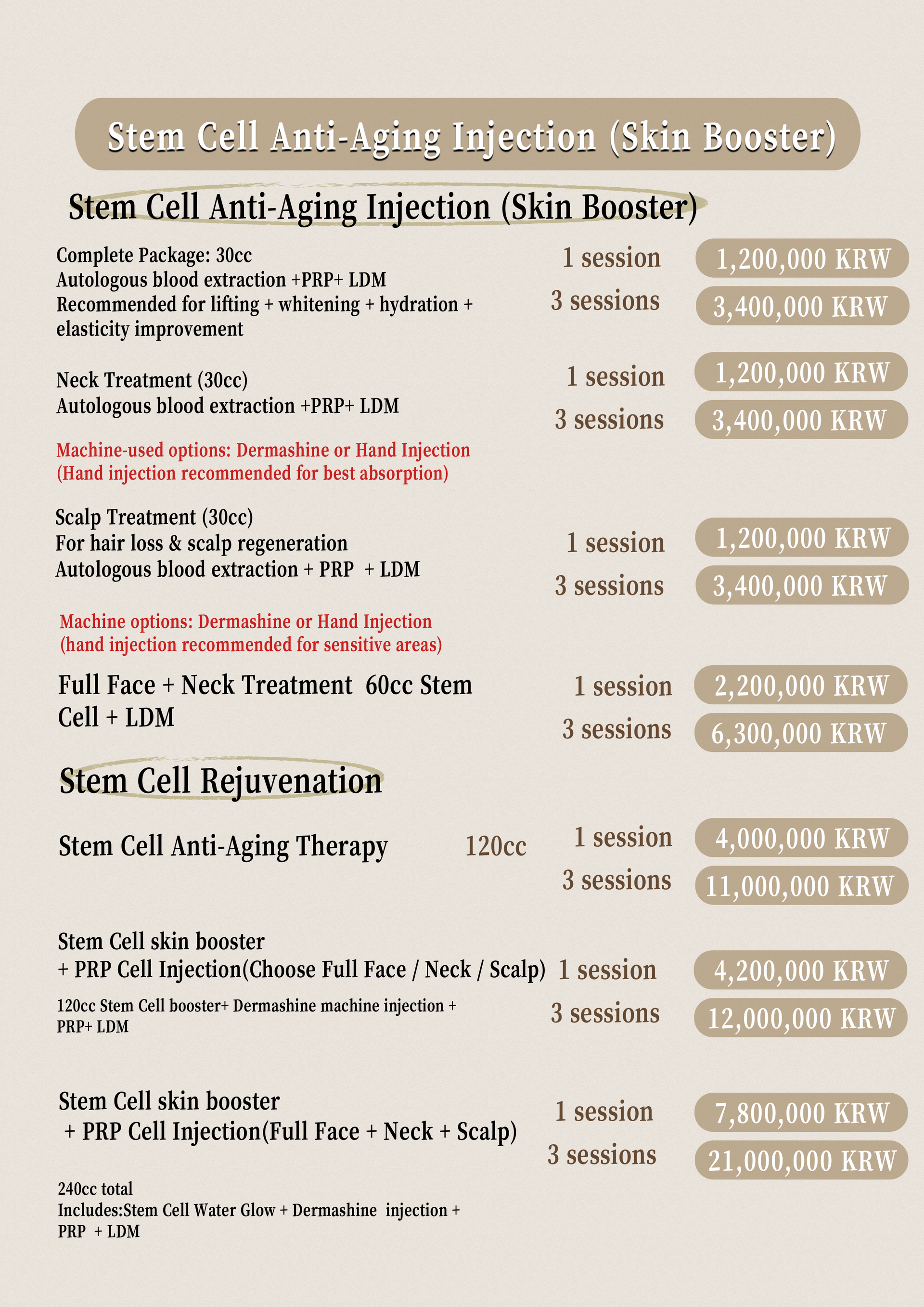
Skin boosters are injectable treatments designed to improve selected aspects of skin quality. Depending on the product, they may contain hyaluronic acid or other ingredients intended to improve hydration, skin texture, or elasticity.
They may be worth discussing if your skin looks dull, feels dehydrated, or has fine lines associated with reduced skin quality.
Potential benefits include improved hydration and a smoother-looking skin surface. However, results depend on the specific product, injection technique, and individual response. Skin boosters do not reliably correct deep hollows, substantial sagging, or all forms of pigmentation.
Treatment schedules vary by product. Some protocols involve multiple sessions, and maintenance may be discussed depending on the results.
Possible side effects include swelling, bruising, redness, tenderness, and small injection-site bumps. Rare but serious complications can occur with injectable procedures, so treatment should be performed by an appropriately qualified medical professional.
2. Under-Eye Treatments for Dark Circles and Hollows
If your tired appearance mainly comes from the under-eye area, the treatment should address the actual cause rather than simply treating the entire face.
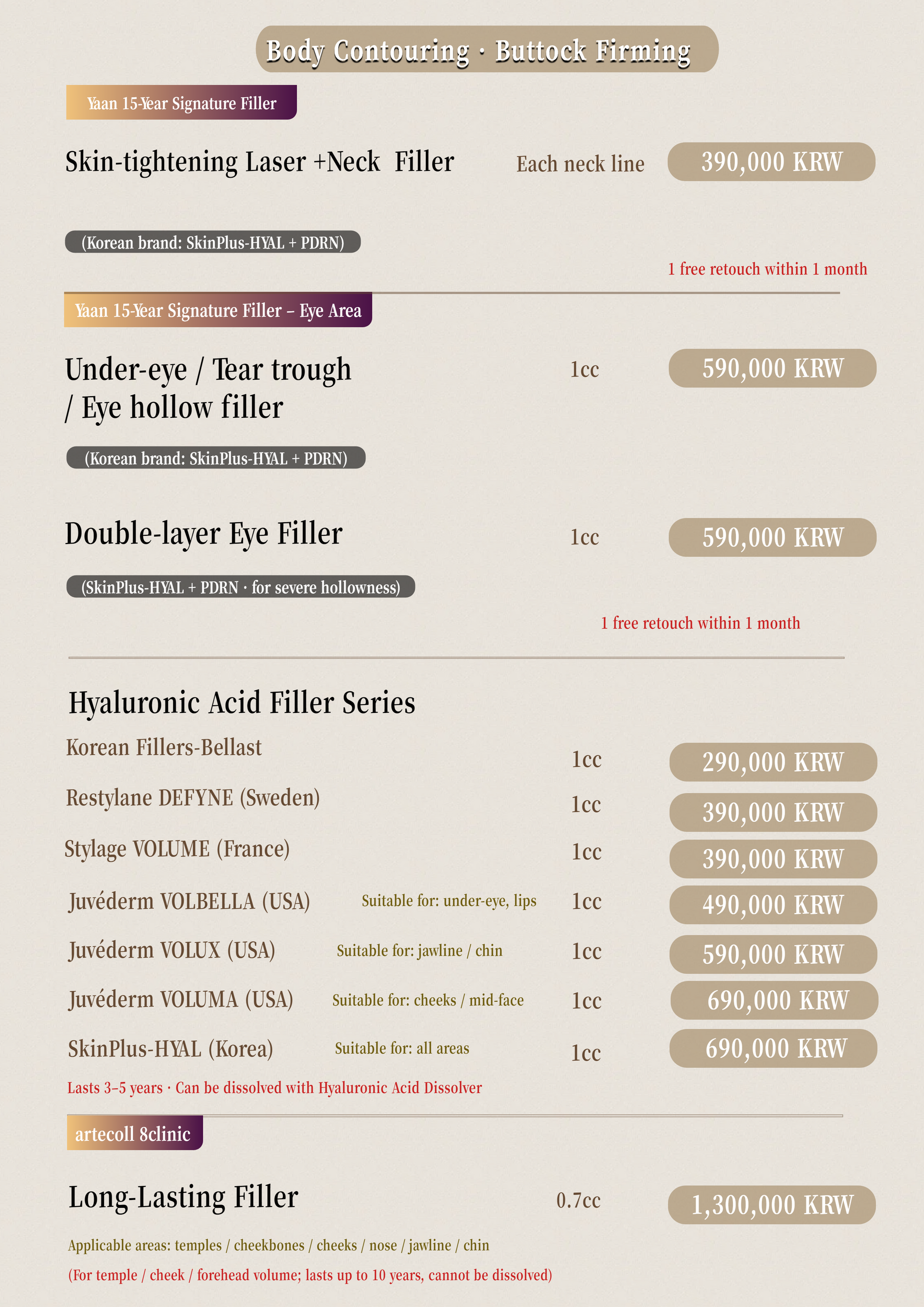
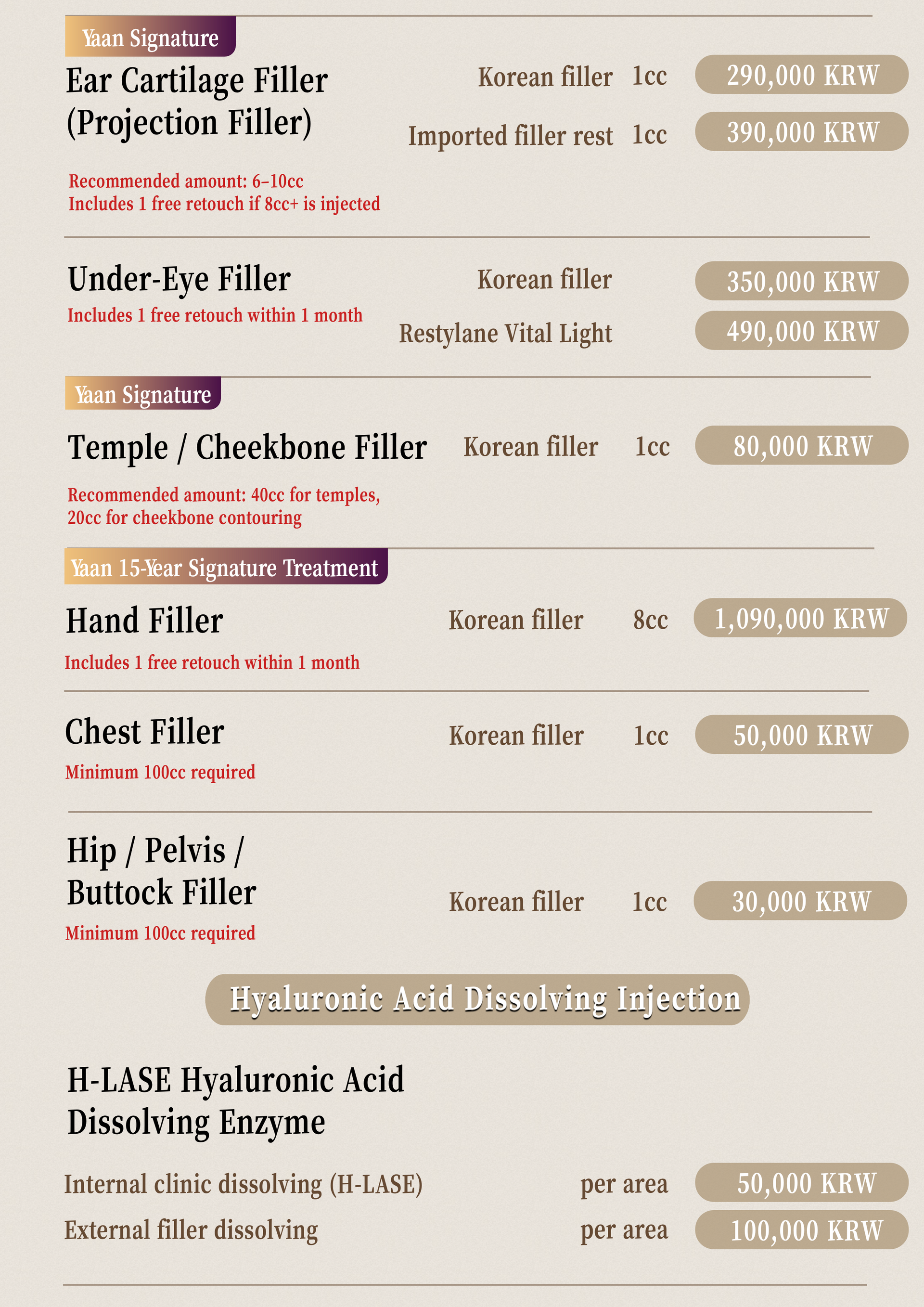
For tear-trough hollows, an experienced clinician may discuss whether a carefully selected under-eye filler treatment is appropriate. Fillers can add volume in selected cases, but the under-eye area is technically challenging and has important risks.
Potential side effects include prolonged swelling, unevenness, bluish discoloration, and visible lumps. Rarely, filler injection can obstruct a blood vessel and cause serious tissue damage or vision loss.
Under-eye fillers are not appropriate for everyone. They may be unsuitable when puffiness, prominent eye bags, or certain anatomical features are the main concern.
When darkness is mainly related to pigmentation, visible vessels, allergies, or skin irritation, other approaches may be more appropriate. A clinician should assess the cause before recommending a procedure.
3. Thermage for Early Skin Laxity
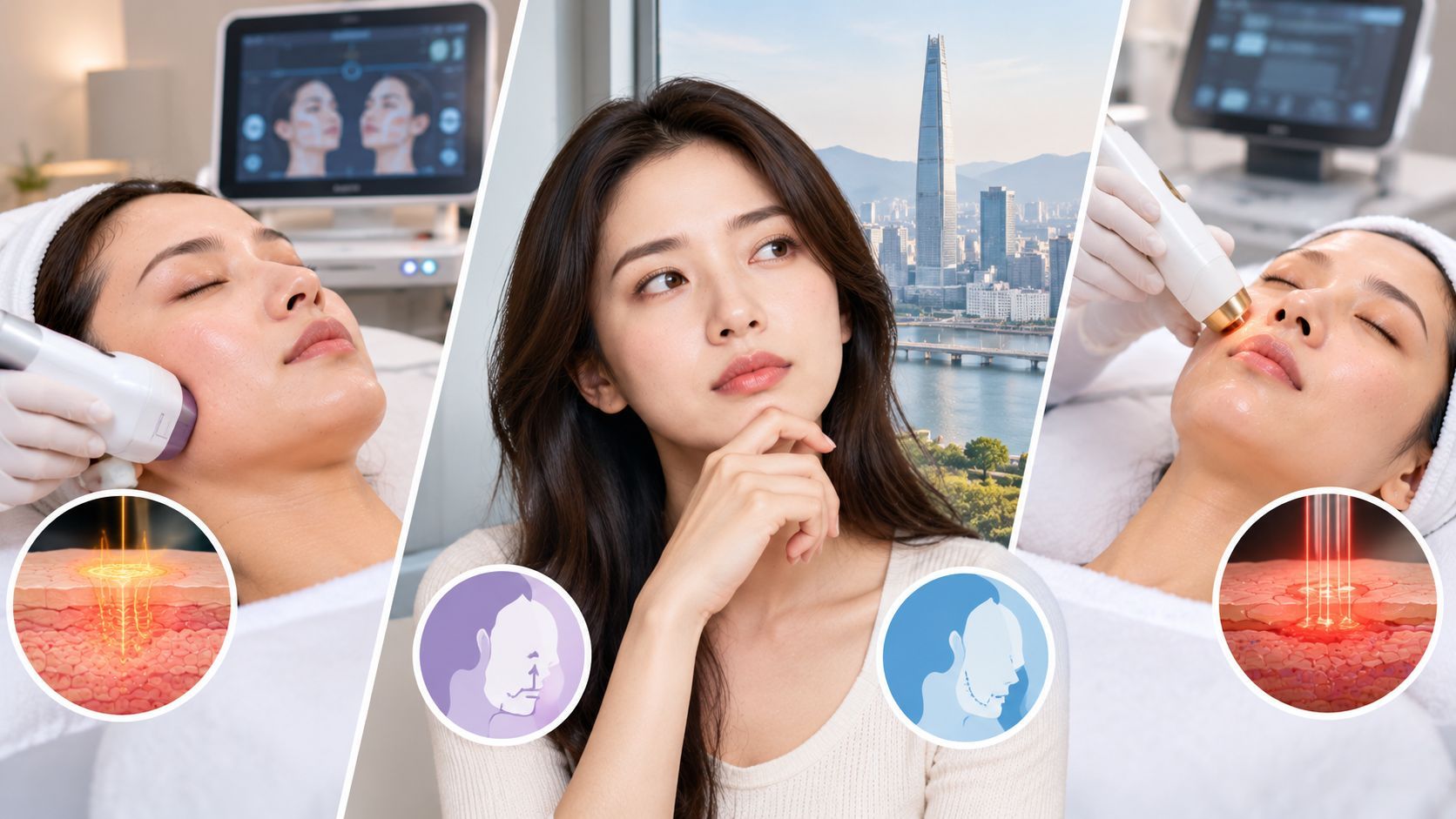
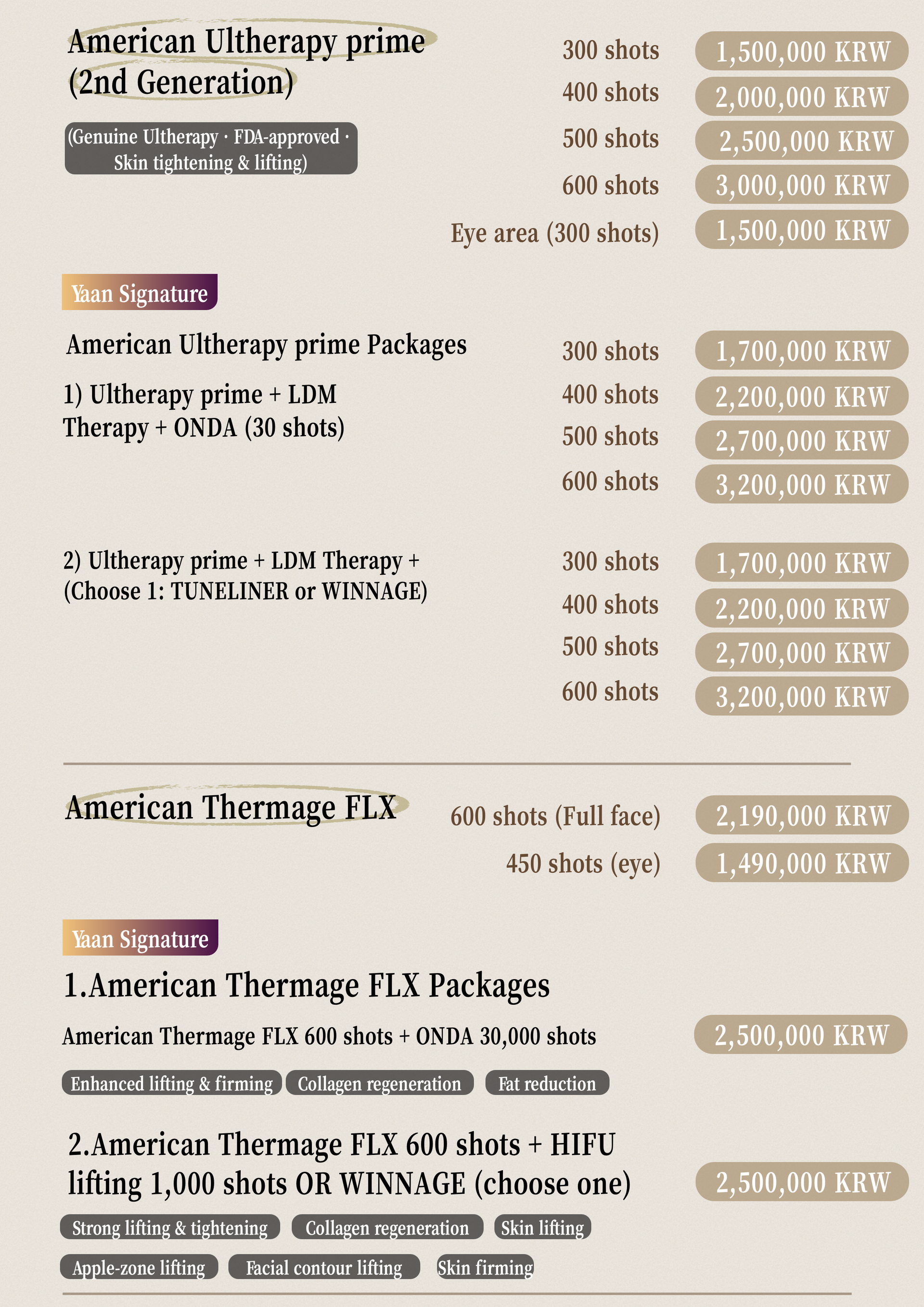
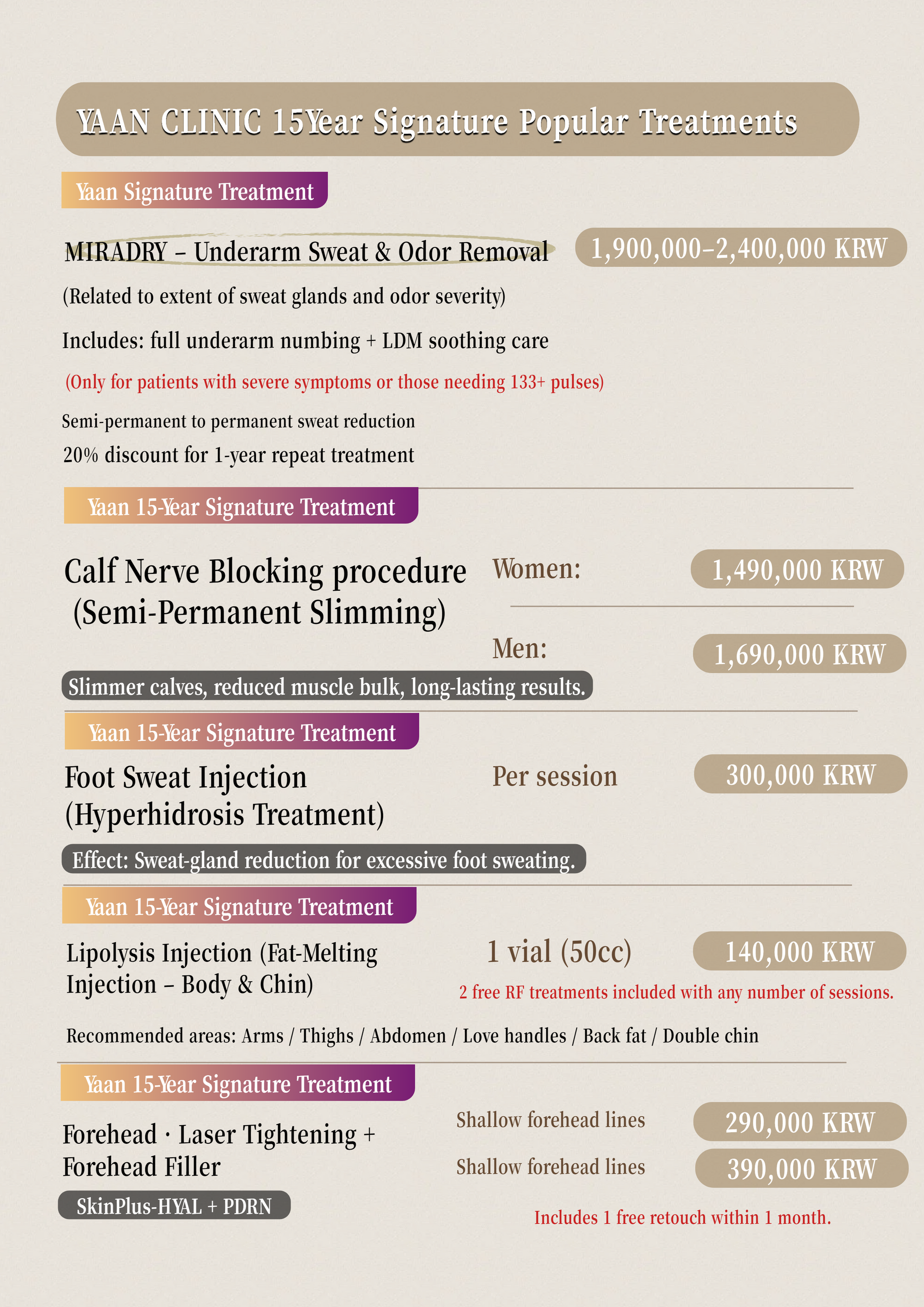
Thermage uses monopolar radiofrequency energy to heat tissue and stimulate collagen remodeling. It is used to improve selected signs of skin laxity and wrinkles.
If your face looks tired because the skin around your cheeks or jawline has become less firm, Thermage may be worth considering after a clinical assessment.
The treatment is commonly performed in one session, and improvements may develop gradually over several months. The degree of tightening varies between individuals.
Thermage does not restore lost facial volume and is unlikely to address tired-looking eyes caused primarily by pigmentation or under-eye hollows.
Possible side effects include temporary redness, swelling, tenderness, and discomfort. Less common complications include burns, scarring, and unwanted changes in facial contour.
4. Ultherapy for Selected Lifting Concerns
Ultherapy uses microfocused ultrasound energy to create controlled heating points at selected tissue depths. Its imaging system allows the practitioner to visualize tissue layers during treatment.
It may be considered when early tissue laxity contributes to a less defined facial appearance. However, the appropriate treatment area and expected improvement depend on individual anatomy.
Ultherapy does not directly correct dehydrated skin, pigmentation, or all forms of under-eye darkness. It should not be selected simply because your face looks tired.
Results develop gradually, and some people experience discomfort, swelling, tenderness, bruising, or temporary nerve-related symptoms. Rare complications can include burns or prolonged sensory changes.
5. Pico Toning for Selected Pigmentation Concerns
Pico Toning uses short pulses of laser energy and may be used to treat selected pigmentation concerns, depending on the device and clinical indication.
If uneven pigmentation contributes to a dull or tired appearance, a dermatologist may assess whether laser treatment is appropriate.
Pico Toning does not treat every cause of dark circles, and results depend on the type of pigmentation, skin tone, treatment settings, and individual response.
Temporary redness, swelling, irritation, and changes in pigmentation may occur. In some cases, pigmentation can become darker or lighter after treatment, particularly if the skin is not appropriately assessed or treated.
A professional evaluation is important before using laser treatment around delicate facial areas.
How Do You Choose the Right Treatment at 35?
Rather than choosing the most popular procedure, start by identifying your main concern.
If your skin looks dull or dehydrated, review your skincare routine and consider whether a suitable skin-quality treatment may help.
If your under-eyes look hollow, ask whether the appearance is caused by volume loss, pigmentation, visible vessels, or puffiness. These concerns are not interchangeable, and under-eye filler is not always the right answer.
If your cheeks or jawline appear less firm, an energy-based treatment may be worth discussing. However, mild skin laxity should be distinguished from facial volume loss before treatment.
If uneven pigmentation is the main concern, a dermatologist can assess whether topical skincare, Pico Toning, or another approach is appropriate.
The best treatment is the one that addresses the actual cause of your tired appearance, not necessarily the one that promises the most dramatic results.
Can You Improve a Tired-Looking Face Without Procedures?
Not every tired-looking face requires an aesthetic treatment. Simple measures may improve skin appearance when dehydration, irritation, sun exposure, or lifestyle factors contribute to the problem.
Maintain a Consistent Skincare Routine
Use a gentle cleanser, an appropriate moisturizer, and broad-spectrum sunscreen with SPF 30 or higher. Daily sun protection helps reduce ultraviolet-related skin damage and premature signs of aging.
If you have sensitive skin, introduce active ingredients gradually to avoid irritation. A dermatologist can help you select suitable products if you have persistent pigmentation or uneven texture.
Review Sleep, Allergies, and Hydration
Insufficient sleep may contribute to a tired appearance, while allergies can cause under-eye swelling or rubbing that worsens irritation and discoloration.
Drinking adequate fluids and maintaining regular sleep habits support general health, although they will not correct structural hollows or significant skin laxity.
If dark circles, persistent puffiness, or facial changes develop suddenly or are accompanied by other symptoms, consider medical evaluation rather than assuming the cause is cosmetic.
Considering Facial Rejuvenation Treatments in Seoul
Seoul, including Gangnam, offers a range of aesthetic medical services for skin quality, pigmentation, under-eye concerns, and skin tightening.
If you are researching treatment as an international patient, choose a provider who assesses your facial anatomy and explains why a particular procedure is appropriate. Avoid selecting a treatment based only on promotional photographs or claims of immediate transformation.
Before booking, ask:
- What is the main cause of my tired-looking appearance?
- What improvement can I realistically expect?
- Are there non-procedural alternatives?
- What are the risks, downtime, and possible complications?
- How many sessions may be needed?
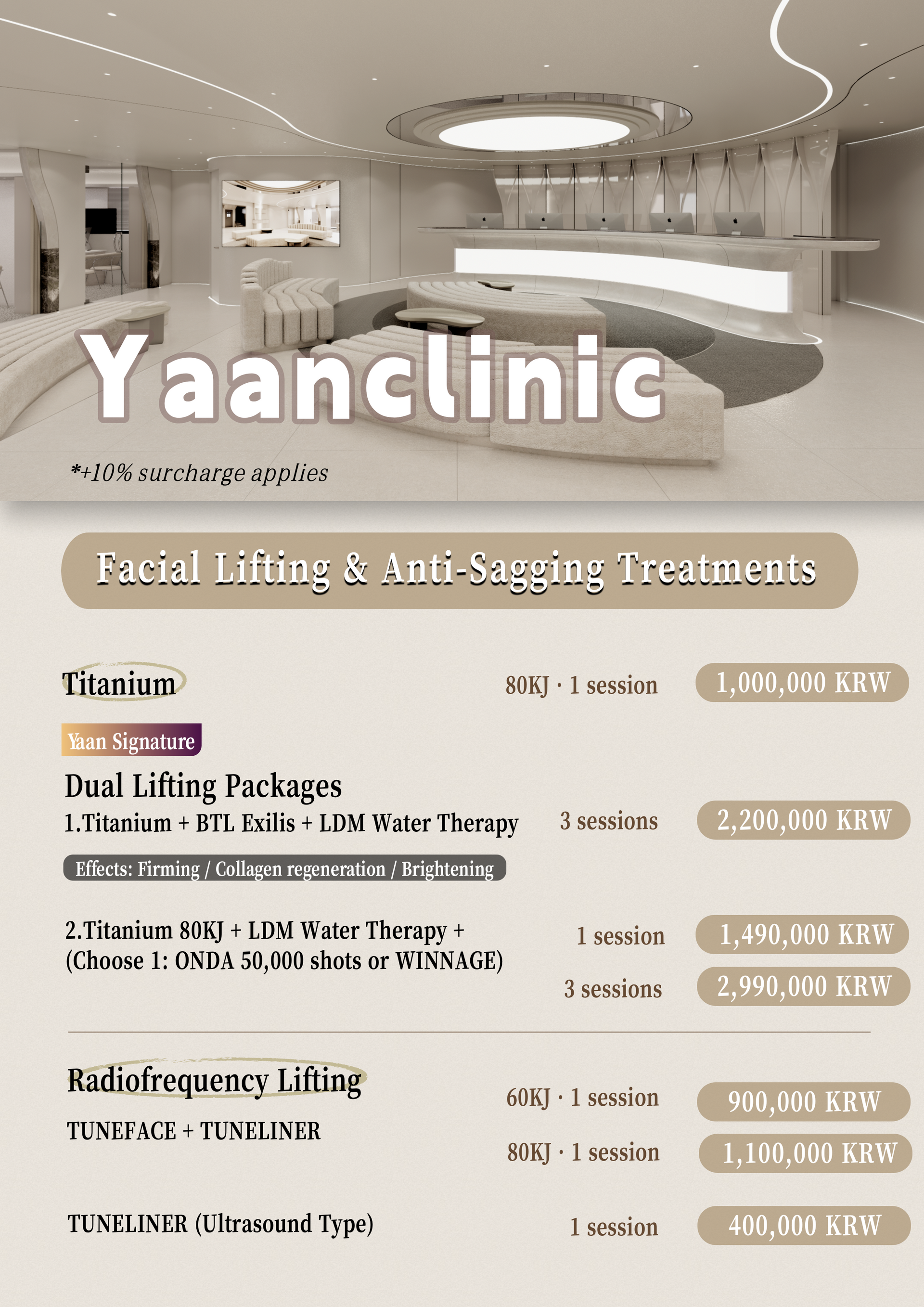
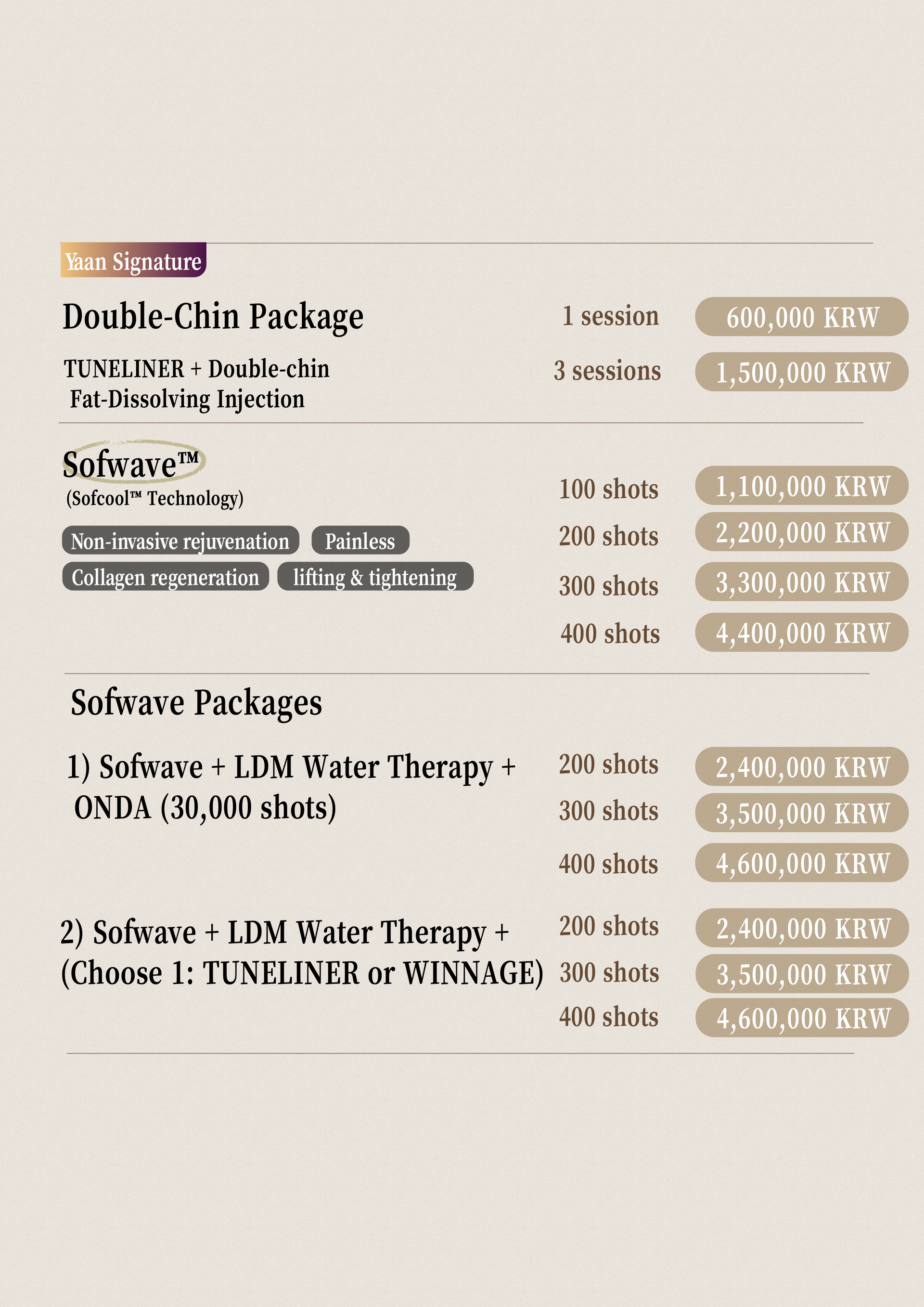
- What is included in the total treatment cost?
- How will follow-up care be arranged if I return home?
A treatment plan should reflect your individual concerns, medical history, and tolerance for downtime. Multiple procedures are not automatically better than one carefully selected approach.
Conclusion: Finding the Best Treatment for a Tired-Looking Face at 35
At 35, a tired-looking face may be related to dullness, dehydration, under-eye hollows, pigmentation, early skin laxity, or facial volume changes.
Skin boosters may help selected skin-quality concerns, while under-eye treatments, Thermage, Ultherapy, or Pico Toning may be considered for specific problems when clinically appropriate. Each treatment has different benefits, limitations, and risks.
Before investing in a procedure, identify what is causing the appearance you want to improve. A qualified medical professional can help you choose an appropriate treatment or determine whether skincare and other non-procedural measures are sufficient.
The goal is to achieve a healthier, more refreshed appearance while keeping expectations realistic and avoiding unnecessary procedures.
Frequently Asked Questions
1. What is the best treatment for a tired-looking face at 35?
There is no single best treatment. Skin boosters may help with selected skin-quality concerns, under-eye treatments may address certain hollows, and energy-based treatments may improve selected signs of laxity. The right option depends on the cause.
2. Can skin boosters make my face look more refreshed?
Some skin boosters may improve hydration, texture, and selected aspects of skin quality. They do not reliably correct deep hollows, significant sagging, or every cause of dullness. Results and treatment schedules depend on the product used.
3. Is Thermage or Ultherapy better for a tired face?
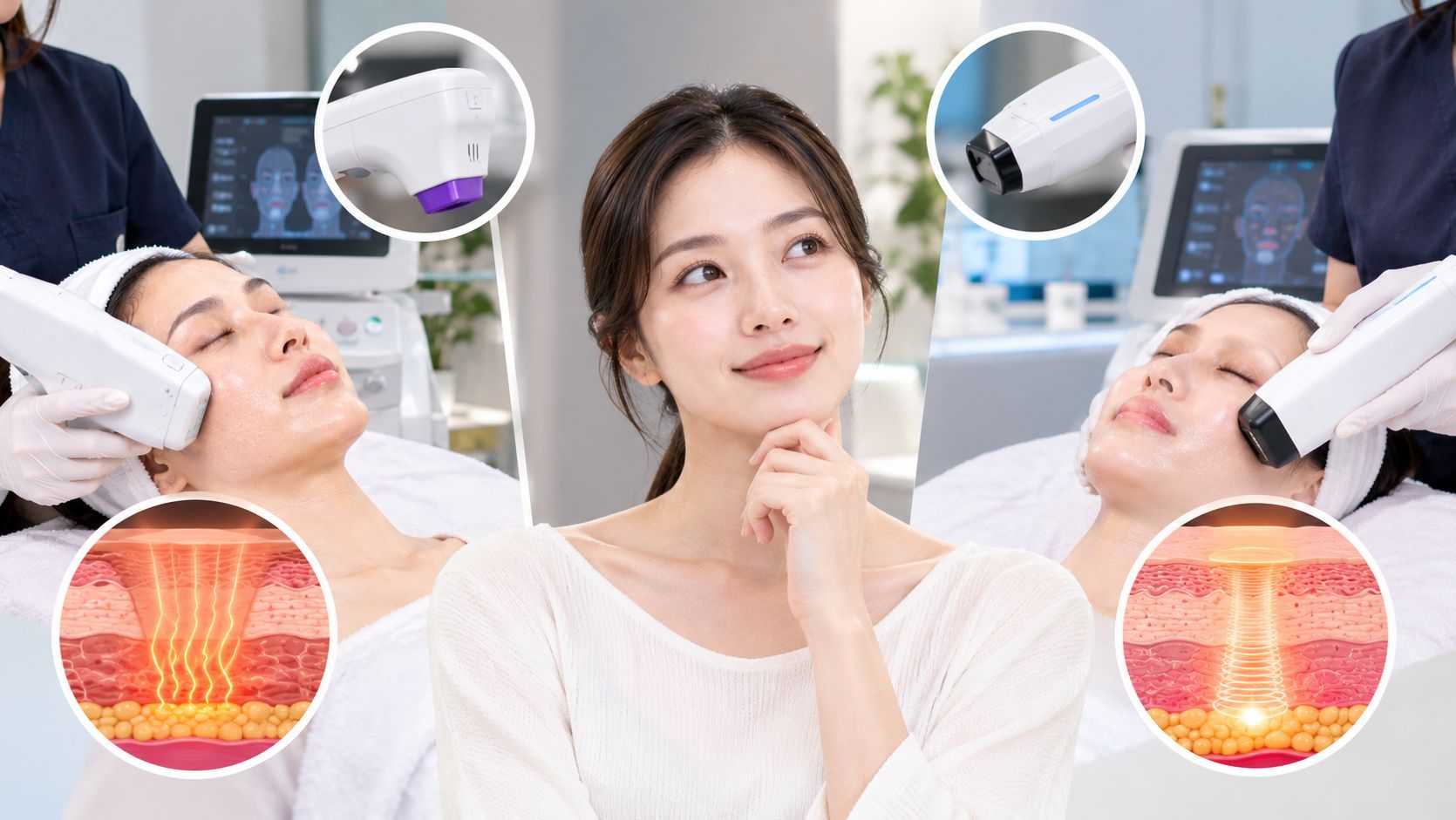
Neither is universally better. Thermage uses radiofrequency energy, while Ultherapy uses microfocused ultrasound. They may be considered for selected concerns involving skin firmness or tissue laxity, but neither directly addresses all causes of a tired appearance.
4. Can under-eye fillers remove dark circles?
Under-eye fillers may improve the appearance of selected tear-trough hollows, but they do not reliably correct pigmentation or visible blood vessels. They can also cause swelling and other complications, so careful assessment is essential.
5. How many treatments are needed to look less tired?
The number of sessions depends on the procedure, product, treatment area, and individual response. Some treatments are commonly performed in one session, while others may involve several sessions. A provider should explain the proposed schedule and expected benefits.
6. Can I get facial rejuvenation treatments in Seoul during a short visit?
Some procedures may be scheduled during a short visit, but suitability, consultation requirements, recovery, and follow-up needs vary. Confirm the treatment plan and aftercare arrangements before traveling rather than assuming that every procedure can be completed in one appointment.