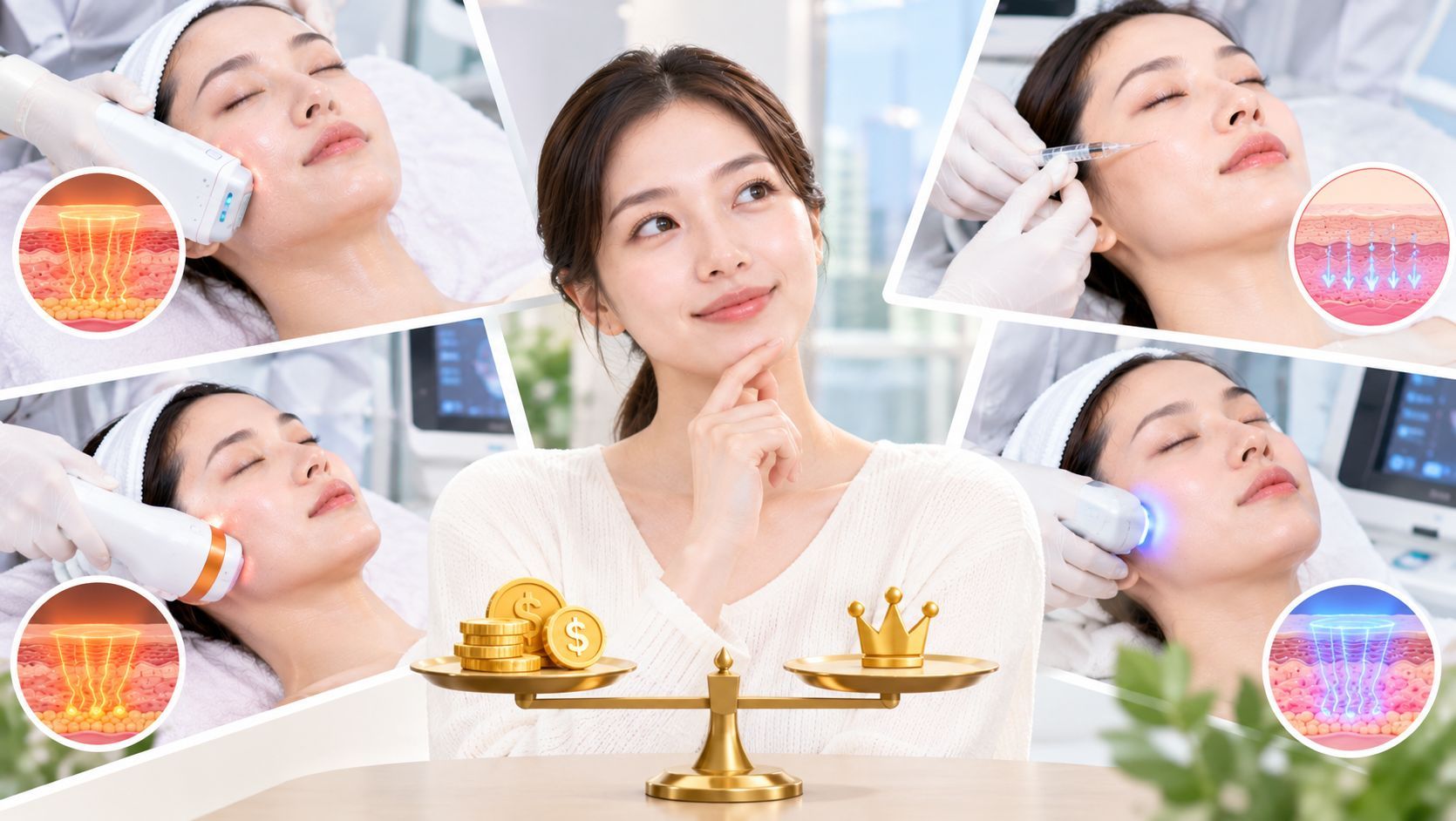
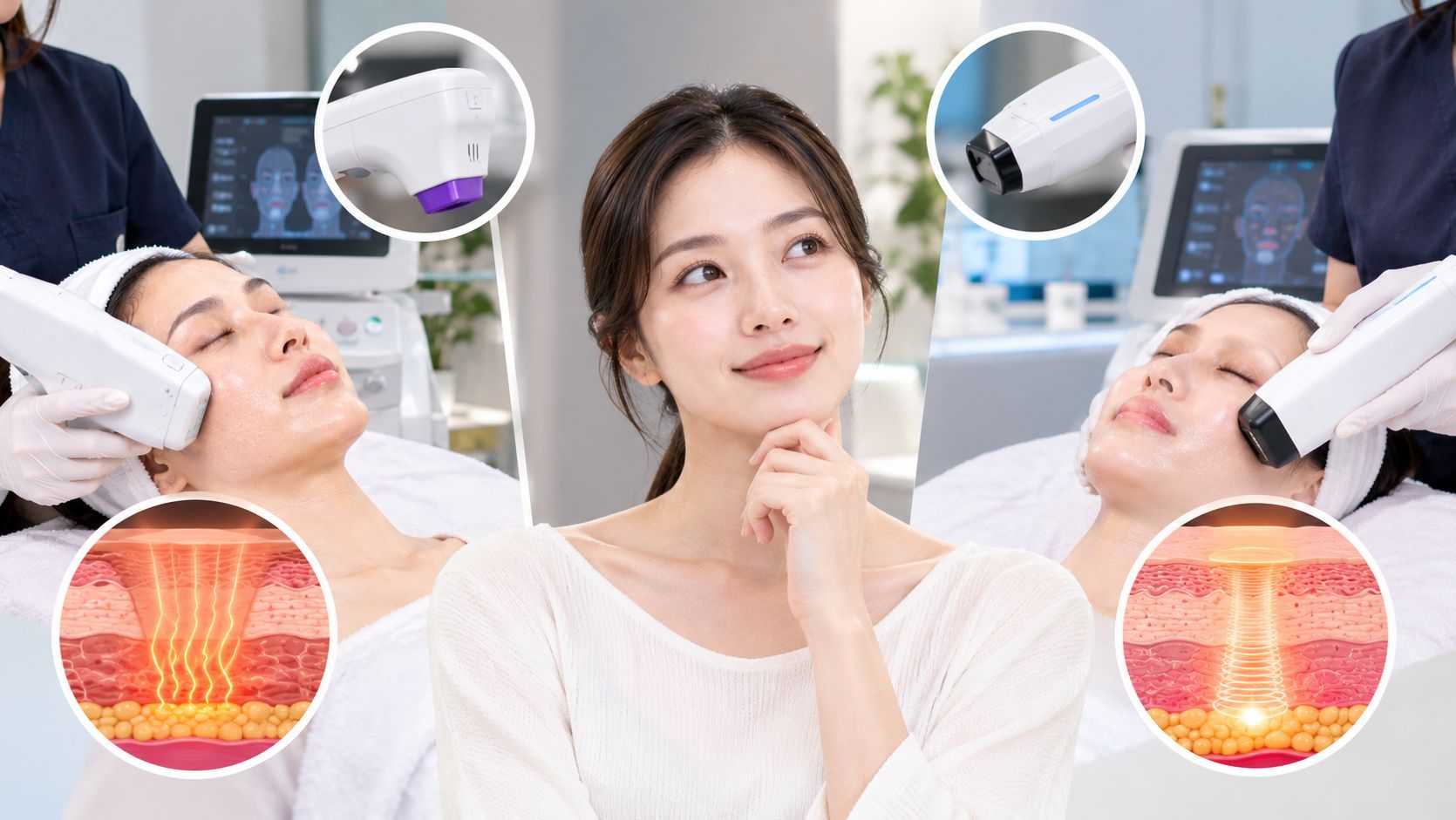
Can InMode Make My Face Too Thin?
InMode treatments are popular in South Korea for facial tightening, contouring, and skin rejuvenation. However, if you already have a slim face, hollow cheeks, or naturally low facial fat, you may worry that treatment could make you look thinner or older.
The answer depends on which InMode technology is used and how it is performed. Some InMode procedures are designed to improve skin firmness, while others can affect deeper tissue or fat. Unwanted facial volume loss is a potential concern with certain energy-based procedures, particularly when treatment is too aggressive or poorly matched to the patient's anatomy.
If preserving facial fullness is your priority, you do not necessarily need to avoid every InMode treatment. You do need an individualized assessment and a treatment plan that specifically accounts for your facial volume.
Why Can InMode Make Some Faces Look Too Thin?
A youthful-looking face is not defined by tight skin alone. Natural fullness in the cheeks, temples, and areas around the mouth contributes to facial balance.
When facial volume decreases excessively, the cheeks may appear hollow, the temples may look sunken, and lines around the mouth may become more noticeable. A sharper jawline is not always a better result if the rest of the face begins to look gaunt.
Several factors can influence the outcome of an InMode procedure:
- Low natural facial fat: There may be little excess fat to reduce without changing facial proportions.
- Age-related volume loss: Some people already have reduced cheek fullness and less support beneath the skin.
- Treatment depth and energy: The depth, energy delivery, and technique influence which tissues receive heat.
- Choice of applicator: Different InMode technologies have different mechanisms and treatment goals.
- Treatment area: Reducing fullness beneath the chin is different from treating the cheeks.
- Individual anatomy: Facial fat distribution, skin thickness, and tissue support vary from person to person.
A treatment that works well for someone with a heavy lower face may be inappropriate for someone with a narrow face and prominent cheekbones.
Which InMode Treatments Require the Most Care With Facial Volume?
InMode is a technology brand rather than a single procedure. Ask your clinic which specific device and applicator it plans to use before deciding whether treatment is appropriate.
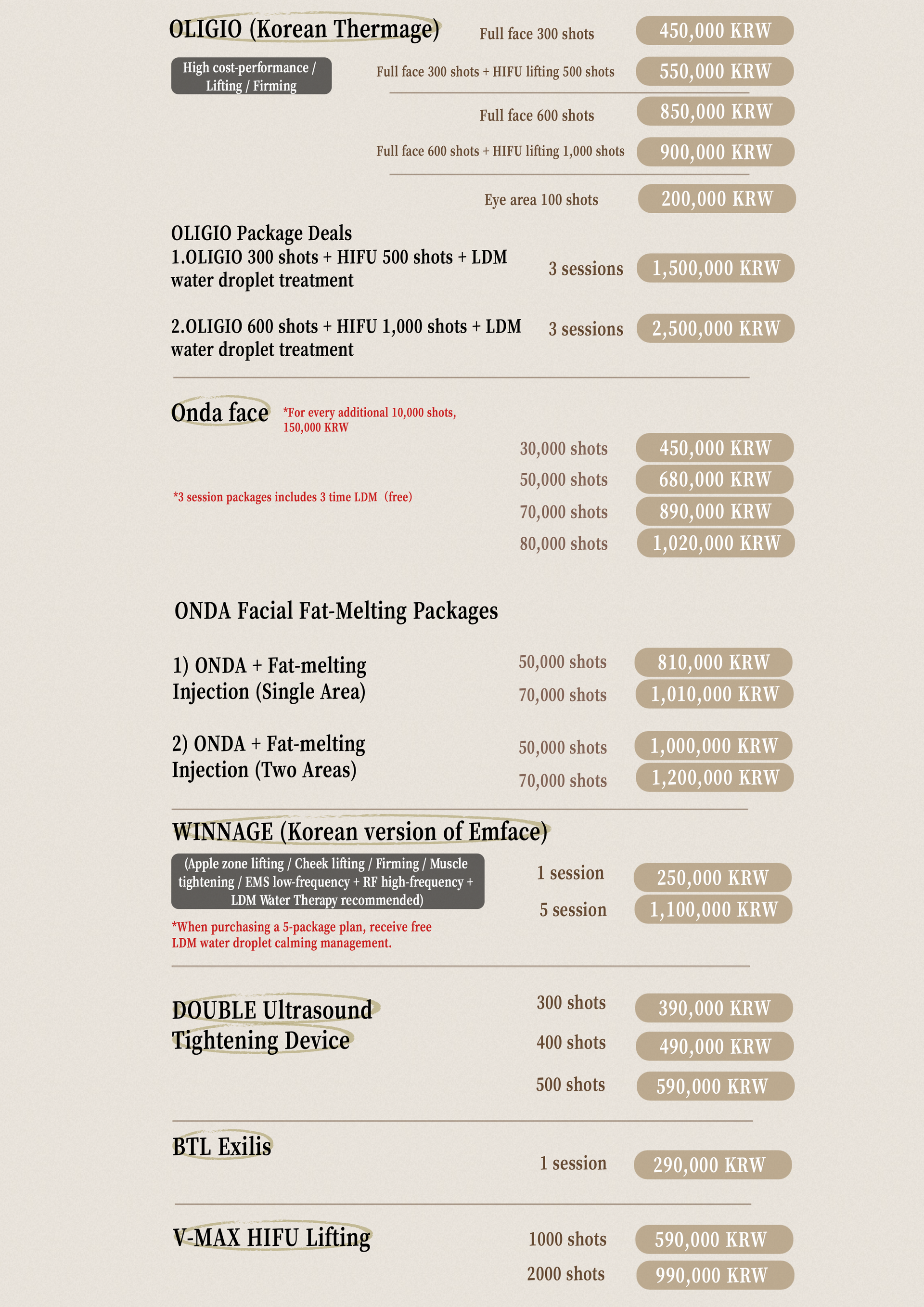
1. Morpheus8: Radiofrequency Microneedling
Morpheus8 delivers radiofrequency energy through microneedles to produce controlled tissue heating. It may be used for concerns such as skin texture, wrinkles, and selected cases of laxity.
However, radiofrequency microneedling is not risk-free. In October 2025, the US Food and Drug Administration issued a safety communication about serious complications reported with certain uses of radiofrequency microneedling, including unintended fat loss, burns, scarring, disfigurement, and nerve damage.
These reports do not establish how frequently complications occur among all treated patients, nor do they mean every Morpheus8 treatment causes fat loss. They do show why treatment depth, energy settings, technique, and patient selection matter.
If you have hollow cheeks or little facial fat, discuss whether radiofrequency microneedling is suitable for your specific concern. Ask how the proposed treatment is intended to affect the skin and deeper tissues, and what steps the clinician will take to minimize unwanted volume changes.
2. FaceTite and AccuTite: Minimally Invasive Contouring
FaceTite and AccuTite use radiofrequency-assisted techniques for selected facial and neck contouring procedures. Depending on the treatment plan, these procedures can affect tissue contraction and fat.
They are not equivalent to a superficial skin treatment. They involve a more invasive approach than many non-invasive energy-based procedures and require an appropriate medical assessment.
If your face is already thin, the clinician must determine whether there is enough excess tissue to justify contouring. Removing or coagulating fat where there is little excess can create an undesirable result.
These procedures may be considered for carefully selected patients with localized fullness and laxity, but they should not automatically be recommended to everyone seeking a sharper jawline.
3. Other InMode Radiofrequency Treatments
The InMode portfolio also includes other radiofrequency technologies and applicators, some intended for skin heating and tightening rather than targeted fat reduction.
Their effects and risks differ. It is therefore inaccurate to say that all InMode treatments thin the face—or that all of them are guaranteed to preserve facial fat.
Ask the clinic to identify the exact treatment, its intended use, and whether it is expected to affect subcutaneous tissue or fat. Marketing terms such as “lifting,” “slimming,” and “tightening” are not enough to determine how a procedure will affect your face.
Who Should Be Especially Careful With InMode?
You should discuss facial-volume preservation explicitly during your consultation if you have any of the following features:
- Naturally hollow or sunken cheeks.
- A narrow or angular face with little soft-tissue fullness.
- Visible temples or prominent cheekbones because of low facial volume.
- Recent weight loss that has reduced facial fullness.
- A history of looking gaunt after a previous contouring treatment.
- Mild skin laxity without substantial excess fat.
- A preference for maintaining a soft, naturally full facial appearance.
These features do not automatically rule out treatment. They indicate that the potential benefit needs to be weighed carefully against the risk of unwanted contour changes.
If your main concern is loose skin rather than excess fat, ask whether a skin-focused approach would be more appropriate than a procedure intended to contour deeper tissue.
What Should You Choose Instead if You Want Tightening Without Fat Loss?
There is no completely risk-free energy-based treatment, but some approaches may be more suitable than others depending on the concern being treated.
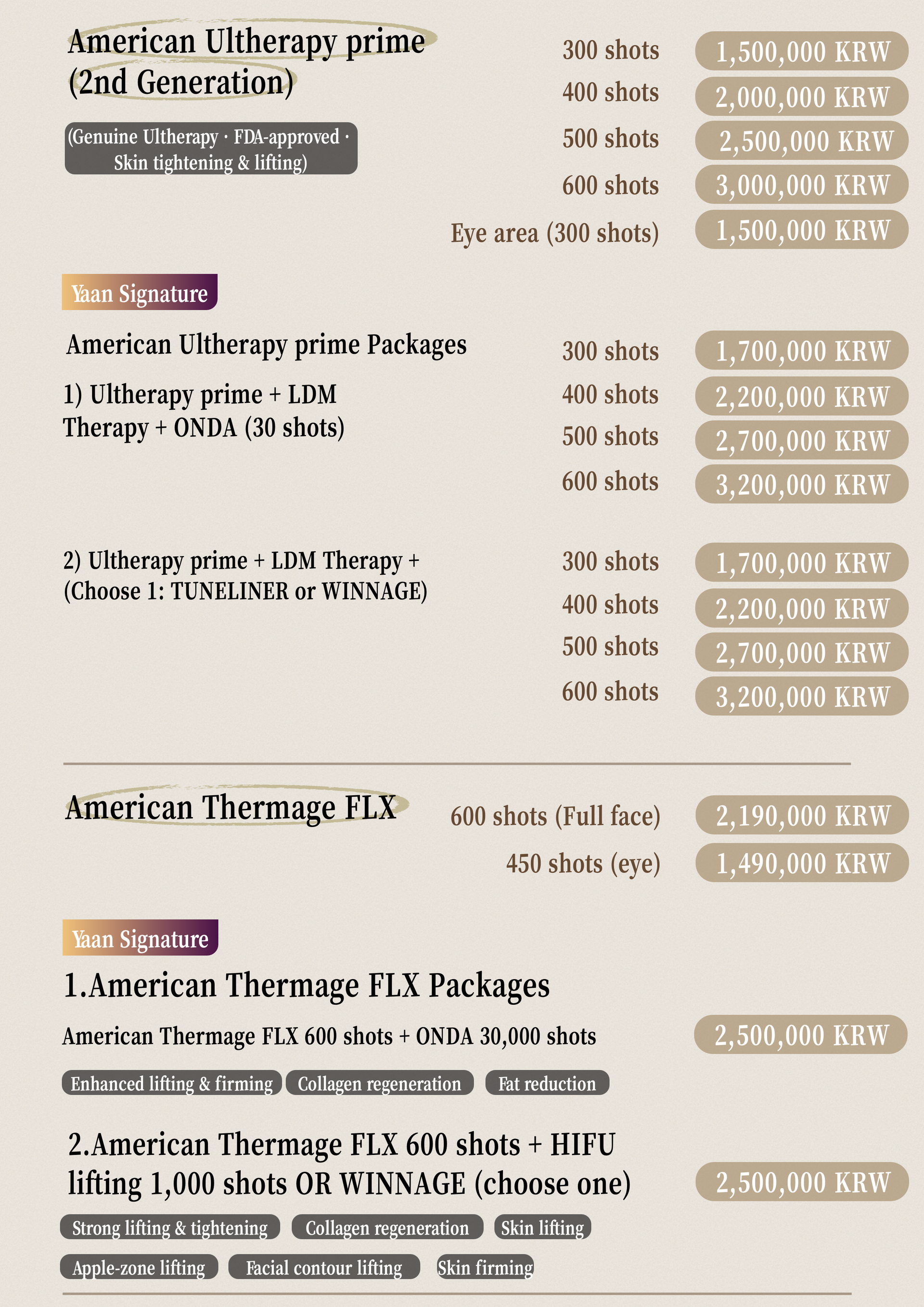
Ultherapy
Ultherapy uses focused ultrasound energy to target selected tissue layers and encourage collagen remodeling. It may be considered for certain cases of skin laxity.
It is not intended primarily as a facial fat-removal procedure, but outcomes depend on anatomy, treatment technique, and the tissues targeted. Unwanted contour changes remain a consideration when energy-based treatments are performed without appropriate selection or technique.
Thermage
Thermage uses radiofrequency energy to heat targeted tissue and encourage collagen remodeling. It may be considered for selected patients seeking improvement in skin firmness.
It should not be described as completely incapable of affecting deeper tissues or as guaranteed to preserve facial volume. Discuss the treatment area, expected result, and risks with your clinician.
Skin-Focused Treatments
If your main concern is skin texture, fine lines, or superficial signs of aging, a dermatologist may consider treatments that do not aim to reduce facial fat. Depending on your needs, these could include appropriate topical skincare, selected laser treatments, or other skin-focused procedures.
The best choice depends on the condition being treated. A treatment for texture is not necessarily a treatment for lifting, and a tightening treatment will not necessarily restore volume that has already been lost.
How to Protect Your Facial Volume Before Treatment
Before booking an InMode procedure in Seoul, take these steps:
- Explain your priority clearly. Tell the clinician that you want to improve firmness without making your face thinner.
- Identify the exact technology. Ask whether the proposed treatment is Morpheus8, FaceTite, AccuTite, or another InMode device and applicator.
- Discuss your facial anatomy. Have your cheeks, temples, lower face, and existing fat distribution assessed.
- Ask about the treatment plan. Understand the intended depth, treatment area, energy settings, and number of sessions.
- Review alternatives. If your face has little excess fat, ask whether a different approach better matches your goals.
- Discuss complications and follow-up. Know what changes are expected, which symptoms require medical review, and how to obtain follow-up care after returning home.
Be cautious of clinics that promise a dramatic lifting result without discussing your facial volume or the potential risks. More energy, more sessions, or a more aggressive treatment is not automatically better.
What If Your Face Looks Hollow After InMode?
If your face develops new hollowing, an unexpected contour change, persistent pain, burns, or unusual skin changes after treatment, contact a qualified medical professional promptly.
Do not assume that every change is temporary or try to correct it immediately with another energy-based procedure. The cause needs to be assessed before further treatment is considered.
A clinician may review the device used, treatment settings, timing, affected areas, and any associated symptoms. Management depends on the findings, and recovery cannot be guaranteed. If the procedure was performed abroad, arrange local medical assessment if you cannot promptly return to the treating clinic.
Conclusion
InMode can be useful for selected skin-tightening and contouring concerns, but the right treatment depends on the exact technology and your facial anatomy. Some procedures can affect fat, and unintended volume loss is a recognized potential complication of certain radiofrequency microneedling uses.
If you already have a thin face, hollow cheeks, or limited facial fat, do not choose treatment simply because it promises a sharper jawline. Ask for a personalized plan that prioritizes your skin concern while preserving natural facial proportions.
The best result is not necessarily the thinnest face or the tightest jawline. It is an improvement that suits your anatomy without creating a new concern.
Frequently Asked Questions
Can InMode permanently reduce facial fat?
Some InMode procedures are intended to contour tissue or affect fat, and unintended fat loss has also been reported with certain radiofrequency microneedling procedures. The extent and permanence of any change depend on the procedure and the individual. A clinician should explain the specific risks of the device being proposed.
Is Morpheus8 safe for a thin face?
A thin face does not automatically make Morpheus8 unsuitable, but it makes careful assessment especially important. Discuss the treatment depth, energy settings, target area, and potential for unwanted volume changes with an experienced medical professional.
Does every InMode treatment slim the face?
No. InMode includes different technologies with different intended uses. Some focus on skin tightening or texture, while others are used for contouring. Ask which exact device and applicator your clinic recommends and how it is expected to affect your tissues.
Is Ultherapy better than InMode for someone with hollow cheeks?
Not automatically. The comparison depends on which InMode technology is being considered and whether the main concern is laxity, texture, or excess tissue. Both treatment selection and technique matter, so an individualized assessment is more useful than choosing by brand name alone.
Can I tighten my skin without losing facial volume?
A clinician may be able to select a treatment focused on your skin concern rather than fat reduction, but no procedure can guarantee that unwanted changes will never occur. Your natural anatomy, treatment method, and the clinician's technique all influence the result.
What should I ask a Seoul clinic before getting InMode?
Ask for the exact device and applicator, the intended treatment depth and target tissue, the risks relevant to your facial anatomy, and the clinic's plan for managing complications. If you are travelling internationally, also confirm how follow-up care will work after you leave Korea.