Can Thermage Tighten an Aging Neck?
The neck can begin to show signs of aging even when the face still looks relatively firm. Loose skin, fine wrinkles, and reduced elasticity may become more noticeable with age, sun exposure, and changes in collagen. If you want a non-surgical way to improve neck firmness, Thermage may be worth considering.
Thermage is a non-invasive radiofrequency treatment designed to heat deeper layers of the skin and stimulate collagen remodeling. It may help improve mild to moderate skin laxity and make the neck look smoother and firmer over time. However, it cannot remove significant excess skin or guarantee a dramatic lifting effect.
For people considering aesthetic treatment in Seoul, the key is to determine whether the main concern is loose skin, horizontal neck lines, vertical muscle bands, or fullness beneath the chin. Each issue may require a different approach.
What Is Thermage, and How Does It Work on the Neck?
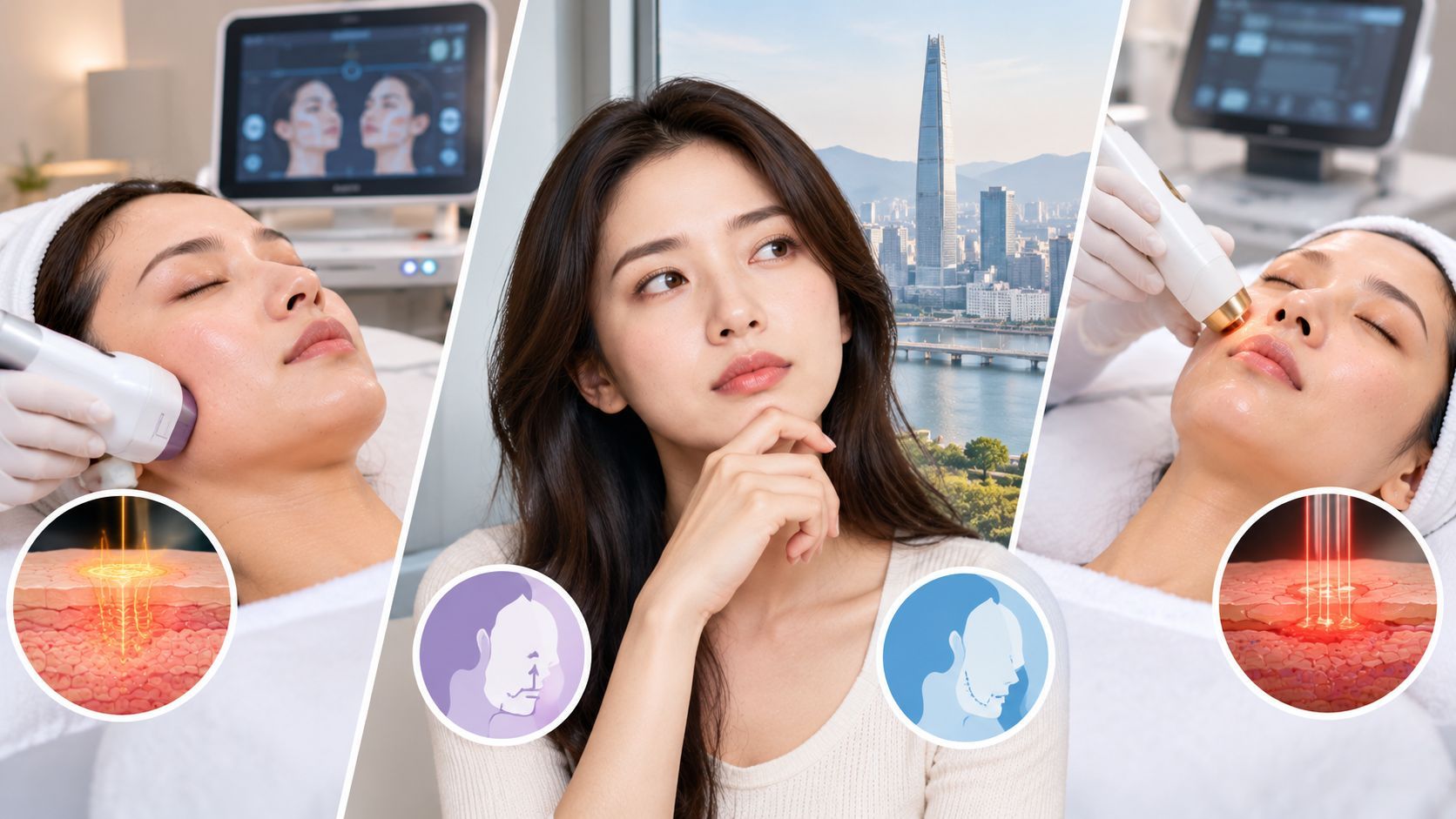
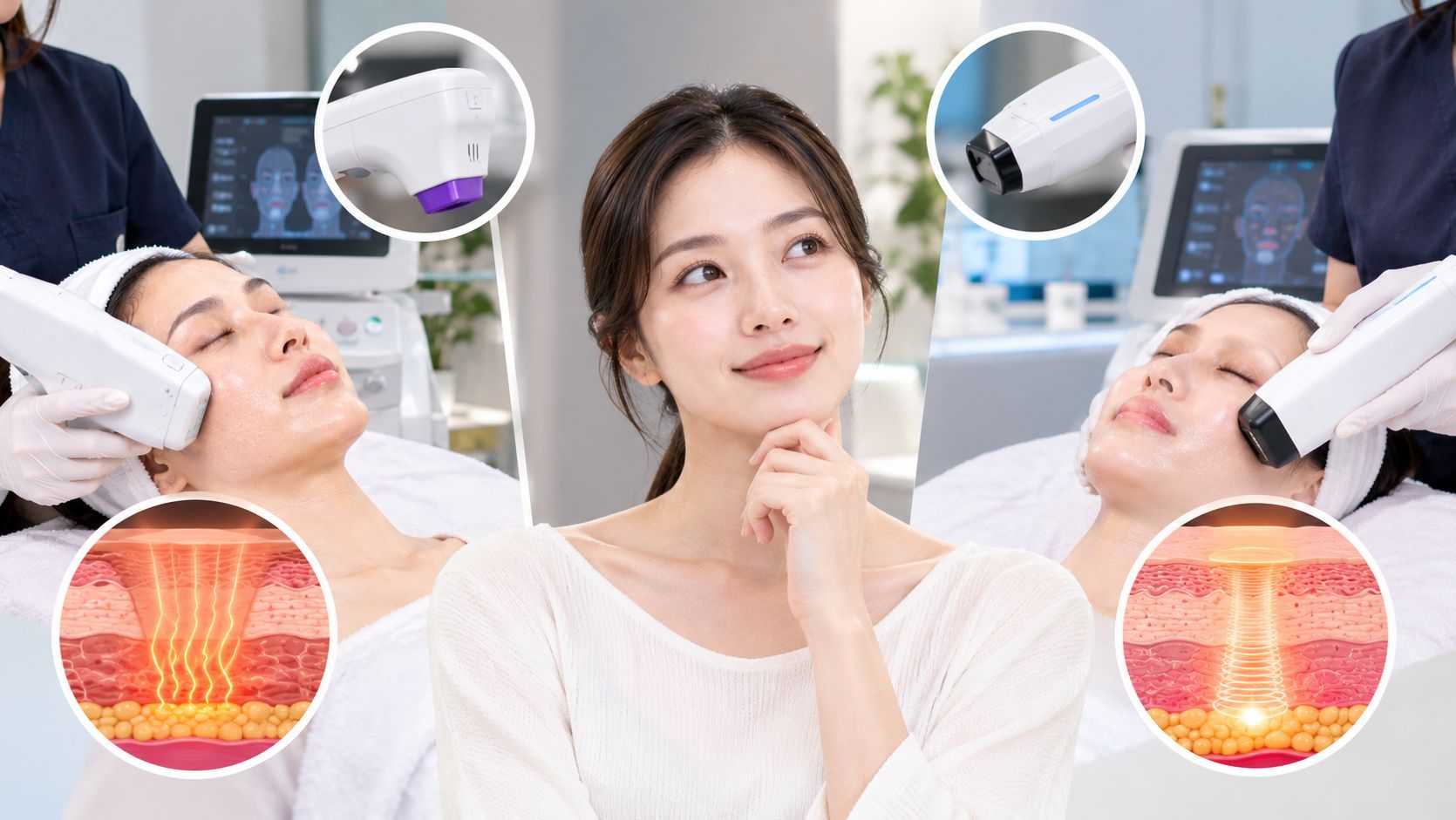
Thermage uses monopolar radiofrequency energy to heat tissue beneath the skin's surface. This controlled heating is intended to encourage collagen remodeling, while the skin's natural healing processes may contribute to gradual changes in firmness and texture.
Collagen provides structural support for the skin. As collagen changes with age, the neck may appear less elastic and develop fine creases or mild sagging.
Thermage aims to improve the appearance of these changes without surgery or intentional removal of the outer skin layer. Depending on the device, treatment tip, and clinical protocol, a provider may assess whether the neck is an appropriate treatment area.
Results vary from person to person. Thermage should be viewed as a skin-tightening option rather than a replacement for a surgical neck lift.
Can Thermage Really Tighten Loose Neck Skin?
Thermage may improve mild to moderate neck laxity, particularly when the skin has started to lose firmness but there is not a large amount of excess tissue.
Potential improvements include:
- A firmer-looking neck
- Mild improvement in loose or crepey skin
- Smoother-looking skin texture
- Subtle improvement in the transition between the jawline and neck when skin laxity contributes to the concern
- Gradual improvement in the appearance of early aging changes
The degree of improvement depends on skin quality, the amount of laxity, age-related tissue changes, and the treatment plan.
If the neck has pronounced sagging, heavy jowls, substantial excess skin, or prominent vertical bands, Thermage alone may not provide the change you want. A consultation can help determine whether another treatment or a combination approach is more appropriate.
Who Is a Good Candidate for Neck Thermage?
Thermage may be suitable for adults who want to improve early signs of neck aging without surgery and who understand that results are generally gradual and modest.
You may be a potential candidate if:
- Your neck skin looks slightly loose or less elastic.
- You notice fine wrinkles or a crepey texture.
- You prefer a non-surgical treatment with limited recovery time.
- You want a subtle improvement rather than a major change in neck shape.
- You have realistic expectations about the limits of energy-based skin tightening.
It may be less suitable as a standalone treatment if your main concern is a large amount of hanging skin, significant fat beneath the chin, or prominent neck muscle bands.
A qualified clinician should assess your skin, medical history, anatomy, and goals before recommending treatment. Tell the provider about implanted medical devices, relevant medical conditions, medications, previous cosmetic procedures, and any recent injectable treatments. Follow the device-specific safety instructions and your clinician's advice.
What Results Can You Expect After Thermage?
Thermage does not usually produce the same immediate, dramatic change associated with surgery. Some people notice an early difference in skin firmness, but collagen remodeling takes time, so the appearance of the neck may continue to change over the following months.
Results are individual, and not everyone experiences a noticeable improvement. The best way to evaluate progress is to compare standardized photographs taken before treatment with photographs taken during follow-up.
A clinic should explain what level of improvement is realistic for your particular neck before you proceed. Be cautious of claims that promise perfectly smooth skin, a completely lifted neck, or guaranteed results after a single session.
How Many Thermage Sessions Are Needed?
Thermage is commonly planned as a single treatment session for a given treatment area, rather than a series of closely spaced sessions. Whether and when a repeat treatment is appropriate depends on the individual's response, the device and protocol used, and the clinician's assessment.
More energy or more treatment passes do not automatically mean better results. The neck is a delicate area, and treatment settings should be selected carefully to balance potential benefit with safety.
Before booking, ask the clinic which Thermage system and treatment tip it uses, whether that configuration is intended for the neck, how the treatment will be customized, and what follow-up is recommended.
Is Thermage Painful on the Neck?
People may experience warmth, brief stinging, or discomfort as radiofrequency energy is delivered. Sensations vary according to individual sensitivity, treatment settings, and the area being treated.
Modern devices may use cooling and other comfort features, but treatment should not be assumed to be completely painless. Tell the clinician if the heat becomes unusually intense or uncomfortable. Appropriate technique and communication during the procedure are important.
What Are the Side Effects and Risks?
Temporary redness, swelling, tenderness, or sensitivity can occur after Thermage. Many people resume normal activities soon after treatment, but recovery varies.
Less common but more significant complications may include burns, blisters, changes in skin sensation, pigment changes, surface irregularities, scarring, or unwanted changes in facial or neck contour. The risk can depend on the device, treatment technique, energy settings, and individual anatomy.
Choose a qualified medical provider who is familiar with the device and experienced in treating the neck. Ask how complications are prevented and managed, and make sure the clinic explains the relevant risks before you consent.
Thermage vs. Other Treatments for Neck Aging
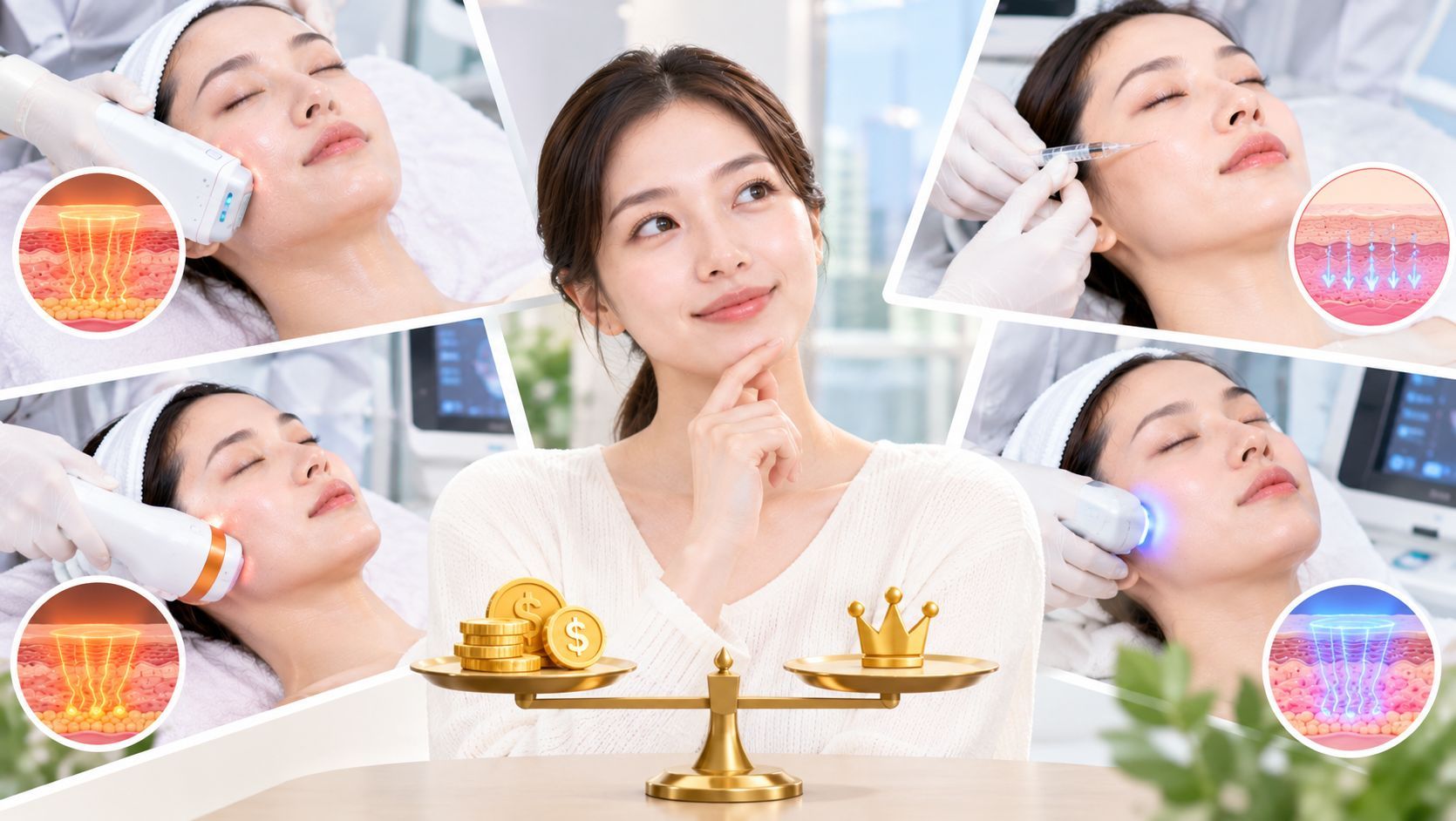
Thermage is not the only option for an aging neck. The most appropriate treatment depends on what is causing the visible concern.
Thermage for Mild Skin Laxity
Thermage may be considered when the main concern is reduced firmness or early skin sagging. It uses radiofrequency energy without needles, and improvement is generally gradual.
Ultherapy for Selected Skin-Laxity Concerns
Ultherapy uses focused ultrasound energy at selected depths. A clinician may consider it for certain patients with mild to moderate laxity. It is not automatically more effective than Thermage; the choice depends on anatomy, treatment goals, and provider assessment.
Treatments for Horizontal Neck Lines
Horizontal neck lines are creases that may be visible even when the skin is relatively firm. Thermage may improve overall skin texture in some patients, but it may not erase established, deep lines. Other approaches may be more suitable depending on the depth of the lines and the condition of the skin.
Treatments for Vertical Neck Bands
Vertical bands may become visible when the platysma muscle contracts or becomes more prominent with age. Skin-tightening devices do not directly address every muscle-related concern. A clinician may discuss other options for selected patients after evaluating the cause of the bands.
Surgery for Significant Loose Skin
When there is substantial excess skin or pronounced neck sagging, a surgical consultation may be more appropriate than relying on non-surgical tightening alone. Surgery involves different risks, recovery, and considerations, so it requires an individualized assessment.
Should You Get Thermage for Your Neck in Seoul?
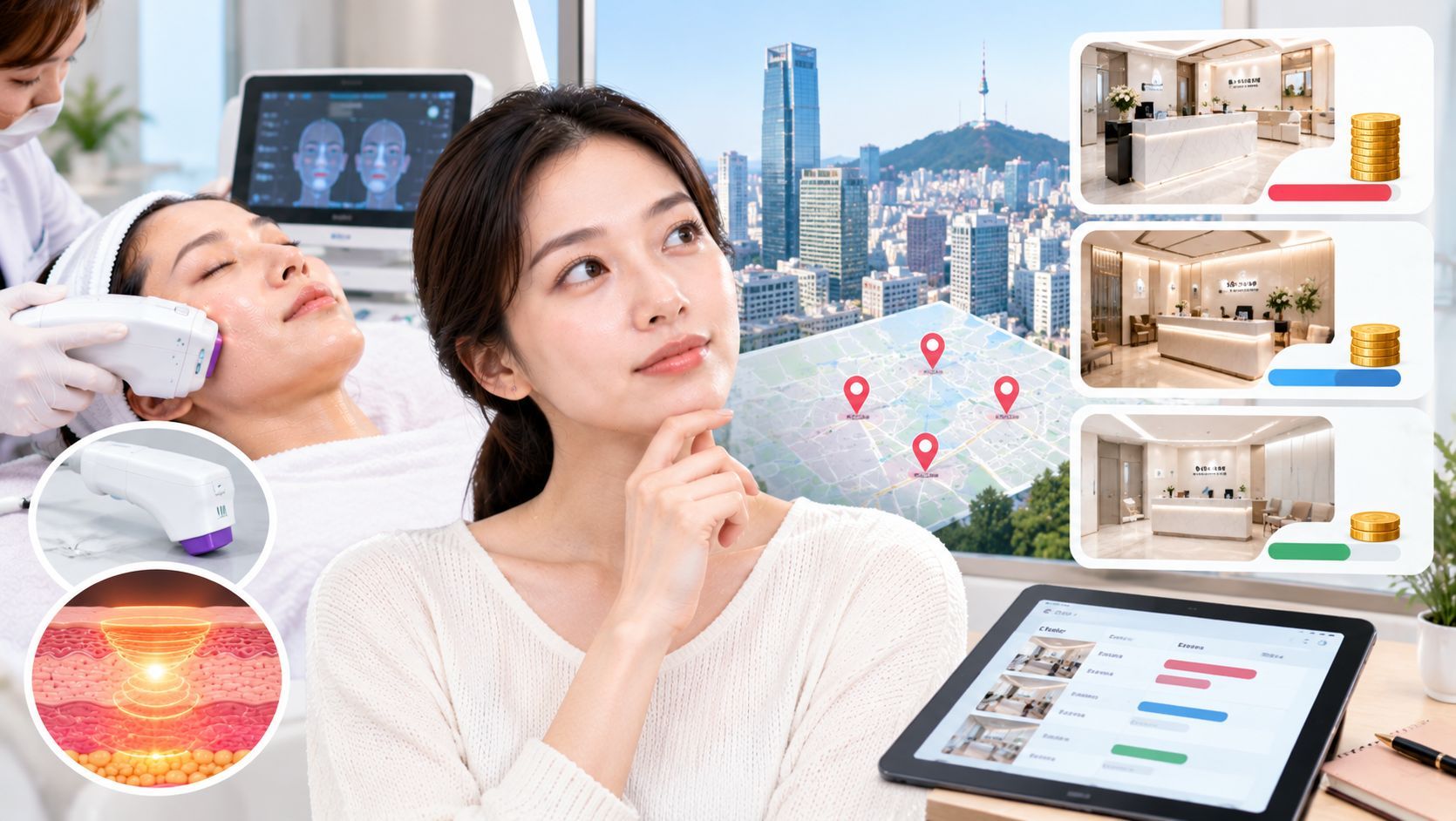
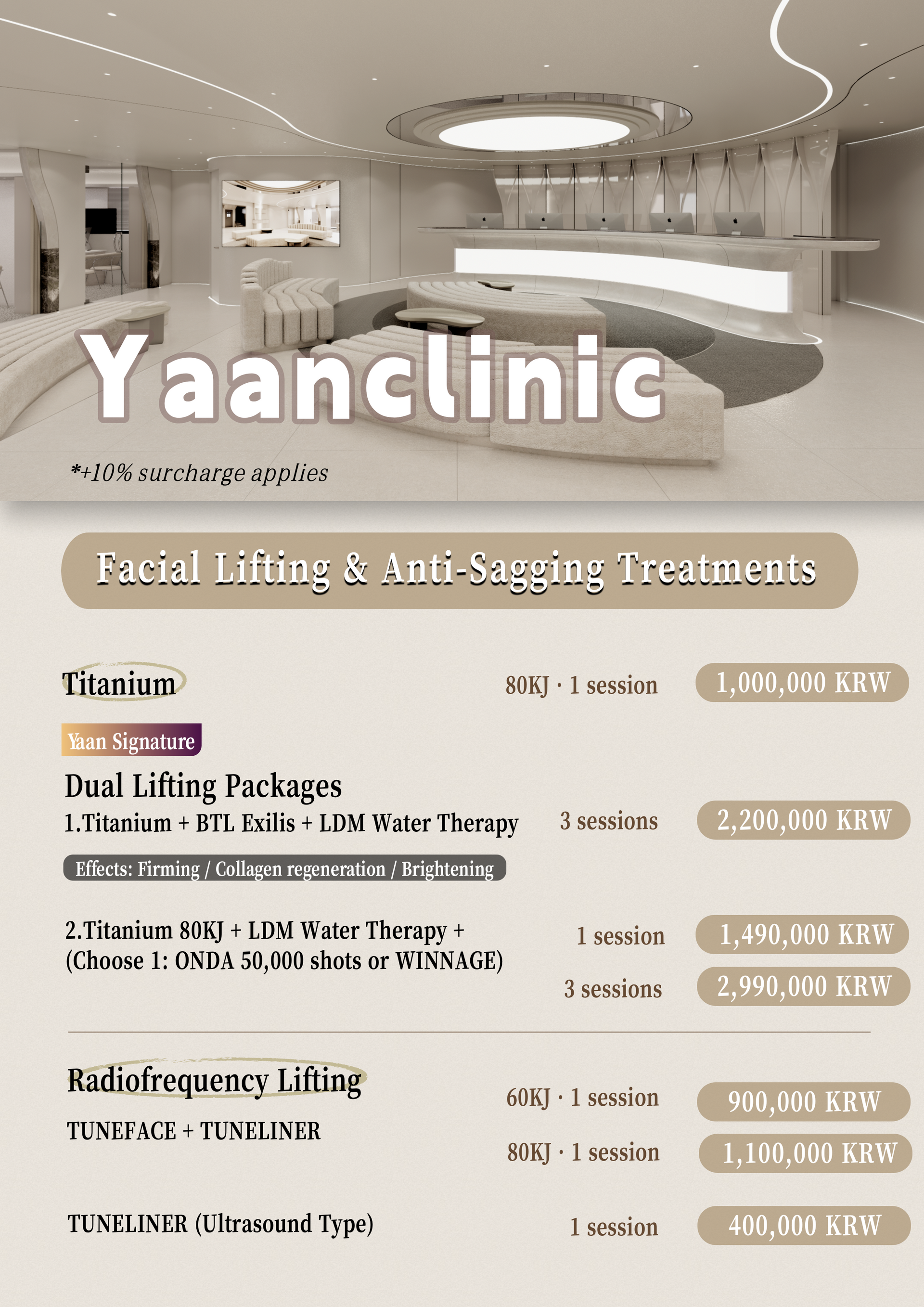
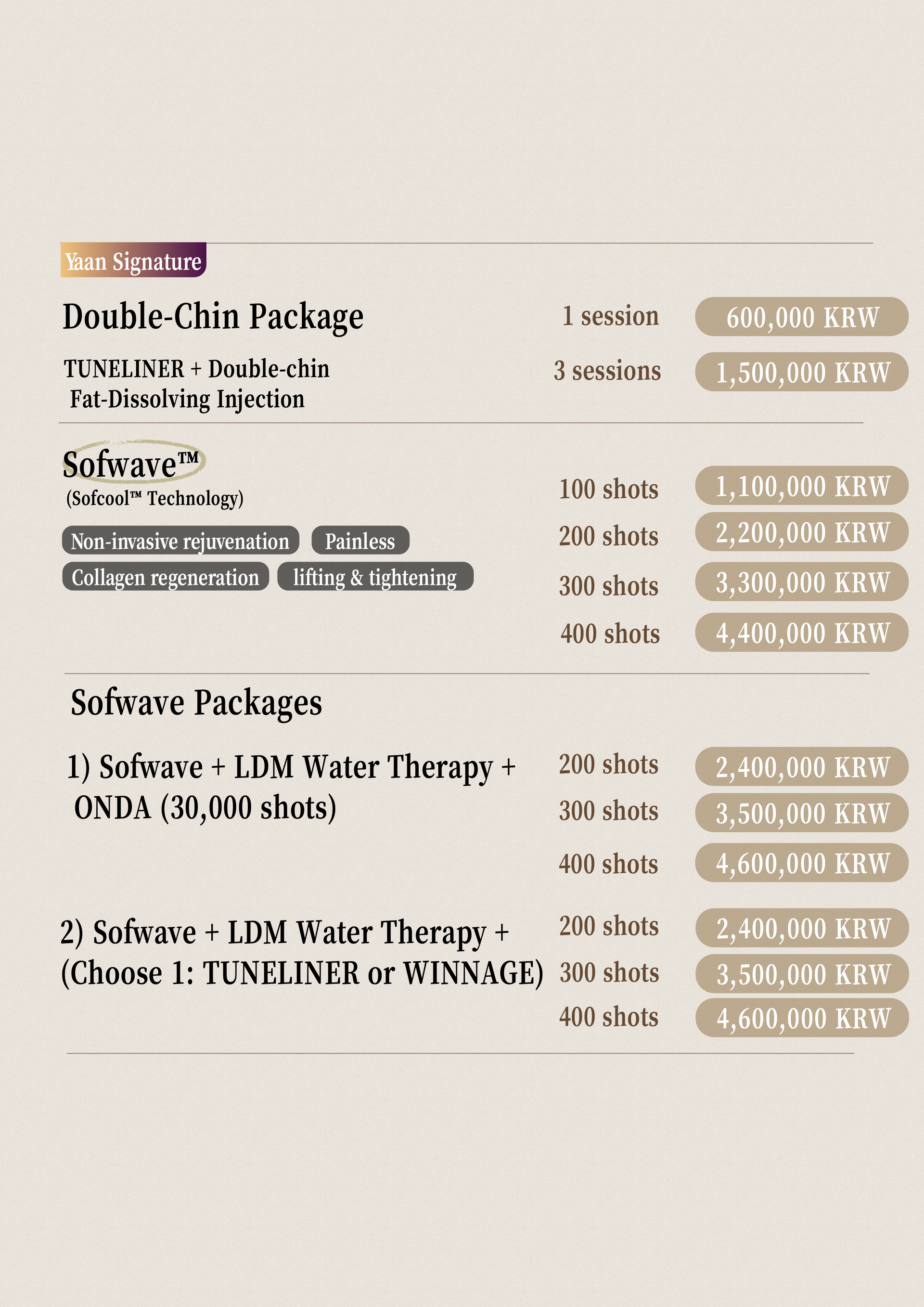
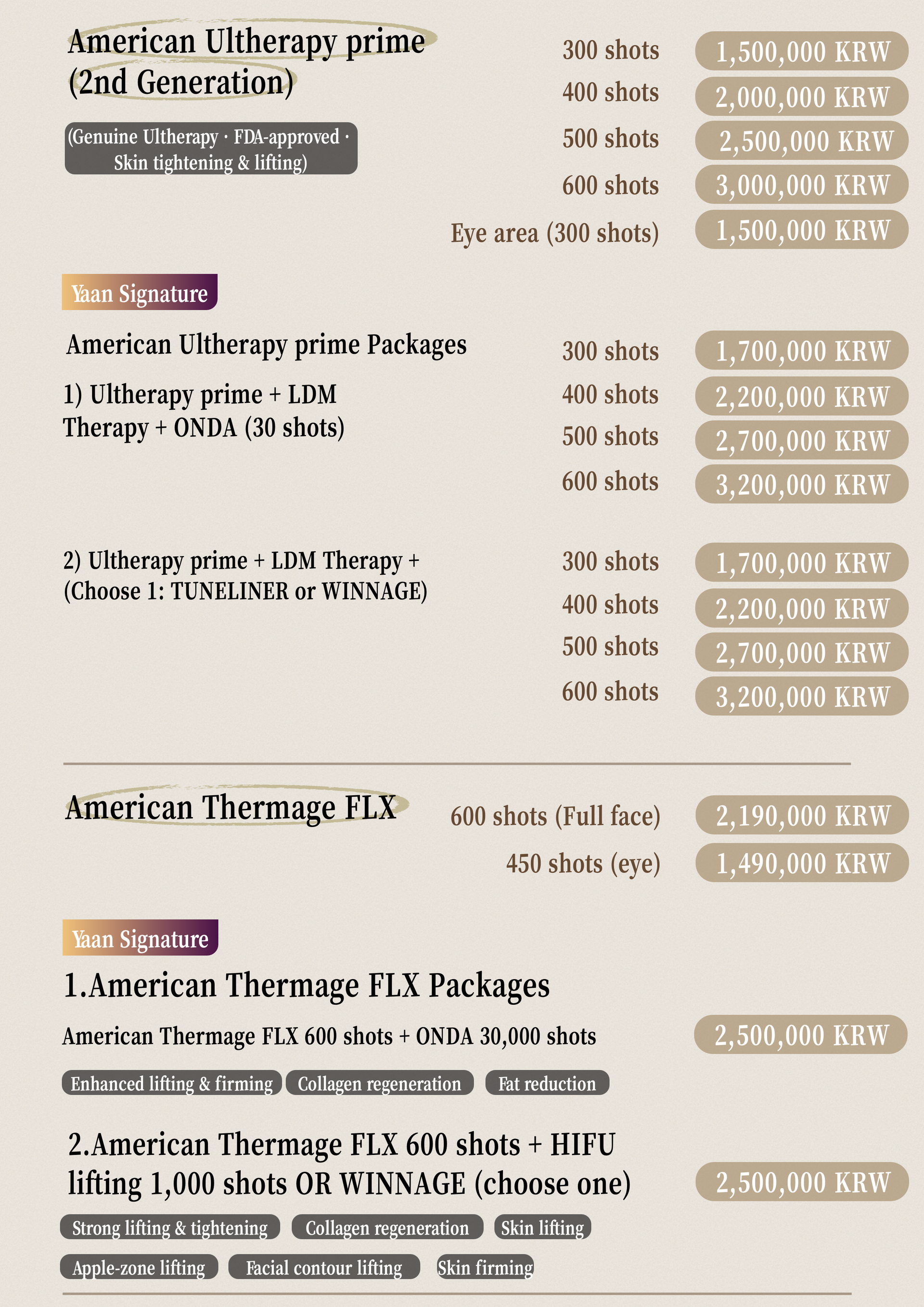
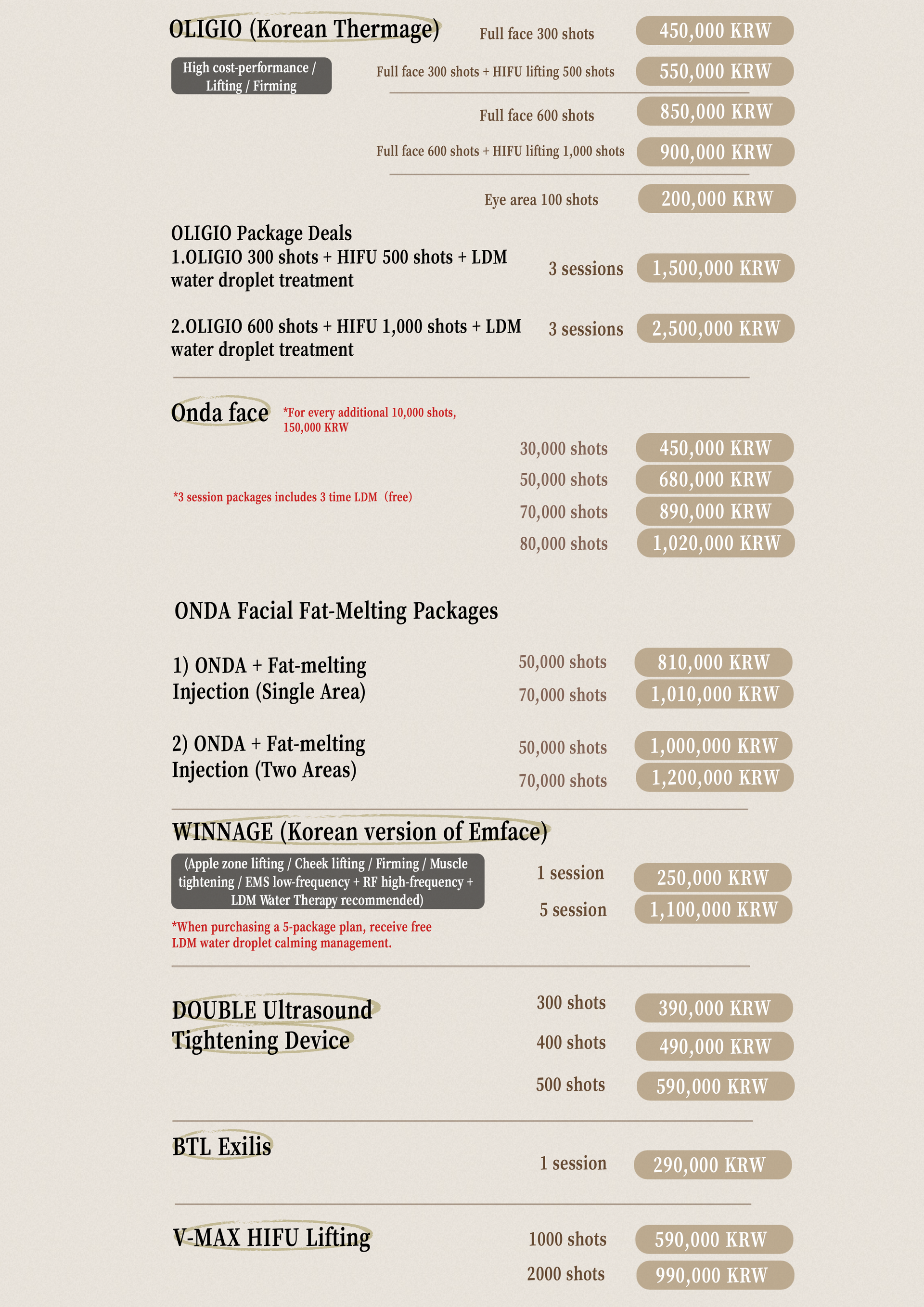
Seoul offers a range of aesthetic procedures, but choosing a clinic should involve more than comparing promotional prices or treatment packages. The provider should evaluate the neck directly and explain why Thermage is suitable for your particular concern.
Before booking, ask:
- Does the clinician have experience treating neck laxity with Thermage?
- Is the specific device and tip appropriate for the planned neck treatment?
- What degree of improvement is realistic for my skin?
- What risks are relevant to my anatomy and medical history?
- Would another treatment be more appropriate for my main concern?
- What follow-up care is available if a complication occurs?
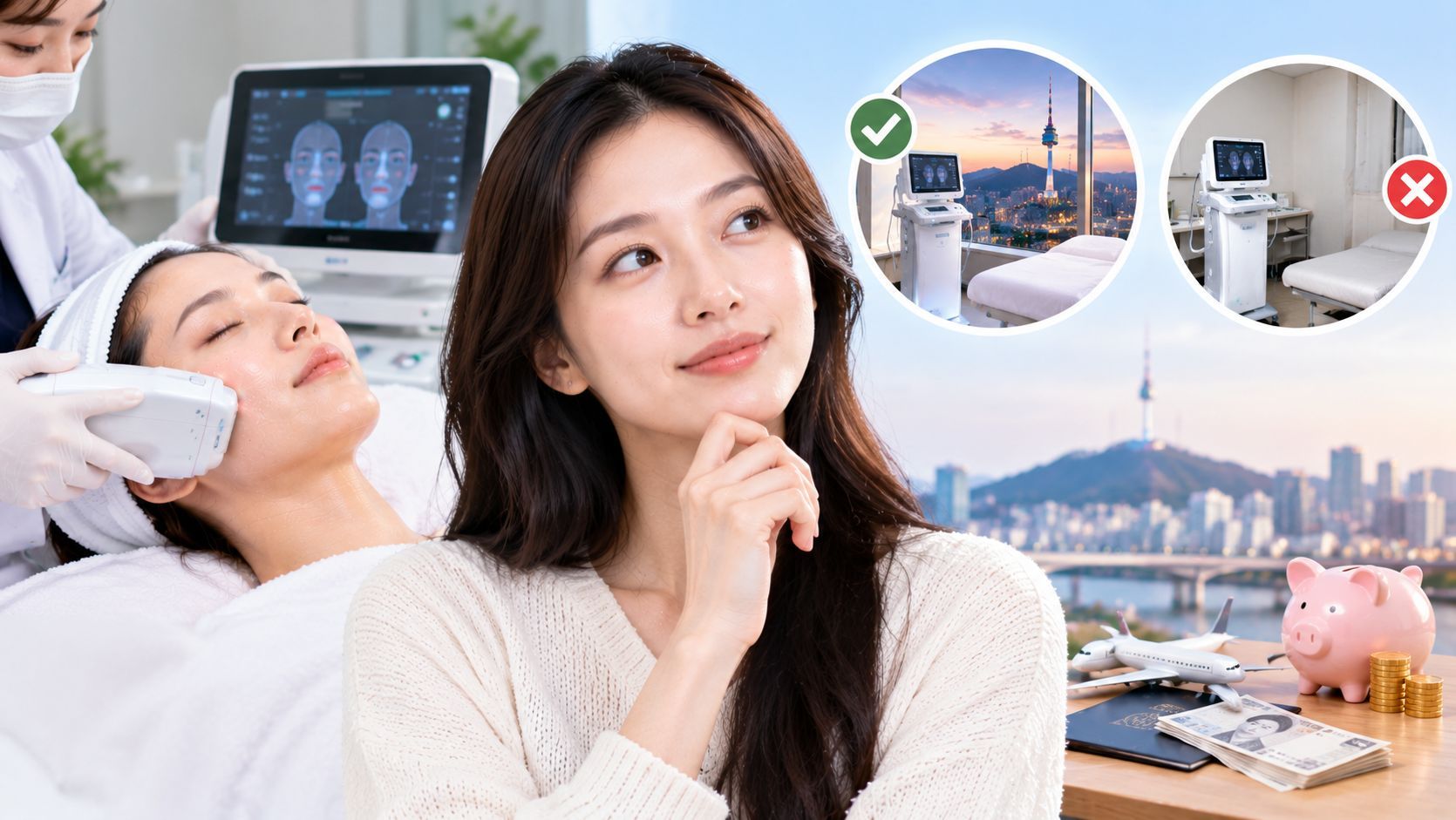
If you are visiting Korea for a short trip, plan your appointment with enough time to receive aftercare guidance and seek medical help if an unexpected reaction develops. Avoid scheduling procedures solely because they fit into a travel package without first confirming suitability.
How Can You Help Maintain Neck Skin After Treatment?
Daily skincare cannot reproduce the effect of a medical skin-tightening procedure, but consistent habits may help protect the skin.
Apply broad-spectrum sunscreen to the neck and exposed upper chest, and reapply as directed when outdoors. Use a moisturizer suited to your skin and avoid products that cause persistent irritation. If you want to use a retinoid or another active ingredient, discuss suitability and gradual introduction with a qualified clinician, particularly if your skin is sensitive.
Follow the treating clinic's instructions after Thermage, including any temporary restrictions on skincare products or activities.
Conclusion: Is Thermage Worth Considering for an Aging Neck?
Thermage may be worth considering if your neck shows early looseness, reduced firmness, or mild crepey skin and you want a non-surgical treatment. Its aim is gradual improvement through radiofrequency-induced collagen remodeling, not a dramatic lift or removal of excess skin.
It is less likely to meet expectations when the main problem is severe sagging, significant fat beneath the chin, deep established lines, or prominent neck muscle bands. In those cases, a different treatment may be more appropriate.
The best next step is an in-person assessment with a qualified clinician who can identify the cause of your neck aging, explain the likely benefits and risks, and recommend a treatment plan based on your goals.
Frequently Asked Questions
1. Does Thermage work on the neck?
Thermage may improve mild to moderate neck skin laxity and texture in some people. Results vary, and it is not a substitute for surgery when there is substantial excess skin.
2. How long does it take to see neck Thermage results?
Some people notice an early change, while further improvement may develop gradually over the following months as collagen remodeling occurs. The timing and degree of change vary.
3. Can Thermage remove a double chin?
Thermage is primarily intended for skin tightening, not substantial fat removal. If fullness beneath the chin is mainly caused by fat, a clinician can assess other appropriate options.
4. Is one Thermage session enough for the neck?
A single session is commonly used for a treatment course, but the result is not guaranteed. Whether repeat treatment is appropriate depends on your response, the device protocol, and the clinician's advice.
5. Can Thermage remove horizontal neck lines?
Thermage may improve general skin firmness and texture, but it may not eliminate deep, established horizontal lines. The most suitable approach depends on the depth and cause of the lines.
6. Is Thermage safe for all skin types?
It is not suitable for everyone. A qualified provider should review your medical history, skin condition, anatomy, and the device-specific precautions before deciding whether treatment is appropriate.