Does Juvelook Really Stimulate Collagen?
Juvelook has become a popular Korean aesthetic treatment for people who want smoother skin, softer fine lines, and gradual improvements in skin quality without traditional surgery. One of its main selling points is its ability to stimulate collagen, a protein that helps keep skin firm and structurally supported.
But does Juvelook really stimulate collagen, or is this primarily a marketing claim?
Juvelook is designed to stimulate a collagen-related tissue response, and preliminary clinical research supports its potential for skin rejuvenation. However, the strength of evidence is still limited, and collagen stimulation does not guarantee a particular visible result. The outcome depends on the treatment area, product formulation, injection technique, individual response, and other factors.
What Is Juvelook Made Of?
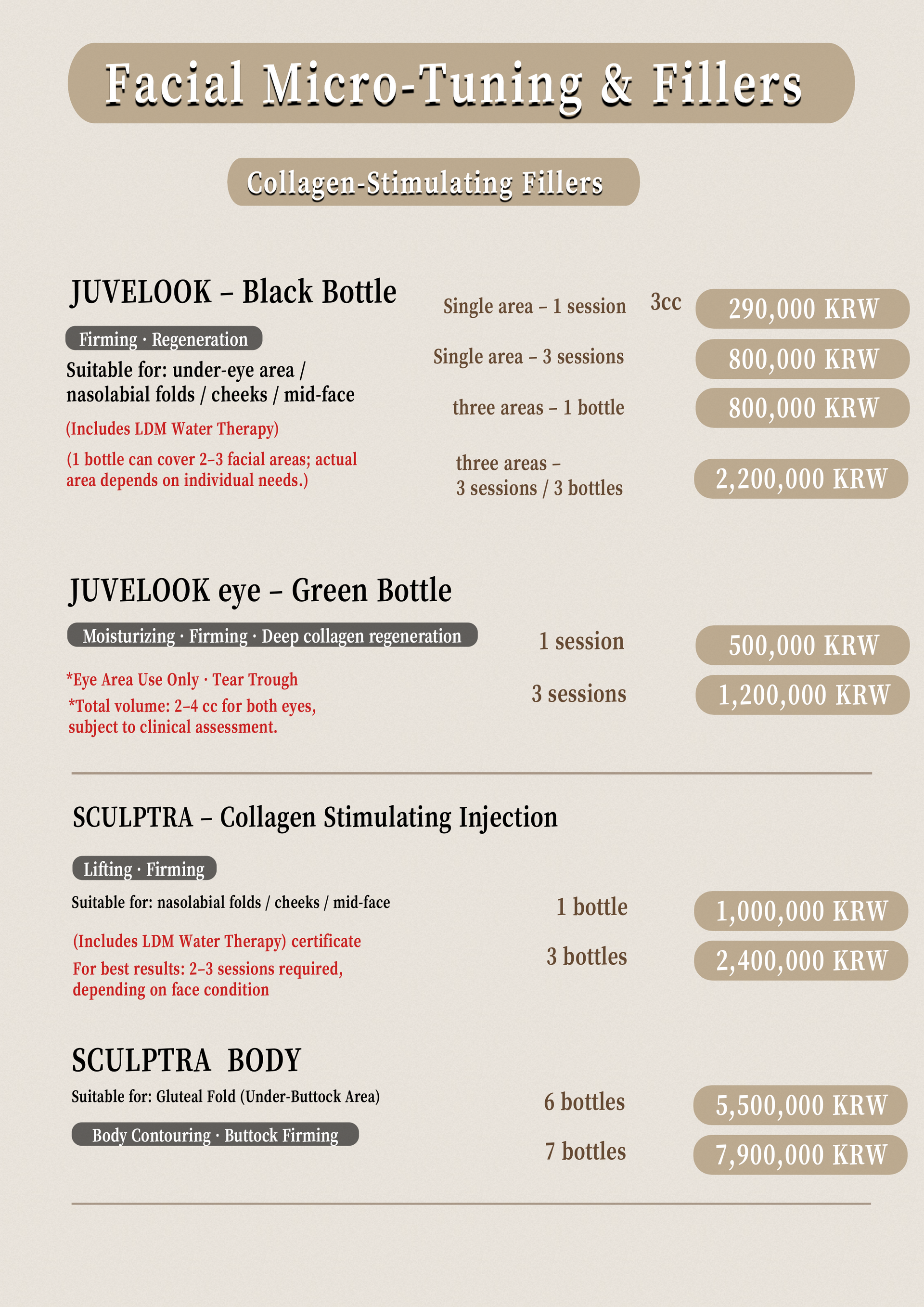
Juvelook is an injectable treatment that combines two main components: poly-D,L-lactic acid (PDLLA) and hyaluronic acid (HA).
Each component has a different intended role.
1. Poly-D,L-lactic acid (PDLLA)
PDLLA is a biodegradable synthetic polymer used in certain aesthetic injectables. It is intended to encourage a tissue response associated with collagen production.
Rather than acting only as a temporary surface hydrator, PDLLA-based treatments are designed to produce changes over time as the material interacts with the surrounding tissue.
The extent and duration of this response can vary. It is important not to assume that all PDLLA products behave identically, because formulations, particle characteristics, concentrations, and treatment methods differ.
2. Hyaluronic acid (HA)
Hyaluronic acid is known for its ability to bind water. In injectable aesthetic products, it can contribute to hydration and an early filling effect.
This means that some changes seen soon after treatment may relate to the HA component, the injection itself, or temporary swelling—not necessarily newly produced collagen.
That distinction matters when evaluating claims about Juvelook. An early improvement in appearance does not, by itself, prove that collagen production has increased.
How Is Juvelook Intended to Stimulate Collagen?
Collagen is a structural protein that helps give skin its strength and support. As skin ages, collagen structure and production change, contributing to fine lines, reduced firmness, and other visible signs of aging.
Juvelook is intended to encourage a controlled tissue response around the injected PDLLA particles. This response may involve fibroblasts, the cells responsible for producing collagen and other components of the skin's supporting structure.
The general proposed process is:
- Juvelook is injected into an appropriate treatment area by a qualified medical professional.
- The PDLLA component interacts with surrounding tissue.
- A tissue response may encourage collagen-related remodeling over time.
- Changes in skin texture or firmness may gradually become visible.
However, the exact biological response and its clinical importance can differ between patients. The mechanism provides a rationale for treatment, but it does not establish that every person will experience meaningful rejuvenation.
What Does Clinical Research Say About Juvelook and Collagen?
Research on Juvelook and related PDLLA-based injectables is developing, but many published studies are small or focus on particular treatment areas.
A preliminary study of skin rejuvenation
A preliminary study published in the Journal of Cosmetic Dermatology in 2024 evaluated a combination of PDLLA and non-cross-linked hyaluronic acid for skin rejuvenation.
The researchers reported improvements in several signs of skin aging. Histological examination of treated postauricular skin also demonstrated increases in collagen and elastic fibers.
These findings are relevant because tissue examination can provide evidence beyond simply asking patients whether their skin looks better.
However, this was a preliminary study. Its results should not be interpreted as proof that every Juvelook treatment protocol produces the same degree of collagen increase or that those findings apply to every facial area. The study also evaluated a specific formulation and protocol rather than every product containing PDLLA.
A study involving facial rejuvenation
A clinical study published online in late 2025 evaluated Juvelook delivered through a needle-free microjet system in 40 patients who received five treatment sessions.
The researchers reported progressive improvements in overall aesthetic assessments and patient satisfaction over 24 weeks.
These results suggest that PDLLA-based treatment may produce gradual visible changes. However, the study evaluated a particular delivery system, included a relatively small group, and was classified as level IV evidence. It does not independently establish the exact amount of collagen produced or prove that all injection techniques deliver the same outcomes.
Research on the under-eye area
A 2025 study examined PDLLA treatment for lower-eyelid rejuvenation in Korean women and reported improvements in tear-trough appearance.
This research adds to the clinical literature on Juvelook, but the under-eye region is a specific treatment area with distinct anatomical considerations. Results from this study should not automatically be applied to the cheeks, neck, acne scars, or other areas.
Overall, these studies are encouraging, but larger controlled trials with standardized protocols and longer follow-up are needed to establish how consistently Juvelook stimulates collagen and how much that stimulation contributes to visible results.
When Might Collagen Stimulation Make a Visible Difference?
The purpose of collagen stimulation is not simply to increase a biological measurement. Patients generally want a visible improvement in their skin.
Depending on the treatment area and individual response, Juvelook may be considered for concerns such as:
- Fine lines and uneven skin texture.
- Early changes in skin firmness.
- Selected acne-scar or textural concerns.
- Skin that appears less smooth or resilient with age.
These are potential treatment goals, not guaranteed outcomes. Juvelook is not equally suitable for every concern, and the evidence supporting its use varies by indication.
It is also important to distinguish skin-quality improvement from structural volume restoration. A collagen-stimulating injectable should not automatically be treated as a replacement for conventional fillers, fat grafting, or surgery when substantial volume loss or sagging is present.
How Long Does Collagen Stimulation Take?
Collagen-related changes are not expected to occur instantly. Although the skin may look different shortly after an injection, early changes can reflect hydration, temporary swelling, or other immediate effects.
Any gradual tissue remodeling may take weeks or months to become apparent. The timeline varies with the product, treatment method, number of sessions, and individual biology.
Your clinician should explain when the result is expected to become assessable and how progress will be monitored.
Avoid judging the final outcome immediately after treatment, but also avoid assuming that every delayed change is evidence of collagen production. Standardized photographs and clinical assessment can help distinguish a meaningful improvement from normal fluctuations in appearance.
Does More Collagen Mean Better Results?
Not necessarily.
Visible rejuvenation depends on more than collagen quantity. The distribution and organization of collagen, the condition of the surrounding skin, hydration, facial anatomy, and the original concern all influence the result.
A person with mild textural changes may notice a useful improvement, while someone with deep wrinkles, prominent scars, or substantial skin laxity may see only limited benefit.
Using more product or undergoing additional sessions does not automatically produce a better outcome. Treatment should be individualized to avoid unnecessary expense and exposure to procedural risks.
What Are the Risks of Juvelook?
Juvelook is an injectable treatment, so it can cause side effects and complications.
Possible effects include:
- Temporary redness, swelling, tenderness, or bruising.
- Injection-site bumps or unevenness.
- Persistent nodules or inflammatory reactions.
- Infection.
- Rare but serious vascular complications associated with injectable procedures.
Published case reports have documented nodules after PDLLA-based injections in the under-eye region. Such reports do not establish how frequently complications occur, but they demonstrate that problems can develop even when a product is intended for aesthetic rejuvenation.
The risk depends on the formulation, treatment area, injection technique, product preparation, and individual circumstances.
Choose a qualified medical professional who understands the product and relevant anatomy. Ask about possible complications, the expected recovery period, and what to do if swelling, pain, discoloration, or lumps persist or worsen.
Is Juvelook Worth Considering for Collagen Stimulation?
Juvelook may be worth discussing if your goal is gradual improvement in selected skin-quality concerns and you understand the limitations of the evidence.
Before deciding, ask your dermatologist:
- What specific concern is this treatment expected to improve?
- What evidence supports its use for my treatment area?
- What visible result is realistic?
- How many sessions may be recommended?
- What are the risks and alternatives?
- How will the outcome be assessed?
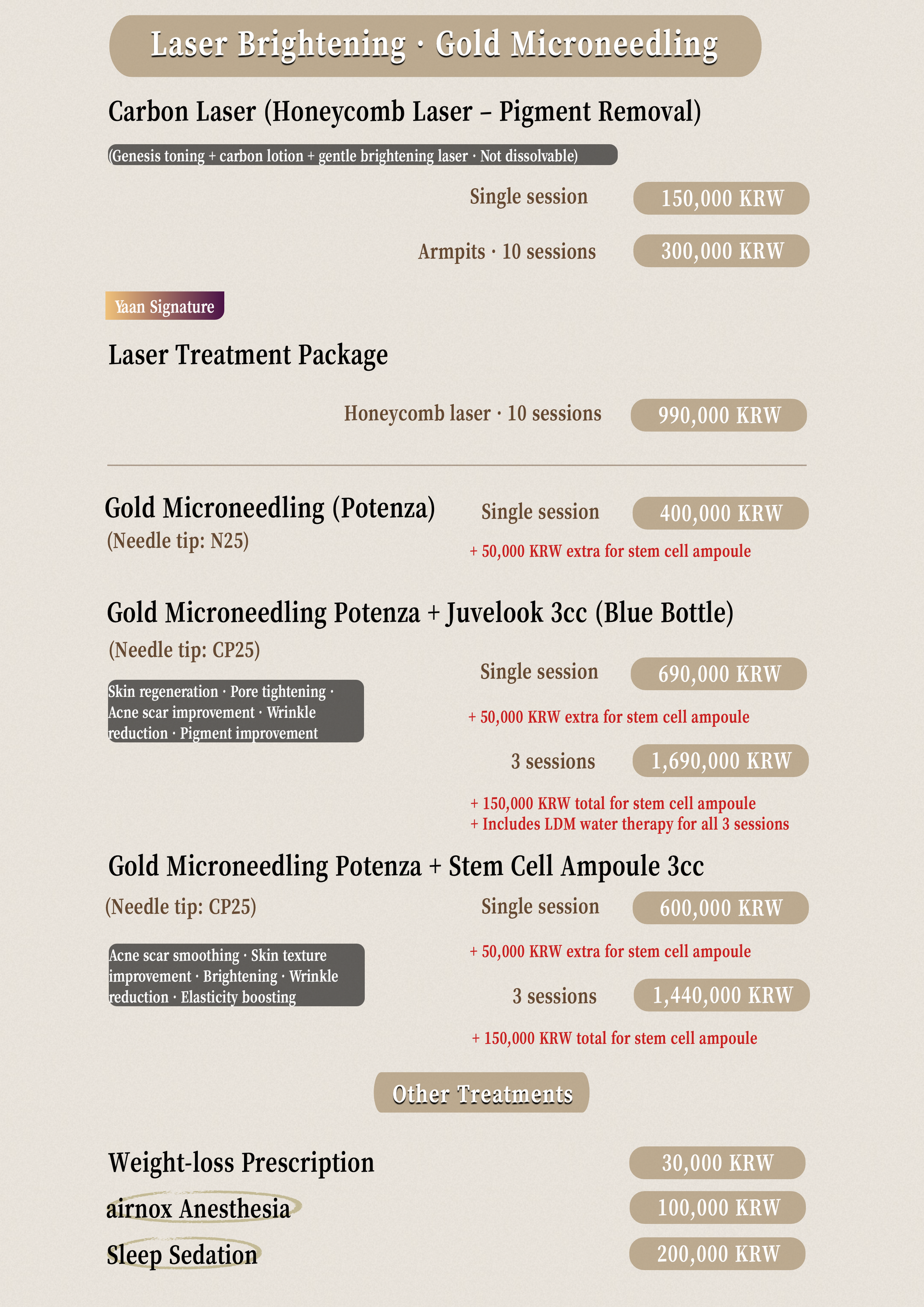
If you are visiting Seoul for treatment, allow time for recovery and follow-up. Do not schedule an unfamiliar injectable immediately before an important event, and make sure you have clear aftercare instructions before returning home.
Conclusion: Does Juvelook Really Stimulate Collagen?
Juvelook is designed to encourage a collagen-related tissue response through its PDLLA component, while its hyaluronic acid component contributes to hydration and early filling effects. Preliminary human research provides encouraging evidence of potential skin-rejuvenation benefits.
However, the available evidence does not guarantee a predictable amount of collagen production or a lasting visible improvement for every patient. Results depend on the treatment area, technique, and individual response, and further controlled research is needed.
The most sensible approach is to view Juvelook as one possible option for selected skin-quality concerns—not as a guaranteed collagen solution. A qualified dermatologist can help determine whether it suits your goals and explain the expected benefits, limitations, and risks.
Frequently Asked Questions
1. Does Juvelook really increase collagen?
Juvelook is designed to stimulate a tissue response associated with collagen production. Preliminary research has reported collagen-related findings and improvements in skin appearance, but more high-quality studies are needed to establish how consistently this occurs in patients.
2. How long does Juvelook take to stimulate collagen?
Any collagen-related remodeling is gradual and may take weeks or months to become apparent. The timeline depends on the treatment protocol, area, and individual response.
3. Is Juvelook a filler or a skin booster?
Juvelook is a hybrid injectable containing PDLLA and hyaluronic acid. It can have early filling or hydration effects and is also intended to support longer-term tissue changes. Its role depends on the specific formulation and treatment technique.
4. Can Juvelook permanently improve skin quality?
Permanent improvement cannot be guaranteed. The duration of visible benefits varies, and long-term evidence remains limited for many uses. Your clinician should explain the expected duration and whether maintenance treatment may be considered.
5. Is Juvelook better than Rejuran for collagen stimulation?
There is insufficient high-quality comparative evidence to establish that Juvelook is universally better than Rejuran. The products have different compositions and intended treatment approaches, so the choice should depend on your skin concern and the evidence for the proposed use.
6. Is Juvelook safe?
Juvelook can cause swelling, bruising, bumps, and other injection-related effects. More serious complications are possible. A qualified clinician should assess your suitability, explain the risks, and provide a clear plan for managing complications.