Filler vs Sculptra: Instant Volume or Natural Collagen?
Filler vs Sculptra: Instant Volume or Natural Collagen?
Dermal filler and Sculptra are both injectable treatments used to improve facial volume and signs of aging, but they work in fundamentally different ways. Dermal filler provides immediate volume by placing a gel-like material beneath the skin, while Sculptra uses poly-L-lactic acid (PLLA) to gradually stimulate collagen production. For foreign patients visiting Korea, the choice depends on whether you want immediate contouring, gradual rejuvenation, skin-quality improvement, or longer-term volume restoration.
1. What Is the Difference Between Filler and Sculptra?
Most commonly used facial fillers are made from hyaluronic acid (HA). They add physical volume to specific areas and can immediately change facial contours. Depending on the product, fillers can be used for the lips, cheeks, chin, temples, nasolabial folds, and other areas.
Sculptra is different. It contains poly-L-lactic acid (PLLA), a biodegradable material that gradually stimulates the body's collagen response rather than simply providing immediate gel volume.
Dermal Filler
Filler may be used for:
- Lip enhancement
- Chin projection
- Cheek volume
- Temple hollowing
- Nasolabial folds
- Jawline definition
- Under-eye hollows with appropriately selected products
The main advantage is that the change in volume can be seen immediately after treatment, although swelling can temporarily affect the final appearance.
Sculptra
Sculptra may be considered for:
- Gradual cheek volume restoration
- Facial volume loss
- Fine lines and wrinkles
- Overall skin firmness
- More diffuse signs of facial aging
Sculptra is designed to produce a gradual tissue response as new collagen develops over time.
In simple terms:
- Filler → adds volume directly
- Sculptra → stimulates gradual collagen-related volume restoration
2. Which Is Better for Different Facial Concerns?
The treatment area and desired type of change are important when comparing the two.
Filler may be considered for:
- Thin lips
- A weak or recessed chin
- Cheek volume deficiency
- Hollow temples
- Specific facial contouring
- Deep folds requiring structural support
- More defined jawline contours
Because filler can be placed precisely, it is often useful when a patient wants to change a specific facial feature.
Sculptra may be considered for:
- General facial volume loss
- Gradual cheek rejuvenation
- Mild to moderate skin laxity
- Reduced skin firmness
- Fine lines associated with collagen loss
- A more diffuse, gradual improvement
Sculptra is generally less about creating a sharply defined new contour and more about gradually improving the underlying appearance of volume and skin quality.
For example:
- Want more defined lips → Filler
- Want a more projected chin → Filler
- Want immediate cheek volume → Filler
- Want gradual overall facial rejuvenation → Sculptra
- Want gradual collagen stimulation → Sculptra
The two treatments can also be used in the same broader treatment plan when different concerns need to be addressed.
3. Instant Volume vs Natural Collagen: How Do Results Develop?
The biggest difference patients notice is the timing of the result.
Filler
HA filler provides volume as soon as it is injected. The initial appearance may change somewhat as swelling decreases and the product settles.
A typical progression is:
- Immediate volume after injection
- Temporary swelling or bruising
- Swelling gradually decreases
- Final appearance becomes easier to assess
- Maintenance may be needed as the filler gradually breaks down
The duration varies according to the filler material, product characteristics, treatment area, and individual metabolism. FDA information indicates that HA fillers commonly have effects lasting approximately 6–12 months, although specific products can last longer.
Sculptra
Sculptra does not create the same immediate volumizing effect as a traditional HA filler.
The process is more gradual:
- PLLA is injected into the treatment area
- The material stimulates a tissue response
- Collagen production gradually increases
- Volume and skin-quality changes become more noticeable over time
- Multiple sessions may be recommended
The FDA notes that Sculptra results generally become increasingly apparent over several weeks and may last up to approximately 24 months.
Because the change develops gradually, Sculptra may appeal to patients who prefer a subtle progression rather than an immediate change in facial volume.
4. Treatment Process, Downtime and Precautions
Dermal Filler
A typical filler treatment includes:
- Facial assessment
- Selection of the appropriate filler
- Treatment-area marking
- Injection with a needle or cannula
- Contouring and assessment
- Aftercare instructions
Common short-term effects include:
- Swelling
- Bruising
- Tenderness
- Redness
- Temporary unevenness
Although most side effects are temporary, dermal fillers also carry uncommon but potentially serious risks, including vascular complications. The FDA recommends having filler administered by a qualified healthcare professional familiar with facial anatomy and filler-related complications.
Sculptra
A typical Sculptra treatment includes:
- Facial assessment
- Treatment-area planning
- Preparation and reconstitution of the product
- Injection into the selected area
- Post-treatment massage or aftercare according to the clinician's protocol
- Follow-up treatment when appropriate
Temporary swelling, redness, tenderness, and bruising can occur.
Because Sculptra works gradually, overcorrection is approached differently from traditional filler. Product placement, dilution, injection technique, and patient selection are particularly important. Delayed inflammatory reactions, nodules, or granulomas can occur, although they are not common.
5. Filler vs Sculptra Cost in Korea in 2026
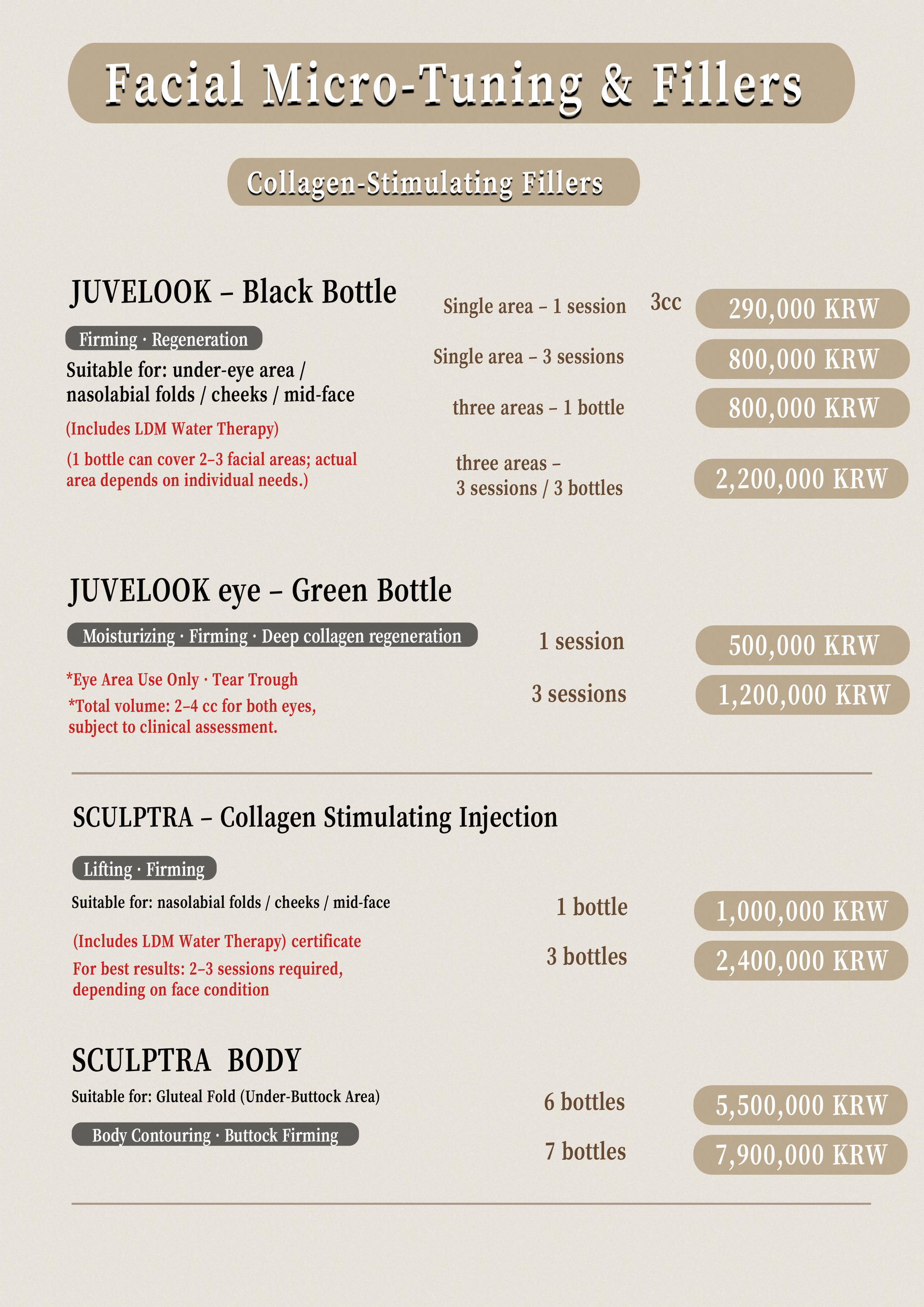
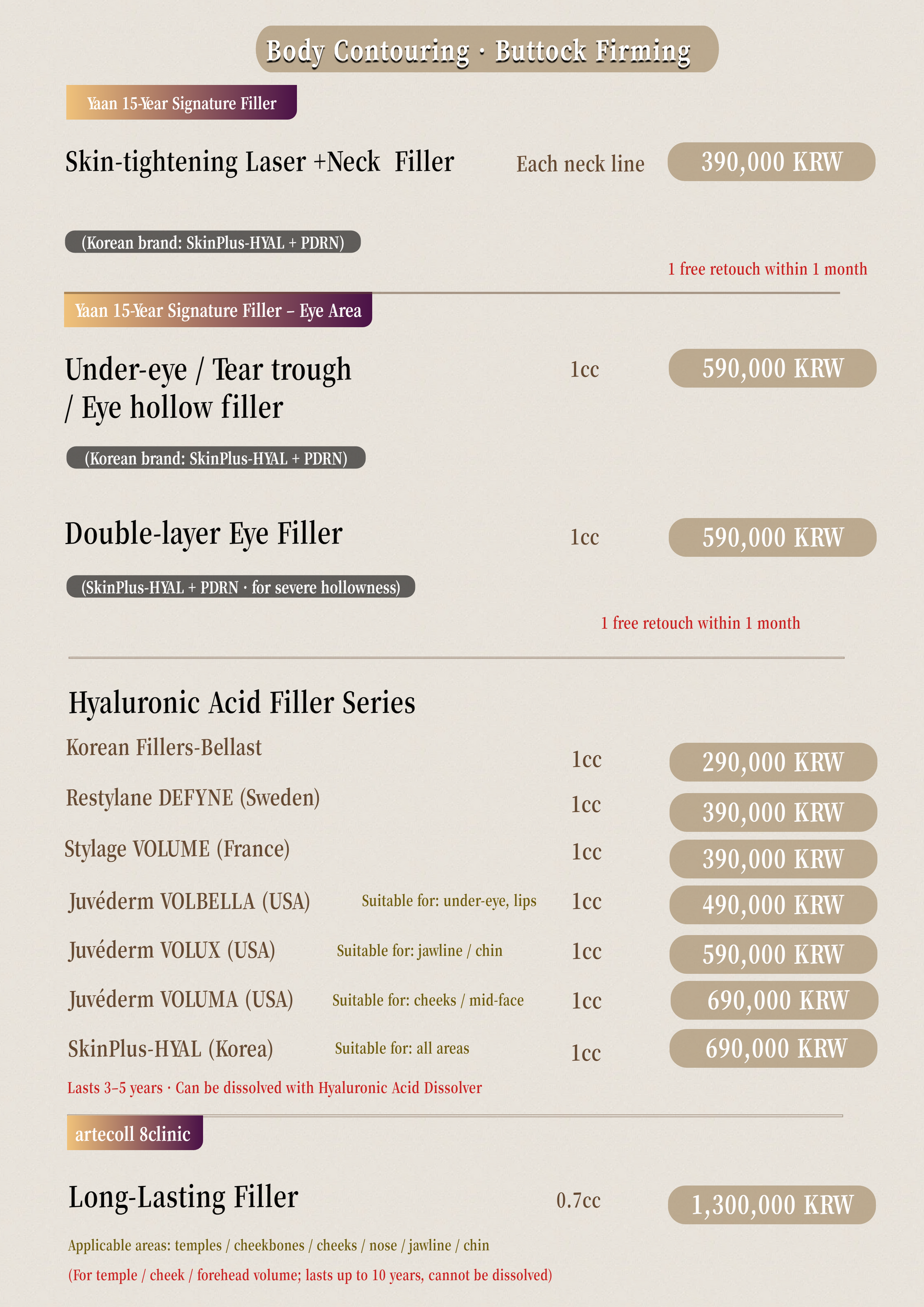
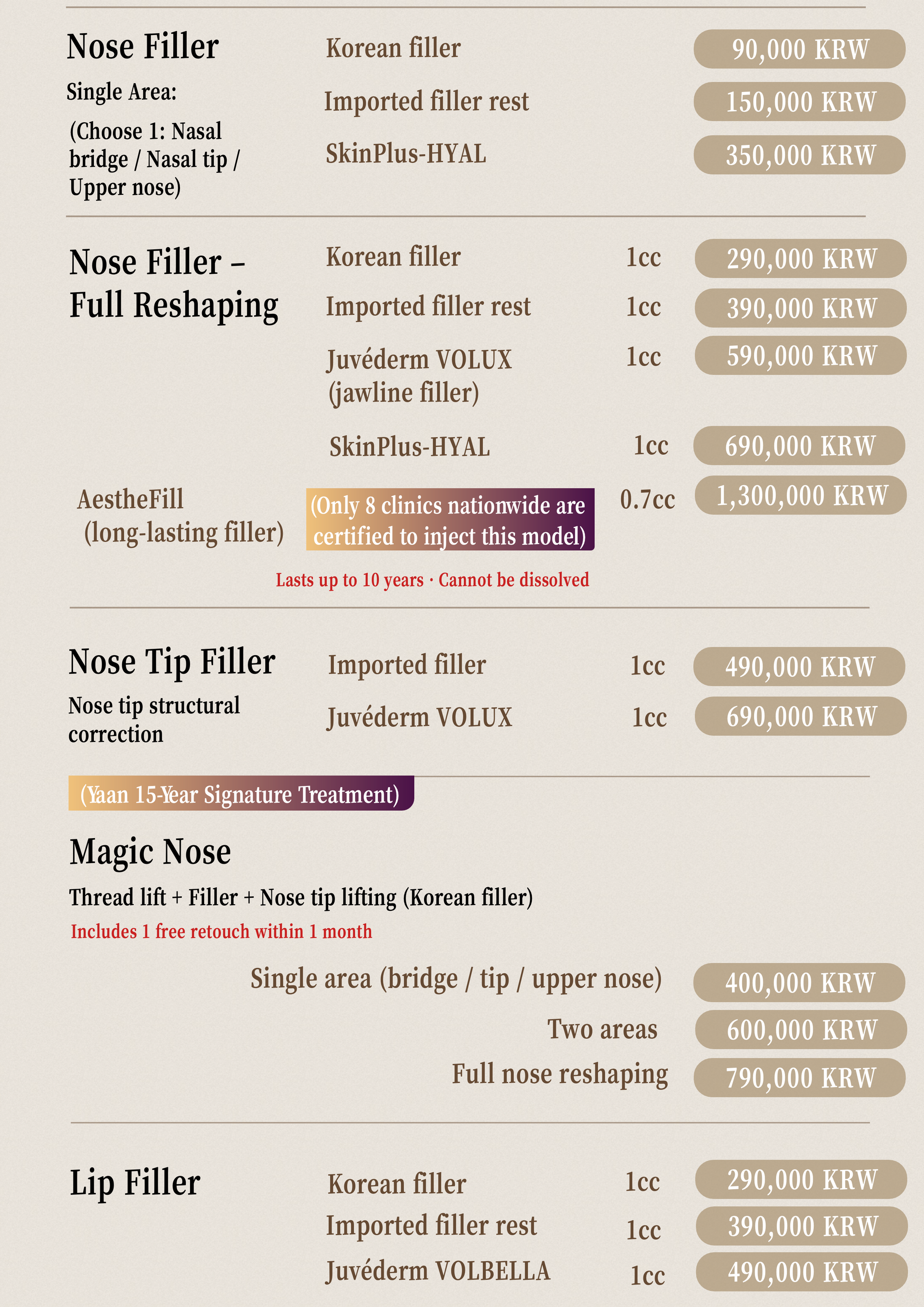
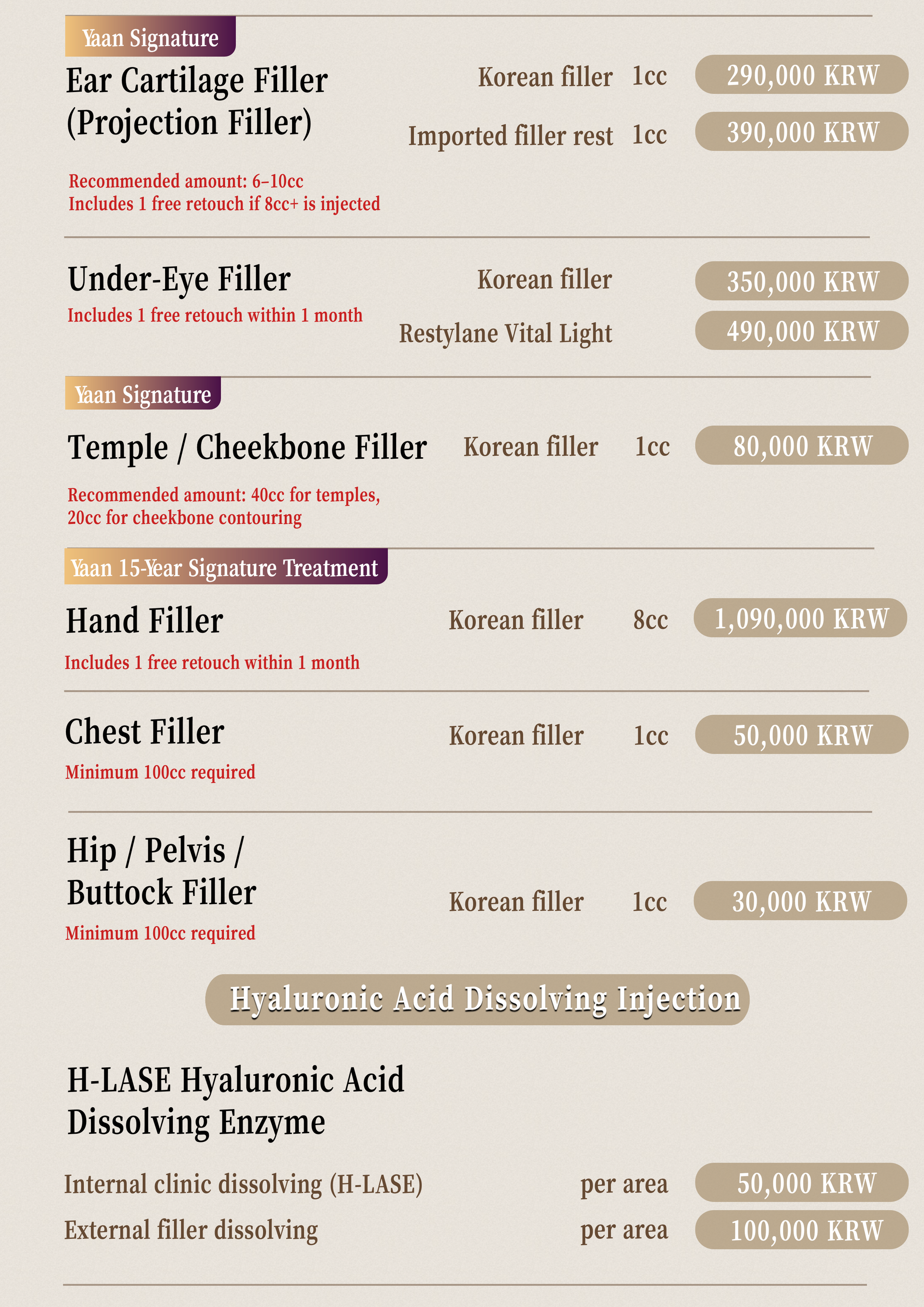
Prices in Seoul vary according to the product, brand, treatment area, amount used, injector, and whether the clinic offers a promotional package.
As a general 2026 guide:
- HA filler: approximately ₩200,000–₩600,000 per 1 cc
- Premium imported filler: approximately ₩400,000–₩800,000+ per 1 cc
- Sculptra: approximately ₩600,000–₩1,000,000+ per vial
- Sculptra treatment plans: approximately ₩1,200,000–₩3,000,000+ depending on the number of vials and sessions
Actual prices can vary considerably between Korean clinics.
Foreign patients should confirm:
- Exact filler or Sculptra brand
- Amount being used
- Number of syringes or vials
- Treatment area
- Whether consultation is included
- Whether numbing is included
- Whether VAT is included
- Whether the quoted price is a promotional rate
- Whether follow-up treatment is included
Price comparisons should also account for the number of syringes or vials needed. A lower price per syringe does not necessarily mean a lower total treatment cost.
6. Which Should Foreign Patients Choose in Korea?
The decision largely comes down to whether you want precise immediate volume or gradual collagen-based rejuvenation.
Filler may be considered if:
- You want an immediate visible change
- You need precise facial contouring
- You want lip or chin enhancement
- You want to restore a specific hollow area
- You want to define the cheeks or jawline
- You prefer a treatment where volume can be adjusted relatively precisely
Sculptra may be considered if:
- You prefer gradual results
- Your concern is broader facial volume loss
- You want collagen stimulation
- You want a more gradual improvement in skin firmness
- You prefer a less immediately noticeable change
- You are comfortable with multiple treatment sessions
For foreign patients visiting Seoul, it is useful to ask:
- What is causing my volume loss?
- Do I need structural filler or collagen stimulation?
- How many syringes or vials will I need?
- When should I expect the final result?
- How long is the expected duration?
- What happens if I am unhappy with the result?
- What downtime should I plan for before flying home?
If you have a short Korea itinerary, the timing of the procedure is particularly important. Filler produces immediate volume, while Sculptra requires patience for the collagen-building process.
Frequently Asked Questions
Is filler better than Sculptra for immediate results?
Yes, traditional dermal filler is designed to provide immediate volume, although swelling can temporarily change the appearance. Sculptra works gradually as collagen production increases.
Is Sculptra a filler?
Sculptra is classified as an injectable PLLA dermal filler in the United States, but it behaves differently from traditional HA fillers because its primary purpose is gradual collagen stimulation rather than immediate gel-based volume.
Which is better for cheeks, filler or Sculptra?
Both may be considered. Filler can provide immediate, localized cheek volume and contouring, while Sculptra is generally used for gradual volume restoration and broader rejuvenation.
Which lasts longer, filler or Sculptra?
Duration depends on the specific product and treatment area. Many HA fillers last around 6–12 months, while Sculptra's effects may last up to approximately two years in appropriate treatment plans.
Can I combine filler and Sculptra?
They can sometimes be incorporated into the same overall treatment plan because they address volume and aging through different mechanisms. The timing and treatment areas should be determined by a qualified injector.
Which is more natural-looking, filler or Sculptra?
Neither automatically produces a more natural result. The final appearance depends on the product, amount, injection technique, facial anatomy, and treatment plan. Sculptra's gradual development may appeal to patients who prefer a slower change, while carefully placed filler can also produce subtle results.
Final Thoughts
Filler and Sculptra offer different approaches to facial rejuvenation. Filler provides immediate, targeted volume, while Sculptra gradually stimulates collagen and develops its effect over time.
For foreign patients visiting Korea, the most important considerations are the area being treated, desired timing of results, amount of volume needed, downtime, and whether you prefer immediate contouring or gradual rejuvenation. A personalized assessment can help determine which injectable approach fits the specific facial concern.