Can a Sagging Jawline Be Fixed Without Filler?
If your jawline is starting to sag, you may be able to improve its definition without dermal filler. The right treatment depends on whether the problem is loose skin, developing jowls, fullness beneath the chin, muscle activity, or the natural shape of your lower face.
For people with mild to moderate skin laxity, non-surgical options such as ultrasound or radiofrequency skin tightening may provide modest improvement. Other approaches, including selected neuromodulator treatments or thread lifts, may help specific concerns. However, no non-surgical procedure reliably reproduces the results of a surgical facelift when sagging is advanced.
The goal is to choose a treatment that addresses the cause of the sagging without adding unwanted facial volume or removing fat you need for a balanced appearance.
1. Why Does Your Jawline Start to Sag?
A less-defined jawline does not always mean you have excess fat. Several changes can affect the lower face.
Skin laxity
As you age, collagen and elastin changes can make the skin less firm. The skin around the cheeks, jawline, and neck may gradually lose its ability to maintain a tight contour.
When laxity is mild, skin-tightening treatments may improve firmness. More substantial loose skin is less likely to respond sufficiently to non-surgical treatment alone.
Jowls and shifting facial tissues
Jowls develop when tissue around the lower cheeks becomes more prominent along the jawline. Changes in skin support, facial fat distribution, and deeper structures can all contribute.
If your concern is mainly jowls rather than loose skin under the chin, treatment should focus on the lower face rather than simply reducing fat beneath the chin.
Fat beneath the chin
Submental fullness, commonly called a double chin, can obscure the angle between the chin and neck. Selected patients may benefit from treatments that reduce localized fat.
However, fat reduction is not appropriate for every sagging jawline. Removing too much volume can make facial contours look less balanced or emphasize loose skin.
Muscle activity and facial structure
The platysma, a broad muscle in the neck, can contribute to downward pull and visible neck bands. In some patients, prominent masseter muscles also affect the perceived shape of the lower face.
Chin projection and jawbone structure influence how sharp the jawline appears. Skin tightening cannot substantially change the underlying bone structure.
2. Which Treatments Can Improve a Jawline Without Filler?
Several options may be considered, but each targets a different cause.
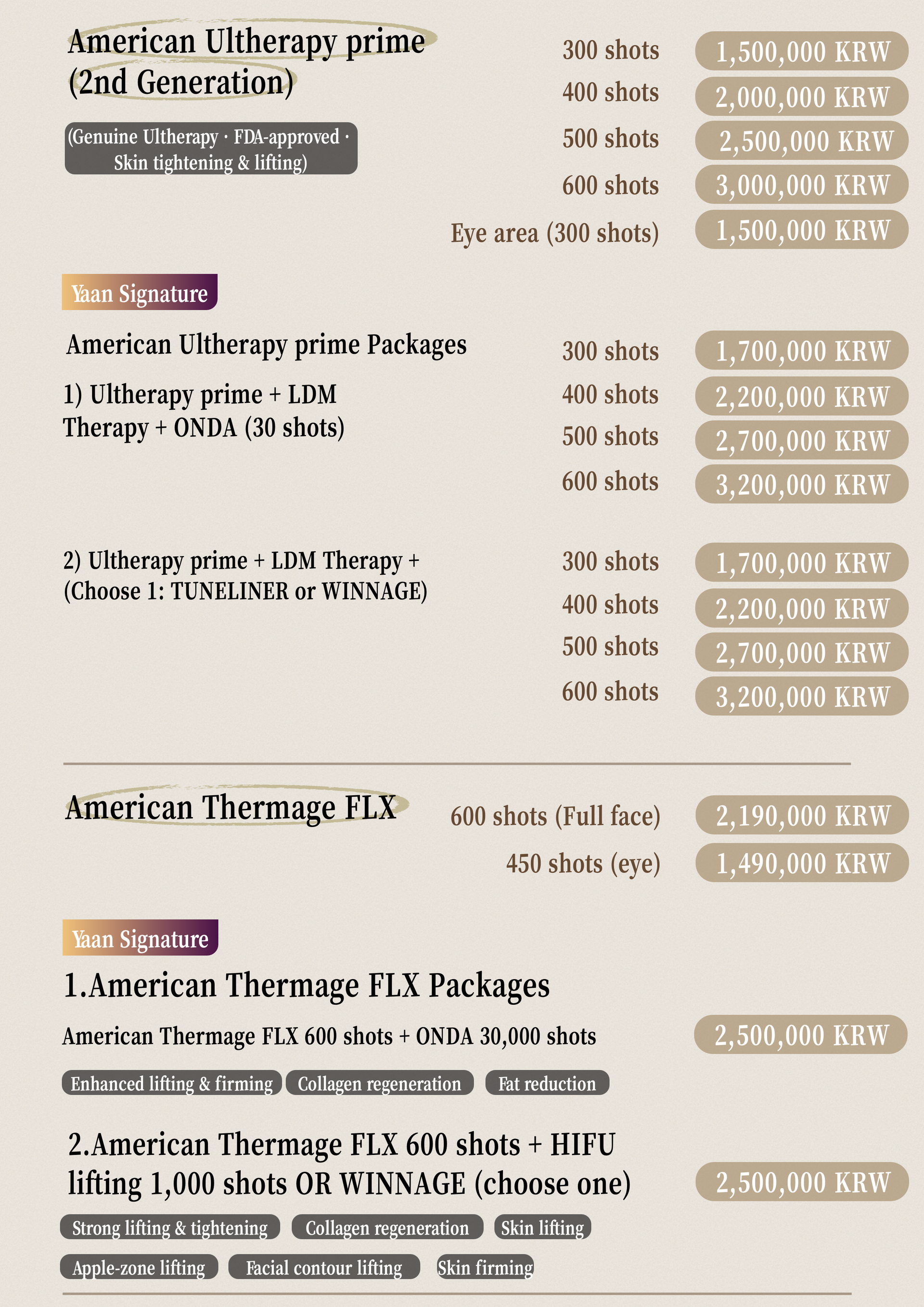
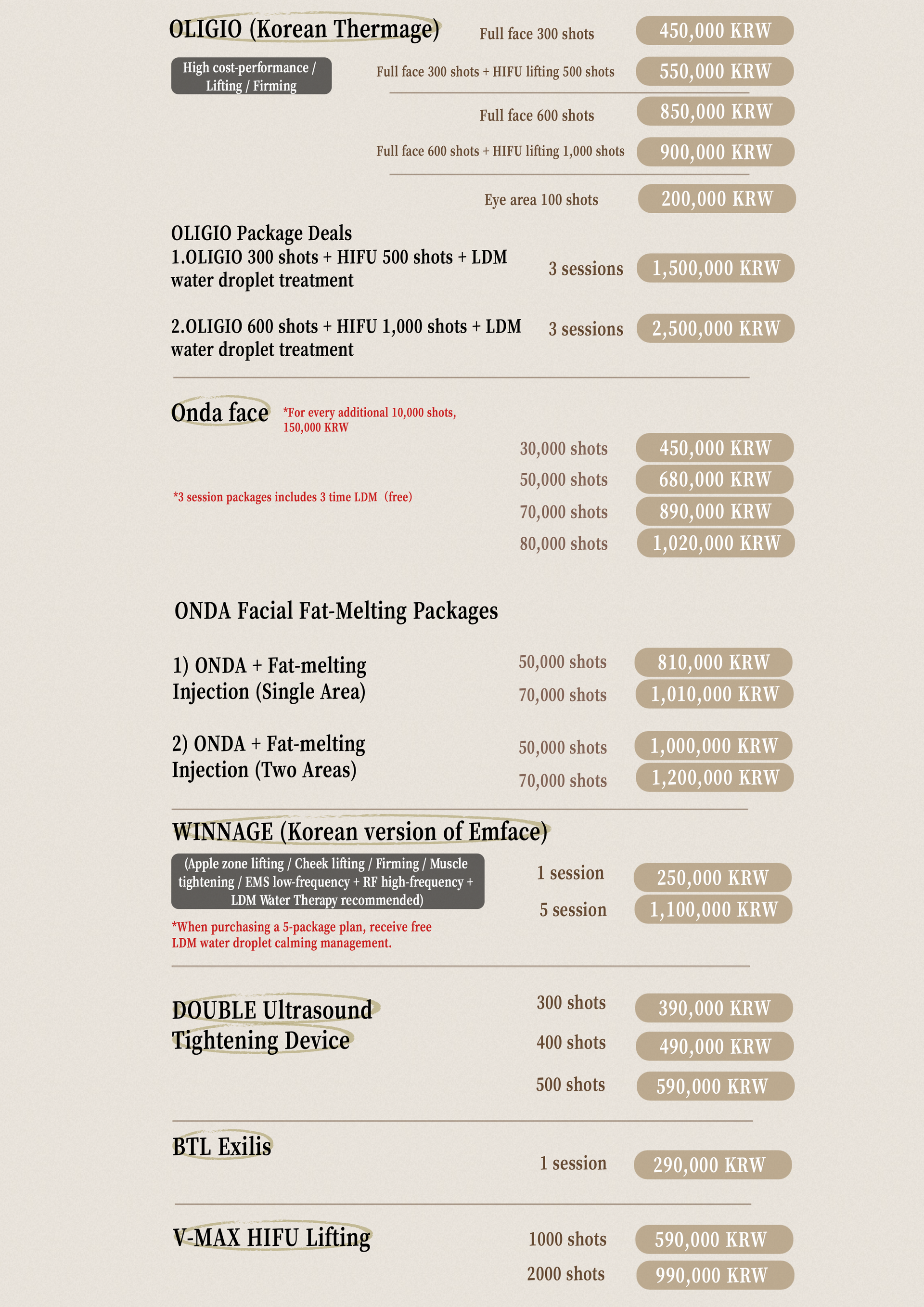
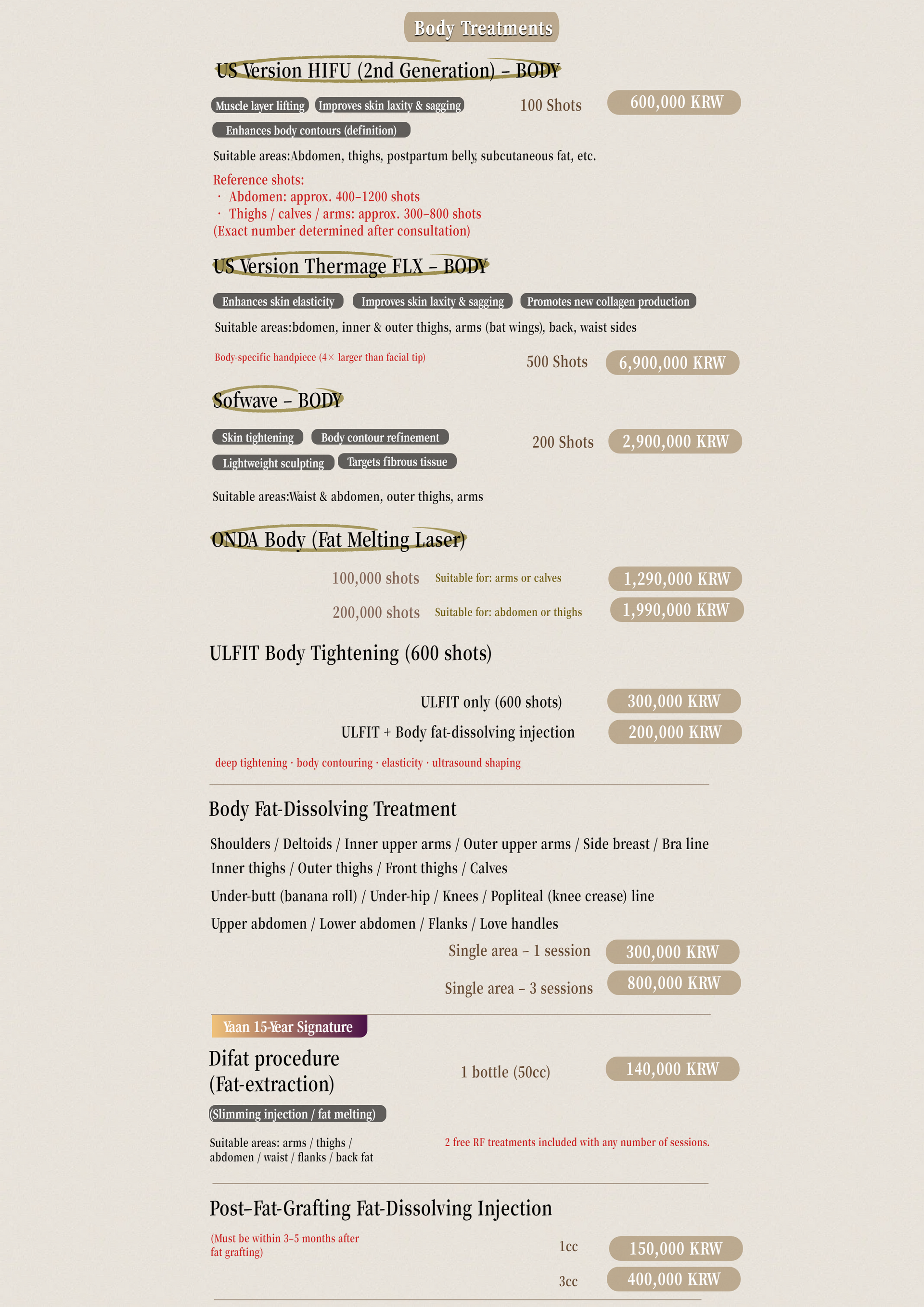
Ultrasound skin tightening: Ultherapy and selected HIFU devices
Microfocused ultrasound and other focused-ultrasound technologies deliver energy at selected depths beneath the skin. The controlled heating stimulates tissue remodeling and collagen production.
These treatments may help people with mild to moderate laxity around the jawline, jowls, or upper neck.
Potential benefits:
- Gradual improvement in skin firmness
- Modest lifting in appropriately selected patients
- Little or no incision-related downtime with non-invasive devices
Results generally develop over several weeks to months rather than appearing as a dramatic immediate lift. Treatment effects vary, and ultrasound cannot remove large amounts of excess skin.
Technique and patient selection matter because incorrect treatment can cause burns, nerve-related effects, or unwanted tissue changes. A qualified clinician should assess whether your facial volume and anatomy make you a suitable candidate.
Radiofrequency skin tightening: Thermage and related devices
Radiofrequency (RF) treatments heat tissue to encourage collagen remodeling. Non-invasive RF may be considered when reduced skin firmness is a major concern.
Some patients experience gradual improvement in skin tightness and jawline definition. The degree of improvement depends on the device, treatment protocol, skin laxity, and individual response.
RF is not the same as RF microneedling, and different devices have different risks. Ask the provider which technology will be used and whether it is appropriate for your facial anatomy.
Neither ultrasound nor RF should be presented as a guaranteed substitute for surgery. The American Academy of Dermatology explains that non-invasive tightening generally produces more modest results than procedures that involve surgery or more invasive techniques. Read the AAD's guide to firming sagging skin.
Sofwave and other ultrasound technologies
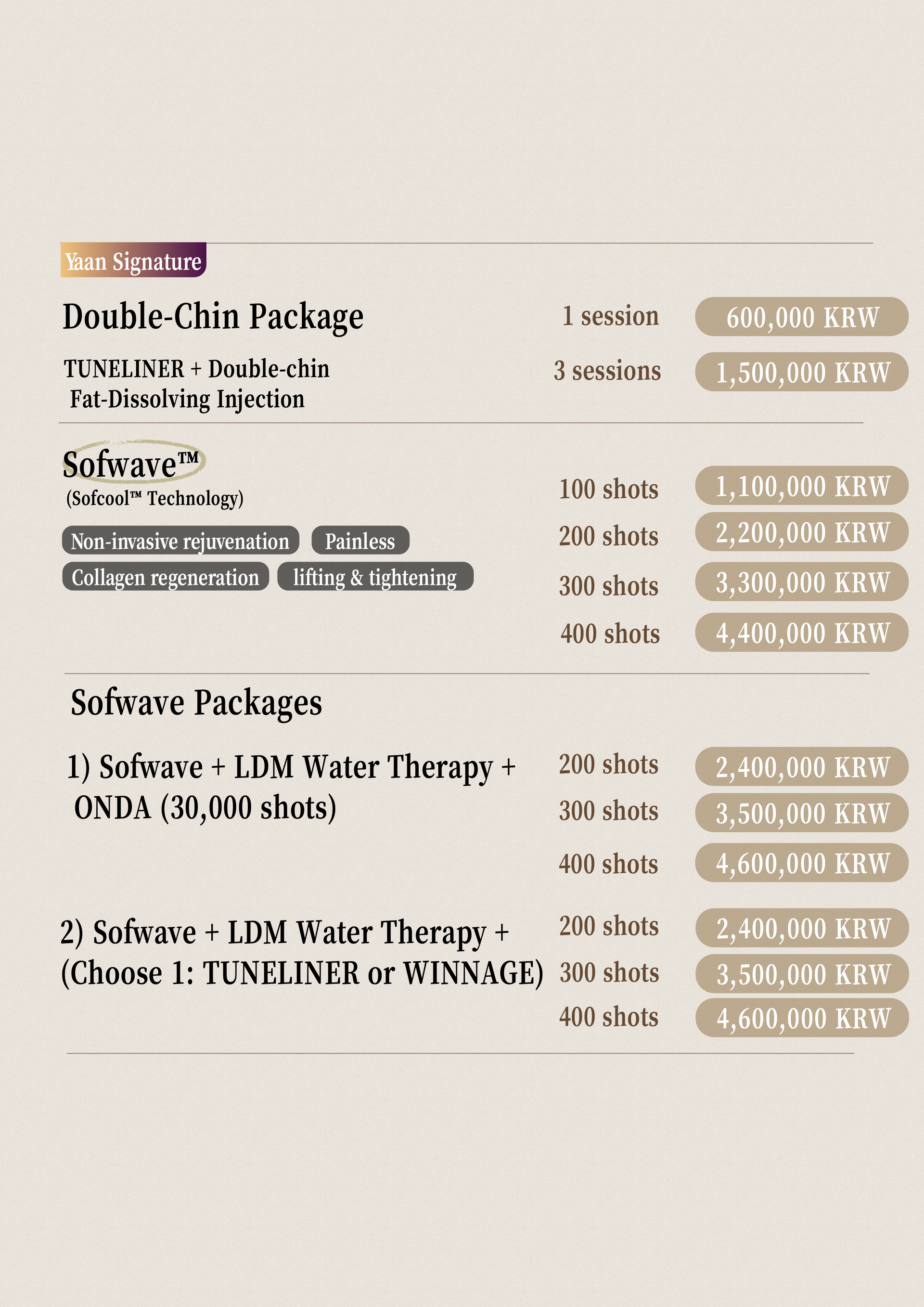
Some ultrasound platforms are designed to target tissue at specific depths to stimulate collagen remodeling. They may be options for selected patients with early skin laxity.
The technology and intended treatment depth differ between devices, so results from one ultrasound platform should not automatically be applied to another.
Your clinician should explain the expected level of improvement, possible side effects, and whether the device targets your actual concern.
Neuromodulators for selected muscle-related concerns
Botulinum toxin treatments may help selected patients with prominent platysmal bands or certain muscle-related contributions to the lower-face contour.
These treatments relax targeted muscles rather than tighten large areas of loose skin. They are not a universal solution for jowls, and inappropriate injections into the neck can cause complications such as weakness or swallowing difficulties.
A clinician must determine whether muscle activity is an important factor before recommending this approach.
Thread lifts
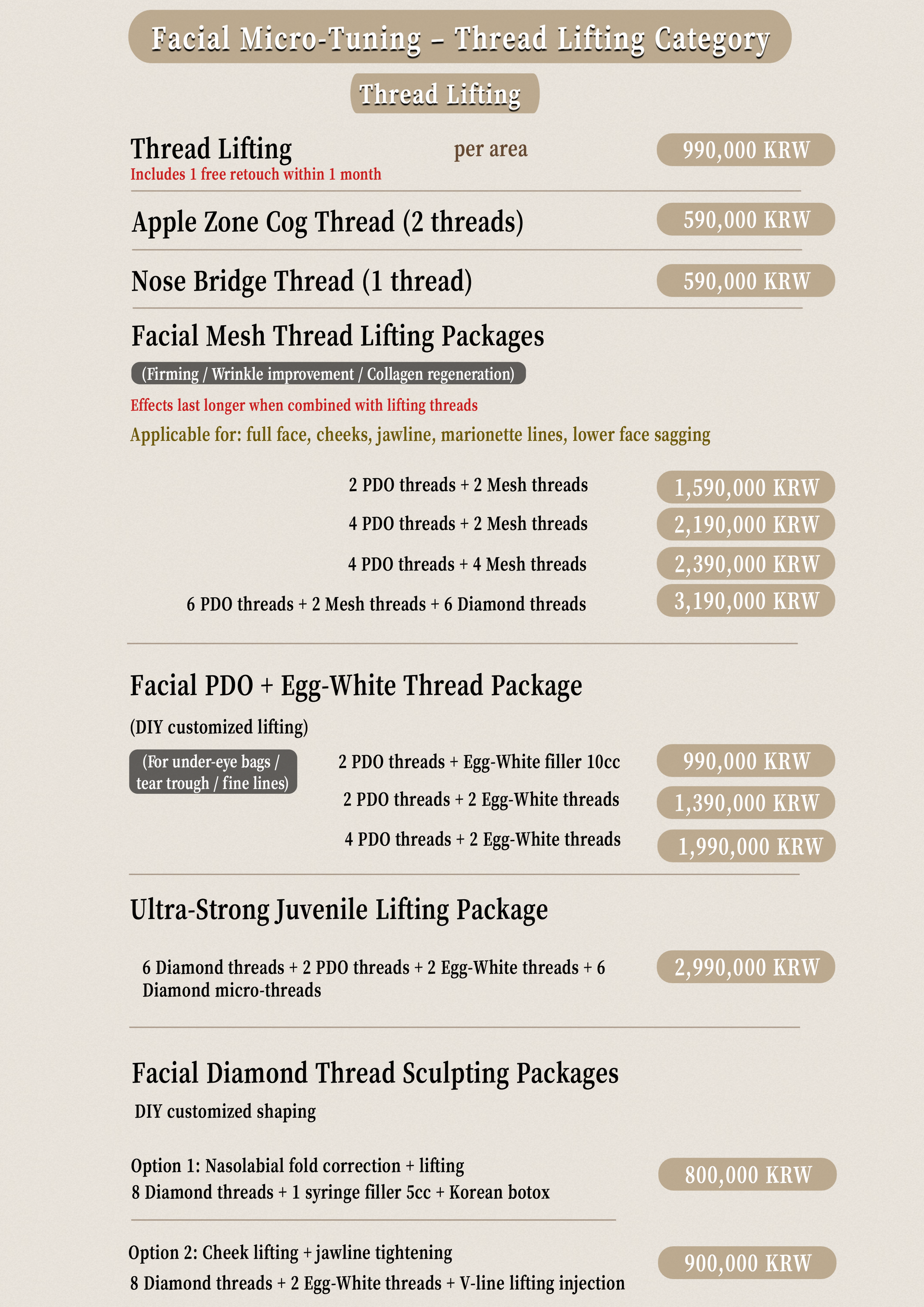
Thread lifts use temporary or other designated medical threads placed beneath the skin to reposition selected tissues and provide a lifting effect.
They may be considered in carefully selected patients who want a limited lift without a traditional facelift. However, results are variable and generally less predictable than surgical lifting.
Potential complications include visible or palpable threads, infection, asymmetry, thread extrusion, and contour irregularities. A thread lift is also a procedure with tissue insertion, not a completely non-invasive treatment.
Skin care and lifestyle measures
Daily sunscreen, an appropriate moisturizer, and a retinoid when suitable can help support skin quality and address some signs of photoaging. Avoiding smoking and maintaining a relatively stable weight may also help preserve skin health.
These measures cannot reposition significantly sagging tissue or remove established jowls. They are best viewed as supportive measures rather than alternatives to a procedure when laxity is substantial.
3. Which Option Is Best for Your Type of Sagging?
The most useful starting point is to match the treatment to the main cause.
If your skin is mildly loose: Ultrasound or non-invasive RF may be worth discussing with a qualified dermatologist.
If you have early jowls: A clinician may consider skin tightening, but should also assess whether deeper tissue changes limit the likely result.
If you have fullness beneath the chin: Selected fat-reduction approaches may help when excess submental fat is confirmed. These treatments do not necessarily correct loose skin or jowls.
If you have prominent neck bands: A clinician may assess whether a neuromodulator is appropriate. This will not correct all causes of a sagging jawline.
If you have significant loose skin: A surgical consultation may be more useful than repeatedly trying non-surgical procedures that are unlikely to achieve your goals.
People with naturally thin faces or prominent cheek hollows should be especially cautious about treatments designed to reduce fat. Their treatment plan should preserve the facial volume needed for a natural appearance.
4. Can You Get a Sharper Jawline Without Adding Volume?
Yes, in selected cases. If your jawline looks soft because of mild skin laxity or fullness beneath the chin, improving skin firmness or addressing the specific fullness may enhance definition without adding filler.
However, a naturally weak chin or a less prominent jawbone is a different issue. Skin-tightening procedures cannot substantially change bone structure, and non-surgical treatments may offer limited improvement when skeletal proportions are the main cause.
Avoid choosing a procedure solely because it is advertised as a jawline lift. Ask the clinician to explain which anatomical feature is responsible for your current contour and how the proposed treatment is expected to change it.
It is also important to avoid unnecessary fat-reduction procedures. A slimmer jawline is not always a healthier or more youthful-looking one, particularly if you already have limited facial fat.
5. What Should You Ask Before Treatment in Seoul?
If you are considering treatment in South Korea, make sure the consultation includes an assessment of the cheeks, jowls, jawline, chin, and neck rather than focusing on a single device.
Before agreeing to a procedure, ask:
- What is the main cause of my jawline sagging?
- Is my skin laxity mild, moderate, or advanced?
- Will this treatment tighten skin, reduce fat, relax muscle, or reposition tissue?
- How much improvement is realistic for my anatomy?
- Could the procedure worsen facial hollowing or asymmetry?
- What are the possible complications, recovery requirements, and follow-up arrangements?
Request the exact device or procedure name rather than relying on general terms such as “Korean lifting.” If you are travelling, also clarify who will assess you if a complication develops after you return home.
A responsible provider should explain both the potential benefits and the limitations of treatment, including when surgery may be more appropriate.
Conclusion
A sagging jawline can sometimes be improved without filler. Ultrasound and radiofrequency skin tightening may help mild to moderate laxity, while selected muscle treatments or thread lifts may address specific concerns.
The best option depends on whether the problem is loose skin, jowls, submental fat, muscle activity, or facial structure. No single procedure is right for everyone, and non-surgical treatments generally provide more limited lifting than surgery for advanced sagging.
If you want a sharper jawline without adding volume, begin with an assessment of your facial anatomy and choose a treatment that addresses the actual cause.
Frequently Asked Questions
1. Can Ultherapy lift a sagging jawline without filler?
Ultherapy may provide modest lifting and tightening in selected patients with mild to moderate laxity. It does not add volume, but it cannot reliably correct advanced sagging or substantially change the shape of the jawbone.
2. Is Thermage a good option for jowls without filler?
Thermage may be considered when skin laxity is an important contributor to early jowling. The degree of improvement varies, and it is less likely to produce a dramatic change when jowls are caused by more substantial tissue descent.
3. Can I fix a sagging jawline naturally?
Skin care, sun protection, and stable weight can support skin health, but they cannot reliably reverse established jowls or substantial loose skin. Natural measures are most useful for prevention and maintenance.
4. Will jawline exercises tighten loose skin?
There is insufficient evidence that facial or jaw exercises can reliably lift sagging skin or correct established jowls. Repeated exercise is not a substitute for assessing the cause of the contour change.
5. Is a thread lift better than ultrasound for a sagging jawline?
Neither is universally better. Ultrasound stimulates tissue remodeling without inserting threads, while a thread lift mechanically repositions selected tissues. The choice depends on your anatomy, degree of laxity, risk tolerance, and expectations.
6. When is surgery a better option than non-surgical treatment?
Surgery may be more appropriate when there is substantial excess skin, pronounced tissue descent, or advanced jowling. A qualified surgeon can explain the potential benefits, risks, recovery, and alternatives based on your individual anatomy.