Is Sofwave Good for Early Jowls?
If your jawline has started to look softer and you are noticing small pockets of sagging beside your chin, you may be wondering whether Sofwave can help before the problem becomes more noticeable.
Sofwave is a non-surgical ultrasound treatment designed to improve selected signs of skin laxity and facial aging. It stimulates collagen remodeling in the skin and may help improve firmness over time.
Sofwave may be a reasonable option for early jowls when mild skin laxity is the main concern. However, it cannot reliably remove jowls or restore a sharply defined jawline in everyone. The evidence specifically for jowls is limited, and the treatment is better understood as a skin-tightening option than a substitute for a facelift.
For people considering treatment in Seoul, the first step is determining whether the early jowls are caused by loose skin, facial volume changes, excess fat, or a combination of these factors.
What Is Sofwave, and How Does It Work?
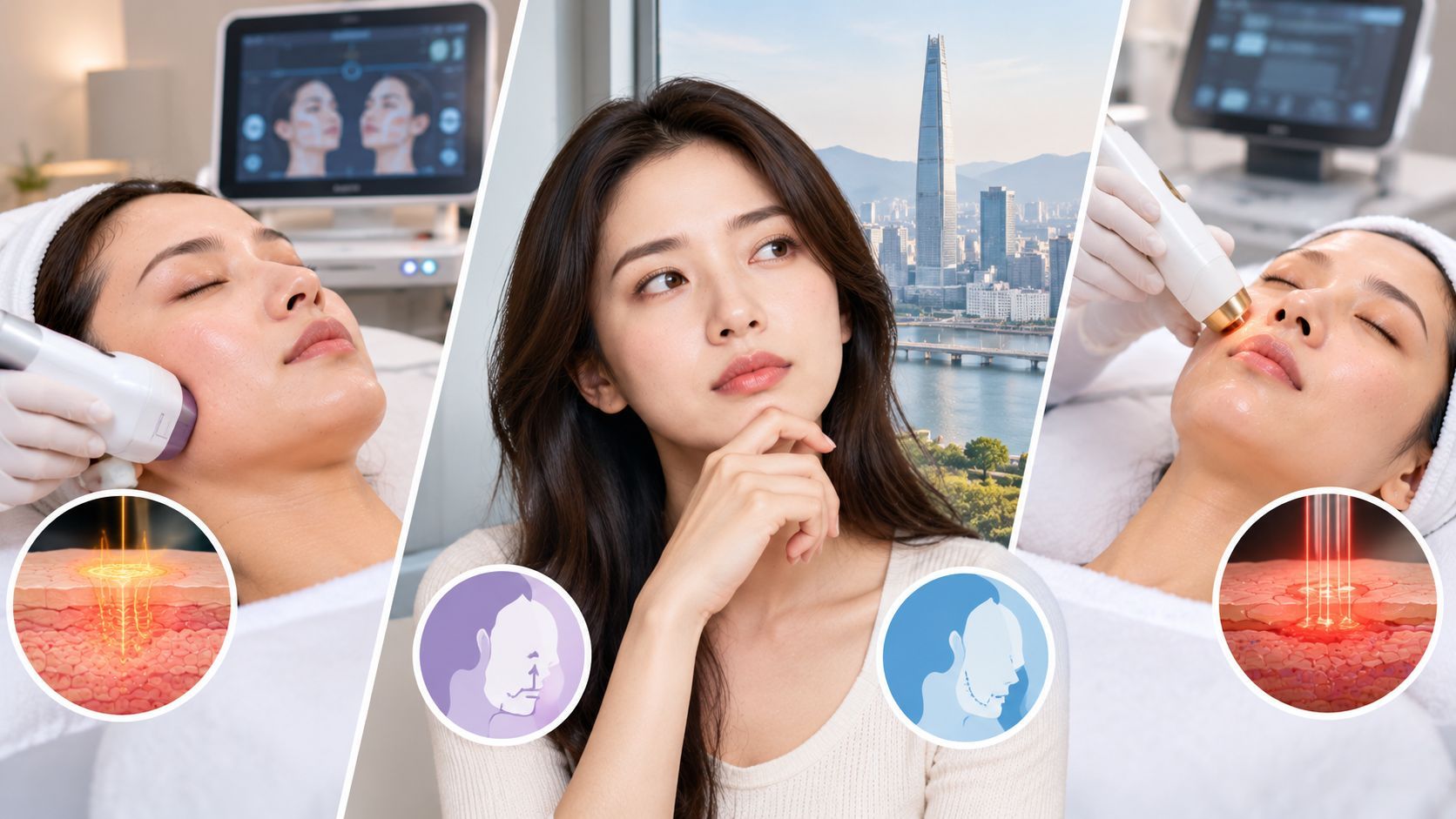
Sofwave is a non-invasive aesthetic device that uses synchronous ultrasound parallel beam technology, known as SUPERB, to deliver ultrasound energy to the mid-dermis.
The treatment creates controlled heating within the targeted skin layer. This stimulates a tissue-remodeling response involving collagen and other structural components of the skin.
The goal is to improve skin firmness and reduce the appearance of selected wrinkles and laxity without surgery or injections.
Sofwave differs from Ultherapy, which uses microfocused ultrasound with visualization to target selected tissue depths. The two devices have different technologies and treatment protocols, so their results should not be assumed to be interchangeable.
In the United States, Sofwave has FDA clearance for indications including improving facial lines and wrinkles, lifting the eyebrow, and lifting lax tissue beneath the chin and in the neck. These indications do not mean that it is guaranteed to eliminate jowls. Regulatory indications can also differ by country.
Can Sofwave Improve Early Jowls?
Sofwave may help some people whose early jowls are primarily related to mild skin laxity. By stimulating collagen remodeling, it may improve firmness and make the transition between the lower cheek and jawline look somewhat smoother.
Clinical research has investigated Sofwave for facial skin laxity and lifting in the eyebrow, submental, and neck regions.
A 2024 prospective study evaluated high-intensity, high-frequency parallel-beam ultrasound in 15 participants. The researchers observed improvements in facial laxity at follow-up visits, but the small sample size limits how confidently the findings can be applied to all patients.
A separate clinical study involving 13 women examined facial and neck treatment and reported visible lifting alongside changes in collagen and elastic fibers. These findings provide preliminary support for the proposed mechanism, but they do not establish how much improvement a particular person with early jowls will experience.
Importantly, evidence for tightening beneath the chin and in the neck is not the same as proof that Sofwave can directly eliminate jowls along the jawline.
When Sofwave may be worth considering
Sofwave may be worth discussing if:
- Your jawline has only recently begun to lose definition.
- You have mild skin laxity rather than substantial excess skin.
- Your face is relatively slim and your main concern is skin firmness.
- You want a non-surgical option with limited expected downtime.
- You understand that the result may be subtle.
A clinician should still examine your facial anatomy before deciding whether Sofwave is appropriate.
When Sofwave may not be enough
Sofwave may be less effective if your main concern is:
- Pronounced jowls with significant tissue descent
- A large amount of excess skin
- Lower-face fullness caused mainly by fat distribution
- Facial hollowing or loss of structural support
- A desire for a dramatic, surgical-style lift
In these situations, another treatment or a different approach may be more suitable.
Sofwave for Early Jowls vs. Ultherapy
Sofwave and Ultherapy are both ultrasound-based treatments, but they use different technologies and target tissue differently.
Sofwave delivers parallel ultrasound beams to the mid-dermis. Ultherapy uses microfocused ultrasound with visualization to target selected tissue depths.
Neither device is universally better for early jowls. The most appropriate choice depends on the treatment area, the degree of laxity, the clinician's assessment, and the outcome you want.
Sofwave may be discussed when the main goal is improving mild skin laxity. Ultherapy may also be considered for selected patients who want non-surgical tightening of the lower face or beneath the chin.
However, direct comparative evidence specifically establishing which treatment is better for jowls is limited. Avoid choosing based solely on claims that one device provides a stronger lift.
Ask the clinic to explain why it recommends one treatment over the other for your specific anatomy.
Sofwave vs. Thermage for Early Jowls
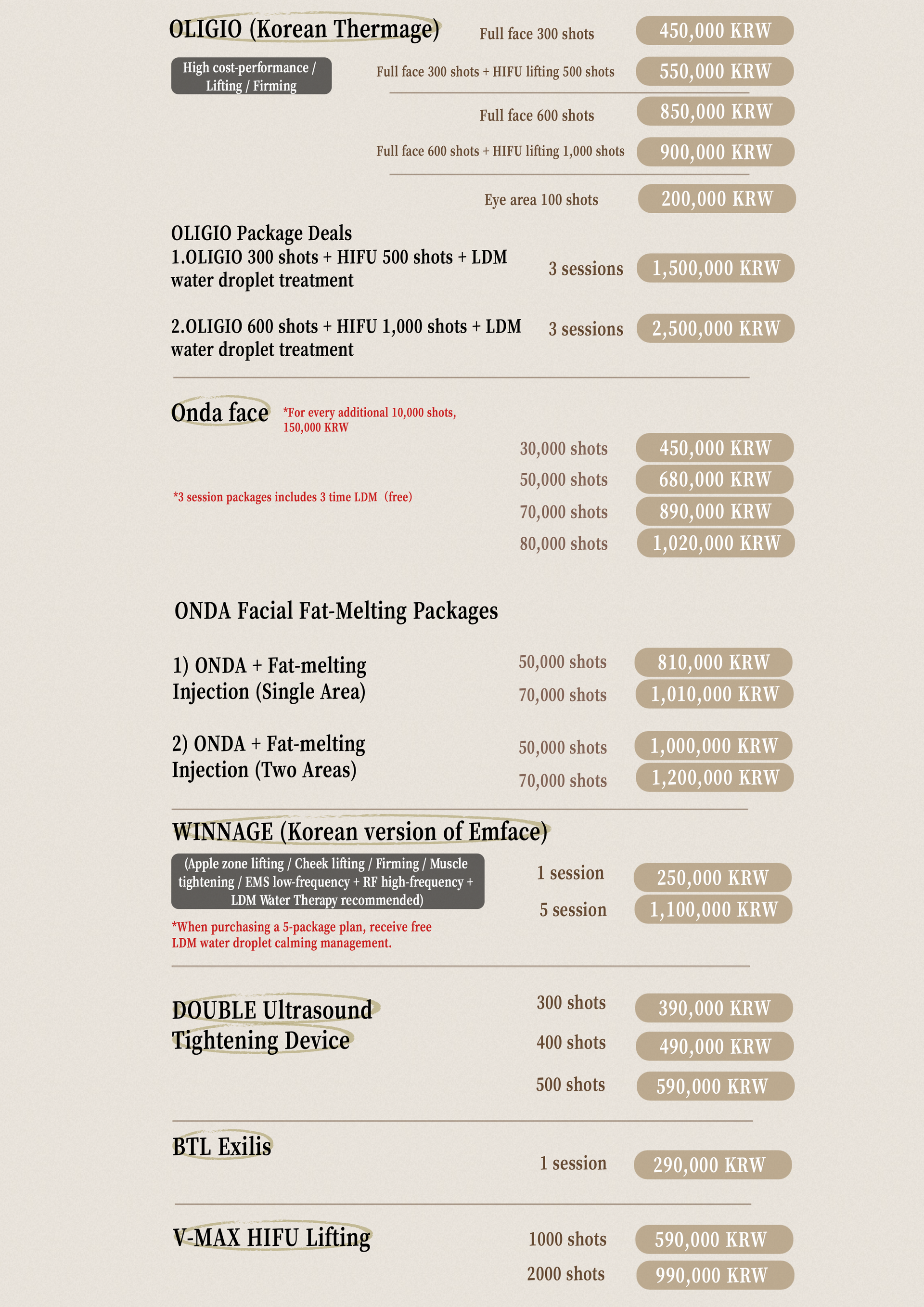
Thermage uses radiofrequency energy to heat tissue and stimulate collagen remodeling, while Sofwave uses ultrasound energy.
Both treatments may improve selected signs of skin laxity, but their effects and treatment protocols differ.
Thermage may be considered for mild skin firmness concerns, while Sofwave may be an option when ultrasound-based dermal tightening is appropriate.
There is no reliable universal rule that Sofwave is better for early jowls than Thermage, or vice versa. The clinician should explain the expected benefit, risks, and limitations of the specific device being proposed.
Can Sofwave Make a Thin Face Look Hollow?
If your face is naturally thin, you may be particularly concerned about preserving facial volume.
Sofwave is designed to target the dermis rather than primarily reduce subcutaneous fat. Its intended mechanism is different from that of treatments specifically designed for fat reduction.
Nevertheless, no energy-based procedure should be described as completely risk-free. The FDA's adverse-event reporting database includes individual reports of unwanted facial changes after Sofwave treatment. Such reports do not establish that the device caused the reported changes, and they cannot tell us how frequently a complication occurs. They do reinforce the importance of informed consent and appropriate treatment technique.
If you already have hollow cheeks, temples, or under-eye areas, discuss your concerns before treatment. Ask how the clinician will tailor the treatment area and settings to your facial anatomy.
You should not undergo a skin-tightening treatment simply because your jawline is less defined if the real issue is volume loss rather than laxity.
How Many Sofwave Sessions Are Needed?
The number of sessions depends on the device protocol, the treatment area, your skin condition, and your clinician's assessment.
Some published Sofwave studies have investigated a single treatment, while other protocols have included multiple sessions. These studies do not establish one universal schedule for everyone with early jowls.
Ask your clinician whether one session is appropriate for your goals and when the outcome should be assessed.
Do not assume that repeated sessions will necessarily produce a proportionally greater lift. The benefits, risks, and cost of additional treatment should be considered individually.
When Will You See Sofwave Results?
Sofwave stimulates tissue remodeling, so the main improvement is not necessarily immediate.
Some people may notice an early change in firmness, while the visible effects are generally evaluated over the following weeks and months. Individual responses vary, and the amount of improvement cannot be predicted precisely.
Results may also change over time as natural aging continues.
Before treatment, ask your clinic:
- When should the main improvement become visible?
- How will the result be assessed?
- How long might the improvement last?
- What happens if the result is smaller than expected?
- Would another treatment be more appropriate for my particular jowls?
A responsible clinician should explain the uncertainty rather than promise a guaranteed lifting effect.
What Are the Risks of Sofwave?
Sofwave is non-invasive, but it is not risk-free.
Possible short-term effects include redness, swelling, tenderness, and discomfort. Other complications can occur, and the risk depends on the treatment technique, device settings, anatomical area, and individual circumstances.
Before treatment, discuss your medical history, skin conditions, previous cosmetic procedures, implanted devices, and any concerns about facial volume.
Choose a qualified medical professional who understands facial anatomy, can explain the device's authorized uses, and has a clear plan for managing complications.
If you are visiting Seoul for treatment, confirm that follow-up care is available and obtain written instructions before returning home.
How to Choose a Sofwave Clinic in Seoul
When comparing clinics, look beyond promotional photographs and package prices.
Ask these questions during your consultation:
- Are my early jowls primarily caused by skin laxity, fat distribution, or loss of facial support?
- Is Sofwave suitable for the exact area I want to treat?
- What improvement is realistic for my anatomy?
- Who will perform the treatment, and what qualifications do they have?
- What side effects and complications should I understand before consenting?
- What follow-up care is available if I am travelling internationally?
Ask the clinic to explain the difference between lifting the skin beneath the chin and improving jowls along the jawline. These are related but distinct treatment goals.
Be cautious if a clinic guarantees that one session will eliminate your jowls or recommends fat-reduction procedures without assessing your existing facial volume.
Conclusion
Sofwave may be worth considering for early jowls when mild skin laxity is the main concern. It uses ultrasound energy to stimulate collagen remodeling and may improve firmness, but the degree of lifting varies and evidence specifically for jowls remains limited.
It is not designed to remove substantial excess skin, restore lost facial volume, or reproduce the effects of a surgical facelift.
If you are considering Sofwave in Seoul, have a qualified clinician assess your jawline first. The best treatment is the one that addresses the actual cause of your jowls while respecting your facial anatomy and expectations.
Frequently Asked Questions
Is Sofwave good for early jowls?
It may help selected patients with mild skin laxity, but results are generally modest and not guaranteed. Evidence specifically measuring improvement in jowls is limited.
Is Sofwave better than Ultherapy for jowls?
There is no strong evidence establishing that one is universally better. The devices use different ultrasound technologies, and suitability depends on the treatment area, degree of laxity, and clinician's assessment.
How long do Sofwave results last?
Results vary by patient, treatment protocol, and skin condition. Ask the clinic for realistic expectations based on the specific procedure rather than relying on a guaranteed duration.
Can Sofwave eliminate jowls without surgery?
It cannot reliably eliminate established jowls. It may improve the appearance of mild laxity, but pronounced tissue descent or excess skin may require another approach.
Is Sofwave suitable for a thin face?
Potentially, if mild skin laxity is the main concern. A clinician should consider your facial volume and explain the known risks and limitations before recommending treatment.
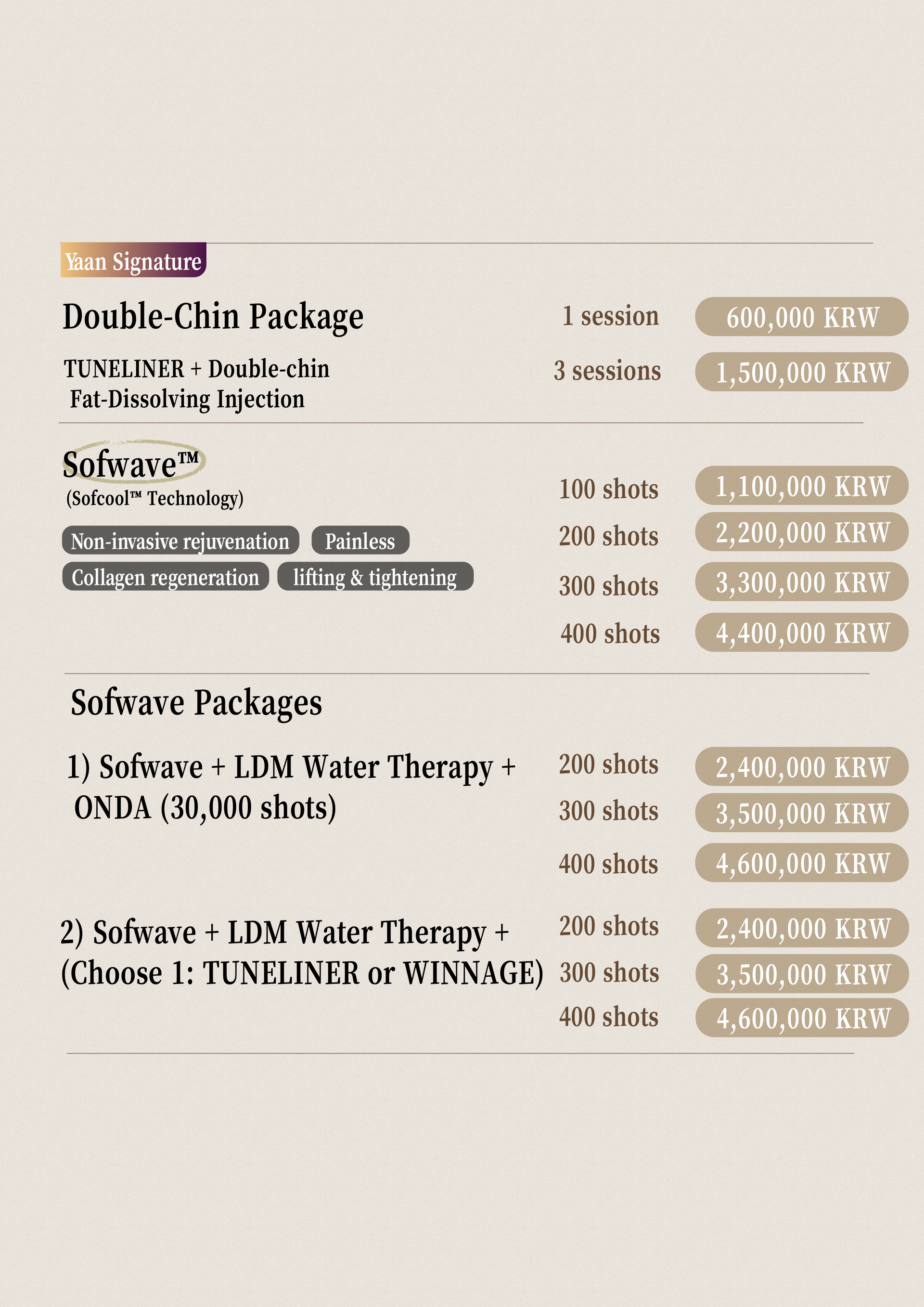
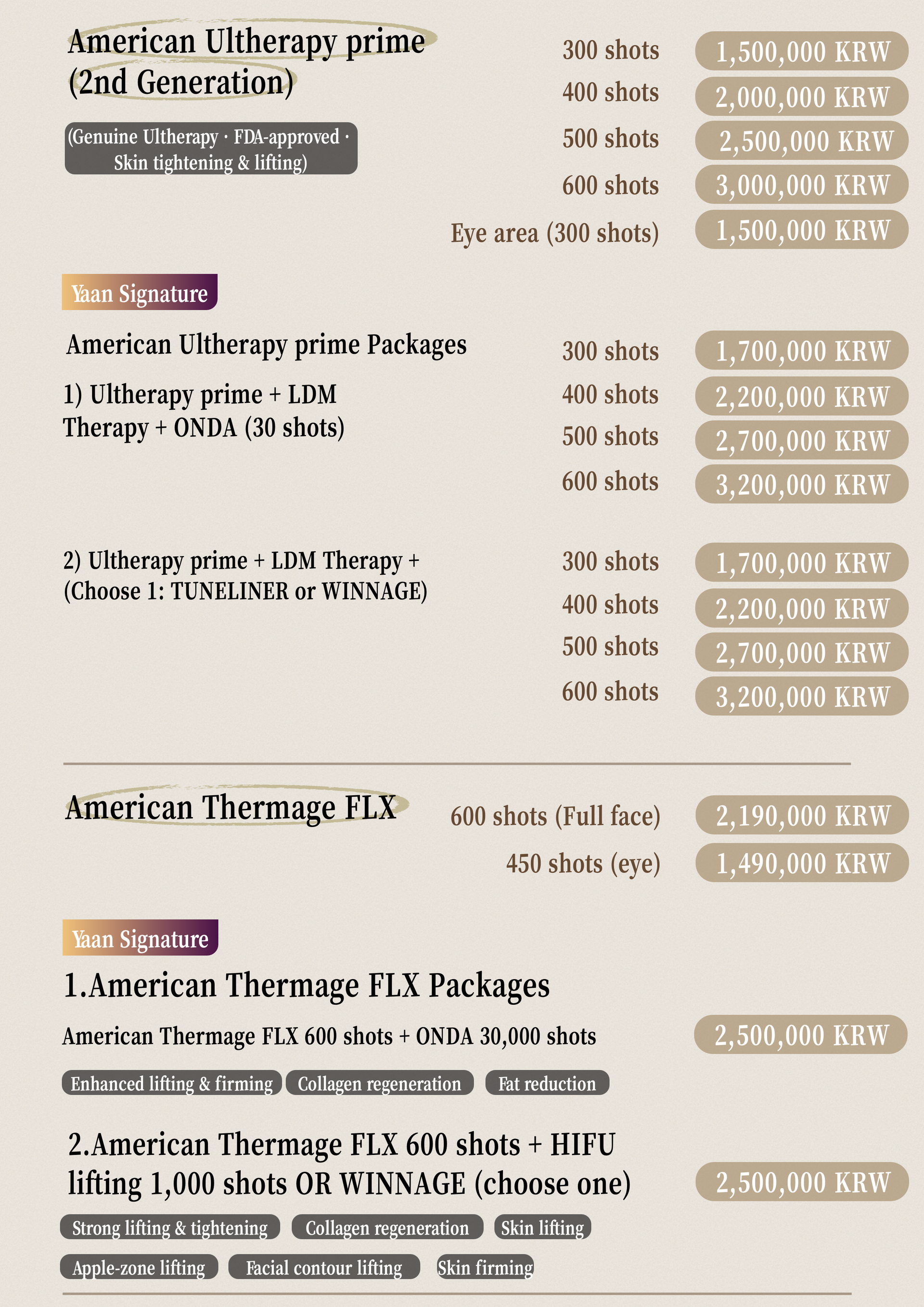
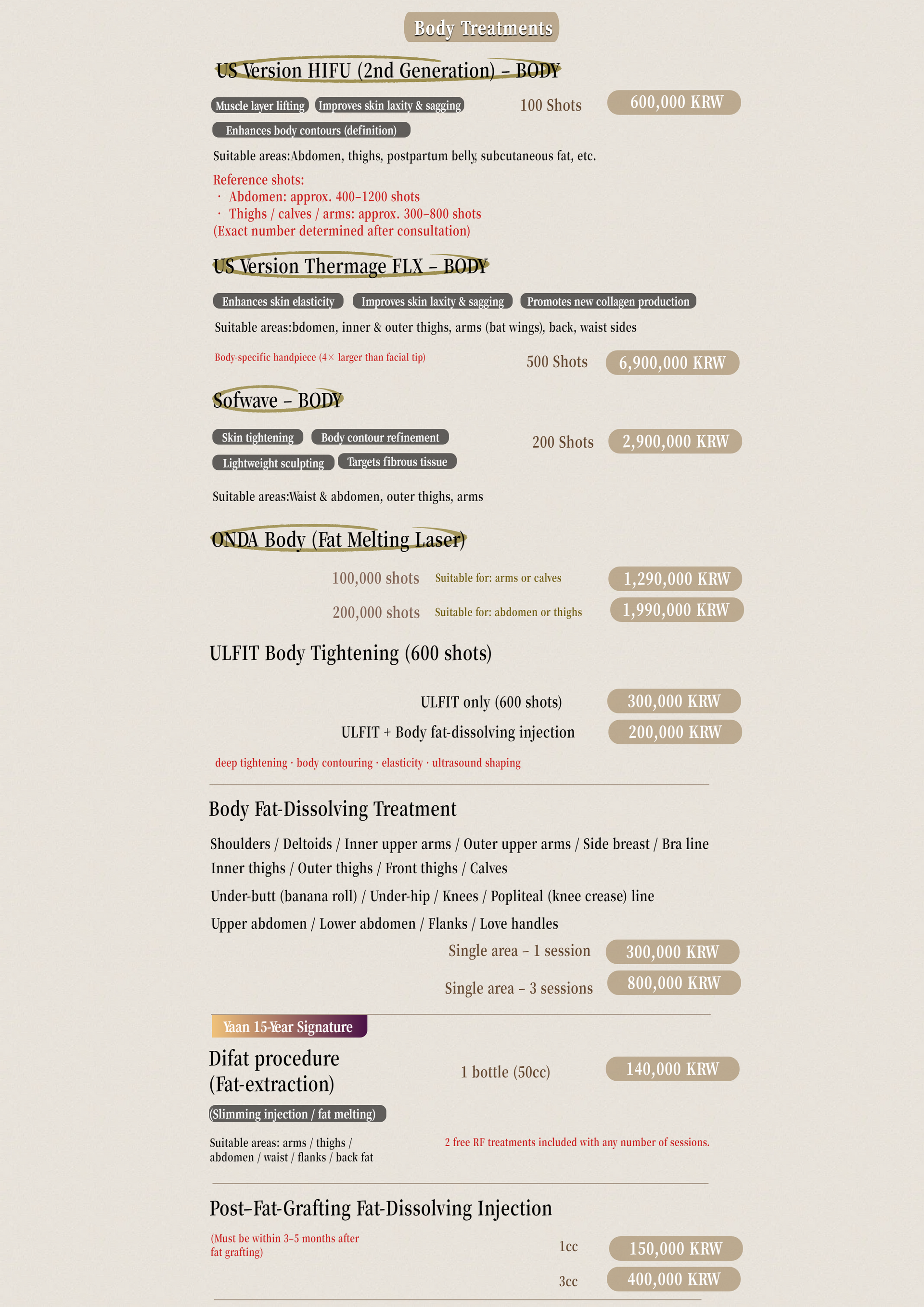
Is Sofwave worth the cost in Seoul?
It may be worth considering if your concern is early skin laxity and you have realistic expectations. Before paying, confirm the exact treatment area, clinician's qualifications, likely benefit, risks, and follow-up arrangements.