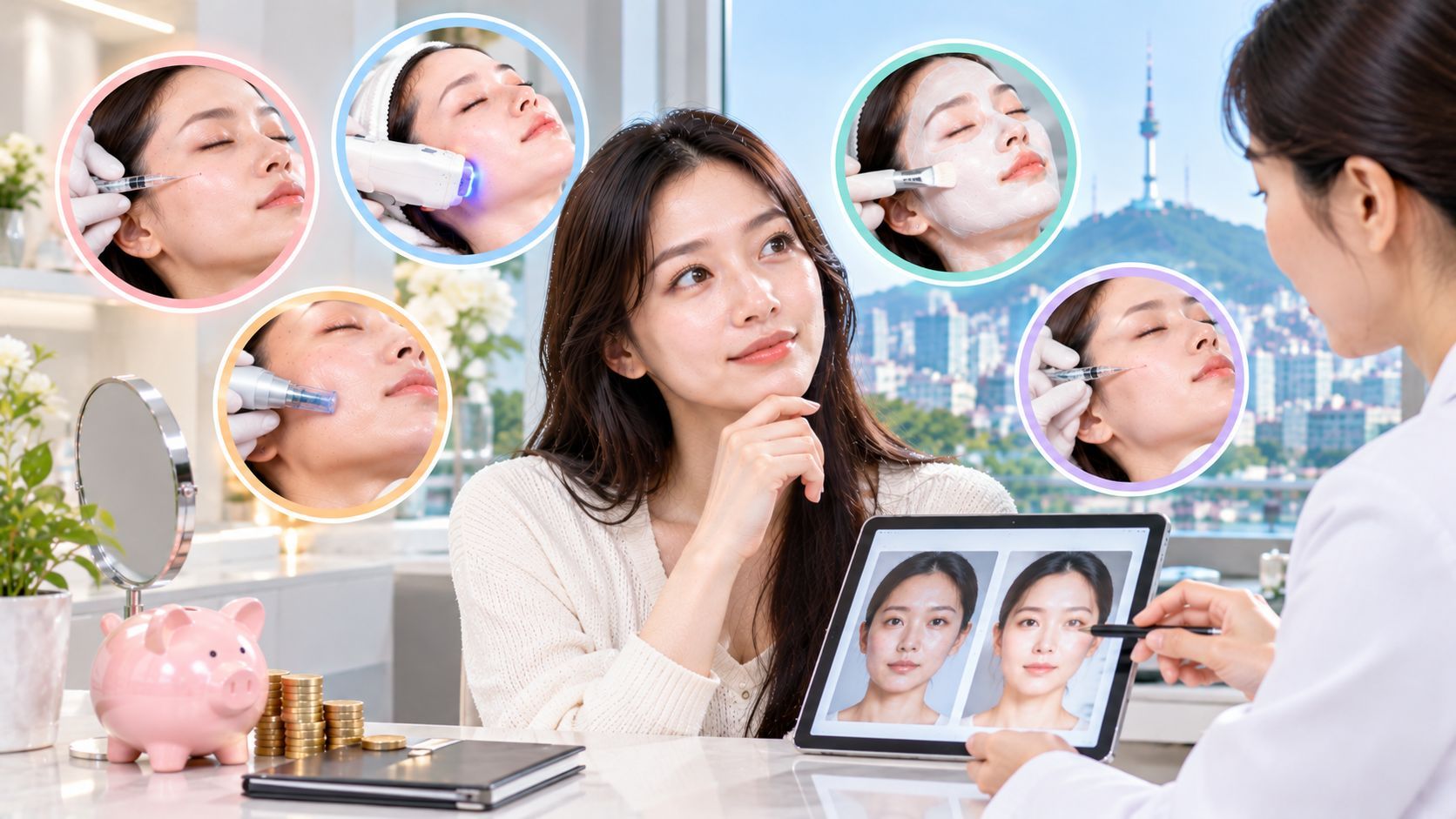
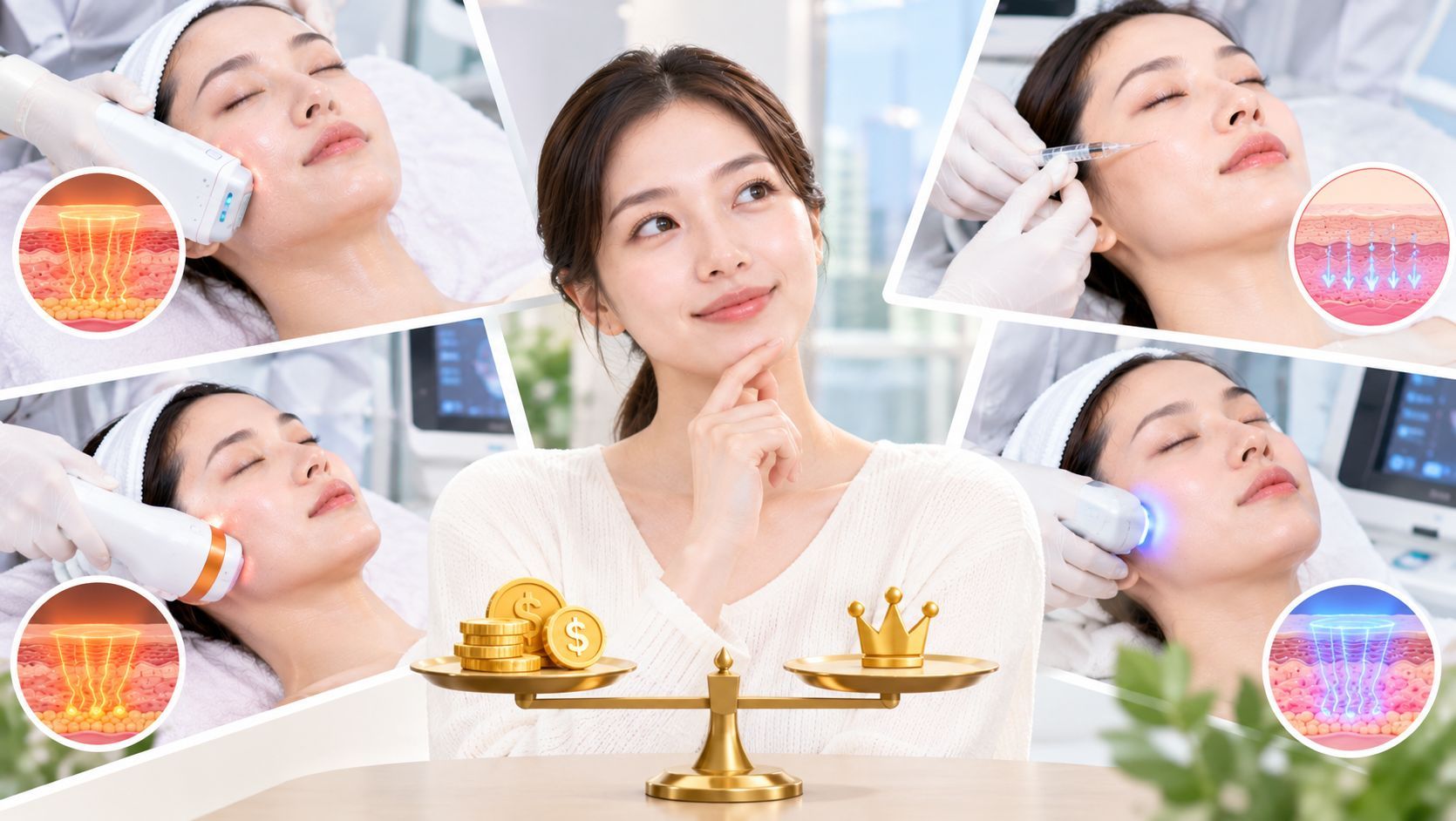
I'm 35 and My Jawline Is Becoming Less Defined. What Treatment Should I Get in Gangnam?
Introduction
At 35, you may notice that your jawline looks softer than it did a few years ago. The angle between your jaw and neck may seem less distinct, the lower part of your face may appear heavier, or small areas of fullness may be developing around your jowls.
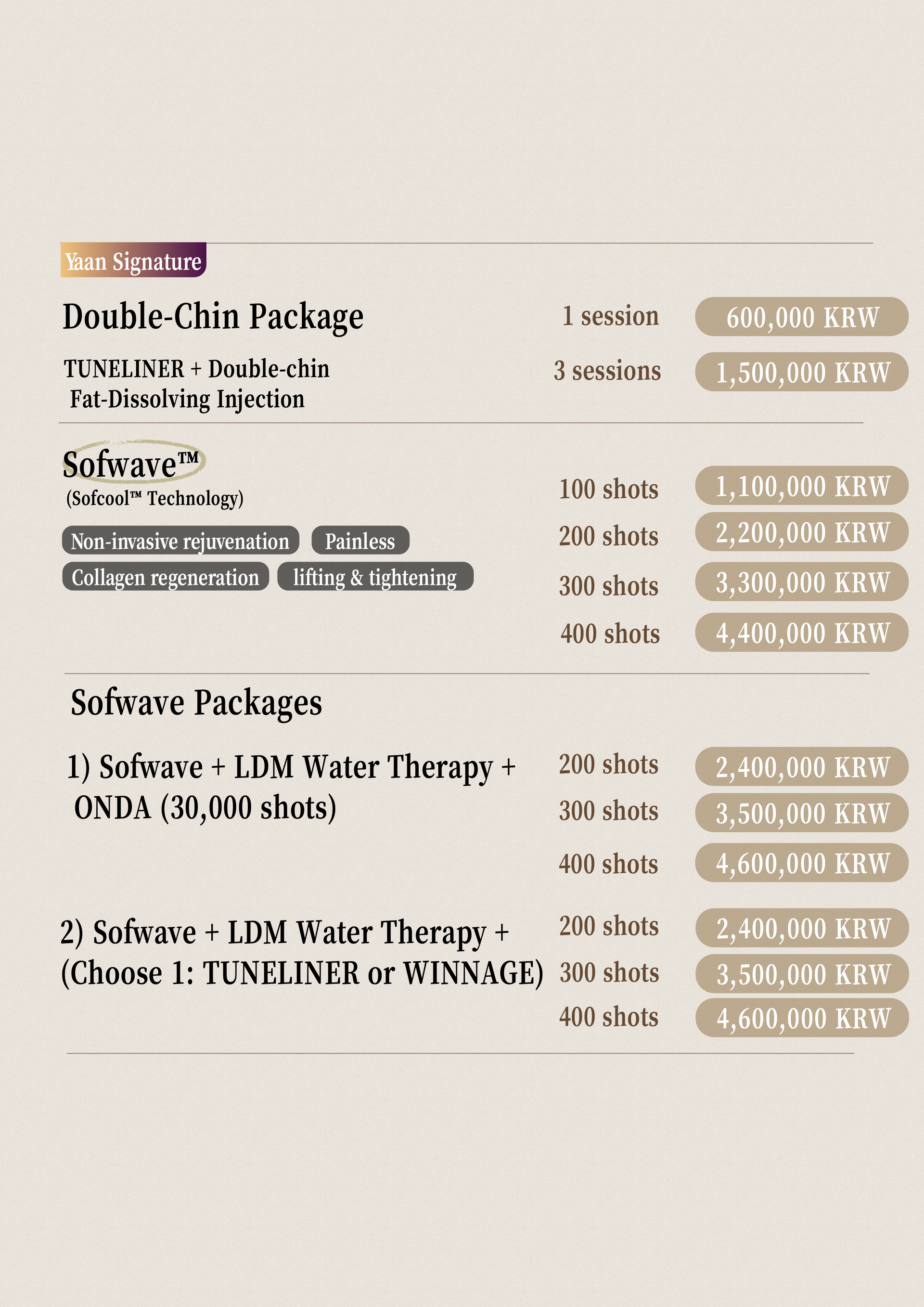
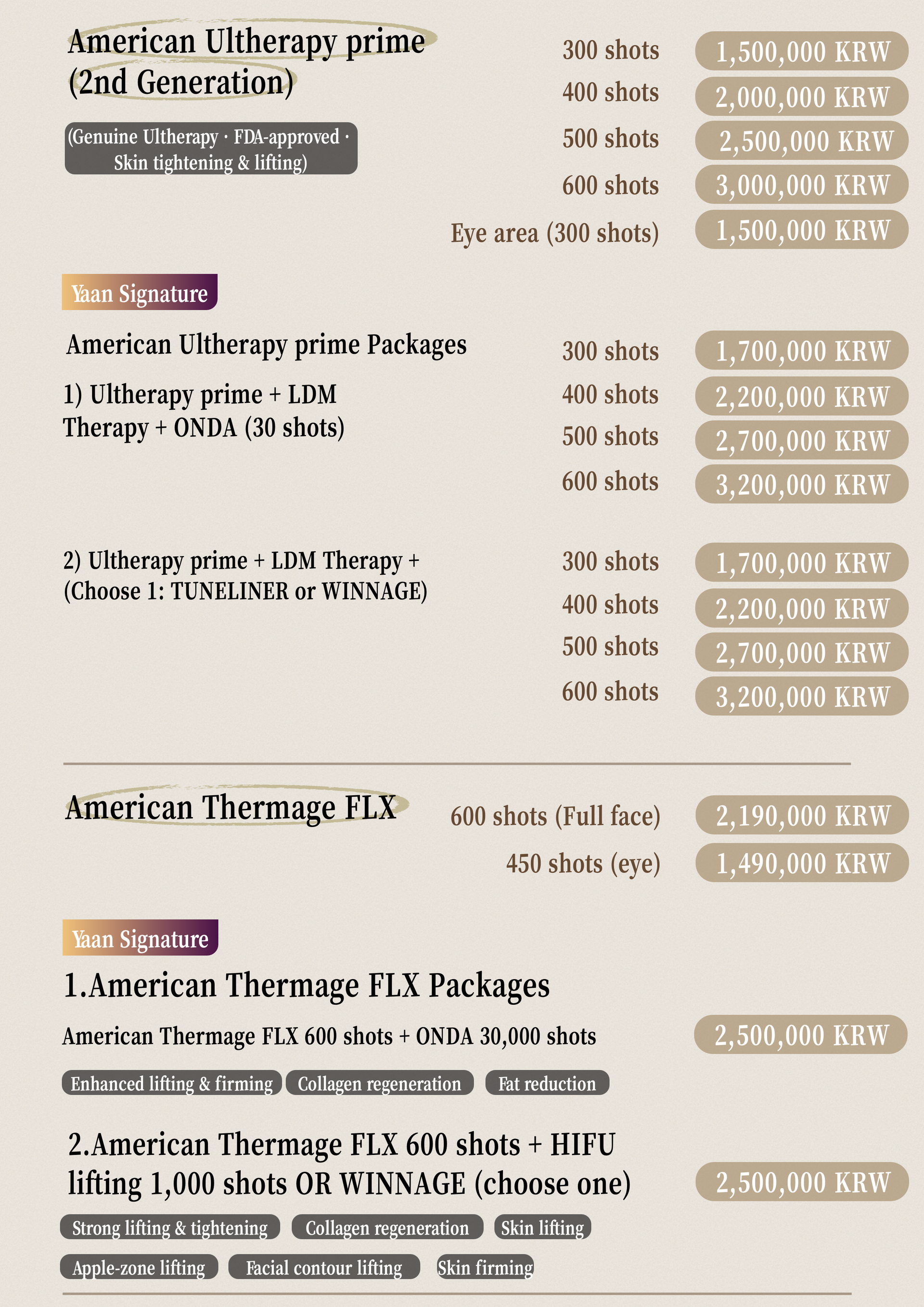
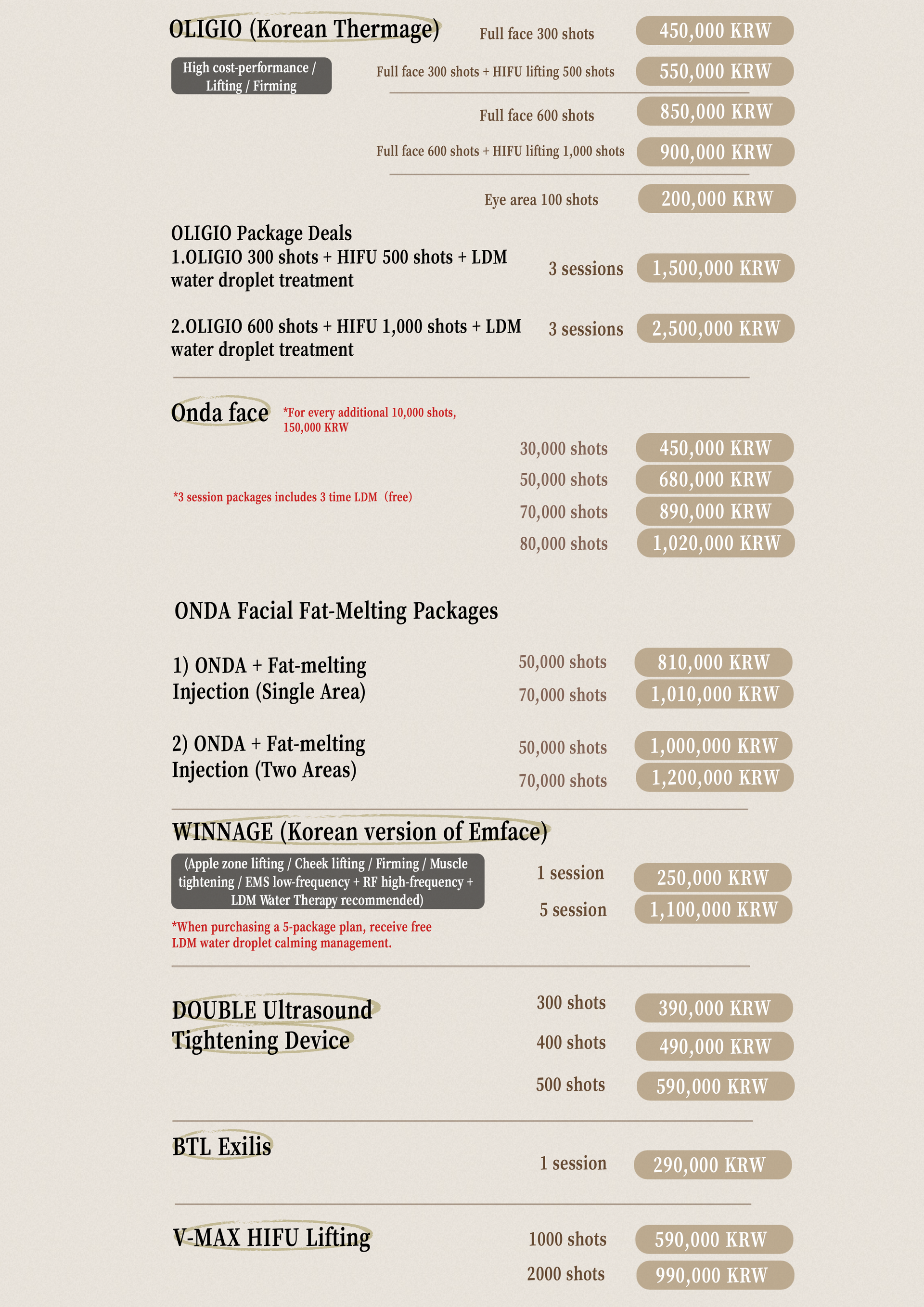
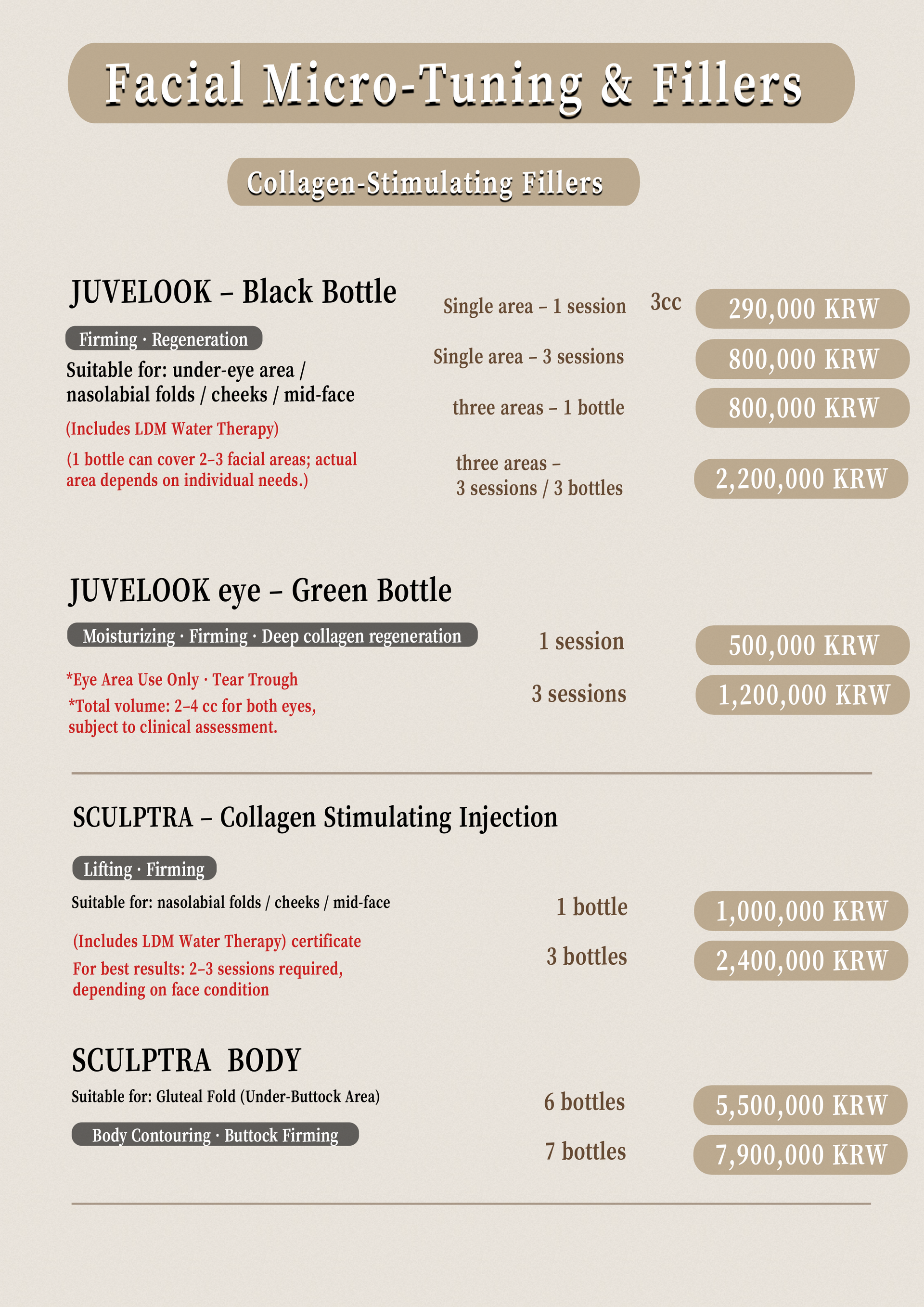
If you are considering treatment in Gangnam, Seoul, you will likely encounter options such as Ultherapy, Thermage, Sofwave, Oligio, Shurink, and other non-surgical skin-tightening treatments. Some clinics may also offer fat-reduction procedures, injectables, or combination packages.
However, the right treatment depends on why your jawline is becoming less defined—not simply your age. Mild skin laxity, facial fat distribution, changes in facial volume, muscle activity, and natural bone structure can all influence the appearance of your lower face.
At 35, you may not need an intensive procedure. A professional assessment can help determine whether skin tightening, another targeted approach, or no device treatment is appropriate.
Why Is Your Jawline Becoming Less Defined at 35?
Before choosing a treatment, it is helpful to understand the possible causes of a softer jawline.
1. Early Skin Laxity
Collagen and elastin contribute to skin firmness. As skin changes with age, it may gradually become less resilient, allowing the lower face to look slightly softer.
You might notice:
- A less distinct jawline in photographs
- Mild looseness around the lower cheeks
- Early jowl formation
- A subtle change in the transition between the jaw and neck
If mild skin laxity is the primary concern, a non-surgical tightening treatment may be worth discussing with a dermatologist.
2. Fullness Around the Lower Face
Sometimes, the jawline looks less defined because of soft-tissue fullness rather than loose skin.
The appearance may be influenced by facial fat distribution, changes in body weight, genetics, or the natural shape of your face.
In this situation, tightening the skin may not fully address the underlying concern. Fat-reduction treatments are not automatically appropriate either, because reducing facial fat can create unwanted hollowness or make the face appear older in some patients.
3. Early Jowls
Jowls are areas of soft tissue that create a small bulge along the lower jaw, interrupting the smooth outline from the chin toward the ears.
At 35, changes may be subtle. However, not every irregularity along the jawline is caused by sagging skin.
The dermatologist should assess whether the appearance is related to skin laxity, fat distribution, facial anatomy, or a combination of factors.
4. Chin and Jaw Structure
A naturally small or recessed chin, a less prominent jawbone, or differences in facial proportions can affect jawline definition.
If the main concern is structural rather than skin-related, a skin-tightening device may provide limited improvement.
The aim should be to understand your natural anatomy rather than assuming that every soft jawline needs tightening or fat reduction.
Which Treatments Should You Consider in Gangnam?
The following options address different concerns. None is automatically the best choice for everyone at age 35.
Ultherapy and Other Focused Ultrasound Treatments
These treatments deliver focused ultrasound energy to targeted tissue depths. Depending on the device and treatment plan, they may be considered for selected patients with mild skin laxity.
May be relevant if: Your main concern is early laxity rather than substantial lower-face fullness.
Considerations: Results vary, improvement is not equivalent to a surgical lift, and excessive or poorly targeted treatment may cause unwanted effects, including fat loss or nerve-related complications.
Thermage and Other Radiofrequency Tightening Treatments
Radiofrequency devices heat targeted tissue to encourage collagen-related remodeling. Thermage and other RF systems differ in technology, delivery, and treatment protocols.
May be relevant if: Mild skin laxity and skin firmness are the main priorities.
Considerations: Improvement develops over time and may be modest. Treatment can cause discomfort, swelling, burns, or other complications if performed improperly.
Sofwave
Sofwave uses a different ultrasound technology from focused-ultrasound systems such as Ultherapy. It is designed to target selected tissue layers to improve the appearance of facial lines and laxity.
May be relevant if: Your concern is mild skin laxity and the proposed treatment matches your goals.
Considerations: It is not interchangeable with every ultrasound device, and outcomes depend on patient selection, technique, and treatment parameters.
Oligio and Other Monopolar RF Devices
Oligio is a radiofrequency-based treatment used in aesthetic practice for skin tightening. Other devices in this category may have different technical characteristics and protocols.
May be relevant if: Your dermatologist believes mild laxity is contributing to the softer jawline.
Considerations: Do not assume that a lower price, newer model, or higher energy setting guarantees better results. Compare the treatment plan and safety considerations.
What About Shurink and Other HIFU Treatments?
Shurink is another focused-ultrasound treatment offered by some Korean aesthetic clinics. Its suitability depends on the particular device, treatment protocol, and your anatomy.
Do not choose between Shurink, Ultherapy, or another ultrasound device based on brand name alone. Ask the dermatologist what tissue is being targeted, why that depth is appropriate, and how the plan accounts for your facial fat and natural contours.
What If Your Jawline Is Soft Because of Fat Rather Than Loose Skin?
This is an important distinction.
If fullness is primarily responsible for a less defined jawline, a tightening procedure may not create the change you expect. However, fat reduction should not be treated as the automatic alternative.
Facial fat helps maintain youthful contours. Removing too much can create hollowness, unevenness, or an aged appearance.
Before considering any fat-reduction procedure, ask the clinician to explain:
- Whether excess fat is actually contributing to the appearance
- Whether the fullness is located in a treatable area
- How much change is realistic
- Whether fat reduction could make the lower face look hollow
- What alternatives exist if the cause is primarily skin laxity or anatomy
If your weight has changed recently, your clinician may also consider whether your facial appearance is likely to change further before recommending an intervention.
Do You Need Treatment at 35?
Not necessarily.
A less defined jawline does not automatically mean that you need a cosmetic procedure. Lighting, camera angles, posture, temporary swelling, and normal anatomical variation can influence how your lower face appears.
If the change is subtle, you may prefer to monitor it, maintain a consistent skincare routine, use sun protection, and reassess your goals before proceeding.
If you do want treatment, the aim should be a realistic improvement that preserves your natural facial proportions.
At 35, more aggressive treatment is not inherently better. The appropriate intensity depends on the actual concern and the potential benefit relative to risk.
How Should You Choose a Gangnam Clinic?
Gangnam has clinics offering many different devices, but the number of machines in a clinic does not establish whether a treatment is right for you.
Look for a clinic that can explain the assessment and treatment plan clearly.
Ask These Questions During Your Consultation
- Is my jawline concern mainly caused by skin laxity, fat distribution, jowls, or facial structure?
- Why are you recommending this specific treatment?
- What improvement is realistic for someone with my degree of laxity?
- Could this treatment reduce facial fat or create unwanted hollowness?
- What are the common side effects and less common complications?
- How long could swelling, redness, tenderness, or other recovery effects last?
- Is one session reasonable, or would additional sessions normally be considered?
- What is included in the quoted price?
- Who performs the procedure, and who will assess me if a complication develops?
A responsible consultation should include discussion of alternatives and the option of not proceeding if the likely benefit is limited.
Should You Combine Jawline Tightening With Other Treatments?
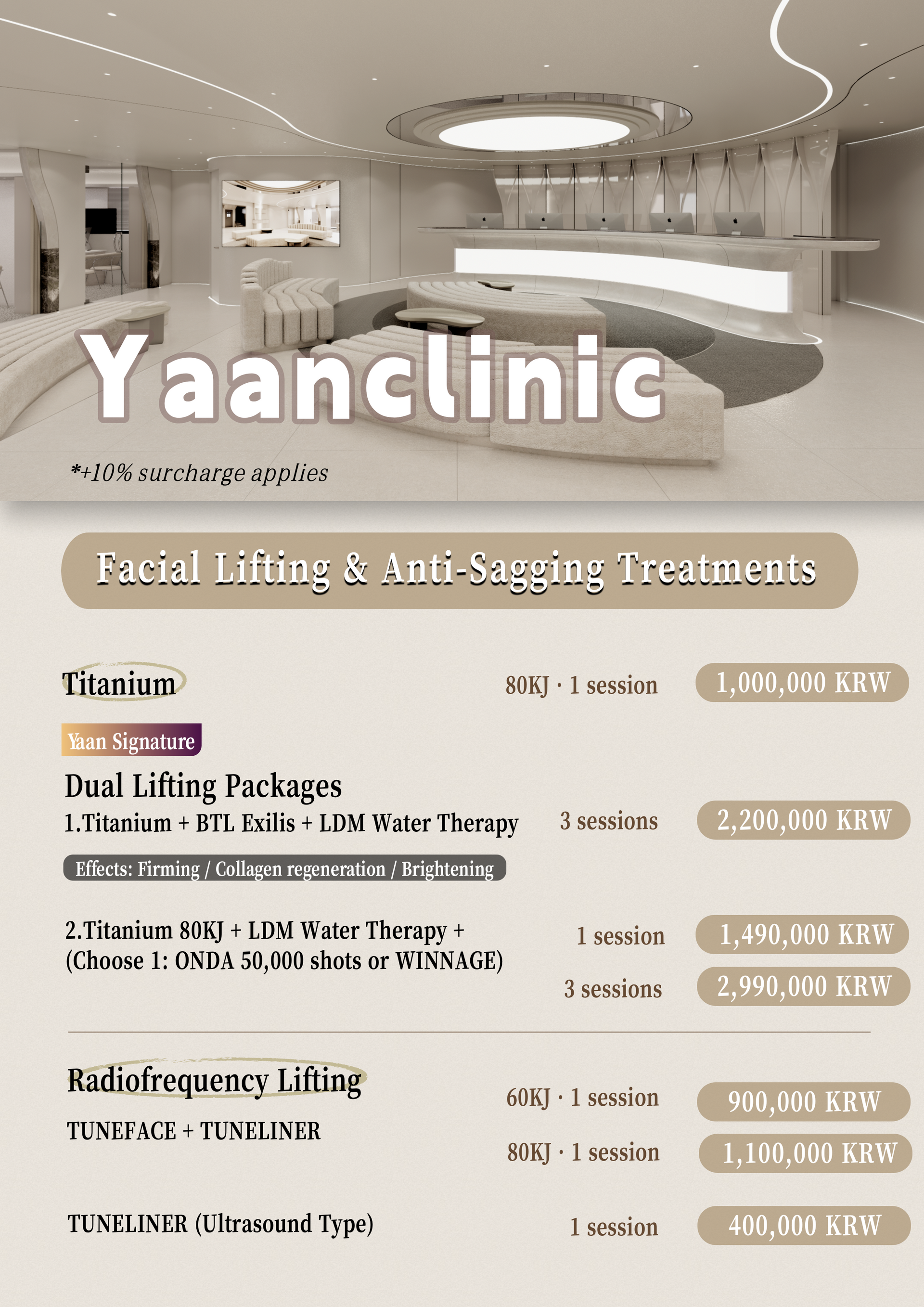
Gangnam clinics may offer packages combining ultrasound, radiofrequency, injectables, or fat-reduction treatments.
However, combining procedures is not always necessary.
If your primary concern is mild jawline laxity, beginning with a clearly defined treatment goal can make it easier to evaluate the benefit of the procedure.
Multiple treatments performed together can increase cost and may complicate recovery or make it harder to determine which treatment produced a particular effect.
If a clinic recommends a combination, ask why each component is needed and whether the treatments should be performed on the same day or spaced apart.
What Should International Patients Know Before Treatment?
If you are visiting Seoul for a short stay, consider your treatment schedule before booking a procedure.
Energy-based treatments can cause temporary tenderness, swelling, redness, or other reactions. More than one session may be suggested, and the full result may not be visible before you leave Korea.
Before proceeding:
- Schedule a consultation early enough to discuss your options.
- Tell the clinician your departure date and any upcoming events.
- Ask for written aftercare instructions.
- Confirm how to contact the clinic if you develop an unexpected reaction.
- Keep your treatment record for future medical care.
Do not assume that a procedure is appropriate immediately before a flight simply because it is marketed as non-surgical or low-downtime.
Conclusion
If you are 35 and your jawline is becoming less defined, the first step is to determine what is causing the change.
For mild skin laxity, treatments such as Ultherapy, Thermage, Sofwave, Oligio, or other suitable energy-based devices may be options to discuss. If fullness, early jowls, or facial structure is the main factor, a different approach may be needed—and fat reduction is not automatically the answer.
When choosing a Gangnam clinic, prioritize a clear assessment, realistic expectations, an explanation of risks, and a treatment plan tailored to your facial anatomy.
The most appropriate treatment is the one that addresses your actual concern while preserving your natural facial contours—not necessarily the newest or most expensive device.
Frequently Asked Questions
What is the best treatment for a 35-year-old with a less defined jawline in Gangnam?
There is no single best treatment based on age alone. A dermatologist may consider focused ultrasound or radiofrequency tightening for selected cases of mild laxity, but the cause of the softer jawline should be assessed first.
Is Ultherapy or Thermage better for early jawline sagging?
They use different energy technologies and are not interchangeable. Suitability depends on your skin laxity, facial anatomy, treatment goals, and the clinician's assessment. Neither guarantees a defined jawline.
Can HIFU make my face look hollow?
Unwanted fat loss and contour changes are possible with energy-based treatments, including certain ultrasound procedures. Risk depends on factors such as anatomy, treatment location, technique, and settings. Discuss fat preservation with your clinician before treatment.
Should I get fat-dissolving treatment for a soft jawline?
Only if a qualified clinician determines that a treatable fat deposit is an important cause of the appearance. A soft jawline may instead reflect laxity, anatomy, or a combination of factors.
How many sessions will I need?
The number depends on the device, treatment plan, degree of laxity, and desired outcome. Some treatments may be performed in one session, while others may involve repeat sessions or maintenance. Ask what is realistic for your specific situation.
Can I get jawline tightening during a short trip to Seoul?
It may be possible, but the treatment and timing should account for recovery, follow-up, and your flight. Discuss your itinerary before agreeing to a procedure.