I'm Visiting Korea for One Week. What Skin Treatments Can I Realistically Complete?
Visiting Korea for one week gives you more flexibility than a short weekend trip, but it does not mean every skin treatment can be completed safely or produce visible results before you leave. Some procedures can be performed in one appointment, while others require several sessions, recovery time, or follow-up visits.
If you are planning an aesthetic treatment in Seoul, the most practical approach is to identify your main skin concern, choose a procedure that fits your schedule, and leave enough time for recovery before your flight home.
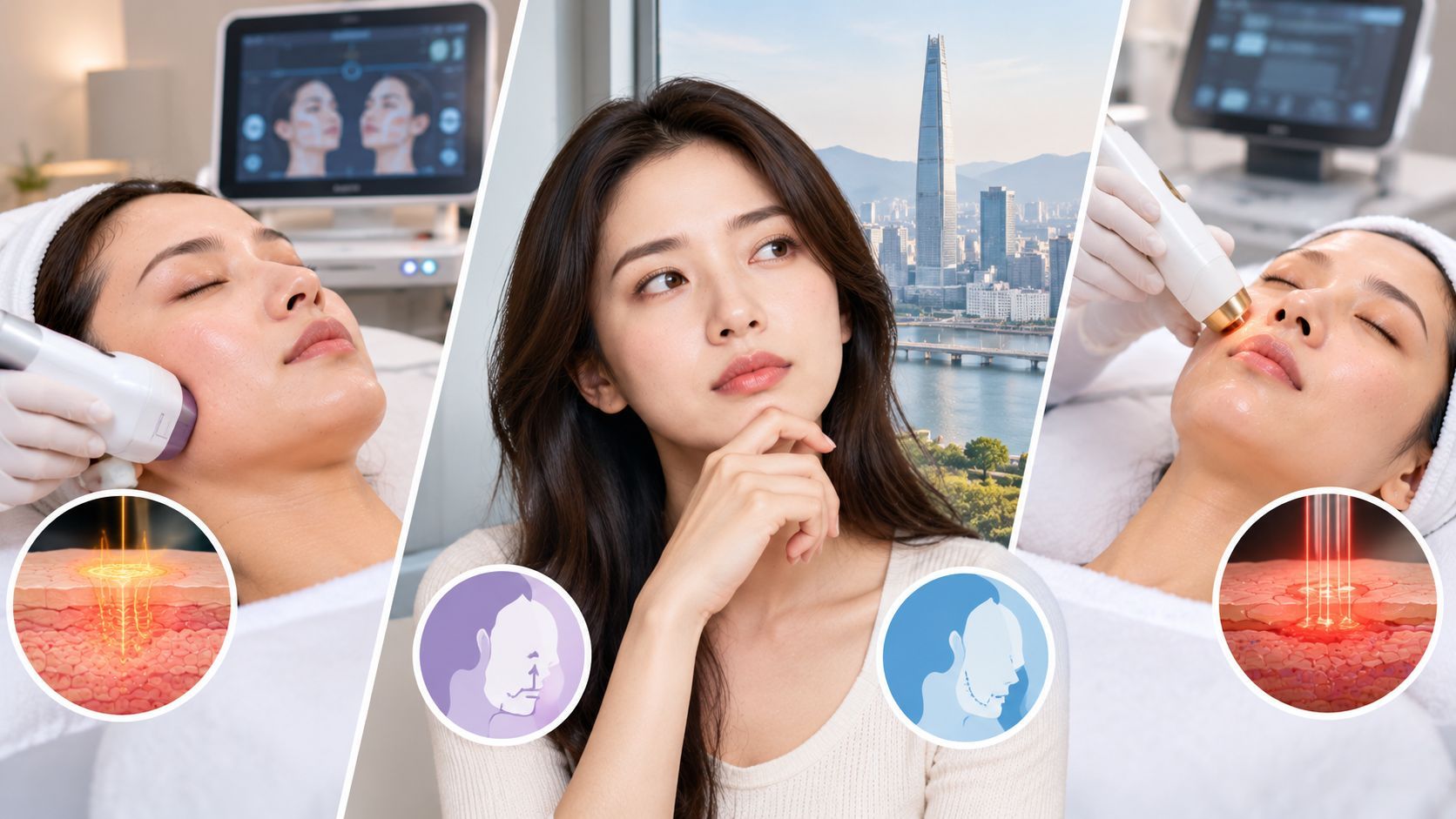
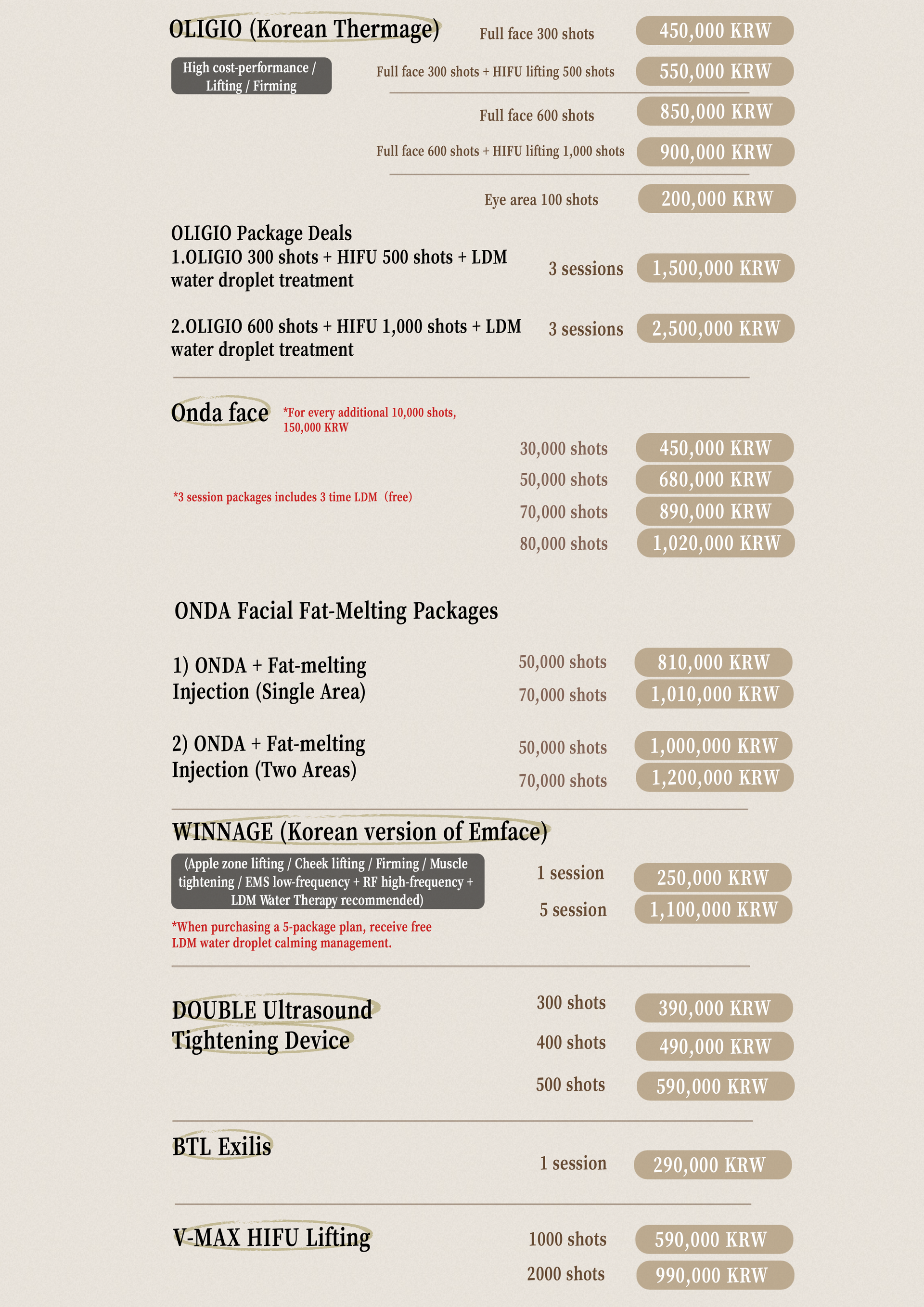
Popular options include laser treatments for selected pigmentation concerns, Botox for expression lines, skin boosters for skin quality, and non-surgical tightening procedures such as Thermage or Ultherapy. However, suitability and downtime depend on the exact treatment, settings, skin type, and individual response.
This guide explains what you may realistically accomplish during a seven-day visit to Korea and how to plan your appointments without overloading your itinerary.
What Can You Realistically Complete in One Week?
A seven-day visit may be enough for a consultation and one or more carefully selected procedures. It is not necessarily enough to complete a full treatment course or see the final results of collagen-stimulating treatments.
Your options generally fall into three categories:
- Single-visit treatments: Procedures such as selected Botox treatments, some skin boosters, and certain energy-based treatments may be completed in one appointment if medically appropriate.
- Treatments with recovery time: Some injectables, resurfacing procedures, and more intensive laser treatments can cause swelling, bruising, redness, peeling, or crusting that may continue after your trip.
- Multi-session treatments: Certain pigmentation, acne-scar, and skin-rejuvenation plans require repeated appointments spaced over weeks or months. You may begin a course during your visit, but usually cannot complete the entire course in seven days.
The goal should be to complete an appropriate treatment plan, not to fit the maximum number of procedures into a single week.
1. Laser Treatments for Pigmentation and Uneven Skin Tone
Laser treatments may be considered if you are concerned about selected types of pigmentation, sun spots, redness, or uneven skin tone.
The correct procedure depends on the diagnosis. Brown spots, melasma, post-inflammatory hyperpigmentation, and vascular redness are different concerns and do not necessarily respond to the same device.
What Can You Complete in Seven Days?
You may be able to have a consultation and one laser session during your trip. Some lower-intensity treatments cause only temporary redness, while more intensive procedures can cause swelling, peeling, crusting, or a longer healing period.
A single session may provide some improvement, but it may not produce the result you want. Conditions such as melasma often need careful long-term management and can recur, especially with sun exposure.
If you have a history of pigmentation after skin irritation, tell your dermatologist. Certain lasers and treatment settings can worsen pigmentation in susceptible skin, including some darker skin tones.
Practical tip: If you plan to have a laser procedure, consider scheduling it early enough in your trip to monitor your skin and receive follow-up advice before departure.
2. Botox for Forehead Lines and Crow's-Feet
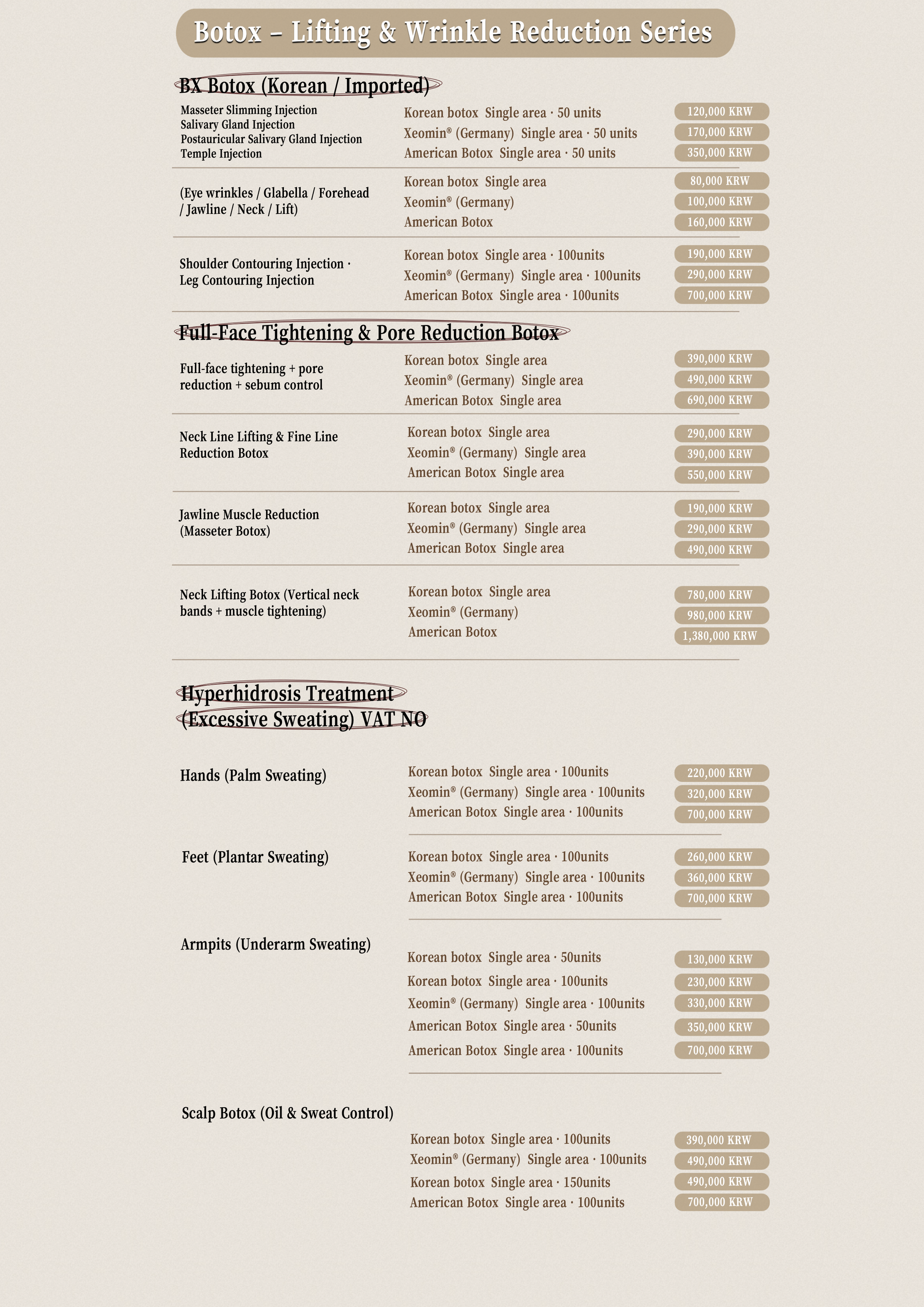
Botox and other botulinum toxin products may be used to soften selected expression lines caused by repeated muscle movement.
A consultation and treatment can often be completed in one visit. However, the visible effect develops gradually rather than immediately.
Many people begin to notice changes within several days, with the full effect commonly taking around one to two weeks, depending on the product and treatment area.
Is One Week Enough?
One week may be enough to receive treatment and observe the beginning of the result. It may not be enough to assess the final outcome or determine whether an adjustment is needed.
Temporary injection marks, redness, tenderness, or bruising can occur. Less common complications include eyelid or brow drooping and unwanted muscle effects.
If you have an important event during the trip, discuss the timing with your clinician rather than assuming that the result will be immediate or perfectly predictable.
Practical tip: If this is your first treatment, allow time for the effect to develop after returning home and arrange follow-up with an appropriately qualified clinician if needed.
3. Skin Boosters for Hydration and Skin Quality
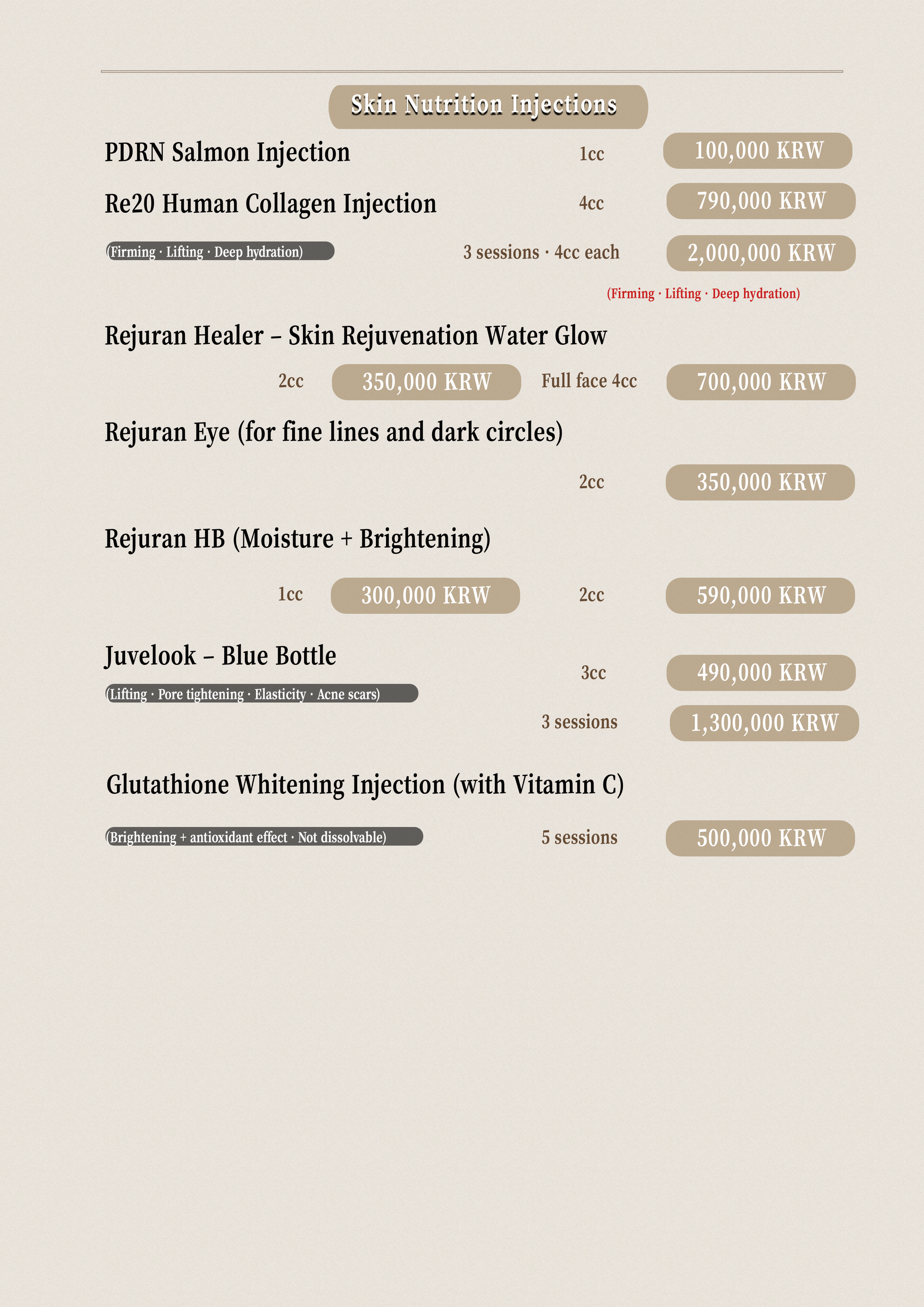
Skin boosters are injectable treatments intended to improve selected aspects of skin quality. Depending on the product, they may target hydration, texture, or other features of the skin.
Different products have different ingredients, indications, evidence, and recommended treatment schedules. They should not all be treated as interchangeable.
Can You Complete a Skin Booster Treatment in One Week?
You may be able to receive one session during your visit, but the full benefit may take longer to appear. Some products are commonly used in a series of treatments rather than as a single appointment.
Small injection bumps, swelling, redness, tenderness, and bruising can occur. Depending on the product and technique, these effects may last several days.
If you want to look completely normal for photographs immediately after treatment, an injectable procedure may not be the best choice.
Practical tip: Ask for the exact product name, expected recovery period, recommended number of sessions, and instructions for follow-up after returning home.
4. Thermage for Skin Tightening
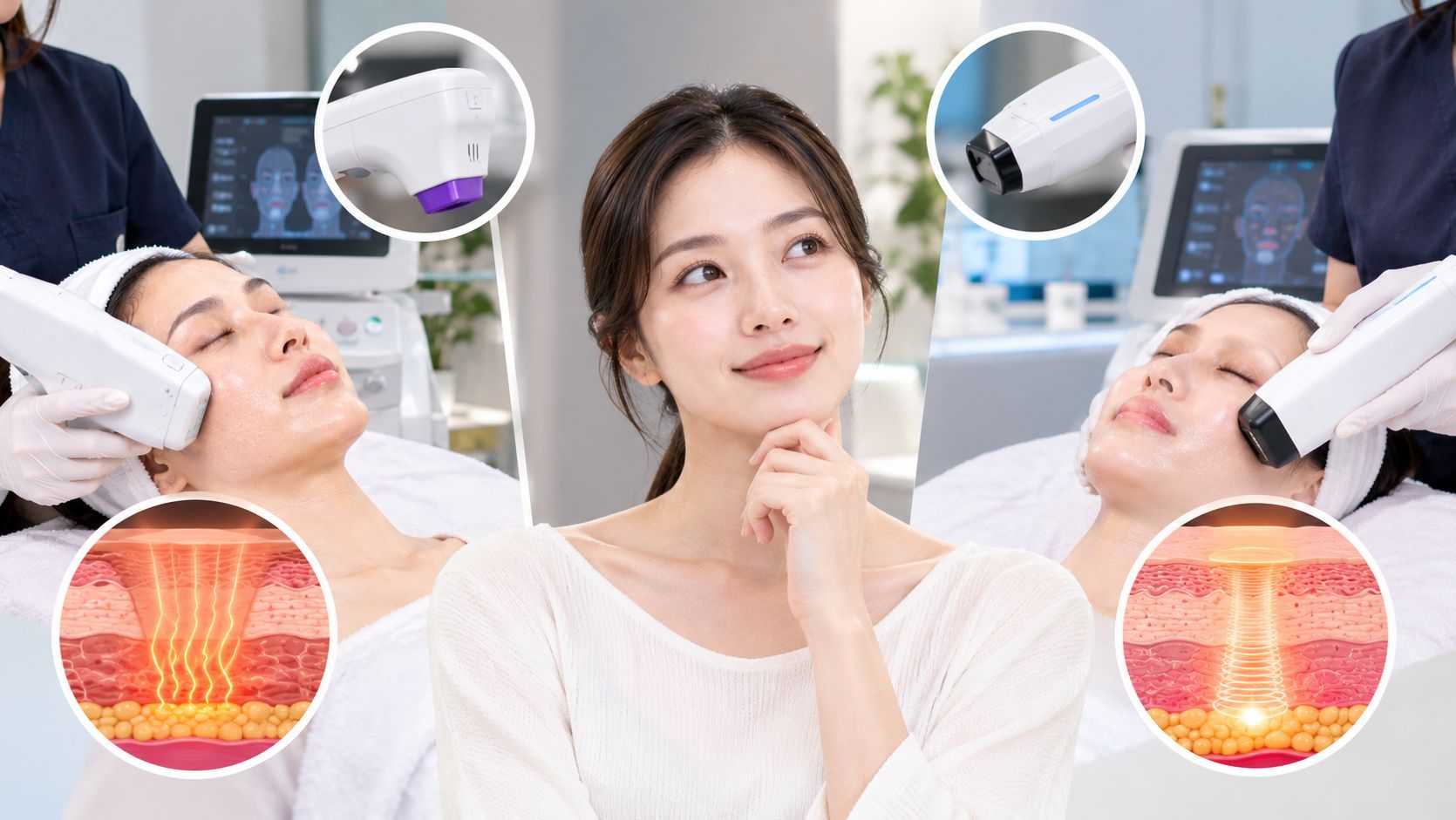
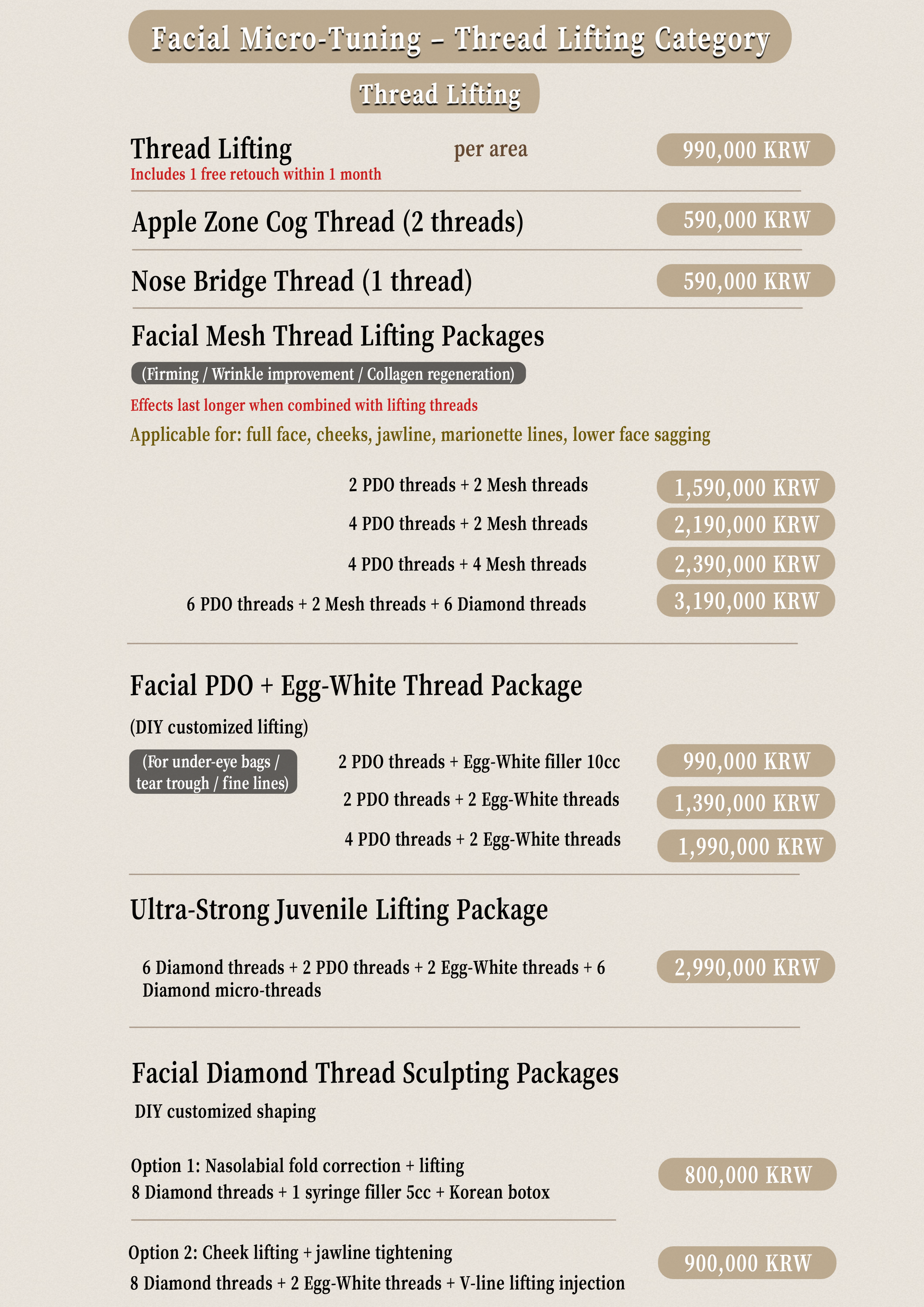
Thermage uses monopolar radiofrequency energy to heat tissue and stimulate collagen remodeling. It may be considered for selected people who want to improve mild skin laxity or skin firmness.
A consultation and treatment may fit within a seven-day itinerary. However, the main result is gradual, so one week is not enough to judge the final outcome.
Temporary redness, swelling, tenderness, or discomfort can occur. Although many people resume everyday activities quickly, complications such as burns, changes in sensation, or unwanted contour changes are possible.
Is Thermage Worth Doing During a One-Week Trip?
It may be worth considering if your main concern is skin laxity, the clinician confirms that you are a suitable candidate, and you understand that results develop over time.
It may be less appropriate if you expect an immediate dramatic lift or if your main concern is substantial excess skin, facial volume loss, or prominent muscle bands.
Practical tip: Ask which device and treatment tip will be used, why the proposed treatment area is appropriate, what results are realistic, and what follow-up is available once you return home.
5. Ultherapy for Selected Lifting Concerns
Ultherapy uses microfocused ultrasound energy to target selected tissue depths. It may be considered for appropriate patients who want to improve certain forms of skin laxity.
Like Thermage, it does not provide an instant surgical-style lift. Collagen remodeling takes time, and the degree of improvement varies.
Can You Complete Ultherapy in Seven Days?
The treatment itself may be completed during one appointment if it is appropriate for you. However, a full treatment course is not necessarily equivalent to one session, and the final result will not usually be apparent within a week.
Some people experience discomfort, tenderness, swelling, or temporary sensory changes. More significant complications are possible, so proper assessment and technique are important.
Practical tip: Choose Ultherapy based on your anatomy and treatment goals, not simply because it is popular in Seoul. Ask whether another treatment or no treatment would be more appropriate for your particular concern.
6. Gentle Skin Treatments for a Refreshed Appearance
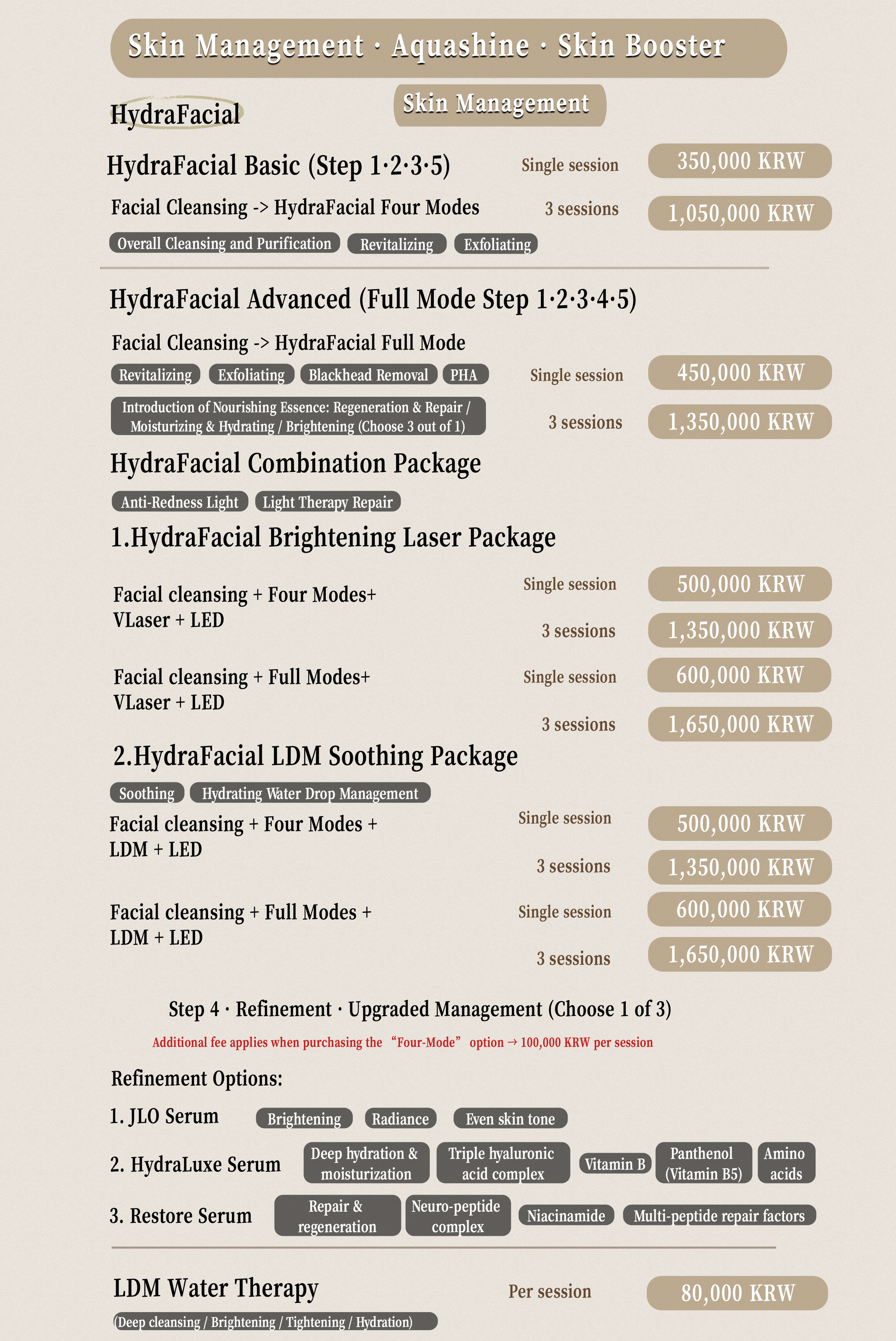
If your goal is to improve the appearance of dull or dehydrated skin without undergoing a more intensive procedure, a gentle facial or selected superficial treatment may be an option.
Depending on the procedure, it may temporarily improve hydration, smoothness, or the appearance of the complexion.
However, even treatments marketed as gentle can cause irritation, particularly if they involve strong exfoliating ingredients, extractions, or multiple devices.
Practical tip: Tell the clinic about your skin sensitivity and travel schedule. Ask exactly what the treatment includes instead of relying on a general label such as “glass skin facial” or “glow treatment.”
7. Treatments for Acne Scars and Deep Wrinkles
Acne scars and established wrinkles often require more careful planning than a single-session treatment.
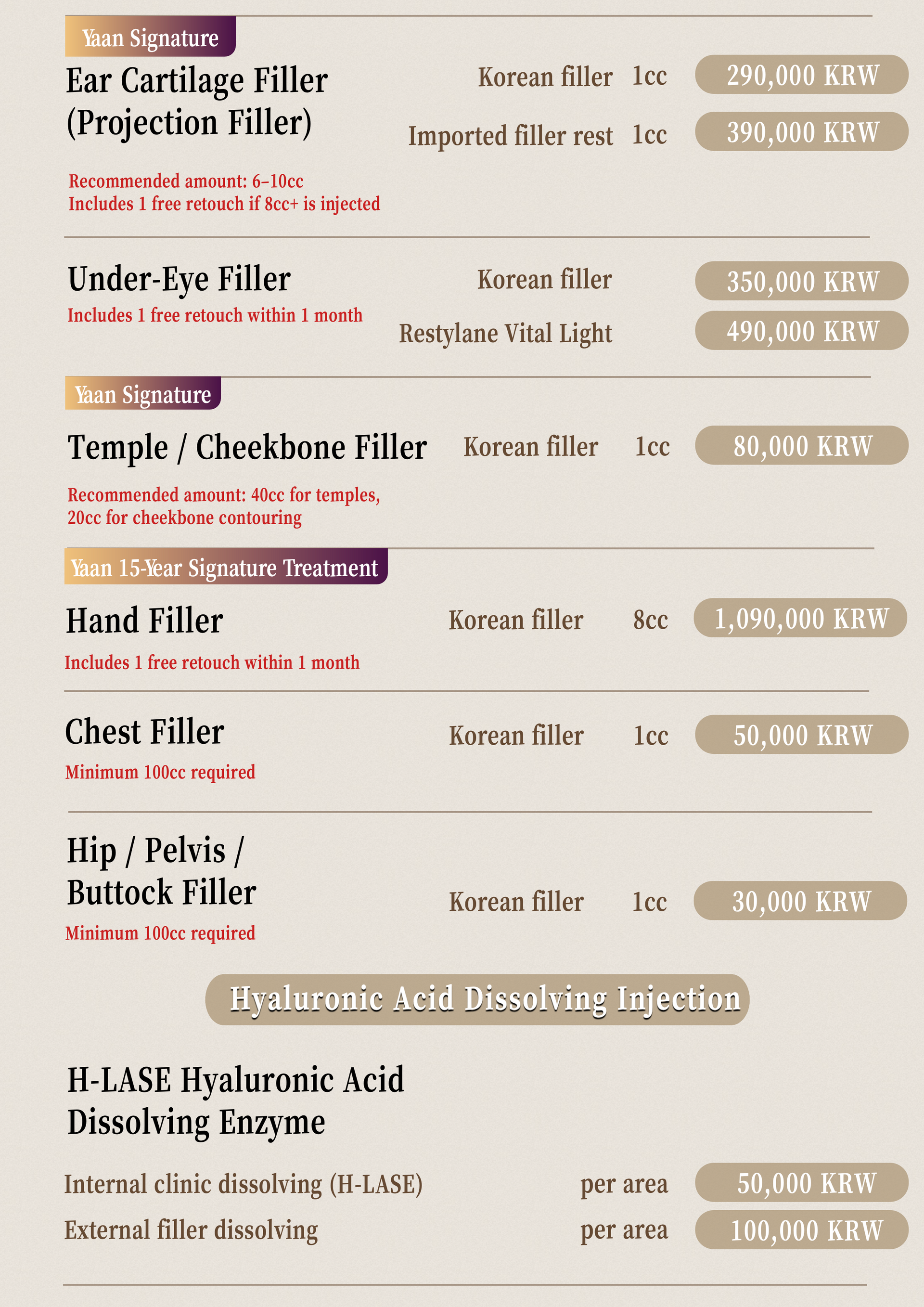
Procedures such as fractional laser resurfacing, radiofrequency microneedling, or other scar-directed treatments may be considered for selected concerns. These procedures differ in their risks, depth, recovery requirements, and evidence.
Some can cause redness, swelling, pinpoint bleeding, crusting, or peeling. More intensive resurfacing may require a week or longer for the skin to heal, and visible redness can persist beyond the initial recovery period.
Can You Complete Acne Scar Treatment in One Week?
You may be able to begin treatment during your visit, but a meaningful treatment course often requires multiple sessions separated by recovery periods.
Trying to perform several aggressive sessions close together simply to fit them into a holiday is not a good strategy. The skin needs time to recover, and repeated treatment can increase the risk of irritation and complications.
Practical tip: If acne scars are your main concern, ask for a longer-term plan that you can continue at home or during a future visit to Korea.
A Realistic Seven-Day Skin Treatment Schedule
The following is an example of how you might organize your week. It is not a medical prescription, and the exact schedule should be adjusted to the procedure selected and the clinician's advice.
Day 1: Consultation and Skin Assessment
Arrange a consultation with a qualified dermatologist or appropriately trained medical professional.
Discuss your concerns, medical history, medications, allergies, previous procedures, skin sensitivity, and travel dates. Ask about the likely results, total cost, recovery time, and possible complications.
If the proposed treatment is appropriate and there is sufficient time, you may be able to proceed that day. You should never feel pressured to accept a procedure before you understand it.
Day 2: Treatment or Initial Recovery
Depending on the treatment plan, this may be the day for a selected procedure or recovery after treatment on Day 1.
Avoid automatically adding another procedure because the clinic has available appointment slots. Combining treatments should be based on a clear clinical rationale.
Day 3: Follow the Aftercare Plan
Follow the clinic's instructions carefully. Depending on the procedure, you may need to avoid certain skincare products, vigorous exercise, saunas, or direct sun exposure.
If your skin develops an unexpected reaction, contact the treating clinic or seek appropriate medical attention.
Days 4–5: Monitor Your Skin
If recovery is progressing normally, you may be able to continue sightseeing and ordinary activities. However, redness, bruising, swelling, or peeling may still be visible.
Avoid starting new treatments simply because your skin appears to have settled. Some complications develop later, and the skin may remain sensitive.
Day 6: Review and Follow-Up
If the clinic recommends a review, use this time to discuss your recovery and any concerns.
Confirm which symptoms are expected, which require medical assessment, and whether you need any additional care after leaving Korea.
Day 7: Prepare for Departure
Before flying home, make sure you have written aftercare instructions, your treatment details, and a way to contact the clinic if necessary.
If you have persistent or concerning symptoms, seek medical advice before travelling rather than assuming they will resolve on their own.
Should You Combine Multiple Treatments During One Week?
Combining procedures may be reasonable in selected cases, but it should not be the default plan.
For example, a clinician may consider certain combinations of injections and energy-based treatments when the concerns, timing, and risks have been assessed. Other combinations may be better separated to reduce irritation, swelling, or recovery difficulties.
There is no universal rule that all treatments must be spaced by a particular number of days. Timing depends on the exact procedures, treatment areas, products, settings, and your medical history.
Ask the clinician to explain why each procedure is needed and whether completing fewer treatments would provide a similar or safer result.
How to Choose a Skin Clinic in Seoul
A clinic's treatment menu and promotional prices should not be the only factors in your decision.
Before booking, ask:
- Who will assess your skin and perform the procedure?
- What is the exact treatment or device being recommended?
- What concern is it intended to address?
- What improvement is realistic after one session?
- How much downtime should you allow?
- What are the main risks for your skin type and medical history?
- What follow-up is available after you return home?
- What is the total price, including consultation and aftercare?
A responsible provider should explain the limitations of treatment and be willing to recommend postponing a procedure when the timing is unsuitable.
What Should You Avoid Before Flying Home?
Avoid scheduling a procedure with a recovery period that exceeds the time remaining in your trip. This is especially important for more intensive resurfacing, treatments that may cause significant swelling, and procedures that require close follow-up.
Do not assume that all non-surgical treatments are risk-free or that you can fly immediately after every procedure. Ask the treating clinician about the specific treatment, your health, the expected recovery, and whether your flight schedule creates any additional concerns.
If you are having surgery or another procedure with more substantial recovery requirements, a one-week holiday may not provide enough time. Follow the treating surgeon's advice about travel and follow-up.
Conclusion: What Skin Treatments Can You Complete in One Week in Korea?
A seven-day trip to Korea may give you enough time for a consultation and one or more carefully selected treatments. Botox, certain laser procedures, skin boosters, Thermage, and Ultherapy may fit into a short visit for appropriate candidates, but their results and recovery requirements differ.
A single session may be enough to complete a planned appointment, but it may not complete a full treatment course or deliver the final visible result. Acne-scar treatment, some pigmentation plans, and more intensive resurfacing often require longer-term planning.
The smartest approach is to choose your main concern, schedule a consultation early, and leave time for recovery and follow-up. A focused plan based on your skin and travel dates is more useful than trying to complete every popular Korean skin treatment in one week.
Frequently Asked Questions
1. Is one week enough for skin treatment in Korea?
It may be enough for a consultation and selected single-session procedures. Treatments that require repeated sessions, substantial recovery, or ongoing monitoring may need a longer schedule.
2. Which Korean skin treatments can be completed in one visit?
Depending on your suitability, selected Botox treatments, some skin boosters, certain laser procedures, Thermage, and Ultherapy may be completed in one appointment. The final result may take longer to develop.
3. Can I get a laser treatment a few days before flying home?
It depends on the laser type, settings, skin condition, and expected recovery. Some treatments cause mild temporary redness, while others may cause peeling, crusting, or prolonged irritation. Confirm the timing with your treating clinician.
4. Can I get Thermage and Botox during the same trip?
It may be possible for selected patients, but a clinician should assess whether both are appropriate and determine the timing. Combining procedures does not automatically improve results.
5. Will I see the final results before leaving Korea?
Not necessarily. Botox, collagen-stimulating treatments, and many skin-rejuvenation procedures take time to produce their full effects. Use your consultation to understand when your results should be assessed.
6. What should I do if my skin becomes irritated after treatment?
Follow your aftercare instructions and contact the treating clinic if you are unsure whether the reaction is expected. Severe pain, blistering, worsening swelling, vision changes, or other concerning symptoms require prompt medical assessment.