What Korean Skin Treatment Should I Get One Week Before My Wedding?
Planning a wedding involves countless details, and looking your best in photographs is often one of them. If you are getting married in Seoul or visiting South Korea before your wedding, you may be considering Korean dermatology treatments to improve hydration, brightness, skin texture, or fine lines.
But with only one week remaining, your priorities should change. This is not the ideal time to start an aggressive treatment course or experiment with unfamiliar skincare. Even procedures marketed as gentle can cause redness, irritation, breakouts, swelling, or bruising.
For most people, the most practical approach one week before a wedding is to maintain a familiar skincare routine and consider only a gentle, previously tolerated treatment if a qualified professional believes it is appropriate. More intensive procedures should generally be planned well in advance.
Which Korean Skin Treatment Is Best One Week Before a Wedding?
The best option depends on your skin condition, your previous treatment experience, and the appearance you want to achieve.
If your skin is simply dry or dull, hydration and barrier-supporting skincare may be sufficient. If you have persistent pigmentation, acne scars, or significant skin laxity, one week is unlikely to be enough for a major improvement from a new treatment.
1. A Gentle Hydrating Facial
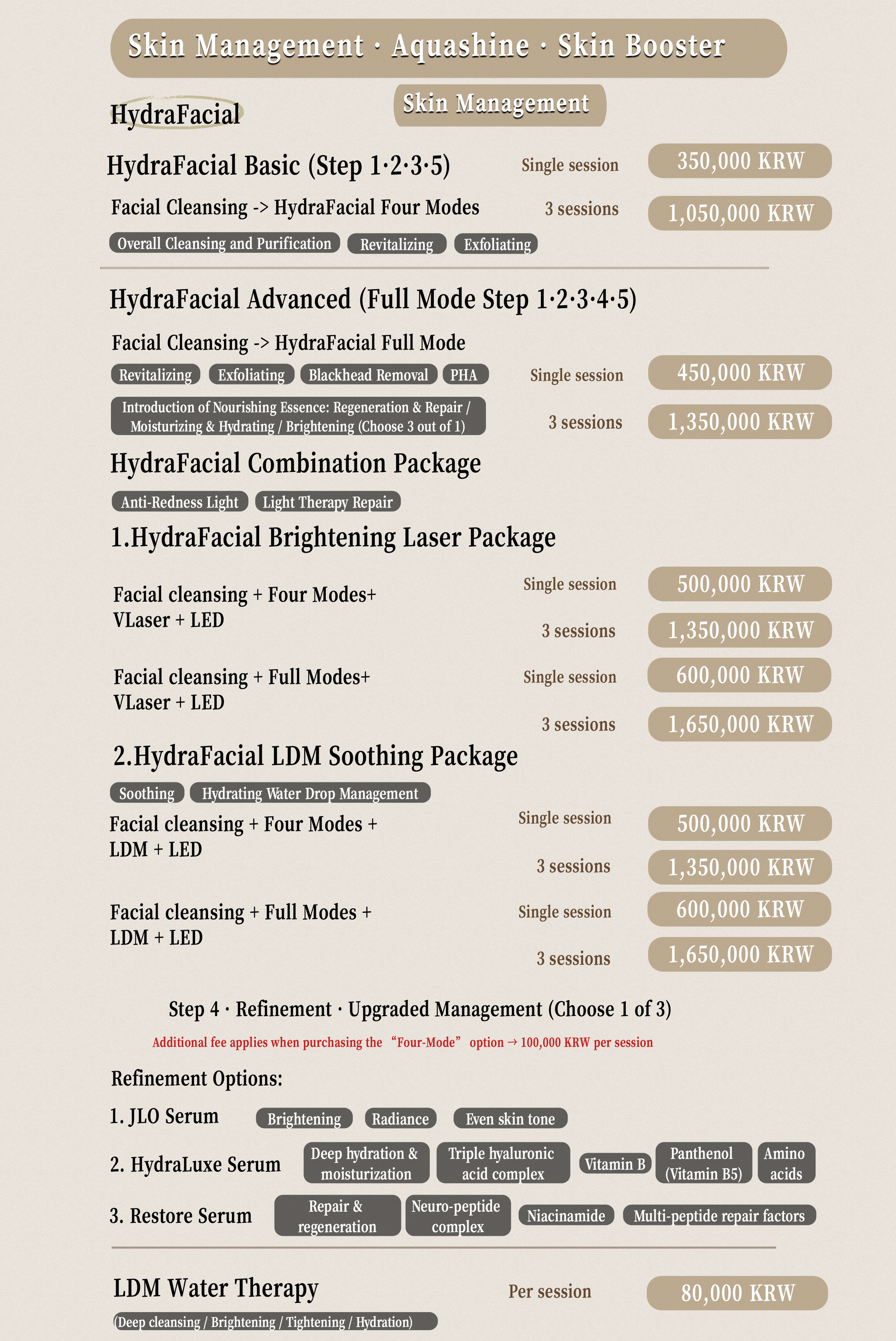
A gentle hydrating facial may be a reasonable option for someone whose skin already tolerates similar treatments.
Depending on the protocol, it may involve cleansing, moisturizing products, and hydration-focused steps designed to improve the temporary appearance of dryness or dullness.
Potential benefits include:
- Skin that looks temporarily more hydrated.
- A smoother-looking surface for makeup.
- Reduced appearance of dryness and flaking.
- A refreshed appearance without an intensive procedure.
However, not every facial is gentle. Strong exfoliation, aggressive extractions, unfamiliar products, and multiple add-ons can trigger irritation or breakouts.
If you have previously received a particular facial without problems, ask your provider whether repeating that familiar treatment is appropriate. If you have never tried it, the week before your wedding is not the best time to test your skin's reaction.
2. A Familiar Calming Treatment
Some clinics offer treatments focused on soothing the skin, supporting hydration, or reducing the appearance of temporary dryness and irritation.
A dermatologist may recommend a conservative approach based on your skin condition. However, even treatments described as calming can cause reactions, particularly if they contain ingredients your skin does not tolerate.
If you have rosacea, eczema, active acne, or a compromised skin barrier, ask whether a clinic treatment is appropriate at all. In some cases, maintaining a simple routine may be preferable to adding another procedure.
3. LED Light Therapy
Certain LED treatments use specific wavelengths of light for selected skin concerns. Depending on the device and indication, a dermatologist may consider LED therapy as part of an individualized plan.
It is generally non-invasive, but its benefits are not instantaneous or guaranteed. Results depend on the condition being treated, the device, the protocol, and the number of sessions.
If your wedding is one week away, ask whether the treatment is likely to make a meaningful difference within that timeframe. Avoid combining it with several unfamiliar procedures simply because there is limited time remaining.
Should You Get a Chemical Peel One Week Before Your Wedding?
A chemical peel may help address selected concerns, including uneven texture or pigmentation, but its suitability depends on the peel's depth, formulation, and your skin.
Superficial peels can still cause redness, dryness, sensitivity, or peeling. Medium-depth and deep peels generally involve more substantial recovery and are poor choices when the wedding is only days away.
If you have never had a particular peel, you cannot reliably predict how your skin will respond.
For most people, it is more sensible to schedule corrective peels earlier in a wedding preparation plan. This allows time for the skin to recover and for the clinician to evaluate the response.
If you already have a peel scheduled, contact your dermatologist before proceeding and explain the wedding date. Do not assume that a low-strength peel is automatically safe immediately before an important event.
What About Laser Treatments in Korea?
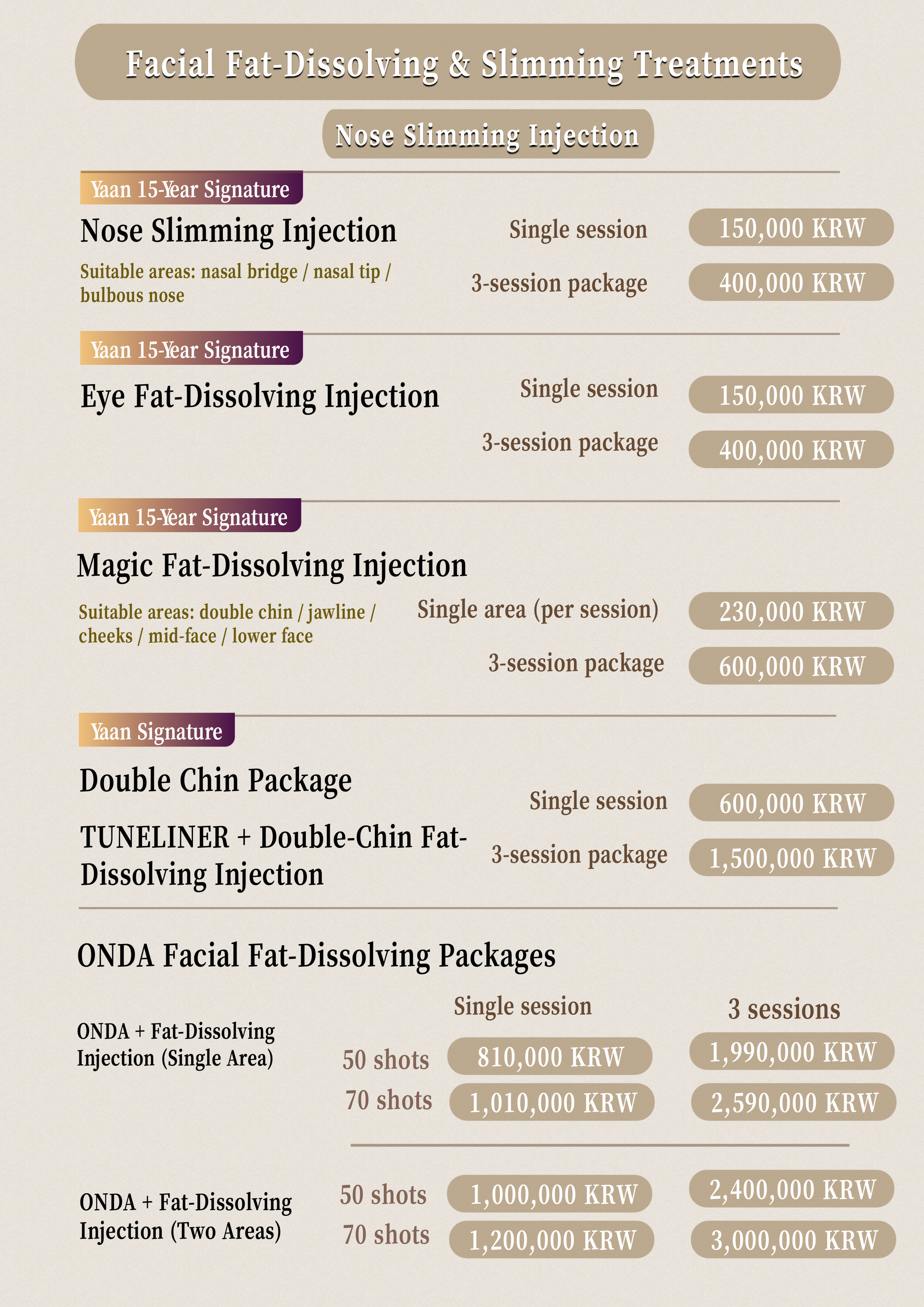
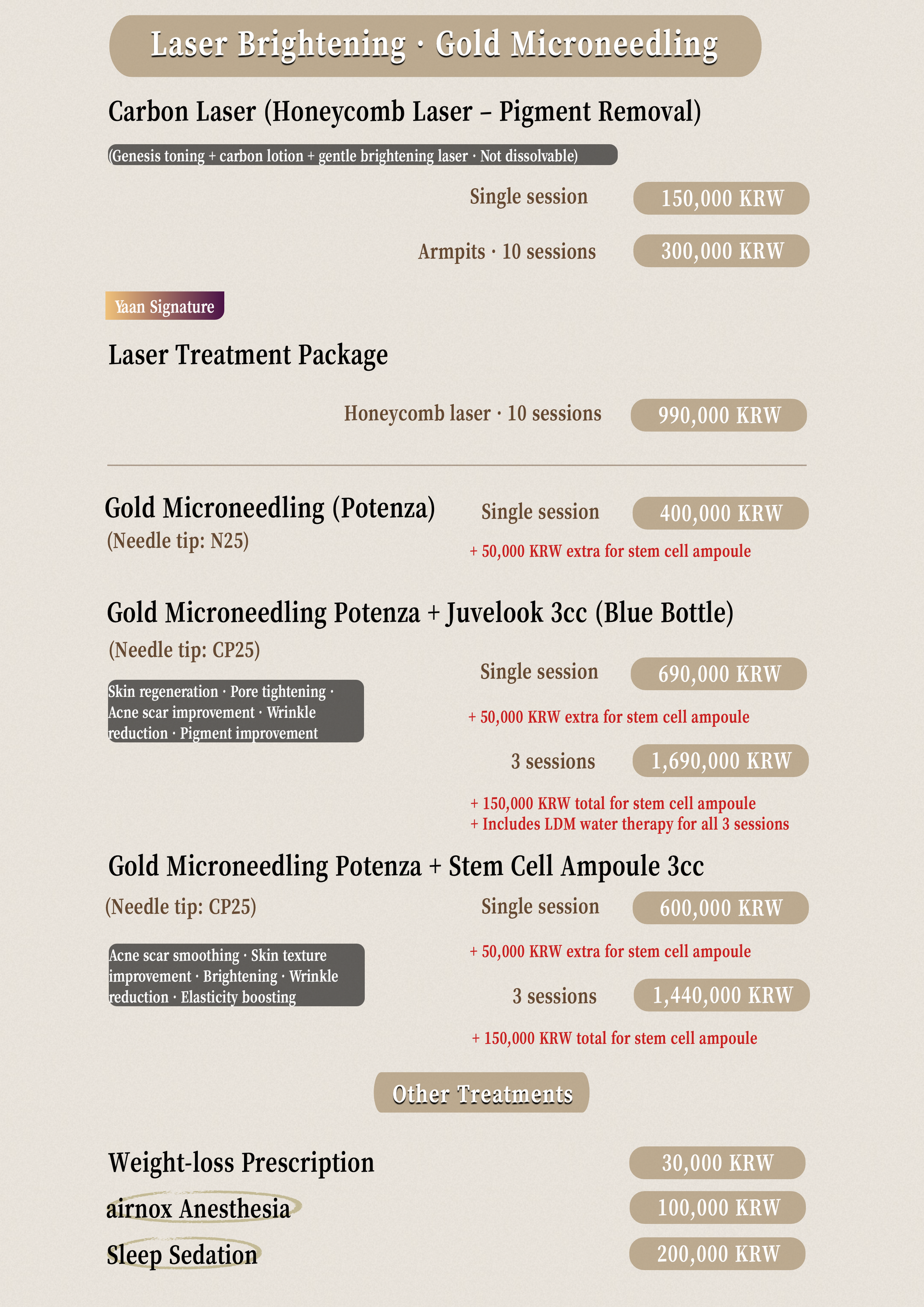
South Korea offers a wide range of laser procedures, including treatments for selected pigmentation concerns, redness, and uneven skin texture.
However, laser treatments differ considerably. Some non-ablative procedures may involve limited downtime, while ablative resurfacing and more intensive fractional treatments can produce visible redness, swelling, crusting, or peeling.
One week may not provide enough recovery time for an unfamiliar procedure, particularly if your skin is sensitive or prone to post-inflammatory hyperpigmentation.
Before considering a laser treatment, ask the dermatologist:
- What specific concern is this procedure intended to address?
- What short-term reactions are possible?
- Could pigmentation temporarily become more noticeable?
- How long might redness or peeling last?
- Is the expected improvement realistic within one week?
If your main goal is to look refreshed in wedding photographs, a new laser procedure may create more uncertainty than benefit at this stage.
Is Botox a Good Idea One Week Before a Wedding?
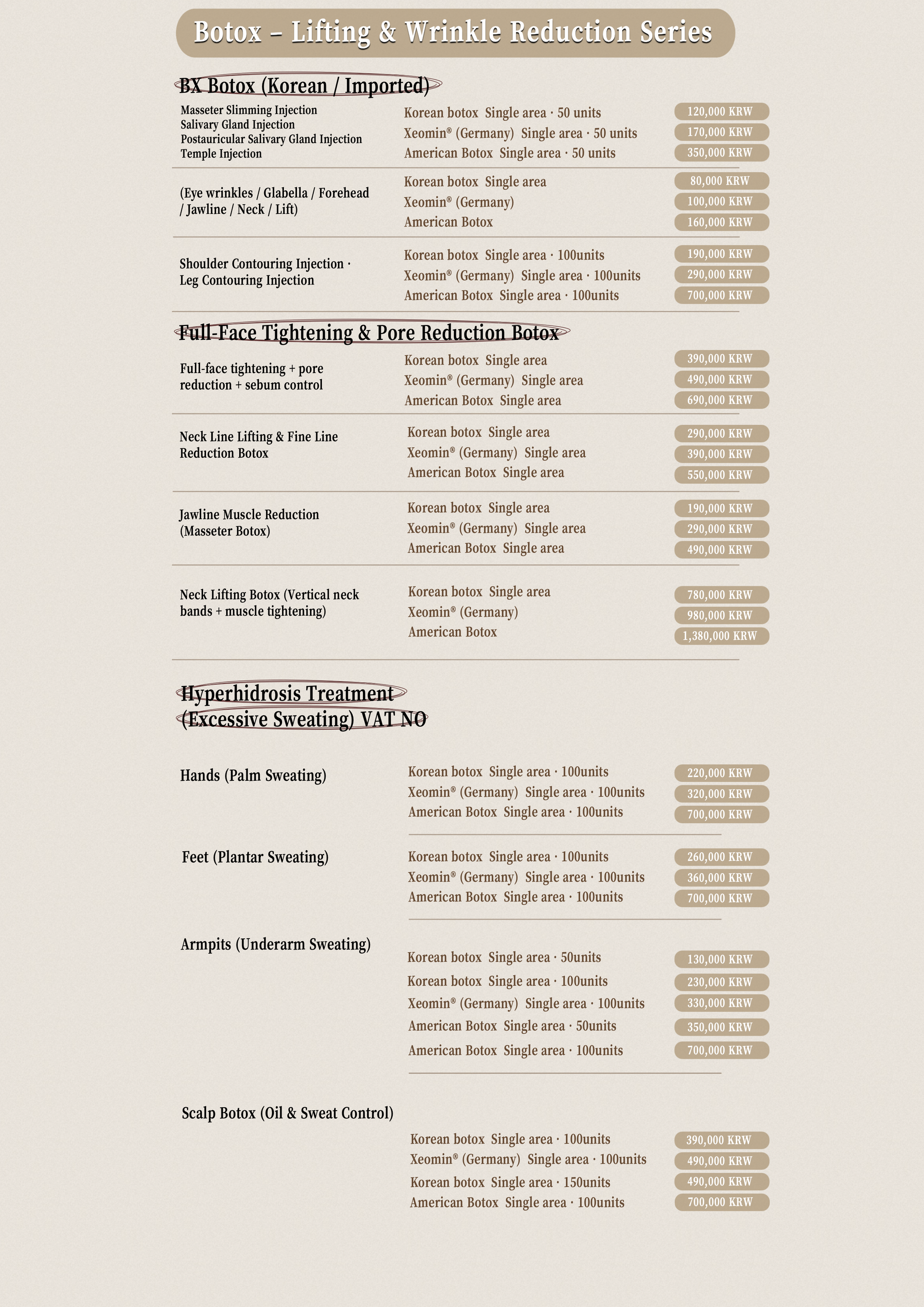
Botulinum toxin injections, commonly known as Botox, can temporarily soften selected expression lines. However, the effect develops over several days, and the full result may take around two weeks.
Injection marks, bruising, tenderness, and temporary swelling can occur. The final appearance may also differ from what you expected, especially if this is your first treatment.
For these reasons, a first-time Botox appointment one week before a wedding is generally not a predictable choice.
If you have previously received Botox and know how you respond, discuss the timing with your treating clinician well before the event. Do not assume that a last-minute injection will produce an immediate or perfectly timed result.
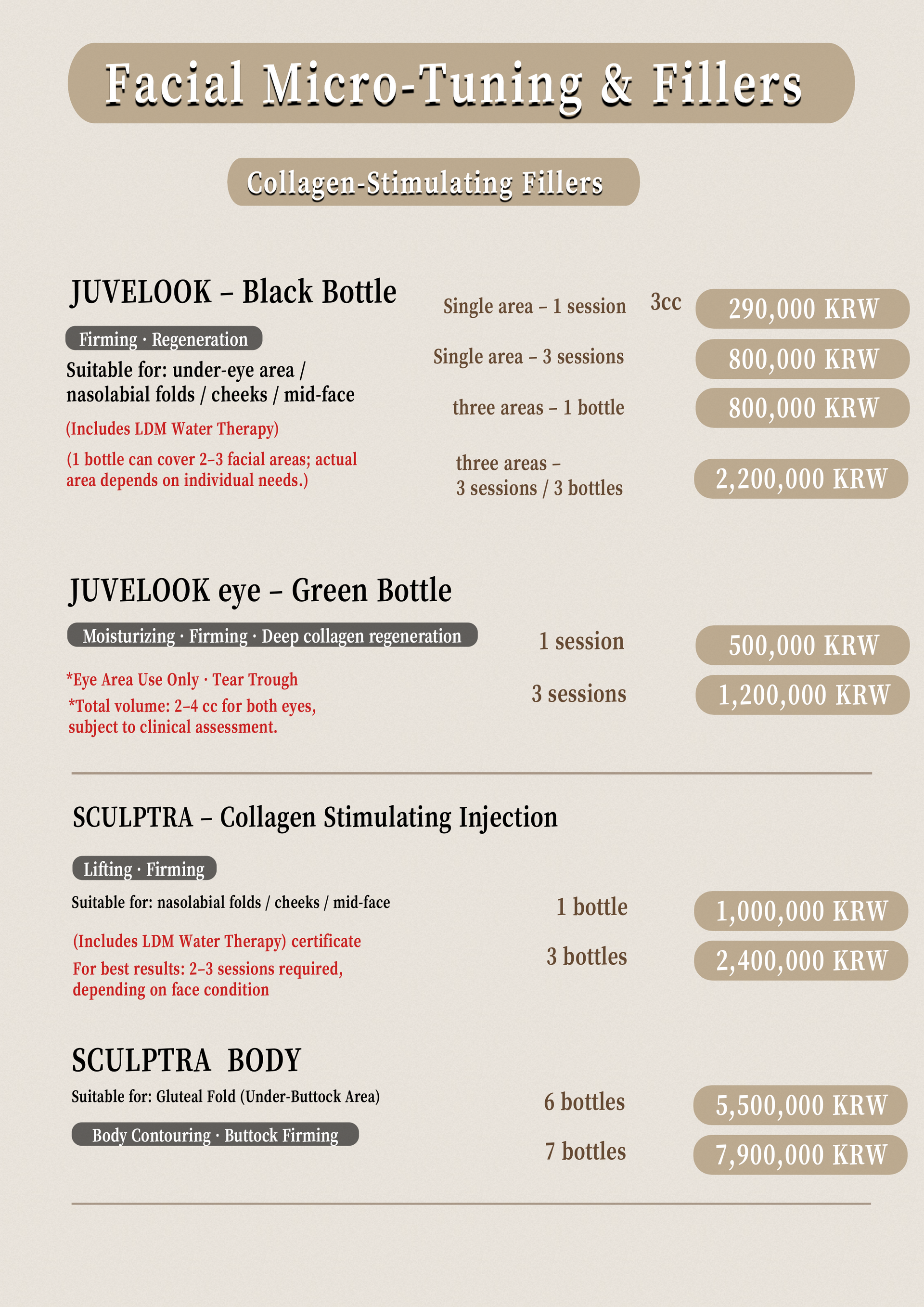
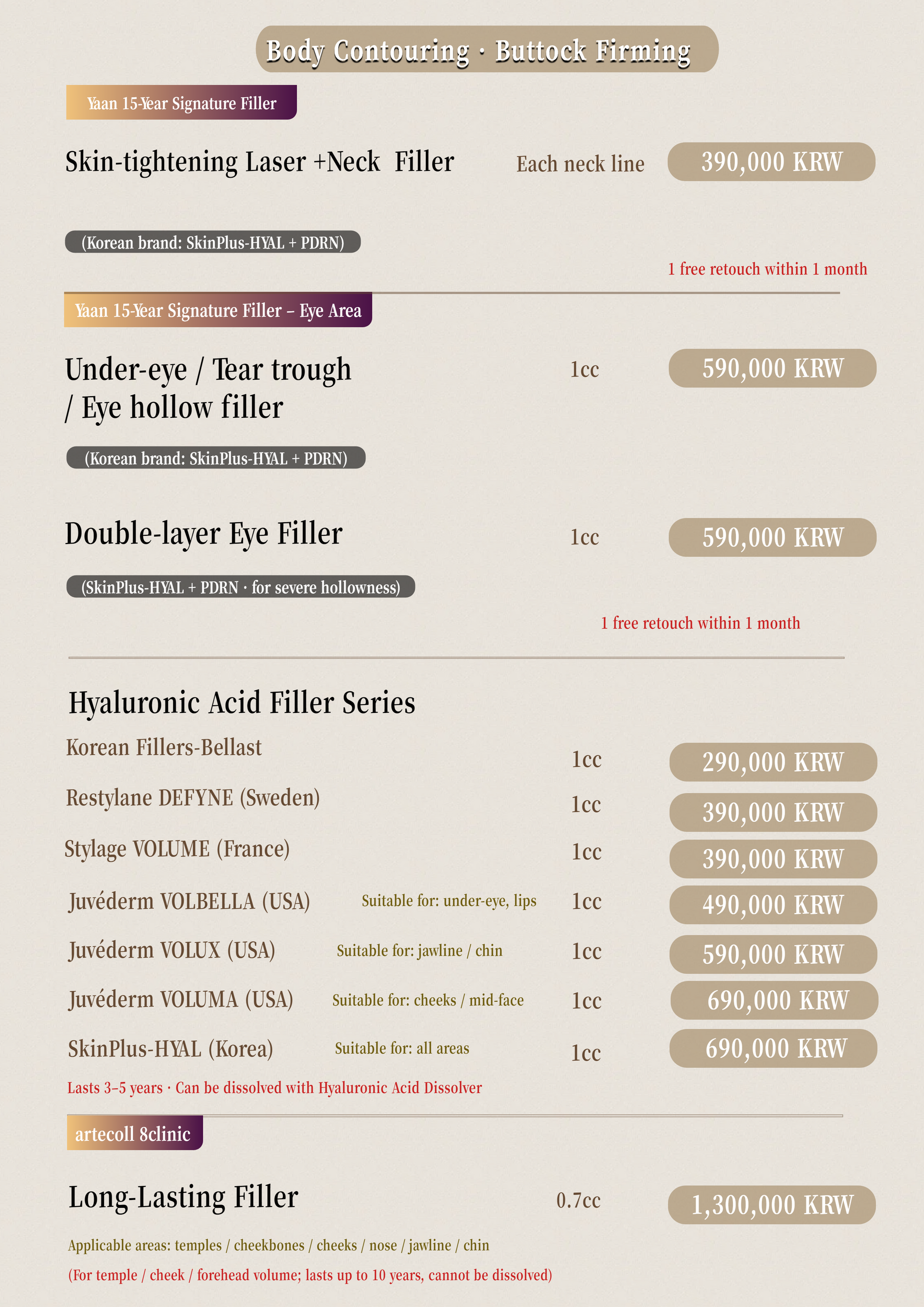
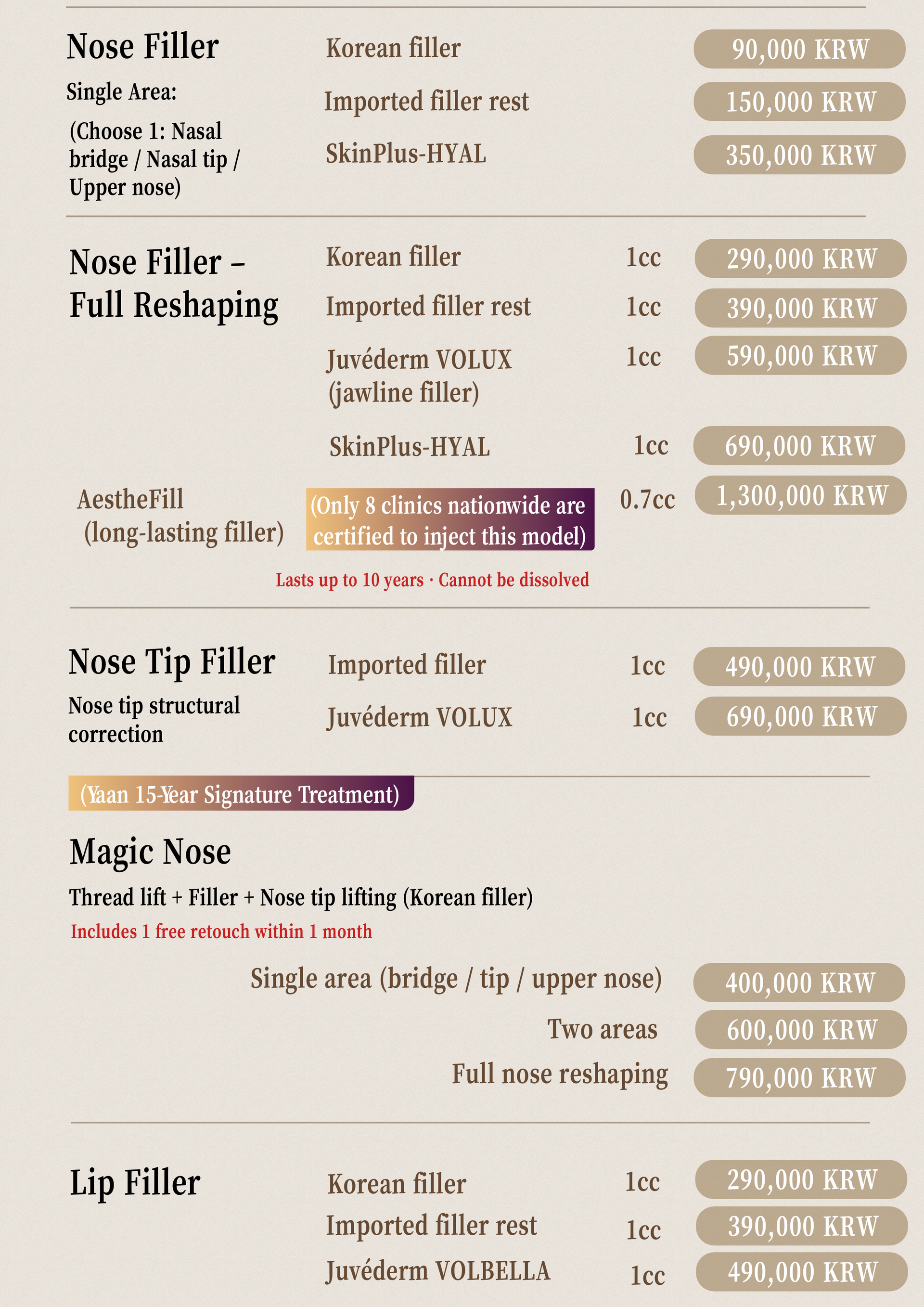
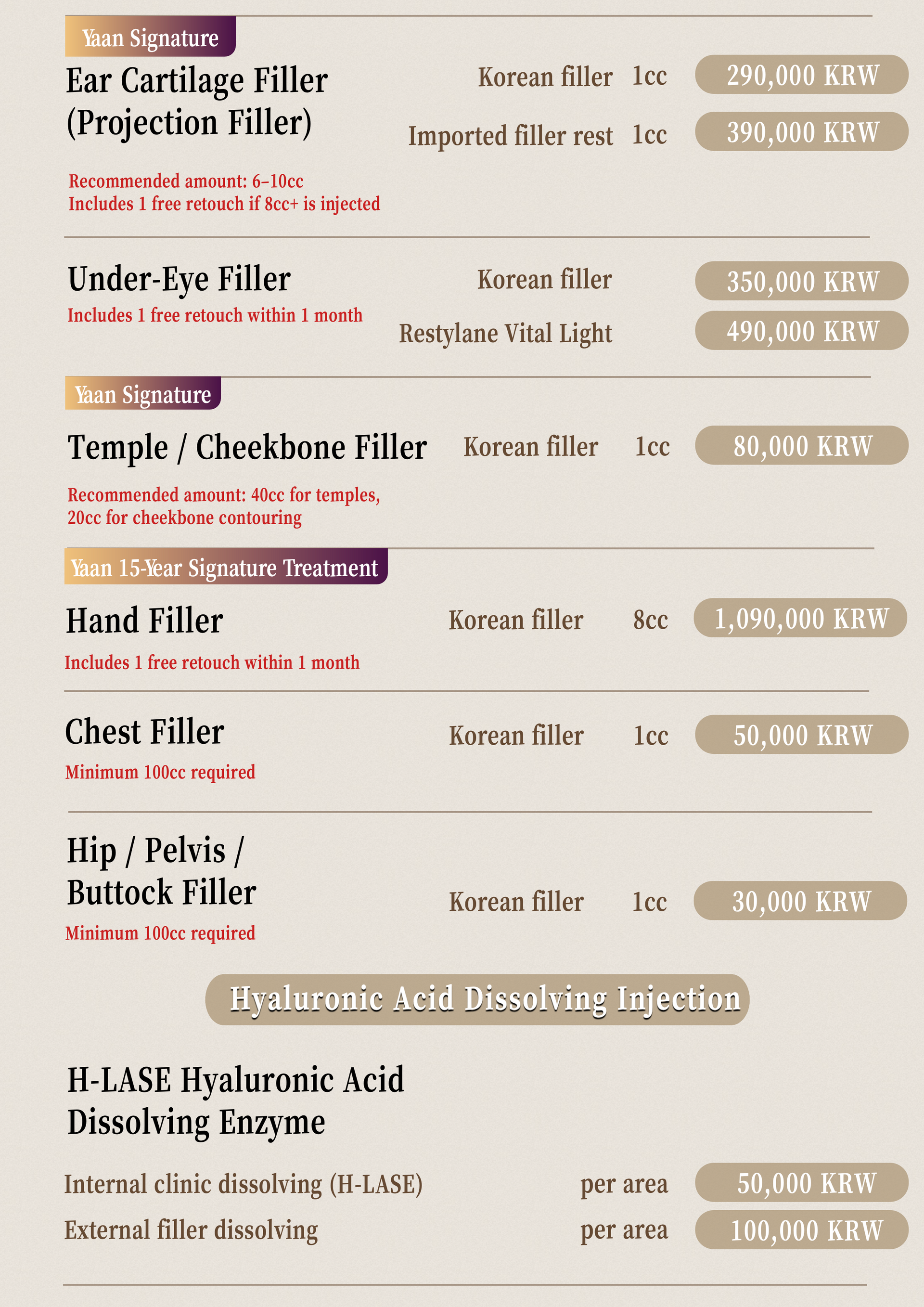
Should You Get Skin Boosters or Fillers Before the Wedding?
Skin boosters and dermal fillers are injectable treatments, but they serve different purposes.
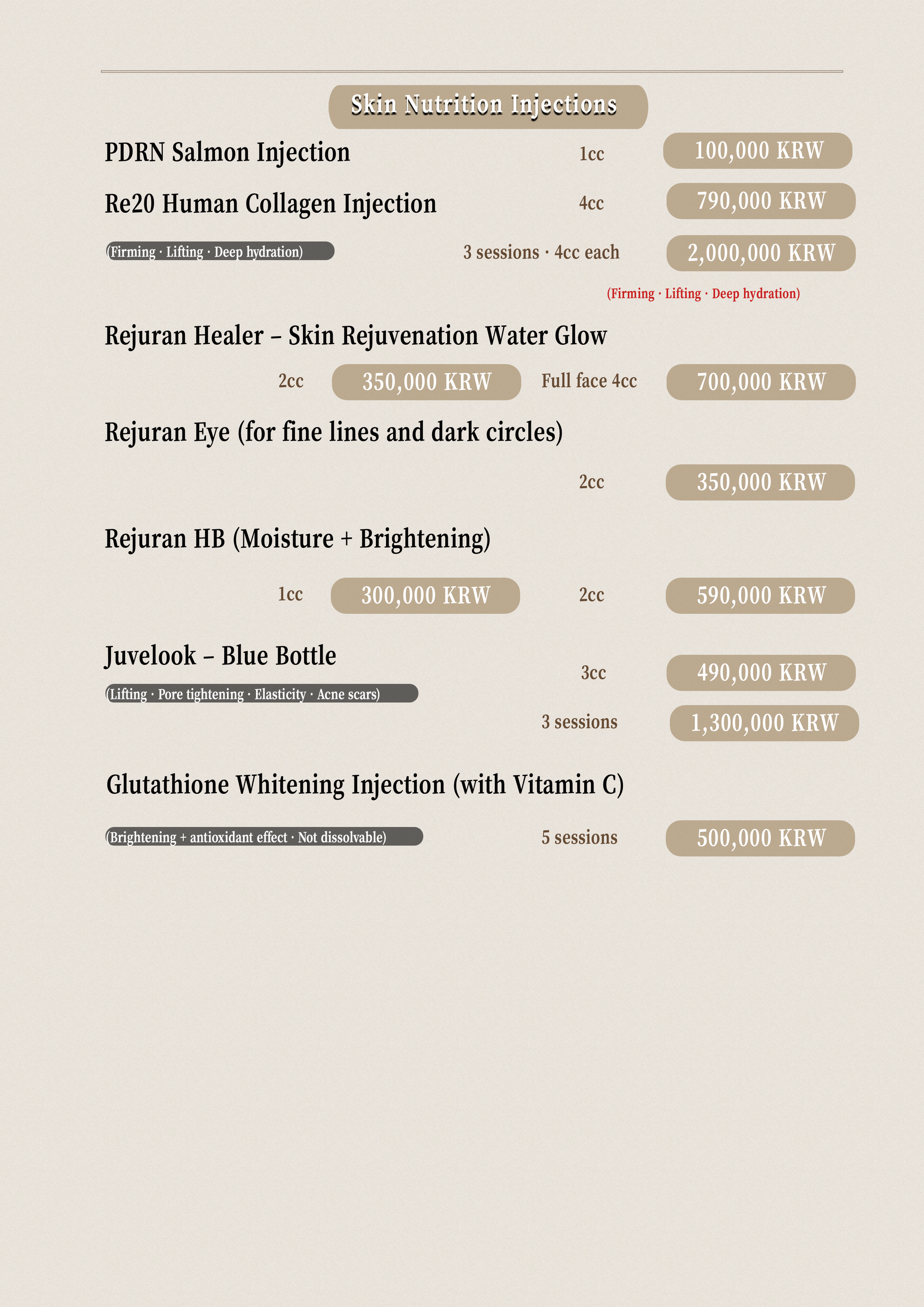
Skin boosters may be used to improve selected aspects of skin quality, depending on the product. Dermal fillers are used to add volume or change contours in specific areas.
Both may cause swelling, bruising, tenderness, or injection marks. Fillers also carry uncommon but serious risks, including vascular complications that require urgent treatment.
One week is a short window for a first-time injectable treatment. If swelling or bruising persists, you may have limited time to address the issue before your wedding.
If you are considering injectables, plan them well in advance and discuss the expected result, possible complications, and follow-up requirements with a qualified medical professional.
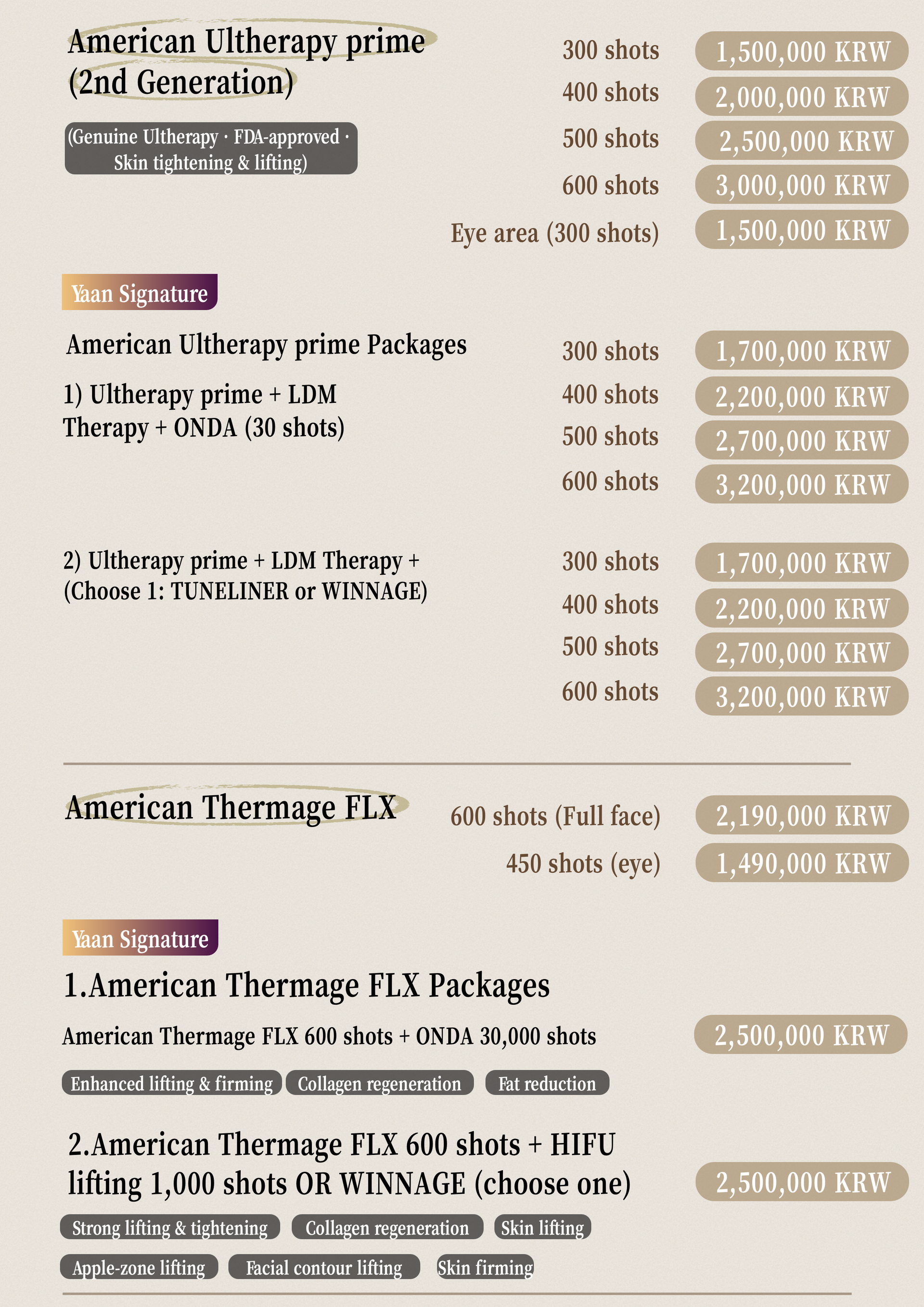
What About Thermage and Ultherapy?
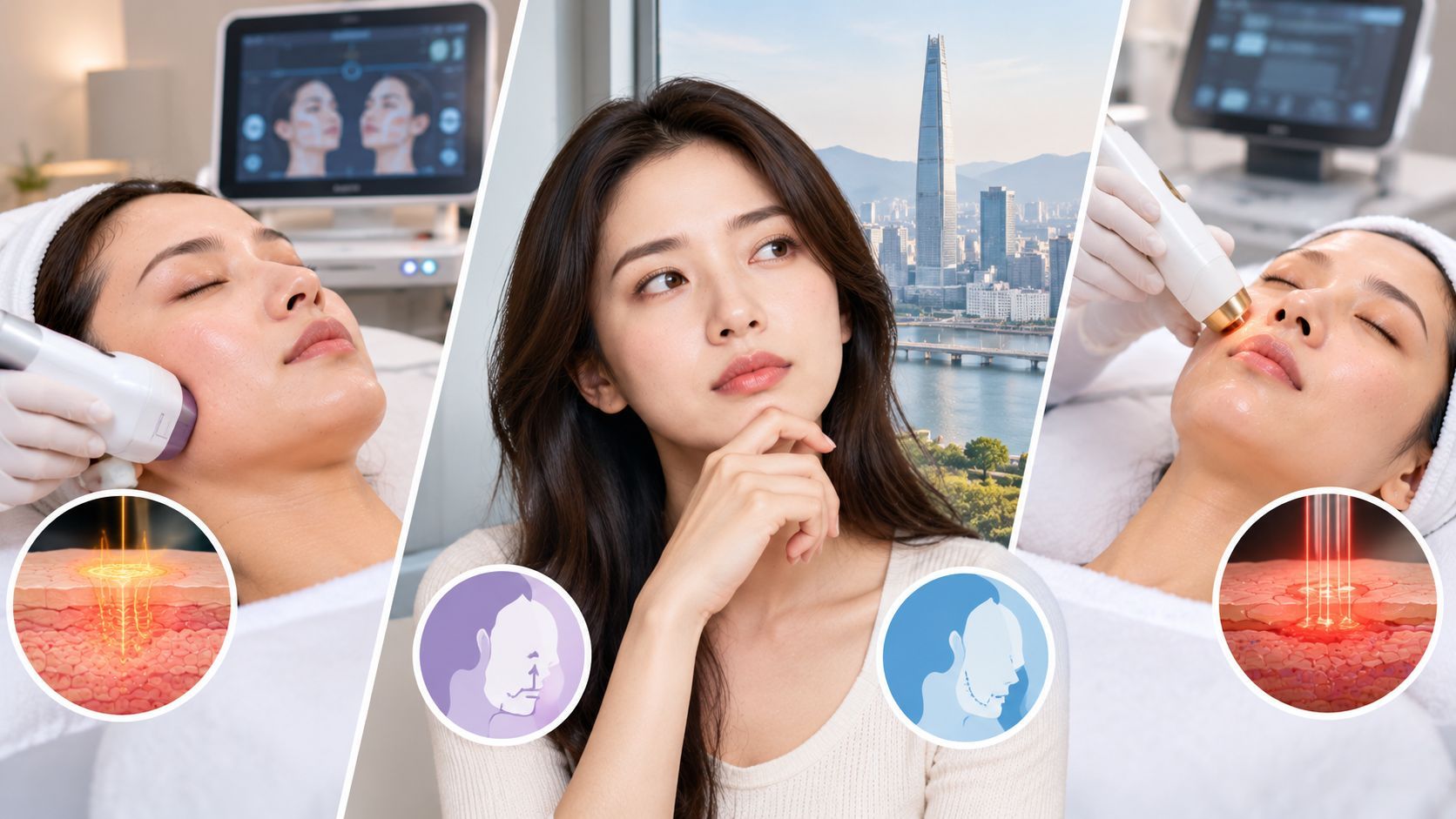
Thermage and Ultherapy are nonsurgical treatments used for selected skin-tightening concerns. They use different forms of energy and aim to stimulate changes beneath the skin.
Neither is a reliable overnight solution. Improvements generally develop gradually, and some patients experience temporary tenderness, redness, swelling, or other side effects.
If your wedding is in seven days, the timing may be less suitable than if you were planning several months ahead. You may not see the full benefit by the wedding date, and any short-term reaction could affect your appearance.
Discuss your expectations with a dermatologist before proceeding. If you want a noticeable change in skin laxity, starting a treatment plan earlier is usually more practical.
A Simple Seven-Day Wedding Skin Plan
When your wedding is one week away, consistency is more important than adding new treatments.
Seven days before
- Review any planned treatment with your dermatologist.
- Avoid unfamiliar procedures and aggressive exfoliation.
- Continue using skincare products your skin already tolerates.
- Use a gentle cleanser, moisturizer, and broad-spectrum sunscreen.
- Do not pick at spots or squeeze blemishes.
Five to six days before
Focus on hydration and skin comfort. If a dermatologist recommends a treatment, make sure it is appropriate for your skin and timing.
Avoid strong peels, intensive resurfacing, and treatments likely to produce significant redness or peeling.
Two to four days before
Keep your routine simple. Avoid new masks, strong active ingredients, and unfamiliar facial treatments.
If you usually experience irritation after waxing or threading, arrange hair removal earlier or avoid it during this period.
The day before the wedding
Do not experiment with new treatments or products. Cleanse gently, moisturize, and get adequate rest.
Use products you already know work well under your makeup. Avoid harsh scrubs and unnecessary exfoliation.
On the wedding day
Keep skincare simple and follow your established routine. Apply moisturizer and sunscreen as appropriate, especially if you will spend time outdoors.
Your makeup artist should also know which products your skin tolerates. Introducing an unfamiliar primer or foundation on the wedding morning can create unnecessary uncertainty.
When Should You Start Korean Wedding Skin Treatments?
If you want to address acne scars, pigmentation, fine lines, or skin laxity, starting several months ahead gives you more flexibility.
A practical planning approach is:
- Three to six months or earlier: Consult a dermatologist about persistent acne, pigmentation, scarring, or skin laxity. Some concerns require several sessions.
- One to three months before: Review progress and complete suitable treatments according to your clinician's plan.
- Several weeks before: Prioritize recovery and avoid starting procedures that may cause prolonged side effects.
- One week before: Focus on familiar skincare and conservative maintenance.
- The day before: Avoid new procedures and keep your routine simple.
These are general planning guidelines, not fixed medical rules. Your dermatologist may recommend a different schedule depending on the treatment, your skin, and your medical history.
Final Thoughts
If your wedding is only one week away, the best Korean skin treatment may be a familiar, gentle hydration-focused option—or no clinic treatment at all.
A gentle facial may temporarily improve the appearance of dry or dull skin, but stronger treatments such as chemical peels, intensive lasers, injectables, Thermage, and Ultherapy are not reliable last-minute solutions. They may require more time for results to develop and can cause visible side effects.
The most important rule is simple: do not trade calm, predictable skin for an uncertain last-minute result. Consult a qualified dermatologist, explain your wedding date, and choose an approach that respects your skin's needs and recovery time.
Frequently Asked Questions
1. Which Korean skin treatment is best one week before a wedding?
A gentle hydration-focused facial may be an option if you have previously tolerated it. The safest choice depends on your skin condition and history, and some people are better off maintaining their regular skincare routine.
2. Can I get a HydraFacial one week before my wedding?
Possibly, if the protocol is gentle and you have tolerated similar treatments before. Extractions, exfoliation, or unfamiliar products may cause irritation, so discuss the exact treatment with your provider.
3. Can I get Botox seven days before my wedding?
The full effect may take around two weeks, and bruising or swelling can occur. A first-time treatment one week before the wedding is not predictable enough for many people. Discuss timing with a qualified clinician.
4. Should I get laser toning before my wedding?
Laser toning may be appropriate for selected pigmentation concerns, but redness or pigment changes can occur. If the procedure is unfamiliar, discuss the risks and whether there is enough time for recovery before proceeding.
5. Is a chemical peel safe one week before a wedding?
It depends on the peel and your skin, but a new peel is generally not a sensible last-minute experiment. Even superficial peels can cause dryness, redness, or peeling that interferes with makeup.
6. What should I do if a pimple appears a few days before my wedding?
Avoid squeezing it or applying aggressive home remedies. Contact a dermatologist if it is painful, inflamed, or persistent. A clinician can assess whether a conservative treatment is appropriate without creating unnecessary irritation.