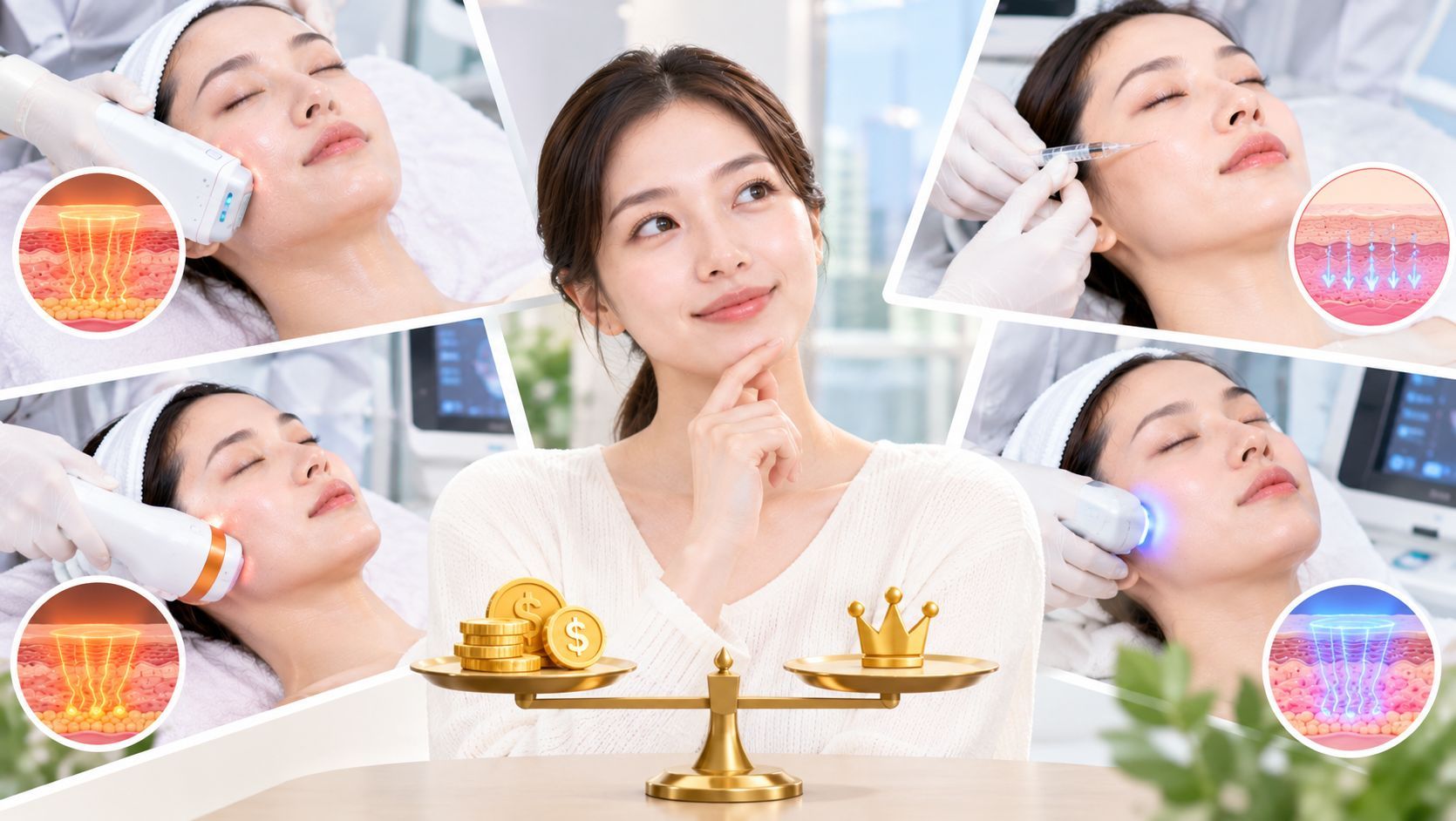
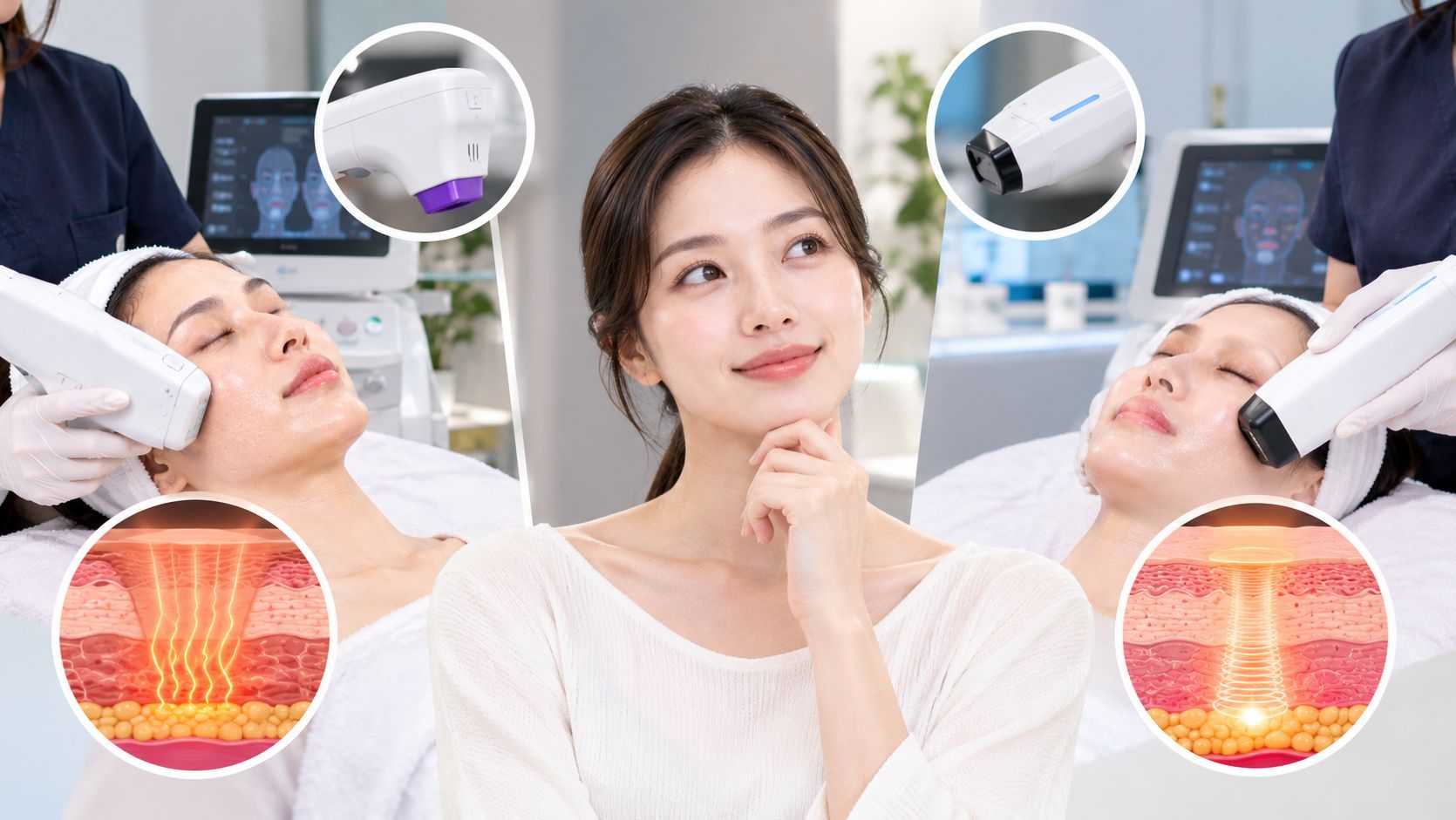
How Can I Look Five Years Fresher Without Filler or Surgery?
If your face looks more tired than it used to, you may wonder whether you need an injectable treatment or cosmetic surgery to look younger. Perhaps your skin appears dull, fine lines are becoming more noticeable, or your jawline looks less defined than it did a few years ago.
The good news is that you may be able to achieve a fresher appearance without filler or surgery, depending on what is making your face look tired. A carefully selected skin treatment, consistent skincare, sun protection, and realistic lifestyle adjustments may improve certain visible signs of aging.
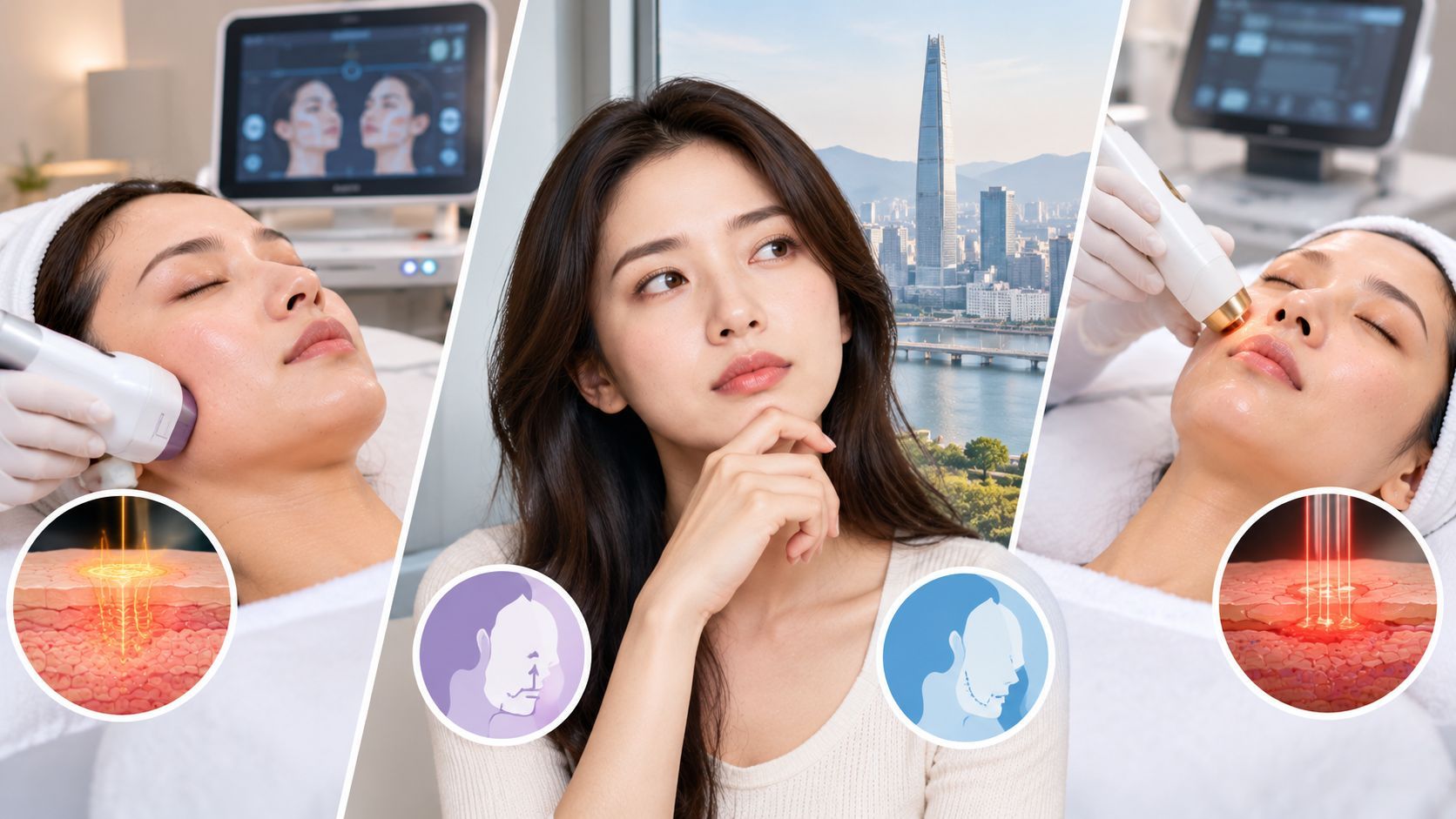
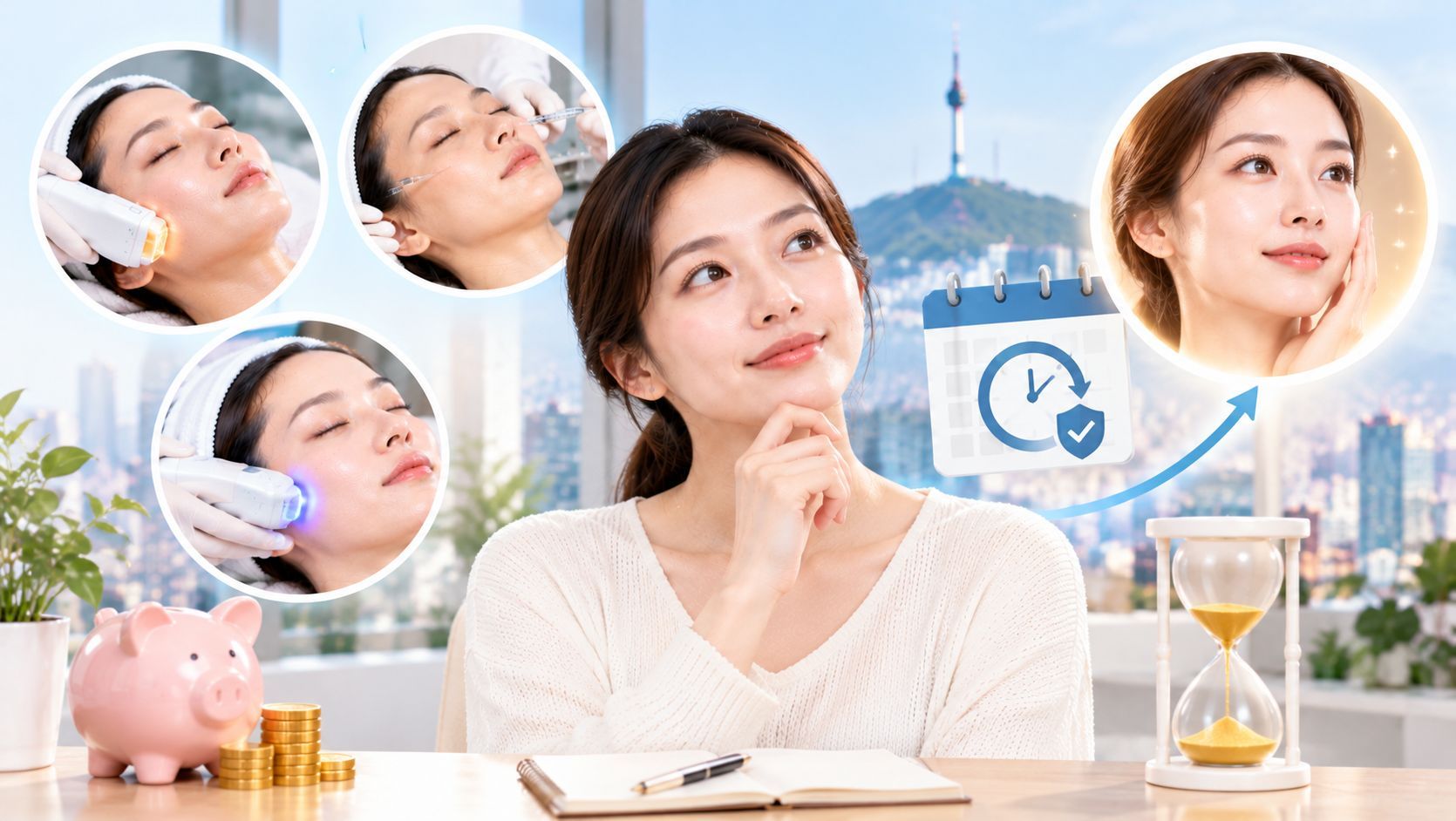
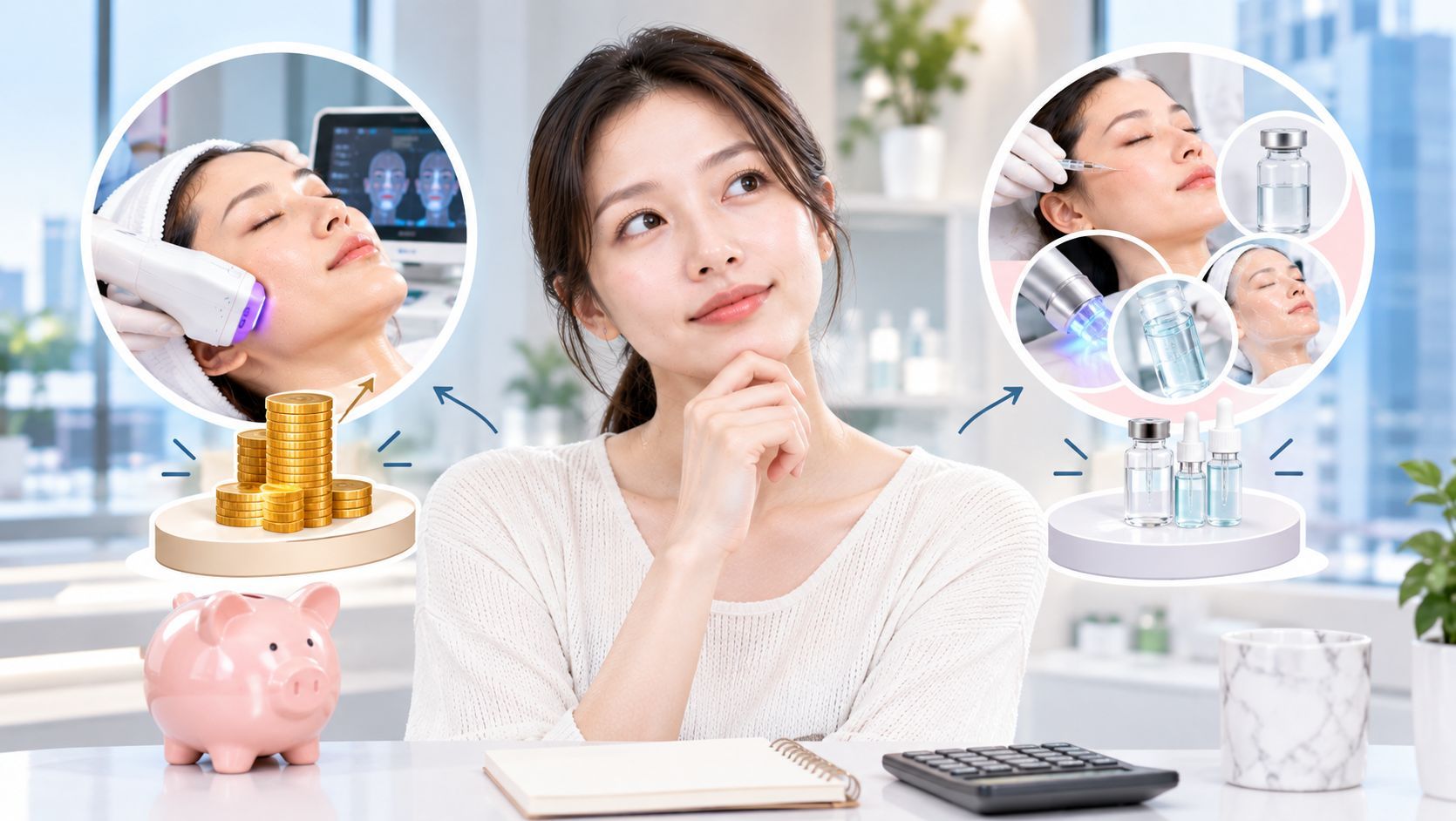
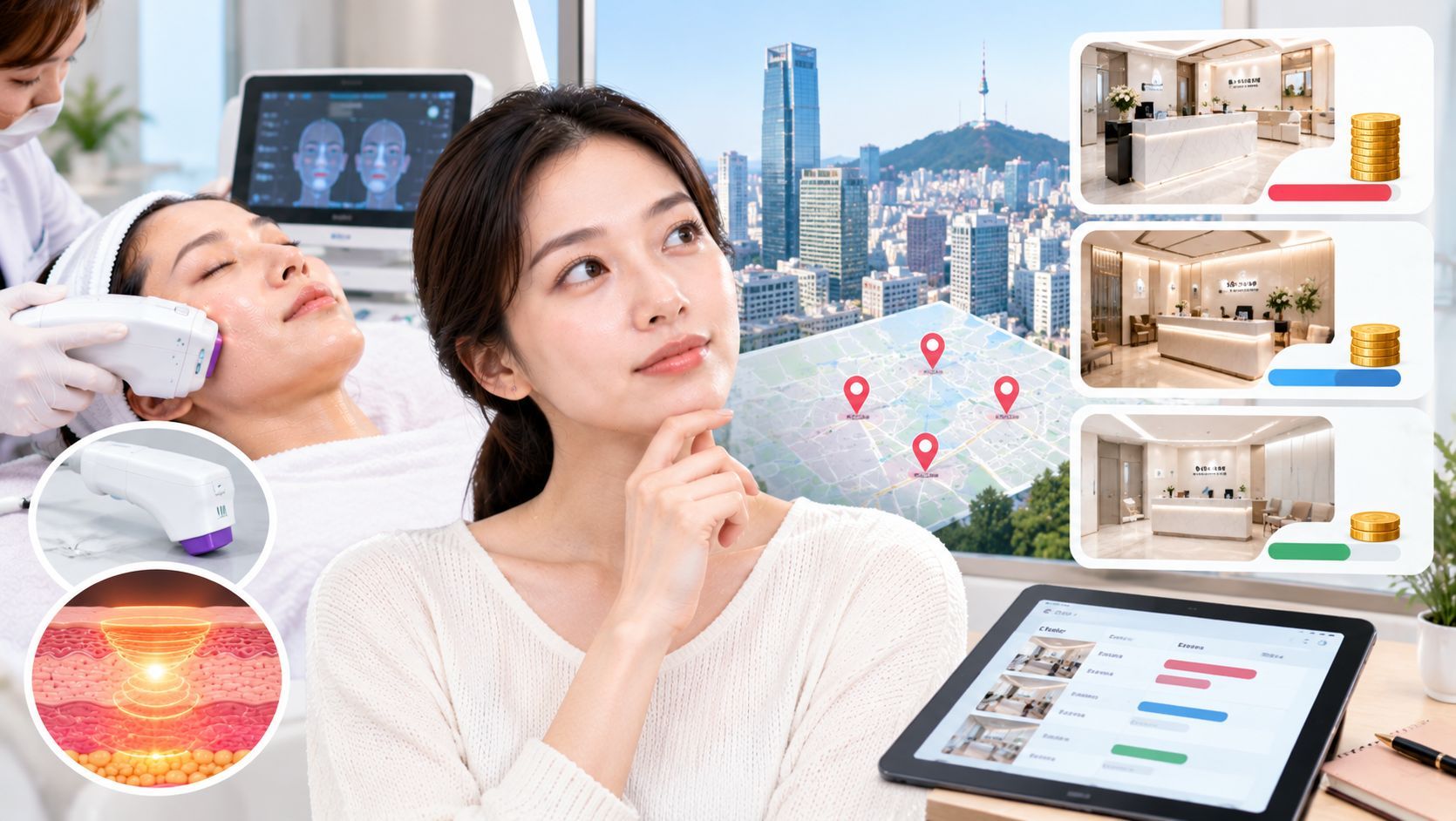
If you are visiting Seoul for aesthetic treatments, clinics in areas such as Gangnam offer options ranging from noninvasive skin tightening to laser-based skin rejuvenation. However, the right treatment depends on whether your main concern is skin texture, pigmentation, fine lines, or mild laxity.
There is no reliable way to guarantee that you will look exactly five years younger. The more practical goal is to improve the features that make you look tired while preserving your natural facial structure and expressions.
1. First, Identify Why Your Face Looks Older
Before choosing a treatment, identify the changes you notice most. Several different issues can create an older or more fatigued appearance.
Dull or uneven skin
Sun exposure, dryness, pigmentation, and changes in skin texture can make the face look less radiant. These concerns may respond to appropriate skincare or selected dermatological treatments.
Fine lines and wrinkles
Fine lines can result from repeated facial movements, cumulative sun damage, and changes in skin structure. The best approach depends on whether the lines appear during facial expressions or remain visible when your face is relaxed.
Mild skin laxity
If your cheeks or jawline appear less firm, you may be noticing changes in skin elasticity and underlying tissues. Some nonsurgical procedures may offer modest improvement for selected patients.
Under-eye darkness or a tired appearance
Dark circles can result from pigmentation, visible blood vessels, shadows created by facial anatomy, or changes in the under-eye area. A generic facial treatment may not address the actual cause.
Facial volume changes
Weight loss and age-related changes can affect facial fullness. If your cheeks look hollow, a skin-tightening treatment may not address the main reason your face appears older.
Identifying the cause helps you avoid spending money on a procedure that targets the wrong problem.
2. Improve Skin Quality Before Considering More Intensive Treatments
One of the simplest ways to pursue a fresher appearance is to improve the condition of your skin.
Use sunscreen consistently
Sun protection is an important part of preventing further photoaging. Choose a broad-spectrum sunscreen with SPF 30 or higher, apply an adequate amount, and reapply as directed when spending time outdoors.
This matters particularly if you are considering laser or other energy-based treatments in Seoul, because sun exposure and post-treatment irritation can affect recovery and pigmentation risk.
Build a simple skincare routine
A practical routine may include:
- A gentle cleanser suited to your skin.
- A moisturizer that supports the skin barrier.
- Broad-spectrum sunscreen during the day.
- A retinoid or retinol product, if appropriate and tolerated.
Retinoids can help improve certain signs of photoaging over time, but they may cause dryness, irritation, and peeling. Introduce them gradually and seek professional advice if you have sensitive skin or a skin condition.
Topical retinoids should generally be avoided during pregnancy, and anyone who is pregnant or planning pregnancy should discuss skincare ingredients with a healthcare professional.
Give your skin enough time
Skincare does not usually produce dramatic overnight changes. Improvements in texture and some signs of photoaging may take weeks or months, depending on the product and your skin.
If your skin is irritated, adding more active ingredients is unlikely to make it look fresher. A simple, consistent routine may be more helpful than repeatedly switching products.
3. Consider a Skin Rejuvenation Treatment for Uneven Texture
If dullness, rough texture, or certain types of pigmentation are your main concerns, a dermatologist may discuss a skin-rejuvenation procedure rather than a lifting treatment.
Depending on your diagnosis, options may include selected laser treatments, light-based procedures, or superficial chemical peels.
Who might benefit?
These treatments may be considered when the main concern involves:
- Selected sunspots or uneven pigmentation.
- Rough skin texture.
- Some types of post-acne marks.
- Certain fine lines associated with photoaging.
The appropriate treatment depends on the cause of the problem and your skin type.
What should you know before booking in Seoul?
Laser and light-based treatments are not interchangeable. A procedure appropriate for one type of pigmentation may be unsuitable for another. Melasma, in particular, can be difficult to manage and may worsen with irritation or inappropriate treatment.
Possible side effects include redness, swelling, irritation, temporary darkening, and—in some cases—scarring or persistent pigment changes.
Ask the clinic what condition it is treating, why the proposed device or procedure is suitable for your skin, and what recovery you should expect. Avoid choosing a laser solely because it is advertised as a popular Korean beauty treatment.
4. Could Skin Tightening Help Without Filler?
If your skin looks less firm and your jawline appears softer, a nonsurgical skin-tightening treatment may be worth discussing with a qualified clinician.
Radiofrequency treatments
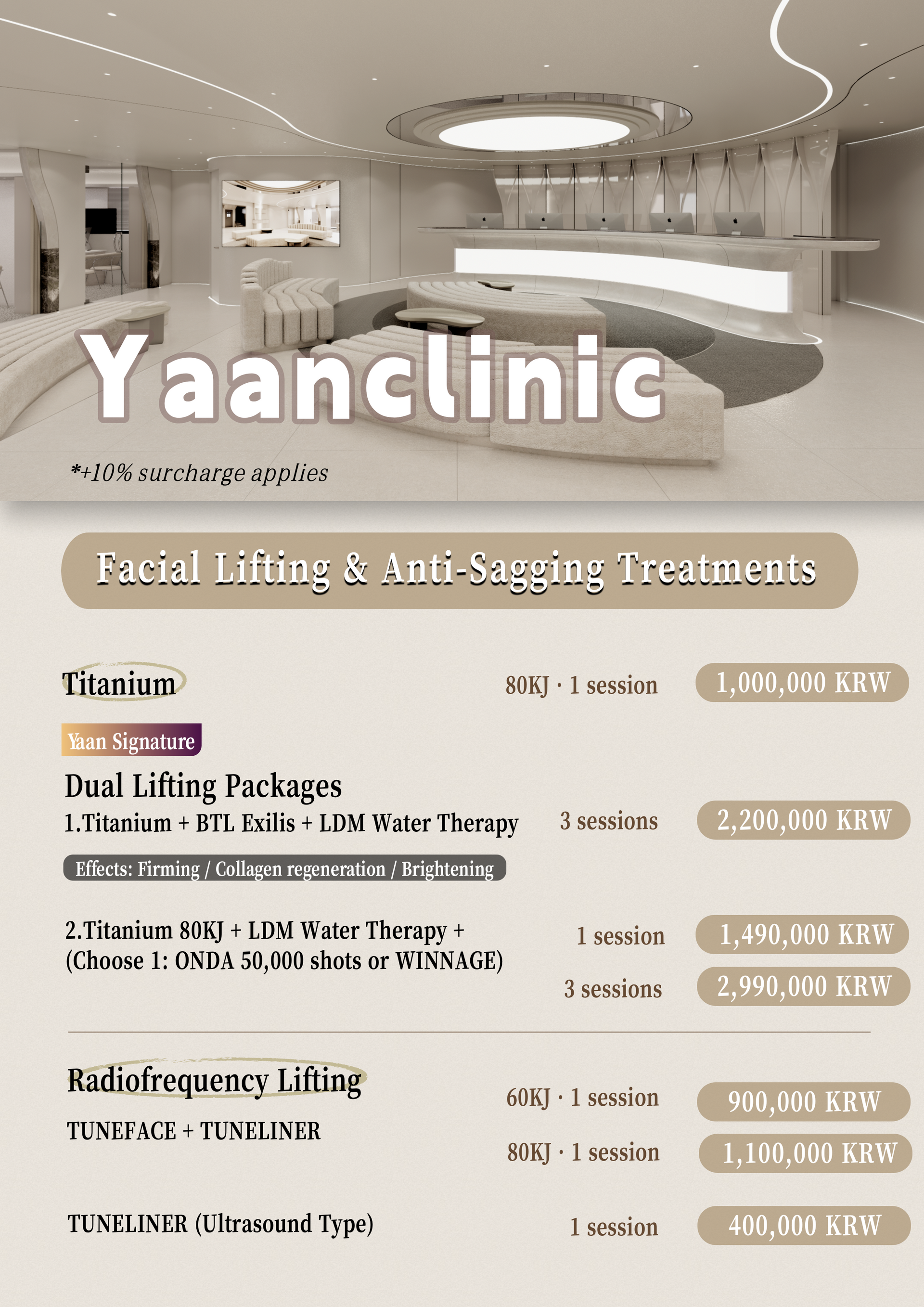
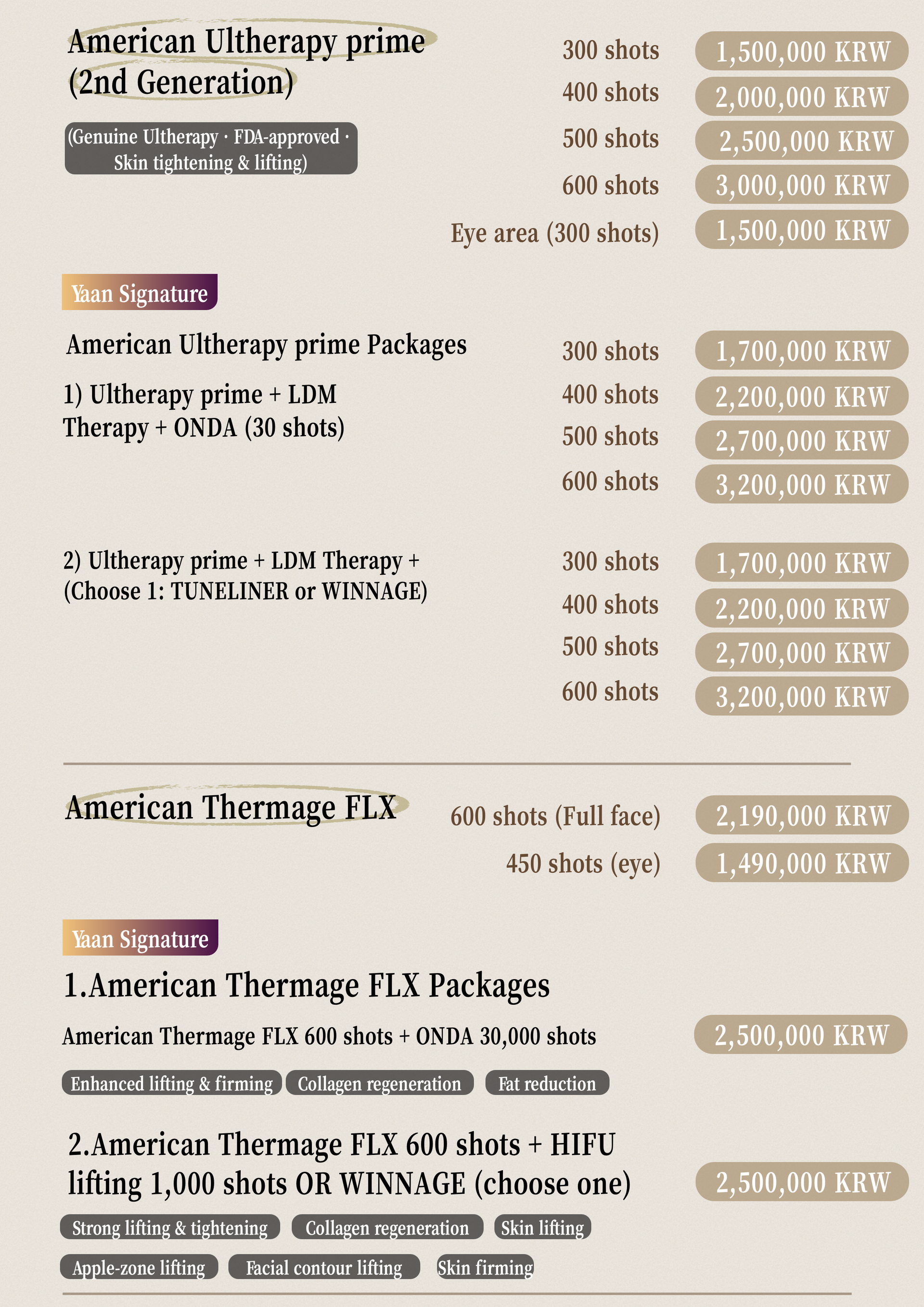
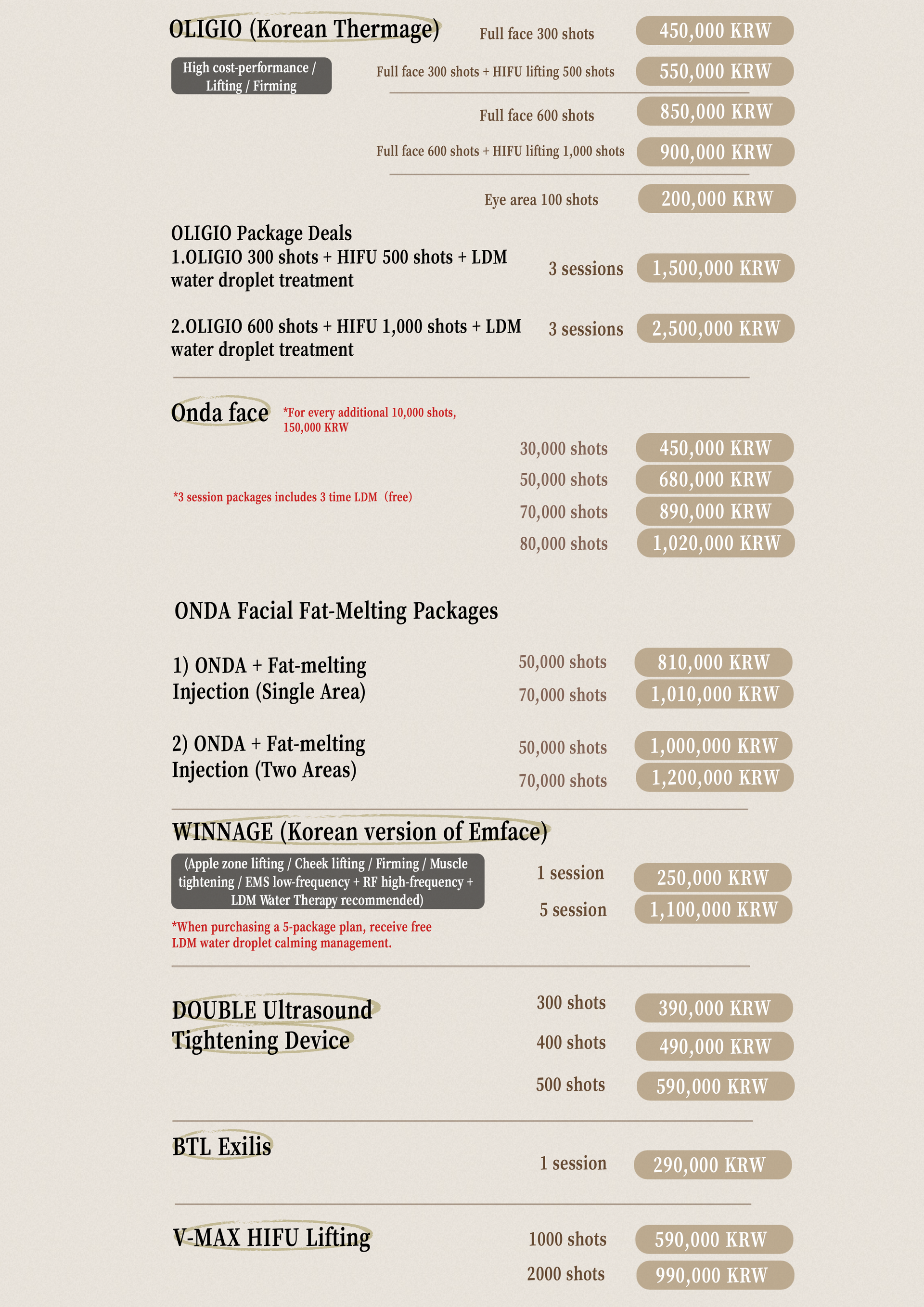
Radiofrequency procedures, including Thermage and Oligio, use controlled heating to encourage changes in collagen and may improve the appearance of skin firmness in selected patients.
Results vary, and the improvement is generally more limited than what surgery can achieve for substantial sagging.
Focused ultrasound treatments
Treatments such as Ultherapy use focused ultrasound energy at selected tissue depths. They may be considered for certain facial-laxity concerns following an assessment.
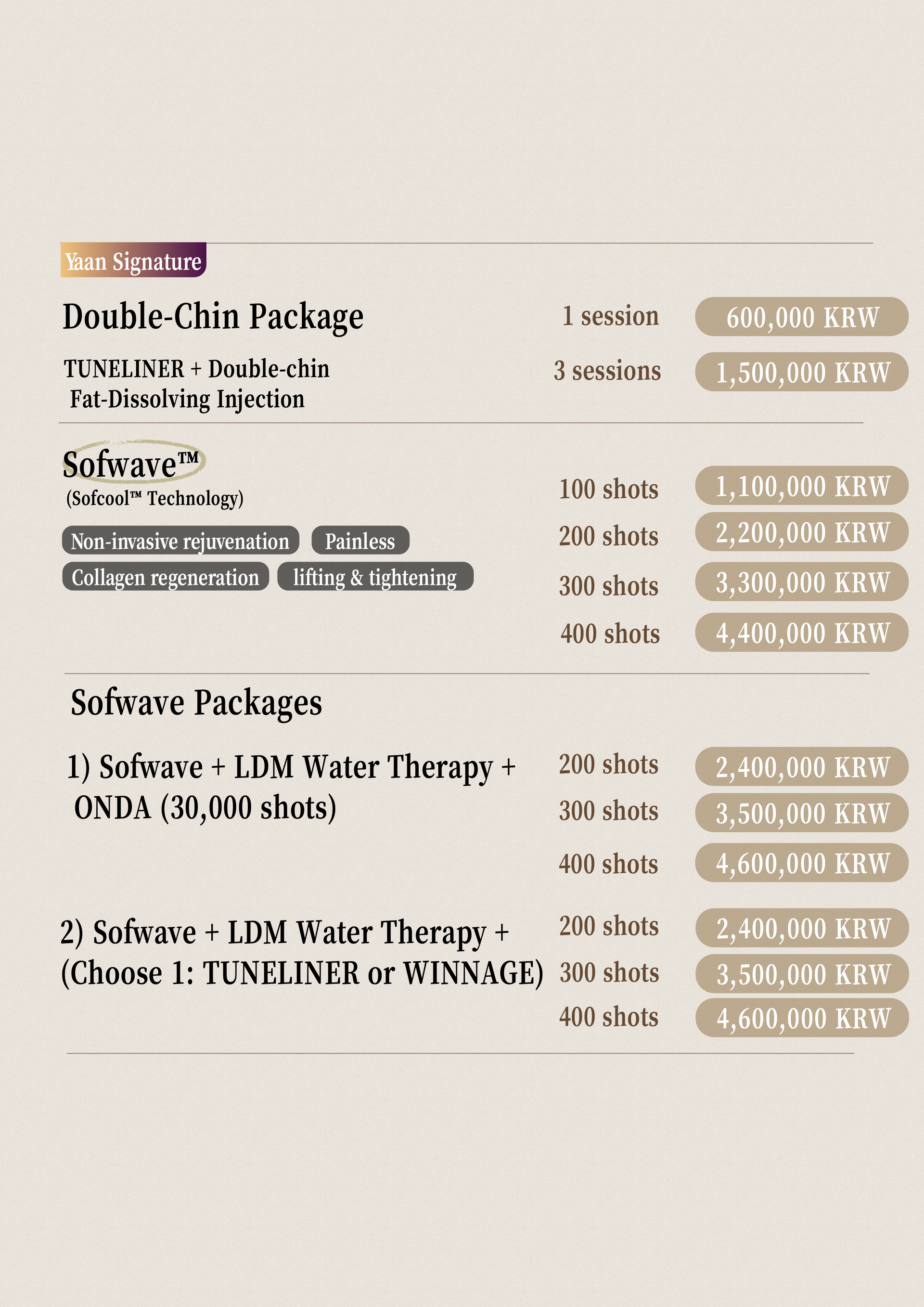
Sofwave uses a different ultrasound technology and should not be assumed to produce identical results.
What is realistic?
These procedures may be appropriate if you have selected signs of mild laxity and want to avoid surgery. They are not guaranteed to create a sharply defined jawline, eliminate deep folds, or restore lost facial volume.
Side effects can include pain, redness, swelling, tenderness, and other complications. Some energy-based treatments can also cause unwanted tissue or contour changes.
If your face is naturally thin or has become hollow after weight loss, discuss this with the doctor before considering aggressive tightening.
5. Treat Fine Lines Without Changing Your Facial Shape
Not all wrinkles are caused by loose skin.
Dynamic wrinkles appear or deepen when you move facial muscles, such as when you frown or raise your eyebrows. Other lines remain visible when your face is relaxed and may be associated with photoaging or changes in skin structure.
If you want to avoid filler, a clinician can assess whether skincare, a suitable skin-resurfacing treatment, or another approach is appropriate.
Neuromodulator injections are sometimes used to soften selected dynamic wrinkles. They are not fillers and do not restore facial volume, but they are still injectable medical treatments and may not be suitable for everyone.
If you prefer to avoid all injections, make that preference clear during your consultation. You can ask about noninjectable alternatives and the likely limitations of each.
Do not expect a skin-tightening device to correct every type of wrinkle. Matching the treatment to the cause is more important than choosing the most heavily promoted procedure.
6. Do You Need a Treatment for Under-Eye Concerns?
Under-eye darkness can make an otherwise healthy face look tired. However, dark circles have several possible causes, so treatment should be based on an assessment.
If the concern is related to pigmentation, a dermatologist may discuss suitable skincare or selected pigment-focused treatments. If it is primarily caused by shadows or the shape of the under-eye area, a topical product may have limited benefit.
Thin skin, visible blood vessels, allergies, irritation, and sleep-related puffiness may also contribute.
Before paying for an under-eye procedure in Seoul, ask the clinician to explain the likely cause of the problem and what degree of improvement is realistic. The under-eye area is delicate, and treatments can carry risks such as irritation, pigment changes, swelling, and injury.
You do not necessarily need an invasive procedure to look fresher. In some cases, managing allergies, reducing irritation, and using appropriate skincare may be a reasonable first step.
7. Make Small Lifestyle Changes That Support a Fresher Appearance
Professional treatments are only one part of facial appearance. Several everyday factors can influence how refreshed you look.
Prioritize consistent sleep
Insufficient sleep can contribute to a tired appearance, temporary puffiness, and more noticeable under-eye shadows. A consistent sleep schedule may help, although it will not reverse structural facial aging.
Avoid smoking
Smoking contributes to skin aging and can impair wound healing. Avoiding tobacco supports overall health and may help limit further skin damage.
Maintain stable, sustainable nutrition
A balanced diet that provides adequate protein, essential fats, vitamins, and minerals supports general health and normal skin function.
Avoid extreme weight-loss plans if you are concerned about facial hollowing. Significant weight changes can alter facial fullness, although the degree varies between individuals.
Keep your routine manageable
You do not need a complicated skincare regimen or multiple professional procedures to look after your skin. Consistency is often more practical than constantly adding new products or treatments.
8. How to Plan a Natural-Looking Treatment in Seoul
If you are visiting a clinic in Gangnam or elsewhere in Seoul, begin by explaining what makes you feel that your face looks older.
Instead of saying, “I want to look five years younger,” you could explain:
- My skin looks dull even when I am rested.
- My jawline appears less firm than before.
- I have noticed more fine lines around my eyes.
- My cheeks look hollow after losing weight.
- I want to improve my skin without filler or surgery.
These descriptions help the clinician evaluate your actual concern.
Ask which treatment could provide a meaningful improvement, what alternatives exist, and whether a procedure is necessary at all. Request a clear explanation of the expected result, risks, total cost, and recovery period.
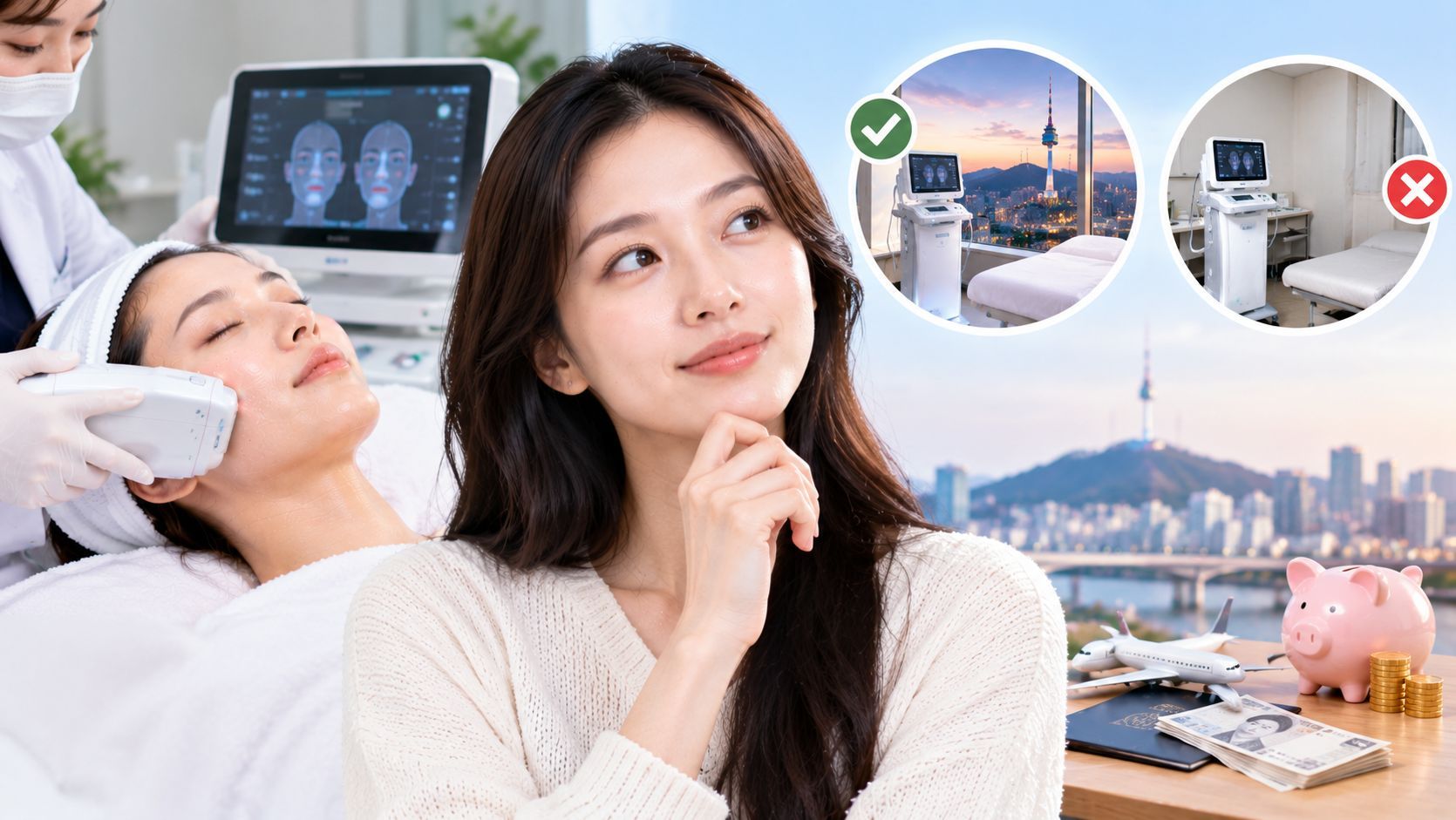
If you have limited time in Korea, tell the clinic your departure date. Even treatments marketed as having minimal downtime may cause visible redness, swelling, bruising, or irritation.
You should not feel pressured to purchase a combination package during your first consultation. It is reasonable to start conservatively and reassess the outcome before considering additional procedures.
Conclusion: Look Fresher by Treating What Actually Makes You Look Tired
Looking fresher without filler or surgery is a realistic goal for some people, but the best approach depends on the cause of the changes you notice.
If your skin looks dull or uneven, skincare and a suitable skin-rejuvenation treatment may be more relevant than lifting. If mild laxity is your main concern, radiofrequency or focused ultrasound may be worth discussing. If expression lines or under-eye shadows dominate, a different approach may be needed.
You do not have to choose several procedures to achieve a meaningful improvement. Start with one clear concern, select an appropriate treatment with a qualified clinician, and allow time to evaluate the result.
The goal is not to erase every sign of aging. It is to look rested, healthy, and like yourself—with a treatment plan that respects your natural facial features.
Frequently Asked Questions
1. Can I look five years younger without filler or surgery?
Some people can achieve a fresher appearance through skincare or appropriate nonsurgical treatments, but no procedure can guarantee that you will look a specific number of years younger. Results depend on your skin, facial anatomy, and the concerns being treated.
2. What is the best nonsurgical anti-aging treatment in Seoul?
There is no single best option for everyone. Skin tightening, laser treatments, and other rejuvenation procedures target different concerns. A qualified clinician should recommend treatment based on your needs and medical history.
3. Can Thermage or Ultherapy make me look younger without filler?
They may improve the appearance of selected skin-laxity concerns in suitable patients. They do not replace lost facial volume or guarantee a specific age-reversing result.
4. What treatment should I choose if my face looks tired but my skin is smooth?
The cause may involve under-eye shadows, facial volume changes, pigmentation, or other factors. A medical assessment can help distinguish these possibilities before you choose a treatment.
5. How soon will I see results from Korean skin treatments?
The timeline depends on the procedure. Some treatments produce temporary visible changes soon after treatment, while collagen-related improvements may develop gradually over weeks or months. Ask your clinician for a realistic timeline for the specific procedure.
6. Can I get a treatment just before flying home from Seoul?
That depends on the treatment, your medical history, and the recovery period. Ask the treating clinician about swelling, pain, delayed complications, follow-up arrangements, and travel precautions before scheduling a procedure close to departure.