I'm 46 With Loose Neck Skin but Don't Want Surgery. What Can I Do?
If you are 46 and noticing loose skin beneath your chin, horizontal neck lines, or a less-defined jawline, you may be looking for a treatment that improves your appearance without surgery or a lengthy recovery.
The good news is that several non-surgical treatments may help selected patients. Radiofrequency treatments, microfocused ultrasound, certain lasers, and targeted injectable treatments can address different aspects of neck aging. However, they do not all work in the same way, and none is guaranteed to tighten every type of loose skin.
The best approach is to identify the cause of the change and choose a treatment that matches your anatomy, skin condition, and expectations.
Why Does Neck Skin Become Loose in Your 40s?
Neck aging can involve several changes at once. Collagen and elastin changes contribute to reduced skin firmness, while repeated muscle movement can produce vertical bands and horizontal lines. Changes in fat distribution and the underlying supporting structures can also affect the contour beneath the chin.
Common concerns include:
- Loose or crepey skin across the front of the neck.
- Vertical bands that become more noticeable when speaking or tightening the neck muscles.
- Horizontal lines that remain visible when the neck is relaxed.
- Fullness beneath the chin.
- A less-defined angle between the chin and neck.
- Sagging skin that extends from the lower face toward the neck.
These concerns may look similar in a mirror but require different treatments. For example, a skin-tightening device may help selected cases of laxity, but it will not necessarily reduce substantial fat beneath the chin or correct prominent muscle bands.
A consultation with a qualified dermatologist or appropriately trained medical professional can help determine which factors are contributing most to your neck's appearance.
What Are the Best Non-Surgical Treatments for Loose Neck Skin?
1. Radiofrequency Skin Tightening
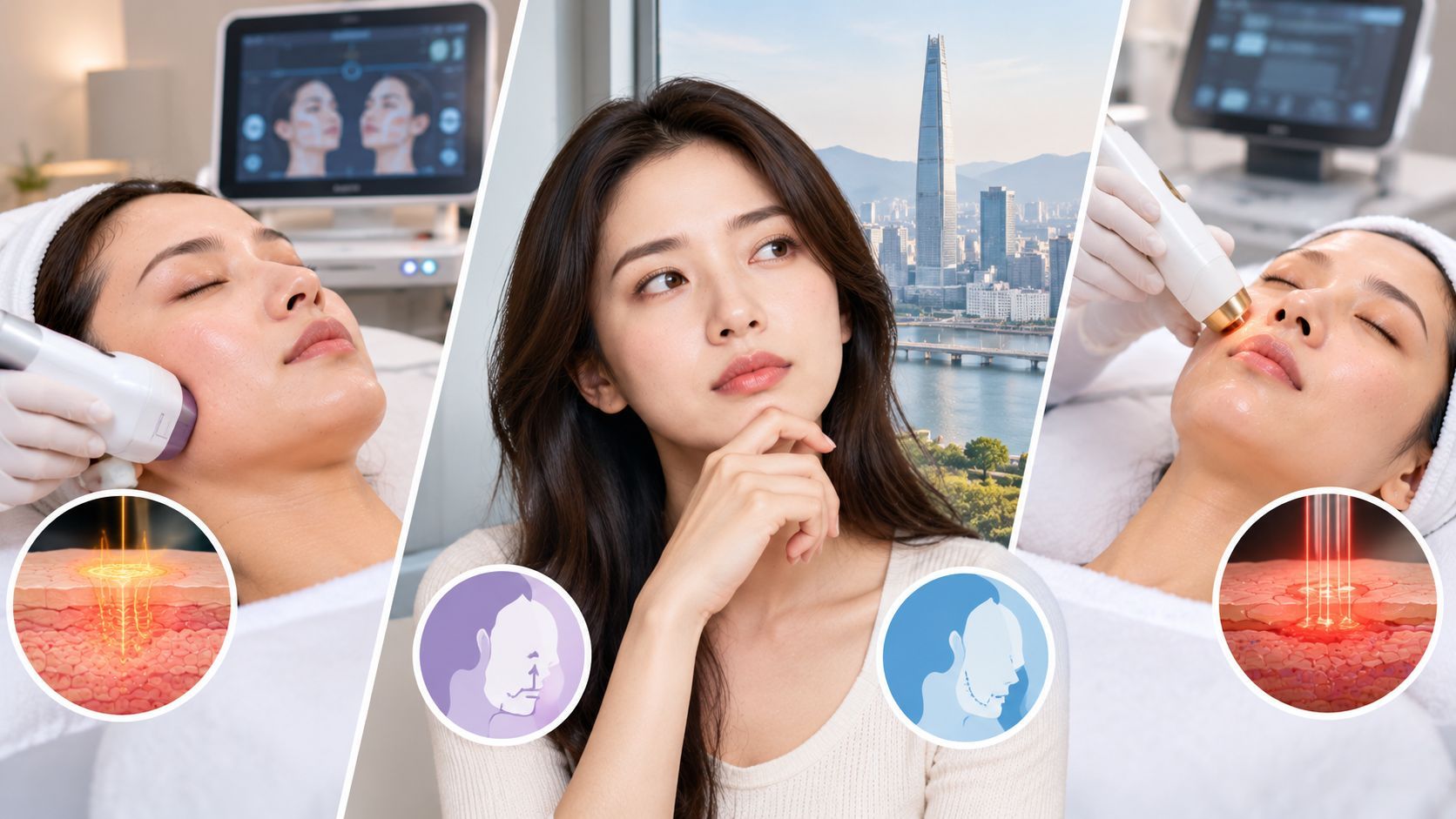
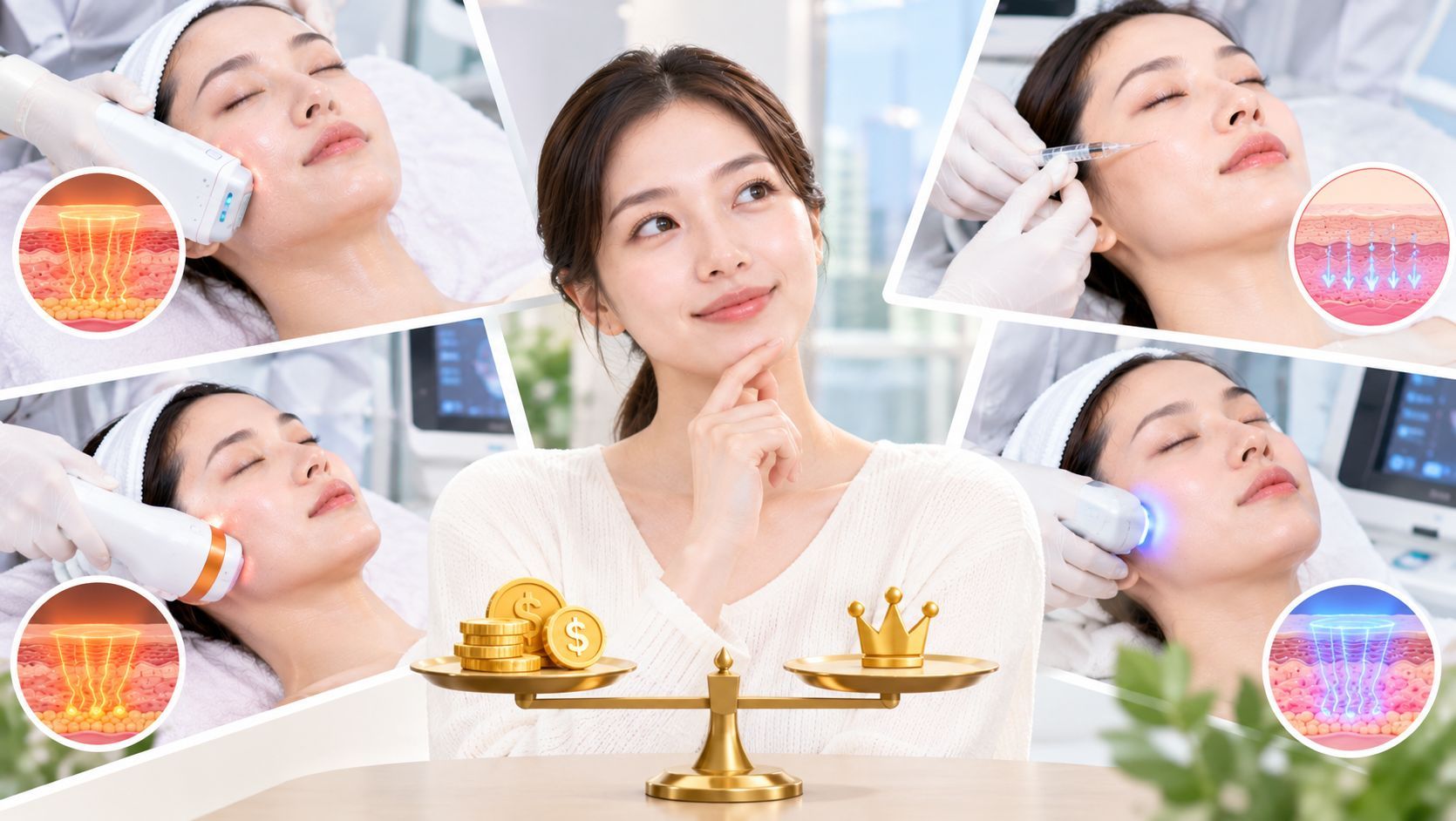
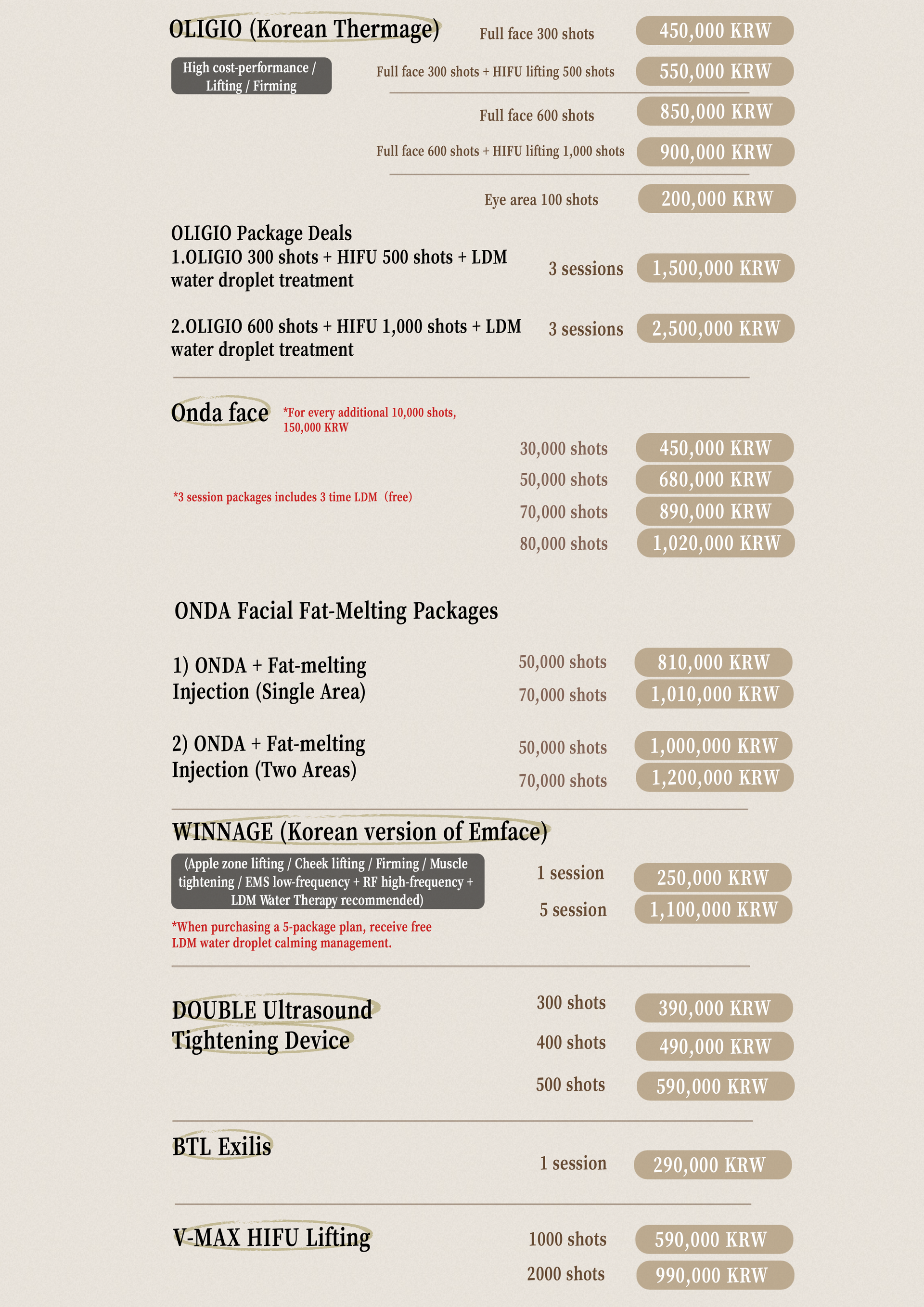
Radiofrequency (RF) treatments use controlled energy to heat tissue and stimulate collagen remodeling. Depending on the device, treatment may be non-invasive or minimally invasive.
Non-invasive RF may be considered for mild skin laxity and reduced firmness. Results generally develop gradually, and the degree of improvement varies.
RF microneedling combines radiofrequency energy with small needles that deliver energy into the skin. It may help selected patients with skin texture and laxity, but it involves needle penetration and carries additional risks, including burns, scarring, infection, and unwanted fat loss.
For a 46-year-old with mild neck laxity, RF may be worth discussing if you prefer a non-surgical approach. Ask which specific device is being proposed, how it is intended to work, and what degree of tightening is realistic.
2. Ultherapy and Other Ultrasound-Based Treatments
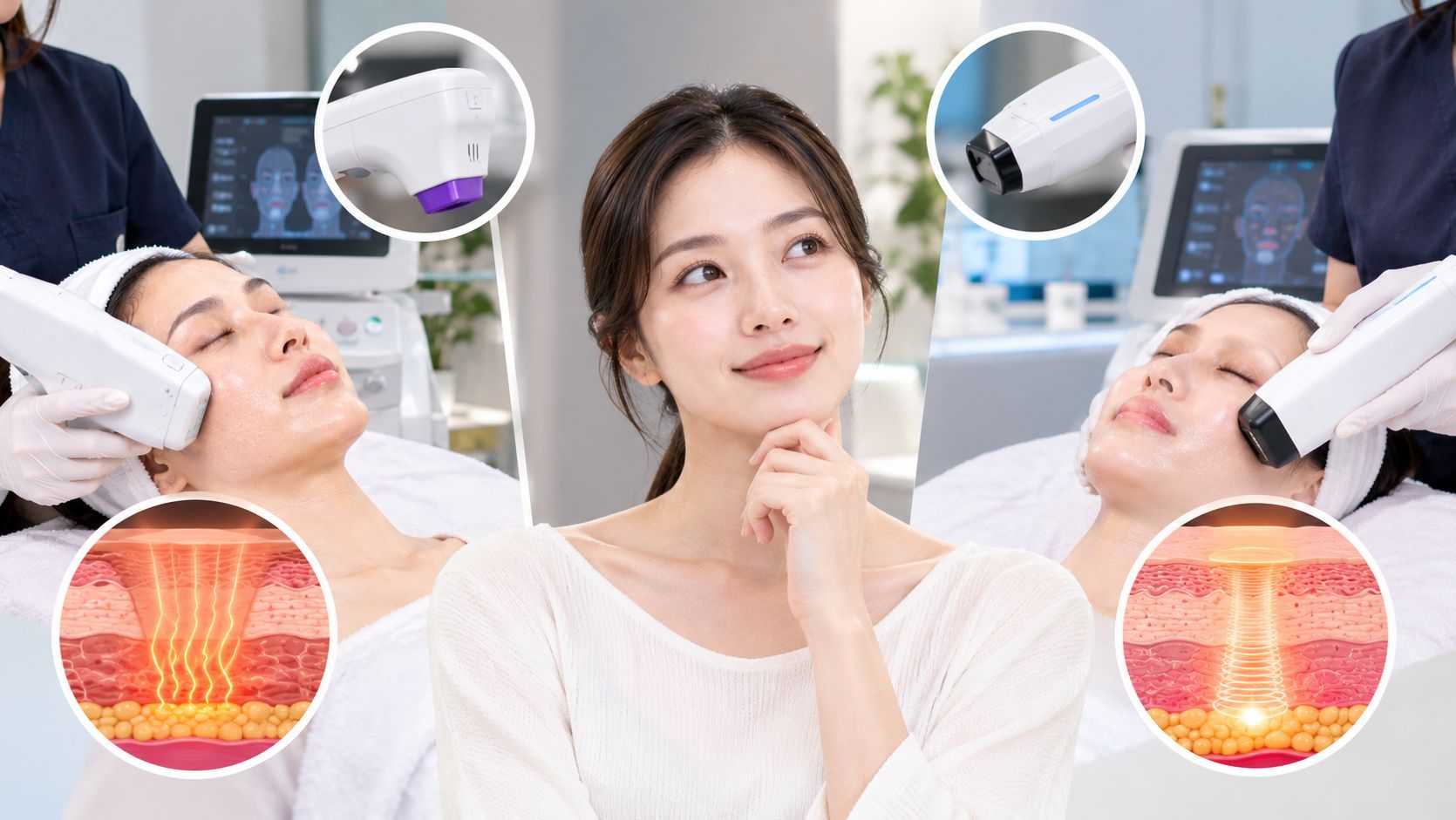
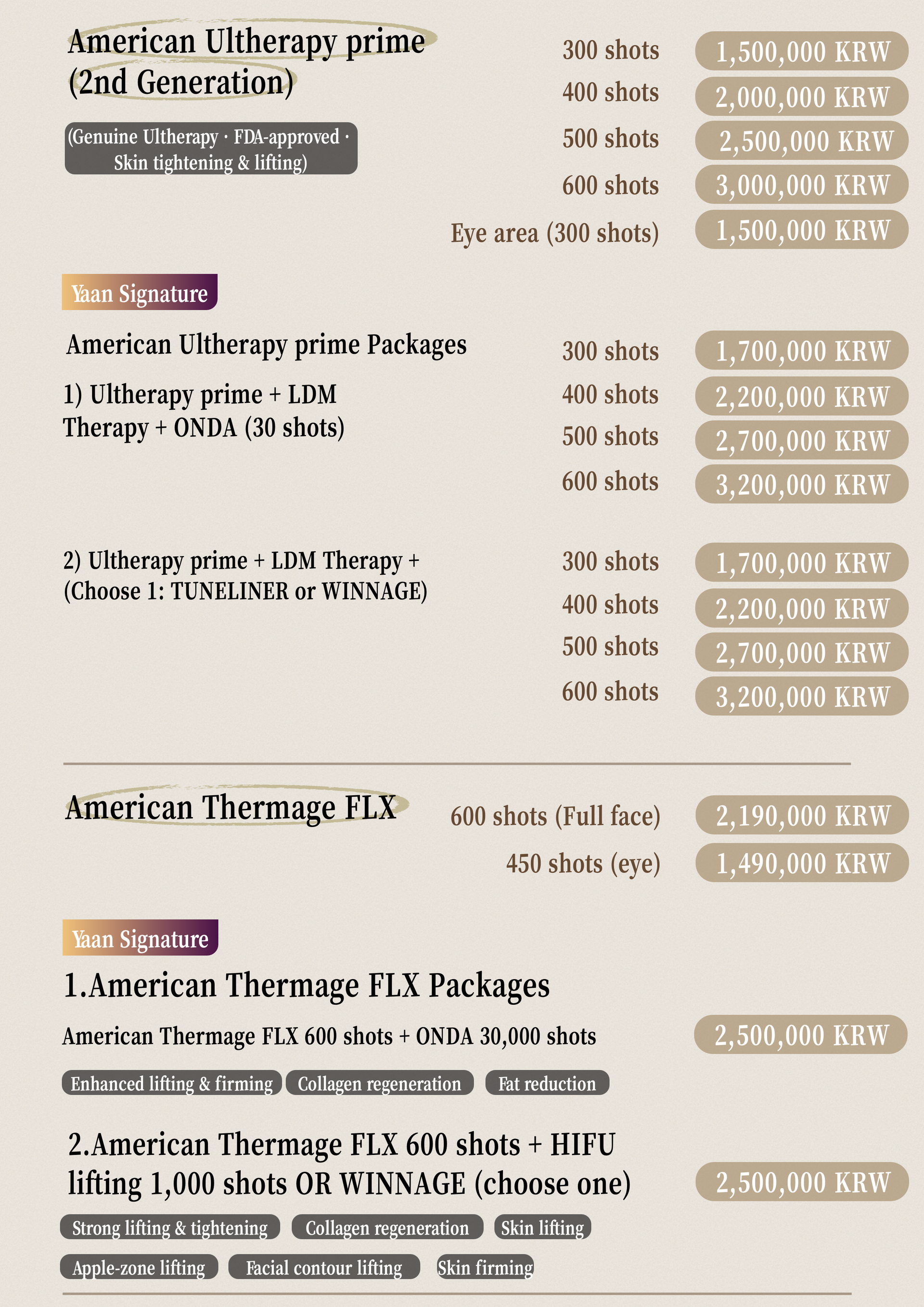
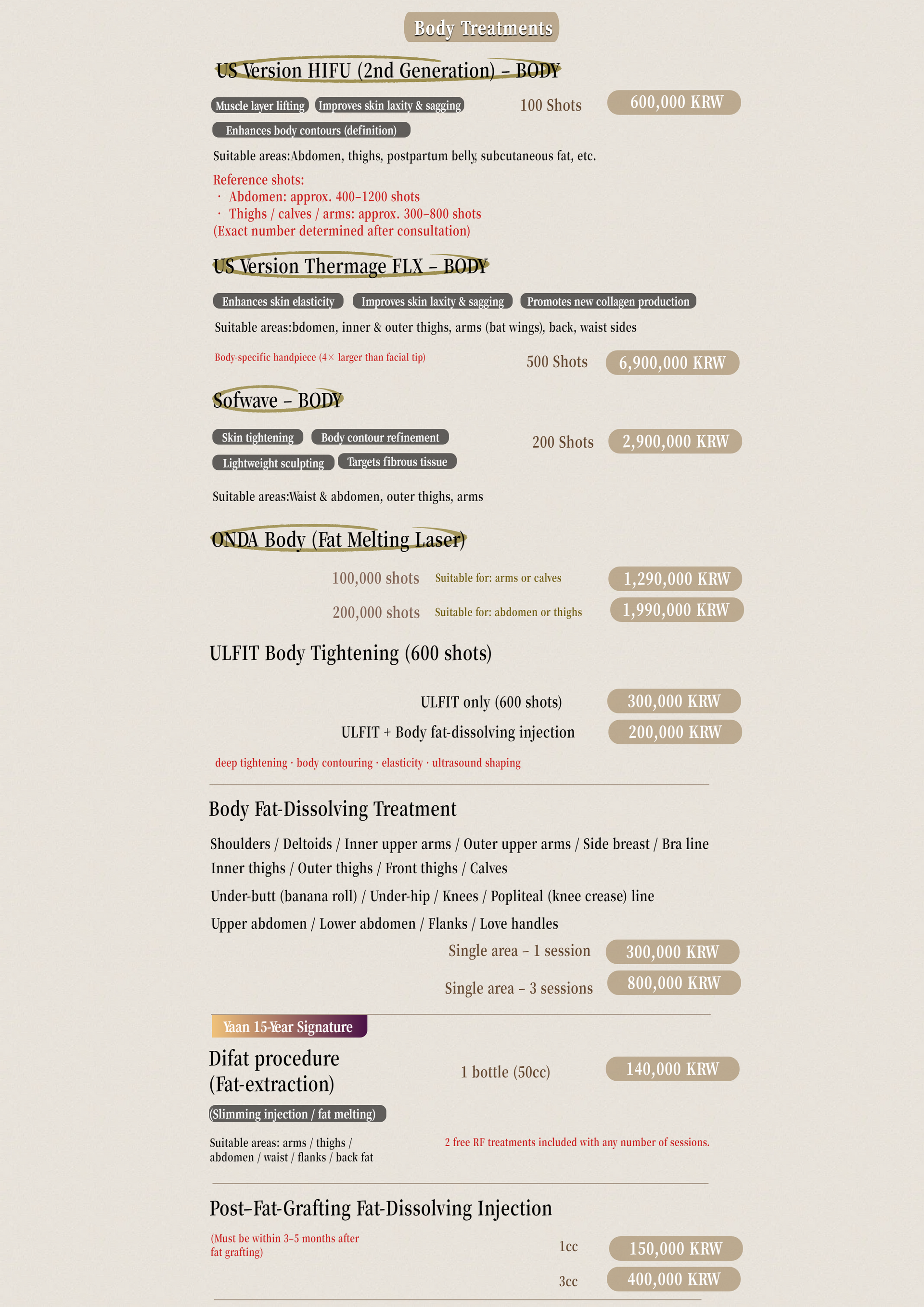
Microfocused ultrasound treatments, including Ultherapy, use focused energy to heat selected tissue depths and stimulate collagen remodeling.
These treatments may improve mild to moderate laxity in carefully selected patients. They are sometimes considered for the area beneath the chin and around the neck.
However, ultrasound-based tightening is not equivalent to a neck lift. It cannot reliably remove substantial excess skin, and the results may be subtle when laxity is pronounced.
Potential adverse effects include discomfort, swelling, tenderness, and, less commonly, burns, nerve-related symptoms, or unwanted changes in facial or neck contour. Appropriate patient selection and technique are important.
3. Thermage and Other Monopolar Radiofrequency Treatments
Thermage uses monopolar radiofrequency energy to heat tissue and stimulate collagen remodeling. It may be considered when reduced skin firmness is the main concern.
For someone in their 40s, the goal is generally a gradual improvement in the appearance of mild laxity rather than a dramatic lift.
Thermage and ultrasound treatments use different technologies, so one should not automatically be considered superior to the other. The appropriate choice depends on the treatment area, skin characteristics, degree of laxity, clinician experience, and your preferences.
Before booking, ask whether the proposed treatment is intended to improve skin texture, tighten mild laxity, or address another concern. These are not interchangeable goals.
4. Laser Treatments for Crepey Skin and Sun Damage
If your neck looks older because of fine wrinkles, uneven pigmentation, or sun-damaged skin, a laser treatment may be more appropriate than a lifting procedure alone.
Certain non-ablative and fractional laser treatments can improve selected skin-texture concerns. More intensive ablative laser resurfacing may offer greater improvement for some wrinkles and sun damage but involves more recovery and a higher risk of complications, including pigment changes and scarring.
Lasers do not reliably correct significant skin excess. Your skin type, pigmentation history, and tolerance for downtime should guide the choice of device and settings.
5. Botox for Vertical Neck Bands
Some people develop prominent vertical bands because of the platysma, a superficial muscle extending across the neck.
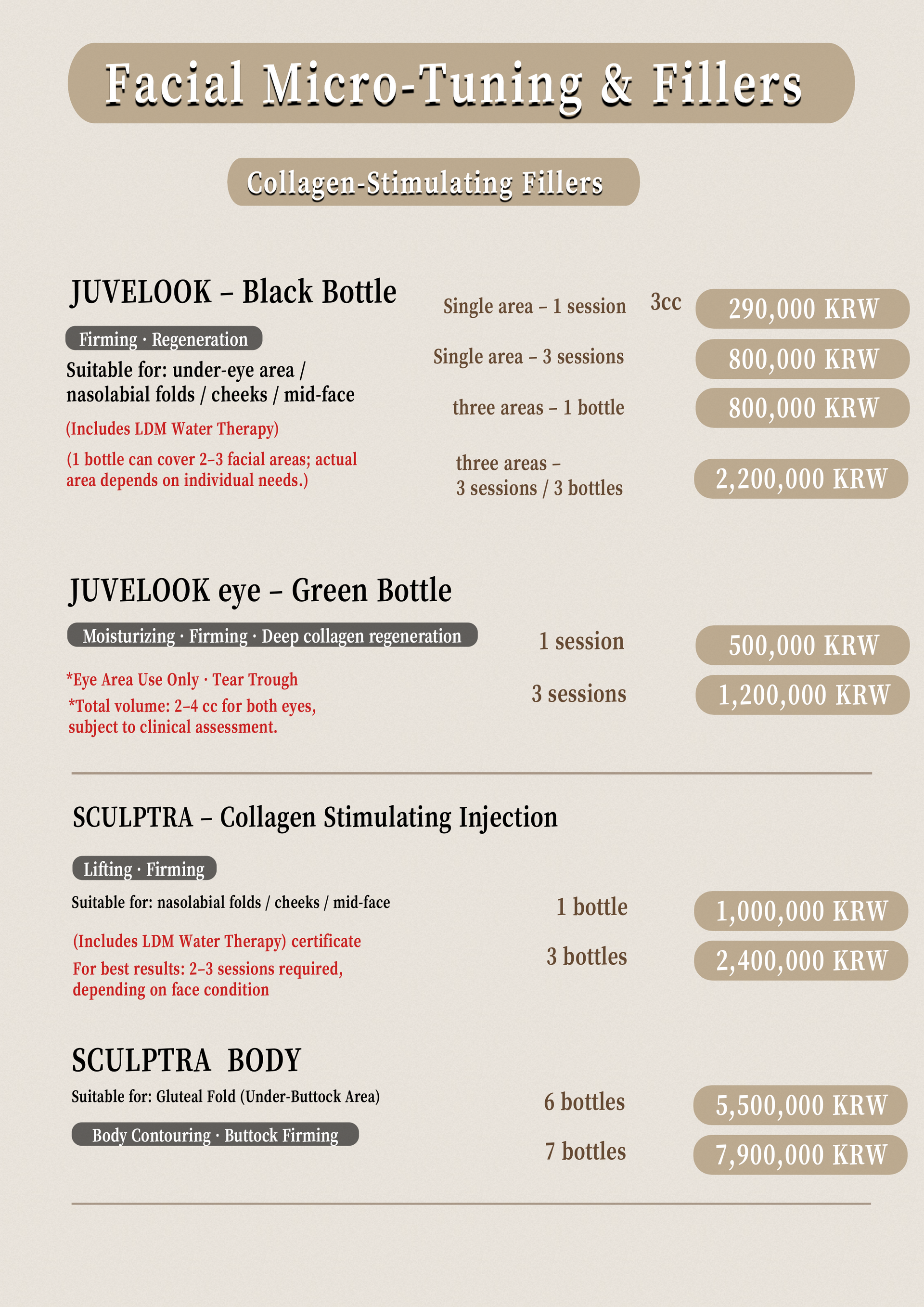
In selected cases, botulinum toxin injections may soften the appearance of these bands. This treatment targets muscle activity rather than loose skin itself.
It is not a substitute for skin tightening and will not remove excess skin or reduce substantial fat beneath the chin.
Because the neck contains important muscles involved in swallowing and other functions, treatment requires detailed anatomical knowledge. Possible complications include temporary weakness, swallowing difficulties, and changes in neck function.
6. Treatments for Fullness Beneath the Chin
If the main concern is fullness rather than loose skin, tightening alone may not achieve the desired contour.
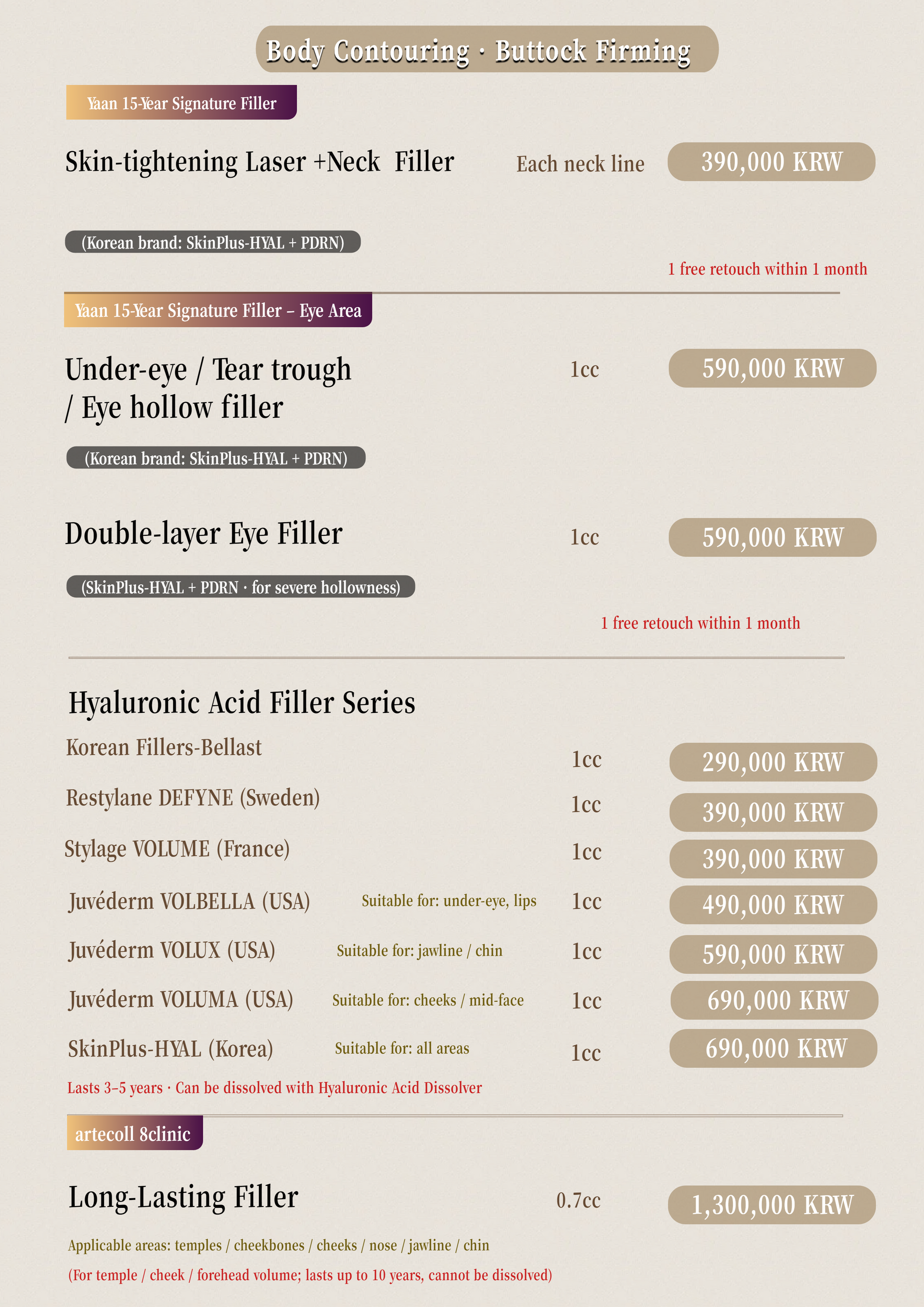
Depending on the cause and your medical suitability, a clinician may discuss treatments designed to reduce submental fat, such as certain injectable or cooling-based procedures. These options have different indications, limitations, and risks.
Fat-reduction procedures do not necessarily tighten loose skin. Reducing fat in someone with significant laxity may even make the skin appear looser.
Your provider should determine whether the fullness comes from fat, skin, muscle, or underlying anatomy before recommending treatment.
Which Treatment Is Best for a 46-Year-Old Woman?
There is no universal best treatment based on age alone. The following examples illustrate how the cause of the concern can guide the discussion.
If You Have Mild Loose Skin
Non-invasive RF or microfocused ultrasound may be reasonable options to discuss. Both aim to stimulate collagen remodeling, but individual results vary.
Ask your clinician which treatment best matches your skin and why it is preferable to alternatives.
If You Have Crepey Skin and Fine Lines
Your main concern may involve skin quality rather than deeper tissue laxity. A suitable laser treatment or another skin-resurfacing approach may be considered, depending on your skin type and tolerance for recovery.
Daily sun protection and appropriate skincare can also support skin health.
If You Have Vertical Neck Bands
A clinician may assess whether muscle activity contributes to the appearance of the bands. Botulinum toxin may be an option in selected cases, but it will not correct all forms of neck aging.
If You Have Significant Loose Skin
If the skin hangs noticeably or there is substantial excess tissue, non-surgical treatments may provide limited improvement. A surgical neck lift generally offers a more substantial correction for appropriate candidates.
You do not have to choose surgery simply because you attend a surgical consultation. Understanding the likely limits of non-surgical treatment can help you make an informed decision.
Can You Combine Neck Treatments?
Sometimes, a combination of treatments is considered because neck aging can involve skin laxity, muscle activity, sun damage, and fat distribution simultaneously.
For example, one treatment may address mild laxity while another targets selected texture concerns. However, combining procedures increases cost and may increase cumulative risks.
A 2022 review of non-surgical neck rejuvenation emphasized that treatment choice depends on the patient's concerns, anatomy, and lifestyle. It discussed different approaches for skin laxity, muscle bands, sun damage, and fullness beneath the chin. <Cite refs={["turn106996search2","turn106996search8"]}/>
A newer 2026 review similarly describes neck rejuvenation as an individualized process that may involve different treatments for volume excess, skin laxity, or structural deficiencies. Its framework is a clinical guide rather than a validated universal protocol. <Cite refs={["turn106996search0","turn106996search3"]}/>
Rather than purchasing a package of procedures immediately, consider starting with a clear diagnosis and a prioritized treatment plan.
What Can You Do at Home to Improve Neck Skin?
Home care cannot remove excess skin or produce a surgical-style lift, but it can help protect skin quality and reduce the appearance of some fine lines.
Consider these practical steps:
- Apply broad-spectrum sunscreen: Protect the neck as well as your face from ultraviolet damage.
- Use a moisturizer: Hydrated skin may look smoother, although the effect is temporary.
- Consider a suitable retinoid: Retinoids may improve some fine wrinkles and signs of photoaging. Introduce them gradually because neck skin can be sensitive.
- Avoid smoking: Smoking contributes to skin aging and can affect skin health.
- Maintain a stable, healthy weight: Repeated substantial weight changes may affect neck contour and skin appearance.
If a product causes persistent burning, redness, or irritation, stop using it and seek medical advice. Skincare should support your treatment plan, not replace an assessment of substantial laxity.
How to Choose a Clinic in Seoul
If you are considering treatment in Seoul, ask the clinic to explain the exact procedure being recommended and what it can realistically achieve.
Before paying, confirm:
- The exact device or injectable treatment being offered.
- The clinician's qualifications and experience with neck procedures.
- The expected improvement for your degree of laxity.
- Potential side effects and contraindications.
- The total cost, including consultation and follow-up.
- What happens if you experience an adverse effect after treatment.
If you are visiting Korea for a short trip, consider whether you will have sufficient time for follow-up. Avoid scheduling treatment solely because it fits your travel dates.
Conclusion
At age 46, you may have several options for improving loose neck skin without surgery. Radiofrequency and ultrasound treatments may provide modest tightening for selected patients, while lasers can address certain wrinkles and sun damage. Botox may help some muscle-related neck bands, and separate treatments may be considered if fullness beneath the chin is the main issue.
The most important step is to identify what is causing the change. Non-surgical procedures are generally more suitable for mild laxity than for substantial excess skin.
A qualified clinician can help you compare the likely benefits, recovery, risks, and costs of each option. If you prefer to avoid surgery, make that preference clear and ask for a realistic non-surgical plan, including its limitations.
Frequently Asked Questions
1. Can loose neck skin be tightened without surgery at age 46?
Mild laxity may improve with selected radiofrequency or ultrasound treatments. The amount of improvement varies, and substantial excess skin is unlikely to respond sufficiently to non-surgical treatment alone.
2. Is Ultherapy or Thermage better for loose neck skin?
Neither is universally better. Both may be considered for selected cases of laxity, but they use different technologies. Your skin condition, anatomy, and treatment goals should guide the choice.
3. How long does non-surgical neck tightening take to work?
Results generally develop gradually as collagen remodeling occurs. The timing and degree of improvement depend on the treatment and individual response. Ask your clinician when results should be assessed.
4. Can neck creams remove sagging skin?
No cream can reliably remove excess skin or create a substantial lift. Moisturizers can temporarily improve the appearance of fine lines, while some topical ingredients may gradually improve skin texture.
5. Will losing weight make my loose neck skin worse?
Weight changes can affect neck contour, but the outcome depends on how much weight is lost, your skin elasticity, and your underlying anatomy. If you are planning significant weight loss, discuss treatment timing with your clinician.
6. What if I have too much loose skin for non-surgical treatment?
If there is substantial excess skin, non-surgical procedures may provide limited results. A consultation with a qualified plastic surgeon can explain whether a neck lift would offer a more meaningful correction, even if you are not currently interested in surgery.