I'm 60 With Loose Neck Skin. Is There Anything Non-Surgical Worth Doing?
If you are 60 and bothered by loose skin around your neck, there are non-surgical treatments that may be worth considering. Ultrasound skin tightening, radiofrequency treatments, selected laser procedures, and certain injectable treatments can improve specific signs of neck aging in suitable patients.
However, the results depend on what is causing the looseness. Mild skin laxity may respond to a non-surgical procedure, while substantial hanging skin, prominent neck bands, or significant muscle changes may require surgery for a more noticeable correction.
At age 60, non-surgical neck tightening can be worthwhile if your expectations match what the treatment can realistically achieve. Your skin condition and neck anatomy matter more than your age alone.
This guide explains which treatments may help, what results to expect, and how to choose a suitable option in South Korea.
Why Does Neck Skin Become Loose at 60?
The neck can develop visible signs of aging because of several changes that occur over time. These changes often happen together, which is why one treatment may not address every concern.
Loss of collagen and elasticity
Collagen and elastin help the skin remain firm and flexible. As their structure changes with age, the skin may become thinner, less elastic, and less able to return to its previous shape.
Sun damage
Repeated ultraviolet exposure contributes to collagen breakdown, uneven pigmentation, fine wrinkles, and reduced skin elasticity. The neck and chest may show these changes because they are often exposed to sunlight but receive less consistent sun protection than the face.
Changes in underlying tissues
Loose neck skin is not always simply a skin problem. Fat beneath the chin, changes in the platysma muscle, reduced support around the jawline, and changes in facial volume can all affect the neck's appearance.
A 2026 review of nonsurgical neck and jawline rejuvenation emphasizes the importance of identifying the main anatomical cause before choosing treatment. Different concerns require different approaches. Source: Journal of Clinical and Aesthetic Dermatology.
Which Non-Surgical Treatments Are Worth Considering?
The following treatments may be appropriate for selected patients. None guarantees a dramatic lift, and not every treatment is suitable for every 60-year-old.
1. Ultrasound Skin Tightening
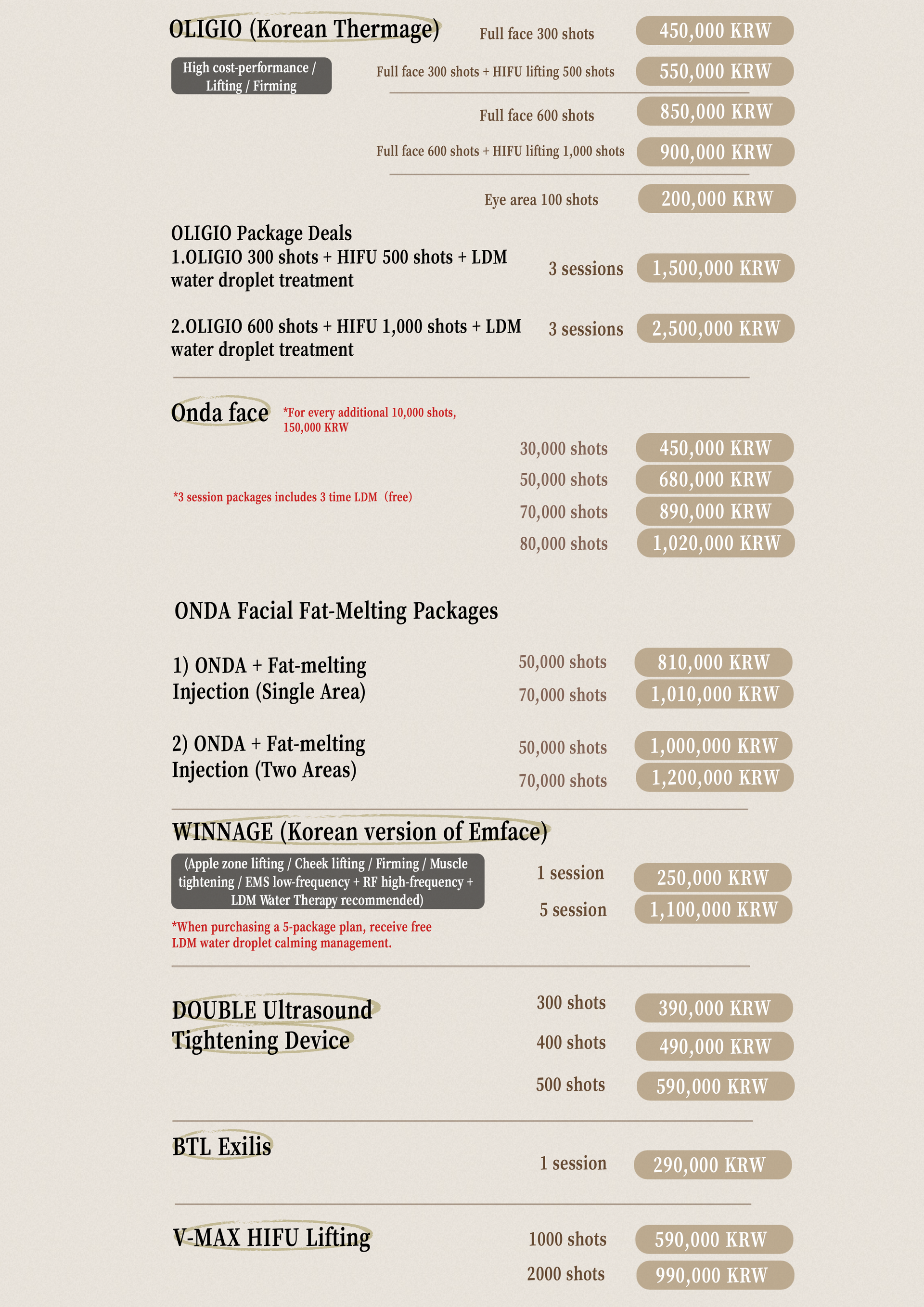
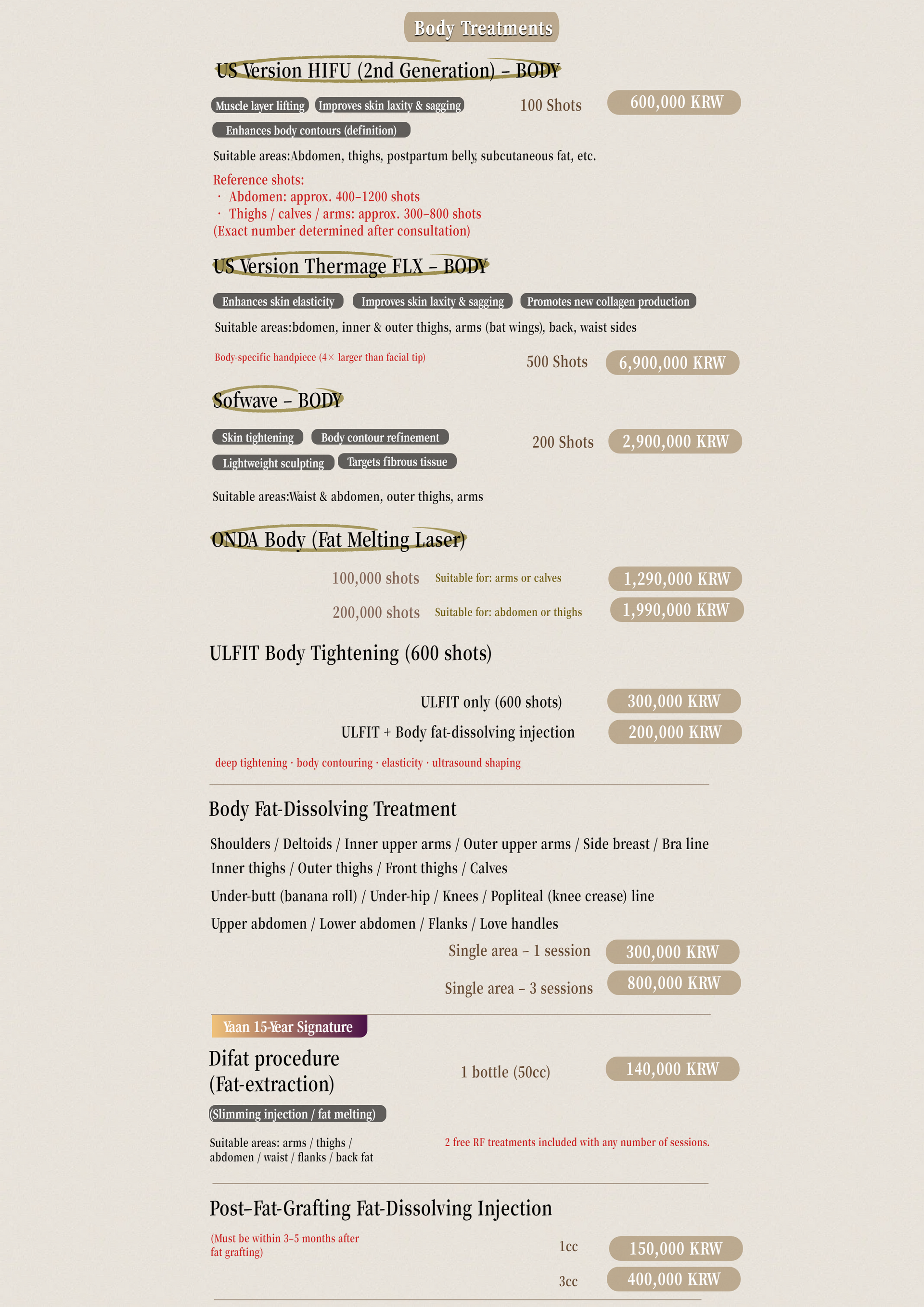
Ultrasound-based treatments deliver energy into targeted tissue layers to stimulate collagen remodeling. Depending on the device and its authorized indications, they may be used to improve mild-to-moderate skin laxity beneath the chin and around the neck.
Potential benefits include a modest improvement in firmness and the appearance of loose skin. Results generally develop gradually over several weeks or months rather than appearing as an immediate surgical-style lift.
The American Academy of Dermatology notes that non-invasive ultrasound skin-tightening treatments typically provide modest improvement, with results often becoming more apparent over two to six months. Individual results vary. Read the AAD guidance.
Ultrasound may be worth discussing if you have mild laxity but do not want surgery. If your neck has substantial excess skin or pronounced muscle bands, the improvement may be limited.
Possible risks include pain, redness, swelling, burns, pigmentation changes, and, with inappropriate treatment or technique, nerve injury or unwanted fat loss.
2. Radiofrequency Skin Tightening
Radiofrequency (RF) treatments use electrical energy to heat tissue and encourage collagen remodeling. Depending on the device, treatment may be non-invasive or involve needles.
Non-invasive RF may be considered for selected cases of mild skin laxity. Radiofrequency microneedling combines needles with RF energy to deliver controlled heating at selected depths and may help improve skin texture and firmness.
The appropriate option depends on your skin thickness, the amount of laxity, the treatment area, and your medical history.
RF treatments may cause temporary redness, swelling, tenderness, or other skin reactions. More invasive RF procedures can have additional risks, including burns, scarring, infection, and unwanted changes in underlying fat.
Ask your clinician which type of RF device they intend to use. A treatment described simply as “radiofrequency tightening” does not tell you how invasive it is or what results to expect.
3. Laser Treatments for Crepey Neck Skin
If your main concern is fine wrinkles, sun damage, or crepey texture rather than hanging skin, a dermatologist may discuss laser treatment.
Some lasers target pigmentation and visible sun damage, while resurfacing lasers can improve selected surface irregularities and fine wrinkles. Fractional treatments create controlled areas of thermal injury that stimulate a healing response.
Laser treatment is not the same as removing excess skin. It may improve texture and selected signs of aging without substantially lifting a loose neck.
Downtime and risks depend on the laser type, settings, and skin characteristics. Redness, swelling, prolonged irritation, infection, scarring, and pigmentation changes are possible. People prone to post-inflammatory hyperpigmentation need careful treatment planning.
A dermatologist should assess whether the expected benefit is worth the recovery period, particularly if your skin is thin or fragile.
4. Injectable Treatments for Neck Bands and Lines
Some visible neck changes are caused partly by muscle activity or horizontal lines rather than loose skin alone.
A qualified clinician may consider botulinum toxin injections for selected patients with prominent platysmal bands. These injections temporarily reduce muscle activity; they do not remove excess skin or reliably correct significant laxity.
Fillers may sometimes be considered for specific horizontal neck lines or volume-related concerns, depending on the product and anatomy. They require particular care because injections in the neck have their own risks.
Possible complications include bruising, swelling, asymmetry, and unwanted effects on nearby muscles. Botulinum toxin injections in the neck can also cause swallowing difficulties or other functional complications if improperly selected or administered.
These treatments should be performed by an appropriately qualified medical professional who understands neck anatomy and the relevant product-specific risks.
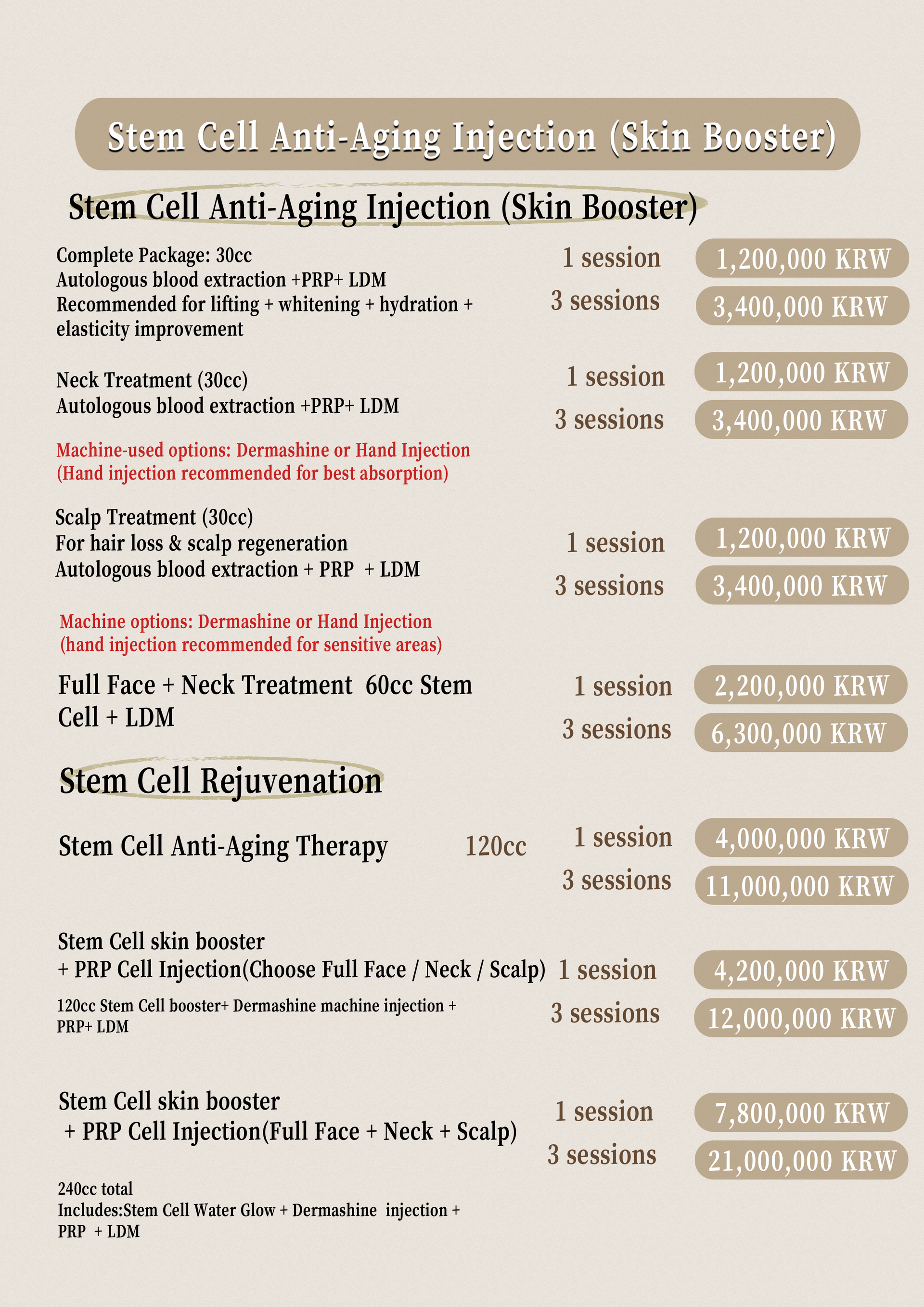
5. Skin Boosters and Hydration Treatments
If the neck looks dry, finely wrinkled, or crepey, a clinician may discuss injectable skin-quality treatments. Some products are intended to improve hydration or selected aspects of skin texture.
The likely benefit depends on the product, the treatment method, and the cause of the skin changes. Hydration-related improvement may make fine lines less noticeable, but it should not be confused with a substantial lift.
Skin boosters cannot reliably remove excess skin or correct prominent neck bands. Evidence also varies between products, so ask for the exact product name, its authorized indications, and the evidence supporting its use.
As with other injections, risks include bruising, swelling, infection, lumps, and, with certain injectable products, rare but serious vascular complications.
6. Can Creams Tighten Loose Neck Skin?
A moisturizer can temporarily make dry skin appear plumper, helping fine lines look less noticeable. Sunscreen helps prevent further UV damage, while some retinoid products may gradually improve fine wrinkles and aspects of photoaging.
However, creams cannot remove hanging skin or produce the degree of lifting associated with a neck lift. The American Academy of Dermatology notes that skin-firming creams generally produce subtle results at best. Read the AAD's treatment overview.
A practical daily routine includes:
- A gentle cleanser that does not leave the skin tight or irritated.
- A fragrance-free moisturizer suited to your skin.
- Broad-spectrum sunscreen with SPF 30 or higher on exposed neck skin.
- Gentle introduction of any retinoid, if a clinician considers it appropriate.
If your skin bruises easily, tears, or becomes unexpectedly thin, seek medical advice before starting aggressive products or procedures.
When Are Non-Surgical Treatments Not Enough?
Non-surgical treatment may have limited value when the neck has substantial excess skin, pronounced platysmal bands, or significant changes in the underlying tissues.
A surgical neck lift may offer a more substantial correction for selected patients because it can address excess skin and, depending on the procedure, underlying muscle changes. It also involves greater risks, cost, and recovery time.
You do not need to decide on surgery simply because you are 60. A consultation with a qualified plastic surgeon can help you understand whether your concern is likely to respond to a non-surgical approach or whether surgery would provide a more meaningful result.
Getting Neck Skin Treatment in South Korea
South Korea offers a wide range of dermatology and aesthetic procedures. If you are considering treatment in Seoul, ask the clinic to assess your neck before recommending a device or injectable.
Before booking, confirm:
- The main cause of the looseness: Is it skin laxity, excess fat, muscle bands, skin texture, or a combination?
- The exact treatment: Ask for the device or product name, treatment area, and intended outcome.
- The clinician's qualifications: Confirm who will evaluate you, perform the procedure, and manage complications.
- Realistic results: Ask what degree of improvement is reasonable for your neck and how long results may take to appear.
- Risks and aftercare: Discuss recovery, possible complications, and follow-up arrangements.
If you are traveling from overseas, arrange enough time for any necessary review and ask how complications would be managed after you return home. Avoid choosing a clinic solely because it promises dramatic tightening in one visit.
Conclusion: Is Non-Surgical Neck Tightening Worth It at 60?
Yes, it can be worth considering if your neck has mild-to-moderate skin laxity, fine wrinkles, or selected texture concerns. Ultrasound, radiofrequency, laser treatments, and certain injectables may improve specific signs of aging in carefully selected patients.
The important limitation is that non-surgical treatments generally cannot remove substantial excess skin or reproduce the results of a surgical neck lift.
Start by identifying what is actually causing your neck to look loose. A qualified clinician can then help you compare the likely benefits, risks, recovery time, and cost of the available options.
The best treatment is not necessarily the most powerful or expensive one. It is the option that fits your anatomy and gives you a realistic chance of achieving the improvement you want.
Frequently Asked Questions
1. What is the best non-surgical treatment for loose neck skin at 60?
There is no single best option. Ultrasound or RF may help selected cases of mild-to-moderate laxity, while laser treatments may be more suitable for surface texture and fine wrinkles. Significant excess skin may require a surgical consultation.
2. Can ultrasound tighten a 60-year-old's neck?
It may provide modest improvement in appropriately selected patients. Results depend on skin condition, anatomy, the device, and treatment technique. It will not reliably remove substantial hanging skin.
3. Is radiofrequency safe for older neck skin?
It can be appropriate for some patients, but safety depends on the type of RF device, treatment settings, skin condition, and clinician expertise. Ask about risks such as burns, scarring, and unwanted fat changes, particularly with more invasive procedures.
4. Can neck creams remove loose skin?
No cream can remove excess skin or provide a surgical-style lift. Moisturizers may temporarily improve the appearance of dryness, and some retinoids may gradually soften fine wrinkles.
5. How long do non-surgical neck-tightening results last?
Results vary by treatment and individual. Some energy-based treatments may provide improvement lasting months or longer, but aging continues and maintenance may be discussed. Ask your clinician about evidence for the specific device and treatment plan.
6. Should I choose a neck lift instead?
A surgical neck lift may be worth discussing if you have substantial excess skin or pronounced muscle bands and want a more noticeable change. A qualified surgeon can explain the likely benefits, limitations, risks, and recovery compared with non-surgical alternatives.