What Is Better for Pores: Rejuran, Juvelook or Potenza?
Enlarged pores can make the skin look uneven, especially around the nose, cheeks, and forehead. If you are considering Korean dermatology treatments, three options you may encounter are Rejuran, Juvelook, and Potenza.
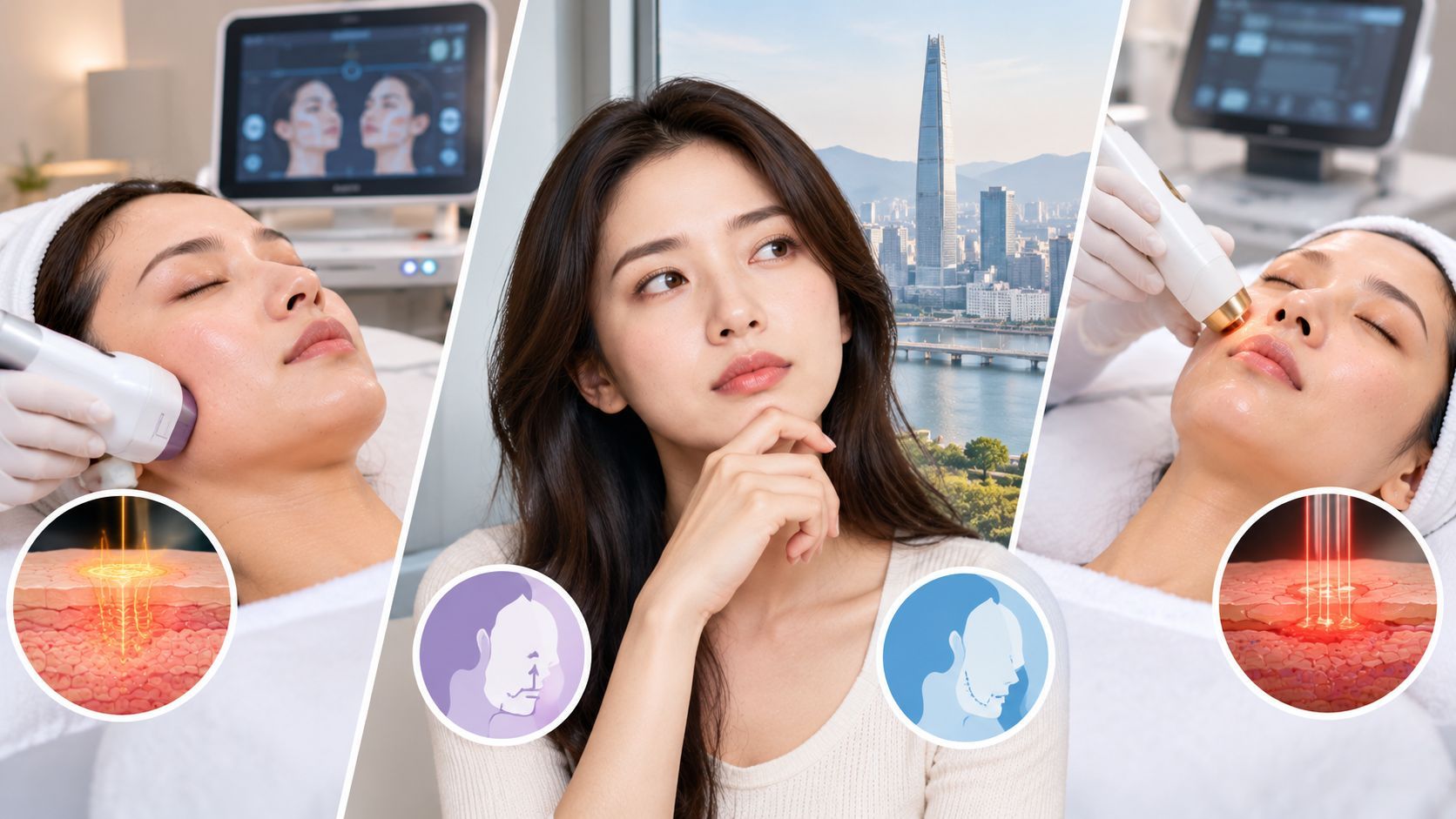
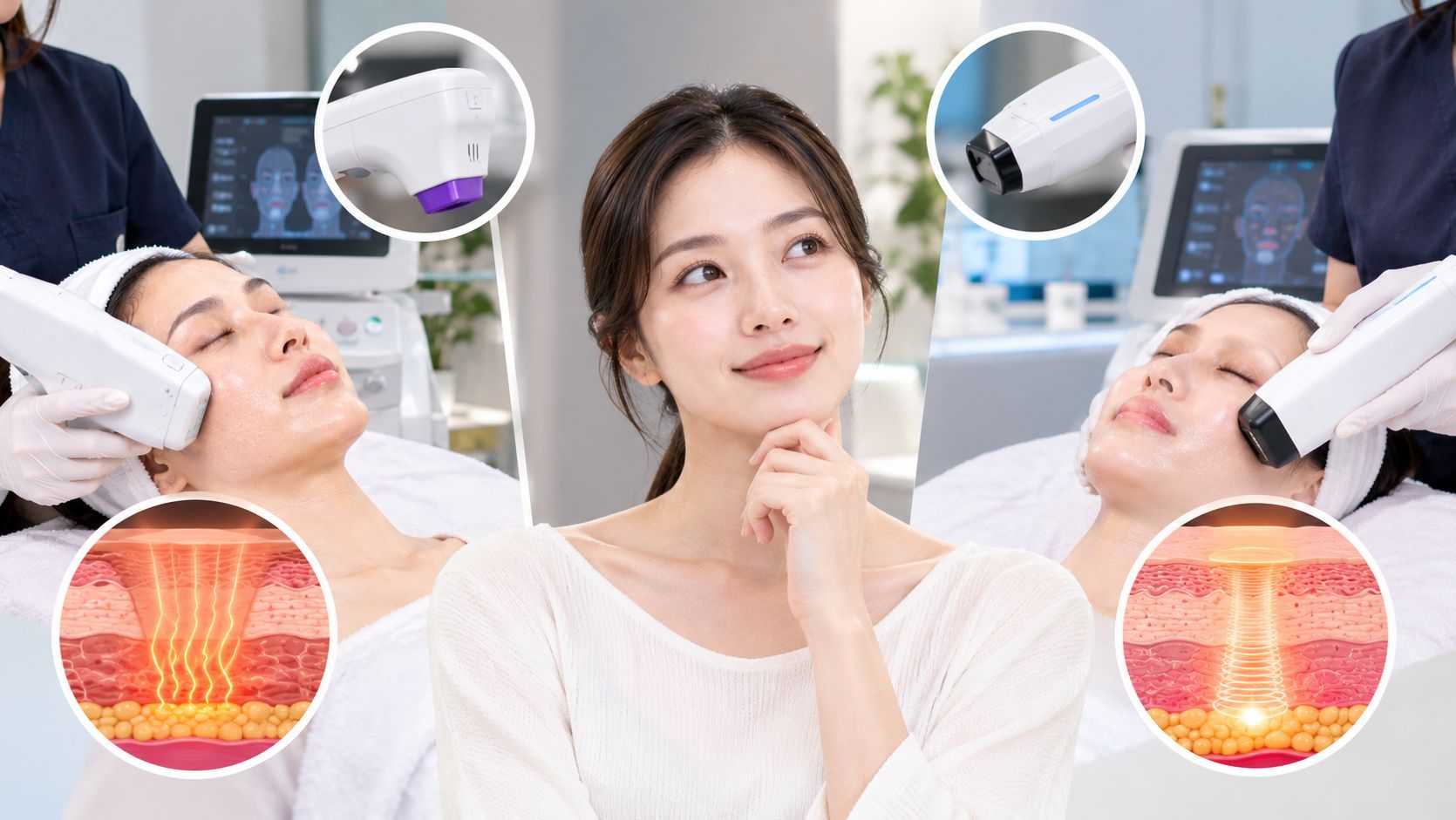
Although all three may be discussed for skin rejuvenation, they work differently. Rejuran is a polynucleotide-based injectable, Juvelook combines PDLLA with hyaluronic acid, and Potenza uses radiofrequency microneedling to deliver controlled energy into the skin.
There is no single best treatment for every type of enlarged pore. Rejuran or Juvelook may be considered for selected skin-quality concerns, while Potenza may be more relevant when enlarged pores accompany acne scars or uneven texture. The right choice depends on the cause of the pores, your skin condition, and your tolerance for downtime.
Why Do Pores Look Enlarged?
Pores are normal openings in the skin. Their visibility varies with genetics, oil production, hair follicle size, acne history, sun exposure, and changes in skin elasticity.
Common reasons pores appear more noticeable include:
- Excess oil production: Sebum can make pores look more prominent, particularly around the nose and forehead.
- Loss of skin elasticity: Age-related changes may make pore openings appear more visible.
- Acne and scarring: Previous inflammation can leave uneven texture and depressions that resemble enlarged pores.
- Blocked pores: Oil and dead skin cells may contribute to visible congestion.
- Sun damage: Cumulative ultraviolet exposure can affect the skin's supporting structure and texture.
A treatment that helps one cause may have limited effects on another. For example, a procedure intended to improve skin texture will not necessarily control excess oil, and neither injections nor energy-based treatments can permanently remove normal pores.
1. Rejuran for Enlarged Pores
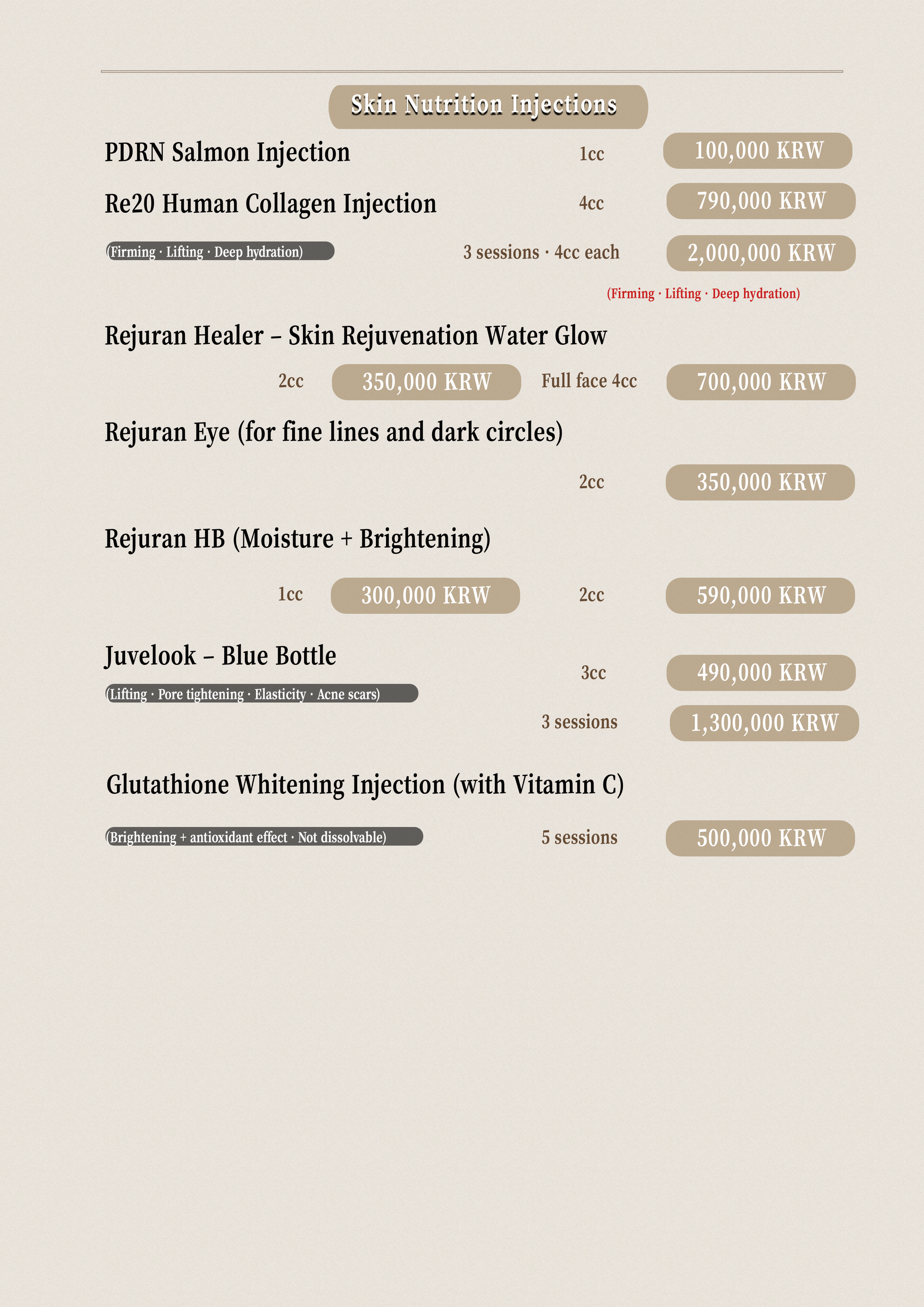
Rejuran is a Korean injectable treatment based on polynucleotides (PN). It is used in aesthetic medicine for concerns such as fine lines, uneven texture, and changes in skin quality.
How might Rejuran help pores?
A dermatologist may consider Rejuran when enlarged-looking pores occur alongside:
- Fine lines and uneven skin texture.
- Early changes in skin elasticity.
- Skin that looks rough or less smooth.
- Age-related changes in overall skin quality.
The proposed goal is to improve the appearance and condition of the surrounding skin rather than physically close the pores.
Some clinical studies have reported improvements in texture and other skin measurements after polynucleotide injections. However, the overall research remains limited, and the degree of improvement in enlarged pores is not guaranteed.
Who may benefit most?
Rejuran may be worth discussing if your main concern is general skin quality and visible pores are only one part of the problem.
It may be less suitable as the only treatment when pores are primarily related to persistent oiliness, deep acne scars, or substantial textural irregularities.
Common temporary side effects include injection discomfort, redness, swelling, bruising, and small bumps. The number of sessions and the expected results should be discussed with your dermatologist.
2. Juvelook for Enlarged Pores and Uneven Texture
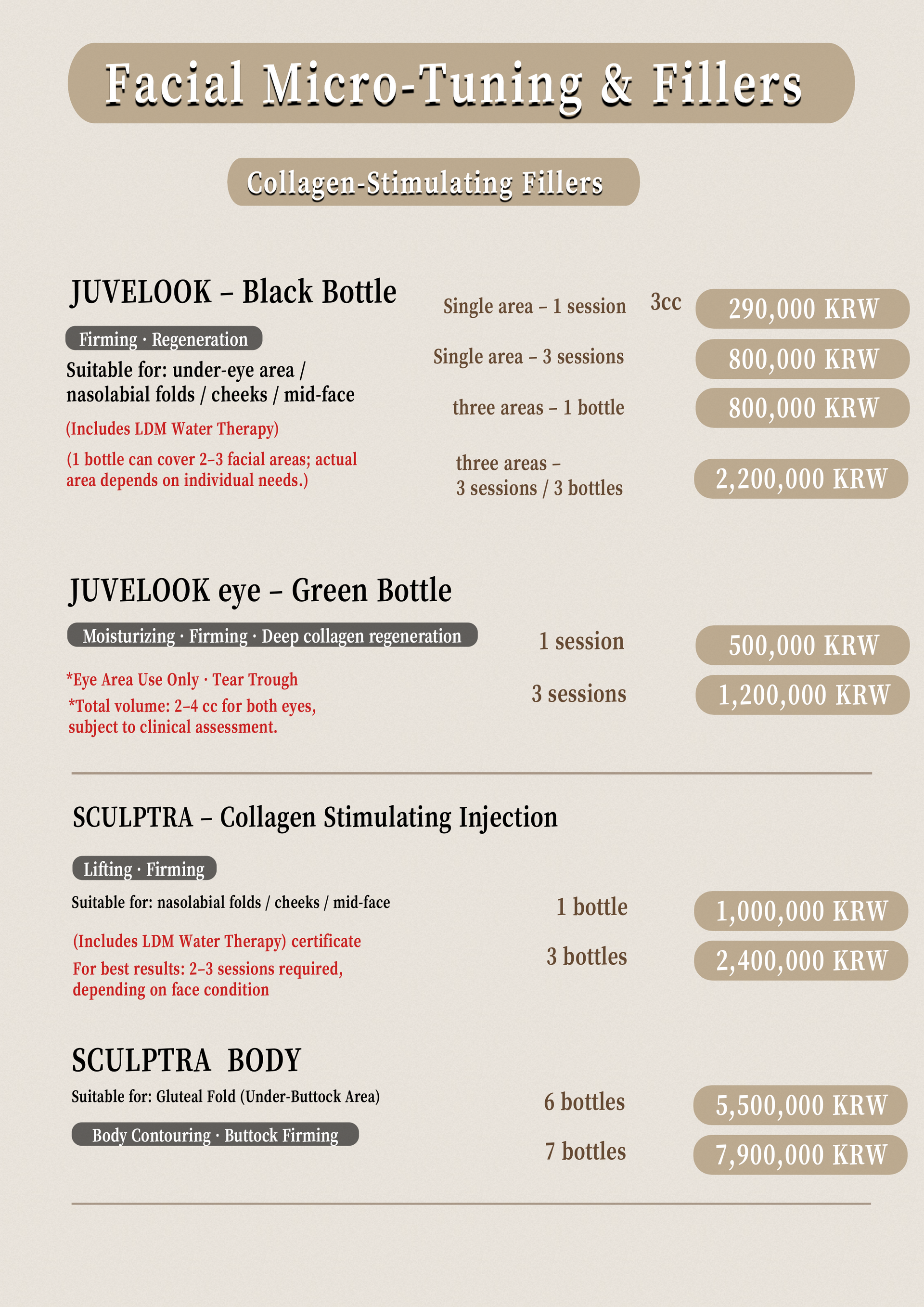
Juvelook combines poly-D,L-lactic acid (PDLLA) with hyaluronic acid. It is used in aesthetic medicine to target selected skin-quality concerns through hydration and a longer-term tissue response.
How might Juvelook help?
A dermatologist may discuss Juvelook when enlarged pores appear alongside:
- Uneven skin texture.
- Fine lines.
- Early changes in firmness.
- Selected acne-related textural concerns.
However, the exact technique matters. Evidence from a study using Juvelook applied topically after microneedling cannot automatically be used to predict the results of Juvelook delivered through a different injection method.
That distinction is important because the formulation, treatment depth, delivery method, and clinical goal all influence how a procedure should be evaluated.
Is Juvelook better than Rejuran for pores?
Neither can be considered universally superior based on current evidence.
Rejuran is a polynucleotide-based injectable, while Juvelook contains PDLLA and hyaluronic acid. Both may be discussed as part of a skin-quality treatment plan, but they have different compositions and potential risks.
If pores are your main concern, ask your dermatologist whether the proposed product has evidence for your specific pore pattern rather than relying on general claims about collagen stimulation.
3. Potenza for Enlarged Pores
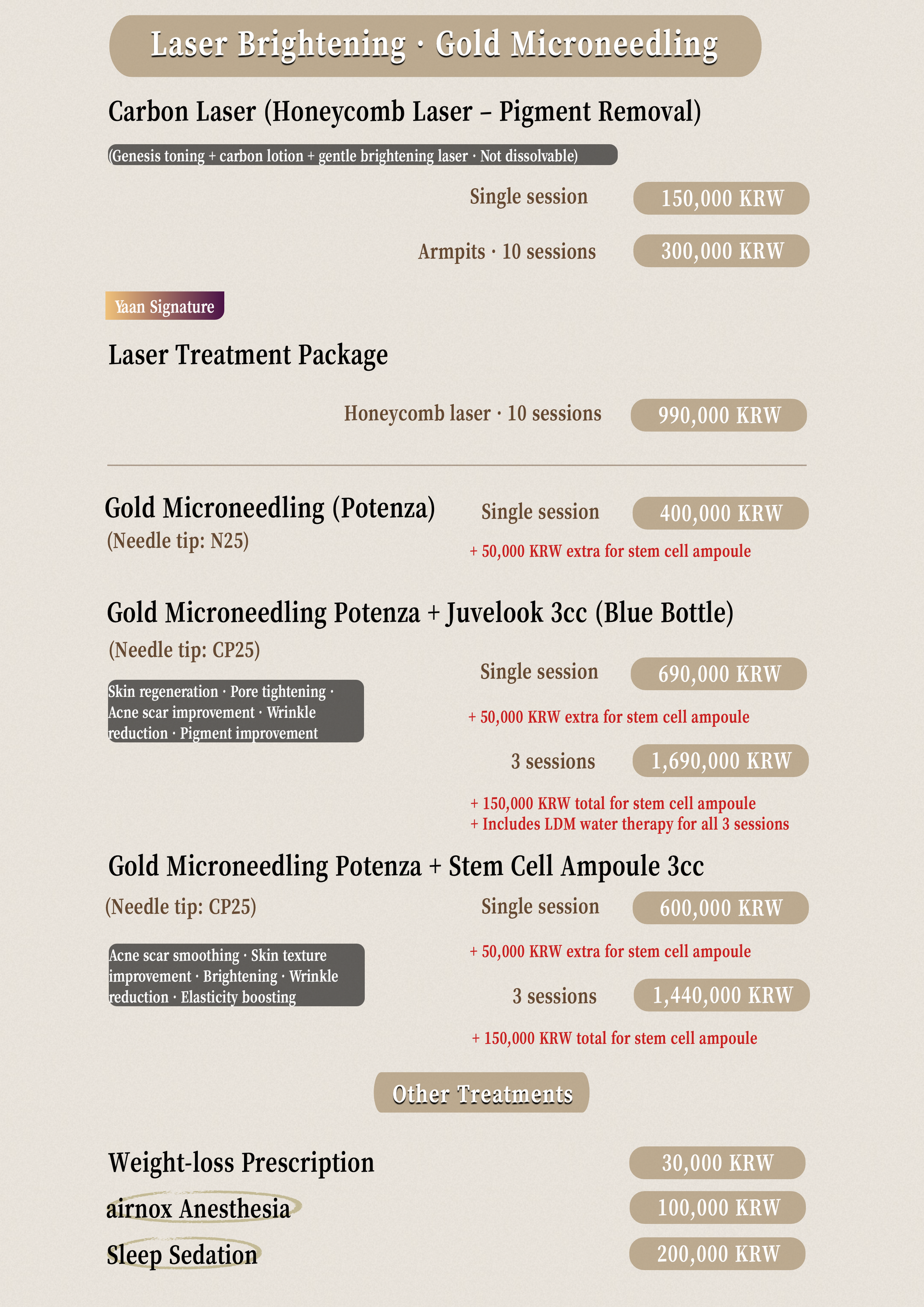
Potenza is a radiofrequency microneedling treatment. It uses fine needles to deliver radiofrequency energy into targeted skin layers, creating controlled tissue effects intended to support remodeling.
Unlike injectable skin boosters, Potenza uses an energy-based device rather than relying on an injected skin-booster formulation.
When might Potenza be a better option?
A dermatologist may consider radiofrequency microneedling when enlarged pores are associated with:
- Uneven skin texture.
- Atrophic acne scars.
- Certain changes in skin firmness.
- Textural irregularities that extend beyond the pore openings themselves.
Clinical research on radiofrequency microneedling has reported improvements in skin texture and some acne-scar outcomes. Nevertheless, results vary according to the indication, device settings, treatment plan, and individual skin response.
What are the limitations?
Potenza does not permanently eliminate pores, and it may not be the first choice for every person with oily skin or mild pore visibility.
Potential side effects include pain, redness, swelling, pinpoint bleeding, and temporary irritation. Burns, infection, pigment changes, and scarring are possible complications of energy-based procedures, particularly if the treatment is unsuitable or performed incorrectly.
People with darker skin tones should discuss their risk of post-inflammatory hyperpigmentation and the provider's experience treating similar skin types. Appropriate settings and aftercare are important.
4. Which Treatment Should You Consider for Your Skin?
The most useful way to choose is to identify the main reason your pores are visible.
If you have oily skin and visible pores
Oil control may be more important than collagen-focused injections. A dermatologist may recommend suitable skincare or acne treatments first. Adding a skin booster without addressing excess oil may not deliver the improvement you expect.
If you have pores and fine lines
Rejuran may be worth discussing if overall skin texture and fine lines are also concerns. Juvelook may be another option in selected cases. The choice should depend on the treatment area, product formulation, and clinical assessment.
If you have pores and acne scars
Potenza or another resurfacing approach may be more relevant when the problem includes depressed scars and uneven texture. Skin boosters alone are unlikely to correct substantial scarring.
If your pores look larger as your skin ages
Reduced elasticity may contribute to the appearance of pores. A dermatologist may discuss a skin-quality injectable, an energy-based procedure, or a combination plan. Combining treatments is not automatically better, however, and the risks of each procedure must be considered.
If you want minimal downtime
None of these treatments is completely free of recovery time. Injectable treatments can cause visible bumps, bruising, or swelling, while radiofrequency microneedling may produce redness and swelling for several days.
Your skin's response, the treatment intensity, and the provider's technique all affect recovery. If you have an important event, leave enough time for your skin to settle.
5. Can You Combine Rejuran, Juvelook, and Potenza?
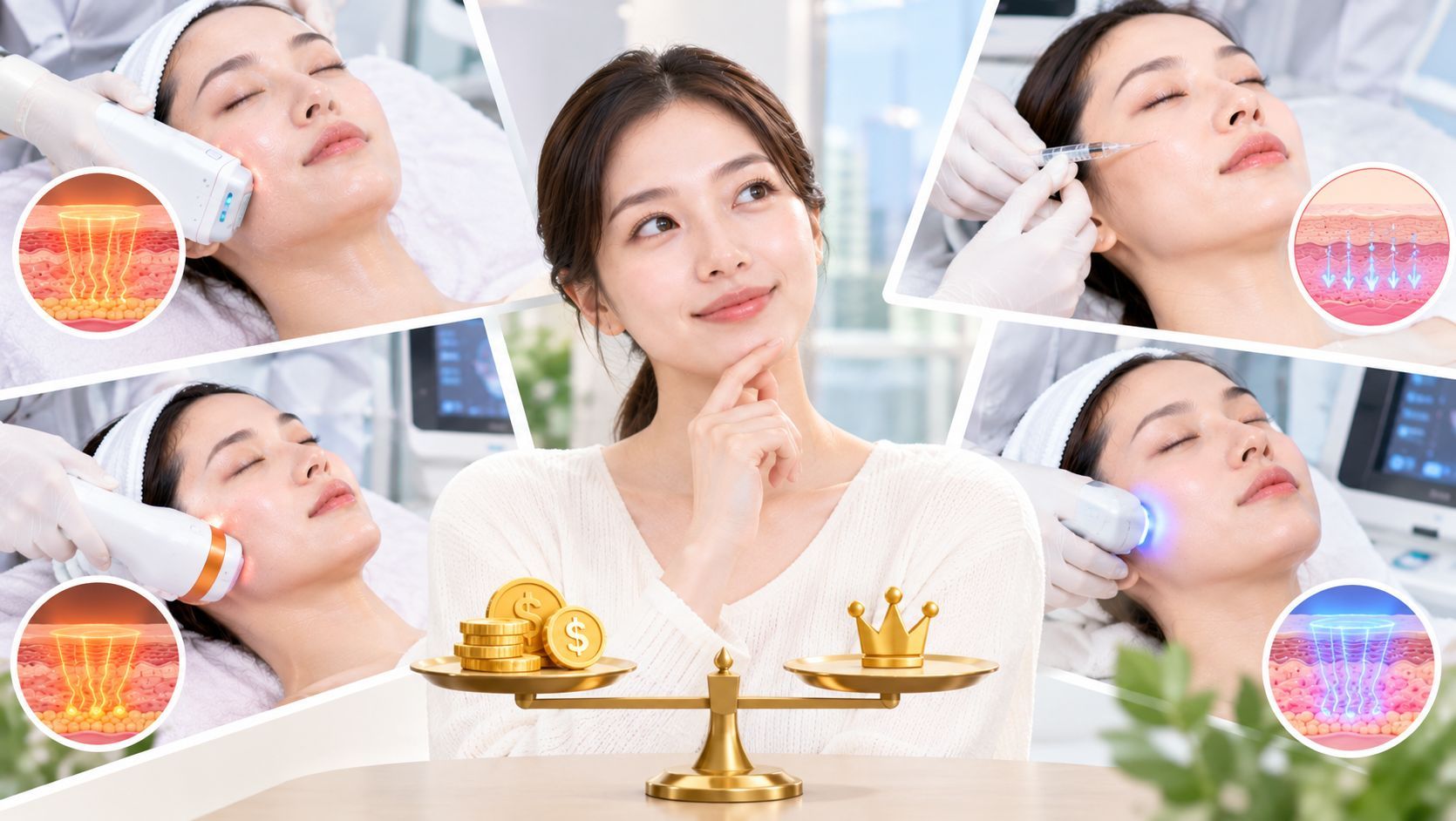
Some dermatologists combine injectable treatments with energy-based procedures as part of a personalized skin-rejuvenation plan. However, combining all three treatments is not necessary for most people, and evidence does not establish one universal combination for enlarged pores.
A clinician should consider your skin barrier, acne activity, sensitivity, pigmentation risk, previous procedures, and recovery schedule before recommending multiple treatments.
Ask whether one treatment should be performed first, how long to wait before another procedure, and whether the combination has a clear purpose for your particular concern.
Do not assume that more procedures will produce better results. An appropriately selected single treatment may be more reasonable than an unnecessarily complicated plan.
6. What Should You Do Before Treatment in Korea?
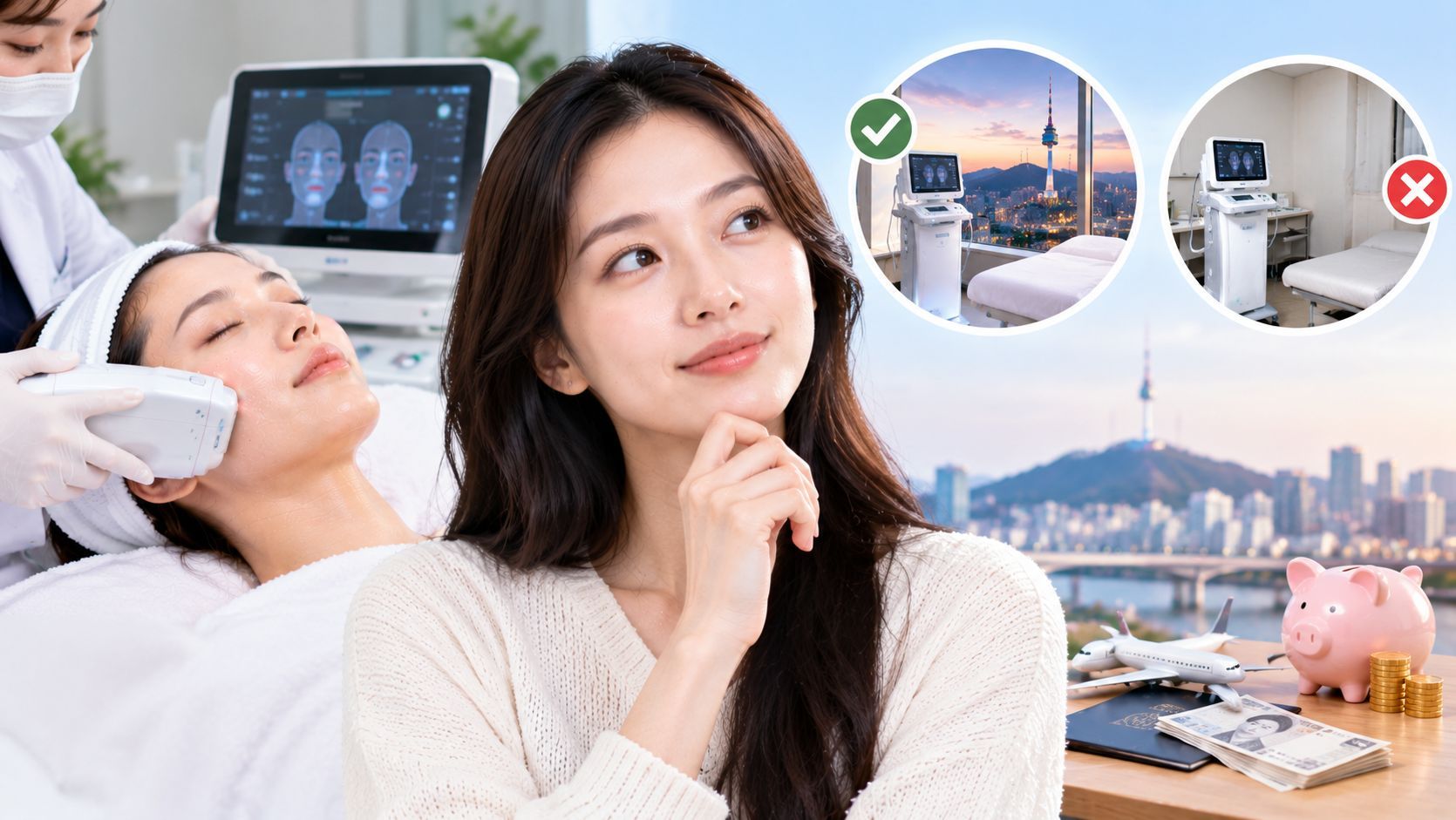
If you are considering treatment in Seoul, schedule a proper consultation before agreeing to an injection or device procedure.
Ask your dermatologist:
- What is the main cause of my enlarged pores?
- Are acne scars, oil production, or reduced elasticity contributing?
- What improvement can I realistically expect?
- Which product or device will be used?
- How many sessions might be needed?
- What are the risks for my skin type?
- What aftercare and follow-up will I need after returning home?
Choose a qualified medical professional who can explain the procedure, alternatives, and possible complications. Avoid treatment immediately before an important event, and make sure you can access medical advice if a complication develops after your trip.
Conclusion: Rejuran, Juvelook or Potenza for Pores?
The best option depends on why your pores look enlarged.
Rejuran may be considered for overall skin quality and fine lines. Juvelook may be discussed for selected texture and collagen-related concerns. Potenza may be more relevant when pores occur with acne scars or uneven texture.
None permanently removes pores, and the evidence does not establish one treatment as the best choice for everyone. Start with a dermatologist's assessment, address oiliness or acne where relevant, and choose a treatment based on your specific skin concerns rather than popularity alone.
Frequently Asked Questions
1. Is Rejuran good for enlarged pores?
Rejuran may be considered when enlarged-looking pores occur alongside uneven texture or reduced elasticity. Evidence is still developing, so the degree of improvement cannot be guaranteed.
2. Is Juvelook better than Rejuran for pores?
There is insufficient high-quality comparative evidence to say that Juvelook is consistently better than Rejuran. The most appropriate choice depends on the cause of the pores, the formulation, and the treatment method.
3. Does Potenza permanently close pores?
No. Pores are normal skin structures and cannot be permanently eliminated. Potenza may improve selected texture concerns, but the outcome varies and maintenance skincare may still be needed.
4. Which treatment is best for pores caused by acne scars?
Radiofrequency microneedling or another scar-focused procedure may be more relevant when depressions and uneven texture are present. A dermatologist should assess the type and depth of scarring before selecting treatment.
5. Which treatment has the least downtime?
Downtime varies by person and treatment intensity. Injectable treatments can cause swelling, bruising, or visible bumps, while Potenza can cause redness, swelling, and irritation. Your provider should explain the likely recovery period for the exact procedure.
6. Can skincare improve enlarged pores without injections?
Yes. Appropriate cleansing, non-comedogenic moisturizers, sunscreen, and selected ingredients such as retinoids or salicylic acid may help reduce pore visibility, depending on the cause. Introduce active ingredients carefully to avoid irritation.