Is Sofwave Better Than Ultherapy for Someone in Their 30s?
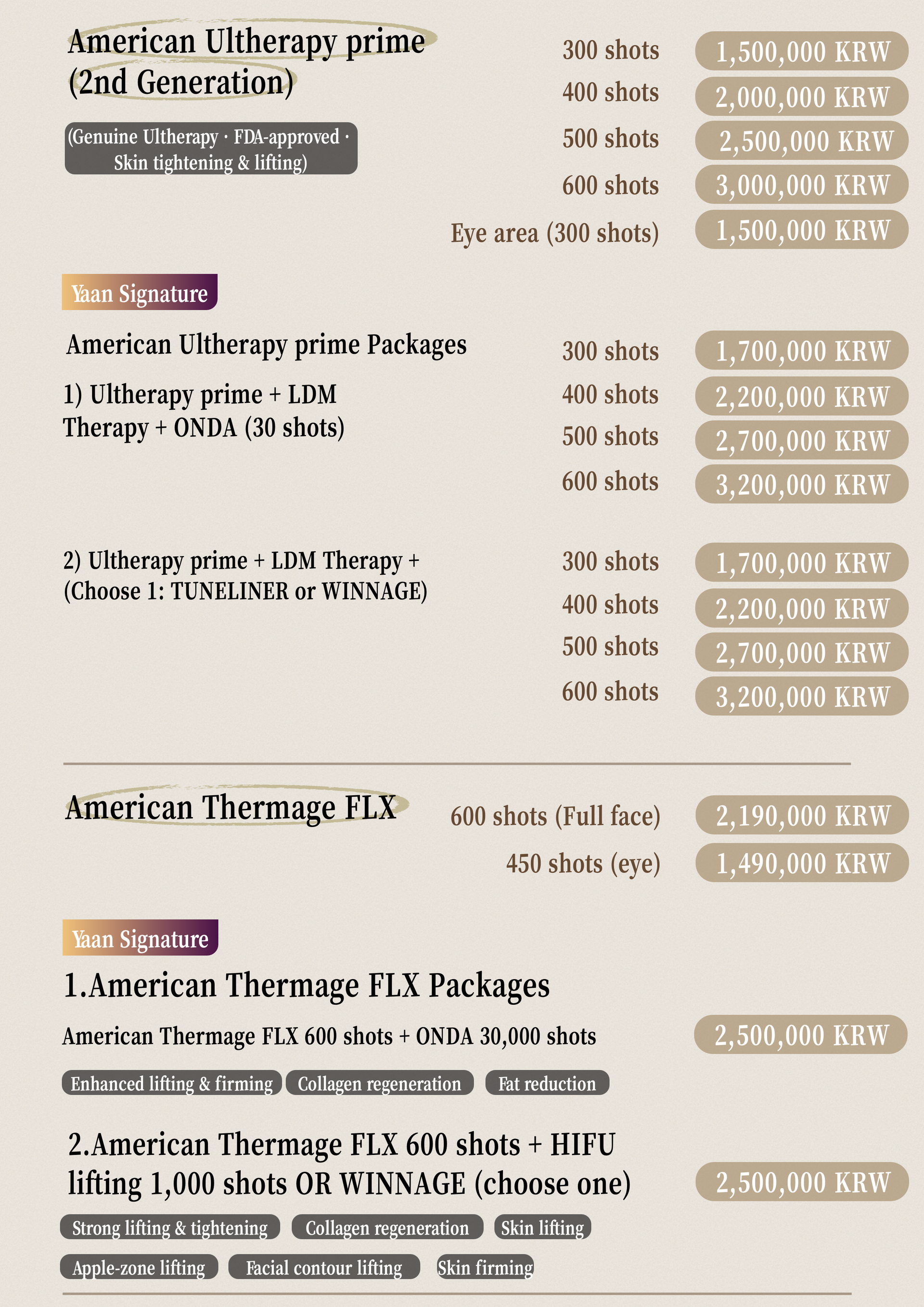
If you're in your 30s and starting to notice fine lines, mild skin laxity, or less firmness around your cheeks and jawline, you may be considering Sofwave or Ultherapy. Both are non-surgical ultrasound-based treatments designed to improve selected signs of skin aging, but they deliver energy differently and target different tissue depths.
Sofwave may be worth considering if your main concern is fine lines and mild skin laxity, while Ultherapy may be appropriate when a deeper, more targeted lifting effect is desired. Neither treatment is automatically better simply because you are in your 30s. The right choice depends on your facial anatomy, skin condition, treatment goals, and tolerance for discomfort and risk.
Before choosing either procedure at a Korean dermatology clinic, it is important to understand how each device works, what results are realistic, and whether you need an energy-based treatment at all.
What Is the Difference Between Sofwave and Ultherapy?
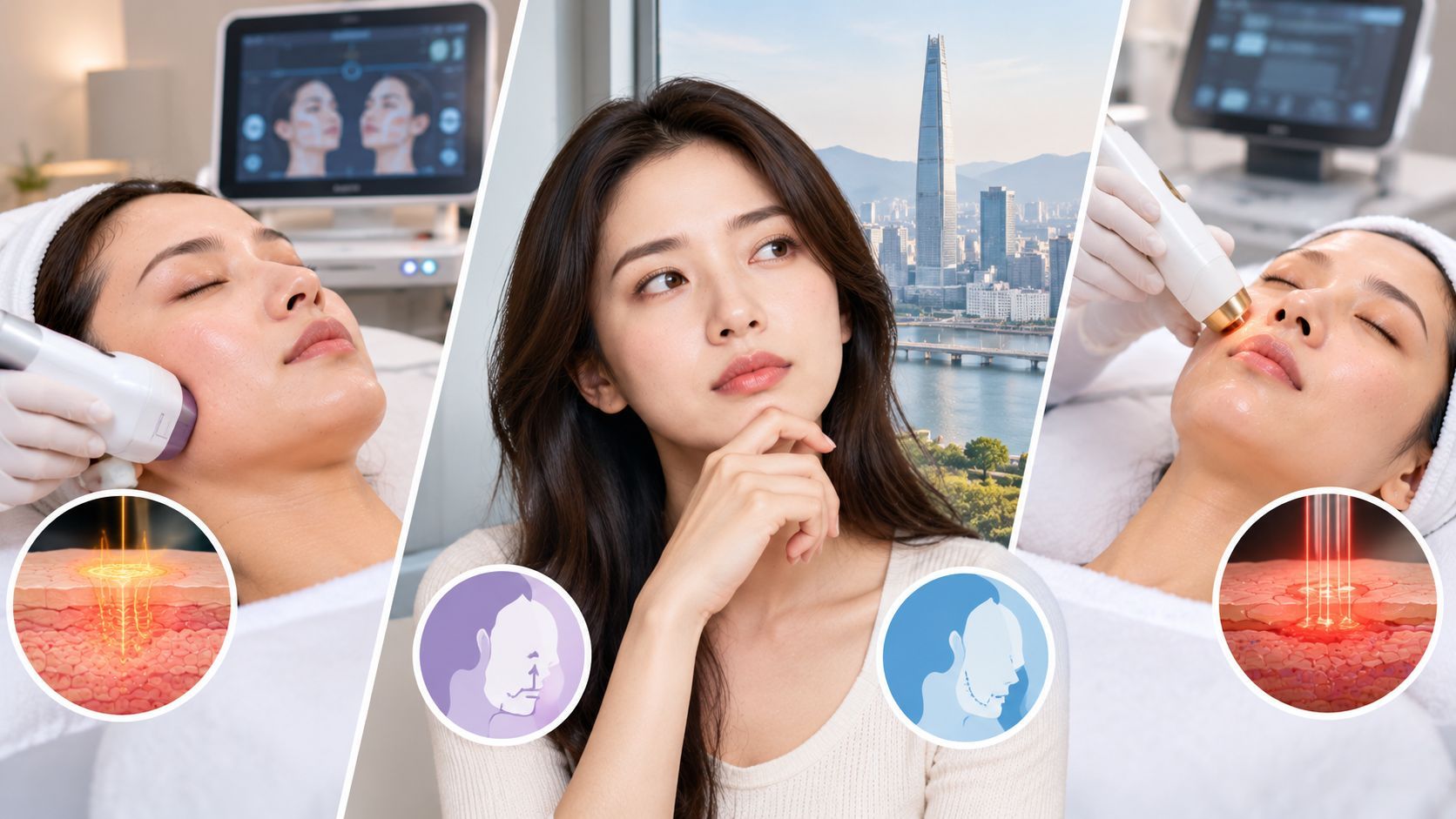
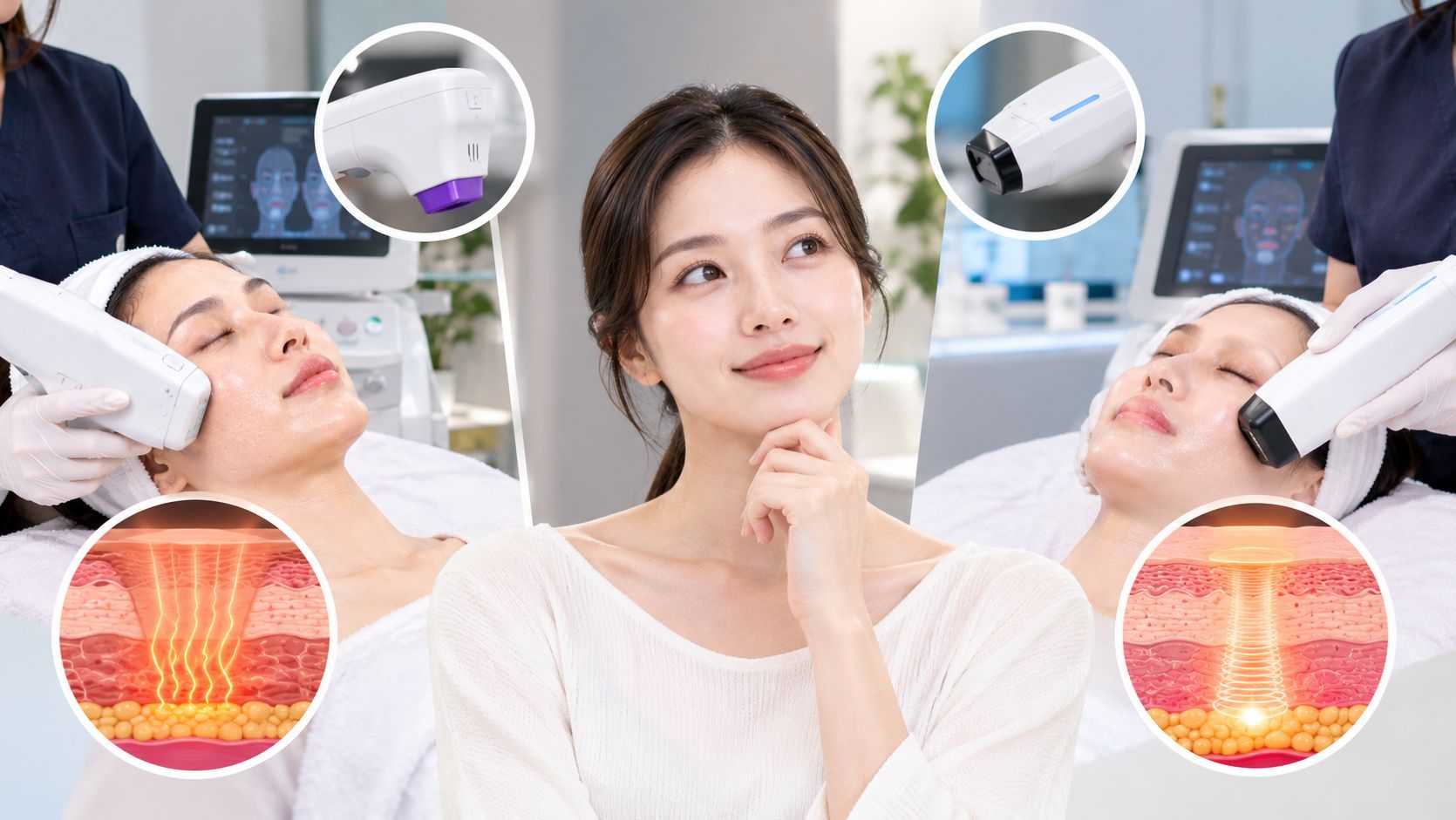
Sofwave and Ultherapy both use ultrasound energy to heat selected tissue and stimulate a healing response associated with collagen remodeling. However, their energy delivery systems are different.
How Sofwave Works
Sofwave uses its proprietary SUPERB ultrasound technology to deliver parallel ultrasound beams into the mid-dermis, generally targeting a depth around 1.5 mm. The system incorporates cooling to help protect the skin's surface during treatment.
It is designed to improve facial lines and wrinkles and may be used to address selected concerns involving the eyebrows, under-chin area, and neck. The device's authorized indications depend on the specific regulatory approval and market.
For someone in their 30s, Sofwave may be worth discussing when the main concern is early loss of firmness or fine lines rather than substantial sagging.
However, the treatment does not guarantee a visible lift, and it cannot replace surgery when excess skin or more advanced structural changes are present.
How Ultherapy Works
Ultherapy uses microfocused ultrasound with visualization, commonly referred to as MFU-V. Its transducers can target different tissue depths, including approximately 1.5 mm, 3.0 mm, and 4.5 mm, depending on the treatment area and selected transducer.
The system's imaging capability allows the trained provider to visualize tissue layers and check the treatment depth. This is an important distinction from Sofwave's delivery approach.
Ultherapy may be considered for selected patients who want improvement in eyebrow position or laxity beneath the chin and around the neck. The appropriate depth and treatment pattern depend on the individual anatomy and intended outcome.
Although Ultherapy can reach deeper tissue planes than Sofwave, deeper energy delivery does not automatically produce a better result for every face.
Which Treatment Is Better for Someone in Their 30s?
Your age can provide context, but it should not determine your treatment by itself. Two people who are both 35 may have very different skin thickness, facial fat distribution, degrees of laxity, and expectations.
Sofwave May Be Worth Considering If You Have Early Signs of Aging
Sofwave may be an option if you notice:
- Fine lines and mild skin laxity.
- Early changes in firmness around the cheeks or jawline.
- Mild laxity beneath the chin or around the neck.
- A preference for a non-invasive treatment without needles or surgery.
Its dermal treatment depth may make it relevant for selected concerns involving skin firmness and fine lines. Nevertheless, the amount of improvement varies, and the treatment may not be appropriate if your main issue is significant lower-face sagging.
If your skin is already firm and your concern is limited to occasional dryness or dullness, Sofwave may be unnecessary. A suitable skincare routine could be a more proportionate first step.
Ultherapy May Be Worth Considering If You Want a More Targeted Lift
Ultherapy may be appropriate when the examination suggests that deeper tissue targeting could help with your specific concern.
You might discuss it with a clinician if you notice:
- Mild laxity beneath the chin.
- Early changes around the jawline.
- A subtle decrease in eyebrow position.
- Selected areas of skin laxity where deeper treatment is appropriate.
Ultherapy's visualization feature can help the provider identify tissue layers during treatment. However, it does not eliminate procedural risks or guarantee a particular degree of lifting.
It is also important to distinguish skin laxity from facial volume loss. If your face looks less full because of changes in fat distribution, an ultrasound lifting treatment may not address the underlying issue and could produce an undesirable contour change in some circumstances.
What If You Want to Preserve Your Natural Facial Shape?
If your goal is subtle improvement without making your face look dramatically different, tell your provider that preserving natural facial fullness and proportions is a priority.
Both procedures are non-surgical, but neither is entirely risk-free. Energy-based treatments can cause pain, redness, swelling, burns, nerve-related symptoms, or unintended changes in facial contour.
A clinician should assess your anatomy and explain how the proposed treatment area, depth, and energy settings may affect your individual risk.
Sofwave vs. Ultherapy: What About Pain and Recovery?
Comfort varies from person to person. It depends on the device, treatment settings, area being treated, individual pain sensitivity, and the pain-management approach used by the clinic.
Some patients find one procedure more tolerable than the other, but it is not reliable to assume that Sofwave is always painless or that Ultherapy is always more painful.
Both treatments may cause temporary redness, swelling, tenderness, or discomfort. Some patients experience little visible downtime, while others need more time for symptoms to settle.
Before booking, ask the clinic:
- What level of discomfort should I expect?
- What pain-management options are available?
- How long might swelling or tenderness last?
- What activities or skincare products should I avoid afterward?
- Who should I contact if I develop an unexpected symptom?
If you have an important event or are traveling internationally, leave enough time for recovery and possible follow-up. A clinic's claim of minimal downtime should not be interpreted as a guarantee that your skin will look completely unchanged immediately afterward.
When Will You See Results?
Neither Sofwave nor Ultherapy should be judged solely by how your face looks immediately after treatment.
The intended benefit is associated with tissue heating and subsequent remodeling, so changes may develop gradually over several weeks to months. The extent and duration of improvement vary with the treatment protocol, anatomy, age, and individual healing response.
Some people may notice a modest change, while others may see little visible difference. Neither procedure can guarantee a specific degree of lifting, and neither stops the natural aging process.
Ask your clinician when your result should be assessed and whether another treatment would genuinely add value. Avoid repeating procedures too soon simply because the initial result is subtle.
Can You Get Sofwave or Ultherapy in Your Early 30s?
Being in your early 30s does not automatically make you a suitable candidate. Equally, there is no universal age at which everyone should begin ultrasound lifting.
A treatment may be reasonable if you have a clearly identified concern that it is designed to address. If your skin is healthy and you have no meaningful laxity, preventive treatment may offer limited visible benefit.
Before proceeding, consider whether your concern might be better addressed by:
- Daily broad-spectrum sunscreen and an appropriate skincare routine.
- A topical retinoid for selected acne or photoaging concerns, if medically suitable.
- A targeted treatment for pigmentation or acne scars.
- A consultation to distinguish skin laxity from facial volume changes.
Choosing not to undergo an energy-based procedure is also a reasonable decision.
How to Choose Between Sofwave and Ultherapy at a Gangnam Clinic
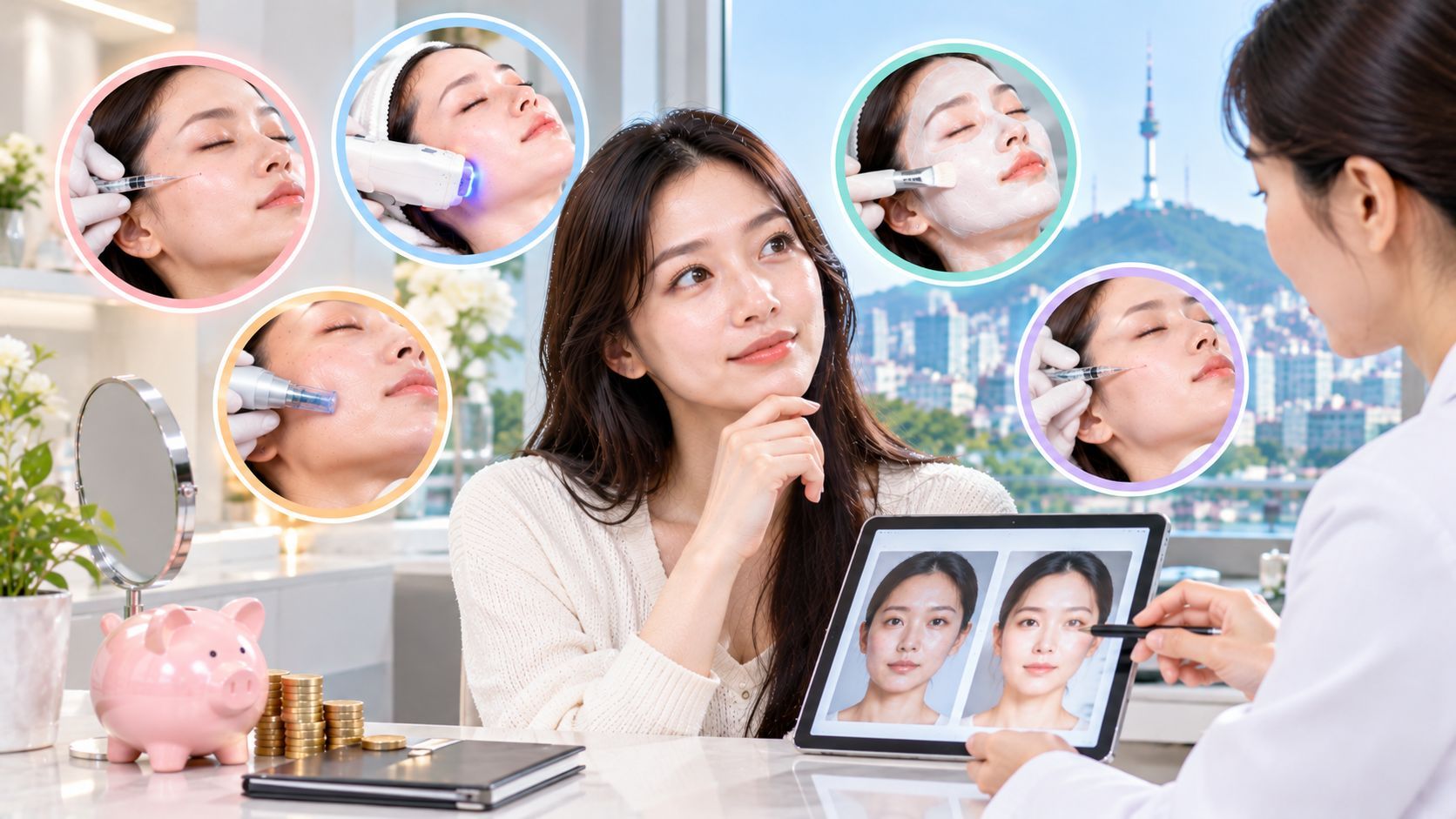
When comparing clinics in Gangnam or elsewhere in Seoul, focus on the quality of the assessment rather than which device is marketed as newer or more powerful.
A qualified medical professional should examine your facial anatomy, identify the main concern, discuss the expected benefit, and explain alternative options. Ask whether the clinic is using the genuine device and whether the proposed treatment follows the device's applicable instructions and authorized indications.
It is also worth asking whether the provider has experience treating people with similar facial anatomy and skin concerns.
Before agreeing to treatment, clarify the total cost, what areas are included, whether follow-up is available, and how complications would be managed. If you are traveling from overseas, establish a plan for medical support after returning home.
Be cautious of guarantees, claims that one device is best for everyone, or pressure to combine multiple procedures during your first visit.
Frequently Asked Questions
Is Sofwave better than Ultherapy for a 35-year-old?
Not necessarily. Sofwave may suit selected patients whose main concerns are fine lines and mild skin laxity. Ultherapy may be appropriate when deeper tissue targeting is needed. A clinical assessment is more useful than age alone when choosing between them.
Does Sofwave produce more natural results than Ultherapy?
Neither device guarantees a more natural result. Outcomes depend on the treatment plan, the provider's technique, your anatomy, and how your tissues respond. Conservative treatment and realistic expectations are important with either procedure.
Which treatment is better for a slim face?
A slim face requires careful assessment because unwanted changes in facial contour or fullness may be especially noticeable. Tell your provider that preserving facial volume is important. Neither Sofwave nor Ultherapy should be selected without considering your fat distribution and anatomy.
Do Sofwave and Ultherapy treat wrinkles?
Both may improve selected facial lines and wrinkles, but neither corrects every type of wrinkle. Expression lines, dehydration lines, deep folds, and skin laxity have different causes and may need different approaches.
Can I combine Sofwave and Ultherapy?
Using both devices is not automatically necessary. Combining treatments may increase cost and expose you to additional discomfort and risk without guaranteeing better results. A clinician should explain why combining them would offer a meaningful benefit in your particular case.
Is ultrasound lifting worth it if I have no sagging yet?
If you have no meaningful skin laxity or other suitable treatment target, the visible benefit may be limited. Sunscreen and appropriate skincare are important foundations of skin health, and you do not need a lifting procedure simply because you have reached your 30s.
Conclusion
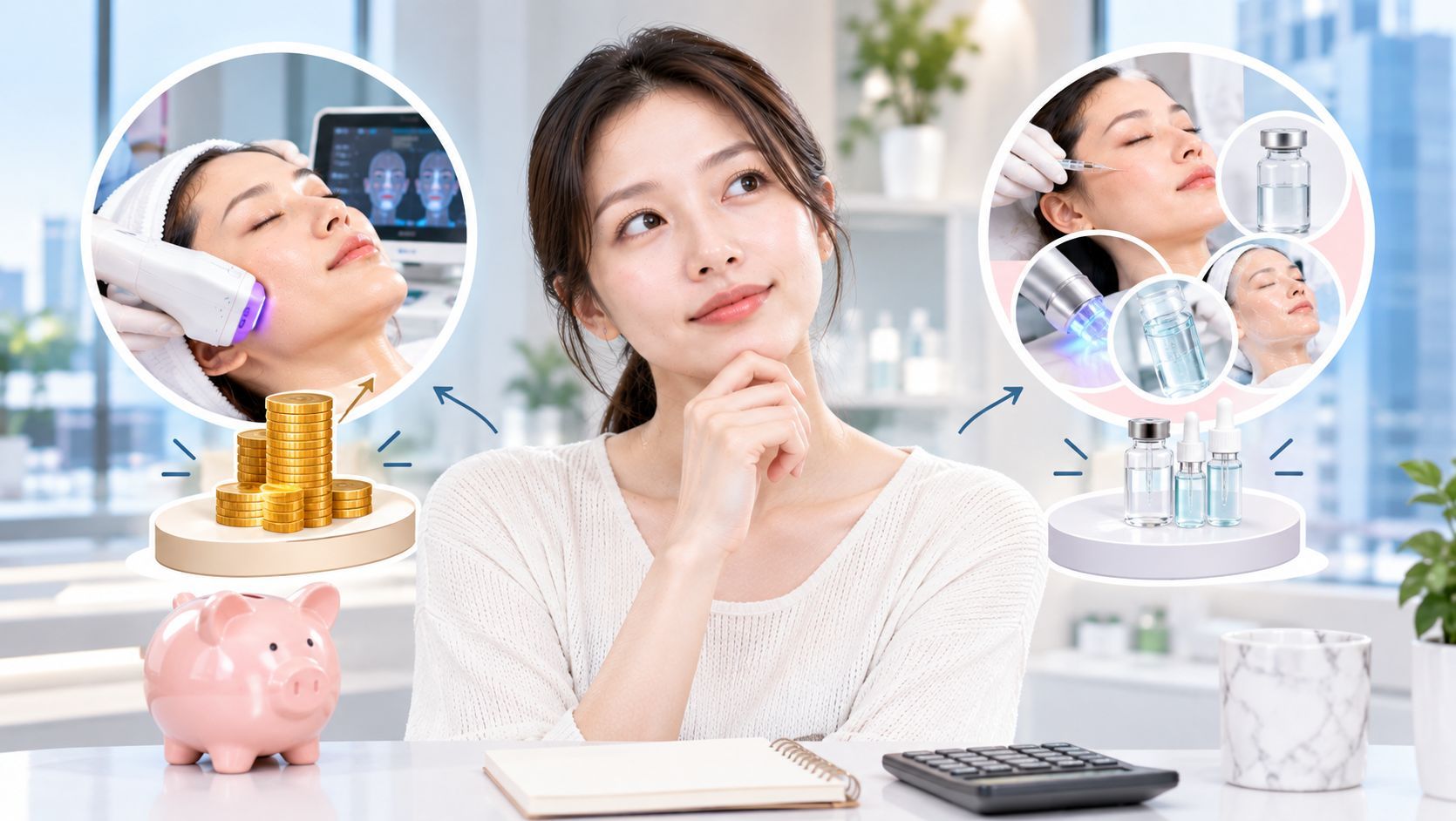
Sofwave and Ultherapy can both be considered for selected early signs of skin aging, but they are not interchangeable. Sofwave targets the mid-dermis and may be suitable for certain concerns involving fine lines and mild laxity. Ultherapy offers multiple treatment depths and real-time visualization, which may be useful when deeper tissue targeting is appropriate.
For someone in their 30s, the best choice is the procedure that matches the actual concern—not the device with the strongest marketing claims. Start with a qualified consultation, discuss your priorities, and consider whether a procedure is necessary at all. A conservative plan that respects your facial anatomy can help you make a more informed decision about skin tightening in Korea.