I'm 45 and Look Tired Even When I'm Rested. What Treatment Could Help?
If you're 45 and your face looks tired even after a good night's sleep, the cause may be more than fatigue. Under-eye hollows, dark circles, puffiness, fine lines, skin laxity, and changes in cheek volume can all make the face appear older or less refreshed.
The best treatment depends on what is creating the tired appearance. Under-eye hollows may respond to carefully selected volume-restoring treatments, pigmentation may benefit from targeted skin treatments, and mild skin laxity may improve with certain energy-based procedures. If puffiness or excess eyelid skin is the main concern, a different approach may be needed.
There is no single treatment that works for every tired-looking face, and a natural-looking result usually starts with identifying the cause rather than treating every area at once.
Why Can You Look Tired Even When You're Well-Rested?
Facial aging affects several structures at the same time. In your 40s, small changes around the eyes and cheeks can alter how light falls across your face, creating shadows that resemble fatigue.
1. Under-eye hollows and volume loss
The area between the lower eyelid and cheek may become more hollow as facial support and fat distribution change with age. This creates shadows that can look like dark circles, even when the skin is not particularly dark.
If hollowing is the main concern, a qualified clinician may consider whether a carefully selected volume-restoring treatment is appropriate. However, not every hollow is suitable for filler, especially when under-eye bags or persistent swelling are also present.
2. Dark circles and uneven pigmentation
Dark circles can result from pigmentation, visible blood vessels, thin skin, or shadows caused by the underlying facial structure. These causes can look similar in a photograph but may require different treatments.
For example, pigmentation-related circles may benefit from carefully selected topical products or certain laser treatments. Structural shadows will not necessarily improve with a pigmentation treatment alone.
3. Under-eye bags and puffiness
Puffiness can make the face look heavy or tired, particularly in the morning. Allergies, irritation, fluid retention, anatomy, and age-related changes around the eyelids may contribute.
If the problem is persistent or related to protruding fat beneath the eyes, tightening the skin or adding volume may not address the underlying cause. An assessment is important before choosing a cosmetic procedure.
4. Fine lines and loss of skin firmness
Collagen changes can make the skin around the eyes and cheeks look less smooth. Fine lines, uneven texture, and mild laxity may contribute to an overall tired appearance.
In these cases, a skin-quality treatment or a carefully selected skin-tightening procedure may be more relevant than filler.
Which Treatments May Help a Tired-Looking Face at 45?
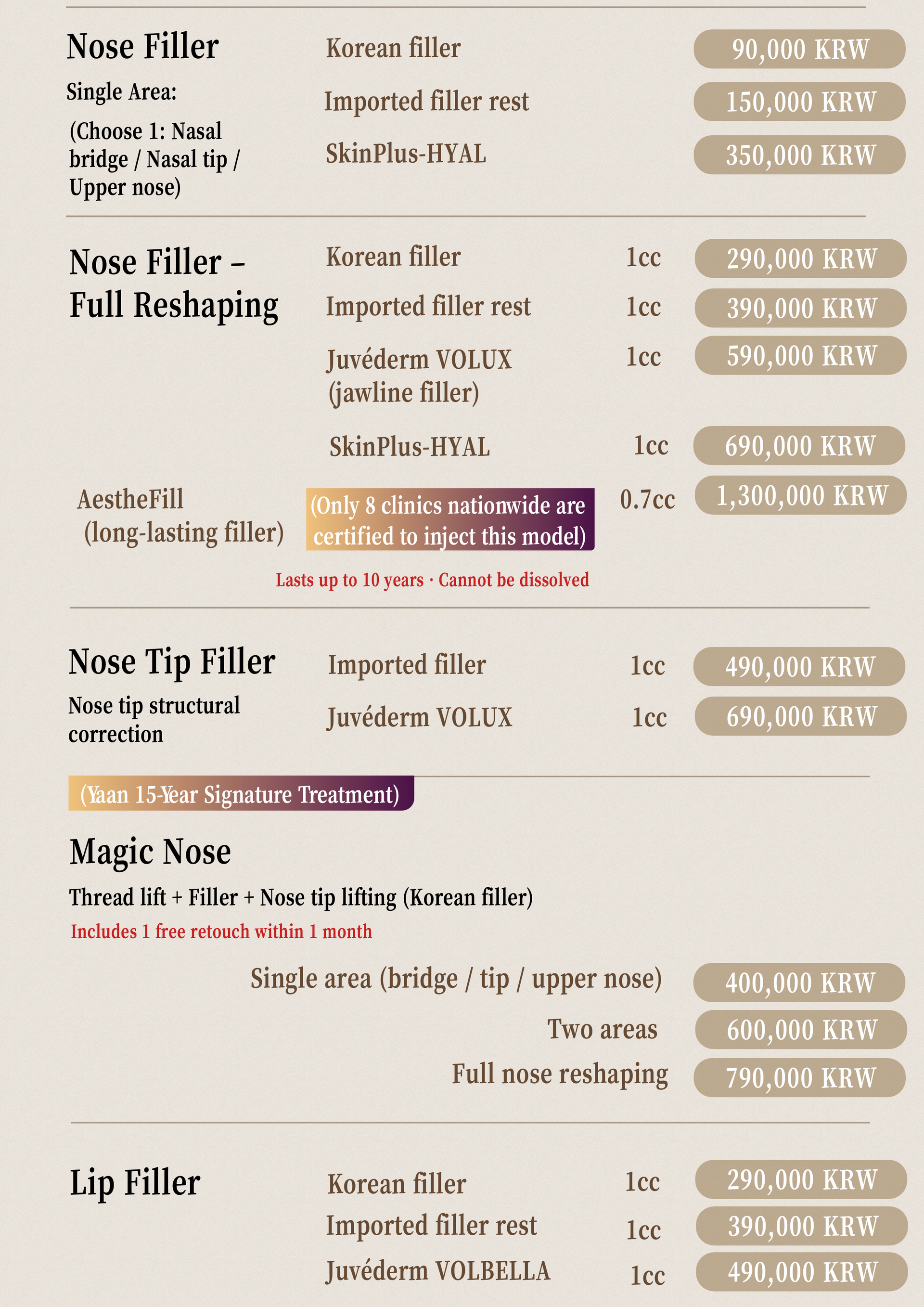
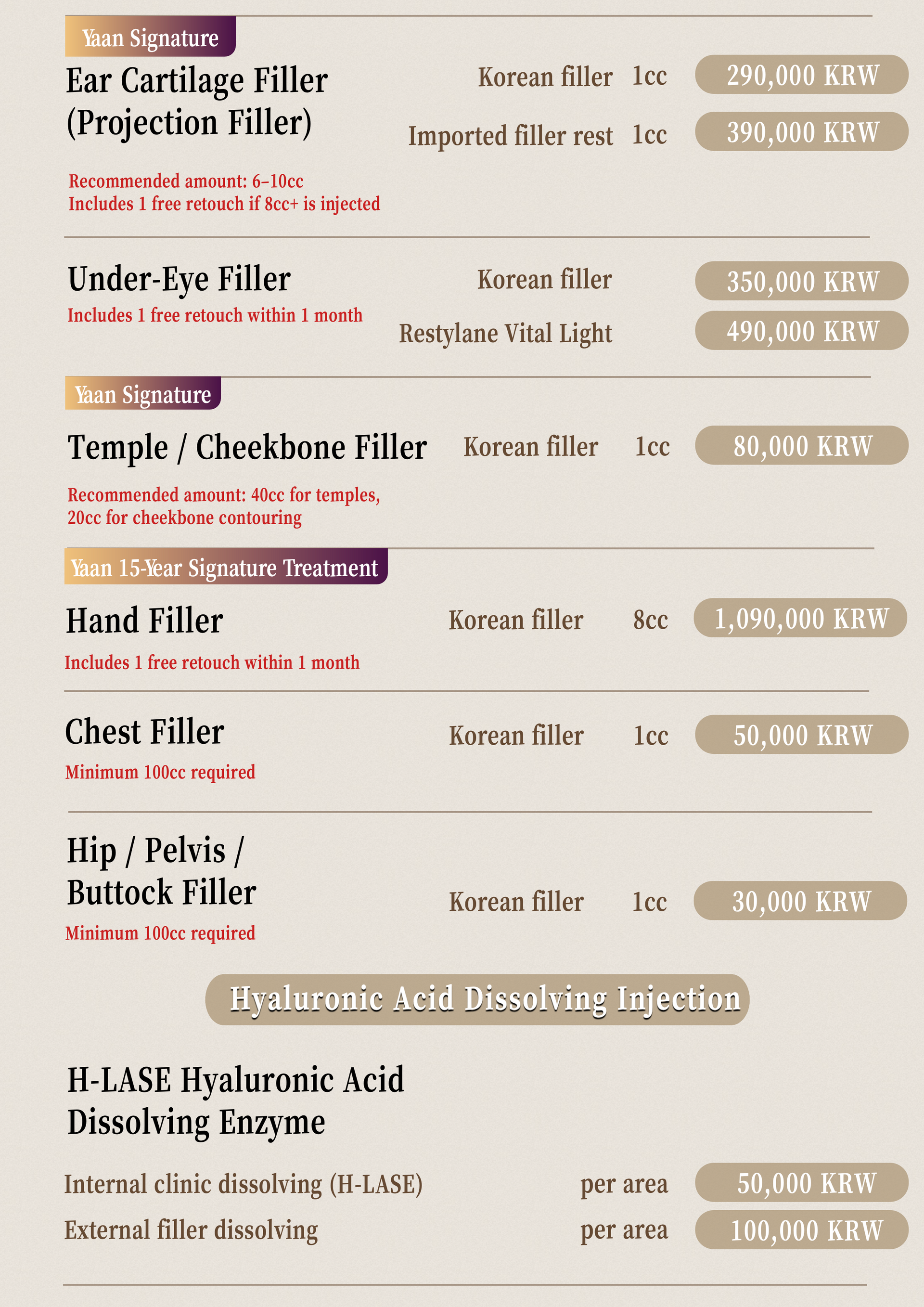
1. Under-Eye Filler for Selected Hollows
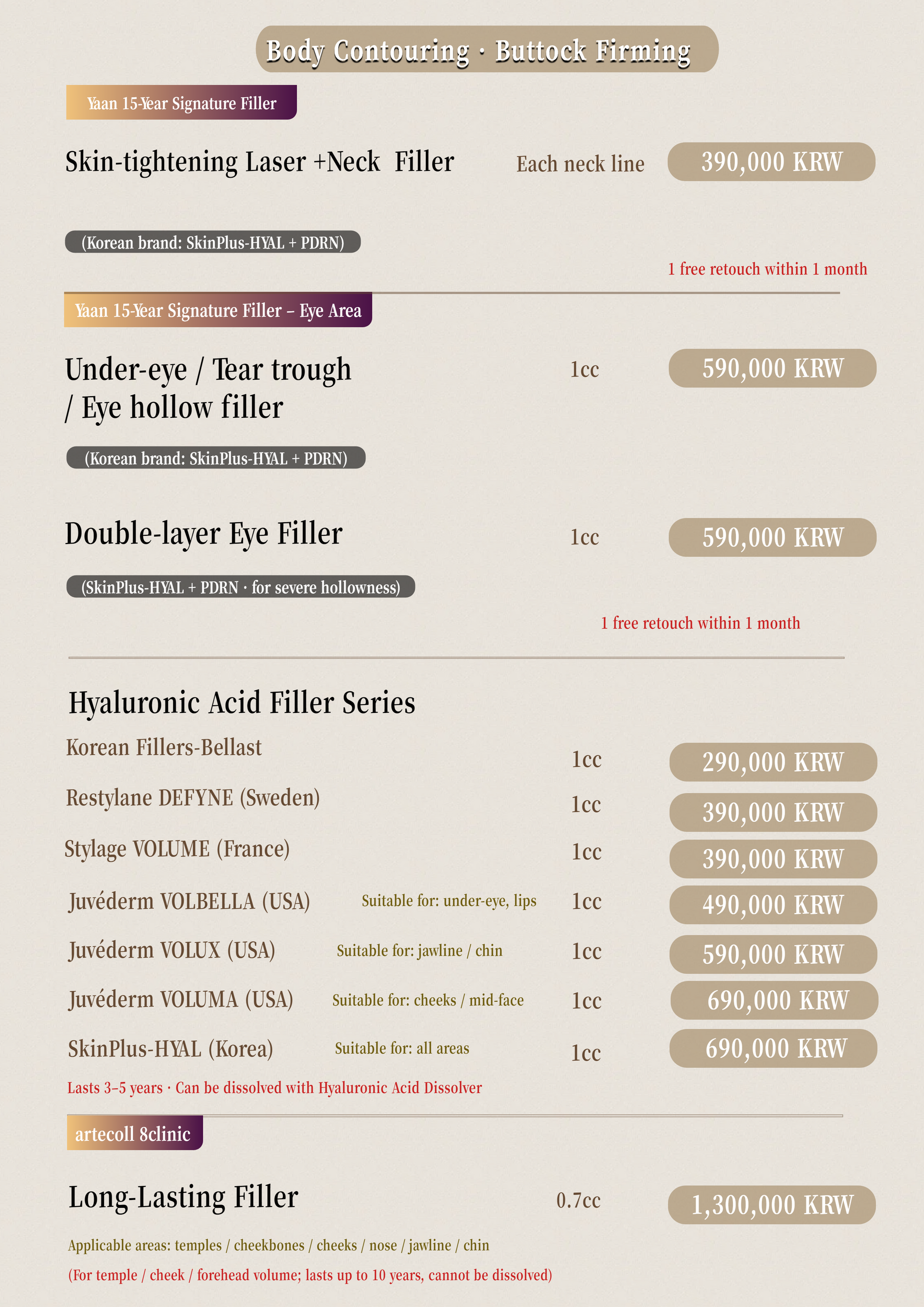
Hyaluronic acid (HA) filler may improve the appearance of certain under-eye hollows by softening the transition between the lower eyelid and cheek.
It may be considered when:
- The main concern is a visible hollow or tear-trough shadow.
- There is suitable skin and eyelid anatomy.
- Significant under-eye bags or persistent swelling are not the dominant problem.
The goal is subtle contour improvement, not making the under-eye area look puffy or completely smooth in every lighting condition.
The under-eye region is delicate. Filler can cause swelling, lumps, unevenness, and a bluish appearance in some cases. Rare but serious vascular complications, including vision-threatening injury, are possible. Treatment should be performed by an appropriately qualified and experienced medical professional who can explain the risks and emergency plan.
2. Laser or Topical Treatment for Dark Circles
If pigmentation is the main issue, treatment may focus on reducing excess pigment or improving sun-damaged skin.
Depending on your skin type and diagnosis, options may include:
- Sunscreen and suitable topical skin-care products.
- Carefully selected chemical peels.
- Certain pigment-targeting laser or light-based treatments.
These options are not interchangeable. Some dark circles are caused mainly by shadowing or visible blood vessels rather than excess pigment, and those concerns may respond poorly to pigment-focused treatments.
People prone to post-inflammatory hyperpigmentation need particular care when considering lasers or peels. An unsuitable treatment can worsen discoloration instead of improving it.
3. Radiofrequency or Ultrasound Skin Tightening
If your face looks tired because of mild skin laxity around the cheeks or lower face, an energy-based treatment may be worth discussing.
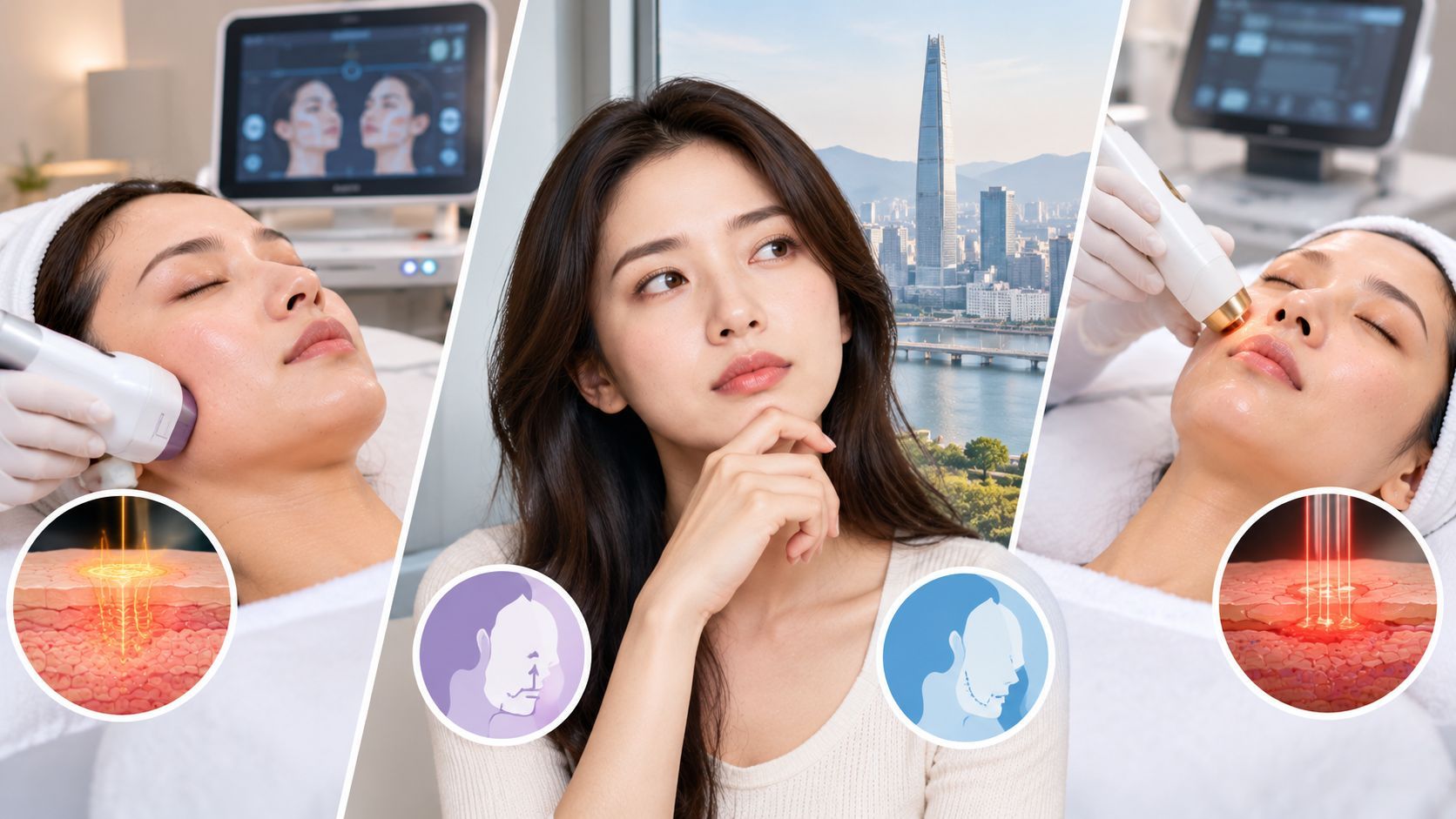
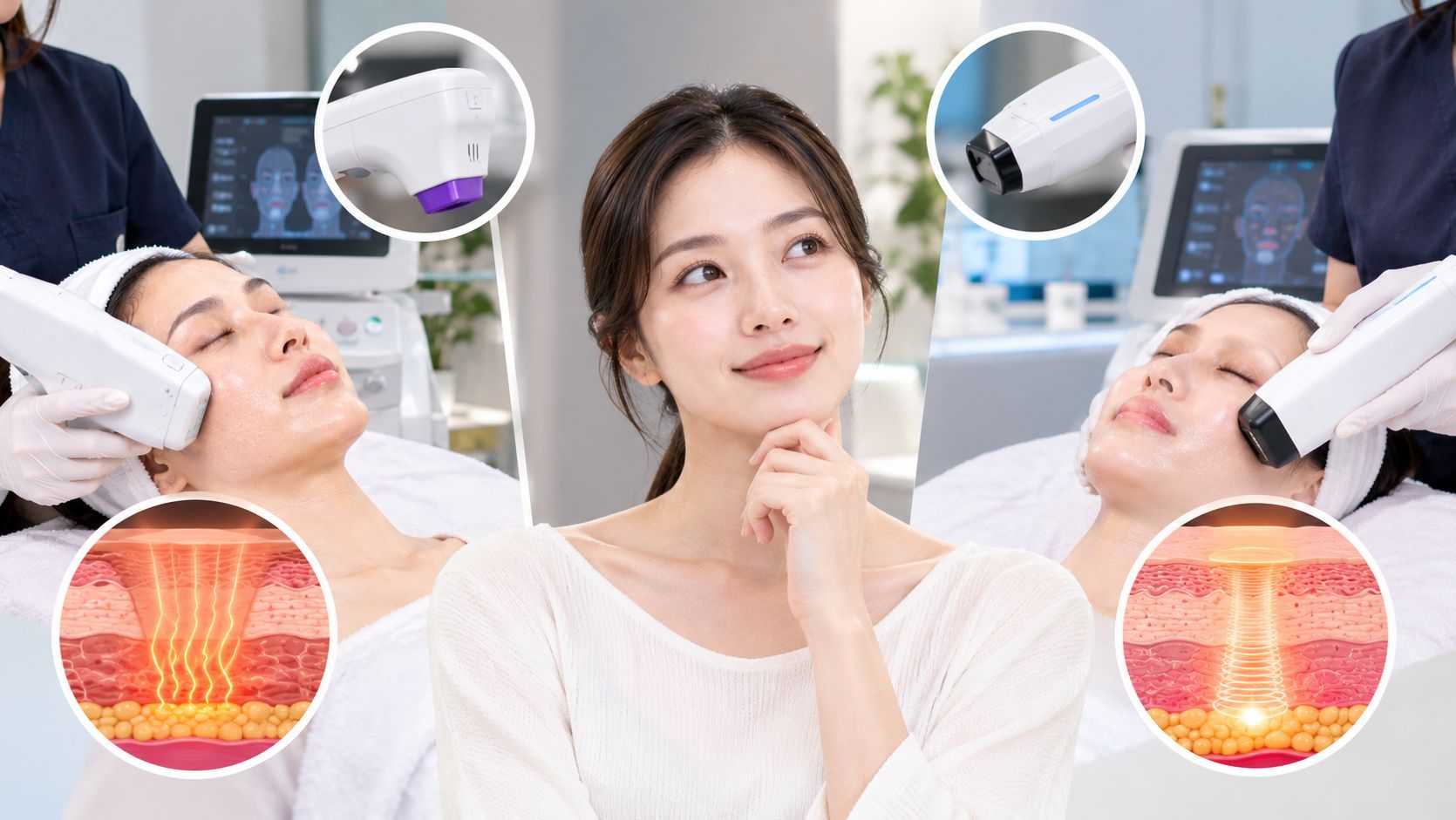
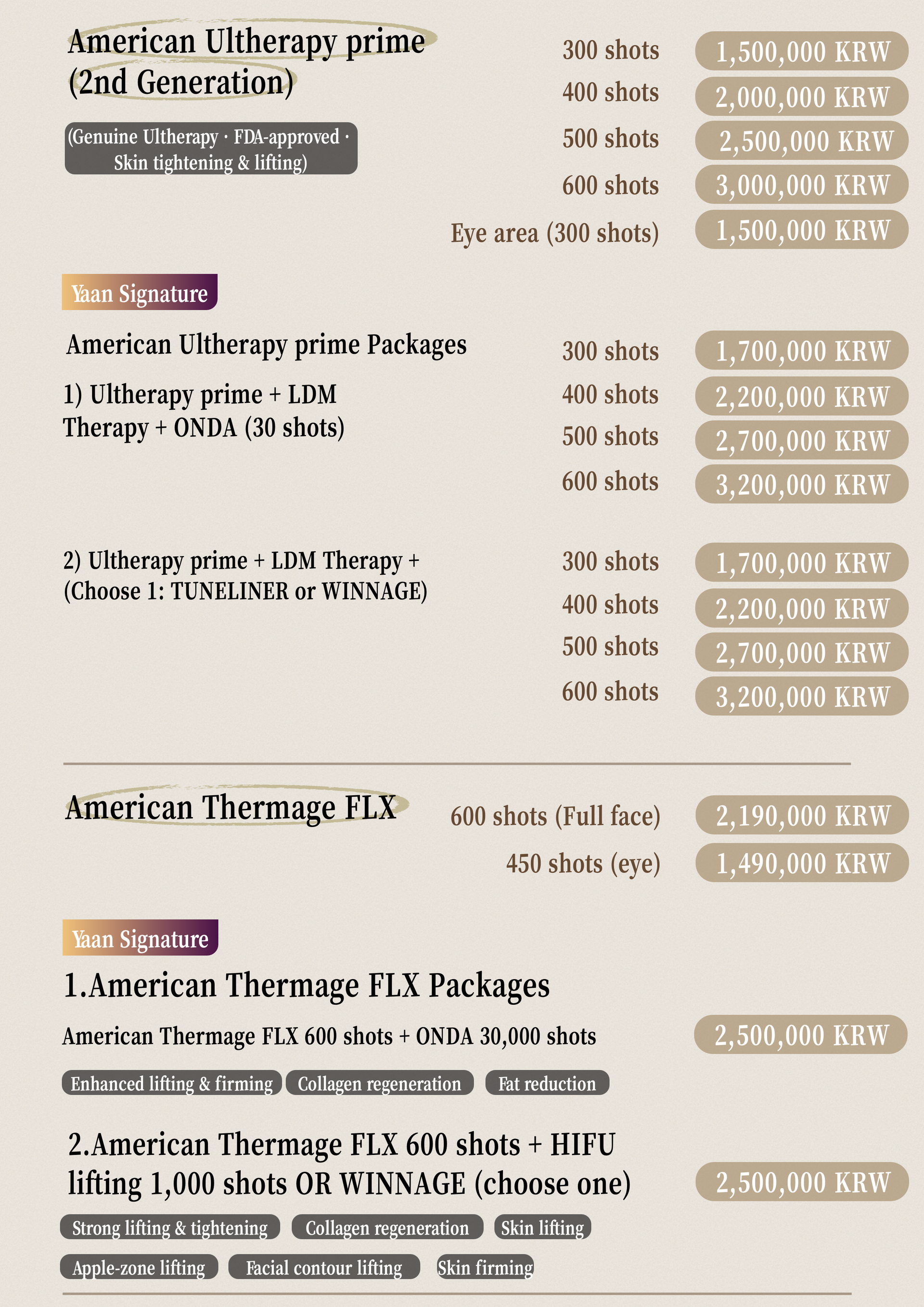
Radiofrequency devices, including Thermage, use controlled heating to encourage collagen remodeling. Microfocused ultrasound devices, including Ultherapy, deliver focused energy to selected tissue depths.
These procedures may offer gradual, modest improvement in firmness for appropriately selected patients. They do not replace lost facial volume, remove all excess skin, or reliably correct under-eye bags.
Treatment around the eyes requires particular caution because the tissue is delicate. The device, treatment area, energy settings, and practitioner's experience all matter. Ask about possible burns, discomfort, unwanted contour changes, and other complications before proceeding.
4. Skin-Quality Treatments
If your main concern is dullness, fine lines, rough texture, or early signs of skin aging, a skin-quality treatment may be more suitable than a lifting procedure.
Depending on the diagnosis, a dermatologist may discuss:
- A topical retinoid or other suitable skin-care product.
- Microneedling for selected texture concerns.
- Certain laser resurfacing treatments.
- Injectable skin-quality treatments where appropriate and supported by evidence.
These treatments have different purposes and evidence levels. For example, treatments designed to improve texture or hydration should not be expected to correct pronounced hollows or significant tissue descent.
A simple routine with daily broad-spectrum sunscreen, moisturizer, and a suitable active ingredient may also help maintain skin quality. Introduce potentially irritating products gradually, particularly around the eyes.
5. Treatment for Under-Eye Bags or Excess Eyelid Skin
If prominent bags, loose eyelid skin, or drooping eyelids are responsible for your tired appearance, non-surgical options may provide limited improvement.
In selected cases, an oculoplastic surgeon or other appropriately qualified specialist may discuss eyelid surgery. Surgery is not necessary for everyone, but it can address certain structural problems that skin-care products and energy-based devices cannot fully correct.
A consultation can help you understand the alternatives without committing to a procedure.
How Do You Choose the Right Treatment?
Start by identifying the feature that bothers you most. The following guide can help you prepare for a consultation:
- Hollowing beneath the eyes: Ask whether the concern is structural volume loss and whether filler is suitable for your anatomy.
- Brown or uneven discoloration: Ask whether pigmentation, irritation, or another cause is responsible.
- Puffy under-eye bags: Find out whether fluid retention, allergies, or protruding fat is contributing.
- Fine lines and rough texture: Discuss skin-care products, resurfacing, or other skin-quality treatments.
- Mild cheek or lower-face laxity: Ask whether a skin-tightening procedure is likely to offer meaningful improvement.
- Drooping eyelids or significant excess skin: Consider an assessment by a specialist experienced in eyelid conditions.
Avoid combining multiple treatments simply because you want faster results. A staged plan can make it easier to evaluate your response and reduce unnecessary procedures.
If you are considering treatment in Seoul, ask which device or product will be used, who will perform the procedure, what results are realistic, and how complications and follow-up care are handled.
When Should You Seek Medical Advice?
A tired appearance that has developed gradually may reflect normal aging or a cosmetic concern. However, if you feel persistently exhausted despite adequate rest, consider discussing it with a healthcare professional rather than assuming the cause is cosmetic.
Seek prompt medical attention for sudden facial changes, especially if they involve one-sided drooping, weakness, vision changes, or severe pain. New or persistent eyelid swelling may also need medical assessment before any aesthetic treatment.
Final Thoughts
At 45, looking tired even when you're rested does not automatically mean you need a lifting treatment or filler. Under-eye hollows, pigmentation, puffiness, fine lines, and skin laxity have different causes, and each calls for a different approach.
The most useful first step is a professional assessment that distinguishes shadows from pigmentation, volume loss from swelling, and mild skin laxity from more substantial structural changes. A targeted treatment may create a fresher appearance, but realistic expectations and careful patient selection are essential.
Frequently Asked Questions
1. What is the best treatment for a tired-looking face at 45?
There is no universal best treatment. Under-eye hollows, dark circles, puffiness, and skin laxity require different approaches. The best choice depends on the cause of the appearance and your medical history.
2. Can under-eye filler make me look less tired?
It may help when hollows are the main cause of shadows, but it is not suitable for everyone. People with significant bags or a tendency toward swelling may need a different approach.
3. Will Thermage or Ultherapy help tired-looking eyes?
These treatments may help selected areas of skin laxity, but they do not directly correct pigmentation or restore lost volume. The delicate eye area requires careful assessment and appropriate treatment planning.
4. Can dark circles be treated permanently?
Results depend on the cause. Pigmentation, visible blood vessels, thin skin, and structural shadows behave differently, and some causes are partly genetic or age-related. Improvement may be possible, but permanent elimination cannot be guaranteed.
5. How can I make my face look fresher without injections?
Daily sunscreen, moisturizer, adequate sleep, and suitable skin-care products can support skin health. If pigmentation or texture is the main concern, a dermatologist can discuss non-injectable options suited to your skin type.
6. Should I get several treatments at once?
Not necessarily. A focused, staged plan can help you understand which treatment is useful and avoid unnecessary cost or risk. Ask your clinician to explain the purpose of each recommended procedure.