Can I Treat Pigmentation and Lifting During the Same Appointment?
If you have dark spots, uneven skin tone, and facial sagging, you may want to treat both pigmentation and skin laxity during one visit to Seoul. Yes, treating pigmentation and lifting during the same appointment may be possible, but it depends on the specific devices, your skin type, the severity of your concerns, and your risk of complications.
Some combination treatments use different technologies to address separate concerns in one session. However, combining procedures does not automatically produce better results, and it may increase irritation or recovery time if the treatments are too aggressive.
For people with Asian skin, melasma, or a history of dark marks after inflammation, choosing the right treatment order is particularly important. A dermatologist should assess the pigmentation first and determine whether it is safe to combine treatments or whether a staged approach would be more appropriate.
What Is the Difference Between Pigmentation Treatment and Skin Lifting?
Although pigmentation and skin laxity can appear together, they involve different skin concerns and may require different treatments.
Pigmentation treatments
Pigmentation treatments aim to reduce excess pigment or improve uneven skin tone. Depending on the diagnosis, options may include:
- Pico laser or selected Q-switched laser treatments.
- Intense pulsed light (IPL) for suitable types of pigmentation and sun damage.
- Superficial chemical peels in selected cases.
- Prescription topical treatments, particularly for melasma and post-inflammatory hyperpigmentation.
- Consistent sun protection to help prevent existing pigmentation from darkening and new spots from developing.
The correct option depends on whether the discoloration is caused by sun spots, melasma, post-inflammatory hyperpigmentation, or another condition. These problems should not all be treated as if they were the same.
Skin-lifting treatments
Lifting treatments target skin laxity and age-related changes in facial contour. Options may include:
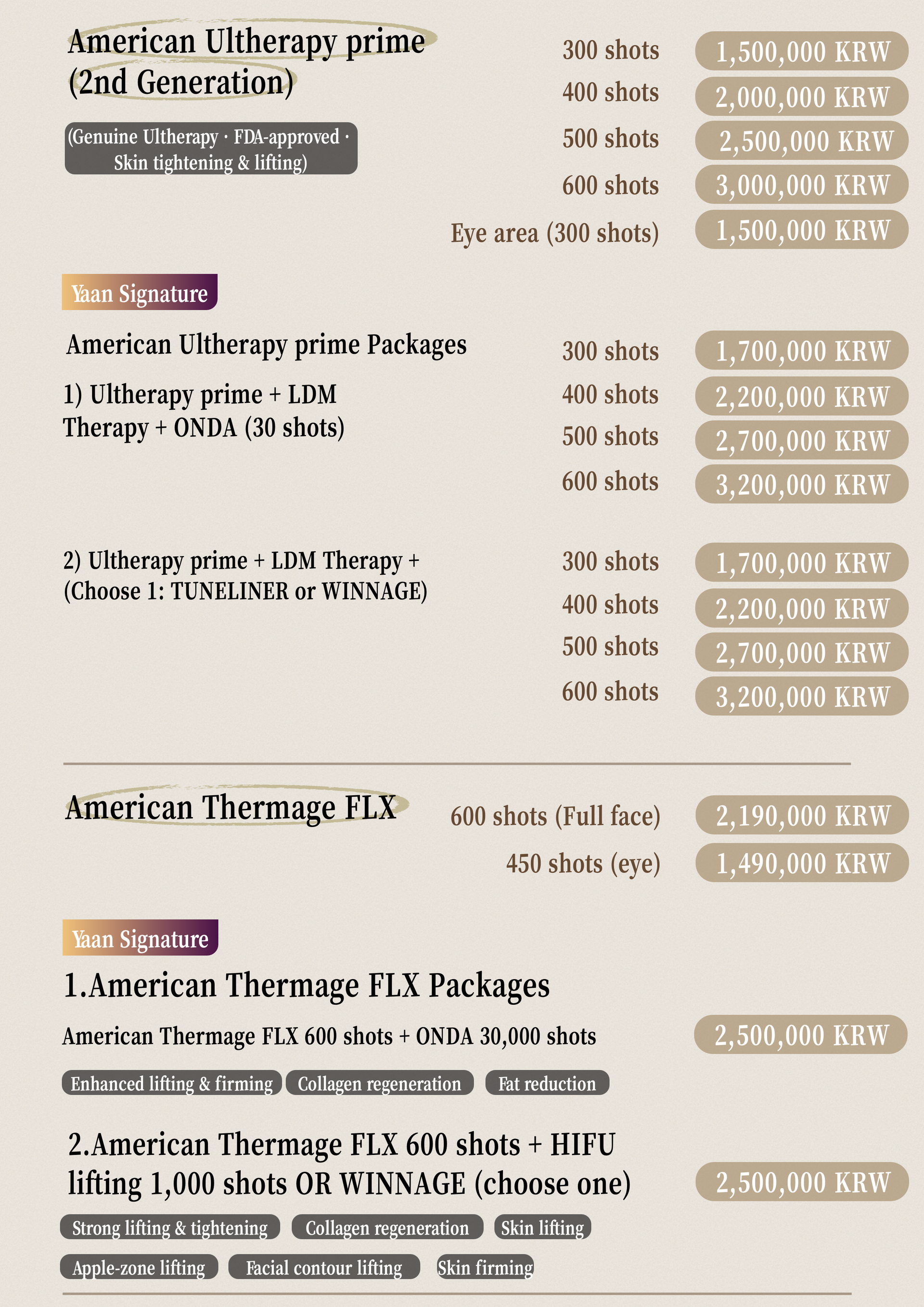
- Monopolar radiofrequency treatments, such as Thermage.
- Microfocused ultrasound treatments, including selected Ultherapy procedures.
- Radiofrequency microneedling for appropriate indications.
- Other energy-based procedures selected after a clinical assessment.
These procedures use different mechanisms and have different risk profiles. They also produce varying degrees of improvement, and none can guarantee the same result as surgical lifting.
A pigmentation laser and a lifting device therefore should not be considered interchangeable. One targets a pigment-related concern, while the other is intended to improve selected signs of laxity or skin firmness.
Can Both Treatments Be Done on the Same Day?
In selected patients, yes. A dermatologist may plan more than one aesthetic procedure during a single appointment if the combination is appropriate and the treatment settings are carefully selected.
For example, a prospective multicenter study evaluated same-day IPL followed by non-ablative fractional laser resurfacing in 30 patients with Fitzpatrick skin types II–IV. Participants underwent three treatment sessions, and the researchers reported improvements in pigmentation, texture, and signs of photoaging. Average social downtime was approximately 1.5 days. However, this was a small study involving a specific combination and selected patients; it does not establish that every pigmentation and lifting combination is safe for everyone.
The important distinction is that evidence supporting one specific combination cannot automatically be applied to every laser, radiofrequency, or ultrasound device.
A dermatologist may recommend same-day treatment when the procedures are compatible and the patient's skin is suitable. Alternatively, the clinician may separate the treatments to reduce inflammation, monitor the skin's response, or allow one concern to stabilize before addressing another.
Which Combinations Might Be Considered?
1. Pico laser and Thermage
Pico laser treatments use very short pulses of laser energy and may be selected for certain pigment-related concerns. Thermage uses monopolar radiofrequency energy to heat targeted tissue and is intended to improve the appearance of skin laxity.
Because the devices target different concerns, a clinic may consider them within the same overall treatment plan. However, the suitability of performing them on the same day depends on the specific protocol, treatment areas, device settings, and your skin's condition.
If you have melasma or a history of post-inflammatory hyperpigmentation, the dermatologist should assess whether laser treatment is appropriate before scheduling it. Treating the pigmentation too aggressively can sometimes worsen discoloration rather than improve it.
2. Pigmentation laser and microfocused ultrasound
A pigmentation laser may address selected dark spots, while microfocused ultrasound is used to target tissue at specific depths for lifting-related concerns.
Combining these procedures may be possible in selected circumstances, but the order and timing should be determined by the treating clinician. The fact that the technologies act at different depths does not eliminate the possibility of irritation, swelling, or other adverse effects.
3. IPL and non-ablative fractional laser
This combination has been evaluated in clinical research for selected signs of photoaging, pigmentation, and uneven texture. The small study described above suggests that certain carefully planned same-day combinations can be feasible.
Nevertheless, IPL is not suitable for every pigment disorder, and fractional laser treatment can cause temporary inflammation and pigment changes. A history of melasma or darker skin tone may influence whether this approach is appropriate.
4. Pigmentation treatment and radiofrequency microneedling
Radiofrequency microneedling combines needle-based skin injury with radiofrequency energy. It may be considered for selected texture, scarring, or skin-quality concerns, but it is not a universal solution for facial laxity.
It should not automatically be added to a pigmentation procedure simply because both are available at the same clinic. The clinician must consider cumulative inflammation, the condition being treated, and the risks associated with each device.
Who Should Be More Careful About Combining Treatments?
Same-day treatment may be unsuitable or require additional caution if you have:
- Melasma: Heat, inflammation, and skin irritation can contribute to worsening pigmentation in some patients.
- A history of post-inflammatory hyperpigmentation: Even temporary irritation can leave dark marks that take months to fade.
- Sensitive or irritated skin: Active dermatitis or a compromised skin barrier may increase the chance of an adverse reaction.
- Recent tanning or significant sun exposure: Recent tanning can affect the suitability and safety of certain light- and laser-based treatments.
- Active infection or inflammation: Treatment may need to be delayed until the condition has been assessed and managed.
- A recent cosmetic procedure: Your clinician needs to know about recent injectables, lasers, peels, or energy-based treatments before planning another session.
Skin of color requires particular attention because epidermal melanin can absorb energy from certain devices, increasing the risk of burns, post-inflammatory hyperpigmentation, hypopigmentation, and scarring. Device selection and treatment parameters should be tailored to the individual.
Should Pigmentation or Lifting Be Treated First?
There is no single order that is right for everyone.
Pigmentation may need to be addressed first if the discoloration is active, the diagnosis is uncertain, or the dermatologist believes that lifting treatment could complicate the pigmentation management plan.
Lifting may be prioritized if skin laxity is the main concern and the pigmentation is stable or can be managed separately with an appropriate skincare plan.
A staged approach may be preferable when both concerns are significant, the skin is sensitive, or the patient has a history of melasma or pigment changes after procedures.
Treating one concern first also allows the dermatologist to observe how your skin responds before introducing another treatment. This can be especially useful when you are trying a new device or have limited experience with cosmetic procedures.
Planning Both Treatments During a Short Seoul Trip
If you are visiting Seoul for only a few days, tell the clinic your arrival and departure dates before booking treatment.
Ask the dermatologist:
- What type of pigmentation do I have?
- Which device is appropriate for my skin tone and condition?
- Is combining these procedures on the same day supported by a suitable protocol?
- Could either treatment worsen melasma or cause dark marks?
- What redness, swelling, or other recovery effects should I expect?
- Will I have enough time for follow-up if a problem develops?
Do not schedule an unfamiliar combination immediately before an important event or your return flight. Even when a procedure is described as having minimal downtime, visible reactions and complications remain possible.
After treatment, follow the clinic's aftercare instructions, avoid unnecessary irritation, and use broad-spectrum sunscreen. Do not add strong exfoliating products or other active ingredients until your clinician advises that your skin has recovered sufficiently.
Conclusion
Treating pigmentation and lifting during the same appointment can be possible for carefully selected patients, but it is not automatically the safest or most effective option. Pico laser, IPL, and other pigment-focused treatments address different concerns from Thermage, microfocused ultrasound, and radiofrequency-based procedures.
The best plan depends on the type of pigmentation, the degree of skin laxity, your skin tone, and your history of irritation or dark marks. If you have Asian skin or melasma, prioritize a dermatologist's assessment and discuss whether combining procedures or separating them into different appointments offers the better balance of results and safety.
Frequently Asked Questions
1. Can I get pico laser and Thermage on the same day?
It may be possible under a suitable clinical protocol, but it is not appropriate for everyone. The dermatologist should assess your pigmentation, skin condition, treatment settings, and overall risk before recommending a same-day combination.
2. Will combining pigmentation and lifting treatments give better results?
Not necessarily. Combining procedures may address more than one concern, but it does not guarantee better results. The benefit depends on whether each treatment is appropriate and whether the combined treatment increases unnecessary inflammation or risk.
3. Is it safe to combine treatments if I have melasma?
Extra caution is needed. Melasma can be difficult to manage, and some procedures may aggravate pigmentation. A dermatologist should confirm the diagnosis and decide whether a procedure is appropriate or whether medical treatment and sun protection should come first.
4. How much downtime should I expect after both treatments?
Downtime varies by device, settings, skin type, and treatment intensity. Temporary redness, swelling, sensitivity, or pigment changes may occur. Ask for recovery expectations for the exact combination rather than relying on general claims about either procedure individually.
5. Should I treat pigmentation before getting a lifting procedure?
Sometimes, but not always. The best order depends on the diagnosis, the severity of each concern, and the procedures being considered. Your dermatologist may recommend treating one concern first or separating the procedures to assess your skin's response.