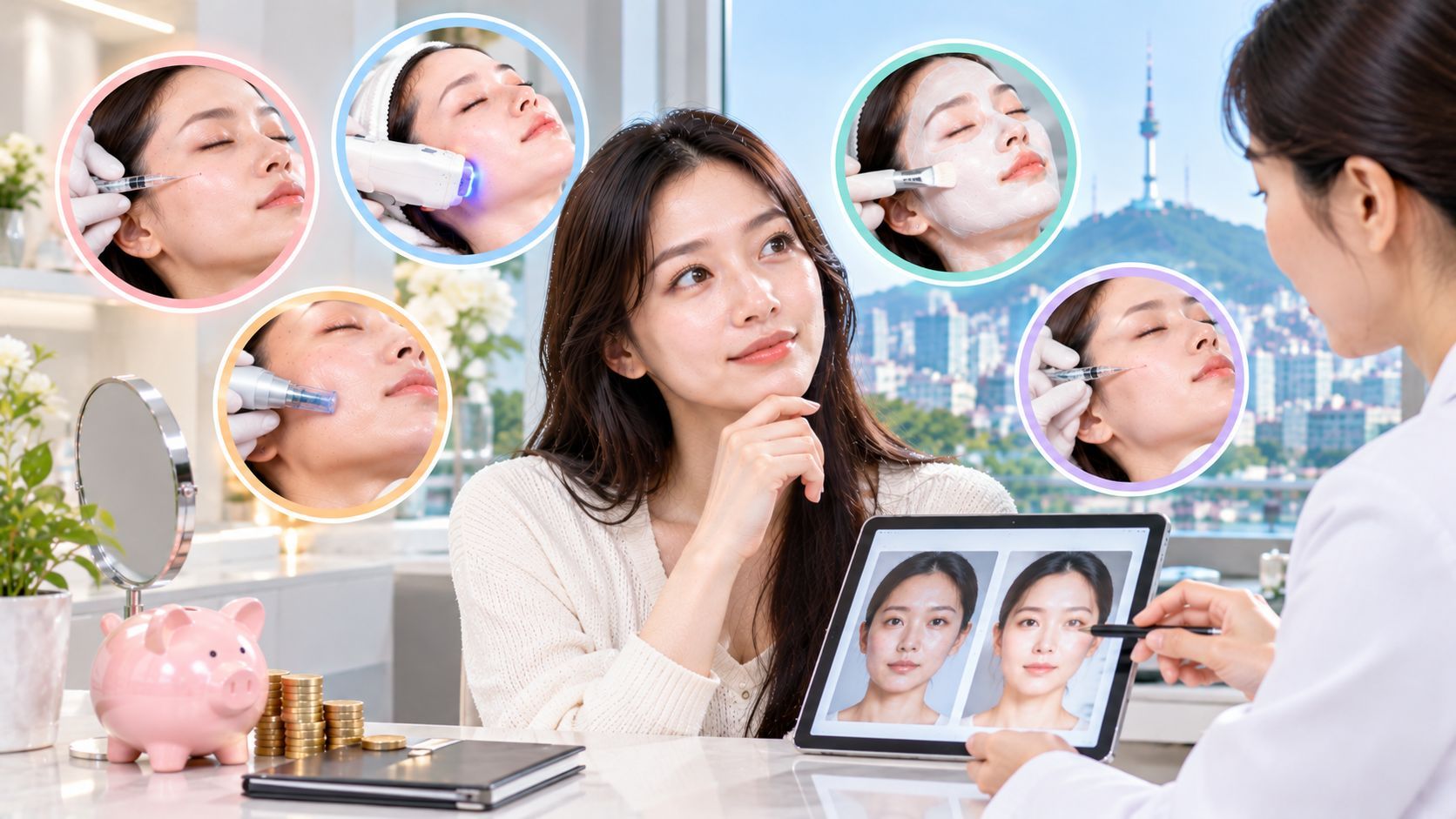
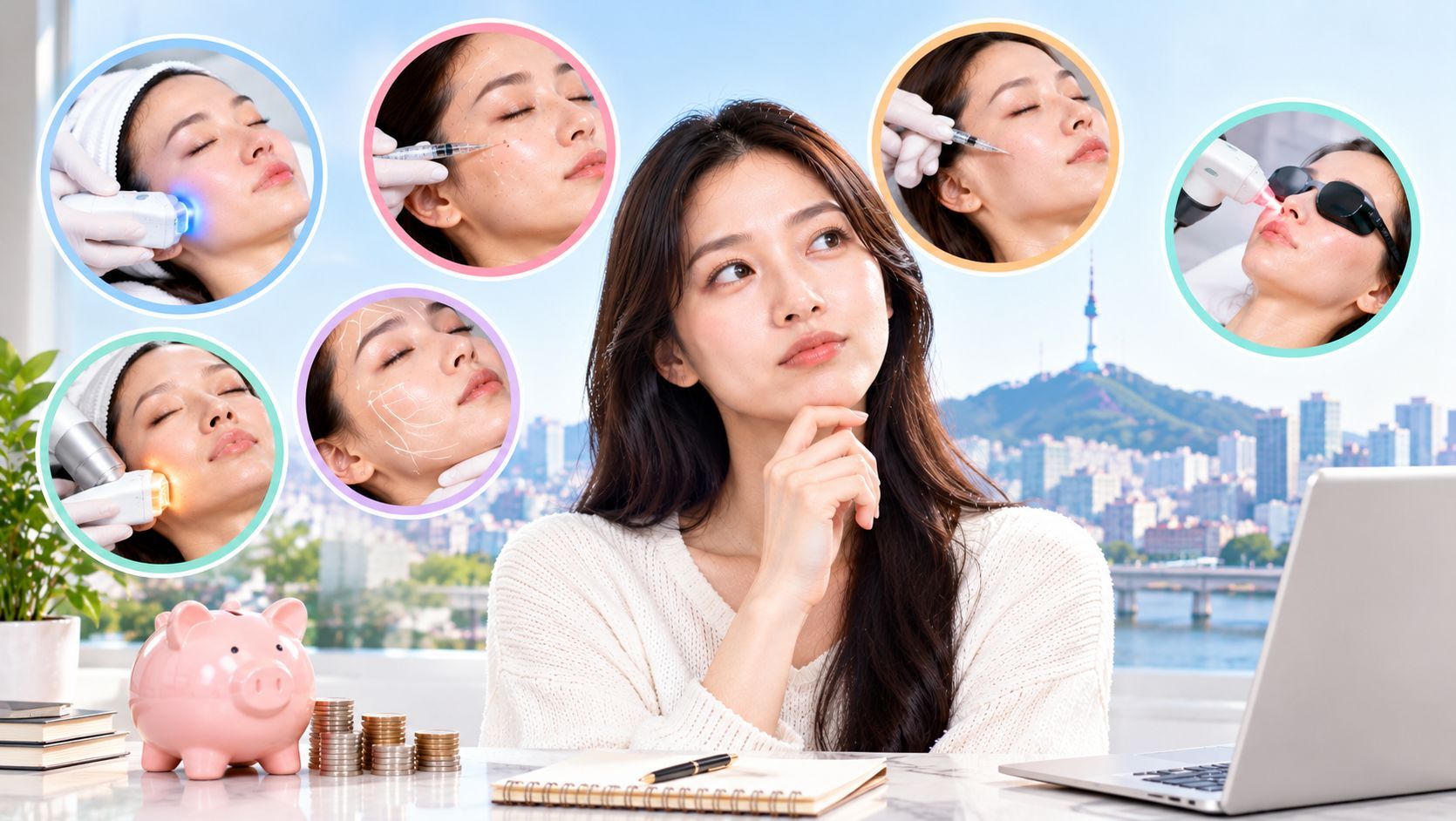
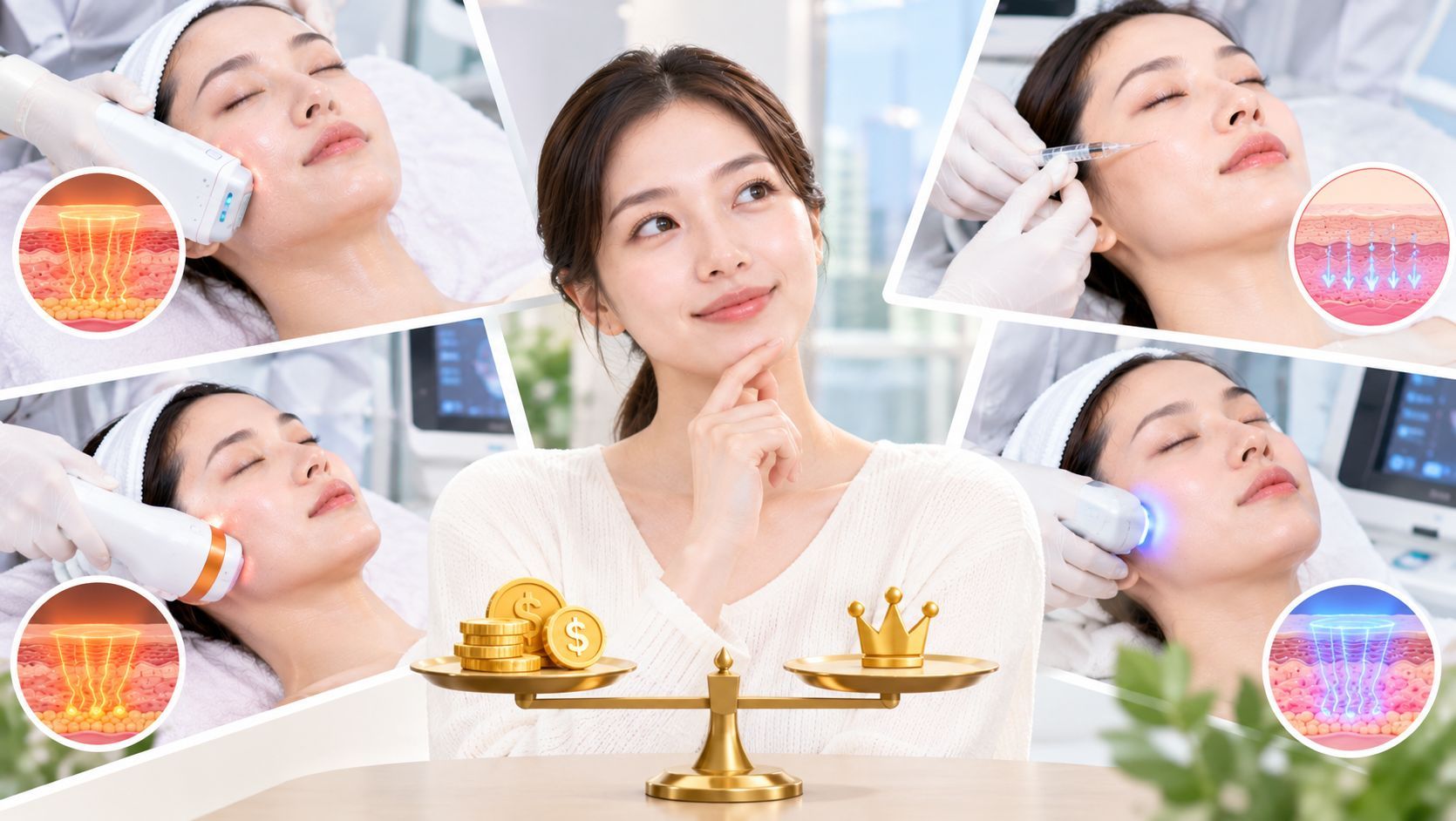
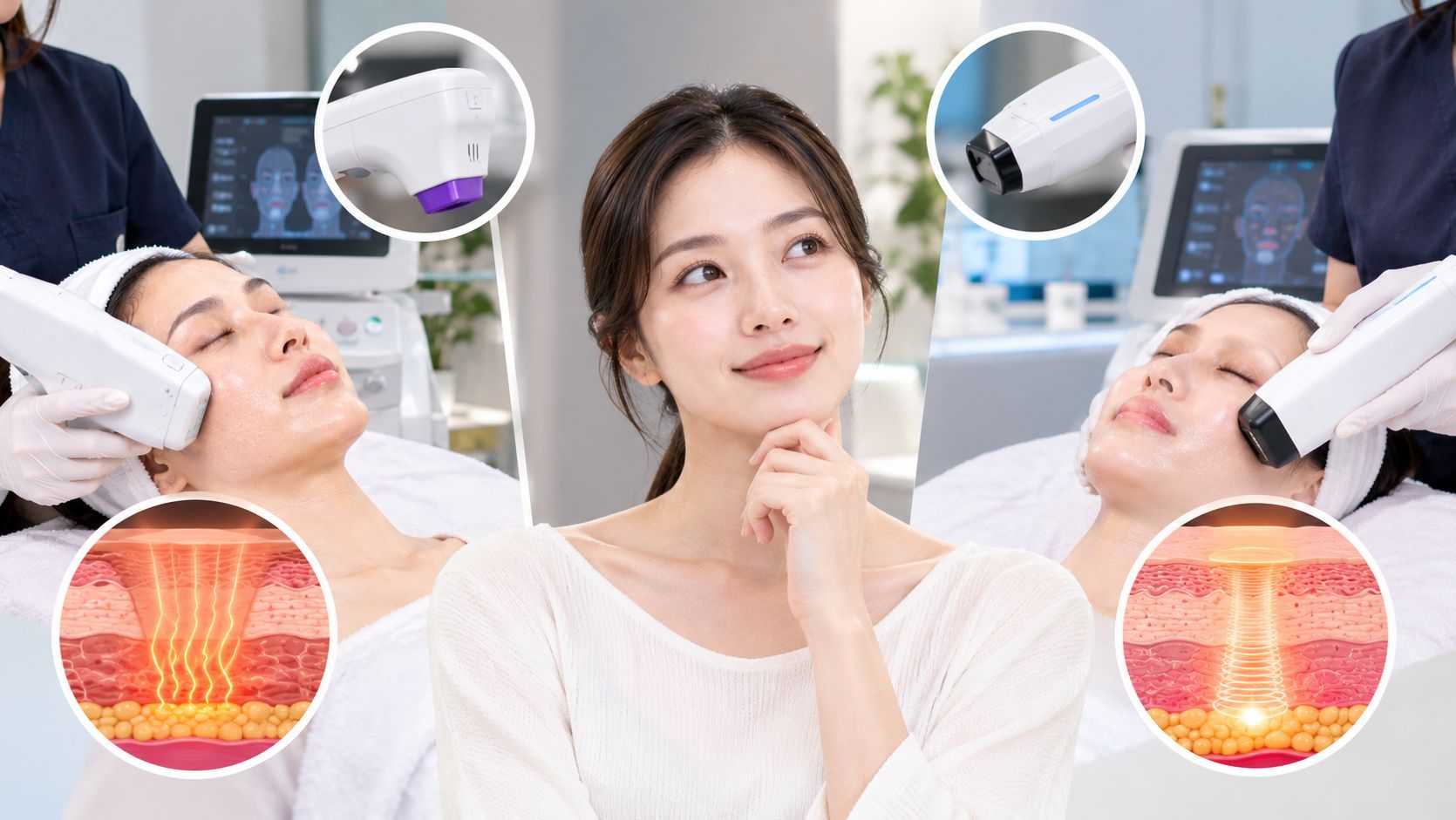
I Have a Heavy Lower Face. Should I Choose Ultherapy, InMode or Onda?
If your lower face looks heavy, your jawline has become less defined, or you have fullness beneath your chin, you may be considering a Korean aesthetic treatment to improve facial contours.
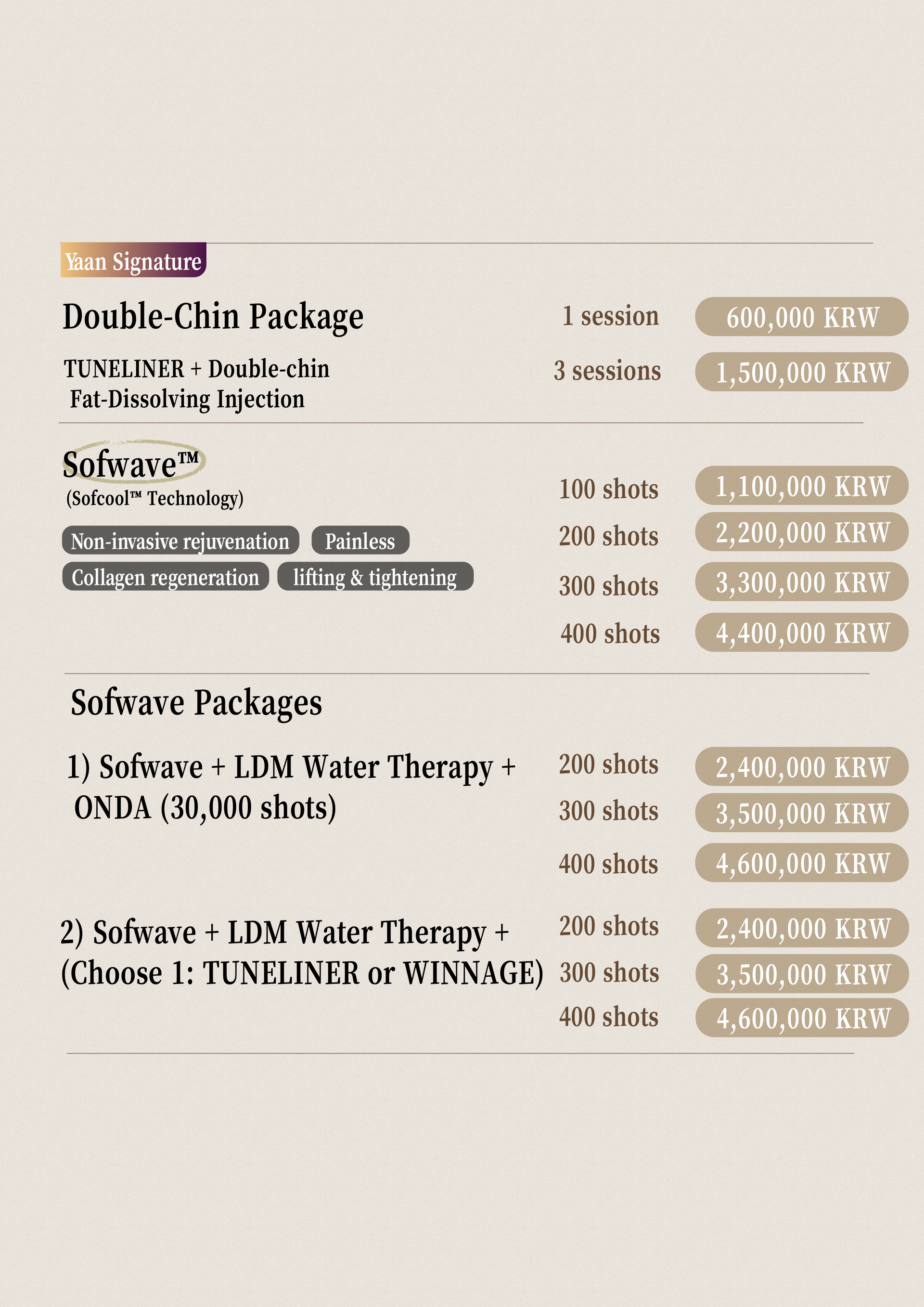
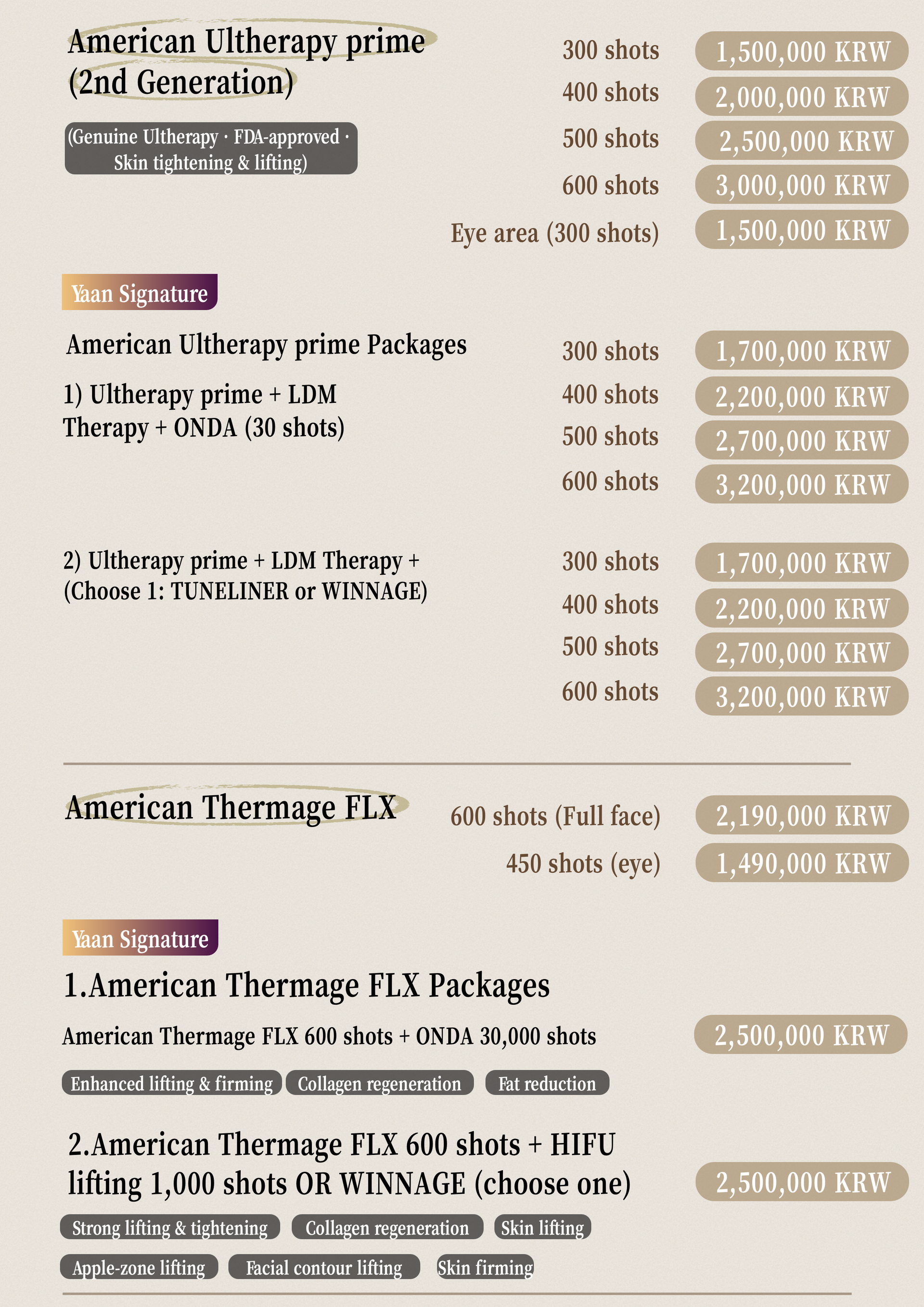
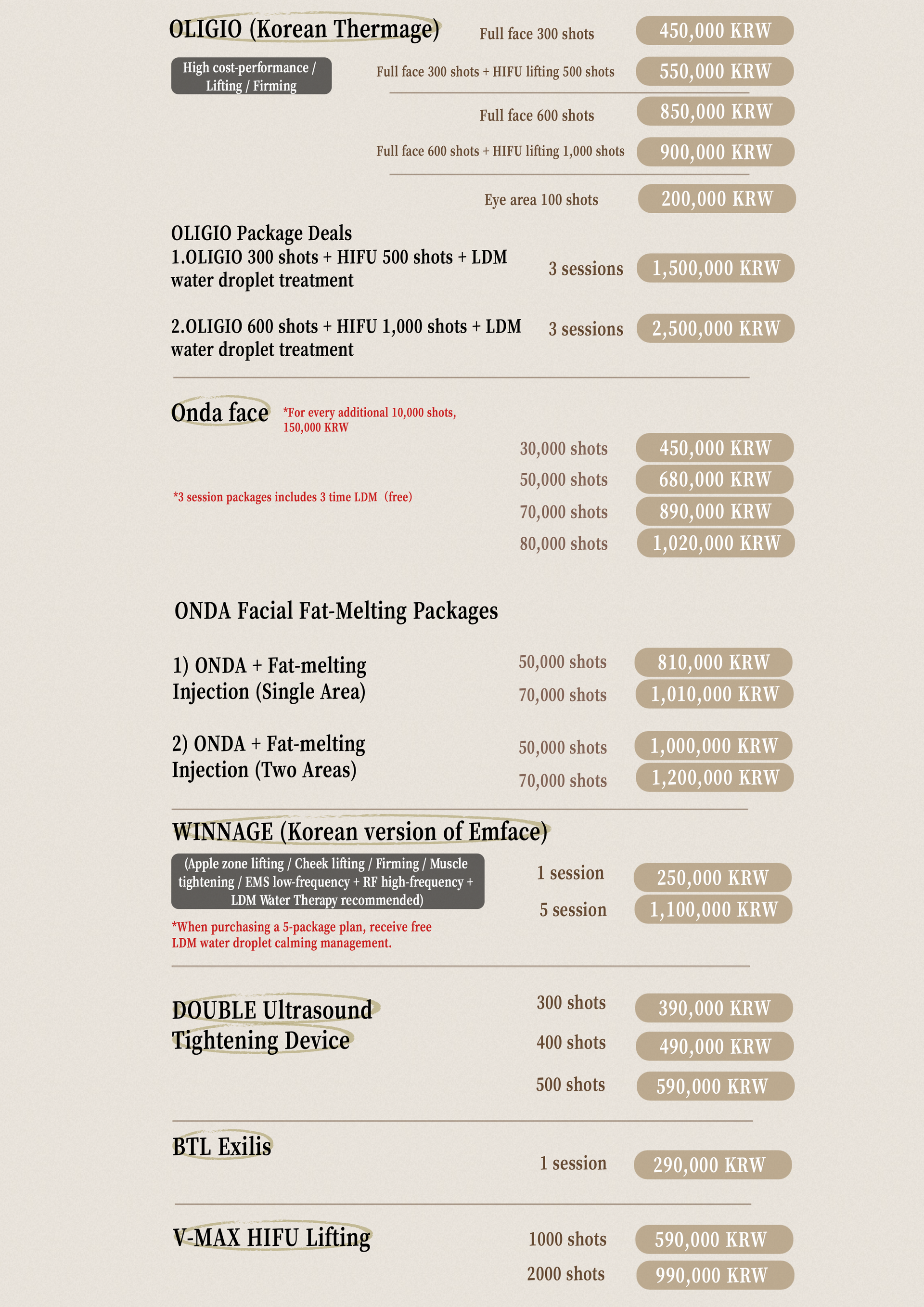
Three options you may encounter in Seoul are Ultherapy, InMode, and Onda. However, they work differently and are intended for different concerns. Ultherapy uses microfocused ultrasound, InMode encompasses multiple radiofrequency technologies, and Onda uses microwave energy for selected localized adiposity and contouring concerns.
The best choice depends on what is causing your heavy lower face. Loose skin, jowls, submental fat, and a naturally broad jaw are different problems. A treatment that addresses one may do little for another.
Why Does Your Lower Face Look Heavy?
Understanding the cause of your lower-face fullness is the first step toward choosing an appropriate treatment.
1. Loose skin and sagging
As skin elasticity and supporting tissues change with age, the jawline may become less defined. You might notice sagging near the corners of your mouth, loose skin along the jaw, or mild jowls.
When skin laxity is the main concern, a lifting or skin-tightening procedure may be more relevant than a treatment primarily intended to reduce fat.
2. Fat beneath the chin
Submental fat is the fat located beneath the chin. It can contribute to a double chin and make the transition between the chin and neck appear less distinct.
If this is the primary concern, a clinician may consider an appropriate fat-contouring procedure. However, not every double chin is caused by fat; skin laxity, chin projection, and underlying anatomy can also affect the appearance.
3. Fullness around the lower cheeks
Full lower cheeks can make the face look round or heavy even when the skin is relatively firm.
The clinician should determine whether the fullness is caused by fat, tissue descent, or natural facial structure. Removing fat unnecessarily can create hollowing and may not improve the overall facial balance.
4. A broad jaw or prominent jaw muscles
A naturally broad jawbone or prominent masseter muscles can create a wide lower-face shape. Skin tightening and fat-reduction procedures do not directly change the underlying bone structure.
If muscle prominence is a significant contributor, a clinician may discuss a different treatment approach after evaluating the cause.
Ultherapy, InMode or Onda: Which Is Better?
There is no universal winner. Each option should be matched to the concern being treated.
1. Ultherapy: When loose skin is the main concern
Ultherapy uses microfocused ultrasound to deliver energy to selected tissue depths. It may improve certain signs of skin laxity in appropriately selected patients.
For a heavy lower face, a clinician may consider it when sagging or reduced skin firmness contributes to the appearance of jowls or a less-defined jawline.
However, Ultherapy is not primarily a fat-removal procedure. If your lower face looks heavy mainly because of localized fat beneath the chin, it may not directly address the main problem.
Potentially suitable when:
- Mild skin laxity contributes to a less-defined jawline.
- Tissue descent is a major concern.
- You want to discuss a non-surgical lifting approach.
Important considerations: Ultherapy can cause pain, swelling, tenderness, and other adverse effects. Reports of subcutaneous atrophy and other complications exist in the safety literature, although their frequency is not established reliably. Discuss facial anatomy, treatment depth, and the possibility of unwanted contour changes before proceeding.
2. InMode: Identify the exact system first
InMode is a technology brand rather than a single treatment. The clinic should identify the specific device, applicator, and procedure it proposes to use.
Different InMode technologies may target skin tightening, tissue remodeling, or facial contouring. For example, Morpheus8 uses fractional radiofrequency microneedling, while FaceTite is a minimally invasive radiofrequency-assisted contouring technology.
These procedures differ in how energy is delivered, their intended purposes, recovery requirements, and risks. They should not be treated as interchangeable simply because they share a brand name.
For someone with a heavy lower face, an appropriate InMode procedure may be discussed if the clinician identifies a matching concern. A tightening-focused approach differs from a procedure intended to contour tissue or coagulate fat.
Potentially suitable when:
- The exact technology matches your main concern.
- You understand whether the procedure is non-invasive or minimally invasive.
- The expected benefit justifies the recovery and risks.
Important considerations: Ask whether the proposed treatment is intended to tighten skin, reduce fat, or both. Some procedures involve needles or minimally invasive access and may have risks such as burns, scarring, irregular contours, or unwanted tissue changes.
3. Onda: When localized fat beneath the chin is the main concern
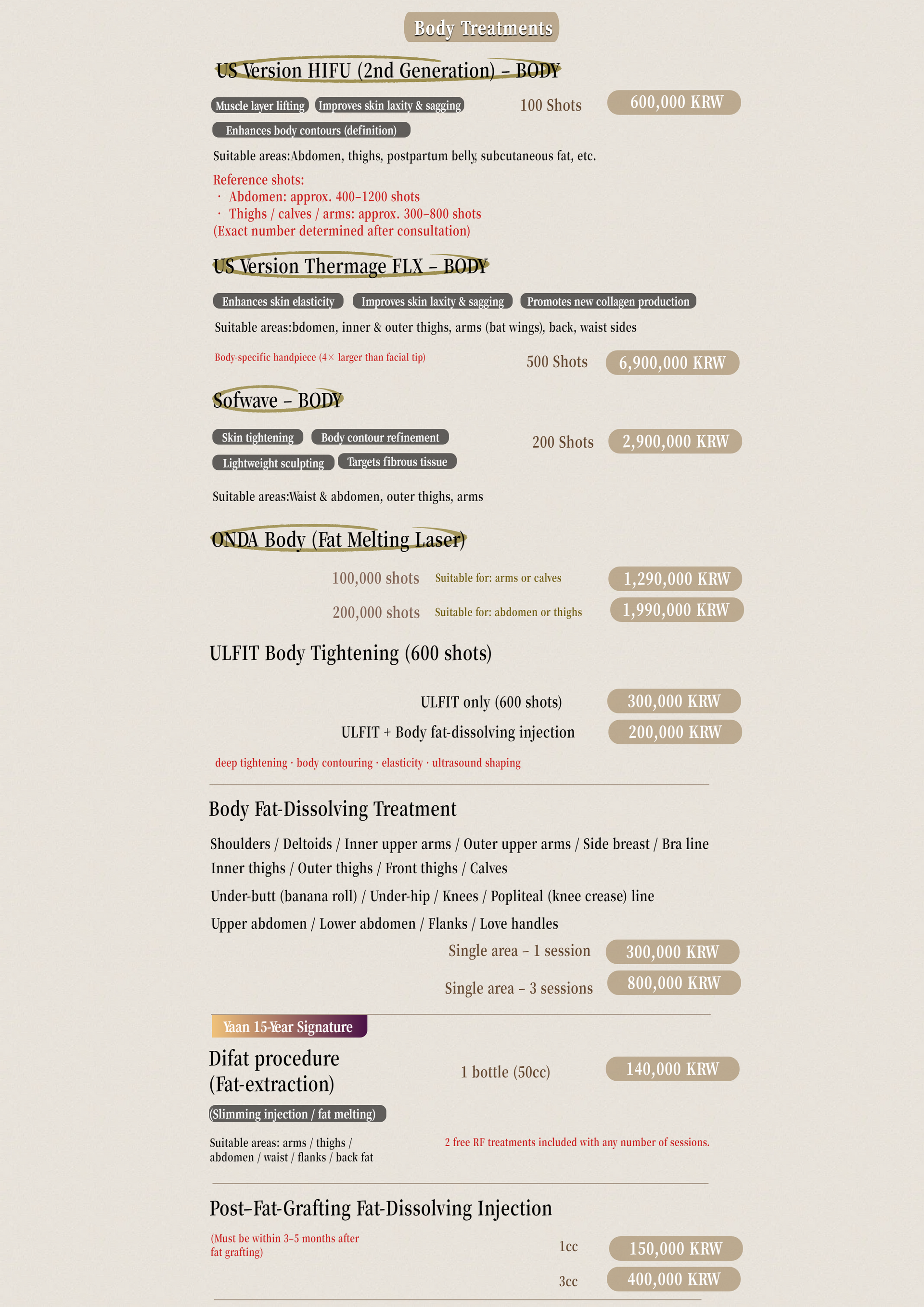
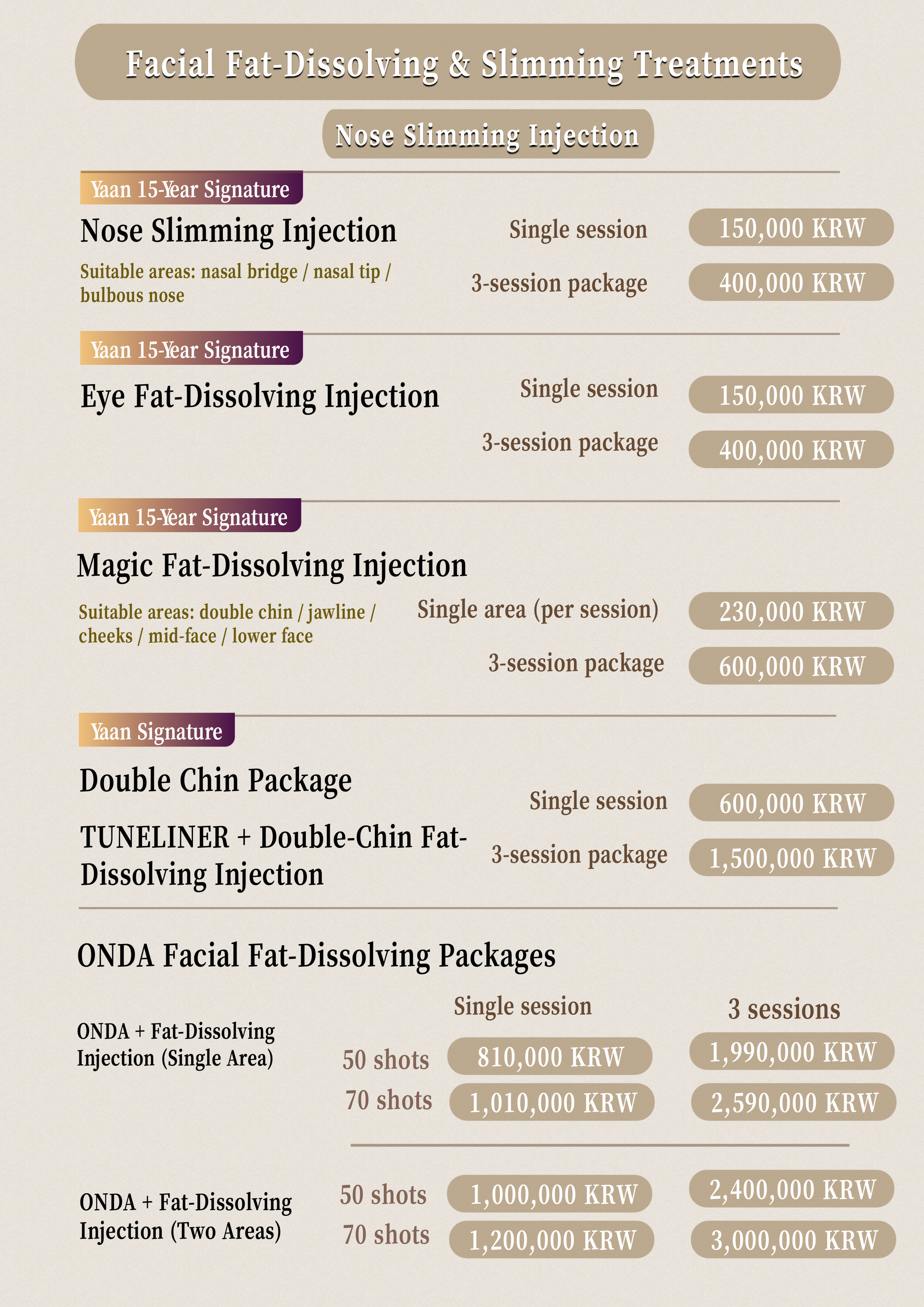
Onda uses microwave energy and may be considered for selected localized adiposity and contouring concerns.
For the lower face, its potential role is different from that of a treatment primarily intended to lift loose skin. Clinical recommendations for Onda describe a specific approach to submental treatment and emphasize appropriate handpiece selection, treatment boundaries, and attention to nearby anatomical structures.
This does not mean Onda is appropriate for every double chin or every heavy lower face. The clinician must determine whether sufficient localized fat is present and whether the proposed treatment is suitable for the intended area.
Potentially suitable when:
- Localized submental fat is a significant contributor.
- The skin and underlying anatomy are appropriate for treatment.
- You want to discuss a non-surgical contouring approach.
Important considerations: Onda is not a universal solution for jowls or sagging skin. If your lower face looks heavy primarily because of skin laxity, treating fat may not solve the problem. Unnecessary fat reduction can also create an undesirable contour.
Quick Comparison: Which Treatment Matches Your Concern?
Main concernOption to discussImportant limitationMild sagging or skin laxityUltherapyDoes not reliably remove localized fatSkin tightening with a specific radiofrequency systemAppropriate InMode technologyThe exact system and applicator matterSelected localized fat beneath the chinOnda or another suitable contouring optionRequires assessment of fat and anatomyJowls with both laxity and fullnessIndividualized assessment; sometimes a combination approachOne device may not address every causeBroad jaw caused by bone structure or muscle prominenceAssessment for a different treatment approachThese devices do not directly change bone structure
This comparison is intended to guide discussion with a qualified clinician, not replace a personalized treatment recommendation.
What If You Have Both Jowls and a Double Chin?
Some people have loose skin along the jawline as well as fat beneath the chin. In these cases, choosing a treatment based on just one feature may produce disappointing results.
A clinician should assess the two areas separately:
- If loose skin is the main concern: Discuss whether a lifting or tightening procedure is appropriate.
- If submental fat is the main concern: Ask whether a localized contouring procedure is suitable.
- If both contribute: Discuss the likely benefit, limitations, and risks of treating each concern. A combination is not automatically necessary or better.
It is also important to consider the chin and neck profile. A small or recessed chin can make the area beneath it look fuller, even when the amount of fat is modest. Fat reduction alone may not correct this structural issue.
How Can You Avoid an Overly Thin or Unnatural Result?
If you have a heavy lower face but want to preserve cheek fullness, explain this clearly during your consultation.
First, ask the clinician to distinguish between natural facial volume and tissue that genuinely contributes to the contour you want to change. Avoid assuming that a slimmer face is always a better result.
Second, ask which areas will be treated and why. Fat reduction should be limited to an appropriate target, and tightening treatments should be selected according to the degree of laxity.
Finally, agree on realistic expectations. Non-surgical procedures may produce modest improvements, but they cannot guarantee a sharply defined jawline or eliminate every sign of sagging.
Choosing a Treatment in Seoul
If you are considering treatment in Korea, ask the clinic these questions before booking:
- What is causing my lower face to look heavy: fat, loose skin, jowls, or facial structure?
- Which exact device, version, and applicator will you use?
- Is the procedure designed primarily for lifting, skin tightening, or fat reduction?
- Which areas will be treated, and how will my natural facial volume be preserved?
- What are the possible complications, recovery requirements, and alternatives?
- Who will perform the procedure, and what qualifications do they have?
- What follow-up is available if I experience unexpected swelling, asymmetry, or contour changes?
If you are travelling to Seoul, obtain written aftercare instructions and a contact route for medical concerns after you return home.
Seek prompt medical assessment if you develop severe or worsening pain, burns, blistering, new weakness, persistent numbness, or rapidly worsening asymmetry after treatment. Avoid additional energy-based procedures until a suspected complication has been evaluated.
Conclusion: Choose According to the Cause of Your Heavy Lower Face
Ultherapy, InMode, and Onda can serve different purposes, so choosing between them begins with identifying the main concern.
Ultherapy may be considered for selected skin-laxity concerns. An appropriate InMode technology may be relevant for tightening or contouring, depending on the exact system. Onda may be considered for selected localized fat concerns, particularly beneath the chin when treatment is appropriate for that area.
None is automatically best for every heavy lower face. A careful assessment of your skin, fat distribution, jaw structure, and facial volume will help you avoid unnecessary procedures and choose a treatment that matches your goals.
Frequently Asked Questions
1. Is Ultherapy, InMode, or Onda best for a heavy lower face?
There is no single best option. Ultherapy may be considered for selected skin-laxity concerns, certain InMode technologies may address tightening or contouring, and Onda may be considered for localized fat. The cause of your heavy lower face determines which option is relevant.
2. Is Onda better than Ultherapy for a double chin?
Not necessarily. Onda may be considered when localized fat beneath the chin is a major contributor, while Ultherapy is primarily used for selected lifting and tightening concerns. A clinician should assess whether fat, loose skin, or chin structure is causing the double-chin appearance.
3. Can InMode remove jowls?
The answer depends on the specific InMode technology and the cause of the jowls. Some procedures are intended to tighten or remodel tissue, while others provide minimally invasive contouring. Jowls caused mainly by skin laxity may need a different approach from jowls associated with localized fat.
4. Can I combine Ultherapy and Onda?
A combination may be considered in selected cases when both skin laxity and localized fat are present, but it is not automatically necessary or better. The clinician should explain the rationale, treatment sequence, potential risks, and whether one procedure alone may be sufficient.
5. Will fat reduction make my jawline sharper?
It may improve definition in appropriately selected patients with localized fat, but it cannot guarantee a sharper jawline. Loose skin, chin projection, bone structure, and muscle prominence can also affect the result.
6. What should I do if my face is already slim but my lower jaw sags?
If you have a slim face with sagging along the jawline, avoid assuming that fat reduction is needed. Ask a qualified clinician to assess skin laxity and tissue descent first. A carefully selected tightening approach—or another option based on the examination—may be more appropriate.