Why Does My Neck Look Older Than My Face, and What Can I Do About It?
Have you noticed that your face still looks relatively youthful, but your neck appears wrinkled, loose, or crepey? You are not alone. The neck can show visible signs of aging earlier than other areas because of differences in skin structure, cumulative sun exposure, and changes in the tissues beneath the skin.
Even when you follow a consistent facial skincare routine, your neck may receive less sunscreen, moisturizer, and targeted care. Over time, this difference can make horizontal lines, uneven skin tone, and reduced firmness more noticeable.
The good news is that several options may help improve the appearance of an aging neck. Depending on the cause, these may include skincare, radiofrequency treatments, ultrasound-based skin tightening, selected injectable procedures, or surgery for more advanced skin laxity.
The most important step is identifying what is making your neck look older. Wrinkles, loose skin, excess fat, and vertical muscle bands are different concerns and may require different treatments.
Why Does the Neck Sometimes Age Faster Than the Face?
Neck aging is usually caused by several factors working together rather than one single problem.
1. Neck Skin Has Different Structural Characteristics
The skin on the neck is generally thinner than the skin on parts of the face and is constantly moving as you turn your head, speak, and look down. Its structure and mechanical properties differ from those of facial skin.
As collagen and elastin change with age, the neck may become less firm and develop visible creases. Because the skin is relatively delicate, these changes can become noticeable even when facial skin still appears smooth.
2. Sun Damage Accumulates Over Time
Ultraviolet radiation is a major contributor to visible skin aging. Many people apply sunscreen to their face every day but forget the front, sides, and back of the neck.
Repeated sun exposure can contribute to fine lines, rough texture, pigmentation, and reduced elasticity. The upper chest may also show similar changes because it is frequently exposed to sunlight.
Daily sun protection for the face, neck, and exposed upper chest is therefore an important part of preventing further photoaging.
3. Collagen and Elastin Gradually Decline
Collagen provides structural support, while elastin helps the skin return toward its original shape after stretching. Changes in these components contribute to reduced firmness and increased wrinkling.
These changes are part of natural aging, but their visible effects vary according to genetics, hormonal changes, sun exposure, smoking, and other lifestyle factors.
Skincare and cosmetic treatments may improve certain signs of aging, but neither can completely stop the underlying aging process.
4. The Neck Contains Muscles and Fat That Change With Age
An aging neck is not simply an issue of skin quality. Changes in subcutaneous fat, the platysma muscle, and deeper supporting structures can affect the neck's contour.
Some people develop fullness beneath the chin. Others notice vertical bands running down the neck or a softer transition between the jawline and neck.
These concerns may resemble loose skin, but they do not all respond to the same treatment. A skin-tightening procedure, for example, may not adequately address a prominent muscle band or substantial fat beneath the chin.
5. Looking Down Frequently May Make Existing Lines More Noticeable
Repeatedly bending the neck while using a phone, laptop, or other device can make horizontal creases more noticeable during movement. However, these lines have multiple causes, including skin structure, genetics, and age-related changes.
Changing your posture may reduce repeated folding during daily activities, but it should not be presented as a guaranteed way to prevent or reverse established neck wrinkles.
How Can You Tell What Is Making Your Neck Look Older?
Before choosing a treatment, identify the main visible concern.
Horizontal Neck Lines
These are horizontal creases across the front of the neck. They may appear in younger adults and can become deeper over time.
If the lines are shallow, skincare and sun protection may help improve overall skin quality. Deeper, established lines may require professional assessment to determine whether a procedure could help.
Loose or Crepey Neck Skin
Loose skin may look thin, crumpled, or less elastic. It can be associated with collagen changes, sun damage, aging, or weight loss.
Mild laxity may respond to selected non-surgical tightening treatments. More pronounced excess skin may require a surgical consultation if a significant change is desired.
Vertical Neck Bands
Vertical bands may become more visible when the platysma muscle contracts or becomes more prominent with age. They can appear when speaking, grimacing, or turning the head, although some remain visible at rest.
A skin-tightening device may not fully correct this concern because the muscle contributes to the appearance. A clinician may discuss other options, including selected neuromodulator treatments or surgery, depending on the severity and individual suitability.
Fullness Beneath the Chin
A double chin can result from fat distribution, skin laxity, anatomy, or a combination of these factors.
If fullness is mainly caused by fat, a skin-tightening procedure alone may not deliver the desired contour. The treatment plan should be based on identifying the source of the fullness.
What Can You Do at Home to Improve Neck Skin?
A consistent skincare routine is a sensible starting point, particularly if your neck has mild lines, dryness, or early signs of photoaging.
Apply Sunscreen to Your Neck Every Day
Use broad-spectrum sunscreen with SPF 30 or higher on the neck and exposed upper chest. Apply it according to the product instructions and reapply as recommended, particularly during extended outdoor exposure.
Sun protection helps reduce additional UV-related damage. It will not erase deep wrinkles that have already formed, but it can help protect the skin from further photoaging.
Use a Moisturizer
Moisturizers containing ingredients such as glycerin, ceramides, or hyaluronic acid can help support skin hydration and reduce the appearance of dryness-related fine lines.
Well-hydrated skin may look smoother, but moisturizer cannot remove significant loose skin or reverse all age-related structural changes.
Consider Retinoids Carefully
Topical retinoids may help improve some signs of photoaging over time. However, they can cause irritation, dryness, or peeling, and neck skin may be more sensitive than facial skin.
If you want to try a retinoid, introduce it cautiously and discuss suitability with a dermatologist, especially if you have sensitive skin or a history of irritation. Do not apply it to irritated or damaged skin, and seek medical advice if you develop a persistent reaction.
Avoid Overusing Exfoliating Products
Using multiple strong acids, scrubs, or active ingredients can irritate the neck and make redness or pigmentation more noticeable. A simple, consistent routine is often more appropriate than repeatedly switching between aggressive products.
Which Treatments Can Help an Aging Neck?
If skincare is not enough to address your concern, a qualified dermatologist or aesthetic physician can assess which procedure, if any, is appropriate.
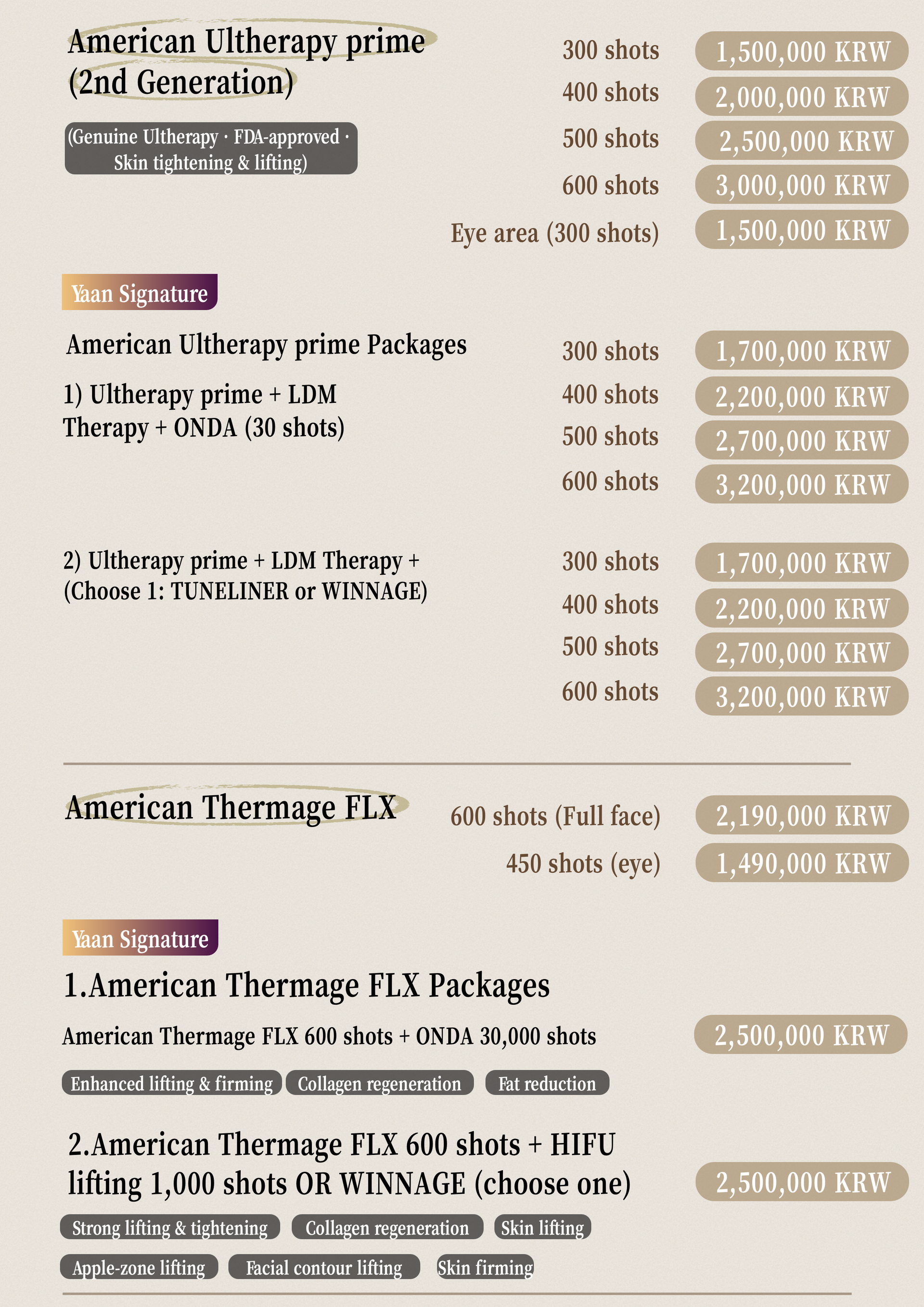
Thermage for Mild Skin Laxity
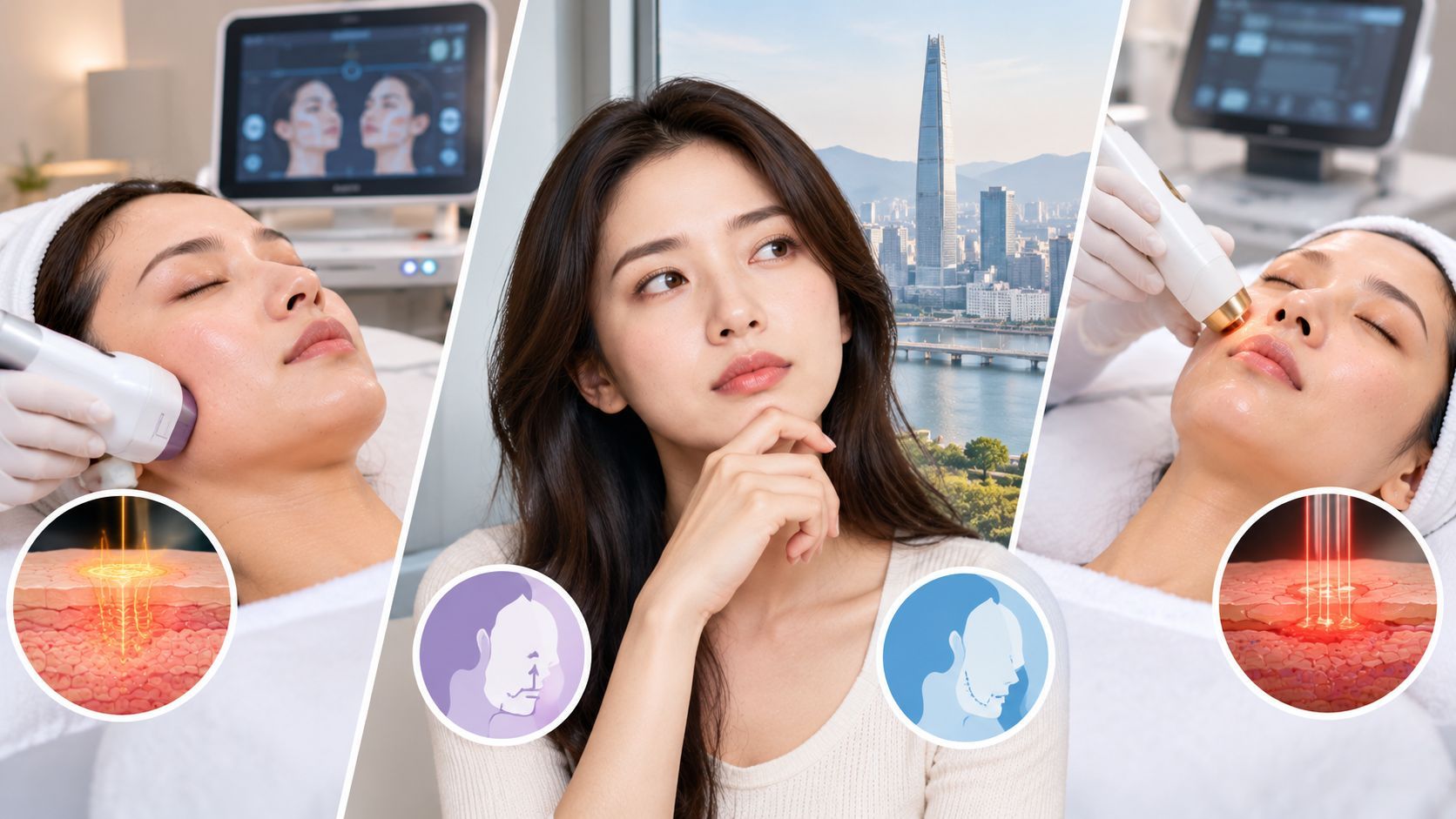
Thermage uses monopolar radiofrequency energy to heat tissue and stimulate collagen remodeling. It may improve the appearance of mild skin laxity and some texture changes.
Results are gradual and vary between patients. Thermage cannot remove substantial excess skin or reliably correct every cause of neck aging.
Ultherapy for Selected Tightening Concerns
Ultherapy uses microfocused ultrasound energy to target selected tissue depths. It may be considered for suitable patients with mild to moderate laxity.
It is not automatically superior to other tightening treatments, and outcomes depend on anatomy, treatment settings, and the clinician's assessment.
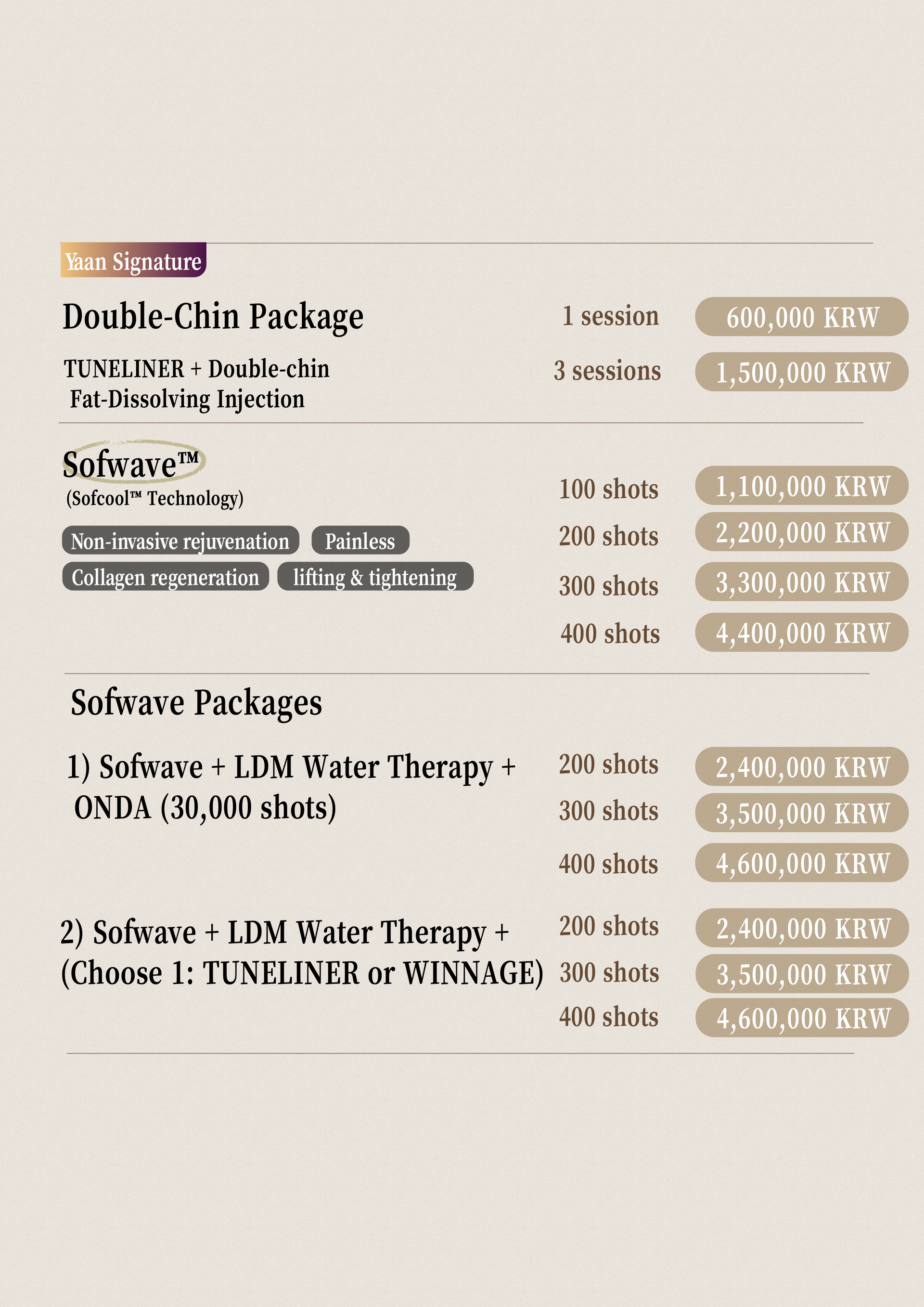
Sofwave for Skin Laxity and Wrinkles
Sofwave delivers ultrasound energy into the mid-dermis to stimulate collagen remodeling. It may be an option for selected patients seeking improvement in skin laxity and the appearance of wrinkles.
The best choice between Sofwave and other energy-based treatments depends on the specific concern, device suitability, and realistic expectations.
Treatments for Horizontal Neck Lines
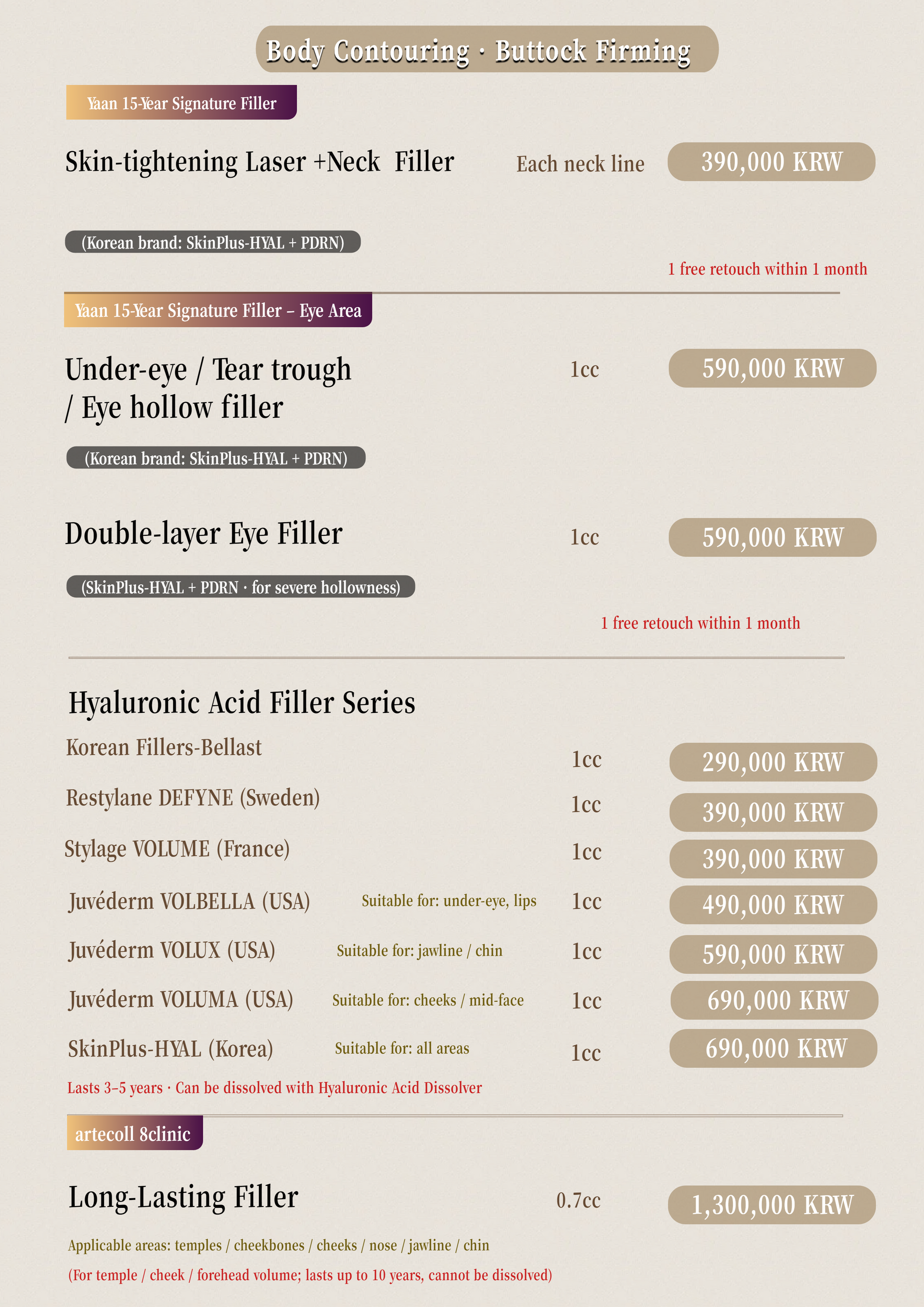
Deep horizontal lines may need a different approach from generalized skin laxity. Depending on the line depth and skin condition, a clinician may discuss selected injectable treatments, resurfacing procedures, or other options.
No procedure is appropriate for every line, and injectable treatment in the neck requires careful assessment of anatomy and potential risks.
Treatments for Vertical Neck Bands
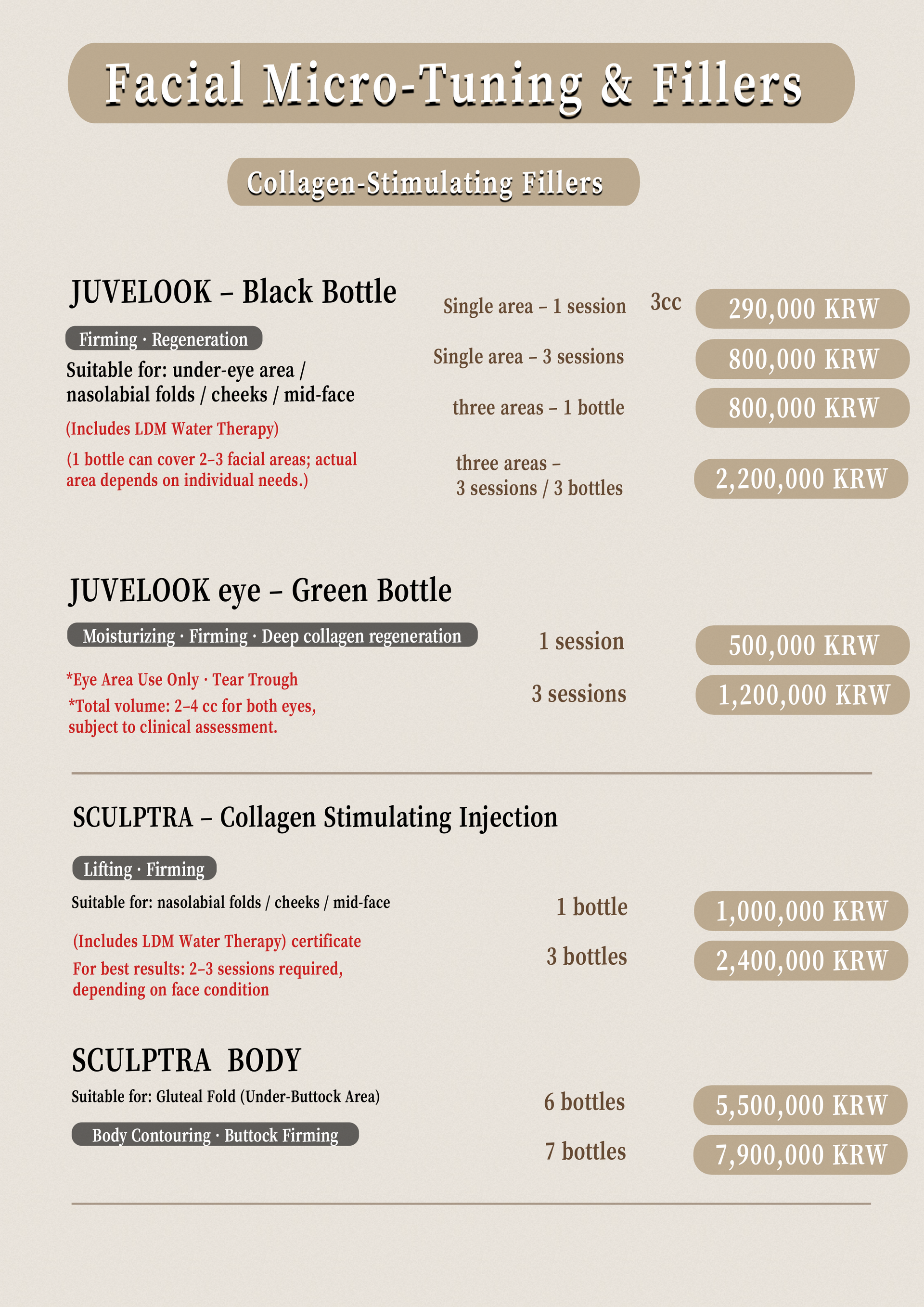
For selected patients, neuromodulator injections may reduce the appearance of certain muscle-related neck bands. The treatment does not tighten all loose skin, and the suitability of injections depends on the location and severity of the bands.
More pronounced muscle changes or significant skin excess may require a surgical consultation.
Surgery for Significant Neck Sagging
When there is substantial excess skin, prominent muscle separation, or marked loss of neck definition, surgery may provide a more substantial change than non-surgical treatments.
A neck lift involves surgical risks, recovery time, and individualized planning. It is not necessary for everyone with an aging neck, but it may be worth discussing when non-surgical approaches are unlikely to achieve the desired result.
Is It Better to Treat the Face and Neck Together?
Sometimes. The face and neck contribute to the overall appearance of the lower face, jawline, and profile. If the face has been treated but the neck has significant laxity or sun damage, the difference between the two areas may become more noticeable.
However, treating both areas together is not always necessary. The decision should depend on the specific concerns, the safety of the proposed procedures, the expected benefits, and your budget.
A good consultation should assess the face and neck as connected areas without automatically recommending multiple treatments.
Considering Neck Rejuvenation in Seoul?
Seoul offers a wide range of aesthetic treatments, including radiofrequency, ultrasound-based tightening, laser procedures, injectables, and surgical options.
If you are considering treatment in Korea, choose a qualified medical provider who examines your neck and explains why a particular procedure may suit your needs.
Before booking, ask:
- What is the main cause of my neck aging?
- Is my concern primarily skin laxity, wrinkles, muscle bands, or fat?
- What degree of improvement is realistic?
- What side effects and complications should I understand?
- How long might results take to develop?
- Will I need follow-up care after returning home?
If you are visiting Seoul for a short trip, consider whether you will have enough time for aftercare and medical follow-up. Do not select a treatment solely because it fits into a travel schedule or promotional package.
How Can You Prevent Your Neck From Looking Older?
You cannot completely prevent neck aging, but you can reduce some avoidable contributors.
- Apply sunscreen to your neck and upper chest every day.
- Use a moisturizer to maintain skin hydration.
- Avoid smoking and limit avoidable environmental skin damage.
- Introduce active skincare ingredients cautiously.
- Maintain a balanced lifestyle and avoid repeated cycles of major weight loss and regain when possible.
- Seek professional assessment if a sudden or unusual skin change occurs.
Prevention is most useful when it is consistent. You do not need an elaborate routine to begin protecting your neck skin.
Conclusion: Why Does Your Neck Look Older Than Your Face?
Your neck may look older than your face because its skin has different structural characteristics, receives less sun protection, and is affected by changes in collagen, fat, and muscle. These factors can produce horizontal lines, crepey texture, loose skin, vertical bands, and fullness beneath the chin.
The right treatment depends on the cause. Skincare may help protect and improve skin quality, while Thermage, Ultherapy, or Sofwave may be considered for selected cases of mild laxity. Muscle-related bands, deep lines, fat accumulation, and substantial excess skin may require different approaches.
If the difference between your face and neck is becoming more noticeable, start with an assessment rather than choosing a procedure based on age alone. A qualified clinician can help identify the main concern and explain the likely benefits, limitations, risks, and alternatives.
Frequently Asked Questions
1. Why does my neck look older than my face even though I use skincare?
Your neck may receive less sunscreen and moisturizer than your face, and its skin has different structural characteristics. Genetics, sun exposure, aging, and changes in the underlying tissues can also contribute. Facial skincare alone may not address all these factors.
2. Can an aging neck become firm again without surgery?
Some people experience improvement with consistent skincare and non-surgical treatments such as radiofrequency or ultrasound-based skin tightening. Results are generally more limited when there is substantial excess skin or prominent muscle changes.
3. What is the best treatment for crepey neck skin?
There is no single best treatment for everyone. Skincare may help mild dryness and texture changes, while selected energy-based procedures may improve mild laxity. A dermatologist can assess whether resurfacing or another approach is appropriate.
4. Does looking down at my phone cause neck wrinkles?
Repeated neck flexion can make existing horizontal creases more noticeable, but established neck lines have multiple causes. Posture changes may reduce repeated folding, but they cannot be relied on to erase existing wrinkles.
5. Can Thermage or Ultherapy make my neck look younger?
Either may improve the appearance of skin laxity in selected patients. Neither can guarantee a dramatic lift, remove significant excess skin, or address every cause of an aging neck.
6. At what age should I start neck rejuvenation treatments?
There is no universal age. Daily sun protection and appropriate skincare can begin early, while procedures should be considered according to the actual concern, individual suitability, and expected benefit rather than age alone.