I'm 33 With Acne Scars and Early Aging. What Should I Treat First?
If you're 33 and noticing both acne scars and early signs of aging, the best approach is usually to prioritize active acne and skin health first, then choose treatments for scarring and early aging based on your skin's condition. You do not necessarily need separate procedures for every concern, and treating everything at once may increase irritation, downtime, and cost.
The right starting point depends on whether you still have active breakouts, what type of acne scars you have, and which signs of aging concern you most. Indented acne scars, dark marks left after acne, fine lines, and mild skin laxity are different problems that may need different treatments.
For many people, a sensible plan begins with controlling active acne, establishing a consistent skincare routine, and protecting the skin from sun damage. Once breakouts are controlled, a dermatologist can assess whether scar-focused treatments, such as microneedling or fractional laser procedures, should come next. Early aging concerns can then be addressed without unnecessarily changing natural facial features.
Why You Should Prioritize Your Skin Concerns
At 33, it is possible to have acne-related damage and early photoaging at the same time. However, these concerns do not always require treatment in the same order.
The most important distinction is between active acne, residual discoloration, and permanent changes in skin texture.
- Active acne: New inflamed pimples, clogged pores, or painful breakouts can create additional scars.
- Post-acne marks: Flat red, pink, brown, or dark spots may remain after a pimple heals. These are not necessarily true scars.
- Indented acne scars: Depressions in the skin, including ice-pick, boxcar, and rolling scars, may need targeted procedures.
- Early aging: Fine lines, sun damage, rough texture, and mild loss of firmness can have several causes.
Treating the wrong concern may lead to disappointing results. For example, a procedure intended to improve indented scars may not be the best first option for flat brown marks, while a lifting treatment will not directly correct every type of acne scar.
Step 1: Control Active Acne Before Treating Scars
If you still experience regular breakouts, acne control is generally the first priority. New pimples can cause additional inflammation and scarring, making it harder to maintain the results of scar treatments.
A dermatologist may recommend a combination of topical treatments depending on your acne severity. Common options include benzoyl peroxide, topical retinoids, azelaic acid, or other prescription treatments when appropriate.
Your routine should also include a gentle cleanser, a non-comedogenic moisturizer, and broad-spectrum sunscreen. Avoid picking or squeezing pimples, as this can increase inflammation and the risk of lasting marks.
What if I Have Only Occasional Pimples?
You may not need an extensive acne treatment plan if breakouts are infrequent and mild. However, recurring inflamed pimples should still be addressed before aggressive resurfacing procedures.
Some acne medications can cause dryness or irritation. Your dermatologist may recommend adjusting the routine before scheduling a procedure, particularly if your skin barrier is already compromised.
If you have deep, painful nodules, rapidly developing scars, or persistent acne despite treatment, seek medical assessment rather than relying on cosmetic procedures alone.
Step 2: Determine Whether You Have Acne Marks or True Scars
Before choosing a procedure, establish what type of acne damage you have. This distinction is especially important because flat marks and indented scars respond differently to treatment.
Flat Red or Brown Marks
Flat marks left after acne are often caused by post-inflammatory redness or hyperpigmentation. They may gradually fade, although the process can take months or longer.
Depending on the cause, treatment may include sunscreen, topical retinoids, azelaic acid, or other dermatologist-recommended products. Selected pigment or vascular laser treatments may be considered in appropriate cases.
Not every dark mark should be treated with a laser. Melasma, post-inflammatory hyperpigmentation, and other pigmentation conditions can look similar but require different approaches. Certain procedures can worsen pigmentation, especially in people prone to post-inflammatory darkening.
Indented Acne Scars
Indented scars involve changes in the skin's structure and may not disappear with skincare alone.
Common types include:
- Ice-pick scars: Narrow, deep depressions.
- Boxcar scars: Wider depressions with relatively defined edges.
- Rolling scars: Broader, sloping depressions that can create an uneven skin surface.
A dermatologist may combine different approaches because no single procedure works equally well for all scar types.
Step 3: Choose an Acne Scar Treatment That Matches Your Scars
Once active acne is adequately controlled, scar treatment can become the main focus. The best choice depends on scar depth, skin tone, the presence of tethering beneath the skin, and how much downtime you can accept.
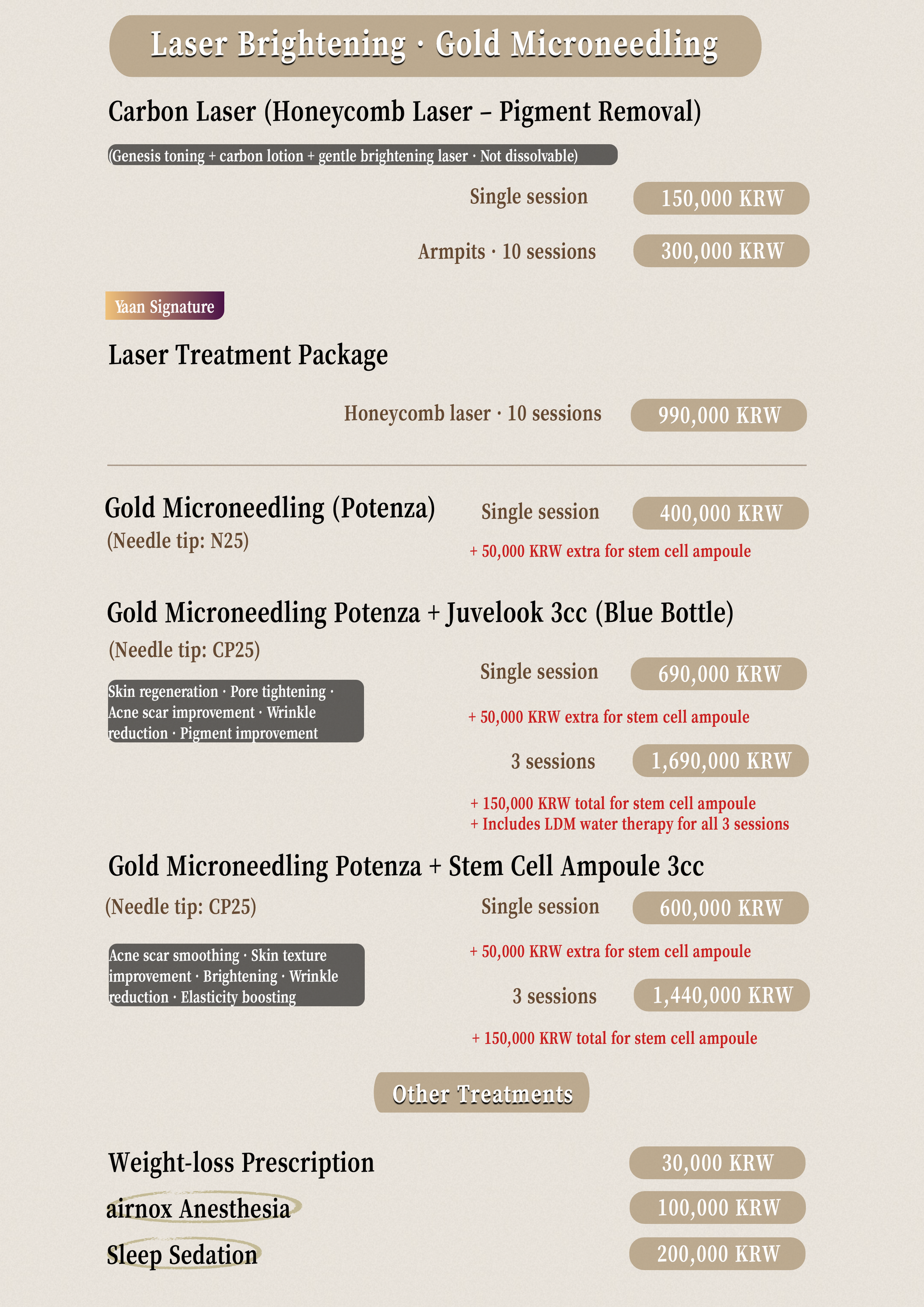
Microneedling
Microneedling uses fine needles to create controlled micro-injuries that stimulate a wound-healing response. It may improve selected shallow acne scars and skin texture over a series of sessions.
It generally does not change facial shape, making it an option for people who want to focus on surface texture. However, results are gradual, and deep scars may respond less effectively.
Possible side effects include redness, swelling, temporary discomfort, infection, and pigment changes. It should not be performed over active acne or skin infections, and the procedure should be tailored to your skin type.
Fractional Laser Resurfacing
Fractional laser treatments create controlled areas of thermal injury to encourage skin renewal and collagen remodeling. Depending on the device, they may help improve certain acne scars, uneven texture, and some signs of photoaging.
Ablative fractional lasers generally involve more recovery and a different risk profile than non-ablative options. The appropriate choice depends on scar severity, skin tone, medical history, and willingness to accept downtime.
Temporary redness, swelling, crusting, prolonged discoloration, infection, and scarring are possible complications. Darker skin tones may be more susceptible to post-inflammatory hyperpigmentation after some resurfacing procedures, so careful device selection and aftercare are important.
Subcision for Selected Rolling Scars
Rolling scars can sometimes be tethered to deeper tissue by fibrous bands. Subcision is a procedure in which a trained clinician releases these attachments using a needle or specialized instrument.
It may be considered when tethering is an important part of the scar. It is not appropriate for every acne scar and may be combined with other treatments.
Bruising, swelling, bleeding, nodules, and other complications can occur. Treatment should be planned by a clinician experienced in acne scar assessment and management.
TCA CROSS for Selected Ice-Pick Scars
TCA CROSS involves applying a high concentration of trichloroacetic acid to individual scars. It may improve selected narrow, deep scars, but it is a targeted medical procedure rather than a general facial peel.
Incorrect application can cause burns, additional scarring, or pigmentation changes. It should only be considered after a qualified clinician has assessed the scars and explained the risks.
Step 4: Address Early Aging Without Over-Treating Your Skin
At 33, early aging concerns may include fine lines, dullness, uneven tone, rough texture, or mild loss of firmness. You may be able to improve some of these concerns while treating acne scars, but the treatment plan should not become unnecessarily aggressive.
Start With Daily Sun Protection and Appropriate Skincare
Broad-spectrum sunscreen helps limit additional UV damage and is especially important after procedures that make the skin more sensitive.
A topical retinoid may help with acne and some signs of photoaging, but it can also cause dryness, redness, and irritation. Your clinician may recommend introducing it gradually or temporarily pausing it around certain procedures.
Moisturizer and a gentle cleanser help maintain the skin barrier. A stable routine can make it easier to tolerate treatment and assess whether your skin is improving.
Consider Skin-Quality Treatments Only If Needed
If acne scars are your primary concern, it may be reasonable to focus on them first rather than immediately adding lifting procedures or injectables.
Depending on your needs, a clinician may later discuss selected laser treatments or other procedures that address texture, fine lines, or mild laxity. Radiofrequency microneedling may be considered for some patients, but it carries risks and is not automatically better than conventional microneedling or laser treatment.
Treatments intended to add facial volume are not necessary simply because you are 33. Early aging does not automatically mean that you need fillers, skin boosters, or lifting procedures.
A Practical Treatment Order for a 33-Year-Old
Your plan should be personalized, but the following sequence is a useful starting point.
First: Stabilize Acne and Skincare
Control recurring breakouts, reduce irritation, and establish consistent sun protection. If your acne is painful, severe, or causing new scars, prioritize a medical consultation.
Second: Identify the Main Type of Acne Damage
Determine whether the remaining problem is flat discoloration, indented scars, or a combination. This assessment helps avoid spending money on procedures that do not match the concern.
Third: Treat the Scars Selectively
Choose a procedure based on scar type. Some people benefit from microneedling or fractional resurfacing, while others may need targeted treatment such as subcision or TCA CROSS. A combination may be appropriate, but not every treatment should be performed together.
Fourth: Reassess Early Aging
Once acne is stable and scar treatment is underway, reassess whether fine lines, pigmentation, or laxity still require additional treatment. Keeping the plan focused can reduce unnecessary downtime and expense.
There is no universal waiting period between treatments. Timing depends on the procedure, healing response, acne control, and the risk of complications. Follow the treating clinician's instructions.
How to Choose a Dermatology Clinic in Seoul
South Korea offers many dermatology and aesthetic treatment options, but choosing a clinic should involve more than comparing advertised prices or the number of available devices.
Look for a qualified medical professional who can identify your scar types, assess active acne, discuss your skin tone and pigmentation risk, and explain why a particular treatment is appropriate.
Before proceeding, ask:
- What type of acne scars do I have?
- Should my active acne be controlled before scar treatment?
- Which procedure best matches my scar type and skin tone?
- What improvement is realistic, and how many sessions might be needed?
- What are the likely downtime, side effects, and total treatment costs?
- Who will provide follow-up care if I experience a complication?
If you are visiting Korea for a short trip, consider recovery time carefully. Resurfacing treatments can cause redness, peeling, swelling, or temporary pigment changes that may last longer than expected. Avoid scheduling an intensive procedure immediately before an important event or your departure if follow-up care would be difficult.
Frequently Asked Questions
Should I treat acne scars or wrinkles first?
If you still have active acne, controlling breakouts is usually the first priority. If your acne is stable, the next step is to identify whether scars, pigmentation, or fine lines are your main concern. Indented scars often need scar-specific procedures, while early fine lines may respond to skincare or selected treatments.
Can one treatment improve both acne scars and early aging?
Some fractional laser and microneedling procedures may improve selected aspects of acne scarring and skin texture. However, they do not treat every scar type or every sign of aging equally well. Your clinician should explain which concerns are likely to improve and which may need separate treatment.
Is microneedling enough for deep acne scars?
Not always. Microneedling may help selected shallow scars, but deep ice-pick scars or tethered rolling scars may need other approaches. A combination of treatments may be more suitable after a detailed assessment.
Is laser treatment safe for darker skin?
Some laser procedures can be used in darker skin tones, but the risk of post-inflammatory hyperpigmentation varies by device, settings, diagnosis, and individual skin characteristics. A clinician experienced in treating your skin tone should discuss the benefits, alternatives, and risks before proceeding.
Can I get acne scar treatment and anti-aging treatment in the same session?
Sometimes, but it depends on the procedures and your skin condition. Combining treatments can increase irritation, downtime, and complication risk. A staged plan may be more appropriate, especially if you have active acne, sensitive skin, or a history of pigmentation after inflammation.
How long will acne scar treatment take?
Improvement usually takes time. Several sessions may be needed, with healing intervals between procedures. The overall timeline depends on scar type, treatment method, skin response, and whether additional procedures are required. Complete scar removal cannot be guaranteed.
Conclusion
If you're 33 with acne scars and early aging, do not feel that you must treat everything at once. Start by controlling active acne and supporting your skin barrier. Next, identify whether you have flat post-acne marks or indented scars, then choose a targeted treatment based on the diagnosis. Address early aging with sun protection and suitable skincare, adding procedures only when there is a clear reason.
A conservative, well-planned approach can improve skin texture and appearance while preserving your natural facial features. The goal is not to do the most treatments possible; it is to choose the right treatment for the concern that matters most to you.