Which Korean treatment gives natural-looking skin improvement without changing my face?
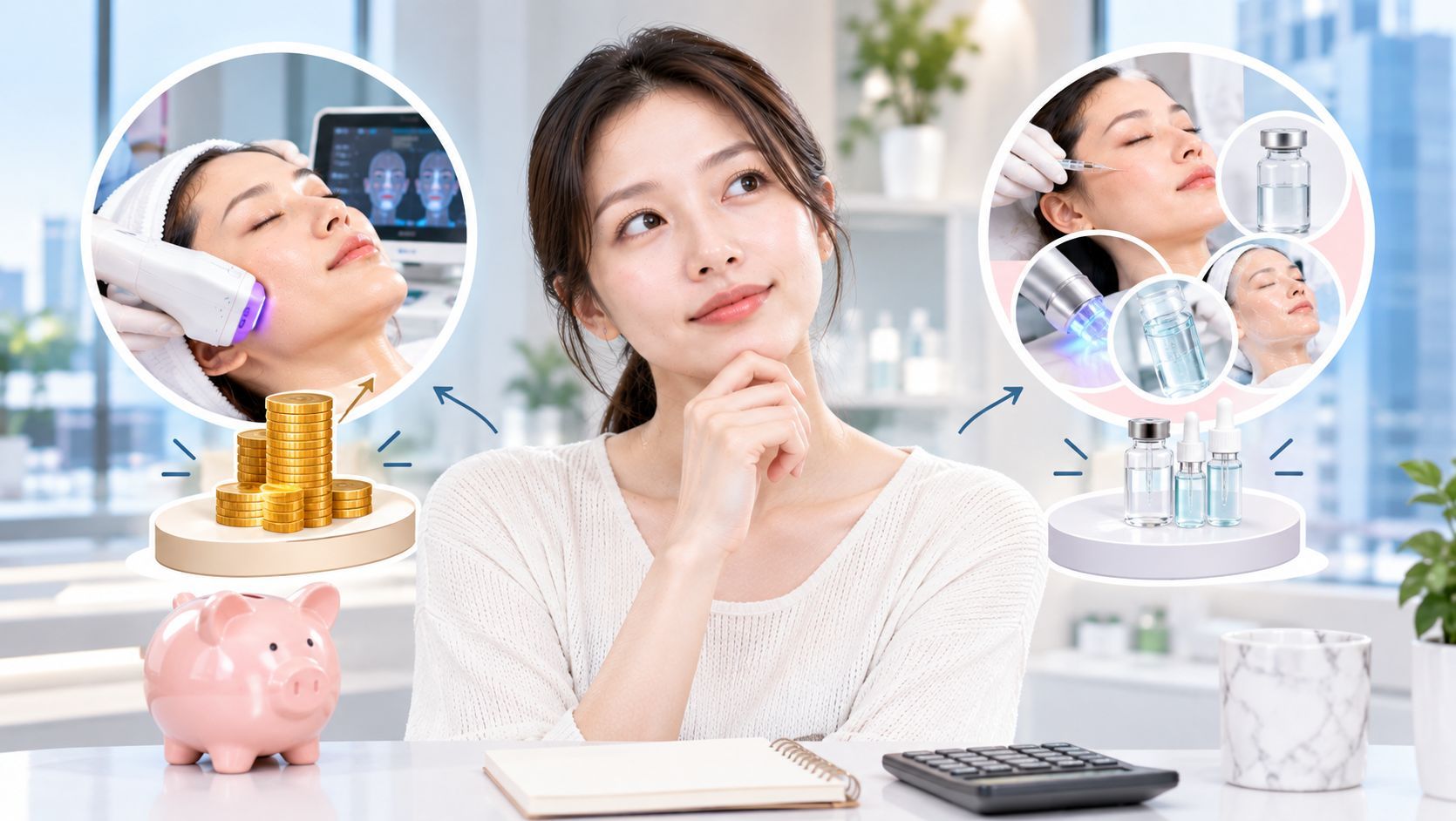
If you want healthier-looking, smoother, brighter skin without changing your facial features, several Korean dermatology treatments may be worth considering. Options such as gentle laser treatments, skin boosters, hydrating facials, and selected radiofrequency procedures focus on skin quality rather than creating dramatic changes in facial shape.
The best treatment depends on what you want to improve. Uneven skin tone, dullness, fine lines, dehydration, enlarged pores, and early skin laxity require different approaches. A treatment that works well for pigmentation may not improve skin firmness, while a procedure designed to lift tissue may be unnecessary if your primary concern is dryness.
For many people, the most natural-looking approach is a conservative, personalized treatment plan that improves one or two specific skin concerns while preserving their existing facial features.
What Does Natural-Looking Skin Improvement Mean?
Natural-looking improvement does not necessarily mean avoiding every cosmetic procedure. It means choosing treatments that address your concerns without unnecessarily changing your facial proportions, expressions, or defining features.
For example, someone with dull skin may want a more even complexion and a healthy glow rather than a lighter skin color. Someone noticing fine lines may prefer subtle skin-texture improvement rather than a completely smooth, expressionless appearance.
A natural result usually involves three principles:
- Targeted treatment: Address the actual concern instead of treating every part of the face.
- Conservative intensity: Choose an appropriate treatment strength and avoid unnecessary procedures.
- Realistic expectations: Aim for gradual improvement rather than a dramatic transformation.
It is also important to understand that no cosmetic procedure guarantees a particular result. Skin type, age, underlying conditions, treatment technique, and individual healing can all affect the outcome.
Korean Treatments That Can Improve Skin Without Changing Facial Features
South Korea offers a wide range of dermatology and aesthetic procedures. The following treatments may be appropriate when the goal is better skin quality rather than a different facial shape.
1. Gentle Laser Treatments for Uneven Skin Tone
Laser treatments may help improve selected concerns such as certain types of pigmentation, uneven skin tone, and some forms of sun-related discoloration. The appropriate laser depends on the pigment involved, your skin tone, and whether you have conditions such as melasma.
Pico laser treatments, for example, use very short pulses of energy and may be used for selected pigment concerns. However, not every pigmentation problem responds in the same way, and laser treatment can sometimes worsen discoloration, particularly in skin that is prone to post-inflammatory hyperpigmentation.
Who may consider it?
People concerned about specific dark spots, uneven tone, or selected pigmentation issues may benefit from a dermatologist's assessment.
What should you expect?
Improvement generally depends on the diagnosis and treatment plan. Some concerns require multiple sessions, and maintenance or sun protection may be necessary. Redness, temporary darkening, irritation, and other pigment changes are possible.
If your skin is sensitive or you have melasma, ask whether a laser is appropriate before proceeding. Topical treatments and strict sun protection may be safer starting points for some patients.
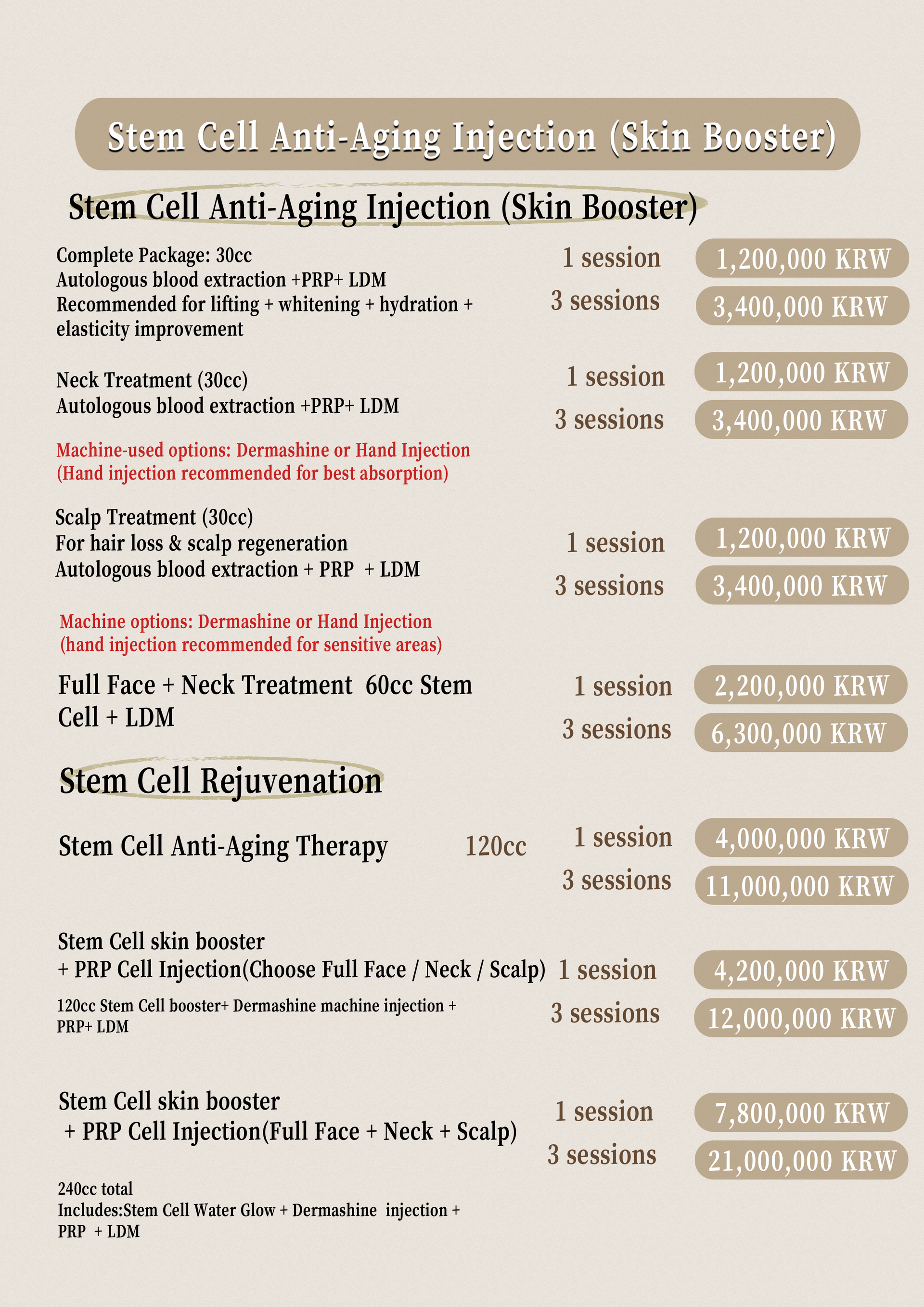
2. Skin Boosters for Hydration and Skin Texture
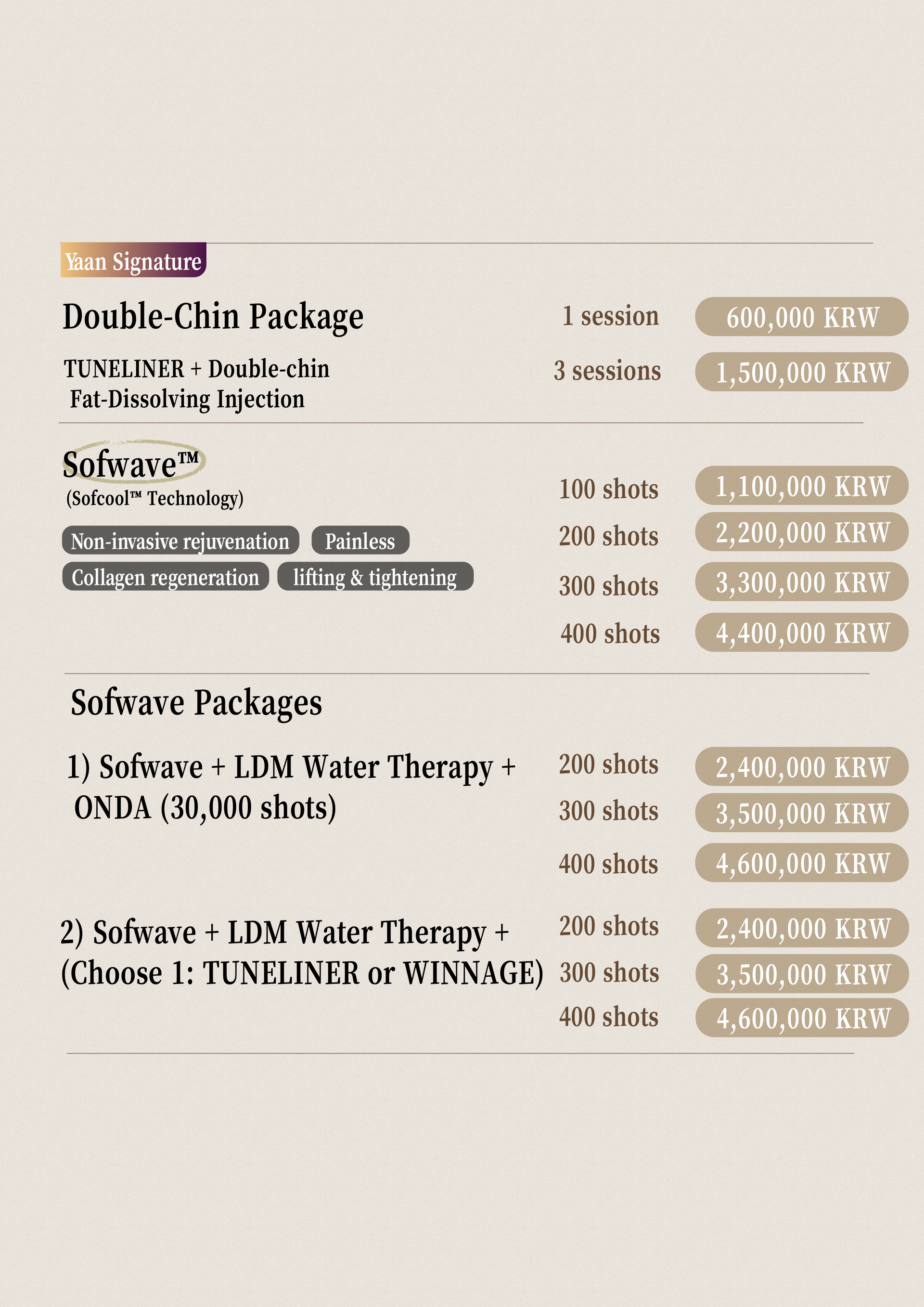
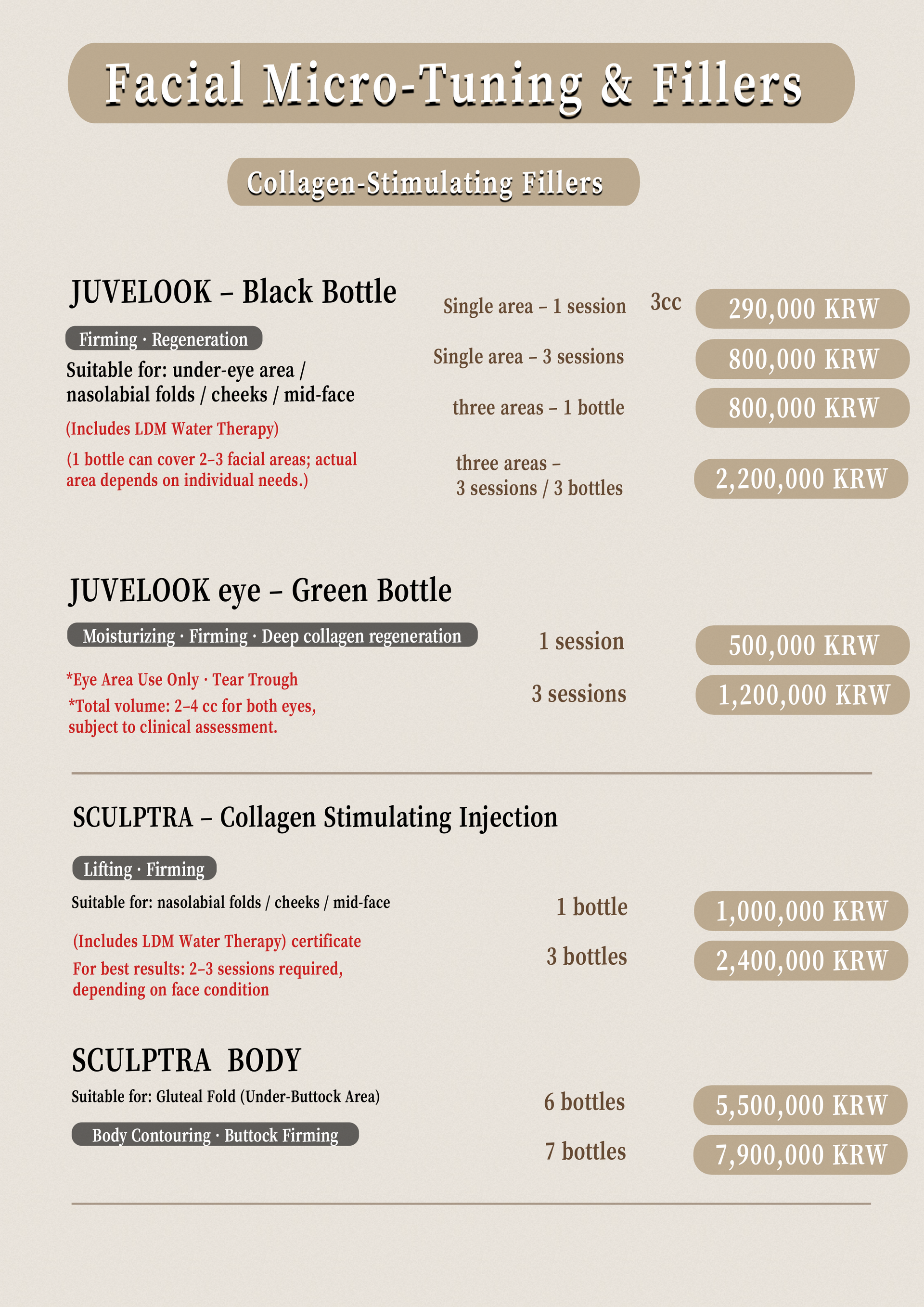
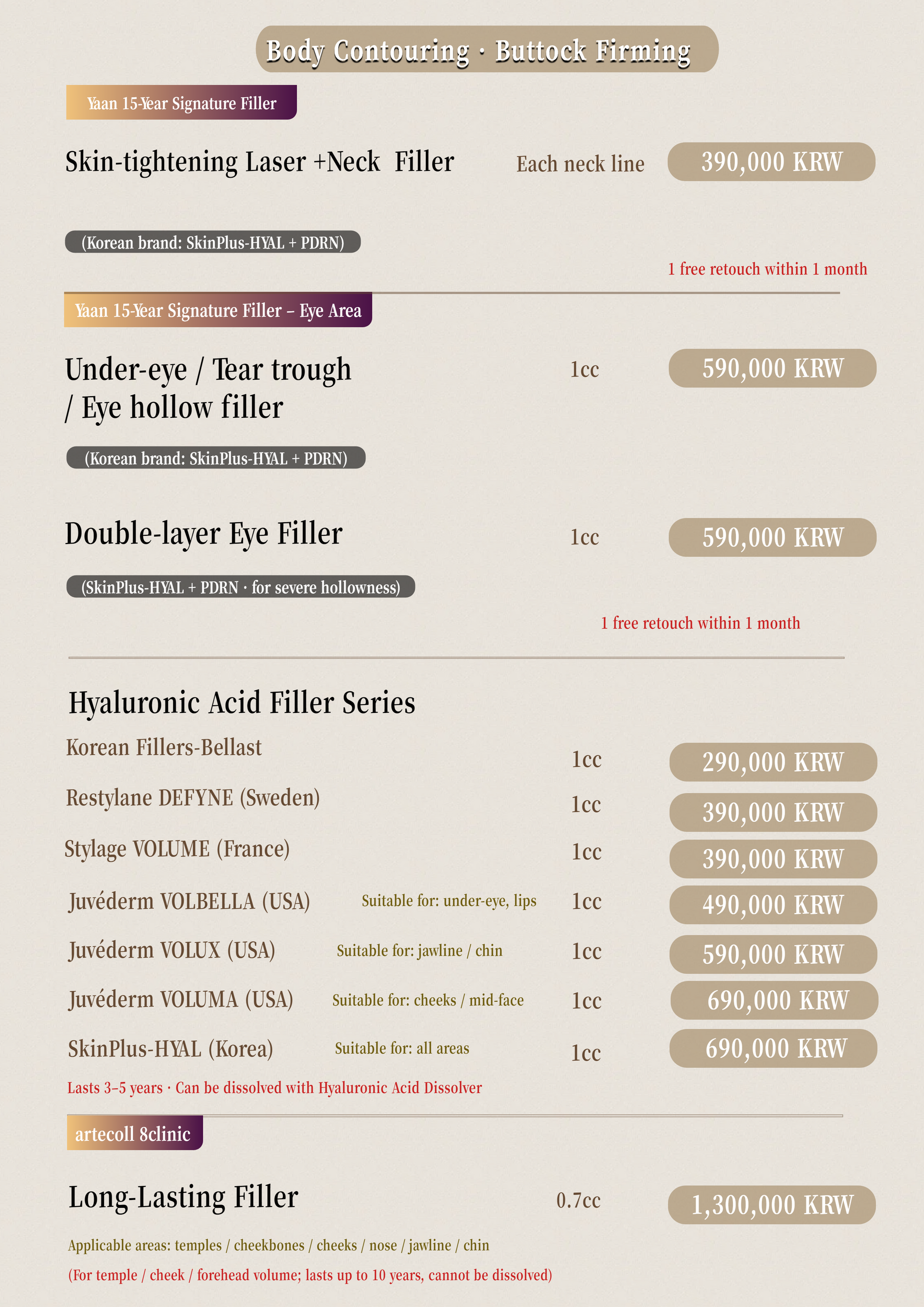
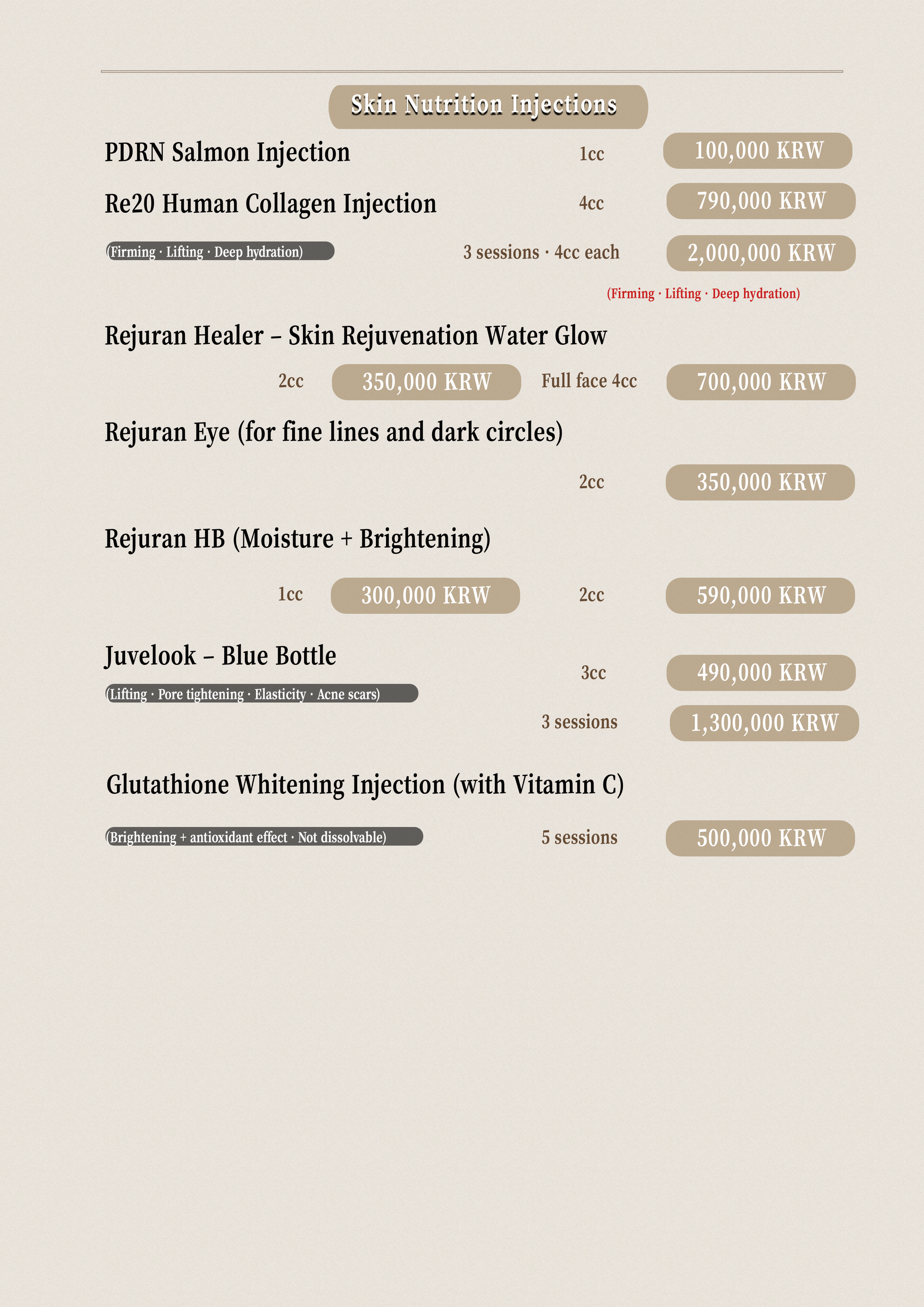
Skin boosters are injectable treatments intended to improve selected aspects of skin quality. Depending on the product, they may contain hyaluronic acid or other ingredients intended to support hydration or skin appearance.
Unlike conventional dermal fillers, which are commonly used to add volume or alter contours, skin boosters are generally selected for skin-quality goals. Nevertheless, the effect depends on the product and injection technique, and some injectable treatments can create temporary swelling or visible bumps.
Who may consider it?
People with concerns about dehydration, fine lines, or skin texture may wish to discuss skin boosters with a qualified medical professional.
What should you expect?
Results are not identical across products. Some treatments aim to improve hydration or the appearance of fine lines over time, but they cannot permanently eliminate wrinkles or reverse all signs of aging.
Possible side effects include bruising, swelling, tenderness, lumps, and infection. Rare but serious complications can occur with injectable procedures, so product selection, anatomical knowledge, sterile technique, and appropriate medical supervision are essential.
If you want to preserve your facial shape, explain that your priority is skin quality rather than added cheek, chin, or lip volume.
3. Hydrating Facials and Aqua Peel Treatments
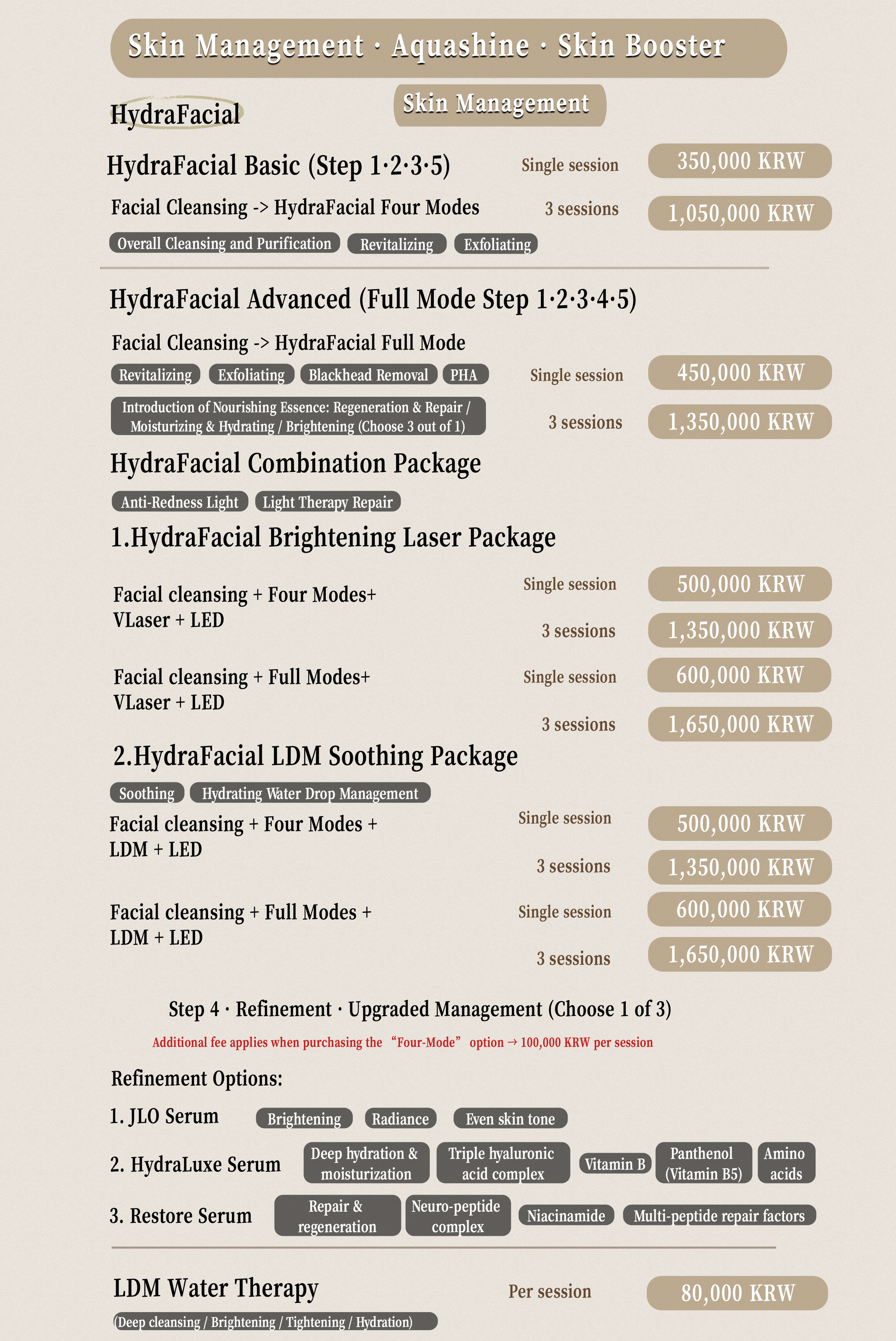
Aqua Peel and similar professional facial treatments are often chosen for surface cleansing, exfoliation, and temporary hydration. Depending on the system and products used, treatment may help remove surface debris and leave skin feeling smoother.
These treatments are generally less invasive than injectable procedures or energy-based lifting treatments, making them a possible starting point for people who want modest cosmetic improvement.
Who may consider it?
People with mild surface congestion, dullness, or a rough-feeling complexion may find a professional facial helpful.
What should you expect?
The main benefit is usually a temporary improvement in how the skin feels and looks. An Aqua Peel is not a substitute for medical treatment of persistent acne, significant pigmentation, deep wrinkles, or skin laxity.
Overly aggressive exfoliation can cause irritation, dryness, or a damaged skin barrier. If you have active eczema, rosacea, inflamed acne, or highly reactive skin, ask whether the treatment should be modified or avoided.
For a natural-looking result, gentle treatment and a consistent home skincare routine may be more useful than frequent intensive facials.
4. Radiofrequency Treatments for Mild Skin Laxity
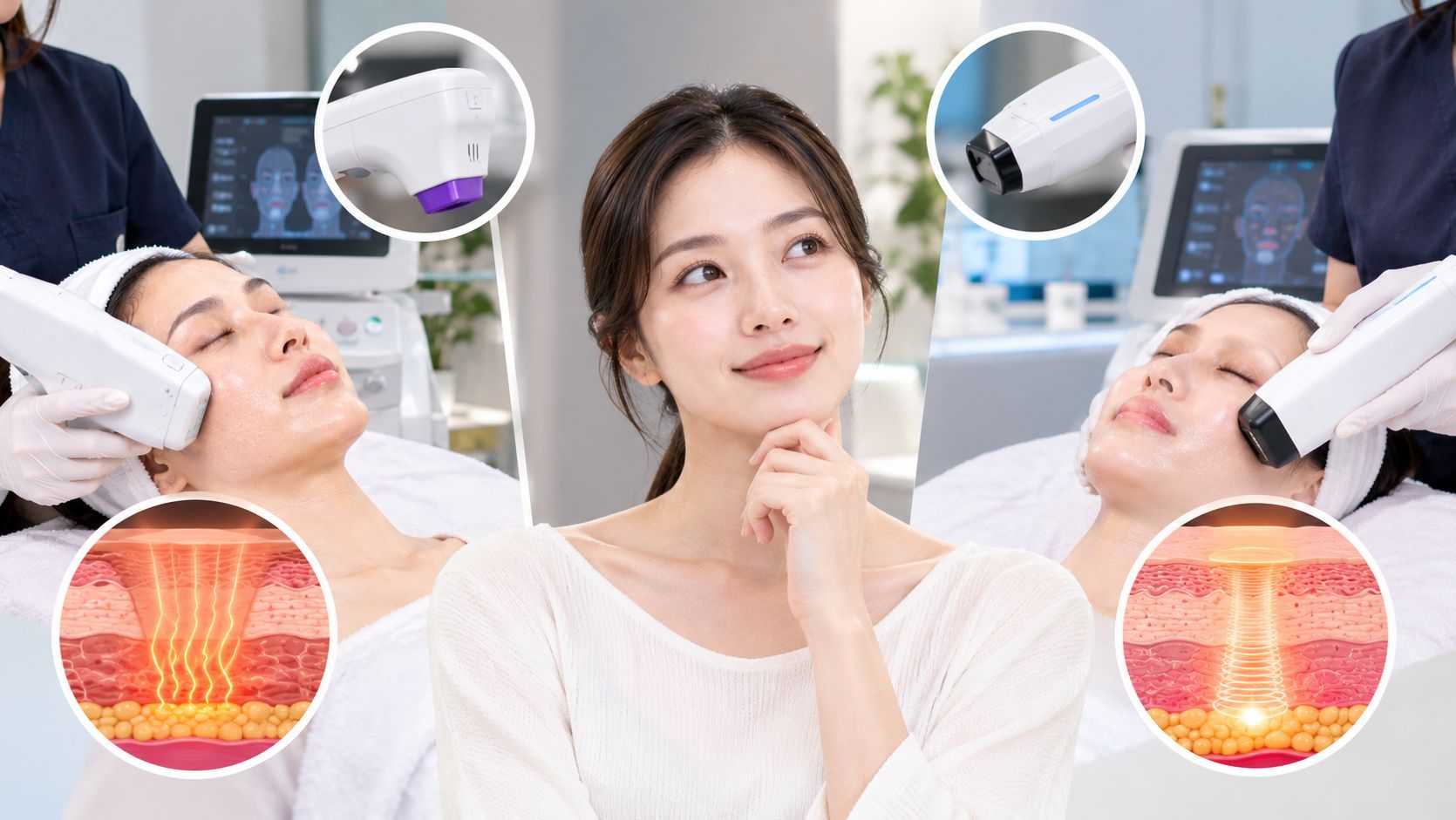
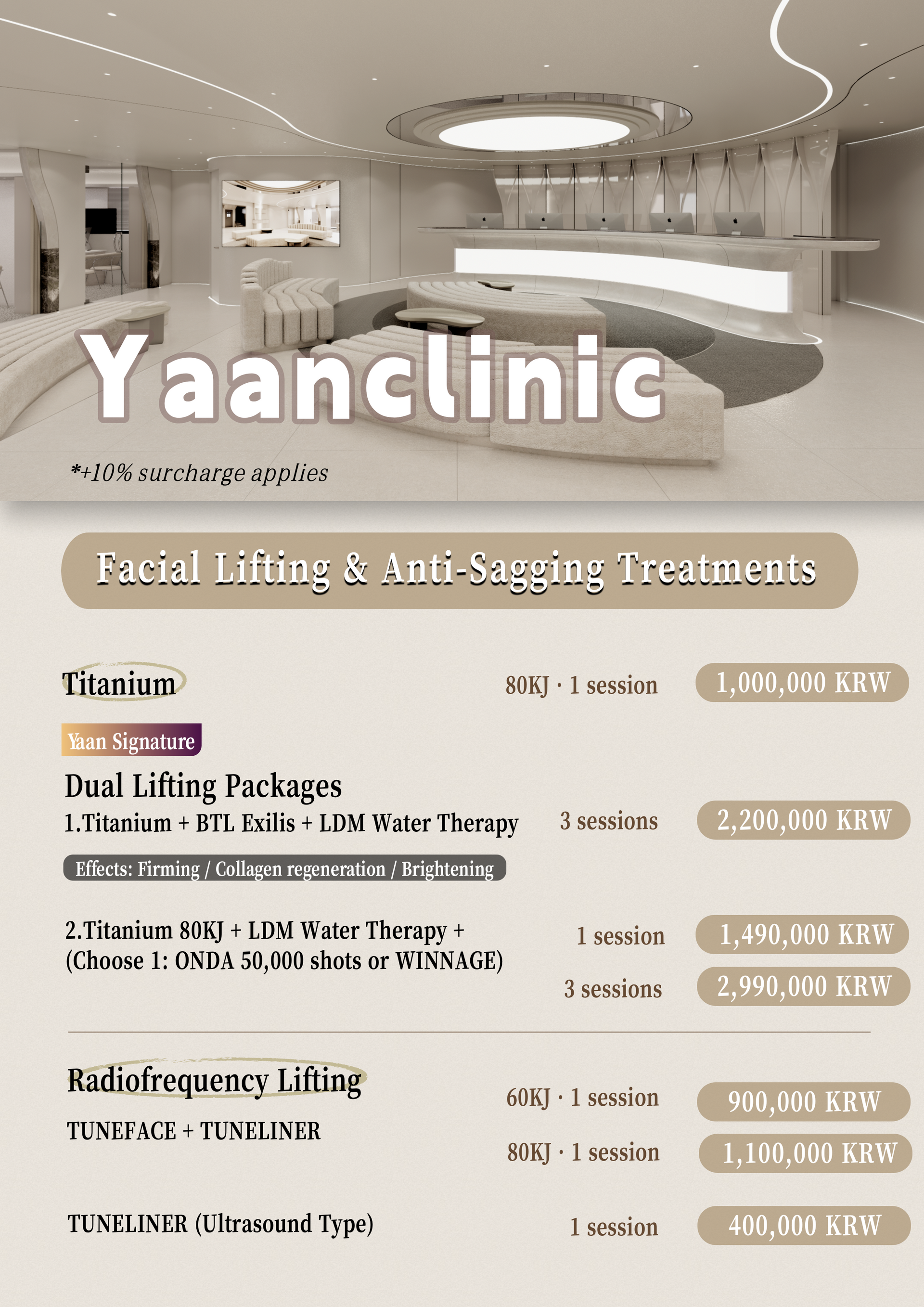
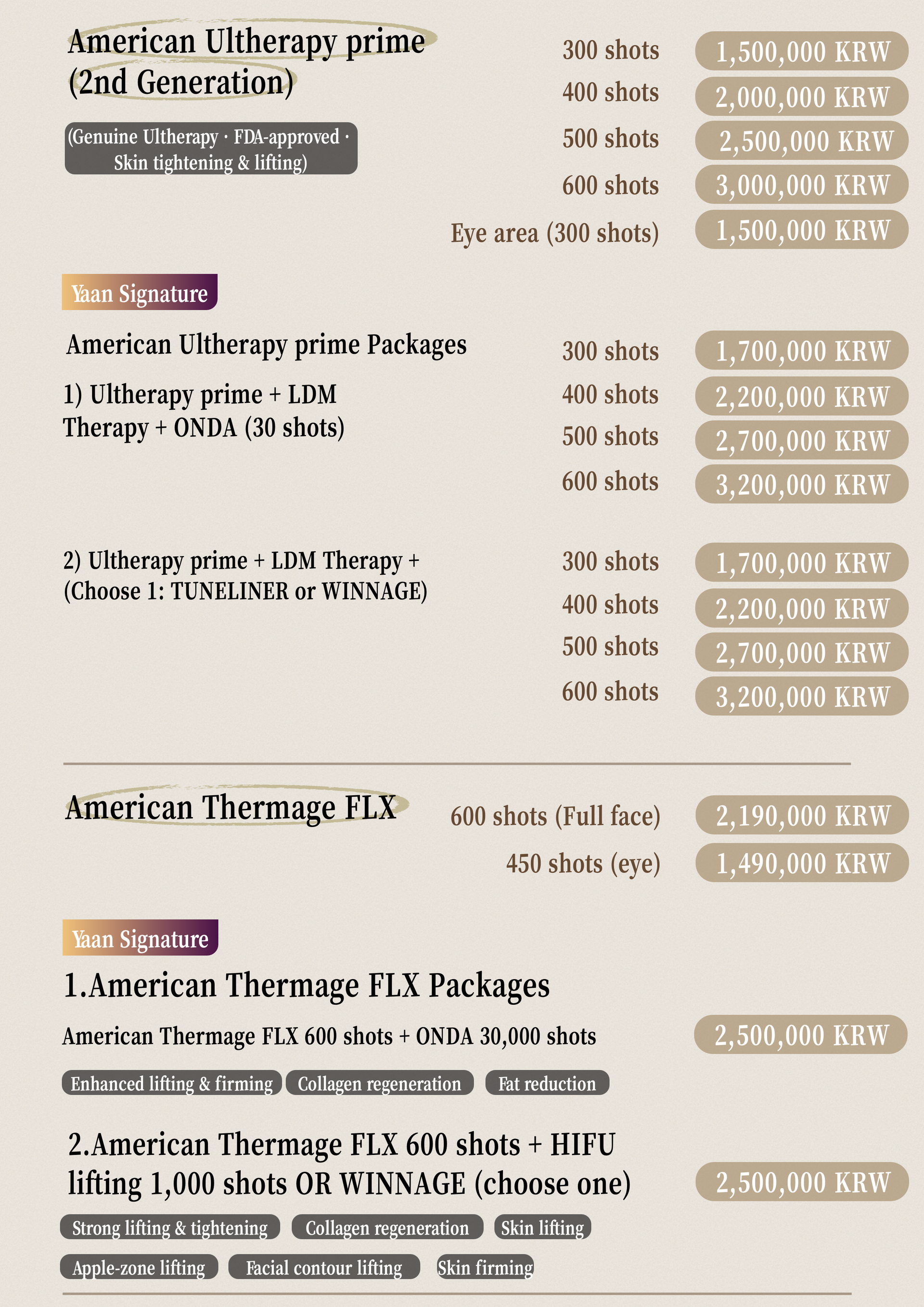
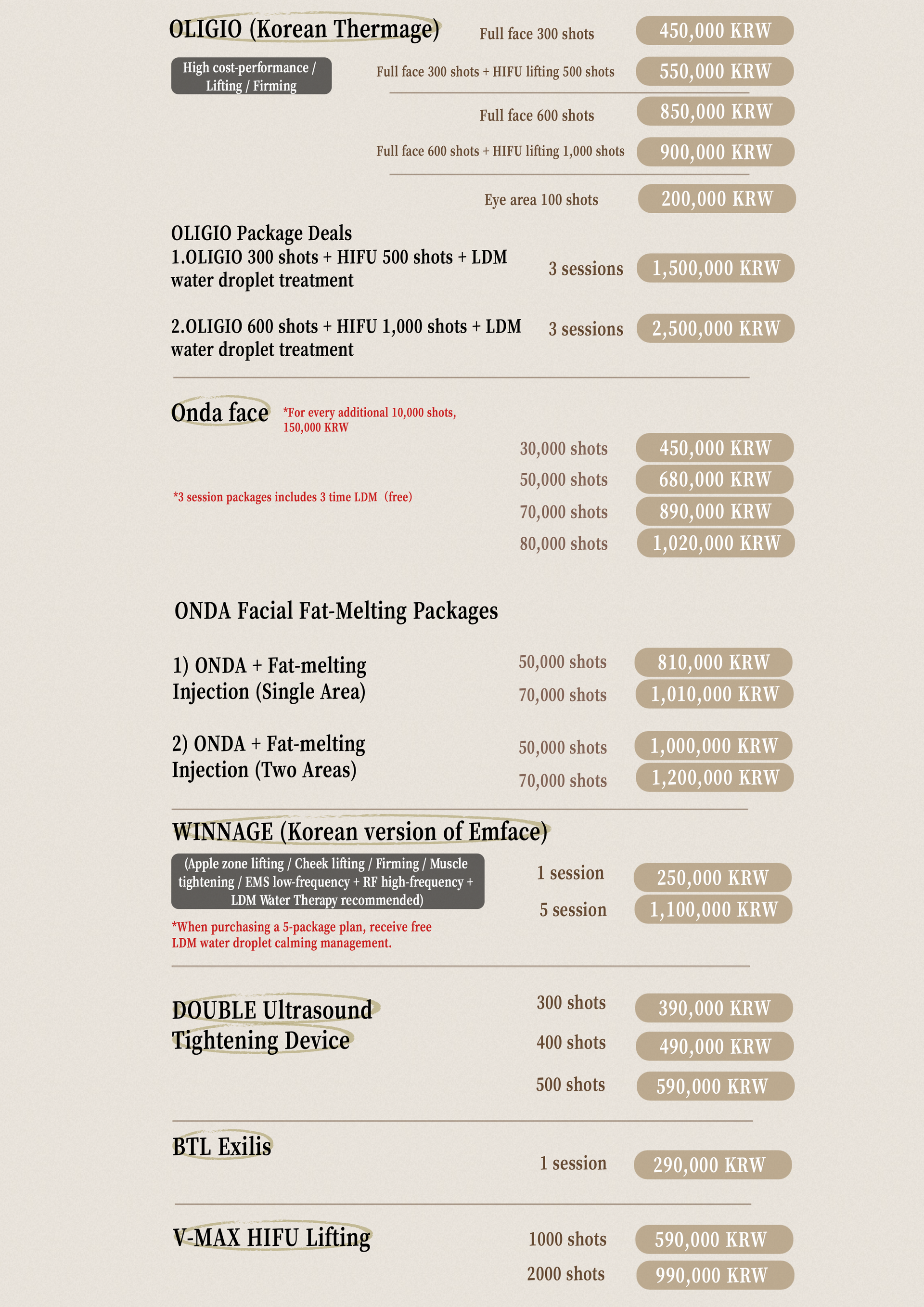
Radiofrequency (RF) treatments deliver controlled energy to tissue to produce heating. Certain devices are used to target mild skin laxity and encourage changes in collagen over time.
Compared with treatments intended to add volume, RF procedures are generally designed to improve firmness rather than reshape facial features. However, they are not completely risk-free, and results vary by device, settings, treatment area, and patient characteristics.
Who may consider it?
People with early signs of skin laxity who want a modest improvement in firmness may be candidates after an assessment.
What should you expect?
Results may develop gradually over several weeks or months, depending on the procedure. RF treatment cannot reliably reproduce the results of surgery, and it may offer little benefit when laxity is significant.
Possible adverse effects include redness, swelling, discomfort, burns, and, in some circumstances, unwanted fat loss or contour changes. Discuss these risks with your clinician, especially if preserving facial fullness is important to you.
If your face is naturally slim, ask whether an energy-based treatment is suitable for your anatomy rather than choosing it simply because it is popular.
5. Medical Skincare for Gradual Improvement
Professional skincare advice can be an effective way to pursue subtle improvements without injections or devices. A dermatologist may recommend ingredients according to your skin concern, tolerance, and medical history.
Common options include:
- Broad-spectrum sunscreen: Helps reduce further UV-related damage and is particularly important when treating pigmentation.
- Retinoids: May improve acne and some signs of photoaging, although irritation and dryness can occur.
- Azelaic acid: May be useful for selected cases of acne, redness, or pigmentation.
- Moisturizers containing barrier-supporting ingredients: Help reduce dryness and improve the appearance of dehydrated skin.
These products do not change facial structure. However, the right ingredient and concentration depend on your skin, and some products are unsuitable during pregnancy or certain medical circumstances.
Introducing one product at a time and using it consistently can make it easier to identify irritation and evaluate progress. A dermatologist can help you choose a routine if you have persistent pigmentation, sensitive skin, or recurring inflammation.
Which Treatment Should You Choose for Your Main Concern?
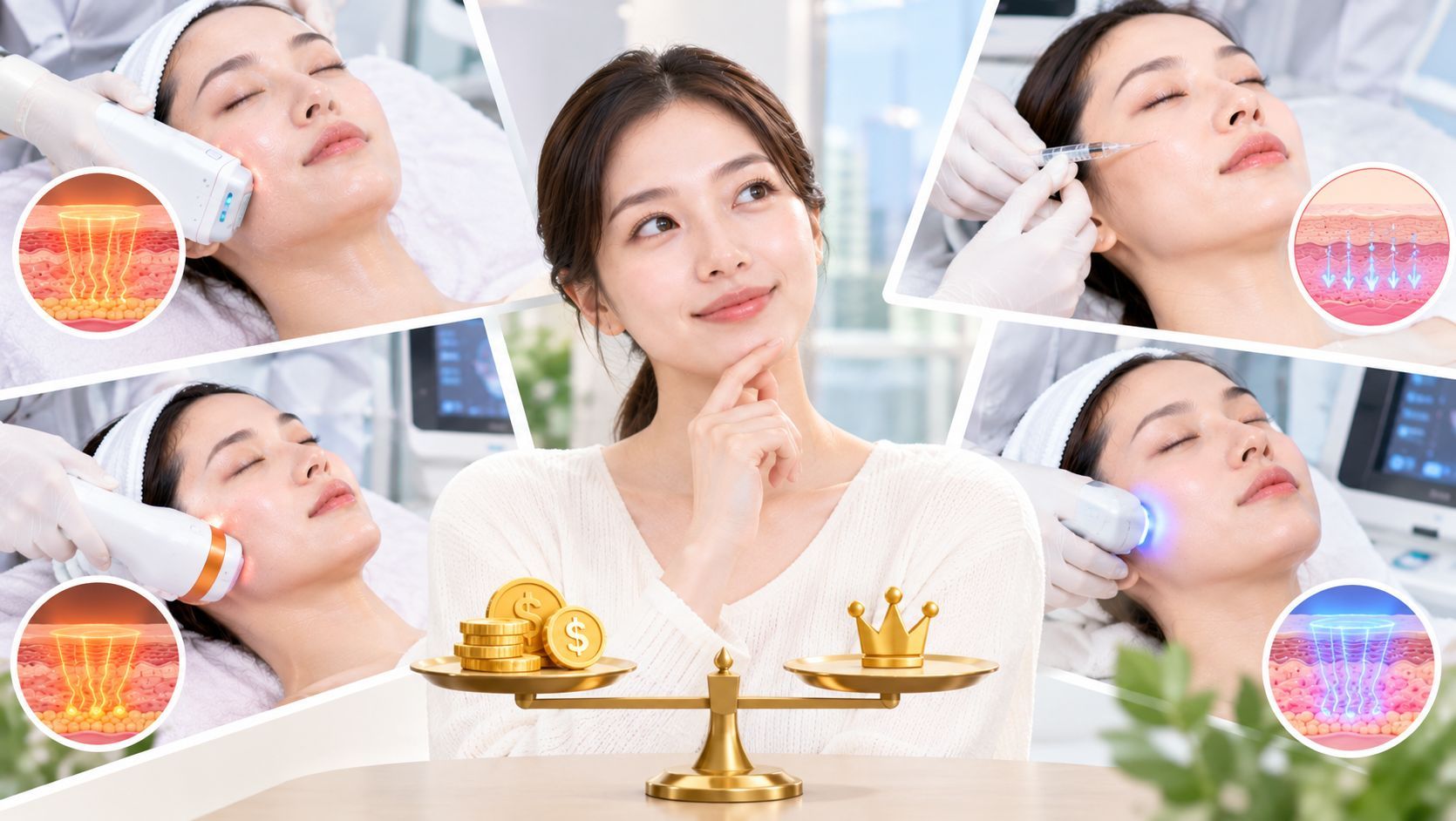
The best option is the one that matches your specific concern, not necessarily the most advanced or expensive procedure.
If Your Skin Looks Dull or Dehydrated
Start by reviewing your cleanser, moisturizer, and sunscreen. A gentle hydrating facial may provide a temporary cosmetic boost, while a skin booster may be worth discussing if your concerns persist and you are comfortable with injections.
If You Have Dark Spots or Uneven Tone
First determine whether the discoloration is caused by sun damage, melasma, post-inflammatory hyperpigmentation, or another condition. Treatment should follow the diagnosis. A topical routine may be sufficient for some people, while carefully selected laser treatment may be appropriate for others.
If You Notice Fine Lines
Daily sunscreen and an appropriate topical retinoid may help improve some signs of photoaging over time. Selected skin-quality procedures may also be considered, depending on the location and depth of the lines.
If Your Skin Is Becoming Less Firm
A clinician can assess whether mild laxity is present and whether RF or another treatment is appropriate. If your main concern is dryness or fine texture rather than laxity, a lifting procedure may not be necessary.
If You Want Better Skin Without Injections
Consider starting with medical skincare, sun protection, and a gentle facial if appropriate. Not everyone needs injectables or energy-based devices to achieve a noticeable improvement in skin appearance.
How to Choose a Korean Dermatology Clinic for Natural Results
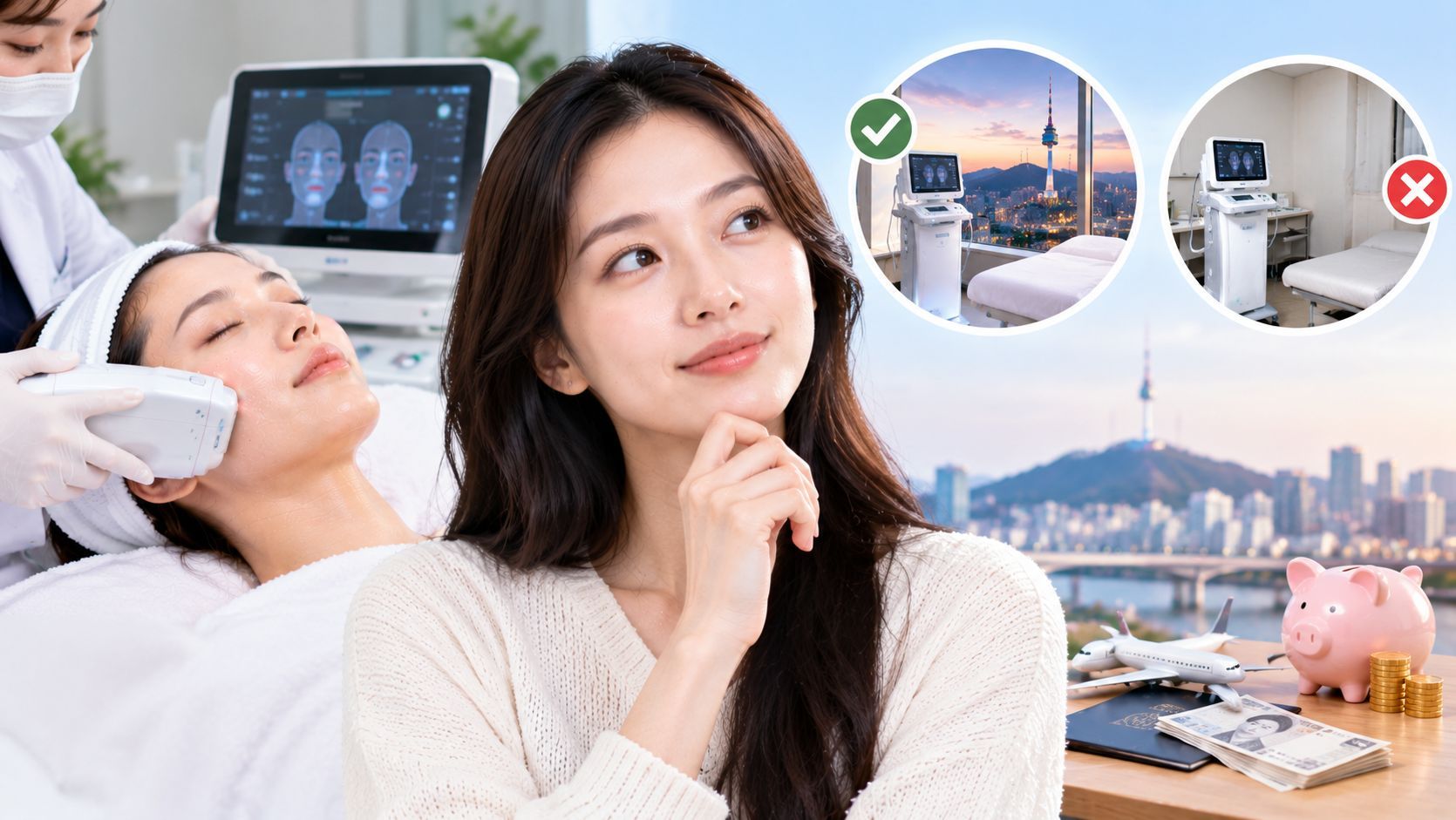
When researching dermatology clinics in Seoul or elsewhere in South Korea, focus on the quality of the consultation rather than the number of treatments offered.
A suitable clinic should explain what each procedure can realistically achieve, what it cannot improve, and which alternatives may be appropriate. It should also discuss risks, recovery, expected costs, and whether more than one session is likely to be needed.
Before treatment, consider asking these questions:
- What is causing my main skin concern?
- Can I improve it without changing facial volume or shape?
- What is the least invasive suitable option?
- What side effects are more likely with my skin type?
- How long should I wait before judging the result?
- What happens if I develop irritation or an unexpected reaction?
For international patients, clarify the consultation language, aftercare arrangements, follow-up availability, and what to do if a complication develops after returning home.
Be cautious of clinics that promise perfect skin, guaranteed results, or dramatic improvement in a single session. Before-and-after photographs can be helpful, but lighting, camera angles, makeup, and editing may influence how results appear.
What Should You Avoid If You Want to Keep Your Face Looking Like You?
If facial identity and proportions are your priorities, you do not need to select treatments designed to create more volume, a sharper jawline, a higher nose bridge, or a different facial contour.
You may wish to discuss avoiding or postponing procedures such as:
- Dermal fillers used primarily to change facial proportions.
- Treatments intended to create substantial contour changes.
- Aggressive combinations of lasers, peels, and energy-based procedures without a clear medical reason.
- Repeated treatments performed before the previous treatment's results and side effects can be evaluated.
These procedures are not inherently inappropriate. They simply may not match your goals if you want subtle skin-quality improvement.
The most natural outcome often comes from treating fewer concerns, using suitable settings, allowing adequate recovery time, and reassessing before adding another procedure.
Frequently Asked Questions
What is the most natural-looking Korean skin treatment?
There is no single best treatment for everyone. Gentle facials, medical skincare, selected laser procedures, and skin boosters may improve different aspects of skin quality. The right choice depends on your concern, skin type, medical history, and tolerance for downtime or procedural risks.
Can I improve my skin without changing my facial shape?
Yes. Treatments directed at pigmentation, surface texture, hydration, and selected signs of photoaging can focus on skin quality rather than facial contour. However, discuss your goals clearly because some procedures can affect volume or produce unintended contour changes.
Are Korean skin boosters better than dermal fillers?
They serve different purposes, and neither is universally better. Skin boosters are generally selected for skin-quality goals, while dermal fillers are commonly used to add volume or adjust contours. Products and techniques vary, so ask your clinician what the specific treatment is intended to achieve.
How long does it take to see natural-looking results?
It depends on the treatment. A hydrating facial may produce a temporary improvement soon after treatment, while pigment treatments and collagen-stimulating procedures may require weeks or multiple sessions. Some concerns need ongoing skincare or maintenance.
Is laser treatment safe for darker or sensitive skin?
Some laser treatments can be used safely in darker skin when appropriately selected and performed, but the risk of irritation and pigment changes varies by device, settings, and diagnosis. Sensitive skin also requires careful assessment. Ask about the clinician's experience treating your skin type and whether a test spot is appropriate.
Do I need several treatments to get good results?
Not always. Some concerns may improve with one treatment, while others need a series of sessions or ongoing maintenance. More treatments do not automatically mean better results. The plan should be based on the condition being treated and your response.
Conclusion
If you want natural-looking skin improvement without changing your face, focus on the concern you most want to address. Medical skincare may be enough for mild dryness or uneven tone, a gentle facial may help with temporary surface dullness, and selected laser, skin booster, or radiofrequency treatments may be appropriate for specific concerns.
The safest starting point is a consultation that prioritizes skin health, explains realistic outcomes, and respects your preference to preserve your natural facial features. In Korean dermatology, as elsewhere, a carefully chosen treatment is more important than choosing the most popular procedure.