What's Best for Jowls if I Already Have a Thin Face?
If you have a thin face and are developing jowls, you may be worried that a lifting treatment will make your cheeks look hollow or cause your face to appear older. That concern is worth discussing before choosing a cosmetic procedure.
For a thin face with jowls, the best treatment is usually one that addresses the actual cause of sagging without unnecessarily reducing facial fat. If mild skin laxity is the main issue, a carefully selected skin-tightening treatment may help. If the face has lost volume, a clinician may consider a volume-restoring approach. More pronounced jowls may require a surgical consultation to understand what degree of correction is realistic.
The important thing is not to choose a treatment simply because it promises a sharper jawline. Your facial volume, skin quality, and underlying support all influence which option is appropriate.
Why Do Thin Faces Develop Jowls?
Being slim does not prevent jowls. In fact, a naturally lean face can develop visible lower-face sagging as the skin and supporting tissues change with age.
Several factors may contribute.
1. Loss of collagen and skin elasticity
As skin ages, collagen and elastin change, reducing firmness and resilience. The skin around the lower cheeks may begin to sag over the jawline.
This can create jowls even when you have little excess facial fat. In this situation, removing more fat is unlikely to address the main problem.
2. Loss of facial volume
Facial fat and deeper supporting structures change over time. If the cheeks lose volume, the transition between the cheeks and jawline can become less smooth.
A thin face may show these changes more clearly because there is less natural fullness to soften facial contours.
3. Changes in deeper tissue support
Jowls are not always a skin-only problem. Changes in facial support and the position of soft tissues can affect the lower face.
When deeper tissue descent is the main cause, a treatment that targets only superficial skin may produce limited improvement.
4. Genetics and facial structure
Some people develop jowls earlier because of inherited facial anatomy, skin characteristics, or the way fat is distributed.
That is why two people of the same age and weight may have very different jawlines.
Which Treatments May Be Best for Jowls on a Thin Face?
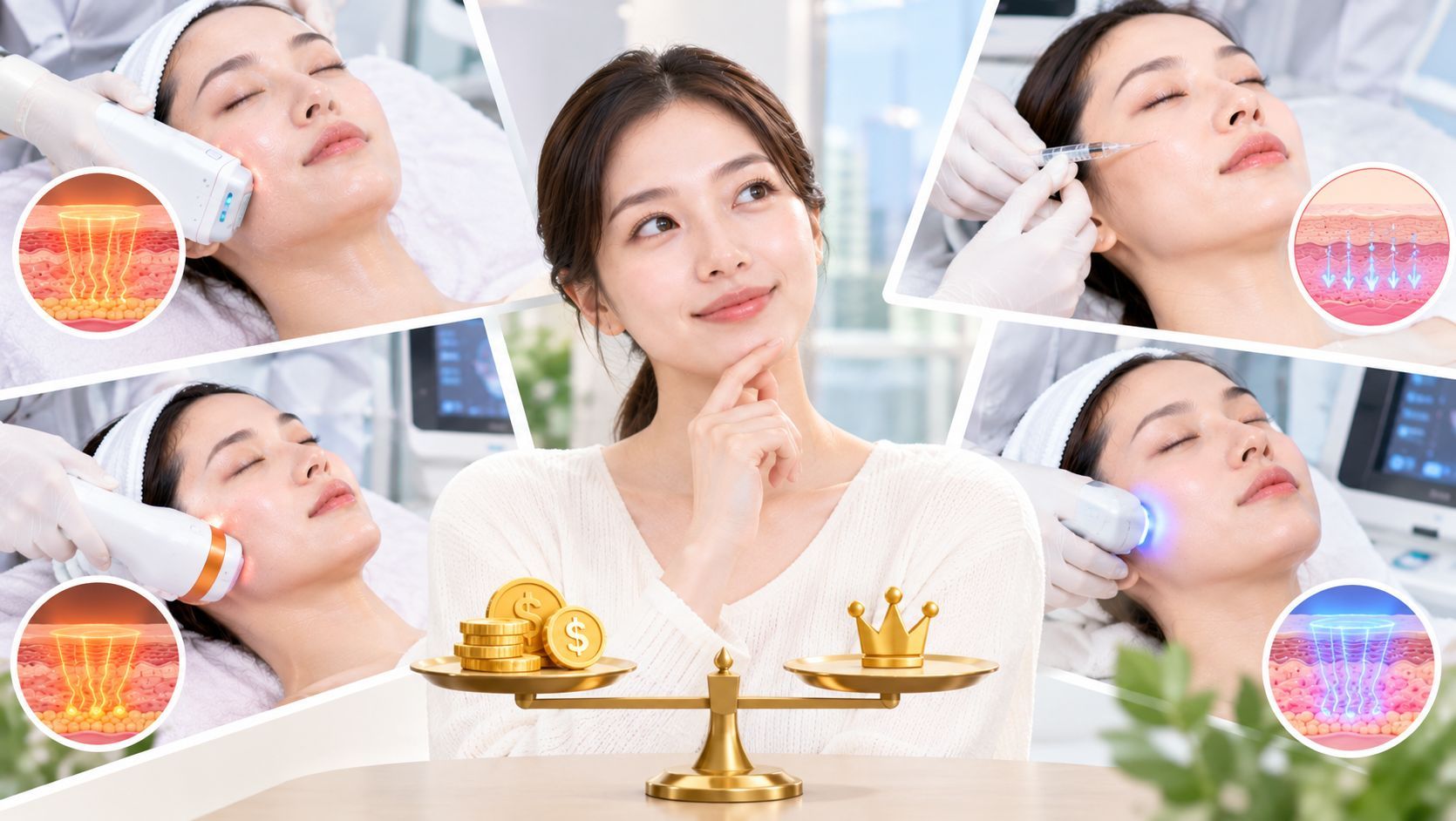
The most appropriate treatment depends on whether your main concern is skin laxity, volume loss, or more substantial tissue descent.
1. Skin-tightening treatments for mild laxity
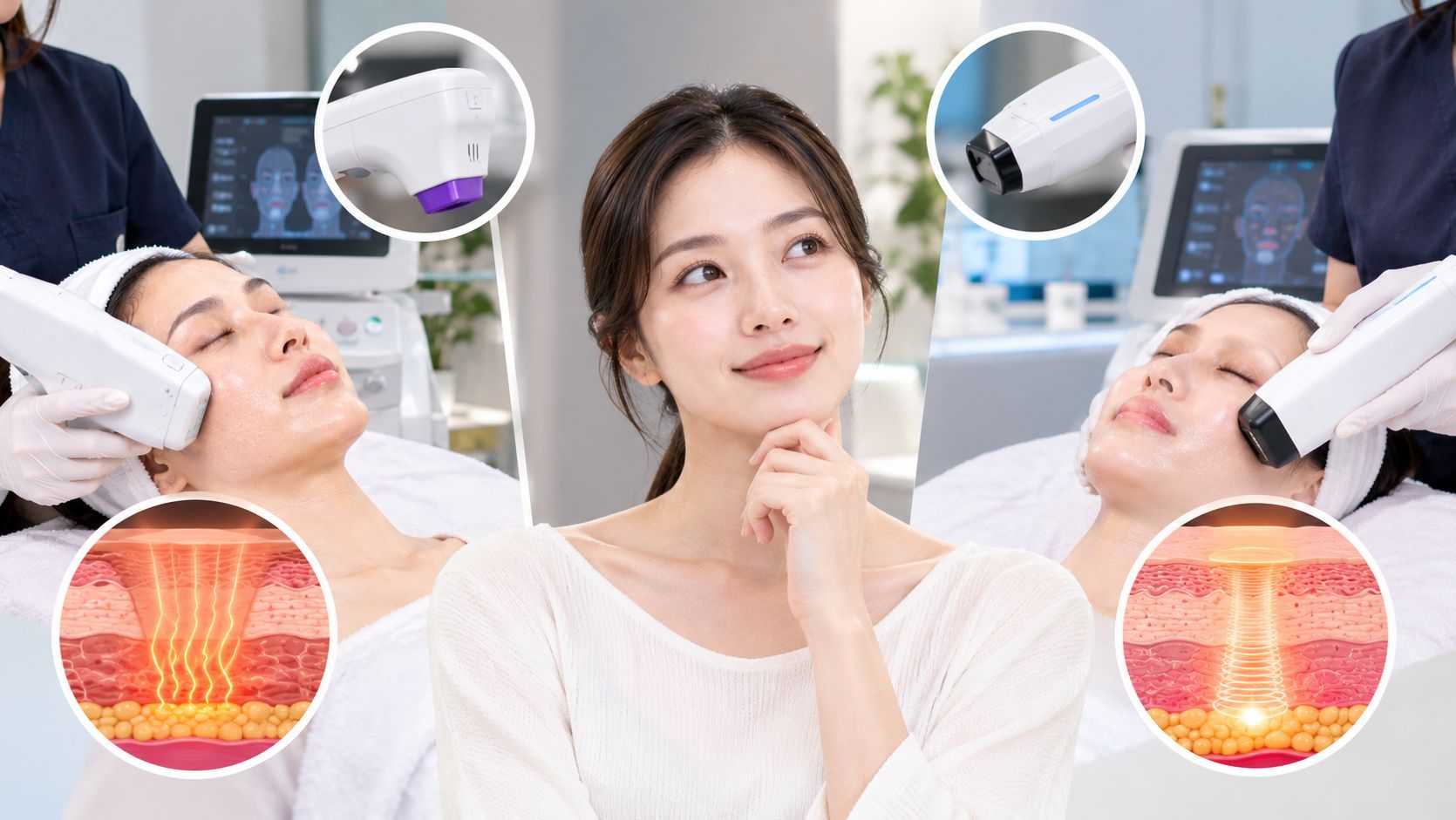
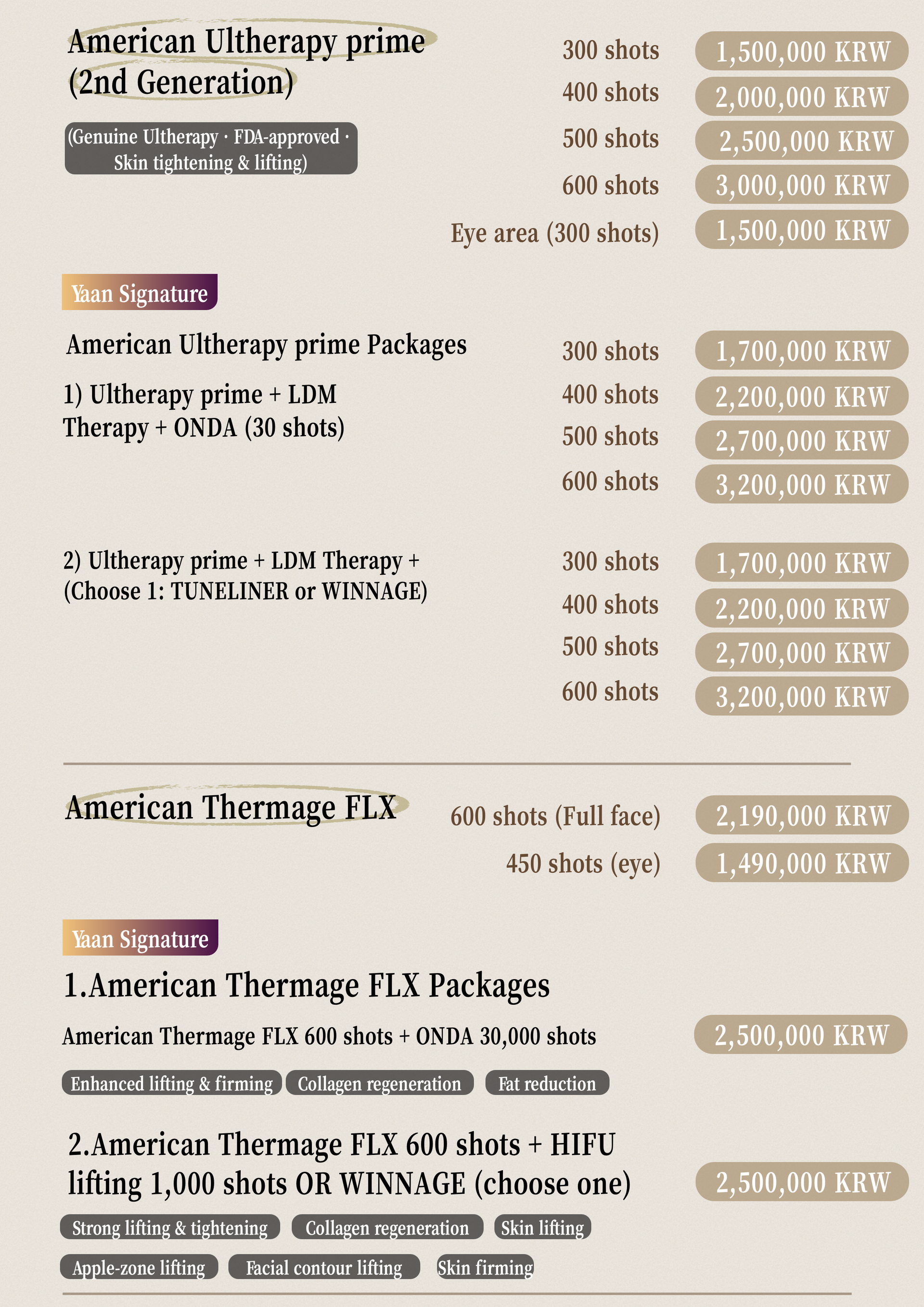
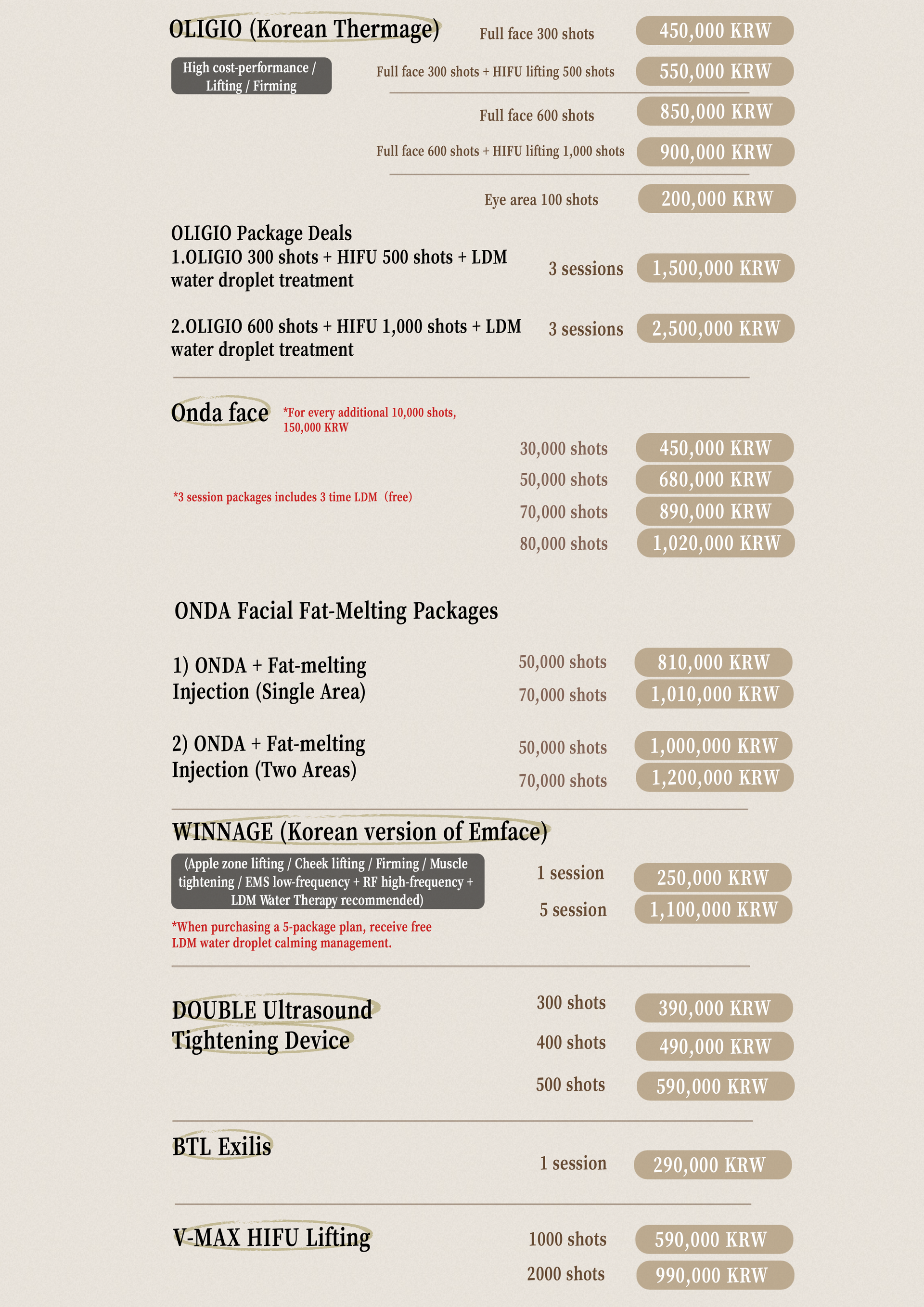
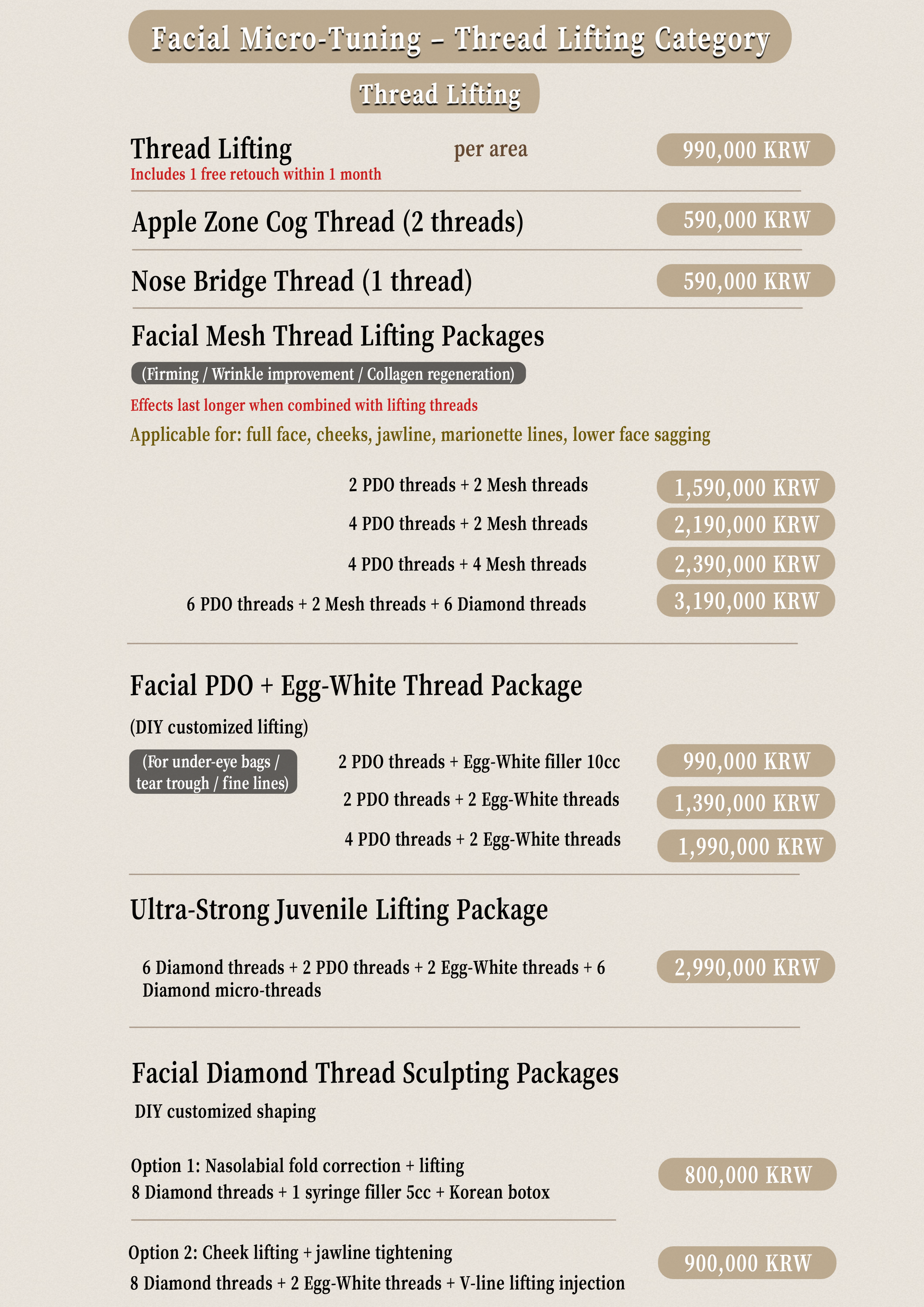
If your cheeks are naturally lean but your skin has started to loosen, a clinician may discuss selected radiofrequency or focused-ultrasound treatments.
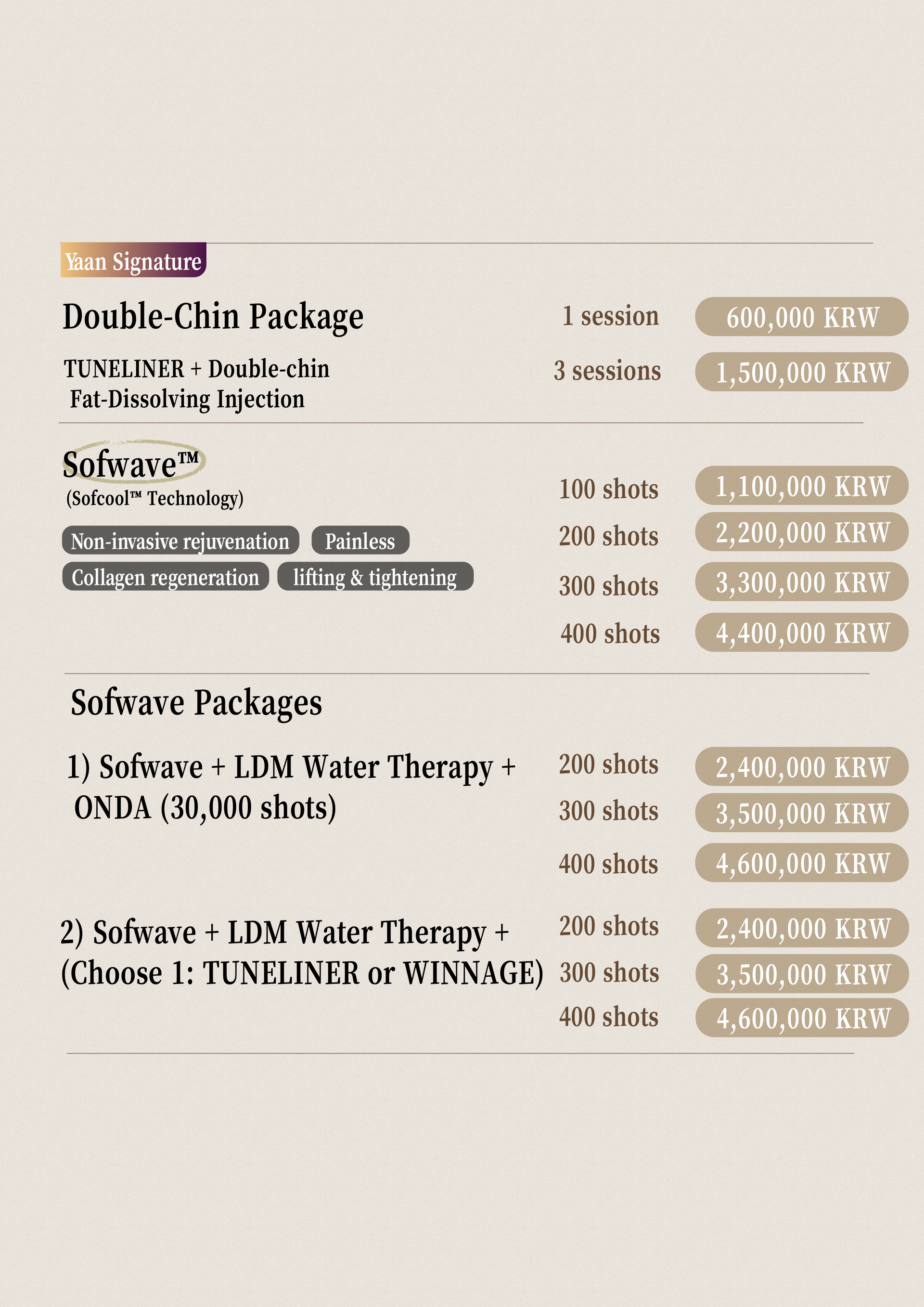
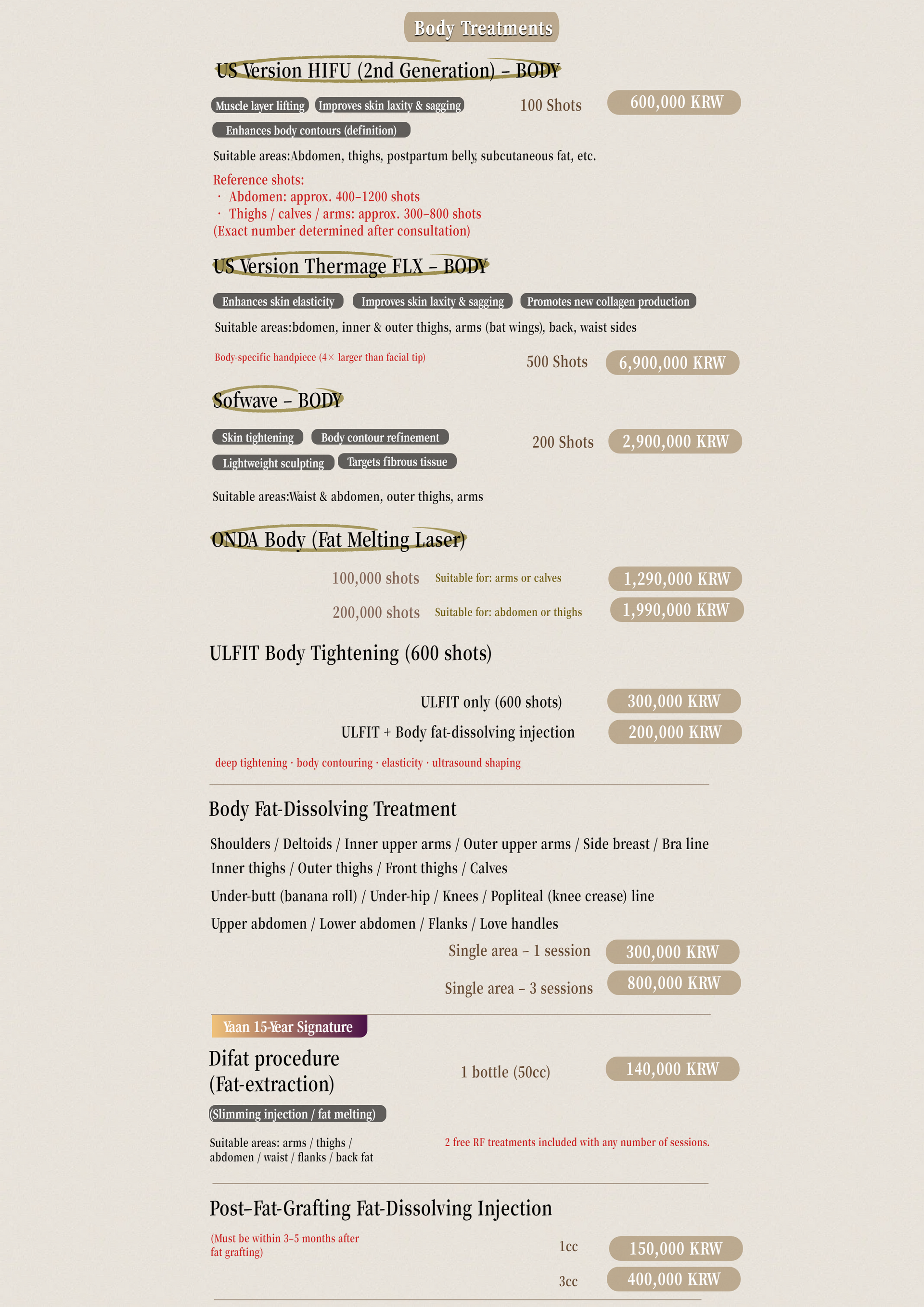
Options may include Thermage, Sofwave, or Ultherapy, depending on your anatomy and the specific treatment goal.
These technologies use different methods to deliver energy to targeted tissue. They are intended to improve selected aspects of skin firmness or lifting, but their results and risk profiles are not identical.
Potential benefit: They may offer a modest improvement in the appearance of mild laxity without intentionally targeting fat reduction.
Limitations: They cannot guarantee that facial volume will remain completely unaffected, and they may not correct pronounced jowls.
Ask the clinician which device is being proposed, what tissue it targets, and why it is appropriate for a thin face. Avoid assuming that a stronger treatment will necessarily produce a better result.
2. Volume restoration when facial hollowing contributes to jowls
If your cheeks have lost fullness, adding volume in carefully selected areas may sometimes improve facial balance.
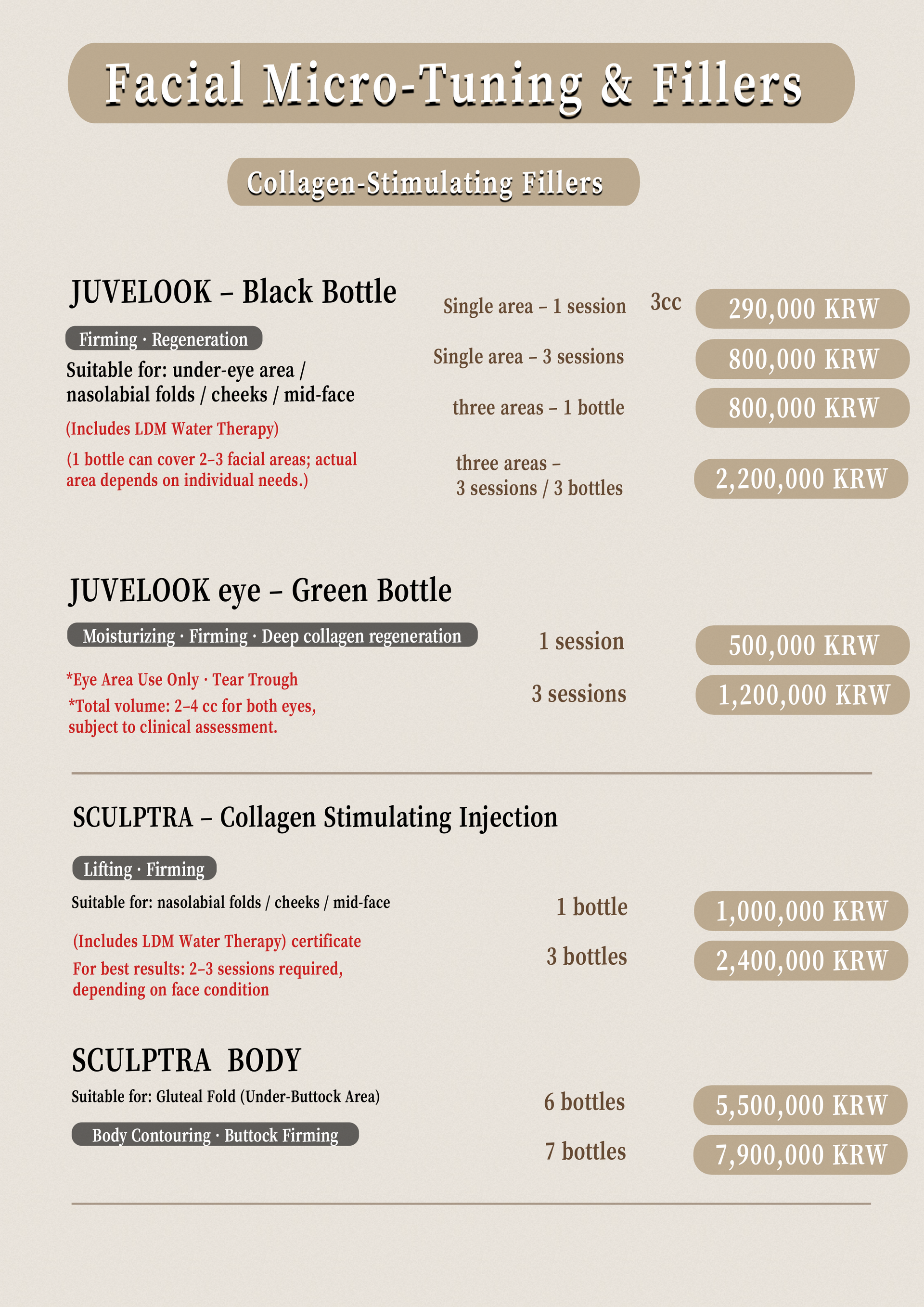
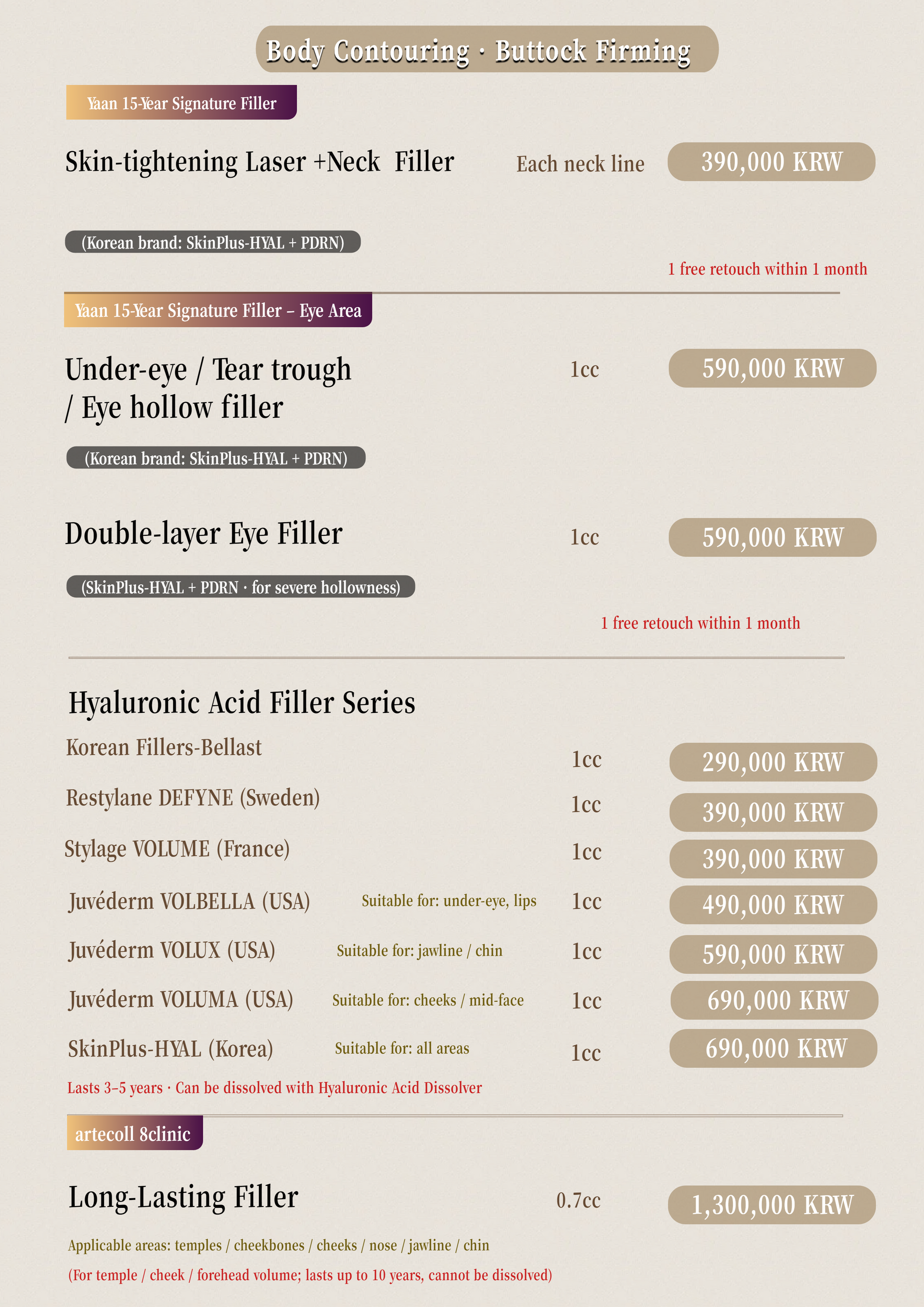
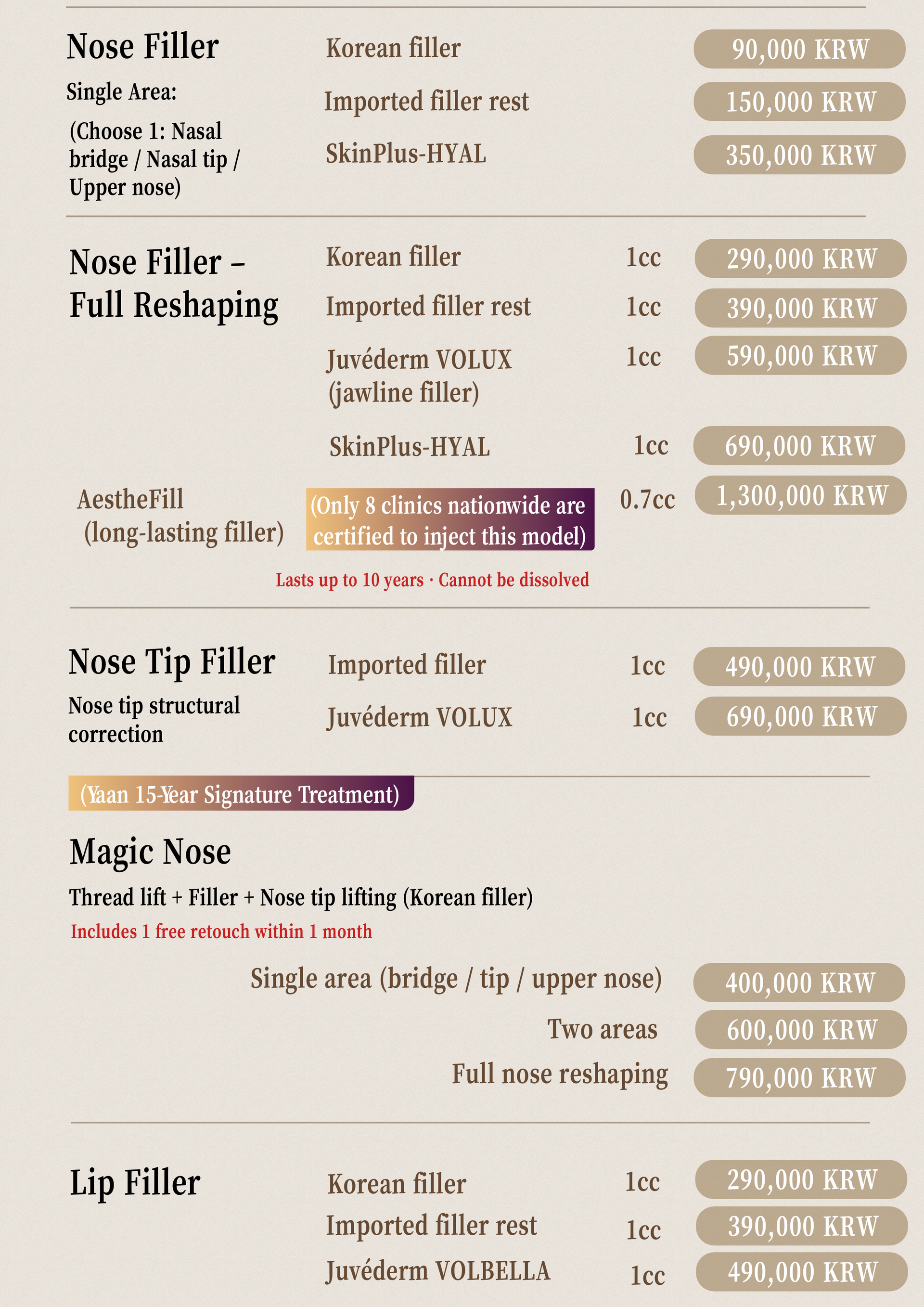
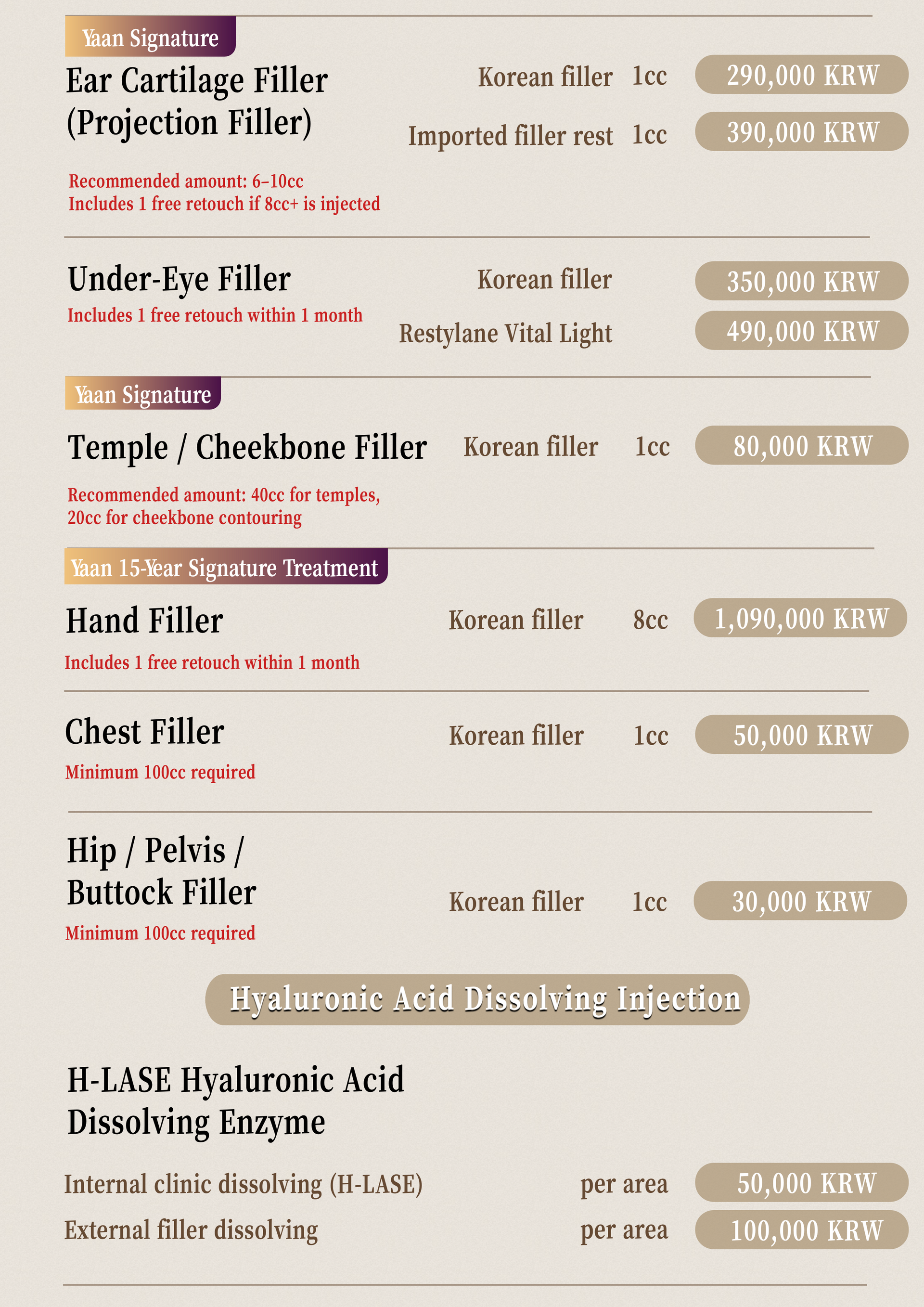
Depending on your anatomy, a qualified clinician may discuss hyaluronic acid filler or a collagen-stimulating injectable such as poly-L-lactic acid or calcium hydroxylapatite.
These options are not interchangeable. Some products primarily add volume, while others stimulate collagen remodeling over time. Their indications, duration, risks, and suitability differ.
Potential benefit: Restoring appropriate volume may soften a hollow appearance and improve the transition between the cheeks and lower face.
Limitations: Filler does not remove loose skin or reliably lift substantial tissue descent. Too much product, or placement in the wrong area, can make the lower face look heavier.
A conservative treatment plan is particularly important if you want to preserve a naturally slim appearance.
3. Collagen-stimulating treatments
Certain collagen-stimulating treatments may be considered when skin quality and reduced tissue support contribute to the appearance of aging.
The appropriate option depends on whether the main issue is skin texture, laxity, or actual volume loss. These concerns require different approaches, and not every collagen-stimulating treatment is suitable for every facial area.
Discuss the evidence for the proposed product or procedure, how much improvement is realistic, and whether the treatment adds volume or changes tissue structure.
4. Surgical consultation for pronounced jowls
When jowls are substantial, non-surgical treatments may not provide enough correction.
A lower facelift or another surgical approach may be discussed if excess skin and deeper tissue descent are the primary concerns. Surgery is more invasive and carries risks, recovery time, and costs, so it requires an individualized assessment.
A consultation does not mean you must choose surgery. It can help you understand the limits of non-surgical options before spending money on treatments that may not achieve your goals.
Which Treatments Should You Be Careful With?
If your face is already thin, procedures designed to reduce fat deserve particular caution.
Fat-reduction injections
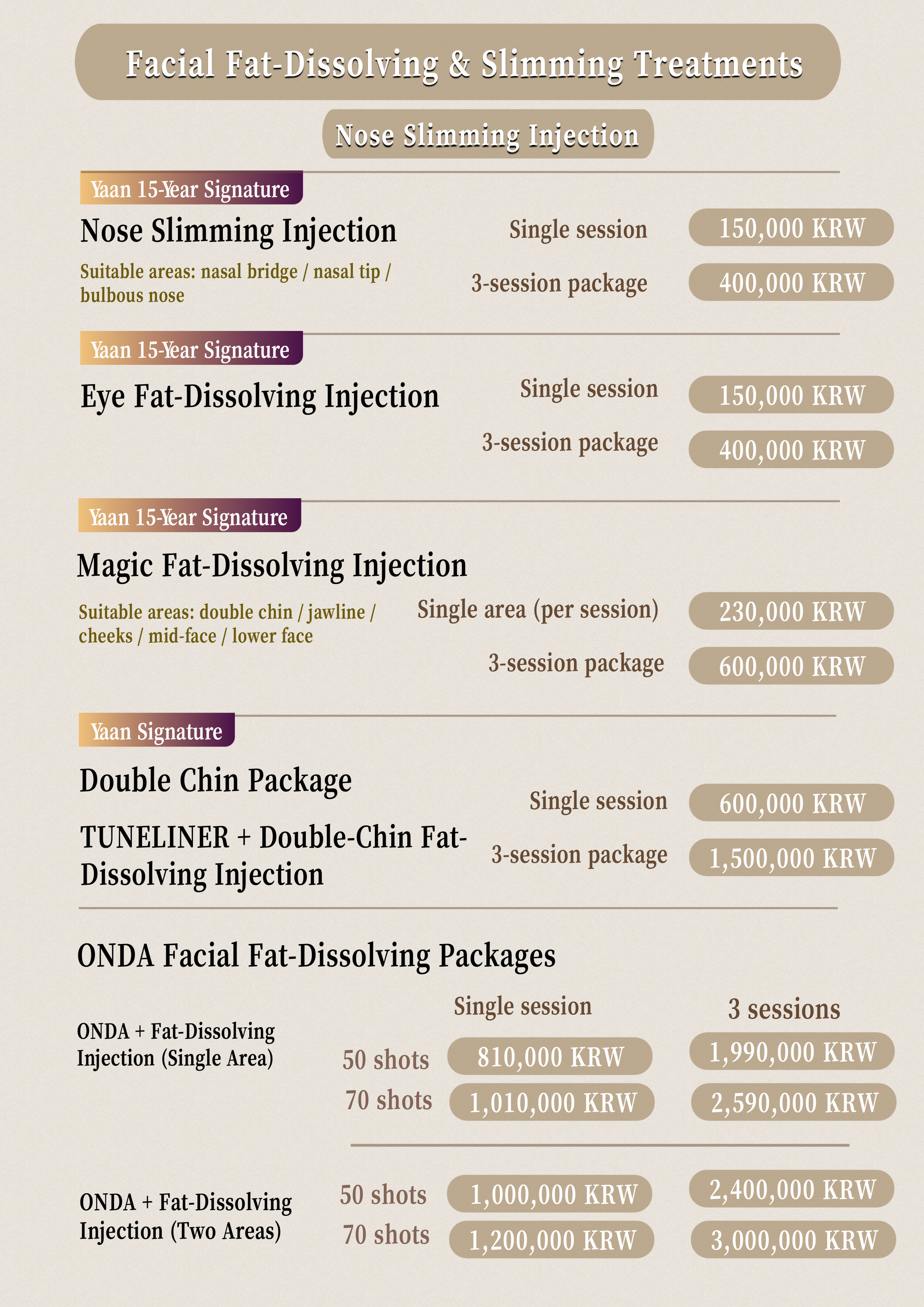
Deoxycholic acid injections are used for selected cases of submental fat in jurisdictions where approved. They should not be confused with general jowl-lifting treatments.
Reducing fat may help when excess fat is genuinely responsible for fullness. However, unnecessary fat reduction can worsen contour irregularities or make a lean face look less supported. Treatment around the jowls also requires careful consideration of anatomy and local approval.
InMode fat-contouring treatments
Some InMode modalities are used for localized contouring, while others target different skin concerns. Ask which exact device and handpiece the clinic plans to use.
If you have a thin face, make sure the clinician explains whether the proposed procedure is intended to reduce fat. A fat-reduction protocol may be poorly matched to your goal if your main problem is loose skin or loss of facial volume.
Aggressive energy-based treatments
Some energy-based treatments can affect tissue beneath the skin. Radiofrequency microneedling has a distinct risk profile because it delivers energy through needles.
In an October 2025 safety communication, the U.S. Food and Drug Administration warned of reports of serious complications associated with certain uses of RF microneedling devices, including burns, scarring, fat loss, disfigurement, and nerve damage.
This warning does not mean every RF microneedling procedure causes these complications. It does reinforce the importance of appropriate training, device selection, treatment settings, and informed consent.
If preserving facial fat is a priority, ask whether a less invasive or more specifically skin-focused option would be suitable.
How to Choose the Right Jowl Treatment in Seoul
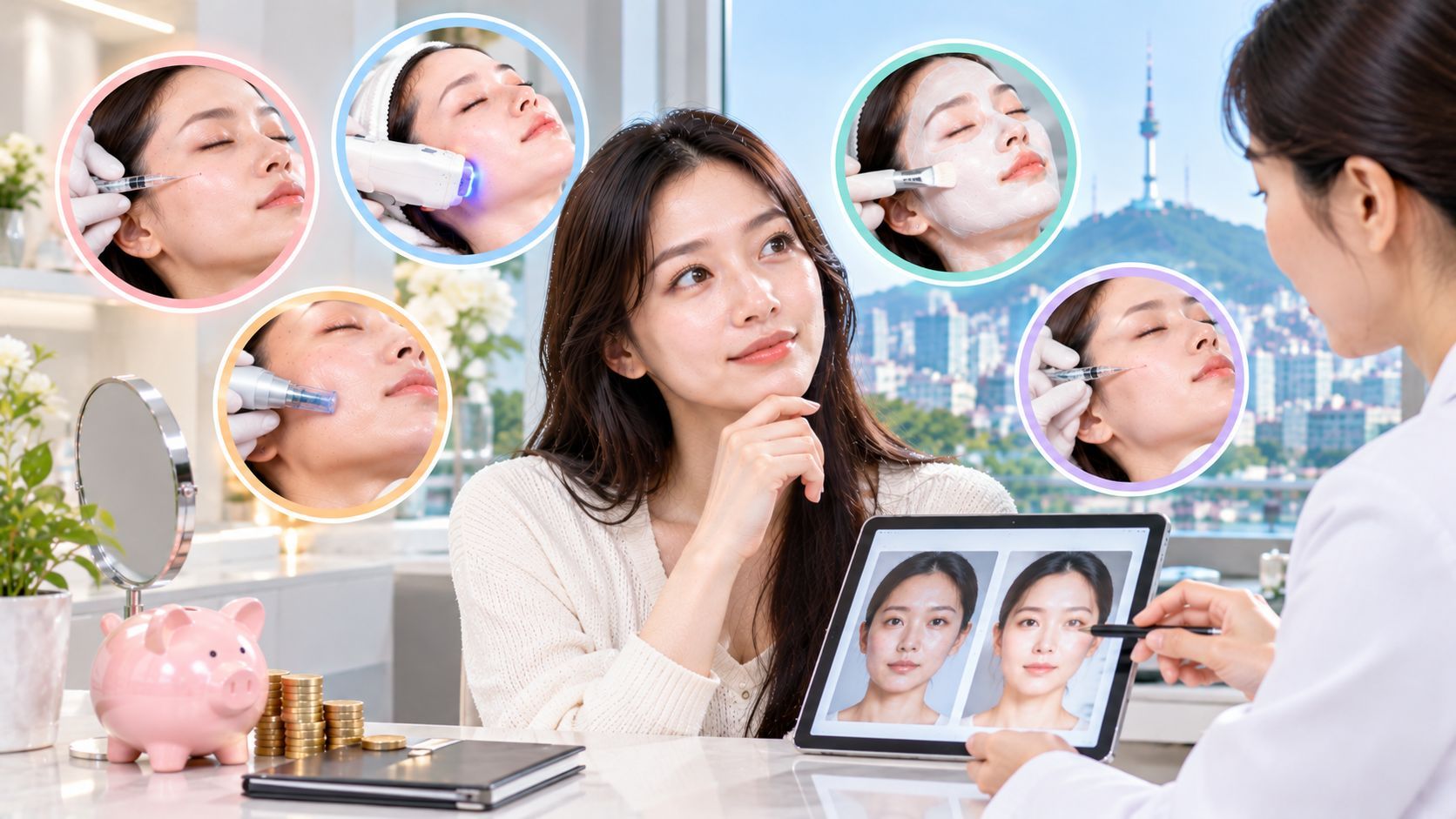
South Korea offers a wide range of aesthetic procedures, but the right treatment should be selected according to your anatomy—not just the clinic's most popular package.
Before booking, ask these questions:
- What is causing my jowls? Is it skin laxity, loss of facial volume, deeper tissue descent, or a combination?
- Will this treatment intentionally reduce fat? Ask which tissues are targeted and whether fat loss is an expected effect.
- Could it make my face look hollow? Explain that preserving your natural facial volume is a priority.
- What result is realistic? Request an explanation of the expected degree of improvement and its limitations.
- Who will perform the treatment? Confirm the provider's qualifications and experience with the specific device or injectable.
- What follow-up is available? If you are visiting Korea temporarily, understand how complications and aftercare will be handled once you return home.
A good clinician should explain why a treatment fits your face, discuss alternatives, and be willing to recommend against a procedure when the likely benefit is too small.
What Results Can You Realistically Expect?
For a thin face with early jowls, the goal may be to improve skin firmness, soften the transition between the cheeks and jawline, or restore selected areas of lost volume.
The result depends on the cause of the jowls and the treatment chosen. A non-surgical procedure may provide a subtle improvement rather than a dramatic lift, and results vary between individuals.
A 2024 review on jowl rejuvenation recommends assessing skin laxity, fat distribution, and changes in facial support before selecting treatment. It emphasizes individualized planning rather than using the same procedure for every patient.
This is especially relevant if you have a naturally slim face. A treatment that reduces fullness may help someone with excess fat but be counterproductive for someone whose main concern is volume loss.
Conclusion: What's Best for Jowls if You Have a Thin Face?
If you already have a thin face, avoid assuming that jowls need more fat reduction. Mild skin laxity may be addressed with a carefully selected skin-tightening treatment, while hollowing and loss of support may call for a different approach. Pronounced jowls may require a surgical consultation to understand the available options.
The best plan is the one that addresses the actual cause of your jowls while preserving your natural facial proportions. Before choosing a treatment in Seoul, discuss your concerns about hollowing, ask what tissue the procedure targets, and make sure you understand its potential benefits and risks.
Frequently Asked Questions
1. What is the best non-surgical treatment for jowls on a thin face?
There is no universal best treatment. Selected skin-tightening procedures may be considered for mild laxity, while volume restoration may be appropriate when hollowing contributes to the appearance. The choice depends on your facial anatomy and the cause of the jowls.
2. Can Ultherapy make a thin face look hollow?
Unwanted changes in contour are possible with energy-based procedures, although the intended goal of a lifting-focused treatment is not simply to remove facial fat. Discuss your existing facial volume, the treatment depth, and the risks with your clinician before proceeding.
3. Should I avoid fat-reduction treatments if my face is thin?
Not necessarily in every circumstance, but you should be cautious. Fat reduction is most relevant when excess fat is actually contributing to the problem. If your jowls are mainly caused by loose skin or volume loss, reducing more fat may not help.
4. Can filler improve jowls without making my face look puffy?
Carefully planned filler may improve selected contours when volume loss or chin structure contributes to the problem. However, excessive or poorly placed filler can make the lower face look heavier. A conservative approach and a qualified injector are important.
5. Is Thermage better than filler for jowls on a thin face?
They address different concerns. Thermage is intended to improve skin firmness, while filler adds volume to selected areas. A clinician should determine whether your main concern is skin laxity, volume loss, or deeper tissue descent before recommending either option.
6. Can skincare alone get rid of jowls?
Skincare can support skin health and improve texture, but creams cannot reliably reverse established jowls or lift descended tissue. Daily sun protection and an appropriate skin-care routine may help maintain skin quality, while visible structural changes often require other approaches.