What's Best for Jowls if I Have a Round or Heavy Face?
If you have a round face, fuller cheeks, or a heavy-looking lower face, you may want a sharper jawline without making your face look unnatural. The best treatment depends on whether your jowls are caused by excess fat, loose skin, prominent jaw muscles, or changes in deeper facial support.
For a round face with genuine excess fullness, a carefully selected contouring treatment may help. If loose skin is the main concern, skin tightening may be more appropriate. Reducing fat is not automatically the best way to treat jowls, and combining multiple treatments is not always necessary.
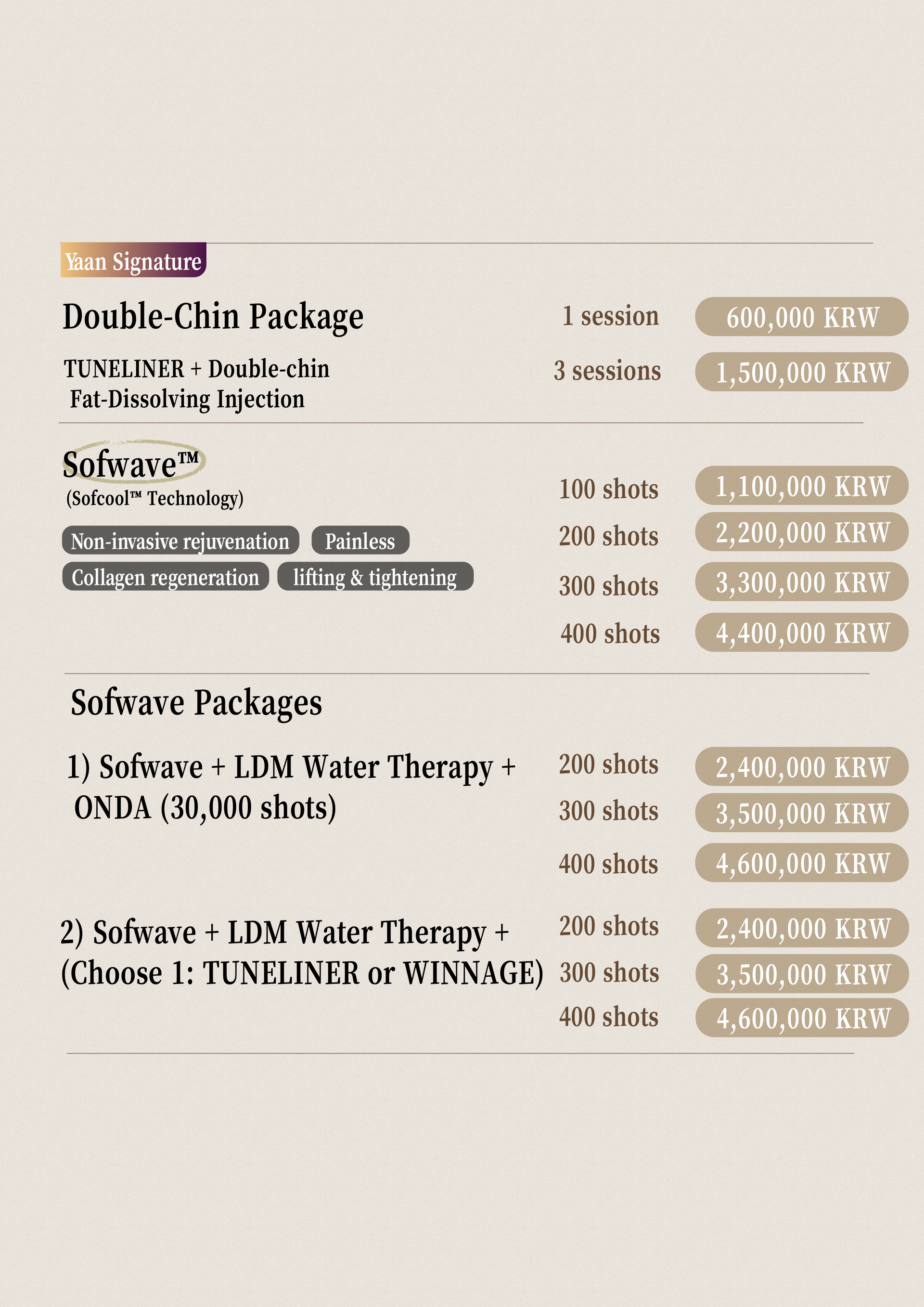
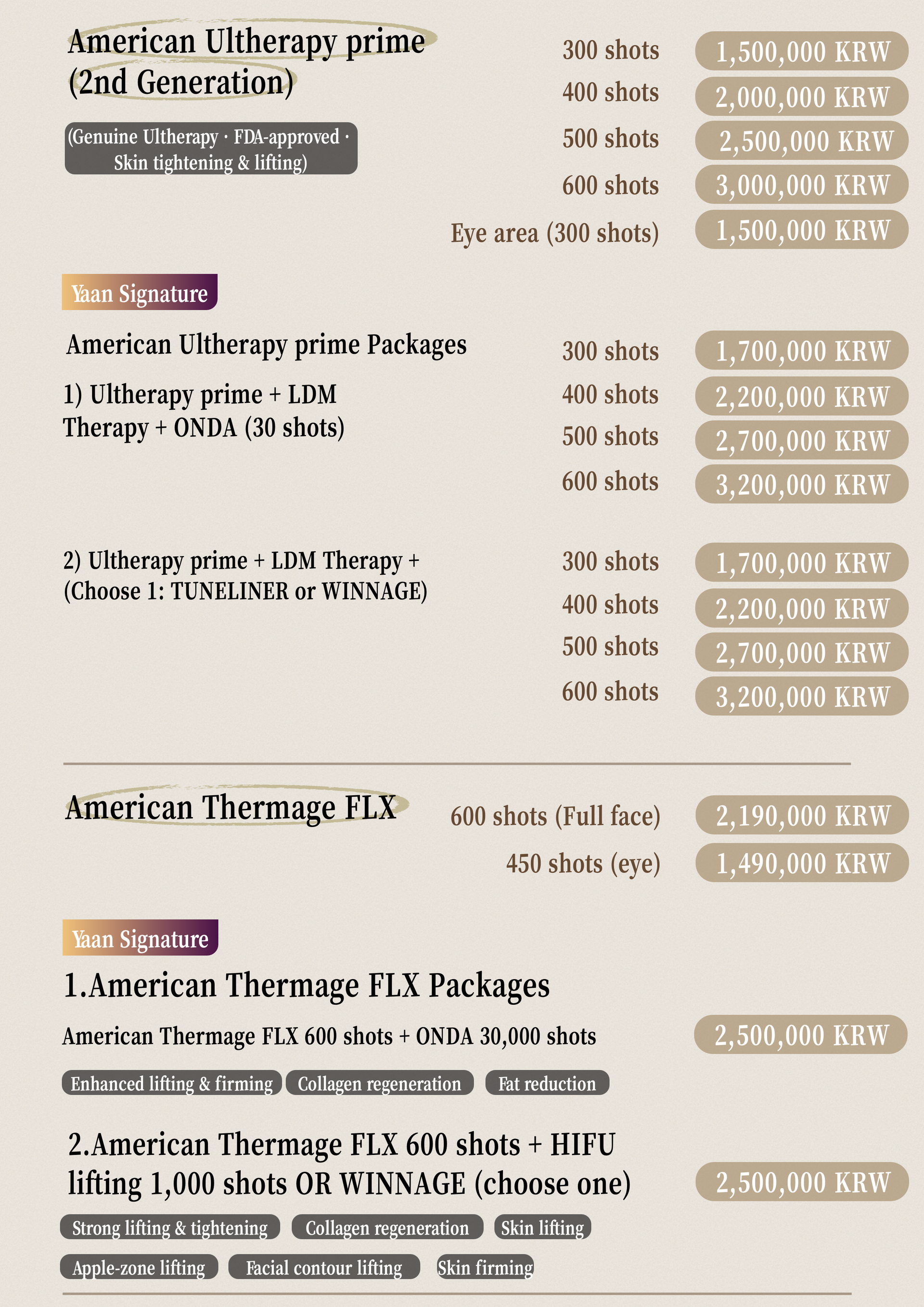
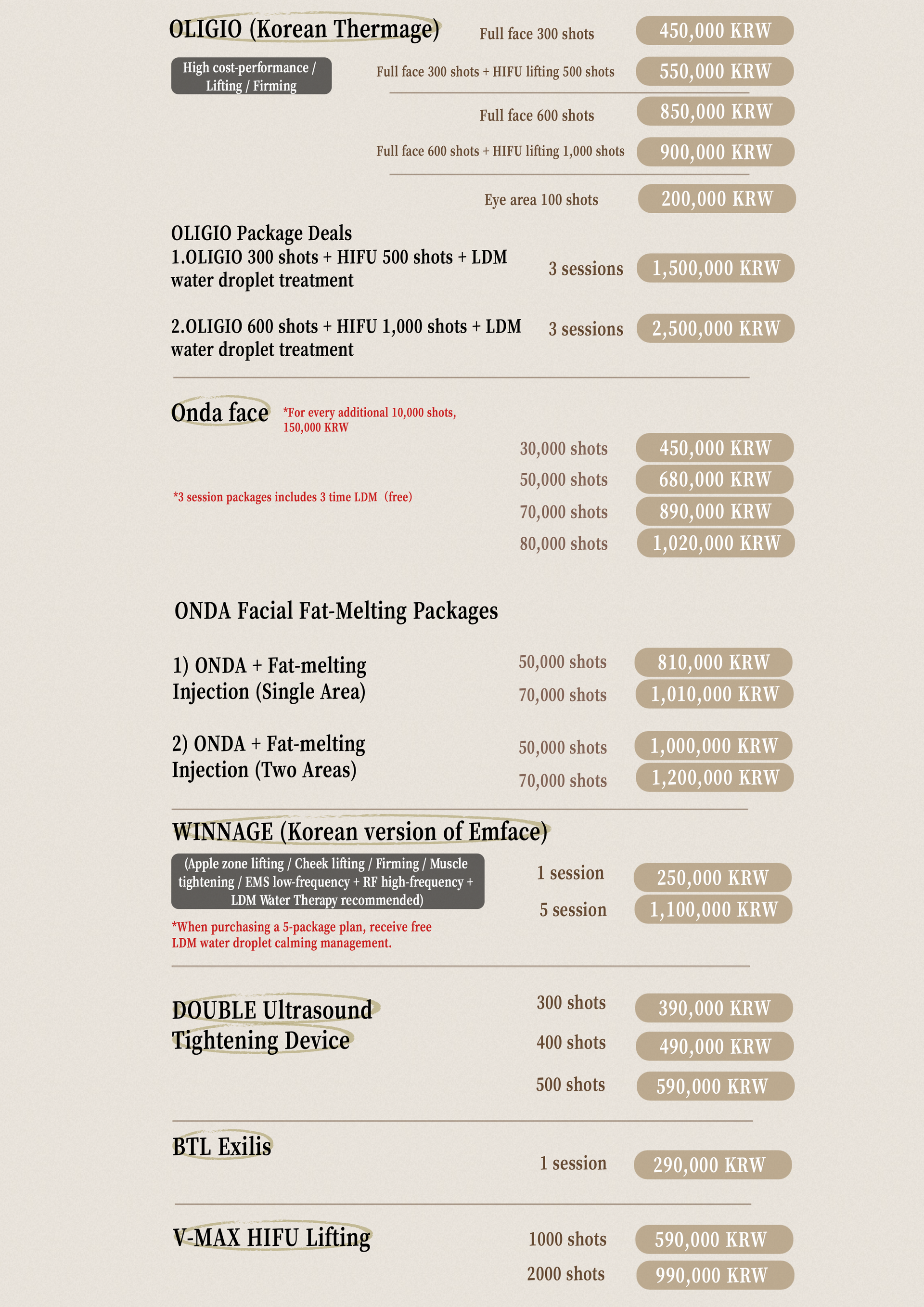
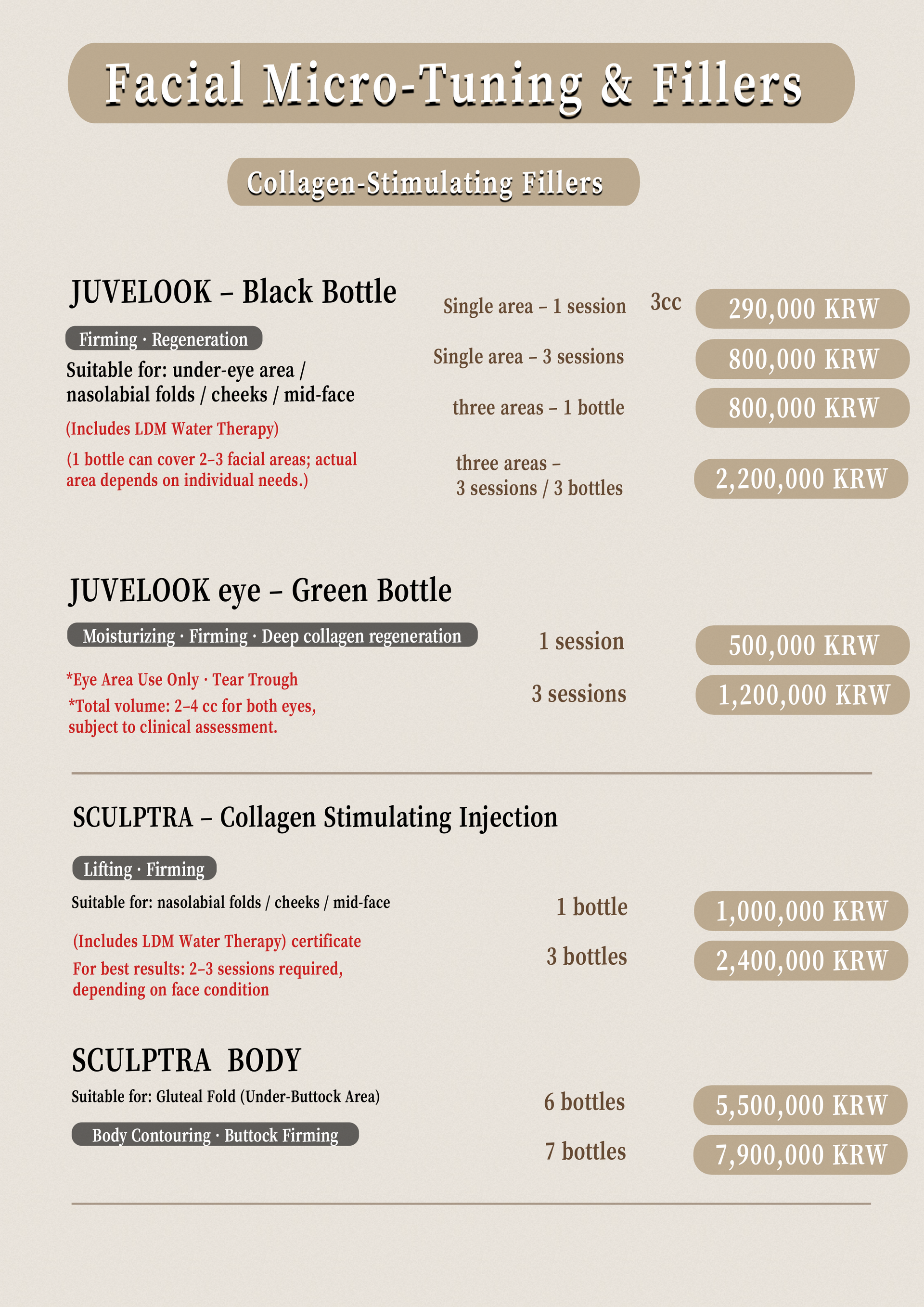
In Seoul, clinics offer a range of options, including fat-contouring procedures, radiofrequency treatments, focused ultrasound, and injectable treatments. Understanding what each option can and cannot do will help you make a more informed decision.
Why Does a Round Face Develop Jowls?
A round face does not necessarily mean that you have excess fat. Facial shape is influenced by bone structure, muscle size, fat distribution, skin quality, and genetics.
1. Fullness around the lower cheeks
Some people naturally carry more fat in their cheeks or lower face. This fullness can soften the transition between the cheek and jawline, especially as facial tissues change with age.
If localized fat is a major contributor, contouring may be worth discussing with a qualified clinician. However, the amount and location of fat matter. Reducing cheek volume is not the same as reducing fullness beneath the chin.
2. Loose skin and tissue descent
Jowls can form when skin and supporting tissues become less firm and descend over the jawline.
In this situation, removing fat alone may not improve the problem. If the skin has limited elasticity, reducing underlying volume could leave the area looking less supported.
3. A naturally broad jaw or prominent masseter muscles
The masseter muscles sit near the back of the jaw and help you chew. When these muscles are prominent, they can make the lower face look wider.
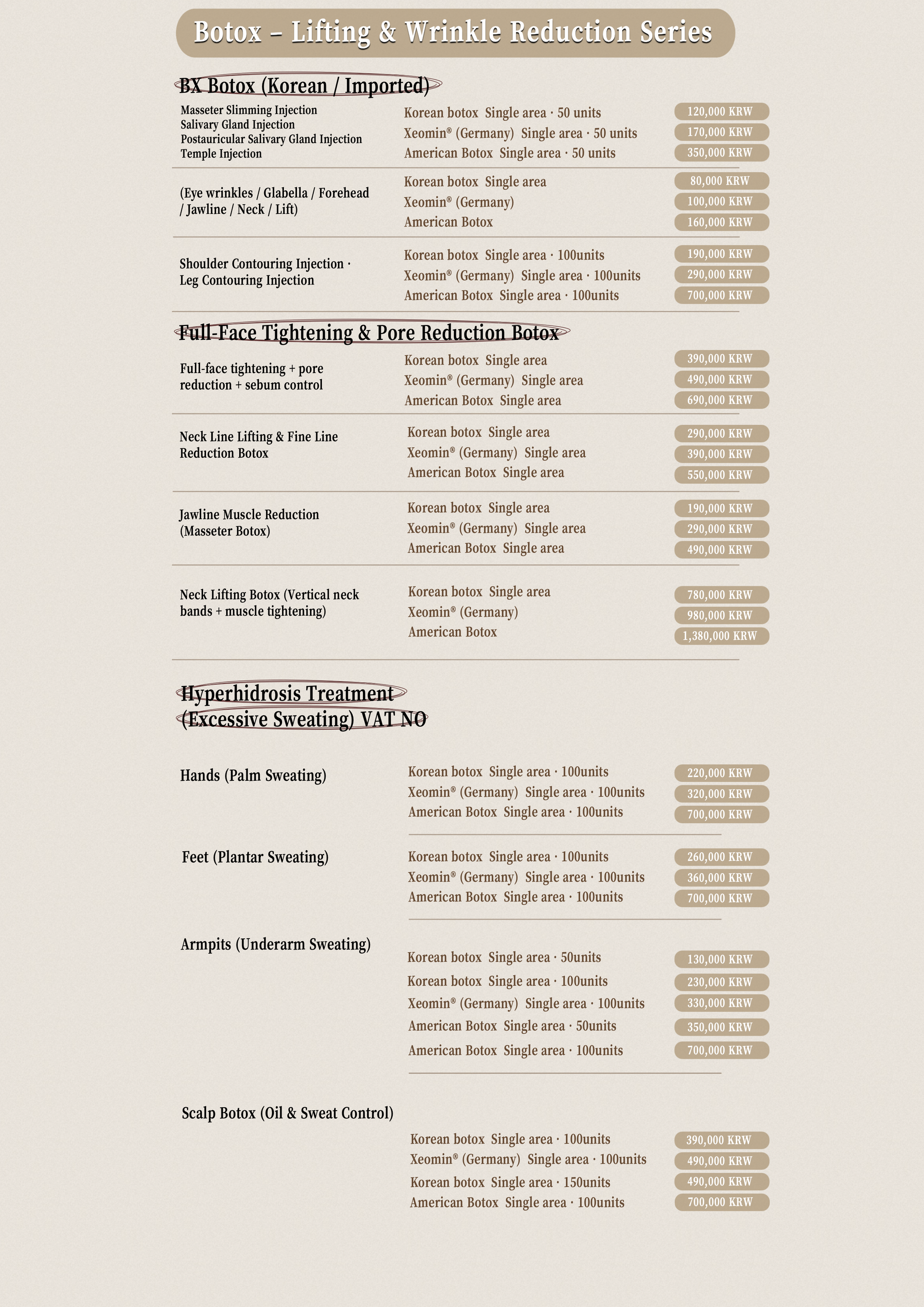
Masseter botulinum toxin injections may gradually reduce muscle bulk in appropriately selected patients. However, they do not remove cheek fat or directly tighten loose skin.
4. A combination of changes
Many people have more than one contributing factor. A round face may have localized fullness, mild laxity, and prominent muscles at the same time.
That is why an assessment should come before choosing a procedure. The most effective treatment for one feature may do little for another.
Which Treatments May Help Jowls on a Round Face?
1. Fat reduction for selected areas of fullness
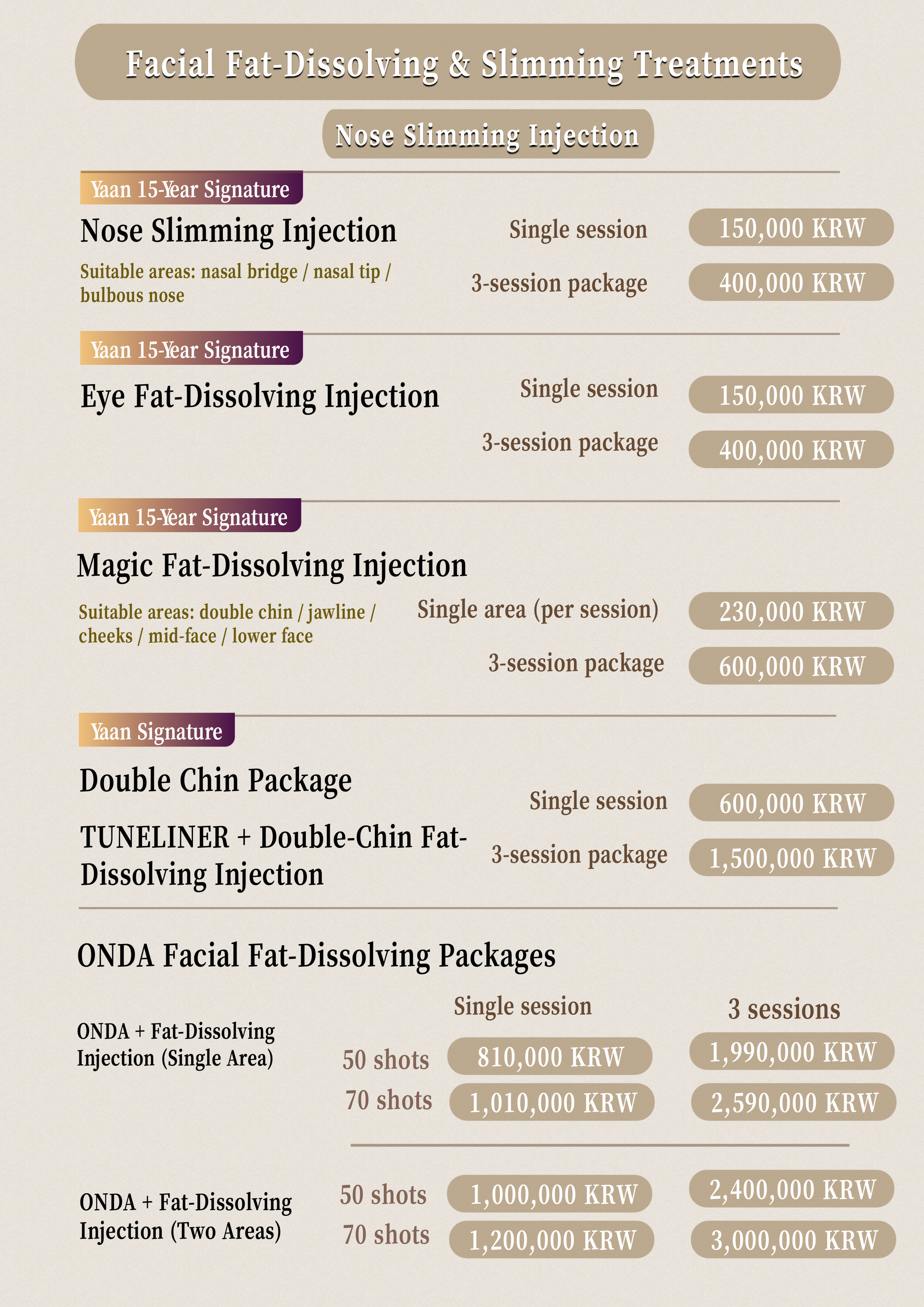
If excess fat beneath the chin is a major contributor to a poorly defined jawline, a clinician may discuss treatments intended to reduce submental fat.
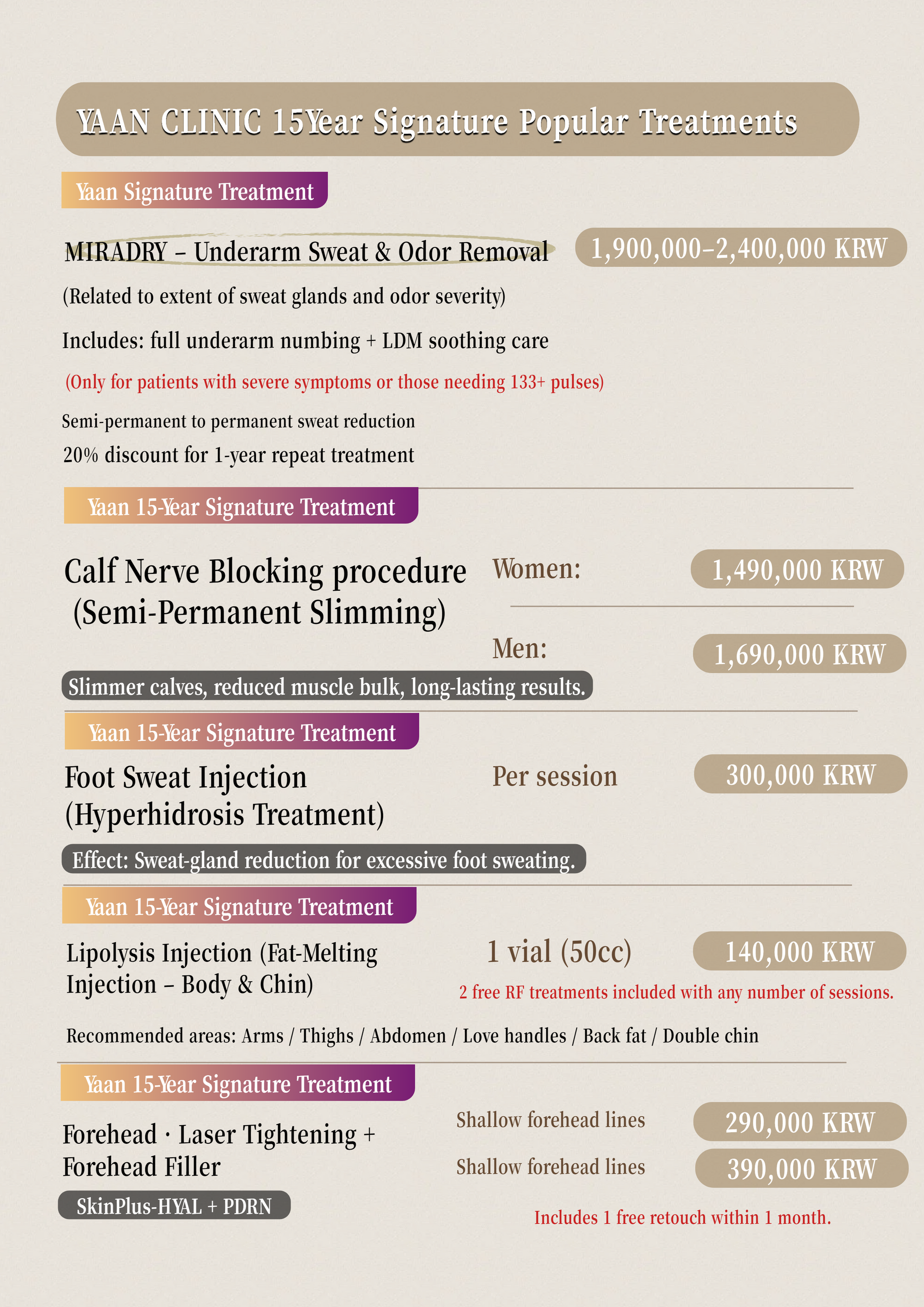
Options may include deoxycholic acid injections where approved, cryolipolysis using an appropriate device, or liposuction.
These treatments are not interchangeable. Injectable treatment may require several sessions and can cause considerable swelling. Cryolipolysis uses controlled cooling, while liposuction is a surgical procedure with its own recovery requirements and risks.
Important: These approaches are most relevant when excess fat is actually present in the treatment area. They do not reliably lift loose jowls or correct every cause of a round face.
2. Radiofrequency treatments for mild skin laxity
Radiofrequency technologies, including selected non-invasive skin-tightening devices, may be considered when mild skin laxity contributes to jowling.
The aim is to improve the appearance of firmness rather than simply reduce facial fat. Results vary according to the device, treatment protocol, skin condition, and degree of laxity.
Radiofrequency microneedling is a separate category because it delivers energy through needles. It has distinct risks and should not be treated as equivalent to non-invasive radiofrequency treatment.
Ask the clinician which exact device will be used, what tissue it targets, and whether it is appropriate for your facial anatomy.
3. Focused ultrasound for selected lifting concerns
Focused-ultrasound treatments, including Ultherapy in appropriate settings, may be considered for selected patients with mild to moderate skin laxity.
These procedures are intended to stimulate tissue remodeling and improve the appearance of firmness or lifting. They are not designed to guarantee a sharply sculpted jawline.
A round face with substantial excess fullness may not benefit as much from a tightening-focused procedure as a face in which laxity is the primary concern. Conversely, a person with loose skin may not achieve a satisfactory result from fat reduction alone.
The treatment plan should match the actual cause of the problem.
4. Masseter Botox for a wide lower face
If your lower face looks broad because of enlarged masseter muscles, botulinum toxin injections may help reduce muscle bulk over time.
This can create a narrower-looking lower face in suitable patients, but it will not remove fat beneath the chin or tighten sagging skin.
Potential side effects include bruising, temporary chewing fatigue, asymmetry, and unwanted changes in facial contour. The clinician should assess your muscle anatomy and discuss whether reducing muscle bulk is likely to produce the result you want.
5. Filler for selected structural concerns
Jawline or chin filler may be considered when chin projection or specific contour irregularities contribute to a poorly defined profile.
Filler adds volume. It does not remove fat, and too much product can make an already full lower face look heavier.
For someone with a round face, filler should therefore be considered carefully and only when there is a clear structural reason to use it. It is not a universal solution for jowls.
Which Treatments Should You Avoid Choosing Too Quickly?
Aggressive fat reduction
A round face is not automatically a face that needs fat removal. If your lower-face fullness is mainly due to bone structure, muscle bulk, or tissue descent, a fat-reduction procedure may not achieve the intended result.
Over-reduction can also create irregular contours or make the face appear older. Ask the clinician to identify the specific fat compartment being treated and explain why reducing it is appropriate.
Combining several lifting treatments at once
Using multiple devices does not guarantee a better result. Combining treatments can increase cost, discomfort, and cumulative risk without ensuring additional benefit.
A clinician may recommend a combination in selected cases, but each procedure should have a clear purpose. Ask whether a staged plan would allow the result of the first treatment to be assessed before proceeding.
Treatments promising a guaranteed V-shaped face
Facial shape depends on anatomy, not just fat or skin firmness. A procedure cannot guarantee that a naturally round face will become sharply V-shaped.
Be cautious of packages that promise dramatic results without a detailed assessment or explanation of limitations.
How Do You Know Which Treatment Is Right for You?
Before choosing a procedure, consider these questions with your clinician:
- Is my face round because of fat, muscle, bone structure, or loose skin? Different causes require different approaches.
- Where is the fullness located? Fullness beneath the chin differs from volume in the cheeks or along the jowls.
- Will the treatment reduce fat or tighten skin? Ask what tissue is targeted and what change is expected.
- Could the treatment make my face look hollow or irregular? Discuss the possibility of unwanted contour changes.
- What is the least aggressive suitable option? More intensive treatment is not automatically better.
- What follow-up will I need? If you are visiting Seoul, establish how you can obtain medical advice after returning home.
A qualified medical professional should assess your facial anatomy, medical history, skin condition, and expectations before recommending treatment.
What Results Can You Realistically Expect?
The goal may be a more defined transition between the chin and neck, a firmer jawline, or a narrower-looking lower face. The degree of improvement depends on the cause of the fullness and the procedure selected.
A 2026 review of non-surgical neck and jawline rejuvenation describes several options for addressing submental fat, skin laxity, muscle-related contour, and volume changes. It emphasizes individual treatment selection and realistic expectations. The review also notes limitations in the available evidence, including the lack of formal quality assessment of individual studies.
This means there is no single procedure proven to be best for every round face. A treatment that works well for localized fat may be ineffective for loose skin, while a skin-tightening treatment may not substantially reduce a heavy-looking profile caused by excess fullness.
Conclusion: What's Best for Jowls on a Round or Heavy Face?
The best treatment depends on why your face looks round and why jowls have developed. Fat reduction may help selected patients with genuine localized fullness, radiofrequency or focused ultrasound may be considered for mild laxity, and masseter Botox may help when prominent chewing muscles contribute to a broad lower face.
These procedures address different concerns and should not be treated as interchangeable. A round face does not automatically need fat reduction, and a sharper jawline is not always achieved by removing more volume.
Before choosing a treatment in Seoul, seek an assessment that identifies the main cause of your jowls and explains the likely benefits, limitations, and risks of the recommended approach.
Frequently Asked Questions
1. What is the best treatment for jowls on a round face?
There is no universal best treatment. Fat-targeting procedures may be considered for localized fullness, while skin-tightening treatments may be more suitable for mild laxity. Prominent masseter muscles or structural concerns may require different approaches.
2. Will fat reduction make my round face slimmer?
It may reduce fullness in a suitable treatment area, but the result depends on where the fat is located and how much contributes to the appearance. Fat reduction will not reliably correct loose skin, muscle bulk, or bone structure.
3. Is masseter Botox good for jowls?
It may help when enlarged masseter muscles contribute to a broad lower face. It does not remove jowl fat or lift loose skin, and reducing muscle bulk may not be appropriate for every facial shape.
4. Is Ultherapy better than fat reduction for a heavy jawline?
The treatments have different goals. Focused ultrasound may be considered for selected lifting and tightening concerns, while fat-reduction procedures target localized fat. The best choice depends on the cause of the heavy appearance.
5. Can jawline filler make a round face look slimmer?
Not necessarily. Filler adds volume and can improve selected contours, but excessive or poorly placed filler may make the lower face look heavier. It should only be considered when there is a clear anatomical reason.
6. Can I get a V-shaped face without surgery?
Some people can achieve a modest change through non-surgical treatments, depending on their anatomy. However, facial structure, significant excess skin, and substantial tissue descent limit what these procedures can accomplish. A clinician should explain what is realistically achievable without surgery.