What Korean Skin Treatments Make the Biggest Visible Difference After Age 40?
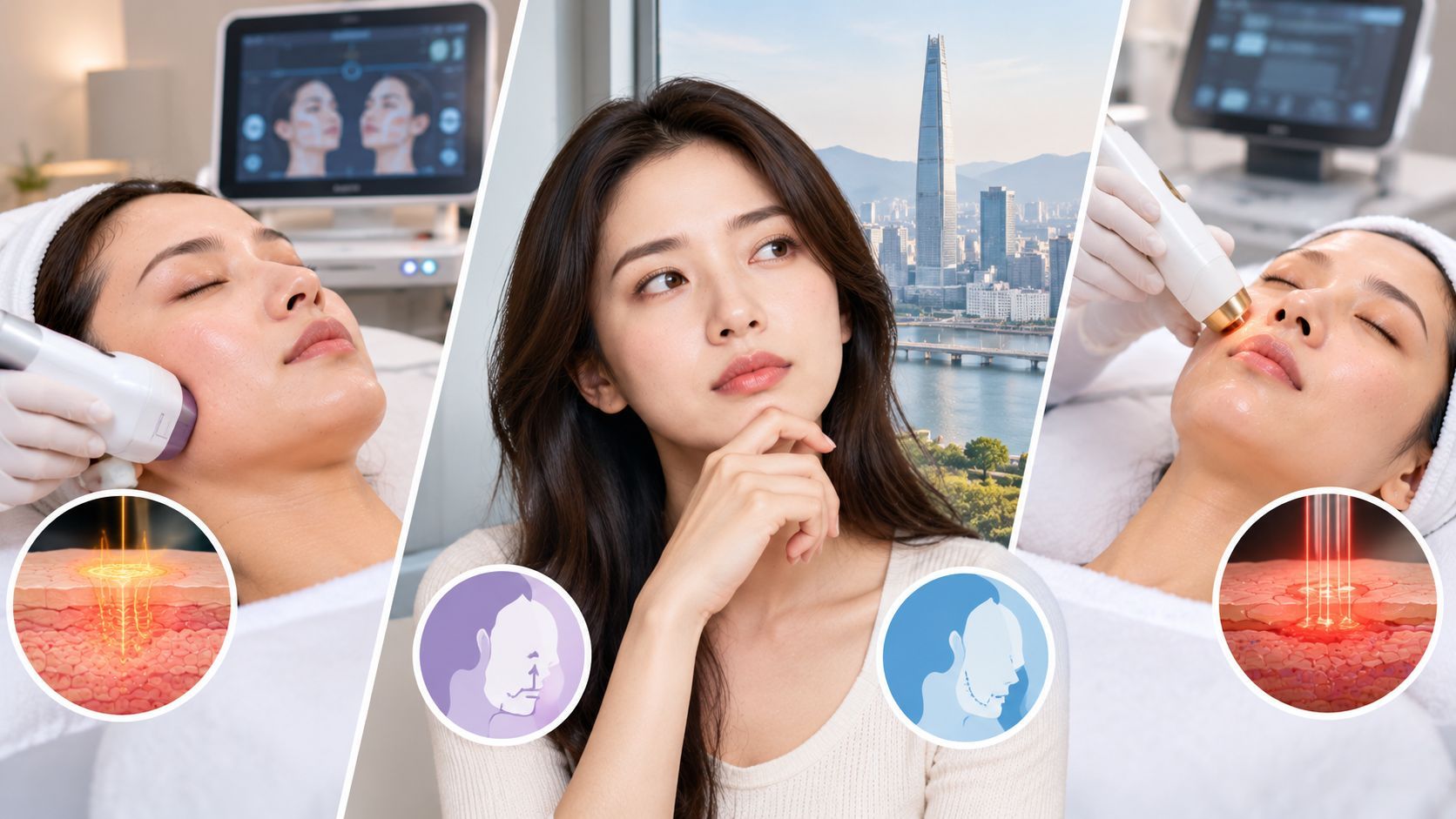
If you are over 40 and want a visible improvement in your skin, Korean dermatology clinics offer several treatment options. The best choice depends on what you want to change: fine lines, brown spots, rough texture, dullness, skin laxity, or facial volume loss.
For some people, a laser treatment for pigmentation makes the biggest difference. For others, radiofrequency or ultrasound may help with mild laxity, while carefully selected injectables may address expression lines or volume loss. Prescription skincare can also improve certain signs of aging over time.
The key is to identify your main concern before choosing a procedure. There is no single Korean treatment that produces the biggest improvement for every person over 40.
What Changes in Your Skin After Age 40?
Several age-related changes may become more noticeable during your 40s, although the timing varies considerably.
- Fine lines and wrinkles: Repeated facial movements, sun exposure, and changes in skin structure contribute to visible lines.
- Pigmentation: Sunspots, uneven tone, and other pigment changes can make skin appear less uniform.
- Texture changes: Enlarged-looking pores, roughness, and some acne scars may become more noticeable.
- Skin laxity: Reduced firmness can affect the cheeks, jawline, and neck.
- Volume loss: Changes in facial fat and supporting structures may create hollows or alter facial proportions.
- Dryness and dullness: Dehydration and changes in the skin barrier can make fine lines appear more prominent.
These concerns are related but not interchangeable. A treatment that improves pigmentation may not lift sagging skin, and a lifting procedure will not necessarily remove brown spots.
1. Laser Treatments for Pigmentation and Uneven Texture
If your main concern is sunspots, uneven pigmentation, or selected texture changes, a dermatologist may recommend a specific laser or light-based treatment.
Different devices target different structures in the skin. Some are designed primarily for pigment, while others address texture, scarring, or signs of photoaging. The appropriate choice depends on the diagnosis, your skin tone, and your history of irritation or pigmentation after inflammation.
Potential benefits include:
- A more even-looking skin tone.
- Reduced appearance of selected pigment spots.
- Improvement in certain types of textural irregularity.
- Smoother-looking skin when the treatment is appropriately selected.
Recovery varies. Some treatments cause only temporary redness, while others produce swelling, crusting, peeling, or several days of downtime.
If you have a medium-to-deep skin tone or develop dark marks after acne or irritation, tell your dermatologist before treatment. Certain lasers and settings can cause post-inflammatory hyperpigmentation, so careful selection and aftercare are important.
Laser treatment is not automatically the best choice for every person over 40. Pigmentation should be correctly diagnosed first, particularly if a spot is new, changing, bleeding, or otherwise unusual.
2. Radiofrequency Treatments for Mild Skin Laxity
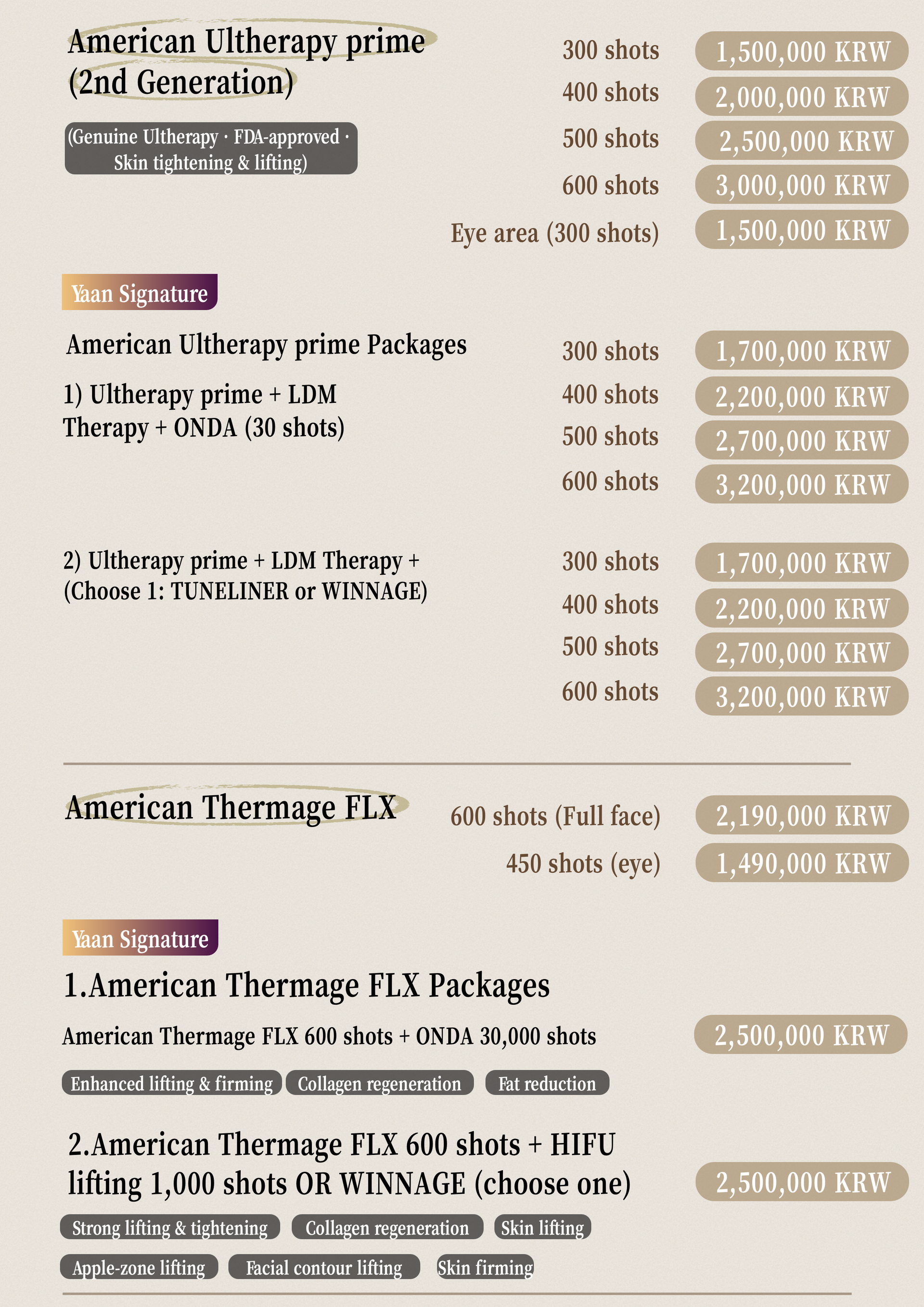
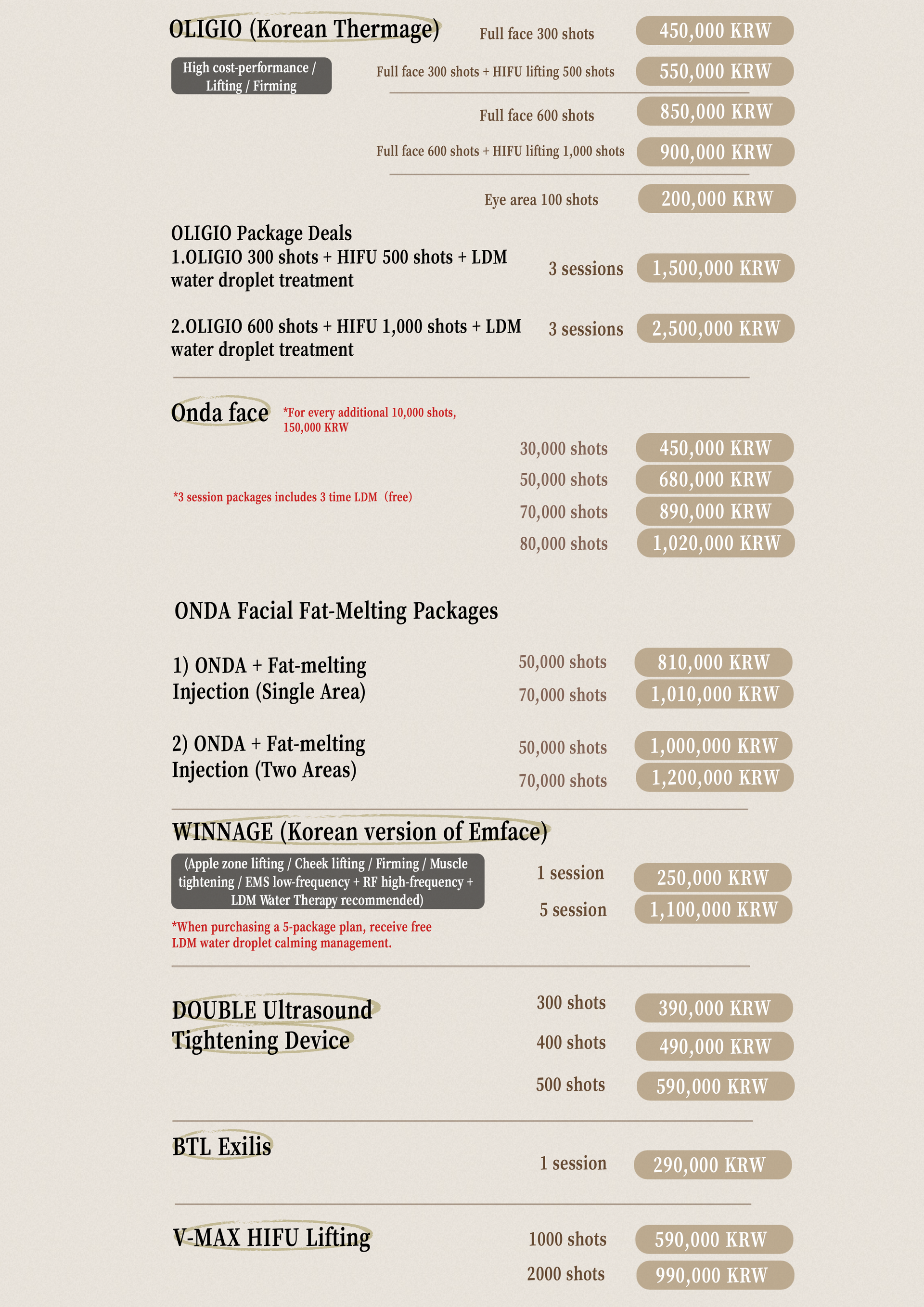
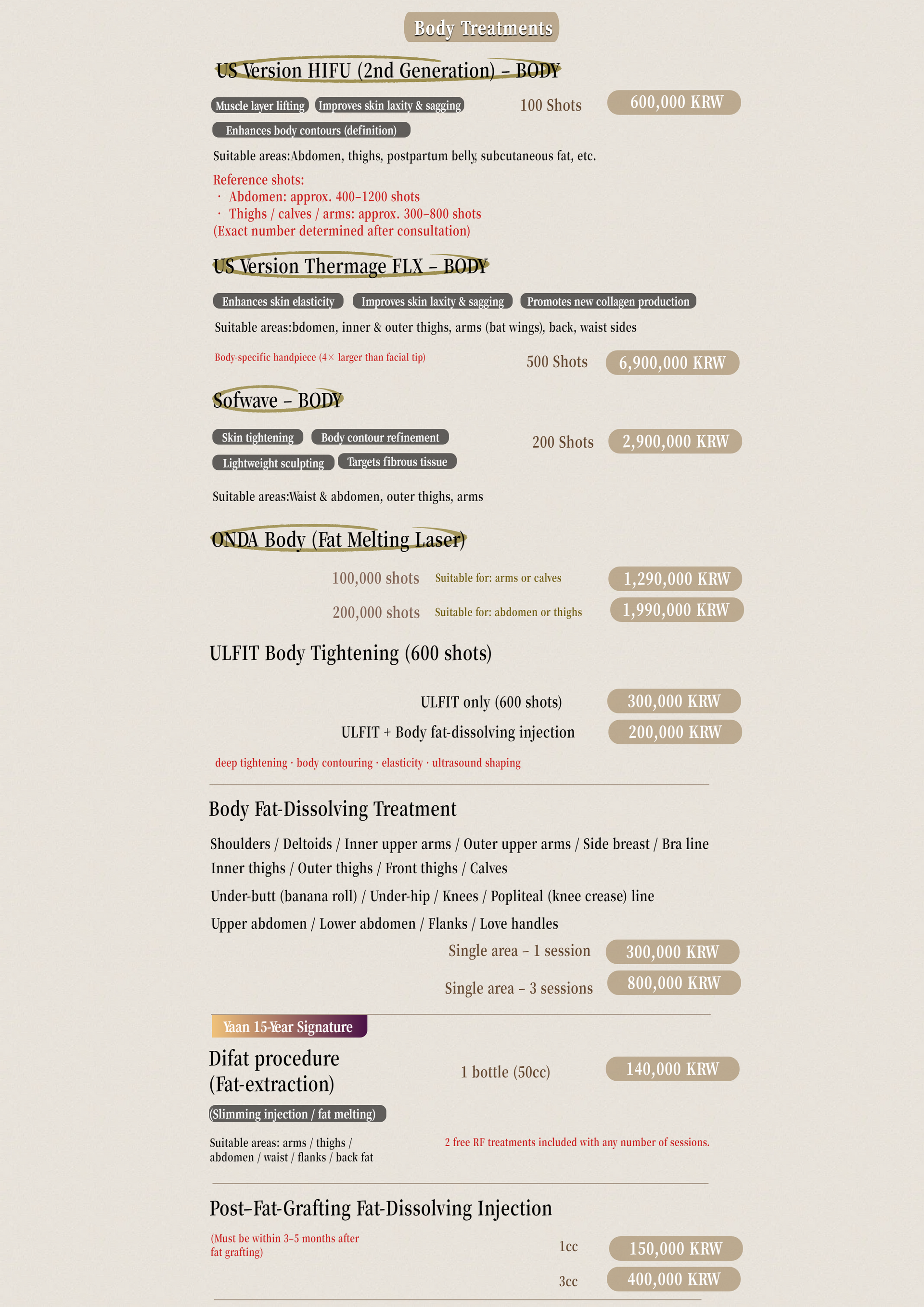
Radiofrequency treatments, including Thermage and other RF devices, deliver controlled heat to targeted tissue. They may stimulate collagen remodeling and help selected patients achieve modest improvement in skin firmness.
You might discuss RF if your cheeks or jawline look slightly less firm than they used to, but you do not have substantial excess skin.
Results are not identical for everyone. Improvement may develop gradually, and some people need additional treatments or may see only a subtle change.
Possible side effects include redness, swelling, tenderness, and, less commonly, burns or unwanted tissue changes. The device, settings, treatment area, and clinician's technique all matter.
RF is not a substitute for surgery when there is substantial skin excess. It also should not be assumed to remove facial fat. If your face is naturally thin or already looks hollow, discuss the potential risks and benefits carefully before choosing an energy-based procedure.
3. Focused Ultrasound for Selected Laxity
Microfocused ultrasound, including Ultherapy where available and appropriate, uses focused energy at selected tissue depths to stimulate a tightening response.
For some patients with mild to moderate laxity, treatment may gradually improve the appearance of the jawline, cheeks, or other selected areas. The degree of improvement is variable, and the results are generally less dramatic than those of a surgical facelift.
Possible adverse effects include discomfort, swelling, bruising, tenderness, and temporary sensory changes.
Ultrasound is worth discussing when laxity is your main concern, but it is not the right treatment for every visible sign of aging. If pigmentation, surface texture, or facial hollowness bothers you most, another approach may be more appropriate.
A qualified clinician should assess your facial anatomy and explain the likely benefit before recommending treatment.
4. Botulinum Toxin for Expression Lines
Botulinum toxin injections temporarily reduce the activity of selected facial muscles. They are commonly used for dynamic lines, such as forehead lines, frown lines, and crow's feet.
They may make these lines less noticeable when the muscles contract, but they do not directly treat pigmentation, restore lost volume, or tighten substantial excess skin.
Treatment requires precise placement and individualized dosing. Possible side effects include bruising, headache, asymmetry, and temporary eyelid or brow drooping. Other complications can occur depending on the injection site.
If your main concern is lines that appear when you smile or frown, this option may be more relevant than a lifting device. The aim should be a result that suits your facial movement and preferences rather than eliminating all expression.
5. Dermal Fillers for Selected Volume Loss
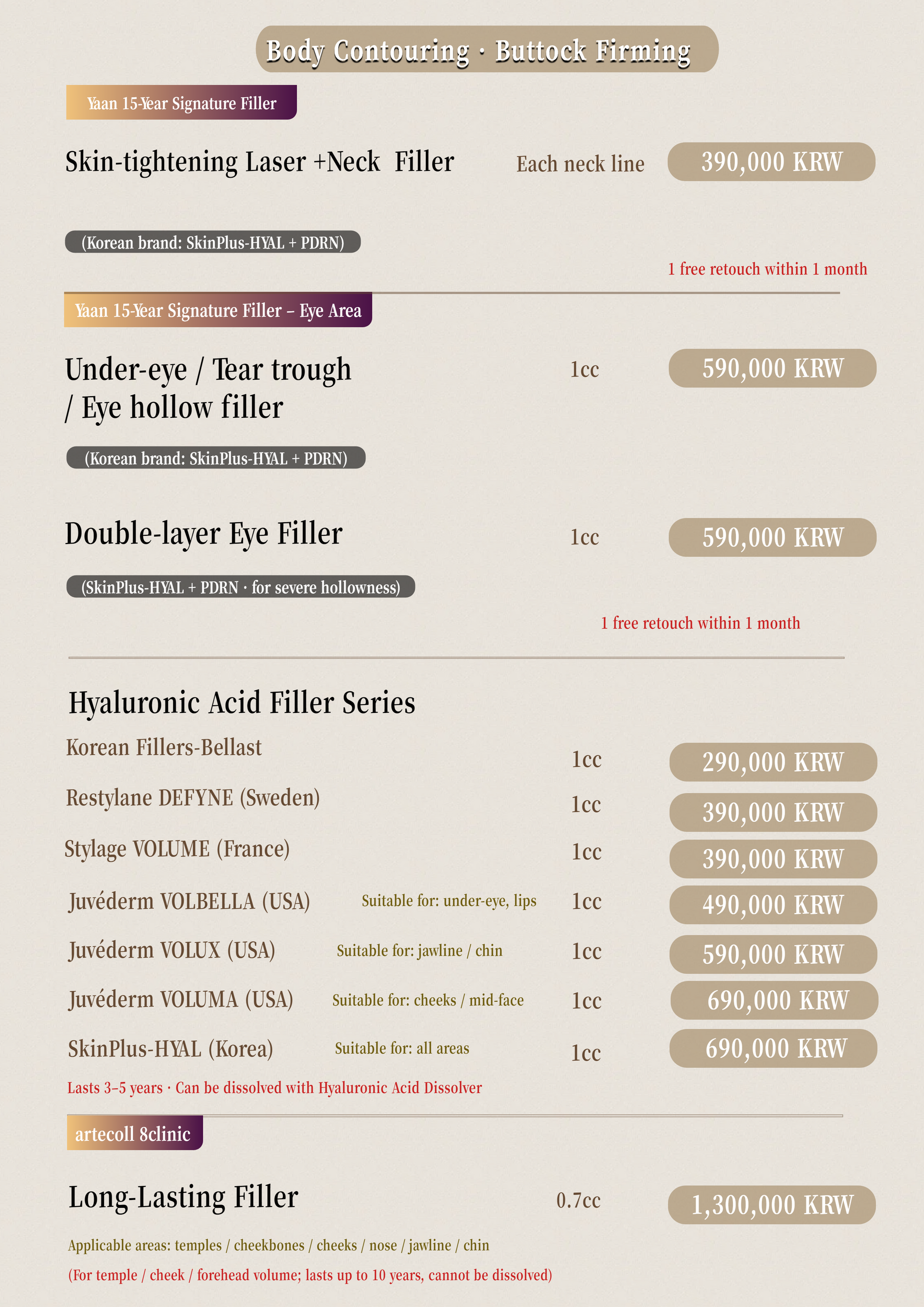
If your cheeks look hollow or facial proportions have changed because of volume loss, a dermatologist or appropriately qualified physician may discuss dermal fillers.
Fillers can restore selected areas of volume and improve contour. However, they are not a universal solution for sagging, and adding volume to the wrong area may make the face look heavier.
Risks include swelling, bruising, lumps, infection, and rare but serious vascular complications that can cause tissue damage or vision loss.
The clinician should explain which area would be treated, why added volume is appropriate, and what alternatives exist. Avoid choosing a filler simply because your face looks older or less firm.
6. Skin Boosters for Skin Quality
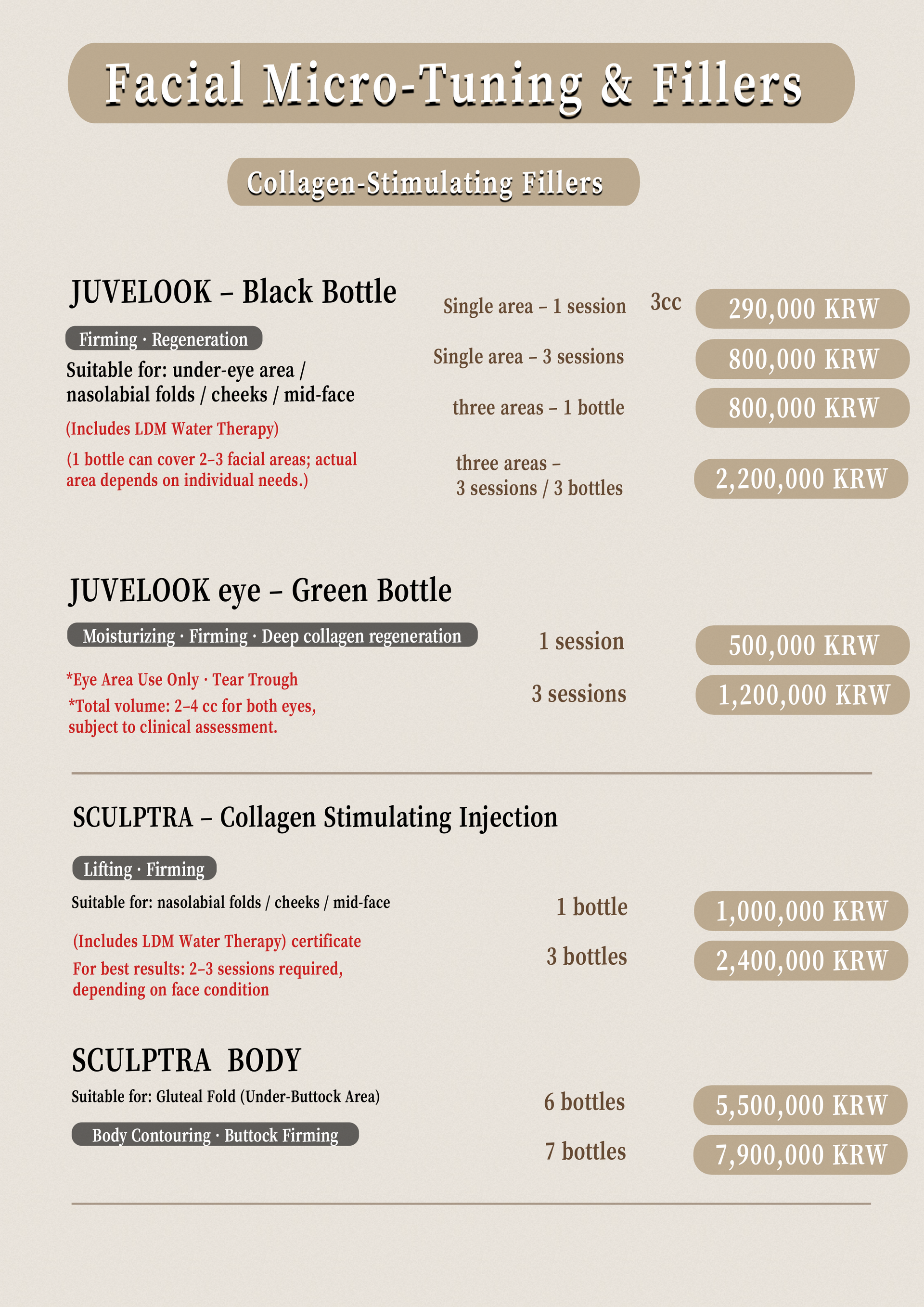
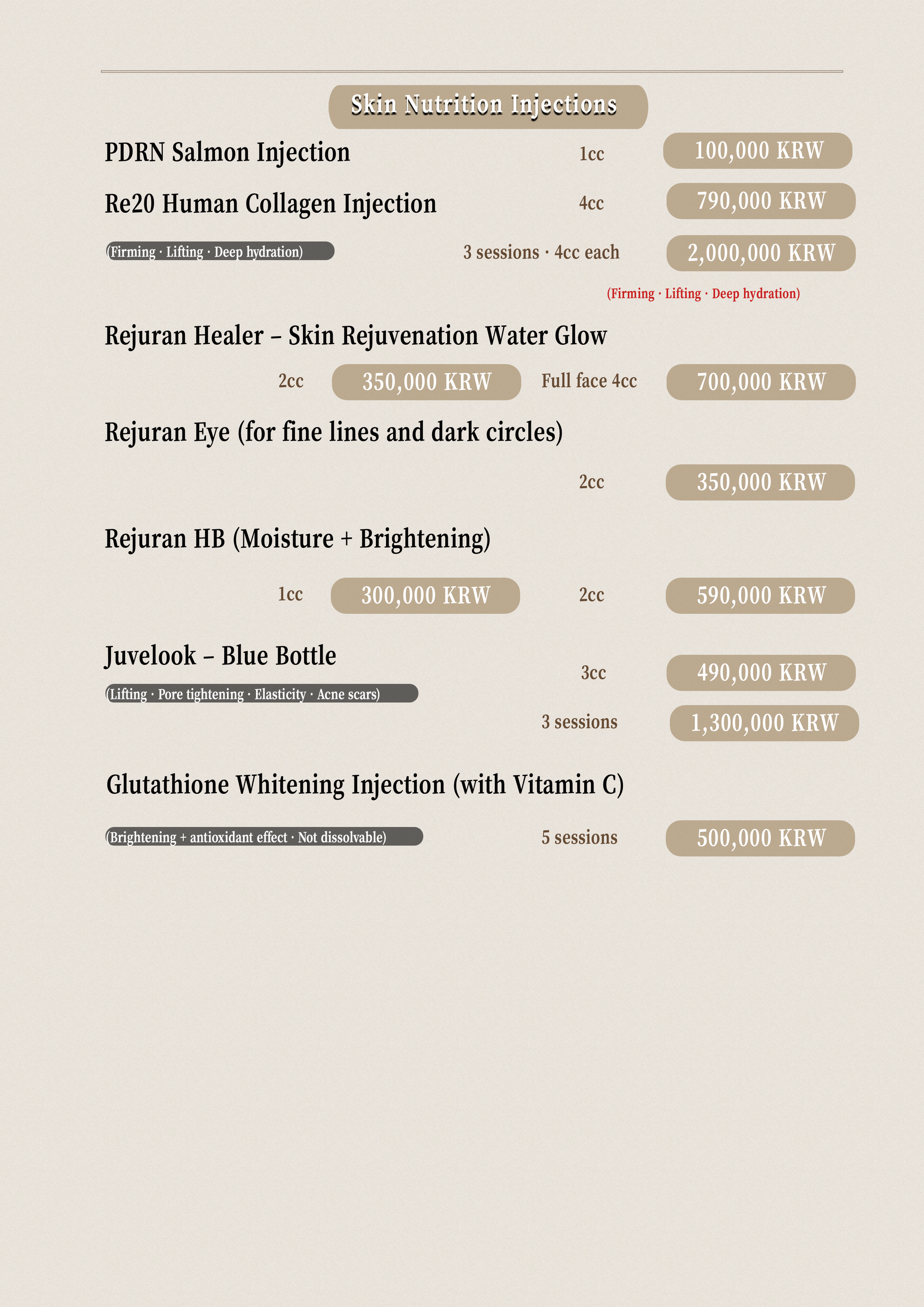
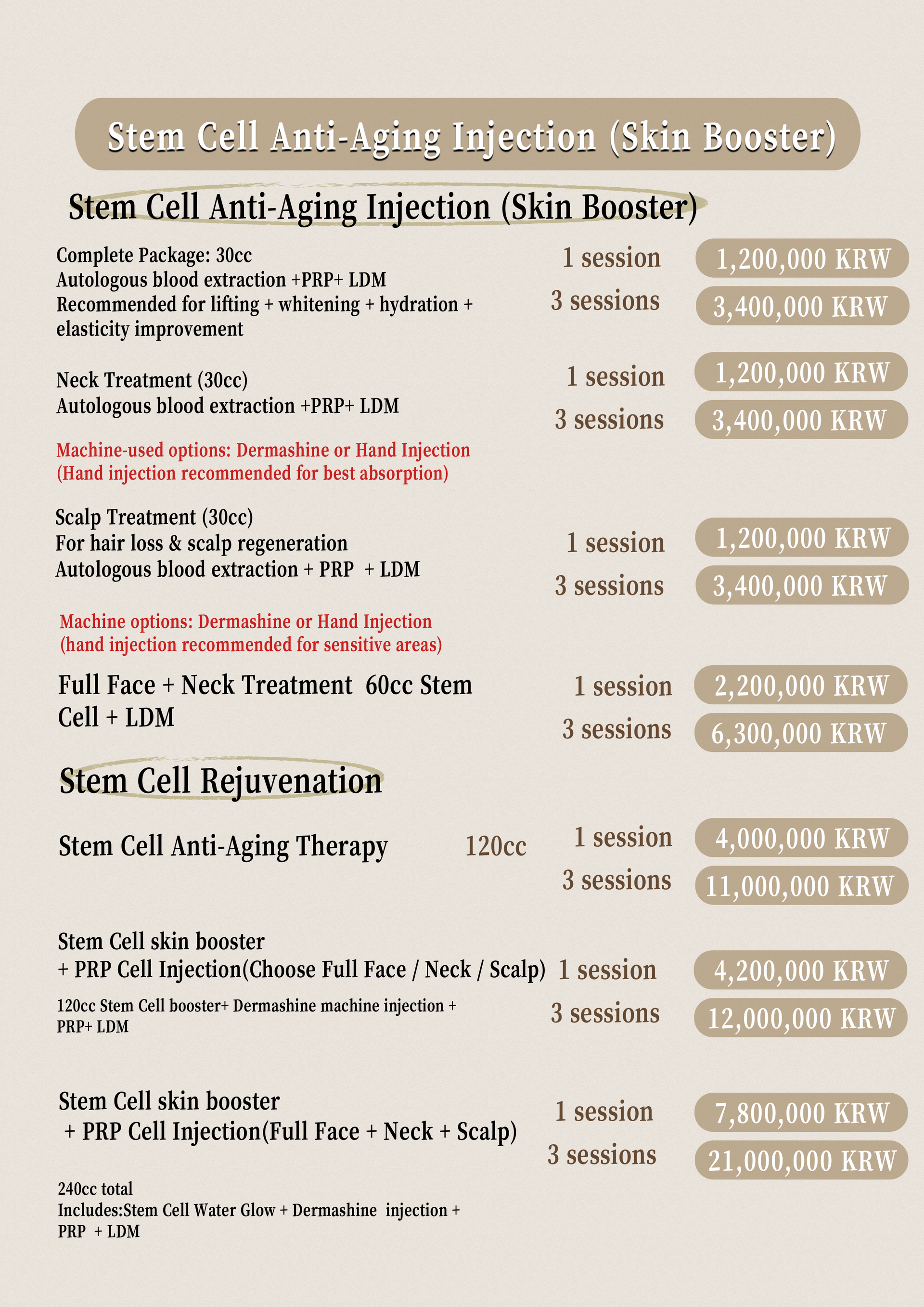
Skin boosters are injectable products intended to improve selected aspects of skin quality, depending on the formulation and indication. Some may be considered for hydration, smoothness, or the appearance of fine lines.
They should not be confused with traditional fillers used primarily to restore volume. Nor should they be expected to produce the same lifting effect as a procedure designed to address laxity.
Because skin boosters involve injections, they can cause swelling, bruising, tenderness, and other complications. Results vary by product and individual.
If your main goal is improved skin quality rather than a sharper jawline or major wrinkle correction, ask your clinician whether a specific skin booster is appropriate and what evidence supports its use.
7. Prescription Skincare for Gradual Improvement
Professional treatments are not the only option. A consistent skincare routine can help maintain results and improve certain signs of aging.
A practical foundation includes:
- Broad-spectrum sunscreen: Use SPF 30 or higher daily to help prevent further sun damage.
- Moisturizer: Support the skin barrier and reduce the appearance of dehydration-related lines.
- Gentle cleansing: Avoid excessive scrubbing and products that leave your skin tight or irritated.
- A suitable retinoid: If appropriate, a dermatologist may recommend a retinoid to improve selected signs of photoaging over time.
Retinoids can cause dryness, peeling, redness, and irritation, particularly when first introduced. Start only with appropriate guidance if your skin is sensitive, and do not use retinoids during pregnancy.
Skincare usually requires consistent use over weeks or months. It will not produce the same immediate contour change as a filler or the same type of effect as a skin-tightening procedure, but it can be an important part of long-term skin care.
Which Treatment Makes the Biggest Difference?
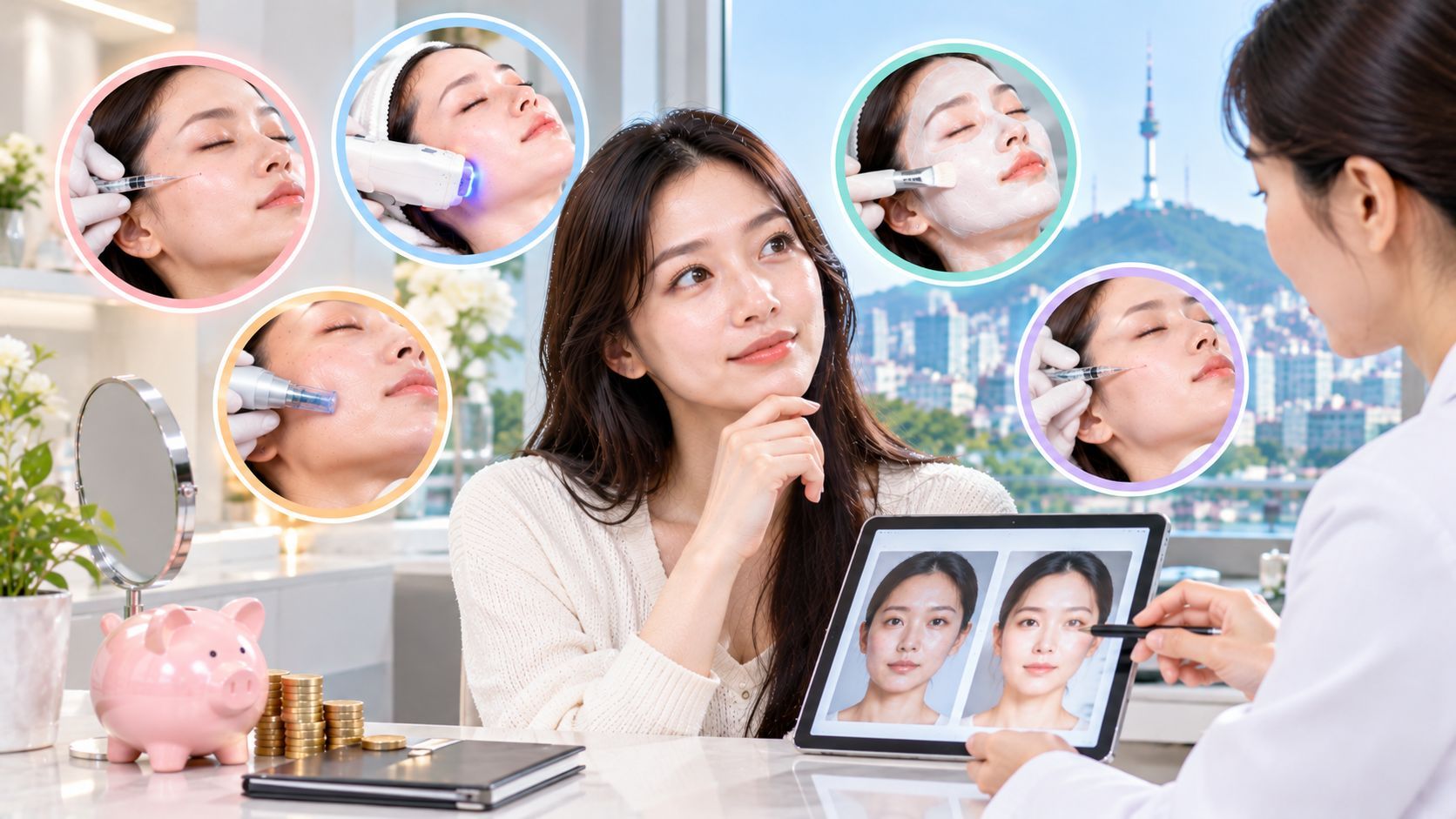
The most useful way to compare treatments is by matching them to your main concern.
If you mainly notice brown spots or uneven tone, a targeted pigment treatment may produce the most visible improvement. If expression lines bother you, botulinum toxin may be more relevant. If mild laxity is your primary concern, RF or focused ultrasound may be worth discussing. If your face looks hollow, a careful volume assessment may be more useful than aggressive tightening.
When several concerns coexist, a staged plan may be better than having multiple procedures in one visit. Combining treatments can sometimes be appropriate, but the benefits and risks depend on the specific procedures and your medical history.
A Korean dermatology survey published in Annals of Dermatology found that practitioners selected different rejuvenation approaches according to patient characteristics, including facial fat volume. However, the survey included only 13 dermatologists, so it describes clinical practice patterns rather than proving that one treatment is best. https://pmc.ncbi.nlm.nih.gov/articles/PMC12117550/
How to Choose a Treatment at a Korean Dermatology Clinic
Before booking a procedure in Seoul, consider these steps.
First, identify your main concern. Is it pigmentation, wrinkles, texture, laxity, or volume loss?
Second, ask for an assessment before deciding on a branded treatment. A reputable clinician should explain what the procedure can and cannot improve, the expected recovery period, and the potential complications.
Third, confirm the exact device or injectable product. Treatment names and marketing packages do not always explain which technology or formulation will be used.
Finally, consider your schedule. If you are visiting Korea for a short trip, avoid scheduling a first-time procedure immediately before departure, particularly if it may cause swelling, peeling, or bruising. Ask about follow-up care and what to do if a complication develops after you return home.
Conclusion
Korean skin treatments can improve selected signs of aging after 40, but the biggest visible difference depends on the concern being treated. Lasers may help selected pigment and texture problems, botulinum toxin may soften dynamic lines, fillers may restore appropriate volume, and RF or ultrasound may offer modest improvement in selected cases of laxity.
Skincare remains essential, and more procedures do not necessarily mean better results. Begin with a professional assessment, choose a treatment that targets your main concern, and prioritize realistic expectations, safety, and facial balance.
Frequently Asked Questions
1. What is the best Korean anti-aging treatment after age 40?
There is no single best treatment. The right choice depends on whether your main concern is wrinkles, pigmentation, texture, skin laxity, or volume loss.
2. Which Korean treatment produces the most visible results?
A targeted treatment can make a noticeable difference when it addresses the correct problem. For example, pigment treatment may improve selected brown spots, while botulinum toxin may reduce dynamic lines. Outcomes vary by individual and procedure.
3. Is Thermage better than Ultherapy after 40?
Neither is universally better. Both may be considered for selected cases of mild skin laxity, but they use different technologies. A clinician should explain which is appropriate for your anatomy and goals.
4. Are skin boosters enough to lift a sagging face?
Skin boosters primarily target selected aspects of skin quality. They should not be expected to correct substantial tissue descent or excess skin.
5. Can I combine laser treatment with fillers or lifting procedures?
Combination treatment may be appropriate, but timing and safety depend on the procedures, treatment areas, skin condition, and medical history. Ask your clinician to explain the proposed sequence rather than assuming everything should be performed at once.
6. How can I maintain anti-aging treatment results?
Daily sun protection, appropriate moisturizer, a suitable skincare routine, and follow-up as recommended by your clinician can help maintain skin health. The need for repeat procedures varies by treatment and individual response.