What Is the Best Non-Surgical Facelift Treatment in Seoul for a Woman in Her 50s?
If you are a woman in your 50s considering a non-surgical facelift in Seoul, you have several options, including Thermage, Ultherapy, other radiofrequency treatments, selected injectables, and skin-resurfacing procedures. Each targets different signs of aging, and none is a universal replacement for facelift surgery.
The right treatment depends on your facial anatomy, the severity of sagging, your skin quality, your medical history, and how much downtime you can accept. If you have mild laxity, a non-surgical procedure may help you look subtly refreshed. If you have pronounced jowls, substantial loose skin, or significant neck laxity, a surgical consultation may give you a more realistic understanding of your options.
Why Facial Aging in Your 50s Requires an Individual Plan
During your 50s, several changes may affect your facial appearance at the same time.
- Skin laxity: The cheeks, jawline, and neck may appear less firm.
- Jowls: Tissue around the lower cheeks may become more prominent along the jawline.
- Volume loss: The temples, cheeks, or other areas may look hollow.
- Wrinkles and folds: Fine lines and deeper creases may become more noticeable.
- Uneven skin tone: Sun damage and pigmentation can make the complexion look less uniform.
These changes do not all respond to the same treatment. A skin-tightening device may help selected cases of mild laxity, but it will not necessarily restore lost cheek volume or remove substantial excess skin. Likewise, fillers may improve selected contours but will not correct every cause of jowling.
The most useful first step is a clinical assessment that identifies the main cause of your concerns.
1. Thermage and Other Radiofrequency Treatments
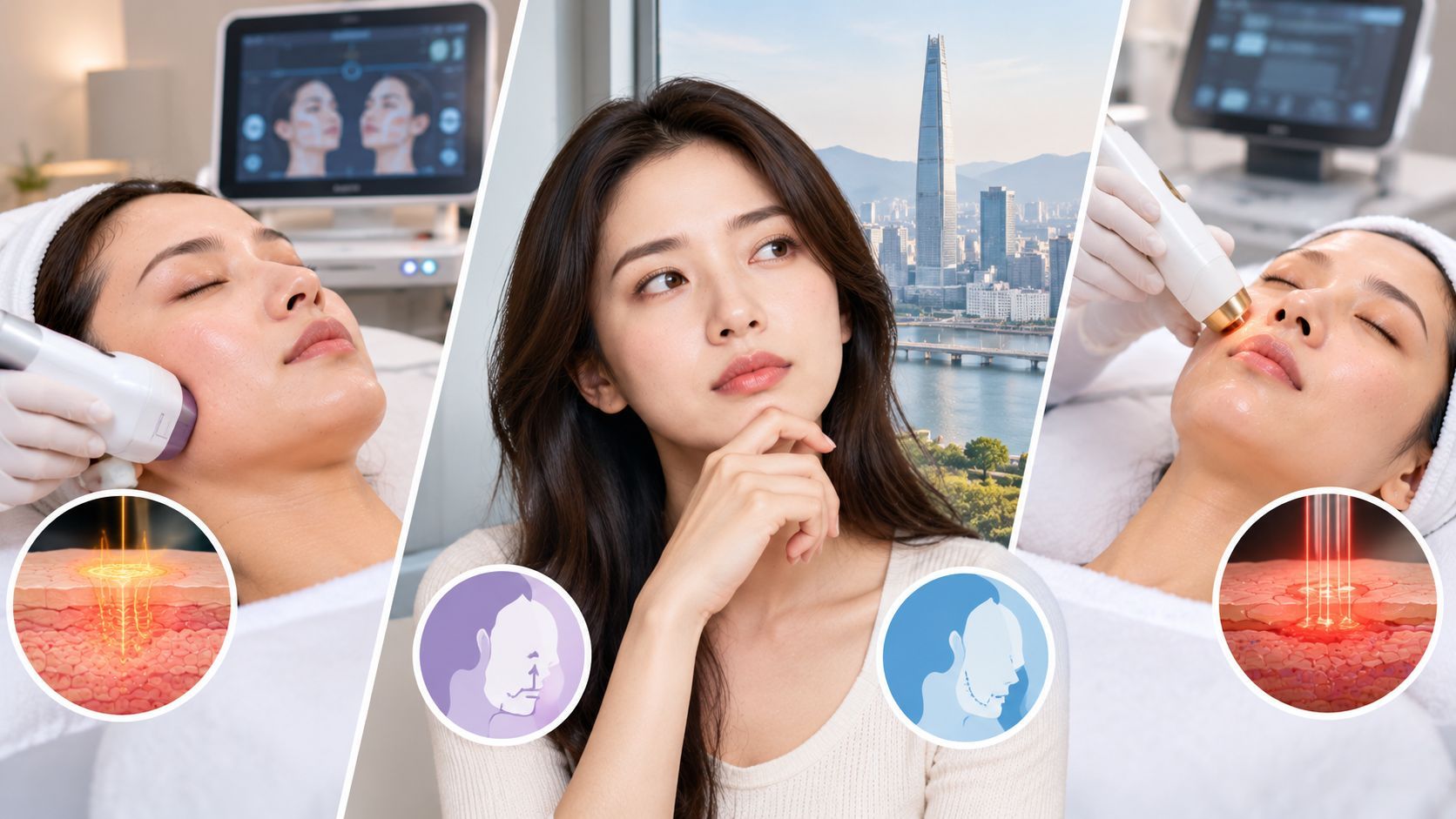
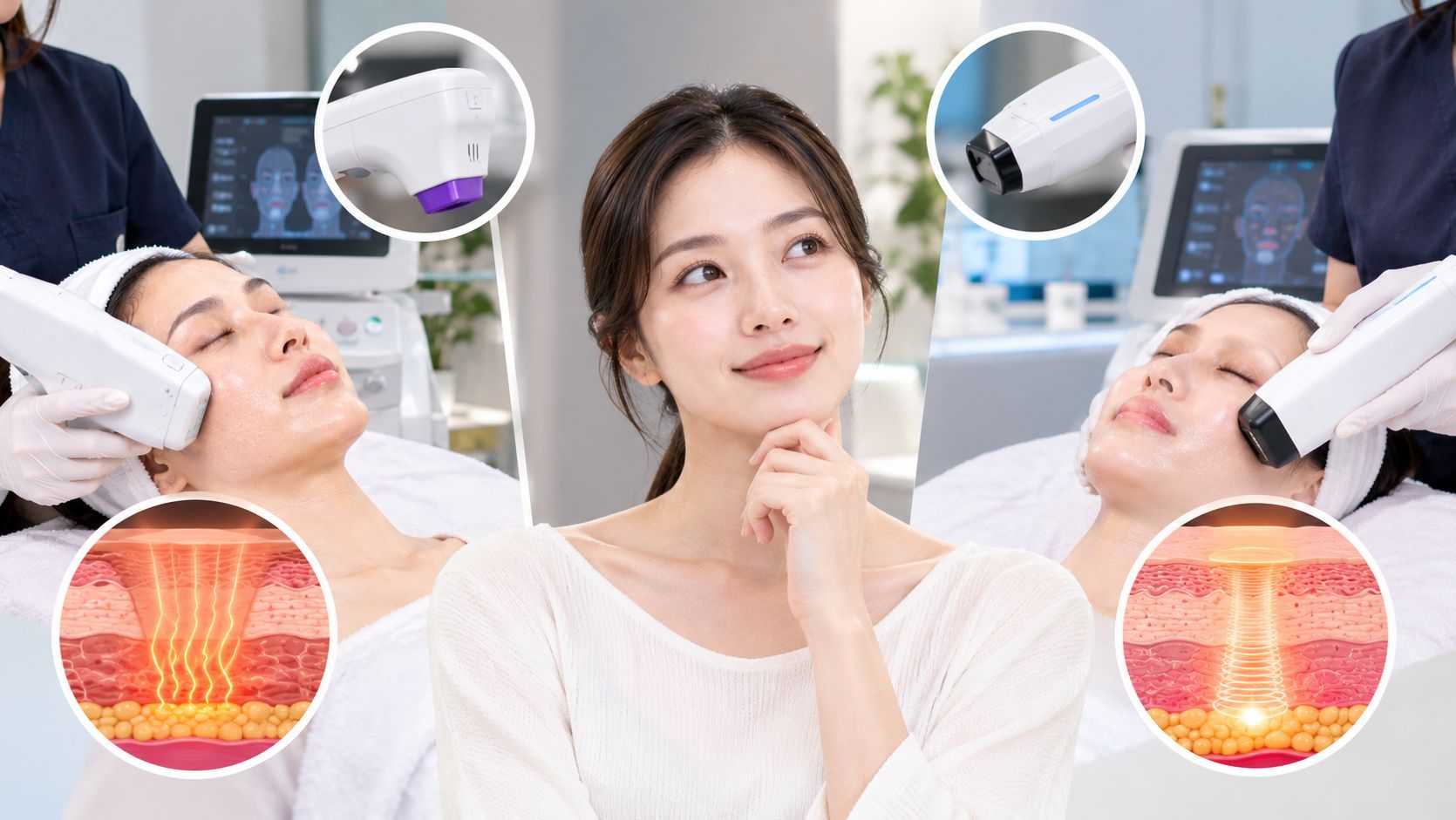
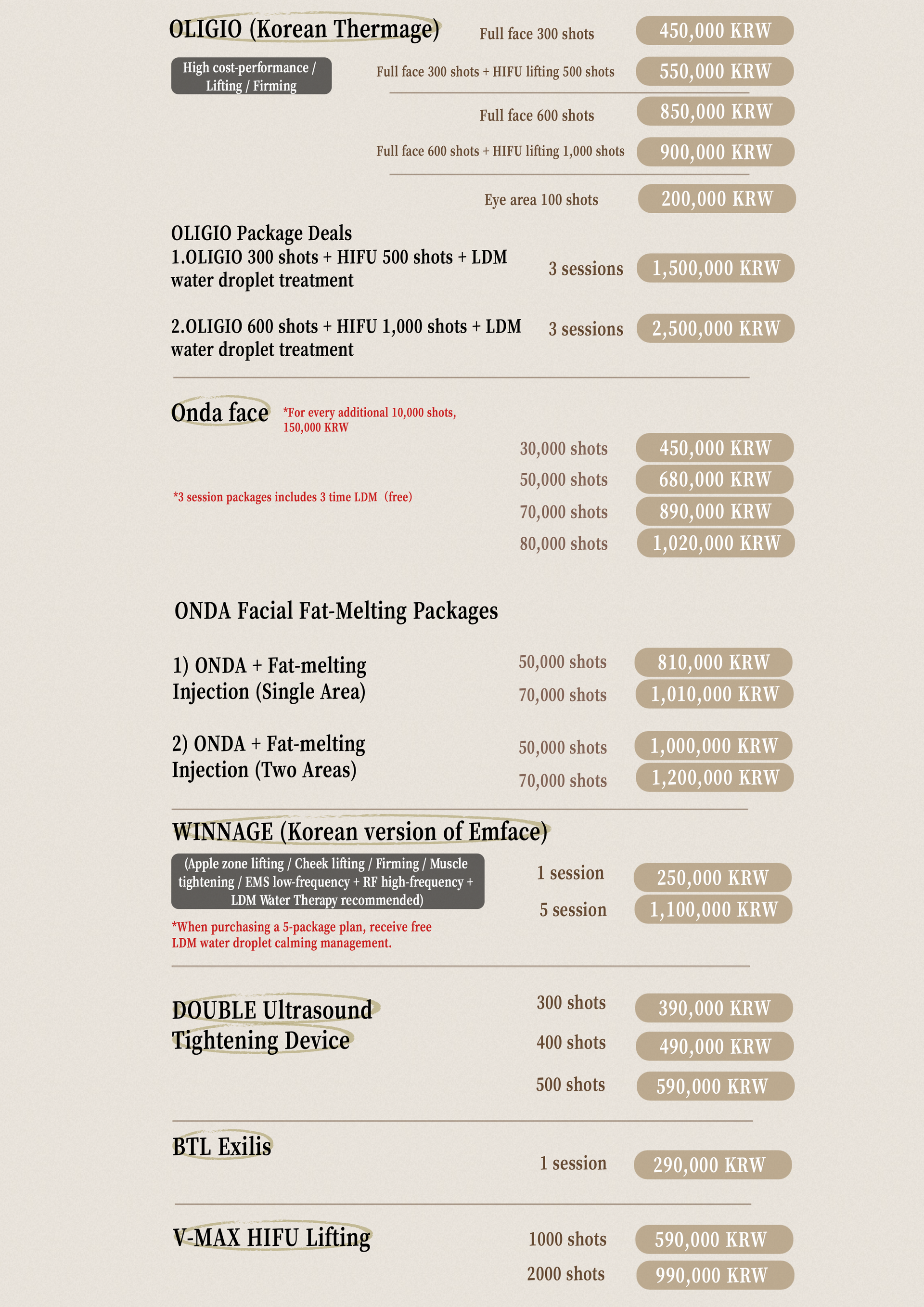
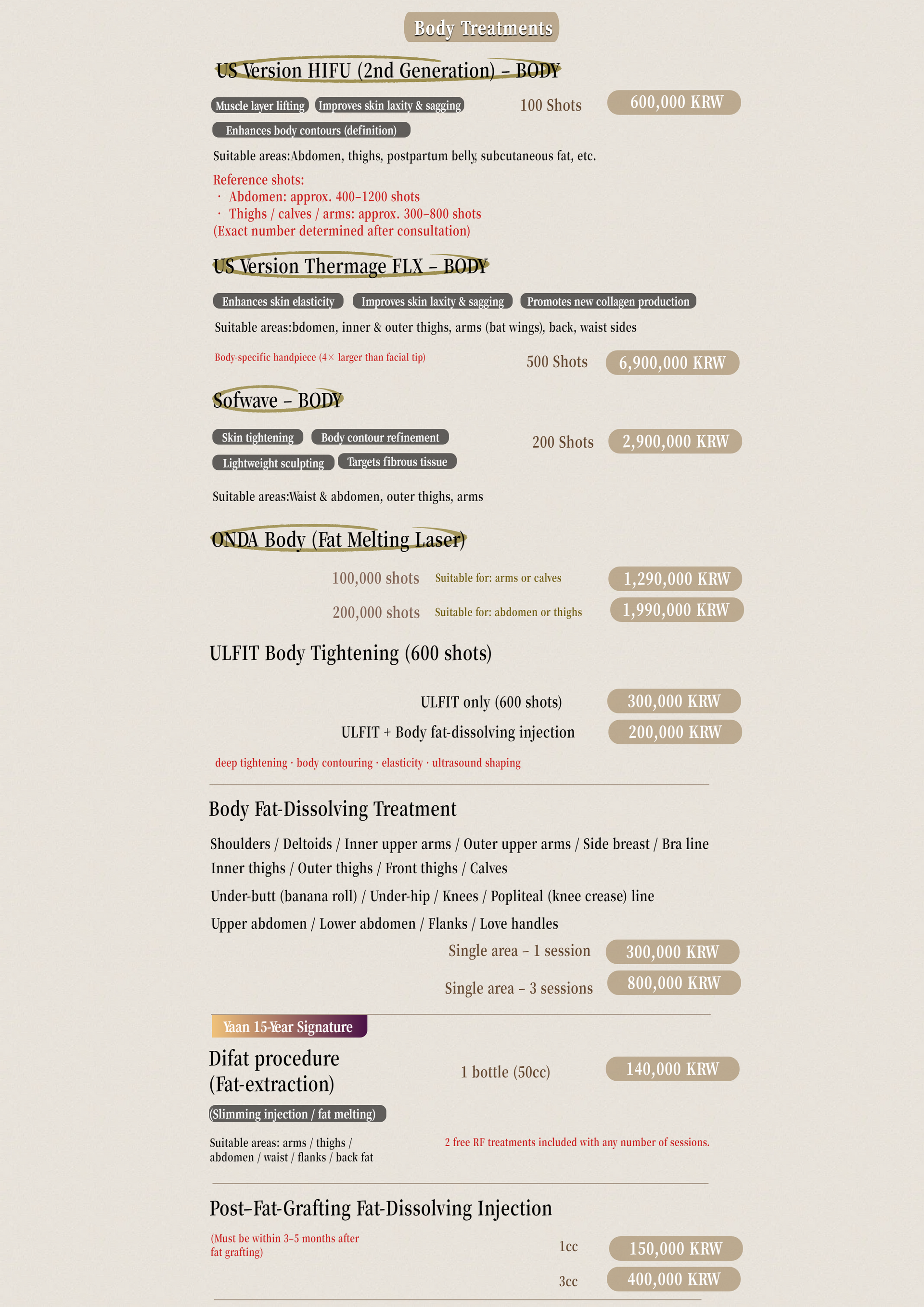
Thermage is a non-invasive radiofrequency treatment that heats targeted tissue to stimulate a collagen-remodeling response. It may be considered for selected patients who have mild skin laxity and want a gradual improvement in firmness.
Potential advantages include:
- No surgical incision.
- Usually limited routine downtime.
- Gradual changes rather than an immediate surgical lift.
- Possible improvement in the appearance of mild laxity.
Results vary, and some patients notice only subtle changes. Temporary redness, swelling, tenderness, and discomfort may occur. Less common but more serious complications can include burns or unwanted tissue changes.
For a woman in her 50s, Thermage may be worth discussing if the jawline has softened slightly but there is not a large amount of excess skin. It is less likely to meet expectations when the main problem is pronounced jowls or substantial neck sagging.
Ask the clinic which device will be used, what improvement is realistic for your anatomy, and whether the expected benefit justifies the cost.
2. Ultherapy and Microfocused Ultrasound
Ultherapy is a branded treatment using microfocused ultrasound to deliver energy at selected tissue depths. It may be considered for certain patients with mild to moderate skin laxity.
The intended effect is gradual tightening rather than surgical repositioning of facial tissues. Improvement may take several months to become apparent, and the degree of change varies between individuals.
Possible adverse effects include pain during treatment, swelling, bruising, tenderness, and temporary sensory changes. Appropriate assessment and technique are important.
Ultherapy may be an option if you want to improve selected areas of laxity without surgery. However, it is not automatically the best choice simply because you are over 50.
If your cheeks have descended significantly, your jawline has pronounced jowls, or your neck has substantial loose skin, ask the clinician to explain how much improvement is realistically achievable without surgery.
3. Can Other Non-Surgical Treatments Help?
Skin-quality treatments
Selected skin boosters, lasers, and other dermatological procedures may improve aspects of skin quality, such as hydration, texture, pigmentation, or fine lines.
These treatments can complement a rejuvenation plan, but they should not be confused with procedures that reposition sagging tissue. A smoother complexion may make your face look fresher without producing a substantial lift.
Botulinum toxin
Botulinum toxin can soften selected expression lines caused by repeated muscle movement. It does not remove excess skin or restore lost volume.
The treatment requires appropriate injection technique and may cause bruising, headache, asymmetry, or other adverse effects. It is most relevant when dynamic wrinkles are an important part of your concern.
Dermal fillers
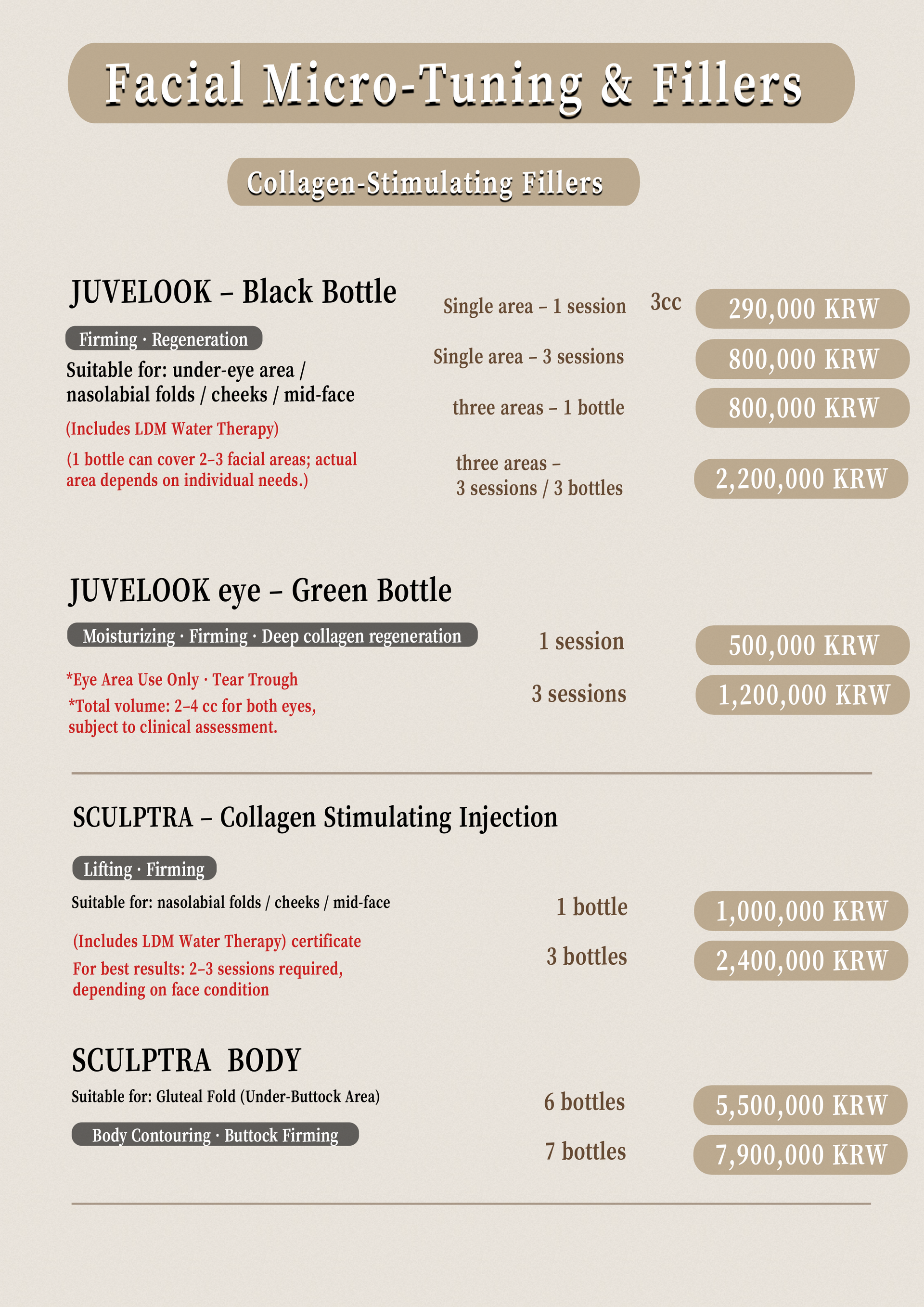
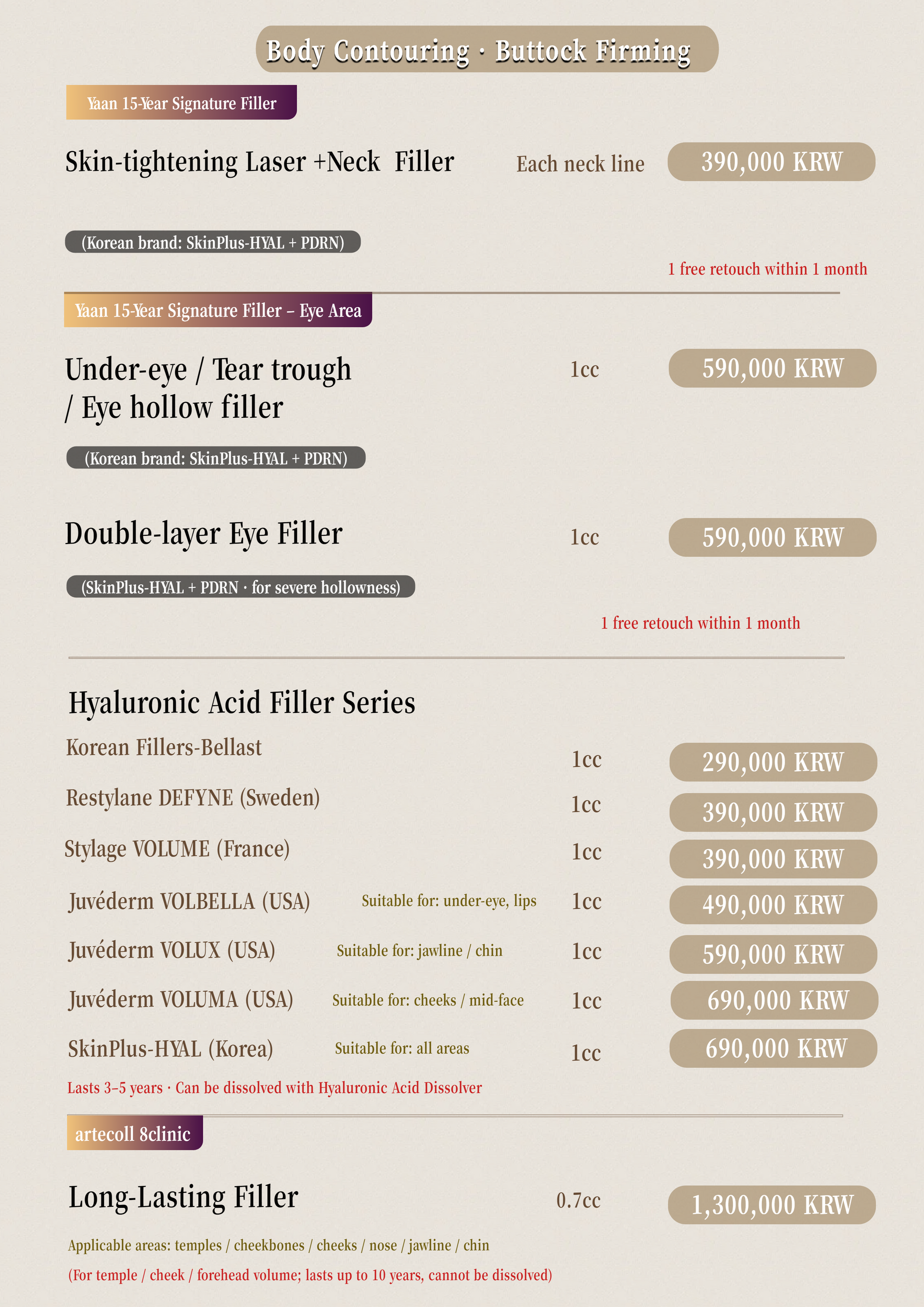
Fillers may restore volume in carefully selected areas when volume loss contributes to an aged appearance. They do not remove loose skin, and adding volume in the wrong location can make a heavy lower face appear fuller.
Risks include swelling, bruising, infection, lumps, and rare but serious vascular complications. A qualified clinician should explain the proposed injection sites, alternatives, and risks.
Minimally invasive tightening procedures
Some procedures use needles, small incisions, or energy delivered beneath the skin. They may provide different degrees of tightening, but they are not equivalent to non-invasive treatments and can involve additional recovery, wound care, or complications.
Make sure you understand the exact procedure being offered rather than relying on the general label “non-surgical facelift.”
4. When Is a Surgical Facelift Worth Discussing?
If your main concern is substantial sagging, a consultation with a qualified plastic surgeon may be more informative than repeatedly trying non-surgical procedures.
A surgical facelift can address selected patterns of lower-face tissue descent, jowls, and loose skin. A neck lift may be considered when neck laxity is also a major concern. The appropriate operation depends on your anatomy and goals.
Surgery involves more downtime and risks, including bleeding, infection, scarring, poor wound healing, anesthesia-related complications, and possible nerve injury. It is not appropriate for everyone, and a surgeon must assess your health and suitability.
The American Society of Plastic Surgeons explains that a facelift can improve sagging cheeks, jowls, and loose skin around the lower face and neck, but it does not stop aging or correct every skin-quality concern. https://www.plasticsurgery.org/cosmetic-procedures/facelift
Considering surgery does not mean you must proceed. It can simply help you compare what a non-surgical treatment might achieve with what a surgical procedure could offer.
5. How to Choose a Clinic in Seoul
Seoul has many clinics offering cosmetic treatments, but the quality of your assessment and the suitability of the procedure matter more than the number of devices advertised.
Before booking, ask:
- What is causing my sagging: skin laxity, tissue descent, fat distribution, or volume loss?
- What result is realistic for my degree of sagging?
- Which exact device or product will be used?
- Who will perform the procedure, and what qualifications and relevant experience do they have?
- What complications are possible, and what follow-up care is available?
- Would a surgical consultation help me understand my alternatives?
If you are traveling to Korea, ask how much recovery time you should allow and what happens if a complication develops after you return home. Do not schedule a first-time procedure immediately before a long flight or the end of your trip without discussing the risks and recovery requirements.
6. What Results Should You Expect?
The most important distinction is between subtle tightening and a substantial lift.
For mild laxity, non-invasive RF or ultrasound may produce gradual improvement with relatively little downtime. For more pronounced sagging, the change may be too modest to match your expectations.
Skin-quality treatments may improve texture or tone, while injectables may address selected wrinkles or volume loss. These treatments can sometimes complement each other, but combining procedures does not guarantee a better outcome.
A realistic plan should prioritize the concerns that matter most to you, explain the limitations of each option, and avoid promising a surgical result from a non-surgical procedure.
Conclusion
For a woman in her 50s seeking a non-surgical facelift in Seoul, Thermage, Ultherapy, and other selected treatments may be worth considering when skin laxity is mild to moderate and expectations are realistic.
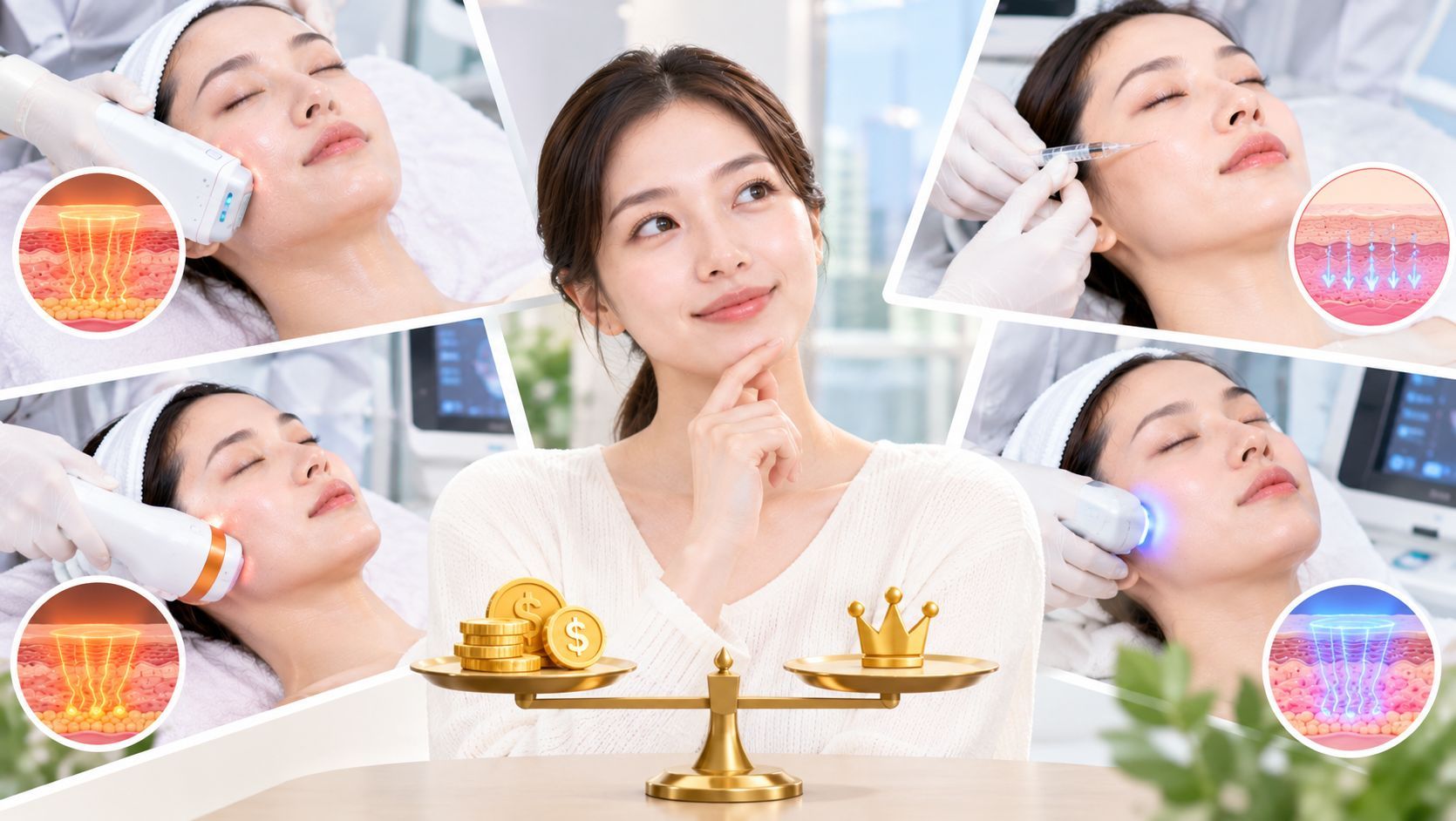
If you have substantial jowls, significant excess skin, or pronounced neck sagging, a consultation with a qualified plastic surgeon can help determine whether surgery would better match your goals. The best approach is not necessarily the most intensive or popular treatment, but the one that addresses your actual anatomy and offers a reasonable balance of benefit, risk, cost, and recovery.
Frequently Asked Questions
1. What is the best non-surgical facelift for a woman in her 50s?
There is no single best option. RF or microfocused ultrasound may help selected patients with mild to moderate laxity. Other treatments may be more appropriate if the main concern is pigmentation, wrinkles, or volume loss.
2. Is Thermage effective after age 50?
It may help selected patients with mild laxity, but age alone cannot predict the result. The degree of sagging, skin condition, facial anatomy, and treatment technique all influence outcomes.
3. Is Ultherapy better than Thermage for mature skin?
Neither is universally better. They use different technologies, and the appropriate choice depends on your concerns and anatomy. Ask the treating clinician to explain the expected benefits and limitations of each option.
4. Can non-surgical treatments fix pronounced jowls?
They may provide modest improvement in selected cases, but pronounced jowls often respond less predictably than mild laxity. A surgical consultation can help clarify whether a facelift is more likely to meet your expectations.
5. How much downtime do non-surgical lifting treatments require?
Many non-invasive procedures involve limited routine downtime, but temporary redness, swelling, tenderness, or bruising may occur. Recovery varies by device, treatment intensity, and individual response.
6. Should I have a facelift if I am in my 50s?
Your age alone does not determine whether surgery is appropriate. Your health, anatomy, goals, and willingness to accept surgical risks and recovery are more important. A qualified surgeon can discuss whether surgery or a non-surgical approach is more suitable.