What Is the Best Lifting Treatment in Seoul for a 45-Year-Old Woman With Jowls and Minimal Downtime?
If you are 45 and noticing sagging around your jawline, the best non-surgical lifting treatment in Seoul depends on how much skin laxity you have, whether facial volume has decreased, and how quickly you need to return to your normal routine.
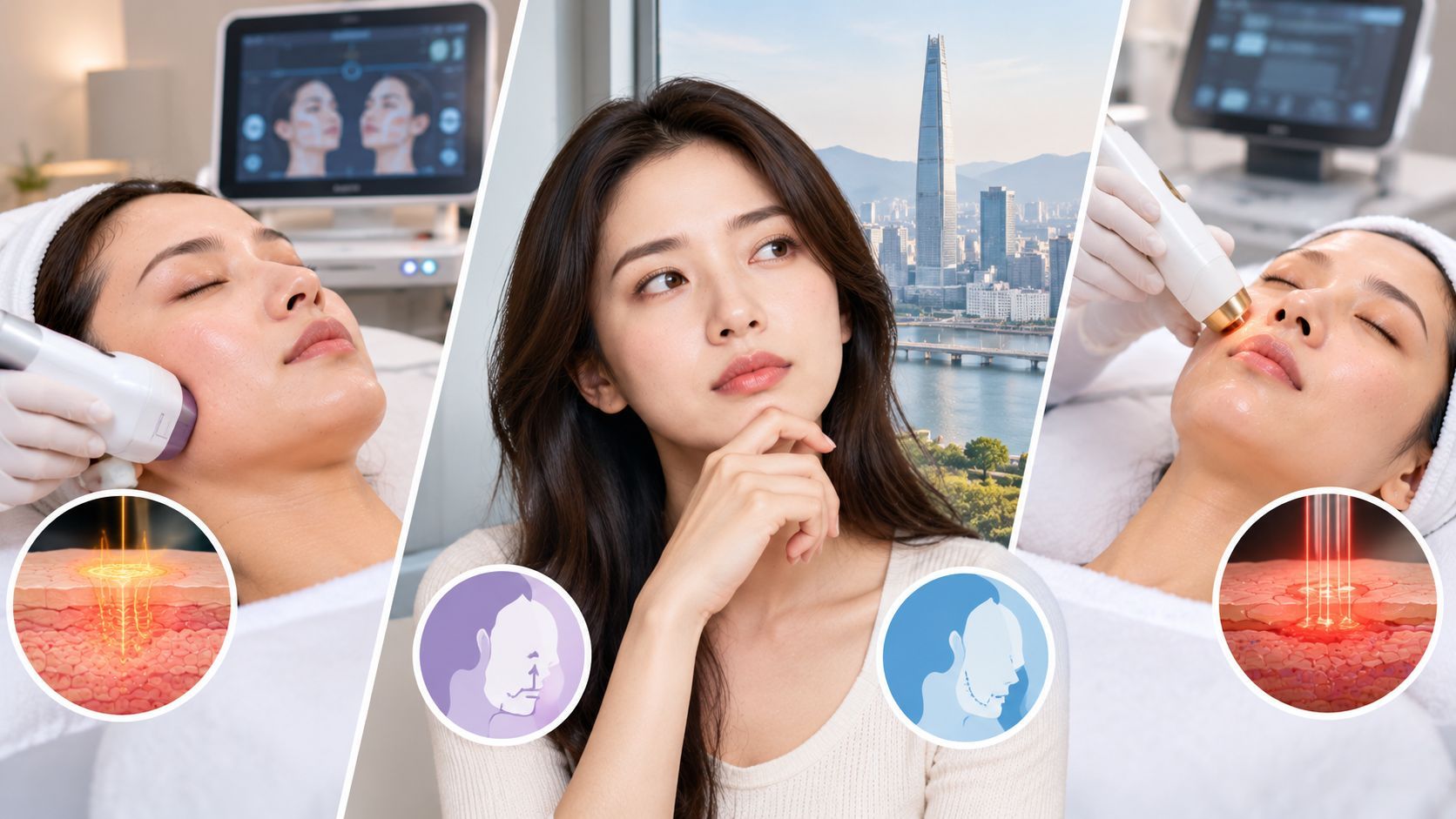
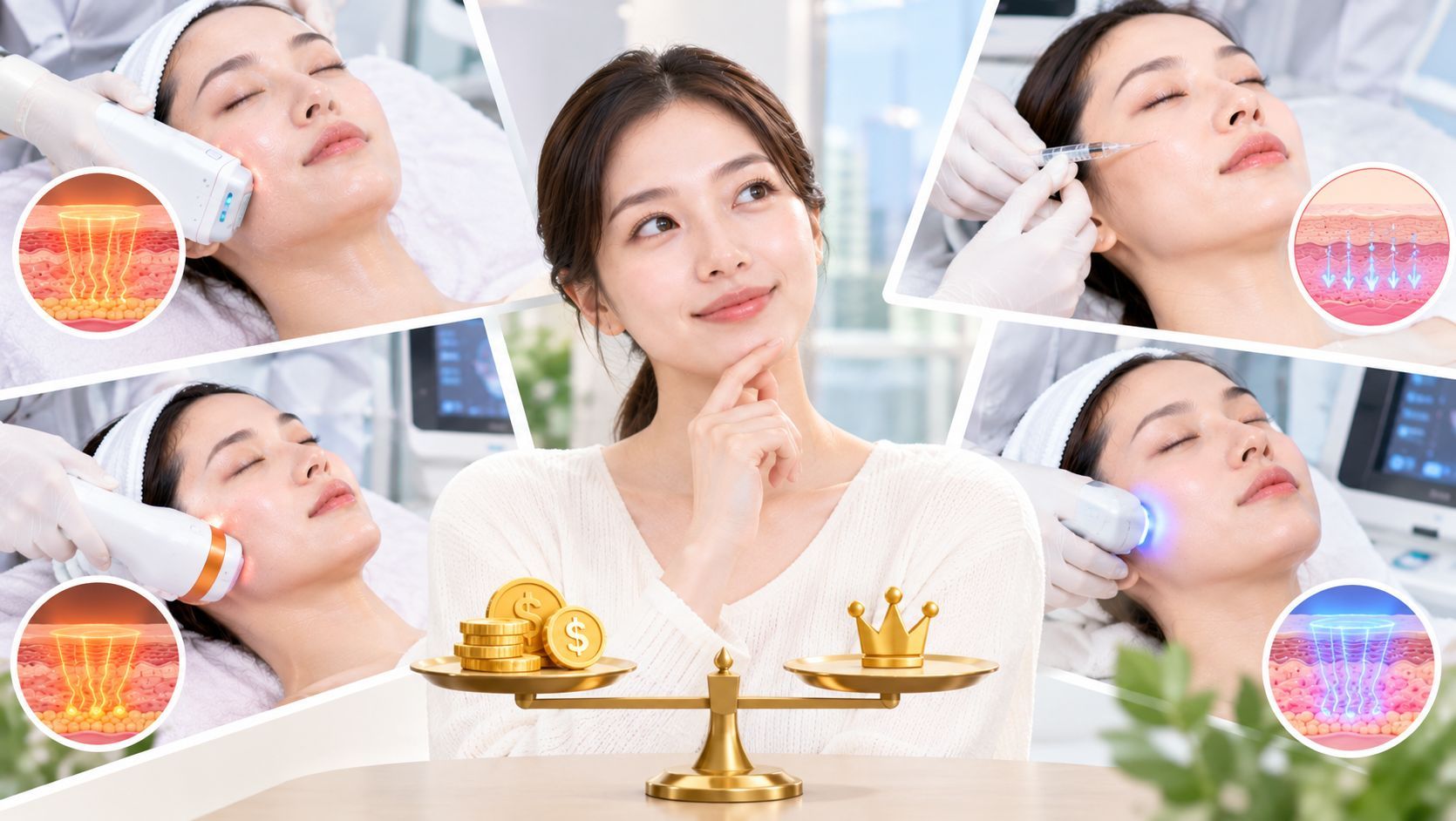
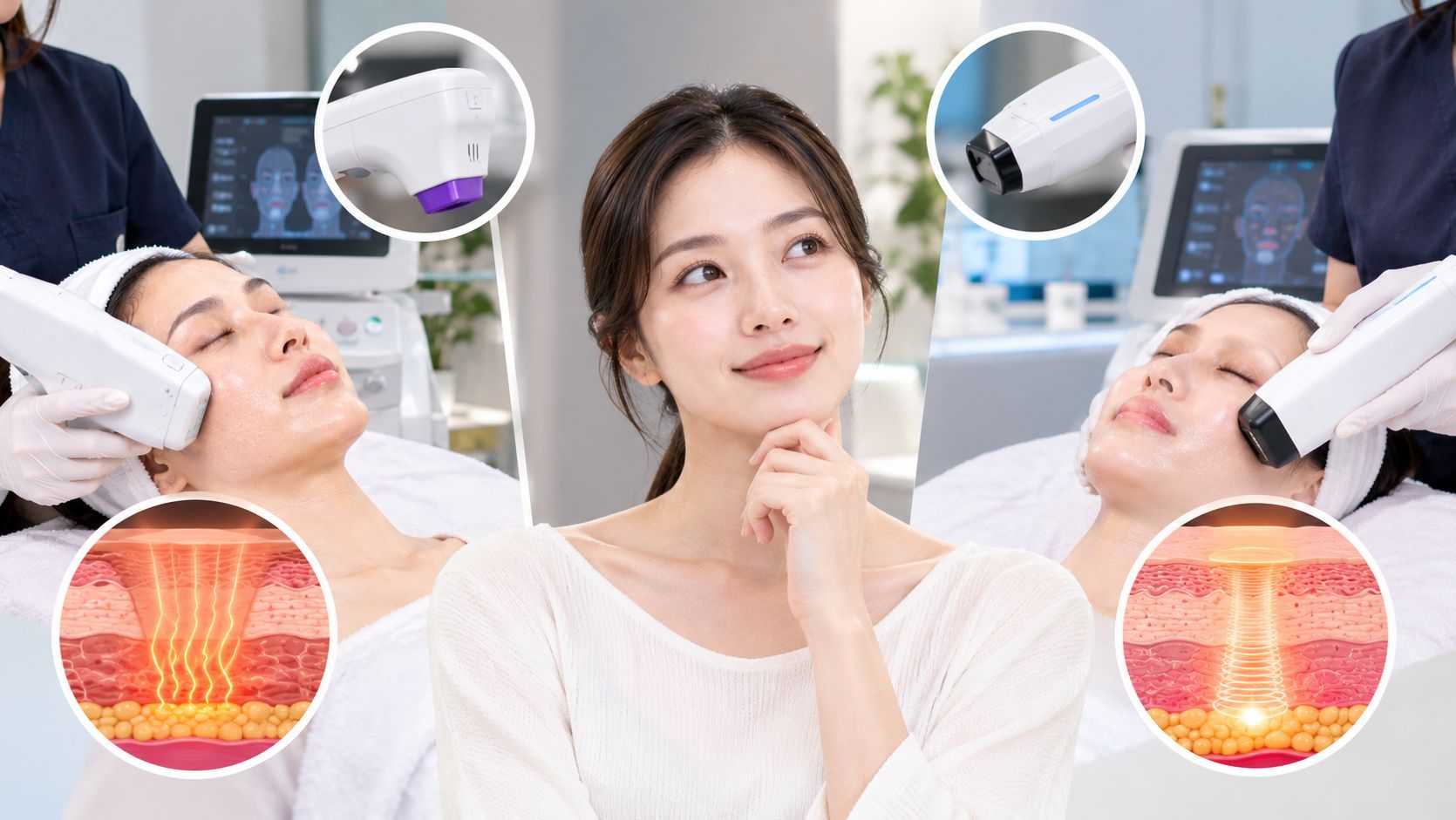
For mild to moderate jowls with minimal downtime, radiofrequency (RF) skin tightening or microfocused ultrasound may be worth considering. Both stimulate collagen remodeling without the incisions required for a surgical facelift. However, neither can reliably remove significant excess skin or reproduce the results of surgery. The American Academy of Dermatology explains that non-invasive tightening treatments generally provide gradual, modest improvements rather than the degree of lifting achieved with surgery. Source
In Seoul, a consultation with an experienced dermatologist or qualified aesthetic physician can help determine whether your jowls are primarily caused by loose skin, changes in facial volume, lower-face fat, or a combination of factors.
Why Do Jowls Become More Noticeable in Your 40s?
Jowls develop when the tissues around the lower cheeks and jawline change with age. Collagen and elastin gradually decrease, facial fat compartments shift, and the skin may become less resilient. These changes can make the jawline appear softer and create small pockets of fullness beside the chin.
Several factors can contribute to jowling:
- Skin laxity: Reduced firmness allows the skin and underlying tissues to descend.
- Facial volume changes: Loss of cheek support can make the lower face look heavier.
- Localized fat: Fullness around the lower cheeks or beneath the chin can affect jawline definition.
- Natural facial structure: Genetics and bone structure influence how early jowls appear.
- Sun exposure and lifestyle: Cumulative environmental damage can contribute to visible skin aging.
Identifying the main cause is important because a treatment that tightens skin may not adequately address volume loss or excess fat. A combination of treatments is not automatically better; the plan should target the actual concern.
Best Non-Surgical Lifting Treatments for Jowls in Seoul
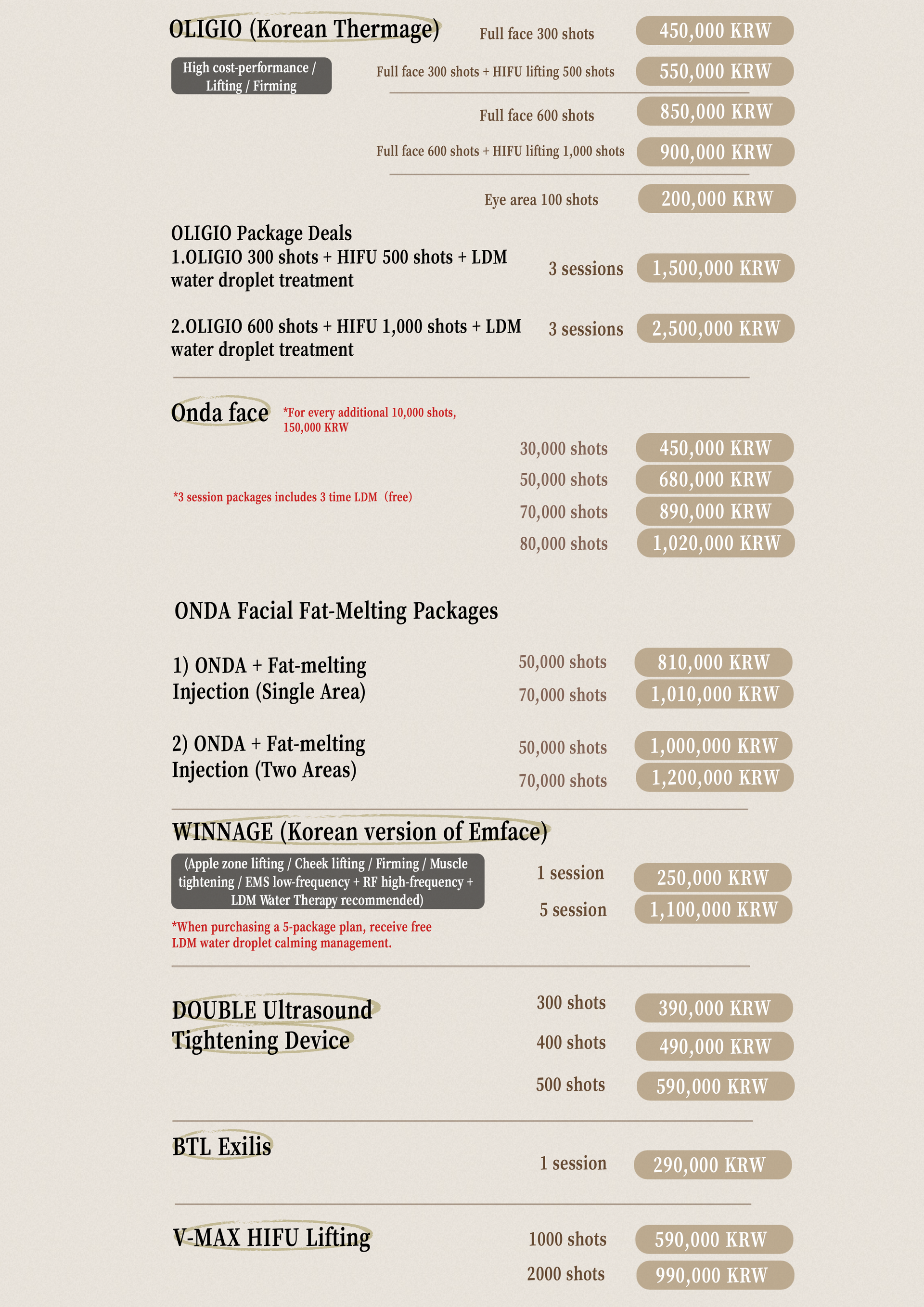
1. Radiofrequency Skin Tightening
Radiofrequency treatments use controlled energy to heat tissues and stimulate collagen remodeling. Depending on the device, treatment can focus on the dermis or reach deeper tissue layers.
For a 45-year-old woman with mild to moderate jowling, RF may be appropriate when the main concern is reduced skin firmness and a less defined jawline.
Potential benefits include:
- Gradual improvement in skin firmness.
- Subtle enhancement of lower-face contours.
- Little or no significant downtime with many non-invasive devices.
- No surgical incisions.
Some patients experience temporary redness, swelling, tenderness, or discomfort. Results develop over time as collagen remodels, and the degree of improvement varies. RF is not a substitute for surgery when substantial skin excess is present.
Different RF devices have different mechanisms, treatment depths, and recovery profiles. RF microneedling, for example, creates tiny needle channels and may involve more redness or pinpoint bleeding than non-invasive RF. Ask which specific device is being proposed and what recovery to expect.
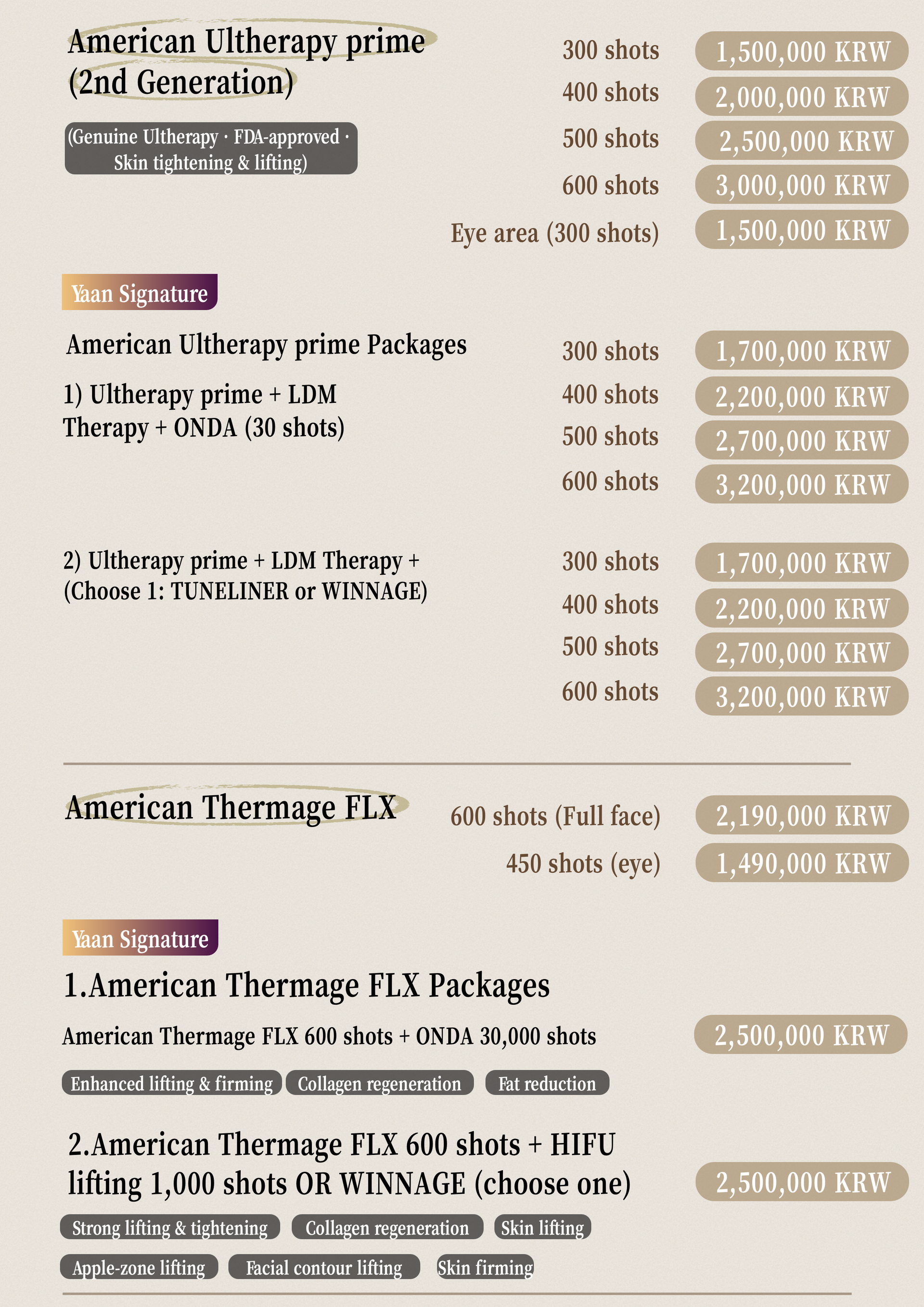
2. Microfocused Ultrasound: Ultherapy and Similar Treatments
Microfocused ultrasound delivers focused energy beneath the skin to stimulate tissue remodeling. Certain systems are designed to target specific depths in the lower face and neck.
This approach may suit patients who want gradual tightening without incisions and who have enough remaining tissue support to benefit from a non-surgical procedure.
Potential advantages include:
- Treatment of selected areas of mild to moderate laxity.
- Gradual changes rather than an abrupt alteration in facial appearance.
- Little surface disruption with appropriately performed non-invasive treatment.
- A treatment plan that can focus on the lower face and jawline when indicated.
Improvements commonly develop over several weeks to months rather than immediately. Temporary tenderness, swelling, bruising, or altered sensation may occur. Less common but important complications can include burns, nerve injury, and unwanted fat loss, particularly when treatment is poorly selected or delivered.
Ultrasound is not automatically better than RF for every patient. The choice depends on the device, anatomy, treatment goals, and clinician experience. Published reviews emphasize the importance of patient selection and managing expectations for non-surgical jawline rejuvenation. Source
3. RF Microneedling for Skin Quality and Firmness
RF microneedling combines fine needles with radiofrequency energy to deliver controlled heat into the skin. It may be considered when jowling occurs alongside concerns such as rough texture, fine lines, or reduced skin firmness.
However, it is important to distinguish skin rejuvenation from lifting. RF microneedling may improve skin quality, but it should not be assumed to provide substantial repositioning of sagging lower-face tissues.
Recovery can include redness, swelling, pinpoint bleeding, and temporary sensitivity. Depending on the device and settings, recovery may be more noticeable than with non-invasive RF or ultrasound.
Ask whether the treatment is being recommended primarily for skin texture, laxity, or both. The expected result should match the treatment's actual purpose.
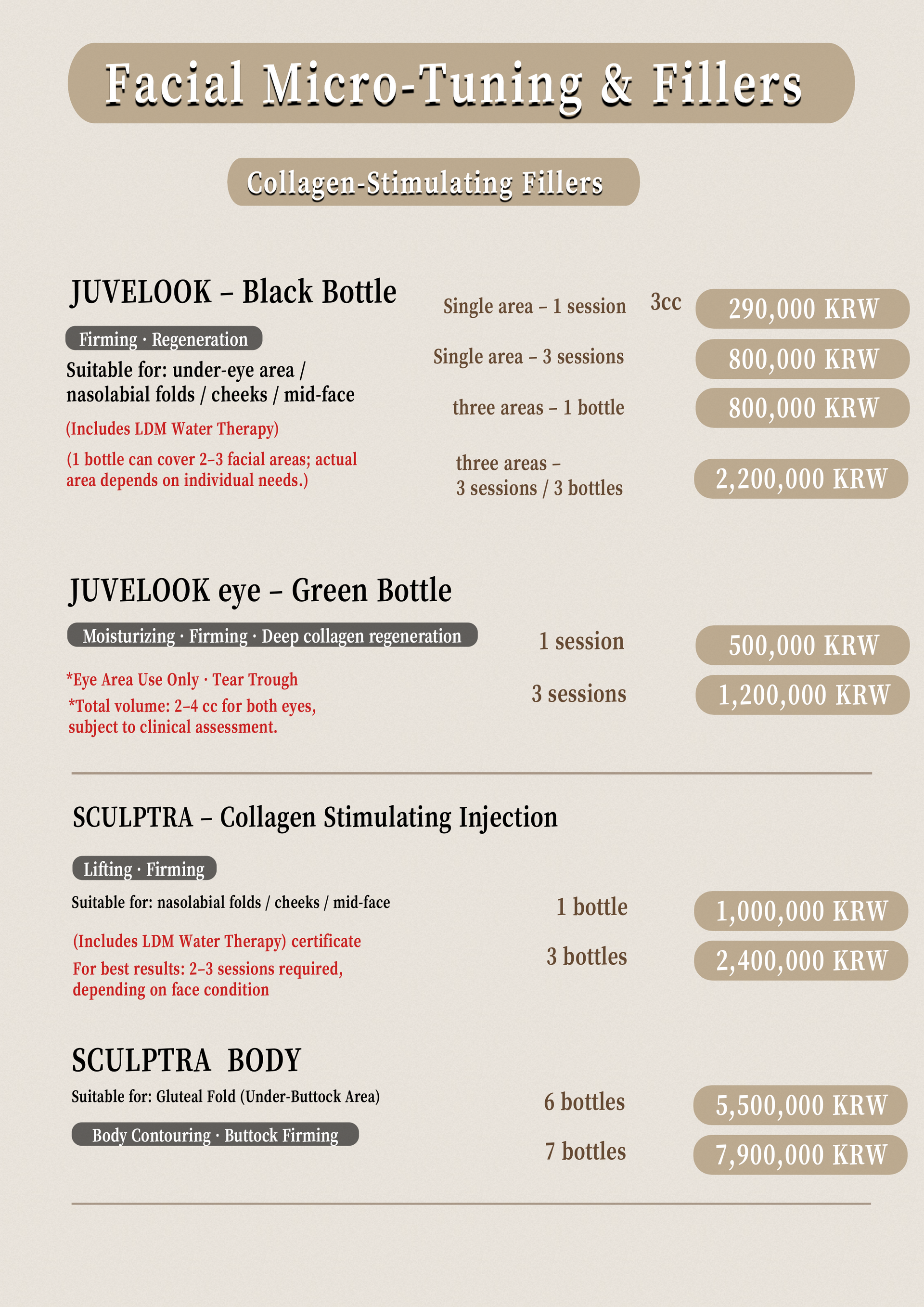
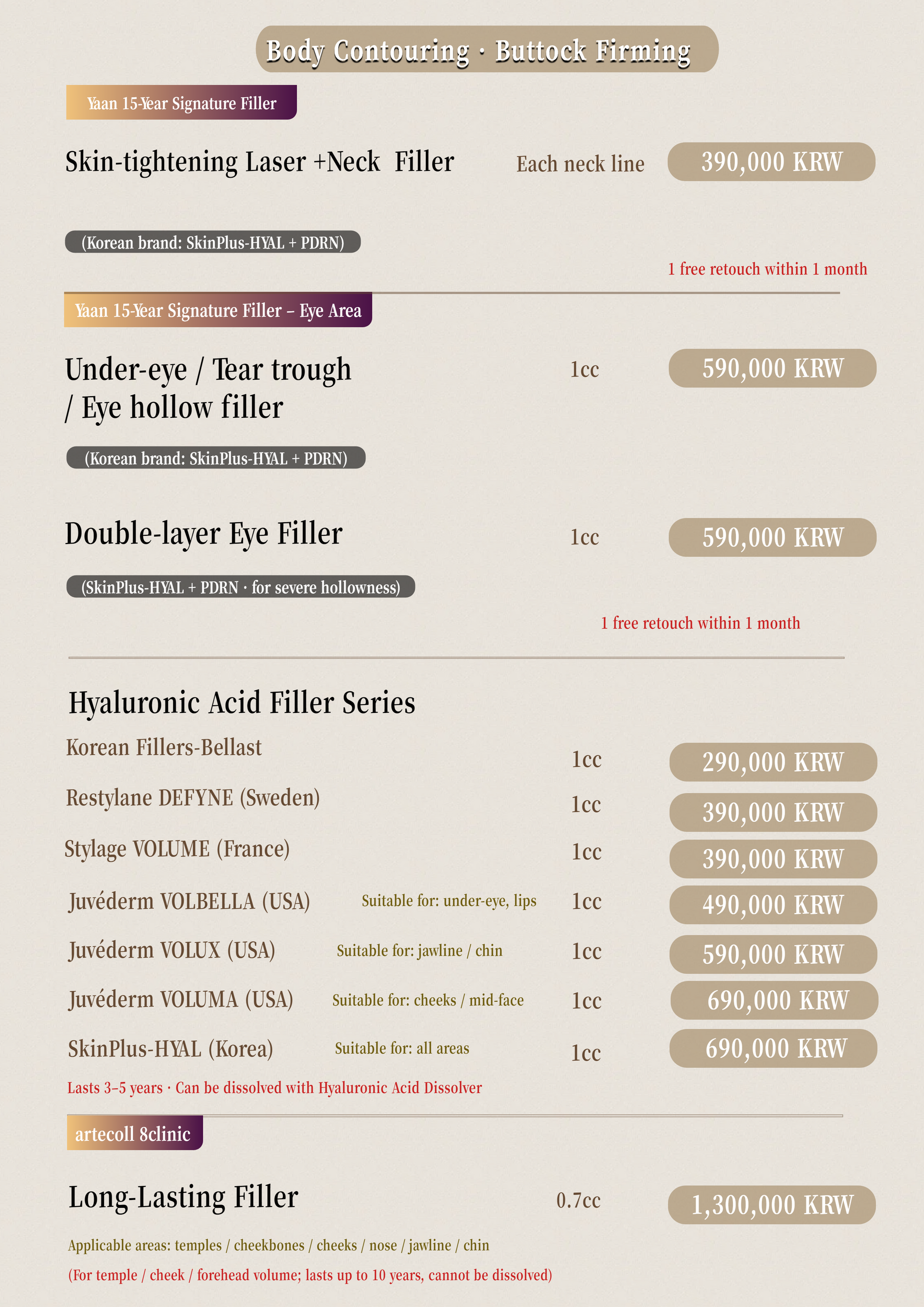
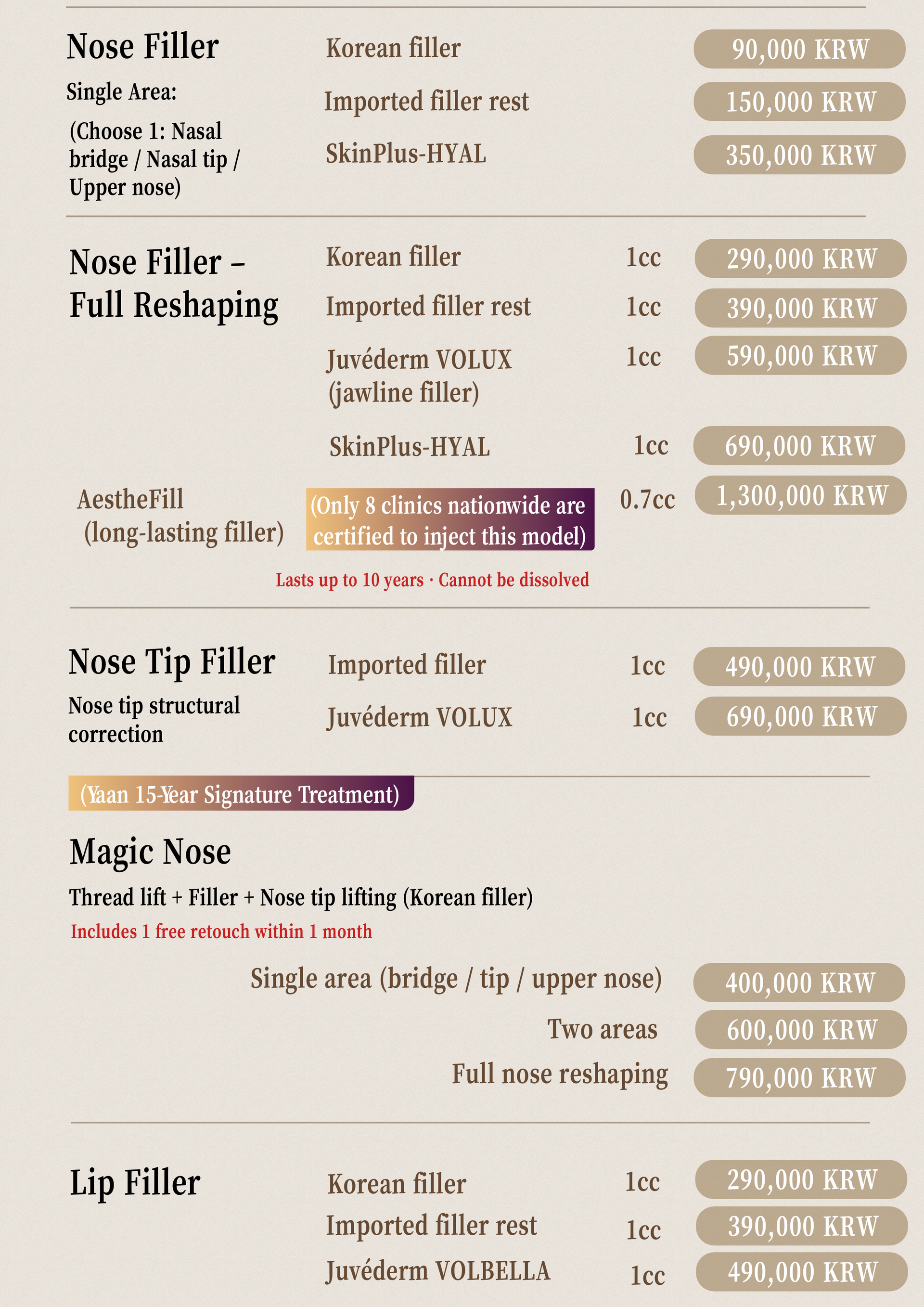
4. Conservative Filler Treatment When Volume Loss Contributes to Jowls
Sometimes, a softer jawline is partly related to changes in cheek or chin support rather than loose skin alone. In carefully selected patients, a small amount of strategically placed dermal filler may improve facial balance or jawline definition.
Filler does not tighten excess skin, and adding volume directly around the jowls can sometimes make the lower face look heavier. It is therefore important to assess the whole face rather than automatically filling the jawline.
Possible side effects include swelling, bruising, lumps, and asymmetry. Rare but serious complications include vascular occlusion, which can damage skin and, in exceptional cases, threaten vision.
If minimal downtime and a natural appearance are priorities, discuss whether filler is genuinely necessary or whether a skin-tightening approach would better match your goals.
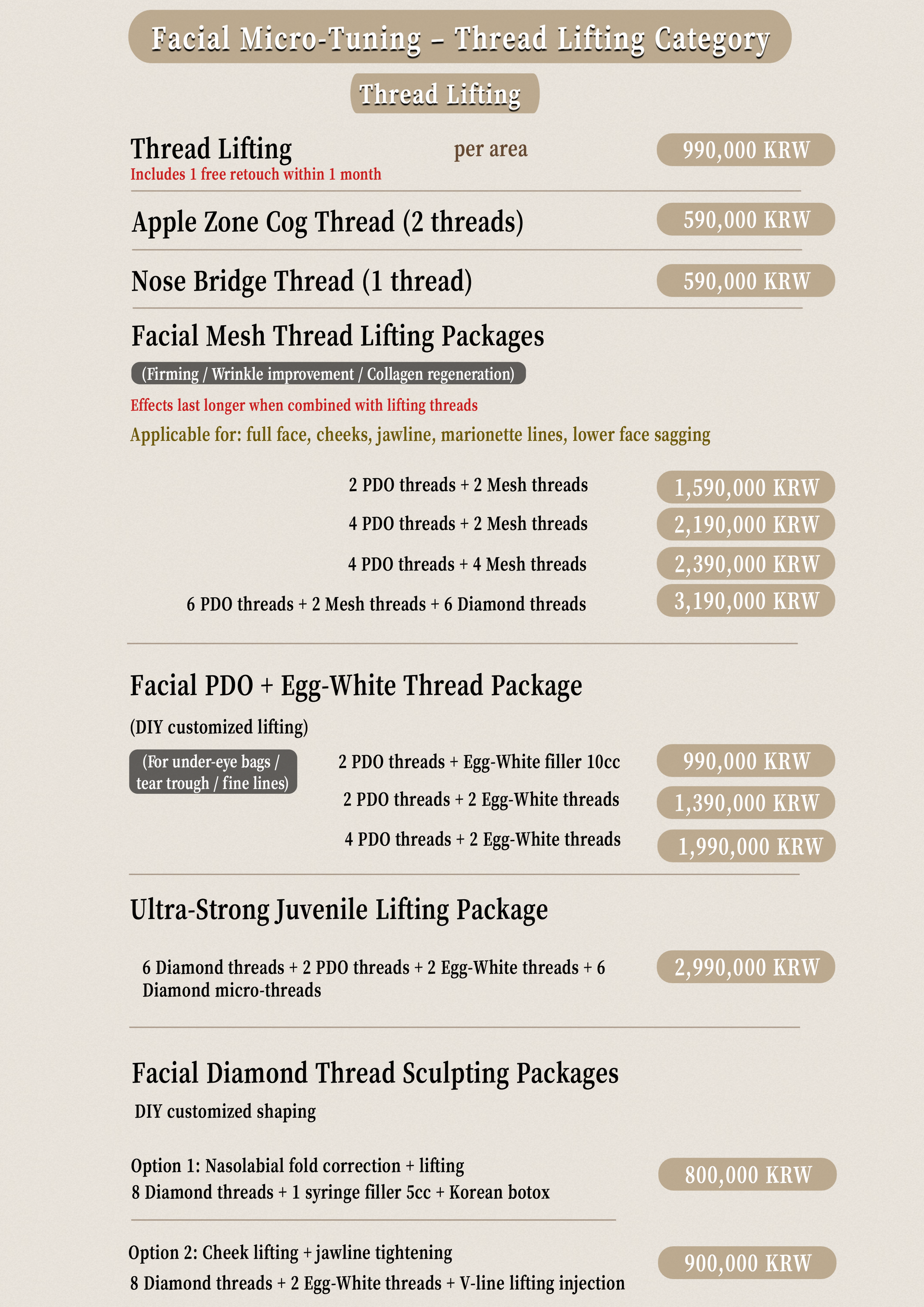
5. A Surgical Consultation for More Pronounced Jowls
Non-surgical treatments have limits. If the jawline has become significantly irregular because of pronounced sagging or excess skin, energy-based treatments may provide only modest improvement.
A facelift or another appropriately selected surgical procedure may offer a more substantial correction. However, surgery involves greater recovery time, cost, and procedural risk.
You do not need to choose surgery simply because you are 45. The decision should be based on the degree of jowling, your health, your preferences, and the improvement you hope to achieve.
Which Treatment Is Best If You Cannot Take Much Downtime?
The most suitable choice depends on what you mean by minimal downtime and how noticeable your jowls are.
- Mild jowls with reduced skin firmness: Non-invasive RF may be a reasonable option.
- Mild to moderate laxity requiring deeper focused treatment: Microfocused ultrasound may be worth discussing.
- Jowls with rough texture or fine lines: RF microneedling may address selected skin-quality concerns, but recovery can be more noticeable.
- Jowls associated with facial volume loss: A conservative assessment of facial support may help determine whether filler has a role.
- Pronounced sagging or substantial excess skin: A surgical consultation may be more informative than repeatedly trying non-surgical treatments.
No device guarantees a particular degree of lifting. Ask your clinician to explain the expected improvement in your specific jawline, the number of sessions, the likely duration of results, and the possibility that the treatment may not produce a visible change.
What Should You Expect When Visiting a Seoul Skin Clinic?
If you are traveling to Seoul for treatment, plan your appointment around both the procedure and the possibility of temporary side effects.
Before treatment
A qualified clinician should examine your jawline, skin quality, facial volume, and medical history. Tell them about previous fillers or energy-based treatments, medications, relevant medical conditions, and any history of abnormal scarring.
Request the exact device name rather than relying on a general label such as “lifting laser.” Ask whether the proposed procedure is non-invasive or uses needles, and confirm whether the treatment is appropriate for your skin type.
After treatment
Follow the clinic's instructions regarding skincare, sun protection, exercise, and any temporary restrictions. Even when a procedure is advertised as having no downtime, redness, tenderness, swelling, or bruising may affect your plans.
If you have an important event, allow a buffer rather than scheduling treatment immediately beforehand. When visiting Korea for only a few days, also ask how you can contact the clinic if a delayed reaction or concern develops after returning home.
Questions to Ask Before Choosing a Lifting Treatment
During your consultation in Seoul, consider asking:
- Are my jowls caused mainly by loose skin, volume loss, or fat?
- Which treatment is most appropriate for my anatomy?
- How much visible improvement is realistic without surgery?
- What is the exact device and how experienced is the clinician with it?
- What side effects could interfere with work or travel?
- When should I expect results, and how long might they last?
- Would doing nothing for now or using a simpler treatment be reasonable?
A good treatment plan should explain the limitations as clearly as the benefits. Be cautious of claims that one session will completely eliminate jowls or guarantee a facelift-like result without recovery.
Conclusion
For a 45-year-old woman with jowls who wants minimal downtime, non-invasive radiofrequency or microfocused ultrasound may be appropriate starting points when sagging is mild to moderate. Neither is universally superior, and the best option depends on whether skin laxity, volume changes, or excess tissue is responsible for the loss of jawline definition.
When researching lifting treatments in Seoul, prioritize an individualized assessment, realistic expectations, clear information about side effects, and a plan that preserves your natural facial proportions. If the jowls are pronounced, ask whether non-surgical treatment is likely to offer enough improvement before investing in a procedure.
Frequently Asked Questions
1. Is Ultherapy or RF better for jowls at age 45?
Neither is always better. Ultrasound and RF stimulate tissue remodeling in different ways. Your anatomy, degree of laxity, skin thickness, treatment goals, and the device used all influence which option may be suitable.
2. Can I return to work the day after a lifting treatment in Seoul?
Many non-invasive RF and ultrasound procedures involve little downtime, so returning to work the next day may be possible. However, temporary swelling, tenderness, redness, or bruising can occur. Recovery depends on the procedure and individual response.
3. Will non-surgical lifting completely remove my jowls?
Usually not. Non-surgical treatments may improve mild to moderate laxity, but they cannot reliably remove significant excess skin or reproduce the results of a surgical facelift.
4. How soon will I see results?
Some treatments produce a temporary immediate tightening sensation, but meaningful collagen-related changes generally develop over weeks to months. The timeline depends on the device and the individual's response.
5. Can I combine RF and ultrasound in one treatment plan?
A clinician may consider combining them in selected cases, but doing both is not automatically more effective. Treatment timing, energy settings, tissue condition, and potential risks should be assessed individually.
6. Should I get filler instead of a lifting treatment?
Filler may help when loss of facial support contributes to a less defined jawline. It does not remove excess skin, and excessive volume can worsen lower-face heaviness. A clinician should establish the cause of the jowls before recommending it.