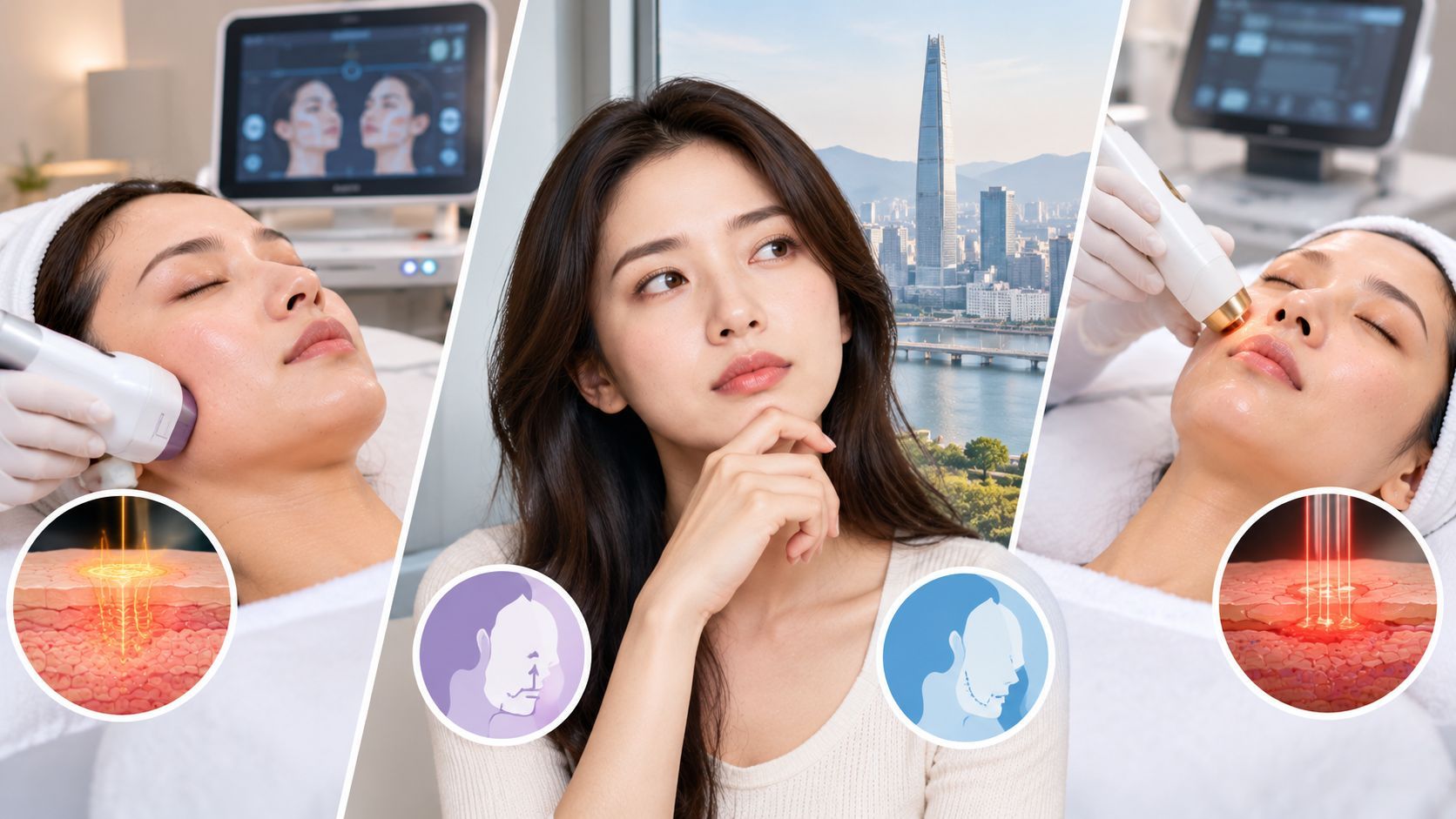
What Treatment Is Best for Early Jowls in Your Late 30s?
If you are in your late 30s and have started noticing slight sagging around your jawline, you may be wondering whether you need Thermage, Ultherapy, Sofwave, or another non-surgical treatment. Early jowls can make the lower face look less defined, even when your weight has not changed and your skin still looks relatively youthful.
The good news is that early jowls do not automatically mean you need surgery or an aggressive lifting treatment. Depending on the cause, a conservative approach may help improve skin firmness and the appearance of your jawline.
However, not all jowls develop for the same reason. Some are associated with mild skin laxity, while others reflect changes in facial fat distribution, natural facial structure, or reduced support around the lower cheeks. Choosing the right treatment depends on identifying which of these factors is most important in your case.
If you are considering aesthetic treatments in Seoul or Gangnam, understanding these differences can help you avoid spending money on a procedure that is unlikely to address your main concern.
What Causes Early Jowls in Your Late 30s?
Jowls develop when the tissues around the lower cheeks and jawline begin to create a small bulge or less-defined contour near the sides of the chin. They are a common part of facial aging, but their appearance varies considerably from person to person.
1. Early Skin Laxity
Collagen and elastin help the skin maintain its firmness and resilience. As these structures change gradually with age, the skin may become less elastic.
In your late 30s, this change can be subtle. You might notice that your jawline looks softer in photographs or that the skin around the corners of your mouth does not appear as firm as it once did.
If mild skin laxity is the primary issue, a non-surgical tightening treatment may be worth discussing with a qualified dermatologist.
2. Changes in Facial Fat Distribution
The fat compartments in the face change with age, and the relationship between the cheeks and lower face can become less defined. Weight gain or significant weight loss may also influence how prominent the area around the jawline appears.
If the fullness is mainly caused by fat distribution rather than loose skin, a tightening procedure may provide only limited improvement. Treatments intended to reduce fat also require caution because excessive fat loss can make the face look hollow or older.
3. Natural Facial Structure
Some people naturally have a less prominent jawline, fuller lower cheeks, or a chin shape that makes early jowls more noticeable.
In these cases, the appearance may not be caused primarily by aging. A lifting treatment cannot fundamentally change bone structure, and aggressive treatment may not produce the facial contour you expect.
4. Weight Changes and Lifestyle
Substantial weight loss can reduce facial fullness and reveal previously less noticeable folds. Sun exposure and smoking can contribute to premature skin aging, while genetics influence when changes around the jawline begin.
Understanding the cause matters because treating skin laxity, facial fullness, and natural anatomy requires different approaches.
What Is the Best Treatment for Early Jowls?
There is no single best treatment for everyone in their late 30s. For someone with mild skin laxity and good facial volume, a conservative non-surgical approach may be appropriate. For someone with a naturally slim face or fullness around the lower cheeks, the treatment decision may be different.
1. Thermage for Mild Skin Laxity
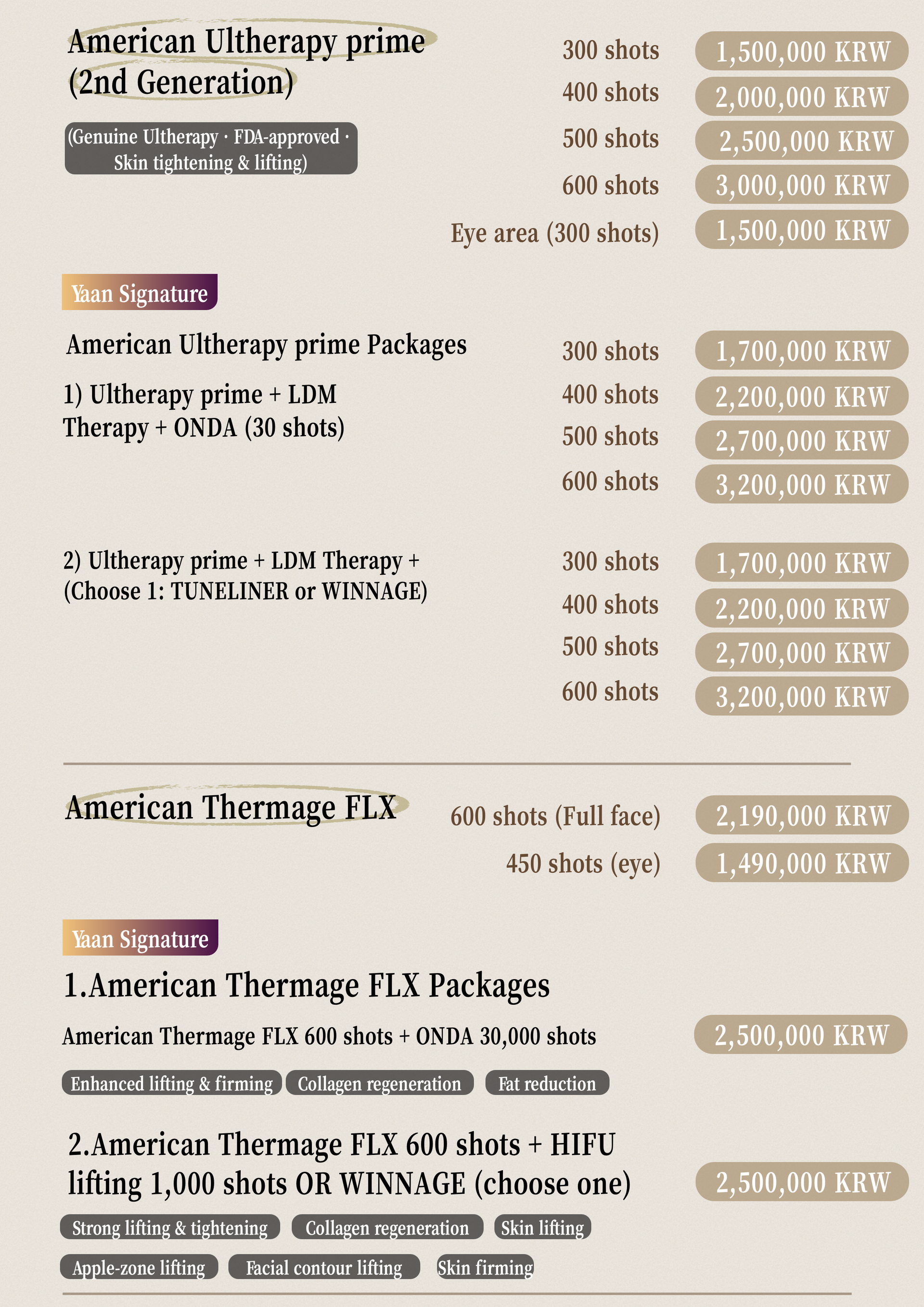
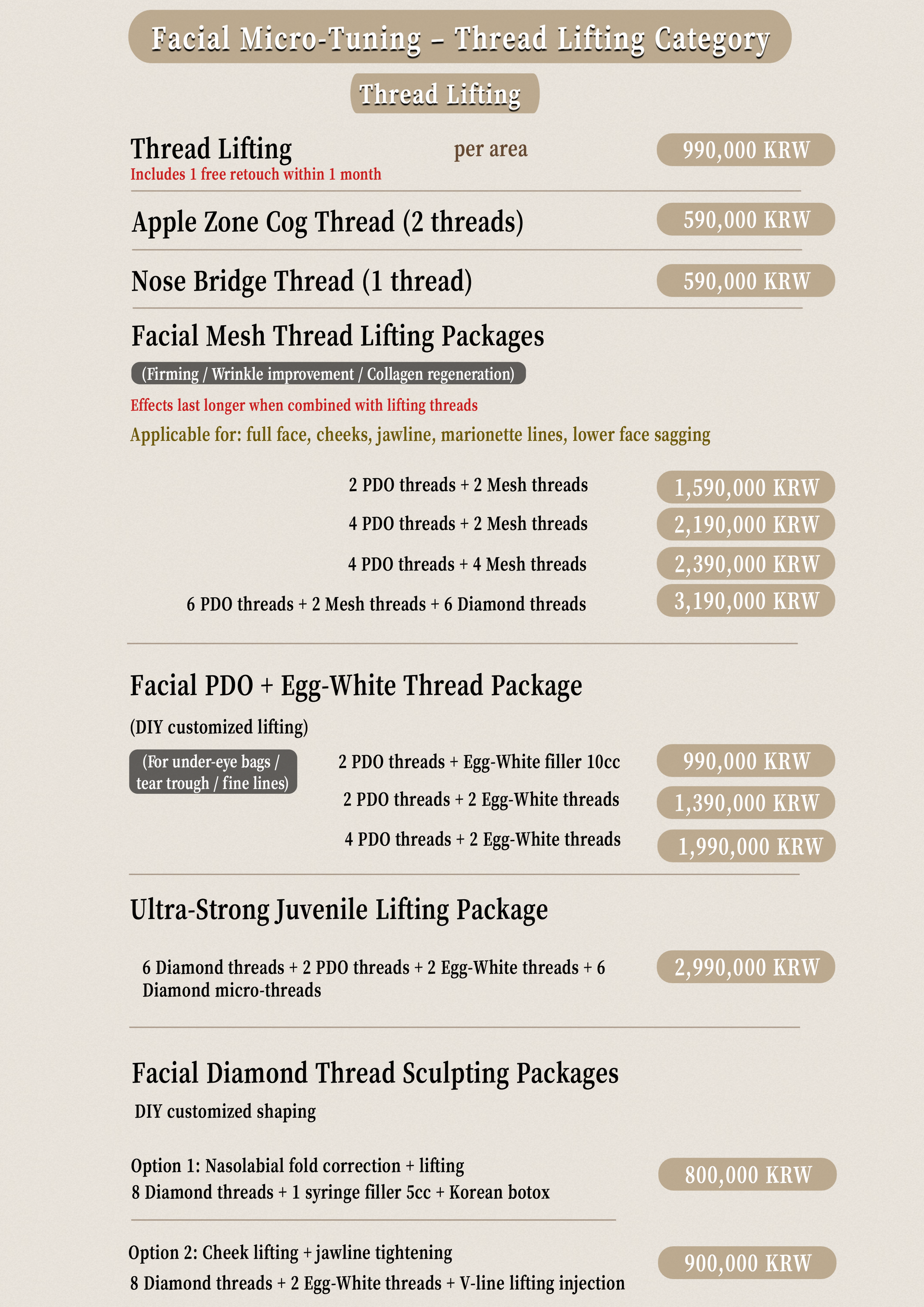
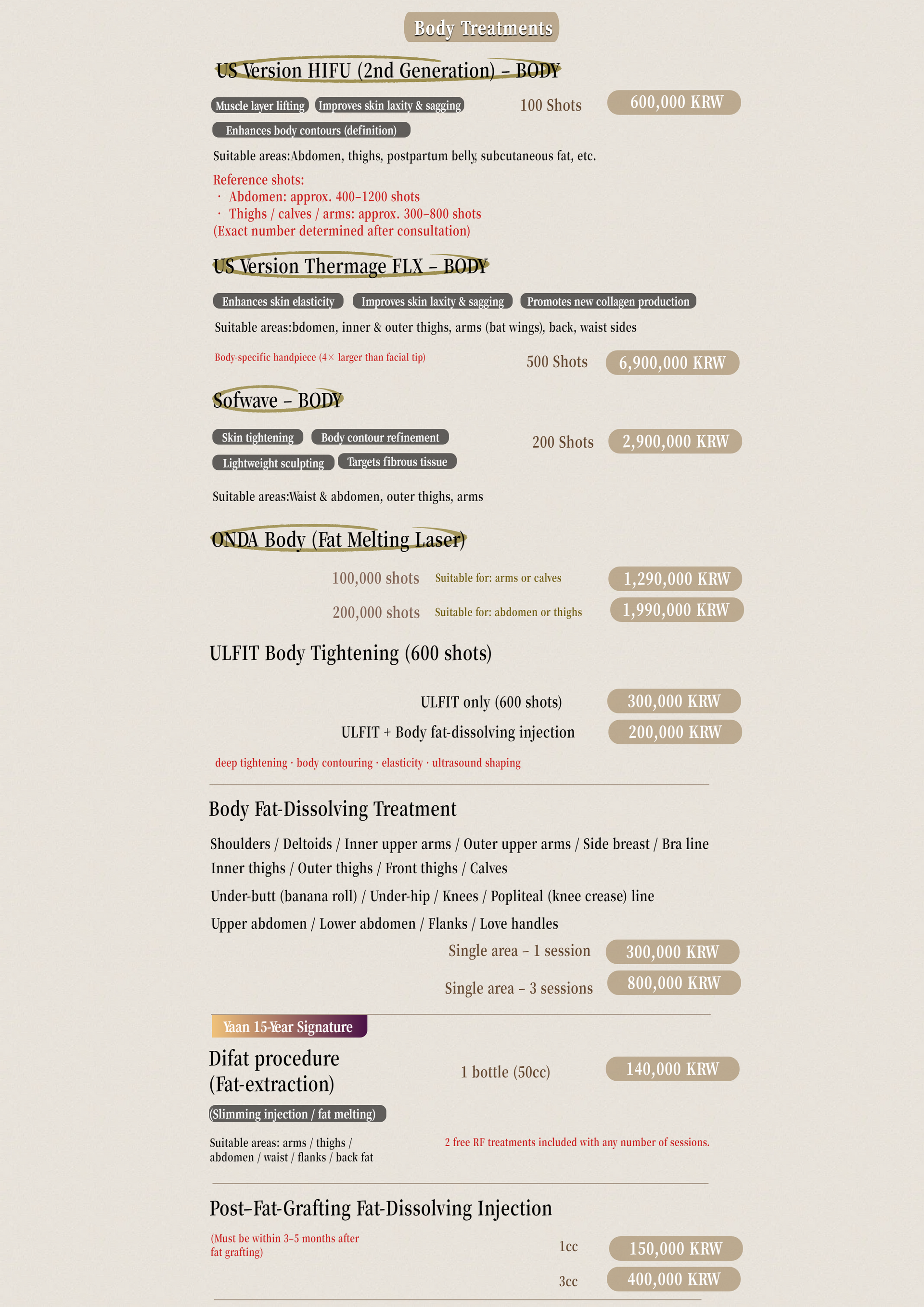
Thermage is a radiofrequency treatment designed to heat targeted tissue and encourage changes associated with collagen remodeling. It is often considered by people who want a subtle improvement in skin firmness without surgery.
If your early jowls are associated with mild laxity and your facial volume is already well balanced, Thermage may be an option to discuss with your clinician.
Potential advantages include a non-surgical approach and typically less recovery time than surgery. However, results vary, and improvement is generally more subtle than a surgical lift. It cannot reliably remove established jowls or correct every cause of a poorly defined jawline.
Possible side effects include temporary redness, swelling, tenderness, and discomfort. Burns, contour changes, or unwanted tissue effects are less common but important risks to discuss.
Who may consider it: People with mild skin laxity who want gradual, relatively subtle improvement and do not need substantial facial-volume reduction.
2. Ultherapy for Selected Patients With Mild Sagging
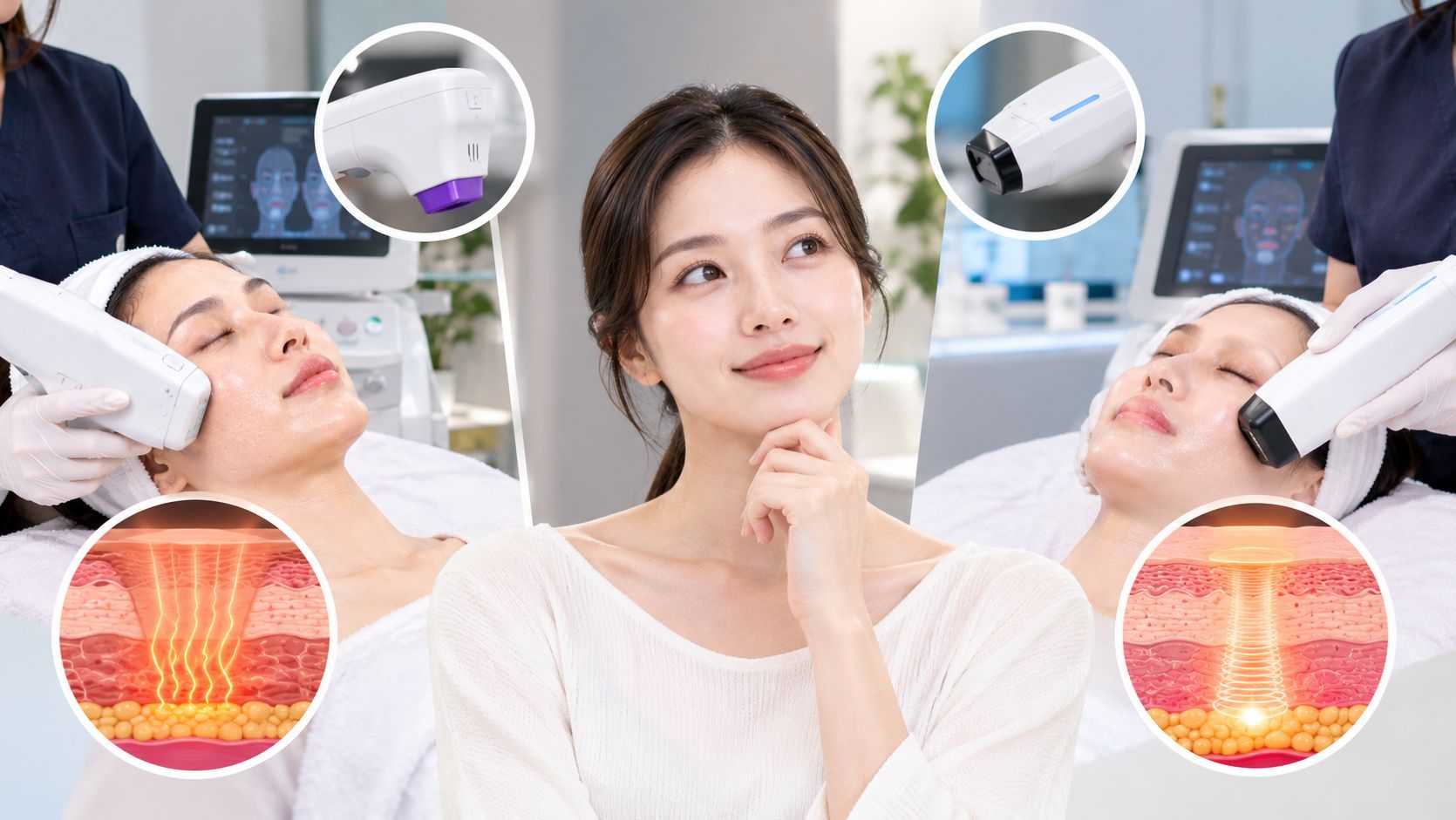
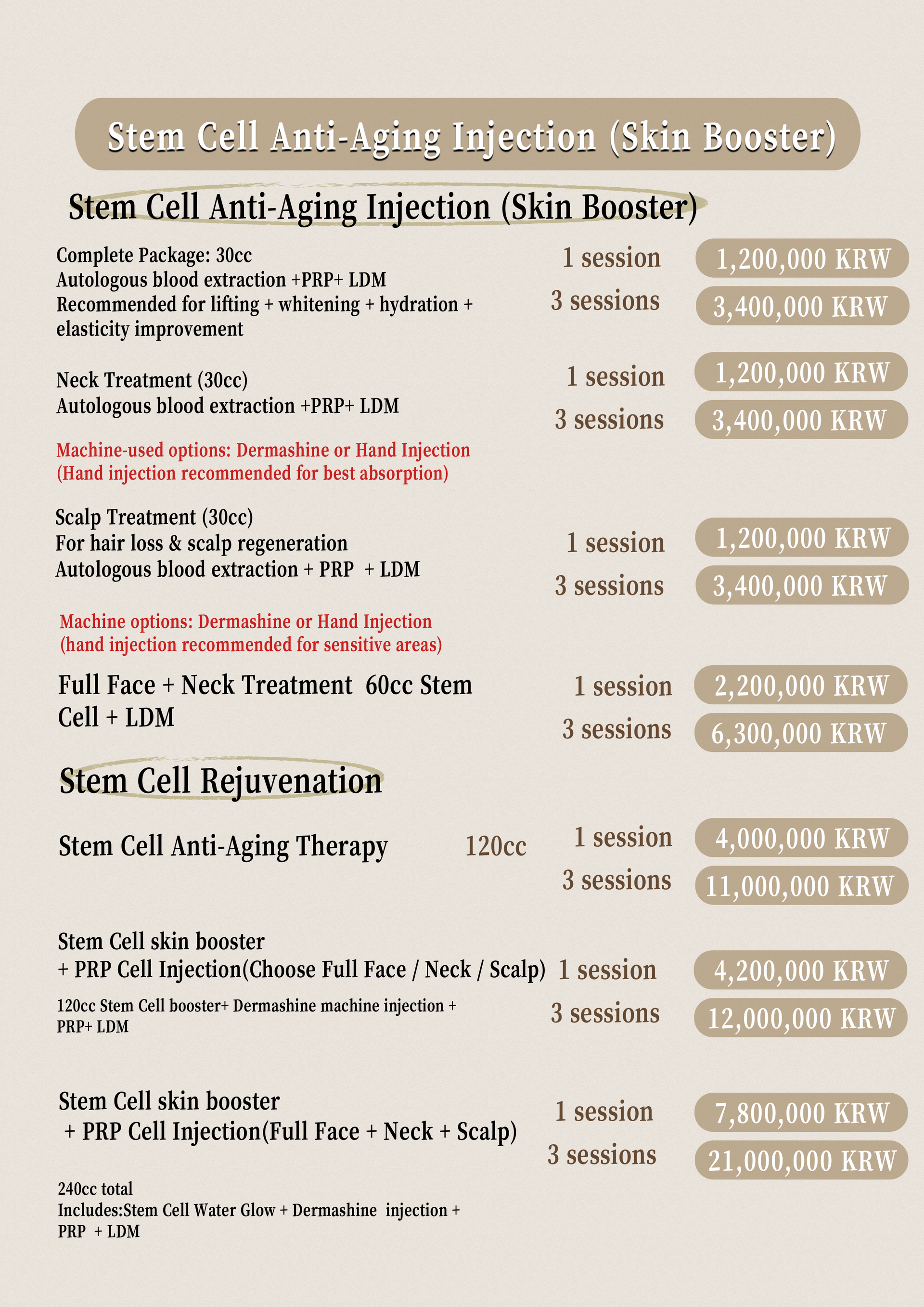
Ultherapy uses microfocused ultrasound to target tissue at selected depths. It may be considered for certain patients with mild skin laxity around the lower face and jawline.
Unlike treatments that primarily target the skin's surface, ultrasound-based procedures deliver energy into deeper tissue layers. However, this does not mean Ultherapy is automatically stronger or better than Thermage.
At age 37, the decision should depend on your degree of laxity, facial anatomy, skin thickness, and the treatment plan. More energy does not necessarily produce a better result.
Potential side effects include pain during treatment, tenderness, swelling, and temporary sensory changes. Rare complications can include nerve-related symptoms or unwanted tissue effects.
Who may consider it: People with selected mild-to-moderate laxity who have realistic expectations and are suitable candidates after assessment.
If your face is naturally thin, tell your clinician that preserving cheek volume is important to you. Ask how the treatment will be planned to minimize the risk of an undesirable contour change.
3. Sofwave for Skin Firmness
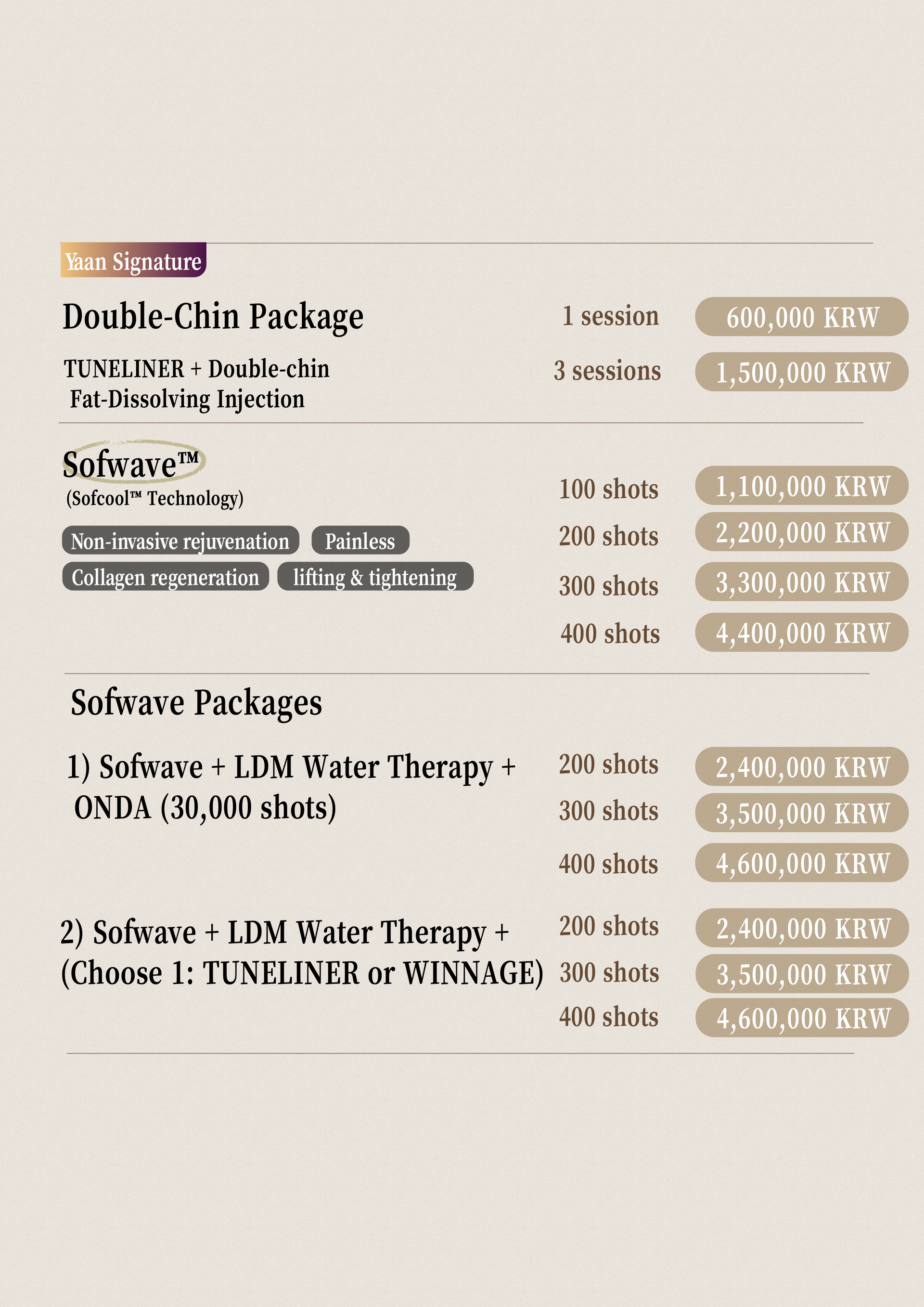
Sofwave uses ultrasound technology to target the mid-dermis, the skin layer containing collagen and elastin. It is used for non-invasive skin rejuvenation and may be considered when early laxity is the main concern.
Some people explore Sofwave because they want to improve firmness without intentionally adding volume or undergoing surgery.
However, Sofwave should not be viewed as a guaranteed treatment for jowls. The degree of improvement depends on the underlying cause, the severity of the concern, and individual response. If your jawline is less defined because of facial fat distribution or structural anatomy, skin-focused treatment may not be enough.
Who may consider it: People whose main concern is mild skin laxity and who prefer a non-invasive approach.
Ask the clinic to explain why Sofwave is more appropriate for your face than other options rather than choosing it solely because it is marketed as a newer technology.
4. Oligio and Other Radiofrequency Treatments
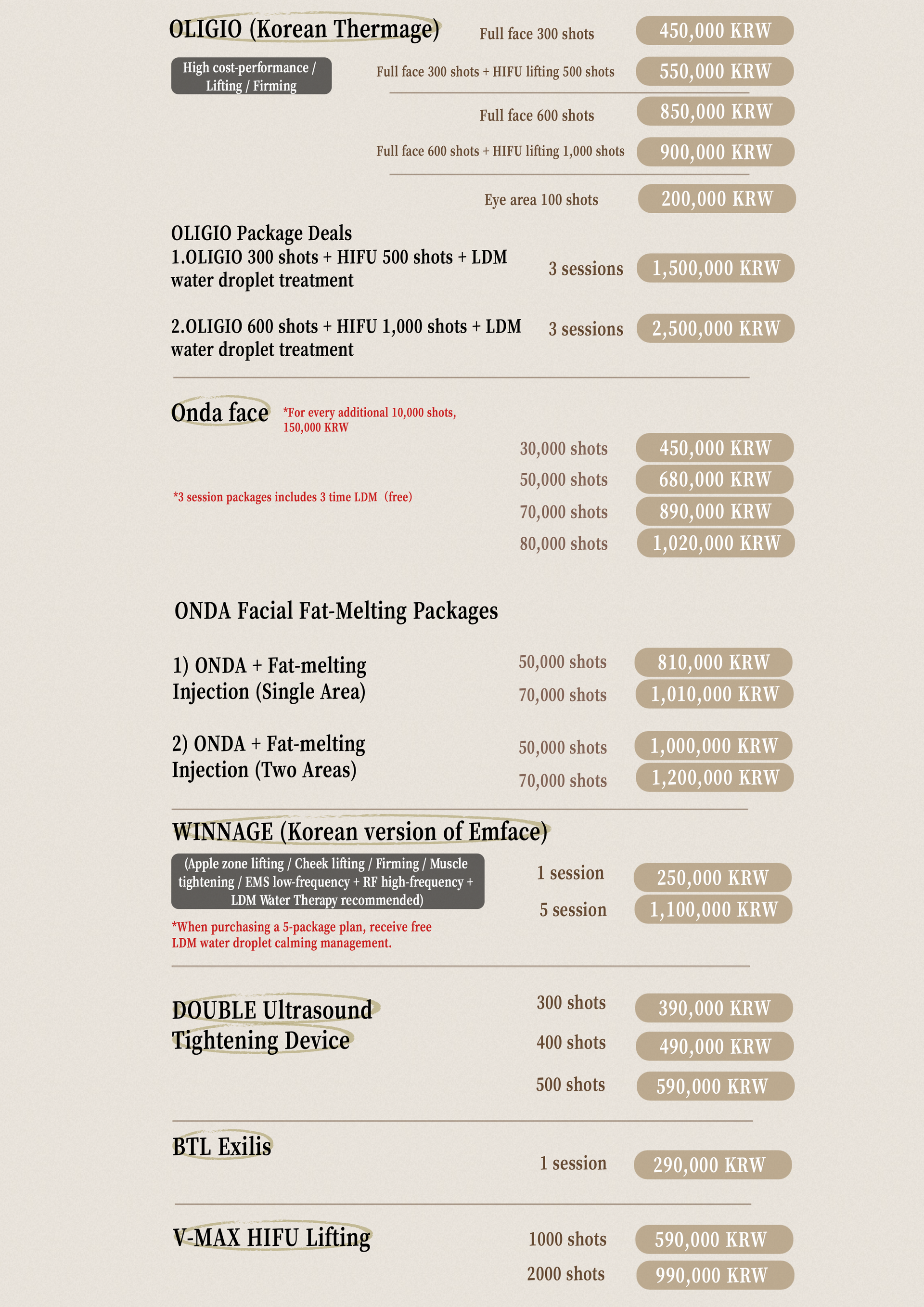
Oligio is a radiofrequency-based treatment used for skin tightening and rejuvenation. It may be considered for patients who want to address early laxity without surgery.
Other radiofrequency devices also exist, but their treatment depths, energy delivery, protocols, and clinical evidence are not identical.
A suitable RF treatment may help some patients achieve a modest improvement in firmness. It is not a reliable way to remove substantial fat or completely eliminate jowls.
When comparing Thermage and Oligio, ask about the specific device, treatment settings, the clinician's experience, expected results, and potential risks. The brand name alone does not determine the outcome.
5. RF Microneedling for Skin Texture and Selected Laxity
RF microneedling combines small needles with radiofrequency energy delivered into the skin. Depending on the device and treatment settings, it may help improve selected concerns involving texture, acne scars, and skin firmness.
It is not necessarily the first treatment to choose if your only concern is early jowls. It may be more relevant when you also have uneven texture or other skin-quality concerns.
Risks can include redness, swelling, pinpoint bleeding, infection, pigment changes, and, in some cases, scarring or unwanted fat-related contour changes. The choice of device, treatment depth, and energy settings is particularly important.
If your skin is prone to pigmentation changes or you have a naturally thin face, discuss these factors before treatment.
6. Rejuran or Juvelook for Skin Quality
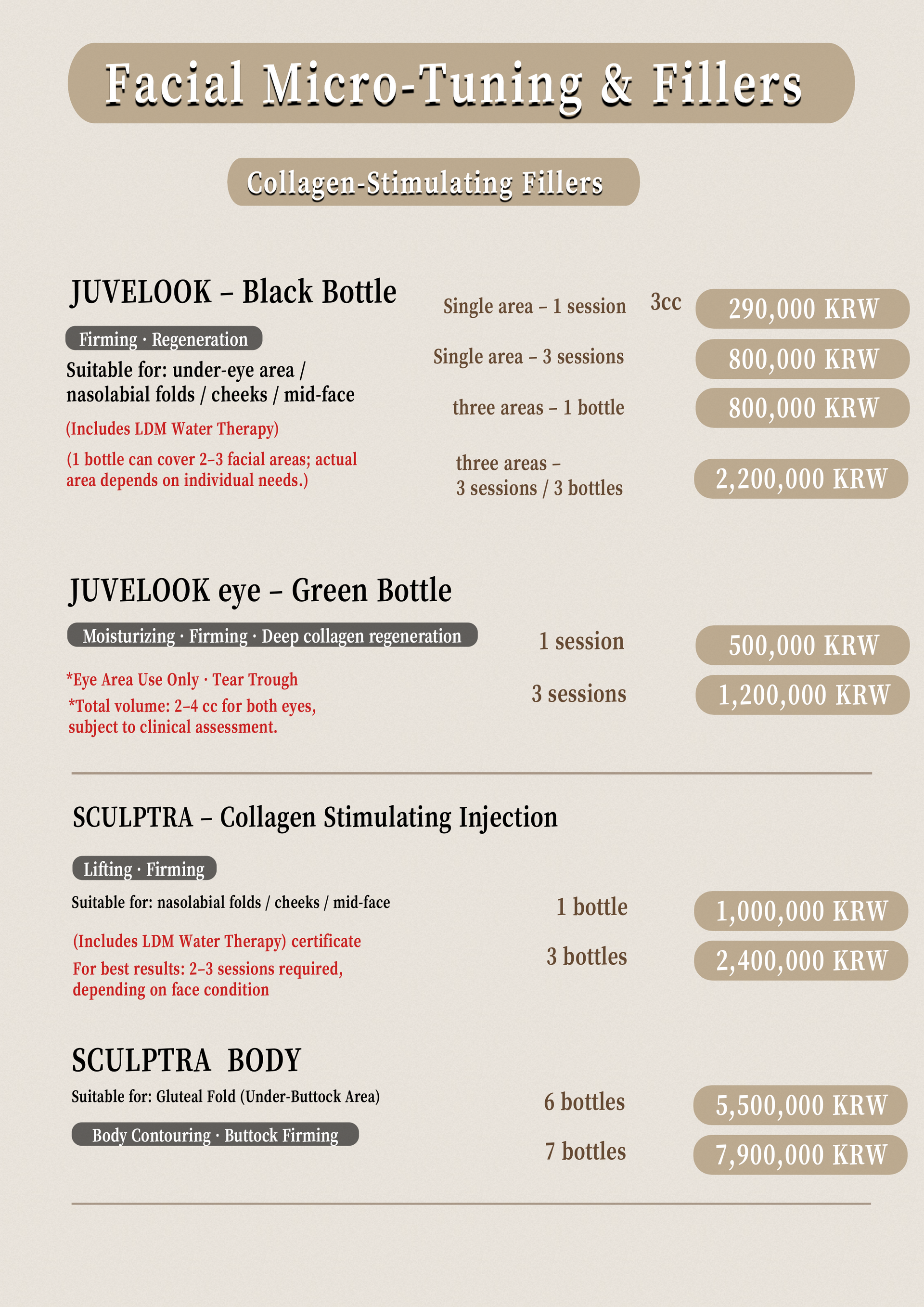
Rejuran and Juvelook are injectable treatments sometimes offered as part of skin-rejuvenation plans in Korea. They may be considered for selected concerns involving skin quality, fine lines, or texture.
Rejuran contains polynucleotides, while Juvelook combines PDLLA with hyaluronic acid. Neither should be regarded as a primary lifting treatment for jowls.
If the skin around your lower face looks crepey or has fine surface lines, a dermatologist may discuss whether a skin-quality treatment has a role in your overall plan. However, these products are unlikely to correct a substantial bulge caused by facial anatomy or changes in tissue support.
Both involve injection-related risks, including swelling, bruising, inflammation, and other complications. Juvelook can also be associated with lumps or nodules. These treatments are not necessary simply because you are approaching 40.
7. Facial Exercises and Skincare
Skincare cannot reposition sagging facial tissue, and there is limited reliable evidence that facial exercises meaningfully reverse established jowls.
Nevertheless, basic skincare remains useful for maintaining skin health. Daily broad-spectrum sunscreen, moisturizer, and an appropriate retinoid may help address sun damage and fine lines over time.
If the change in your jawline is minimal, monitoring it and maintaining a consistent skincare routine may be more reasonable than starting a cosmetic procedure immediately.
Which Treatment Is Best if You Have a Slim Face?
If you have a naturally slim face, choosing a jowl treatment requires particular care. Your concern may be mild skin laxity rather than excess facial fat.
In this situation, avoid assuming that the strongest lifting treatment or a fat-reduction procedure will give you the sharpest jawline.
Excessive or poorly targeted energy delivery can cause unwanted contour changes, including loss of fullness. This may make the lower face appear more hollow rather than younger.
During your consultation, explain that you want to preserve your natural cheek volume. Ask the clinician to assess your face at rest and in motion, discuss the likely cause of the jowls, and explain what can realistically improve without creating an overly tight or hollow appearance.
Can You Prevent Jowls From Getting Worse?
No treatment can guarantee that jowls will not develop as you age. Facial aging is influenced by genetics, anatomy, sun exposure, and gradual changes in the skin and underlying tissues.
However, you can support long-term skin health through consistent habits:
- Use broad-spectrum SPF 30 or higher every day.
- Avoid smoking.
- Maintain a reasonably stable weight rather than pursuing rapid weight loss.
- Use gentle skincare and moisturize regularly.
- Consider a retinoid if it is suitable for your skin and medical circumstances.
- Seek professional advice before undergoing repeated energy-based treatments.
Preventive treatment should not be confused with a medical necessity. If your jawline changes are minimal, you may reasonably decide to wait and reassess later.
How to Choose a Jowl Treatment in Seoul or Gangnam
Seoul and Gangnam have clinics offering Thermage, Ultherapy, Sofwave, Oligio, RF microneedling, and other aesthetic procedures. Having many options can be useful, but it can also make it difficult to distinguish an appropriate treatment from an unnecessary upgrade.
Choose a clinic that evaluates your facial anatomy rather than automatically recommending its most expensive device.
Before committing to treatment, ask:
- Is my concern mainly loose skin, fat distribution, or facial structure?
- What improvement is realistic for my degree of early jowling?
- Could this procedure reduce facial fullness or change my contour?
- Why is this device appropriate for me compared with alternatives?
- Who will perform the procedure, and what experience do they have?
- What are the possible side effects, recovery time, and total cost?
- What happens if the result is limited or a complication occurs?
If you are traveling to Korea, allow enough time for potential swelling, tenderness, or other temporary effects. Do not schedule treatment immediately before an important event without discussing recovery expectations.
Frequently Asked Questions
Is Thermage or Ultherapy better for early jowls?
Neither is universally better. Thermage uses radiofrequency energy, while Ultherapy uses microfocused ultrasound. Suitability depends on the cause of the jowls, degree of laxity, facial volume, treatment settings, and clinician experience.
Is 37 too young for a lifting treatment?
Not necessarily, but age alone is not a reason to have one. Some people have noticeable early laxity in their late 30s, while others have a well-defined jawline well into their 40s. The decision should be based on your individual anatomy and goals.
Can I get rid of early jowls without surgery?
Some people may achieve modest improvement with non-surgical tightening treatments. However, non-surgical procedures cannot reliably eliminate every type of jowl, and their results are generally more limited than surgical lifting.
Will losing weight improve my jowls?
Not necessarily. If excess weight contributes to lower-face fullness, weight changes may alter the appearance. But significant weight loss can also reduce facial fullness and make sagging or folds more noticeable. Avoid using weight loss as a jowl treatment without understanding the cause.
Should I combine Thermage and Ultherapy?
Combining treatments is not automatically more effective. Both deliver energy to tissues, and unnecessary or poorly timed procedures can increase discomfort and risks. Ask a qualified clinician whether one carefully selected treatment is sufficient before considering a combination.
Final Verdict: What Is the Best Treatment for Early Jowls in Your Late 30s?
For someone in their late 30s with mild jowls, the best treatment is the one that addresses the actual cause of the change in jawline definition.
If mild skin laxity is the main concern, Thermage, Ultherapy, Sofwave, or another appropriate tightening treatment may be worth discussing. If your skin texture is the bigger issue, skincare or a targeted skin-rejuvenation procedure may be more useful. If your jowls are mainly related to facial structure or fat distribution, tightening alone may have limited benefits.
Do not choose a procedure simply because it promises the strongest lift. A conservative, individualized plan is often the better starting point when your jowls are still mild and you want to preserve your natural facial shape.