I'm 37 With Smile Lines but Don't Want Filler. What Are My Options?
If you are 37 and starting to notice deeper smile lines, you may be wondering whether you need cosmetic treatment to soften them. Smile lines, also called nasolabial folds, run from the sides of the nose toward the corners of the mouth. They are a normal part of facial anatomy, and they can become more noticeable as facial volume, skin elasticity, and tissue support change with age.
However, you do not need dermal filler to address smile lines. Depending on what causes your folds, options may include skincare, collagen-stimulating treatments, energy-based skin tightening, selected laser procedures, or simply leaving the lines alone if they do not bother you.
If you are considering Korean aesthetic treatments in Seoul or Gangnam, the most important step is identifying why your smile lines are becoming more prominent. A treatment that helps mild skin laxity may have little effect on folds caused by facial structure or volume changes.
What Causes Smile Lines at Age 37?
Smile lines are influenced by several factors, and they do not necessarily indicate that your skin is aging prematurely.
Natural Facial Anatomy
Nasolabial folds are present in many people from a young age. The shape of your cheeks, the position of facial fat compartments, and the way your face moves when you smile all influence how visible these lines appear.
If you have naturally prominent folds, cosmetic treatment may soften their appearance but may not eliminate them without changing other aspects of your face.
Early Loss of Skin Elasticity
During your 30s, gradual changes in collagen and elastin can make the skin less resilient. Sun exposure, smoking, and other lifestyle factors may contribute to visible skin aging.
If your smile lines have become more noticeable alongside fine lines or a general decline in skin firmness, treatments aimed at skin quality or mild laxity may be worth discussing.
Changes in Facial Volume and Support
Changes in the distribution of facial fat and the support beneath the skin can deepen the transition between the cheek and the area around the mouth.
In this situation, treating only the surface of the skin may produce limited improvement. This is one reason a proper assessment matters before choosing a laser, skin booster, or tightening procedure.
Weight Loss and Lifestyle Factors
Significant weight loss can change facial fullness and make existing folds more noticeable. Dehydration may also make fine lines appear more prominent temporarily, although it does not explain every deeper fold.
A dermatologist should distinguish temporary skin dryness from structural changes before recommending an injectable or device-based treatment.
Best Non-Filler Options for Smile Lines
There is no single best treatment for everyone. The following options may be considered depending on whether your main concern is skin texture, early laxity, fine lines, or deeper folds.
1. Skincare and Sun Protection
If your smile lines are mild, improving your skincare routine is a reasonable starting point.
A simple routine may include:
- Broad-spectrum sunscreen: Use SPF 30 or higher every day to reduce further UV-related skin damage.
- Moisturizer: Supports the skin barrier and can make fine surface lines appear less noticeable.
- Retinoids: Retinol or prescription retinoids may improve fine lines and skin texture over time. They can cause irritation and should be introduced carefully with professional guidance when appropriate.
- Gentle cleansing: Avoid harsh products that leave your skin dry or irritated.
Skincare cannot reliably remove deep nasolabial folds or reposition facial tissue. However, it can improve overall skin condition and help prevent additional sun-related damage.
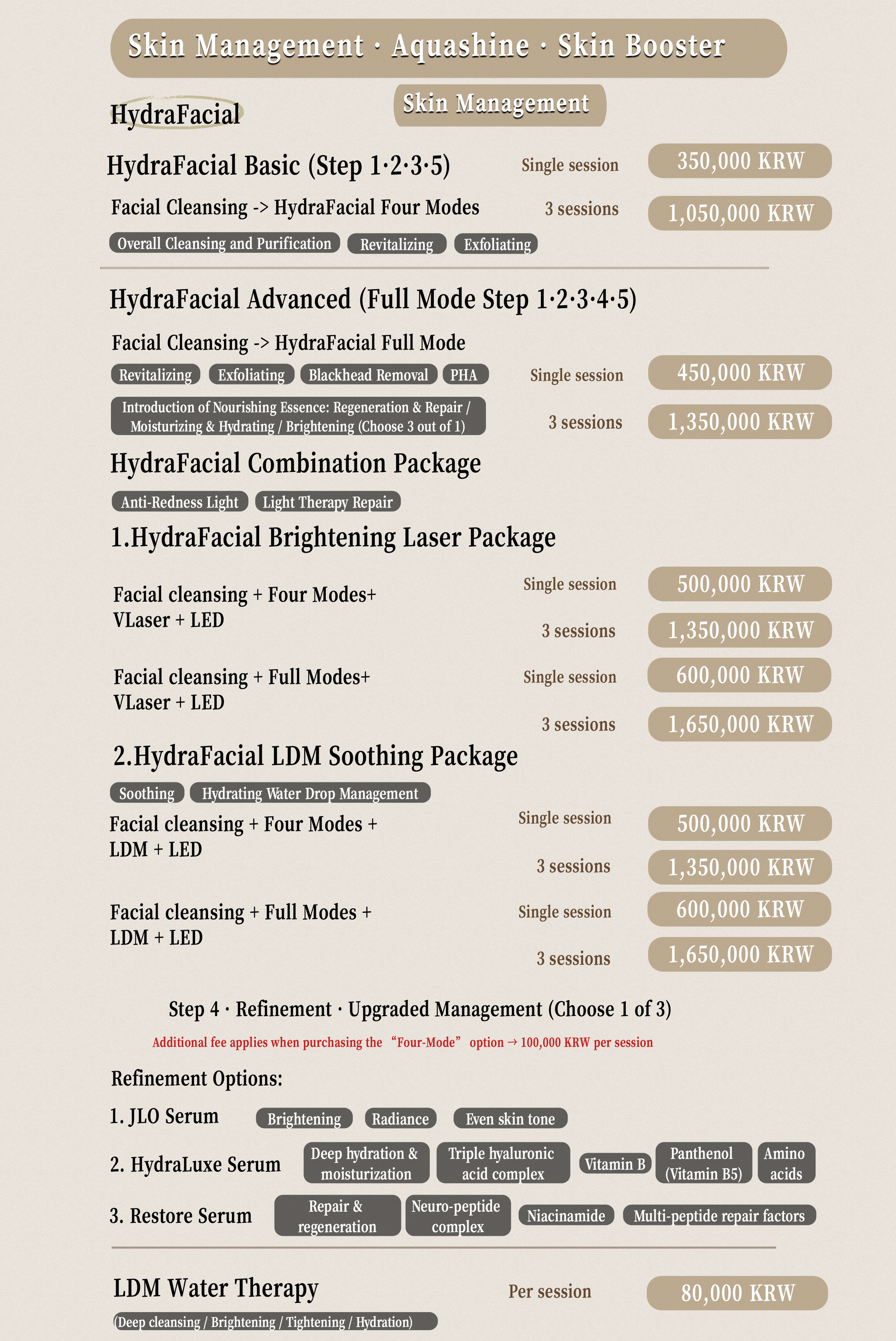
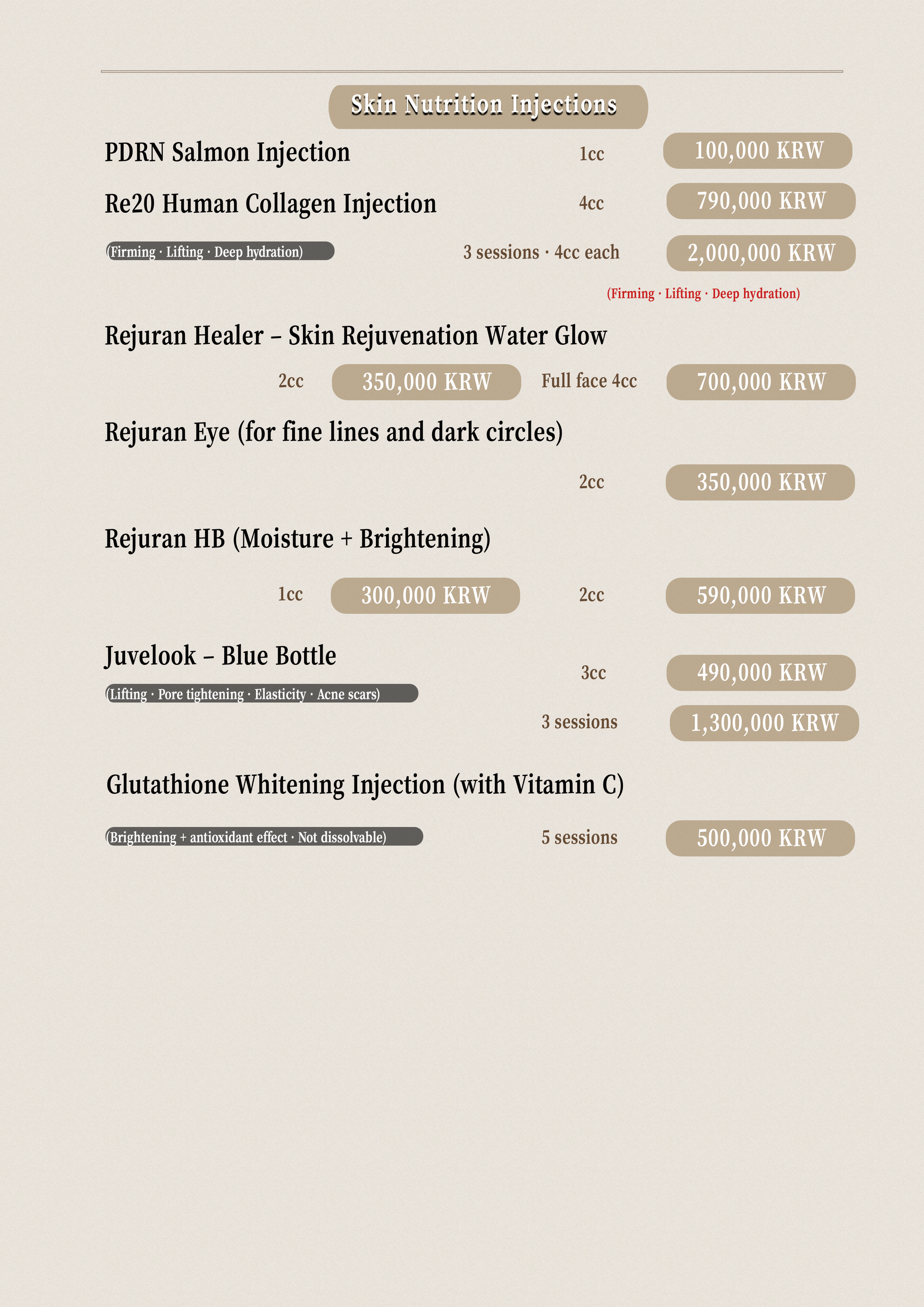
2. Rejuran for Skin Quality
Rejuran is a polynucleotide-based injectable used in some Korean aesthetic clinics to support skin rejuvenation. It may be considered when the surrounding skin has fine lines, uneven texture, or concerns about skin quality.
For someone who does not want filler, Rejuran may be worth discussing if the goal is subtle improvement in the skin rather than adding facial volume.
However, Rejuran is not a direct replacement for nasolabial-fold filler. It is unlikely to erase a deep fold caused by facial anatomy or changes in underlying support. Evidence for polynucleotide treatments is promising but still limited, so expectations should remain realistic.
Potential side effects include temporary swelling, redness, bruising, tenderness, and injection-site bumps. As with other injectable procedures, infection and other complications are possible.
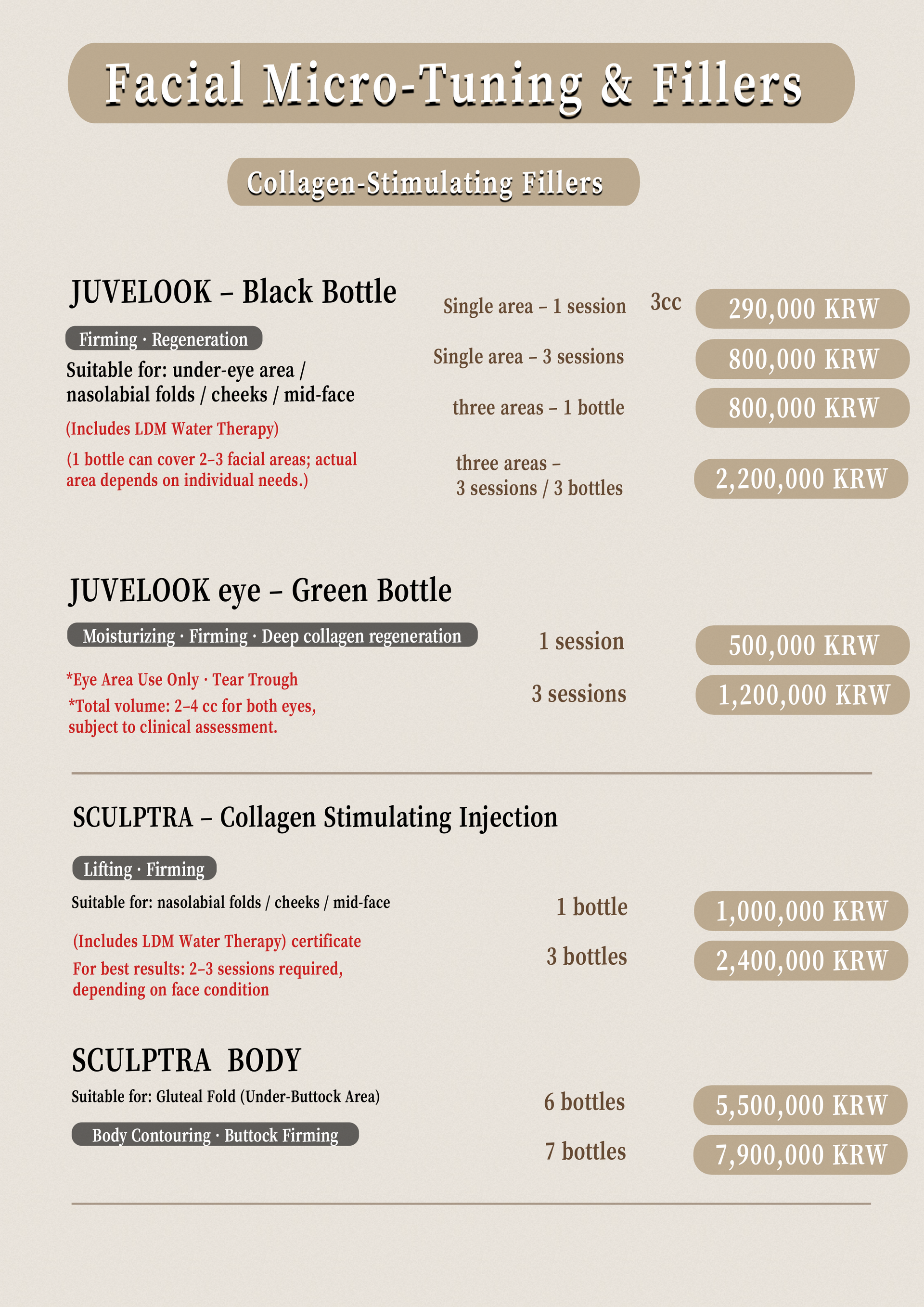
3. Juvelook for Selected Texture Concerns
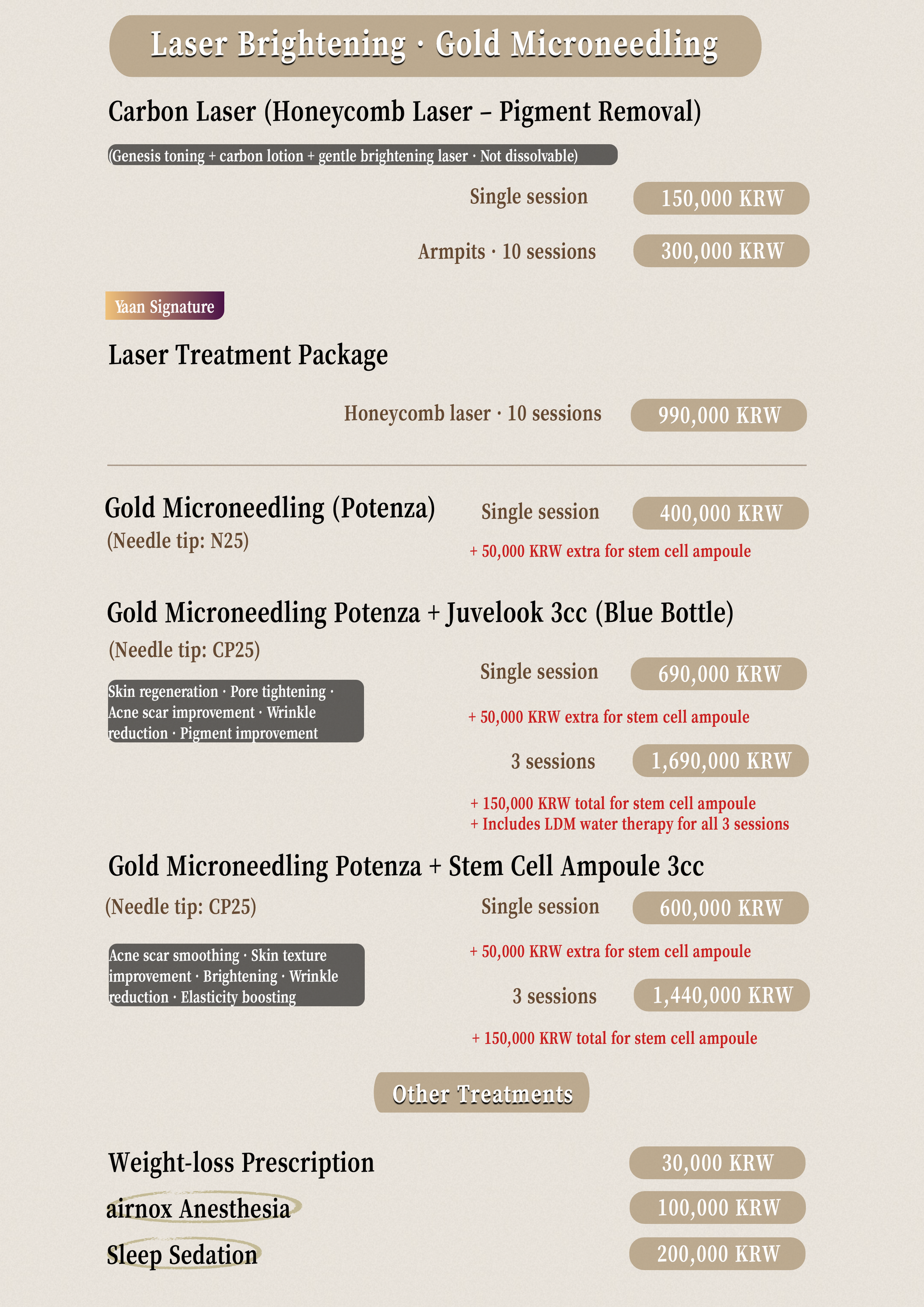
Juvelook combines PDLLA, a collagen-stimulating material, with hyaluronic acid. Depending on the formulation and treatment plan, it may be used for selected concerns involving skin texture, fine lines, and certain acne-scar changes.
It may be discussed when the surrounding skin needs improvement, but it should not automatically be selected simply because smile lines are visible.
Collagen stimulation does not guarantee that a deep fold will disappear. The result depends on the cause of the fold, the injection technique, and individual response. Juvelook can also cause swelling, lumps or nodules, prolonged inflammation, and other injection-related complications.
If you prefer to avoid all injectable treatments—not just traditional filler—tell your clinician clearly. Rejuran and Juvelook are injectables too.
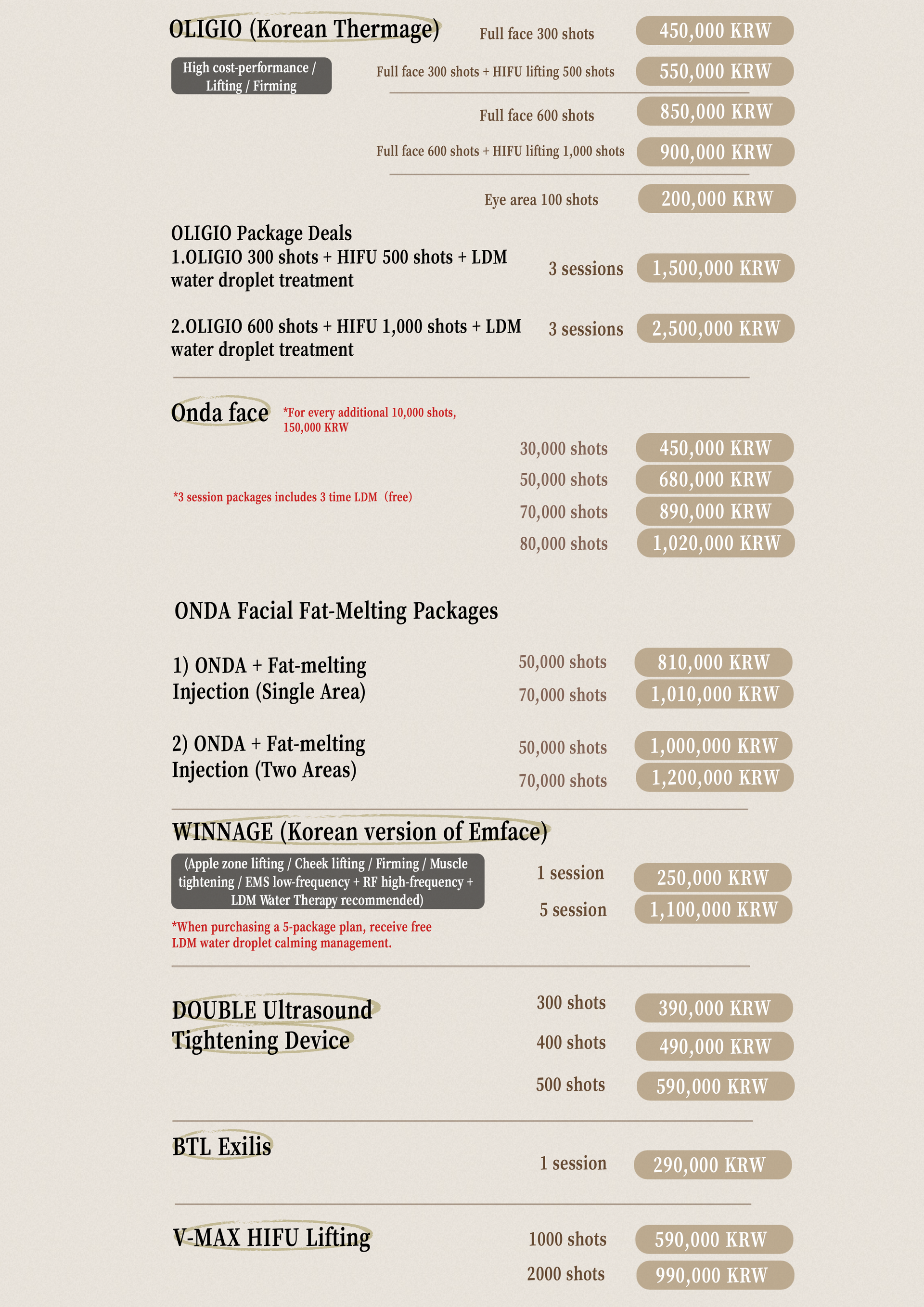
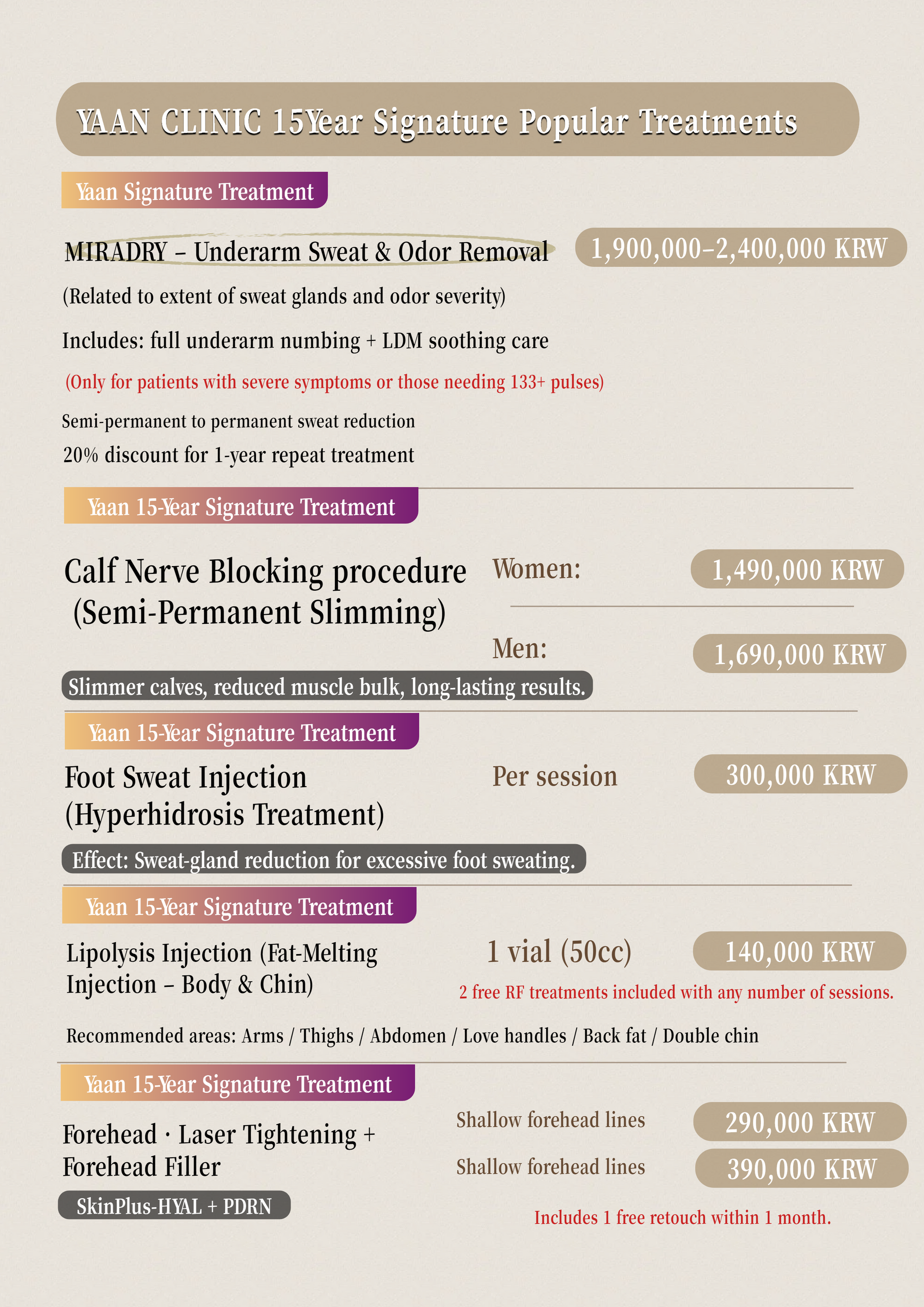
4. RF Skin Tightening
Radiofrequency (RF) treatments deliver energy into the skin and underlying tissue to produce controlled heating. Some devices are used to improve mild skin laxity and firmness.
RF may be considered if your smile lines have become more noticeable alongside mild looseness in the cheeks or lower face.
However, RF is not a reliable way to remove deep nasolabial folds. The degree of improvement depends on the device, treatment settings, tissue characteristics, and individual response. Results are generally more subtle than the changes some patients expect from advertising.
Ask the clinician whether the proposed device is intended for your specific concern, what degree of improvement is realistic, and what risks apply to your skin type.
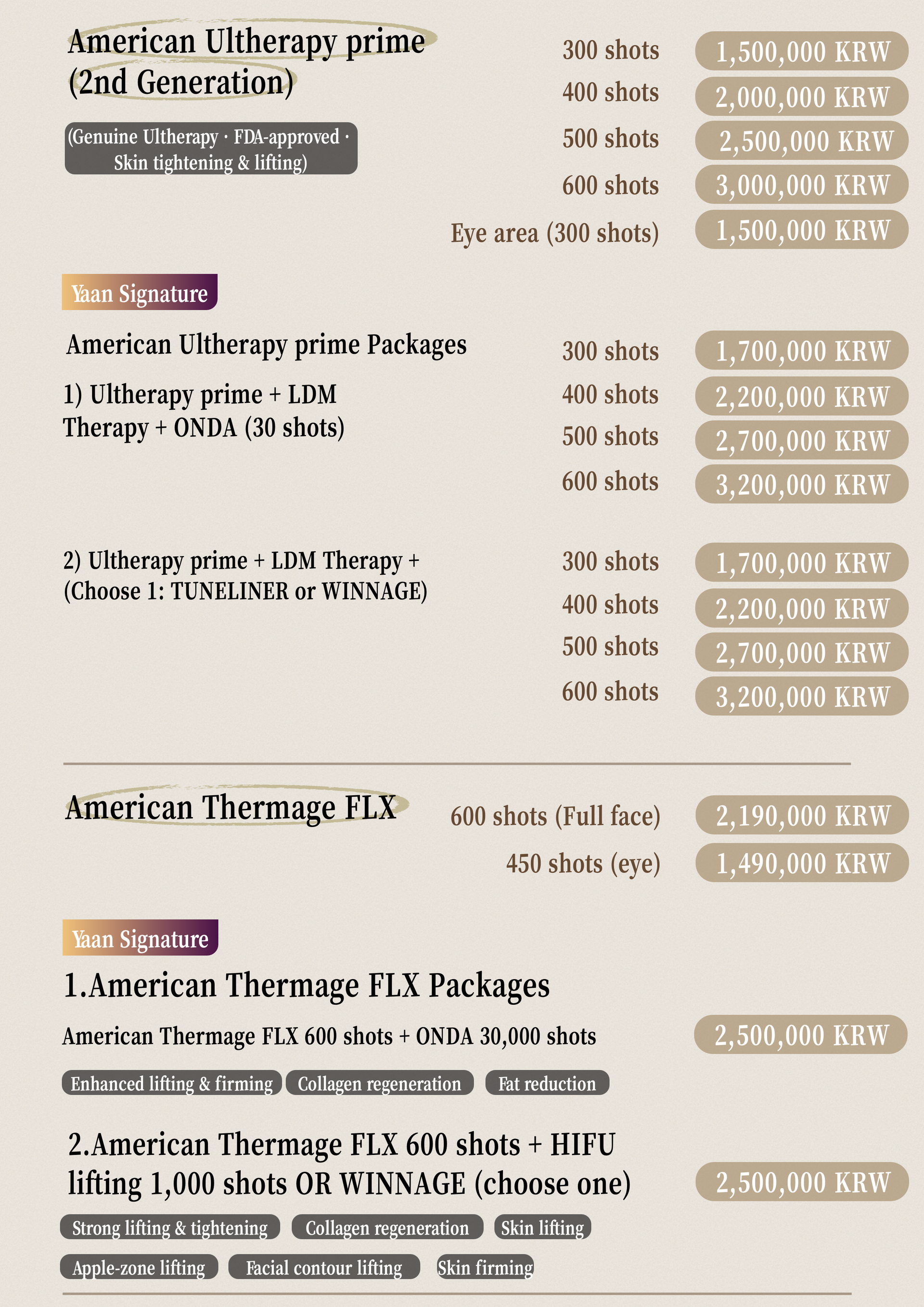
5. Ultherapy or Other Ultrasound-Based Tightening Treatments
Microfocused ultrasound treatments, including Ultherapy, are designed to target deeper tissue layers and may be considered for selected patients with mild skin laxity.
At age 37, you may not need a lifting treatment if your facial support is already good. Ultrasound treatment is not automatically beneficial just because smile lines are visible.
These procedures cannot reliably eliminate folds caused primarily by facial anatomy or volume changes. They can also cause discomfort, temporary swelling, tenderness, and, less commonly, unwanted tissue effects or nerve-related symptoms.
If you have a naturally slim face or are concerned about facial hollowing, discuss this before considering any energy-based tightening procedure.
6. Fractional Laser Resurfacing
Fractional lasers create controlled treatment zones in the skin to encourage renewal and improve selected surface concerns. Depending on the device and settings, they may help with fine lines, rough texture, and sun-related skin changes.
Laser resurfacing is more relevant when your concern involves the quality of the skin around your smile lines than when you have a deep fold caused by underlying anatomy.
A laser is unlikely to erase a prominent nasolabial fold on its own. Ablative and non-ablative treatments also have different recovery periods and risk profiles. Redness, irritation, pigmentation changes, and, in some cases, scarring are possible.
If you have darker skin or a history of post-inflammatory hyperpigmentation, the clinician should carefully assess the type of laser and treatment settings.
7. Botox: Is It Useful for Smile Lines?
Botulinum toxin is often used to soften expression lines caused by muscle activity, such as certain forehead lines and crow's-feet. However, it is not usually the first choice for nasolabial folds.
The muscles around the mouth play important roles in smiling, speaking, and eating. Injecting them to address smile lines can affect facial movement and expression if the treatment is poorly selected or performed.
If your concern is a line that appears mainly when you smile, a qualified clinician should determine whether it is a normal dynamic fold or a deeper structural crease before suggesting any muscle-relaxing treatment.
Which Treatment Should You Choose?
Use your main concern as a starting point for a discussion with a dermatologist rather than choosing a procedure based on age alone.
Your main concern
Options to discuss
Important limitation
Fine lines and dry-looking skin
Moisturizer, sunscreen, retinoids
Won't remove deep folds
Poor skin texture around the mouth
Selected fractional laser or other resurfacing treatment
Limited effect on structural folds
Mild skin laxity
RF or ultrasound-based tightening, if suitable
Improvement may be subtle
Overall skin quality
Rejuran or another appropriate skin-quality treatment
Not a direct substitute for filler
Selected texture or shallow scar concerns
Juvelook or other targeted treatment
Not proven to eliminate deep smile lines
Deep folds caused by anatomy or changes in facial support
Individualized assessment and discussion of alternatives
Non-filler options may have limited effects
The most important distinction is between improving the skin around a fold and changing the fold itself. A treatment can improve texture without making the nasolabial crease disappear.
Can You Reduce Smile Lines Without Making Your Face Look Different?
Yes, you can choose a conservative approach that prioritizes skin quality and preserves your natural facial expression. However, the amount of improvement may be limited if your folds are deep or strongly influenced by facial anatomy.
If you want to avoid filler because you do not want fuller cheeks, a rounder face, or a change in your facial proportions, communicate those preferences during your consultation.
Ask your clinician to explain:
- Whether your folds are primarily anatomical, skin-related, or associated with changes in facial support.
- Which treatment is most likely to address that specific cause.
- Whether the expected improvement is subtle or substantial.
- Whether the procedure could affect facial volume, movement, or symmetry.
- What the risks, recovery time, and total costs are.
- Whether doing nothing for now is a reasonable option.
Be cautious about promises to completely erase smile lines without filler, surgery, or any meaningful downtime. A natural fold may remain visible even after a well-selected treatment.
Getting Smile-Line Treatments in Seoul or Gangnam
Seoul and Gangnam offer a wide range of dermatology and aesthetic procedures, including skin boosters, lasers, RF treatments, and ultrasound-based tightening. The number of available options can make it difficult to know which treatment is appropriate.
When comparing clinics, look beyond promotional packages and machine names. Choose a qualified medical professional who examines your face, explains the likely cause of your folds, and discusses the limitations of each option.
Before booking, ask whether the consultation and treatment will be performed by a qualified clinician, which exact device or injectable product will be used, and what follow-up support is available.
If you are visiting South Korea for a short trip, consider recovery time carefully. Injectable treatments may cause visible bumps or bruising, while resurfacing and energy-based procedures can produce redness or swelling. Avoid scheduling a treatment immediately before an important event or a flight if you have not discussed the potential recovery period with your clinician.
Frequently Asked Questions
Can smile lines disappear without filler?
They may become less noticeable if dryness, fine surface lines, or mild skin laxity contribute to their appearance. However, deep nasolabial folds caused by facial anatomy or changes in tissue support are unlikely to disappear completely with non-filler treatments.
Is Rejuran better than Juvelook for smile lines?
Neither has been established as the best treatment for nasolabial folds. Rejuran may be considered for selected skin-quality concerns, while Juvelook may be considered for certain texture-related concerns. Neither should be expected to directly replace the structural effect of filler.
Can Thermage or Ultherapy remove smile lines?
They may provide some improvement in selected patients with skin laxity, but they cannot reliably remove smile lines. Suitability depends on your facial anatomy, degree of laxity, and treatment goals.
Does Botox help nasolabial folds?
Botox is not usually the first-line treatment for nasolabial folds. The muscles around the mouth are important for normal expression, so treatment in this area requires careful assessment and should not be undertaken simply to treat a fold.
Should I start treatment at 37?
Not necessarily. If your smile lines are mild and do not bother you, there is no medical requirement to treat them. Sun protection and appropriate skincare are useful foundations regardless of whether you choose a cosmetic procedure.
Final Verdict: What Are Your Options at 37 Without Filler?
If you are 37 and want to soften smile lines without dermal filler, begin by determining whether the problem is mainly skin texture, fine lines, mild laxity, or the natural shape of your face.
For mild skin concerns, skincare may be enough. For selected texture or skin-quality issues, fractional laser resurfacing or an injectable skin-quality treatment may be worth discussing. RF or ultrasound-based tightening may be appropriate for certain patients with mild laxity, but neither is a guaranteed solution for deep folds.
The best non-filler treatment is the one that addresses the actual cause of your smile lines—not necessarily the newest or most expensive procedure. A conservative consultation can help you understand what is realistically achievable while protecting your natural facial appearance.