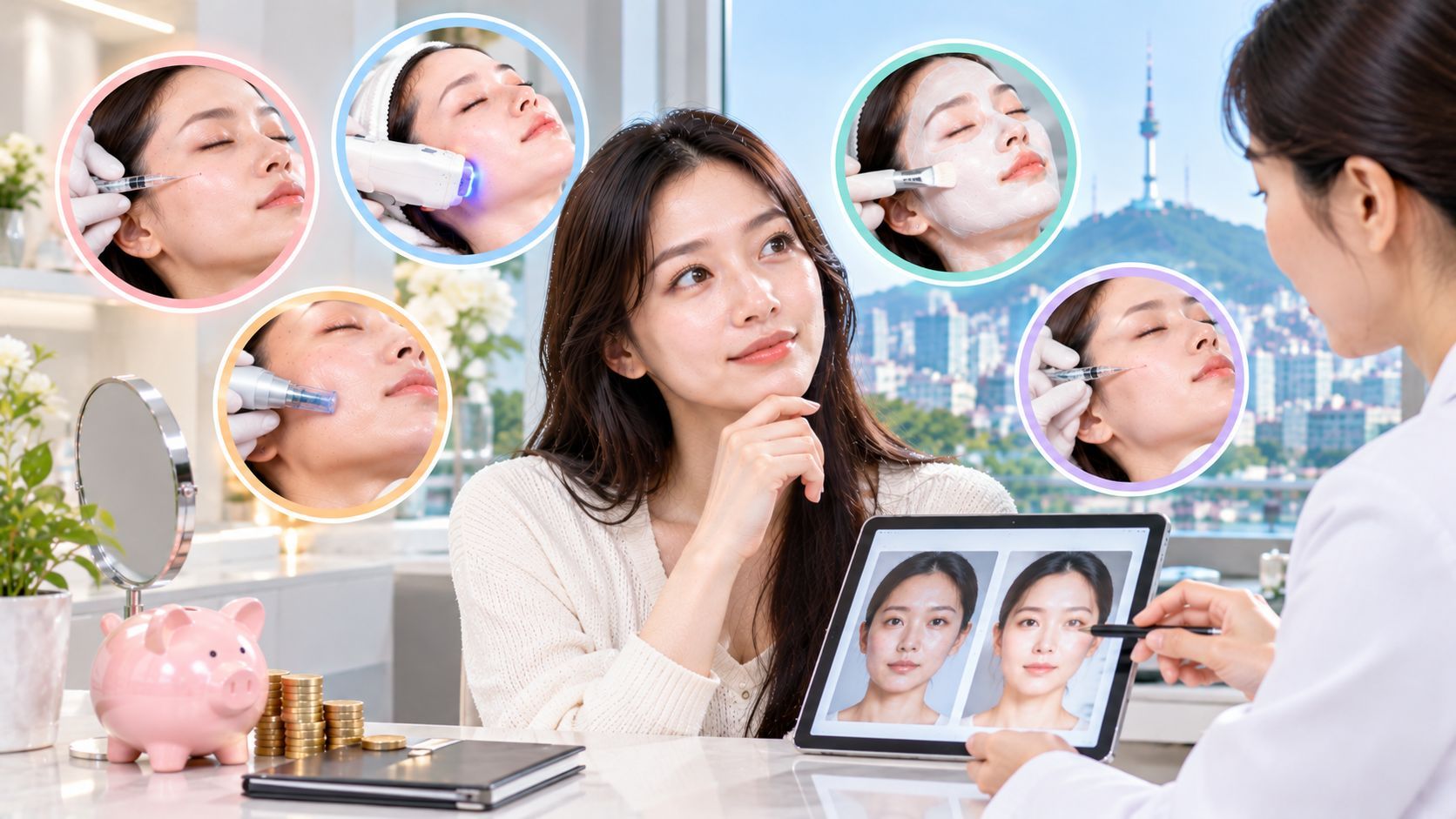
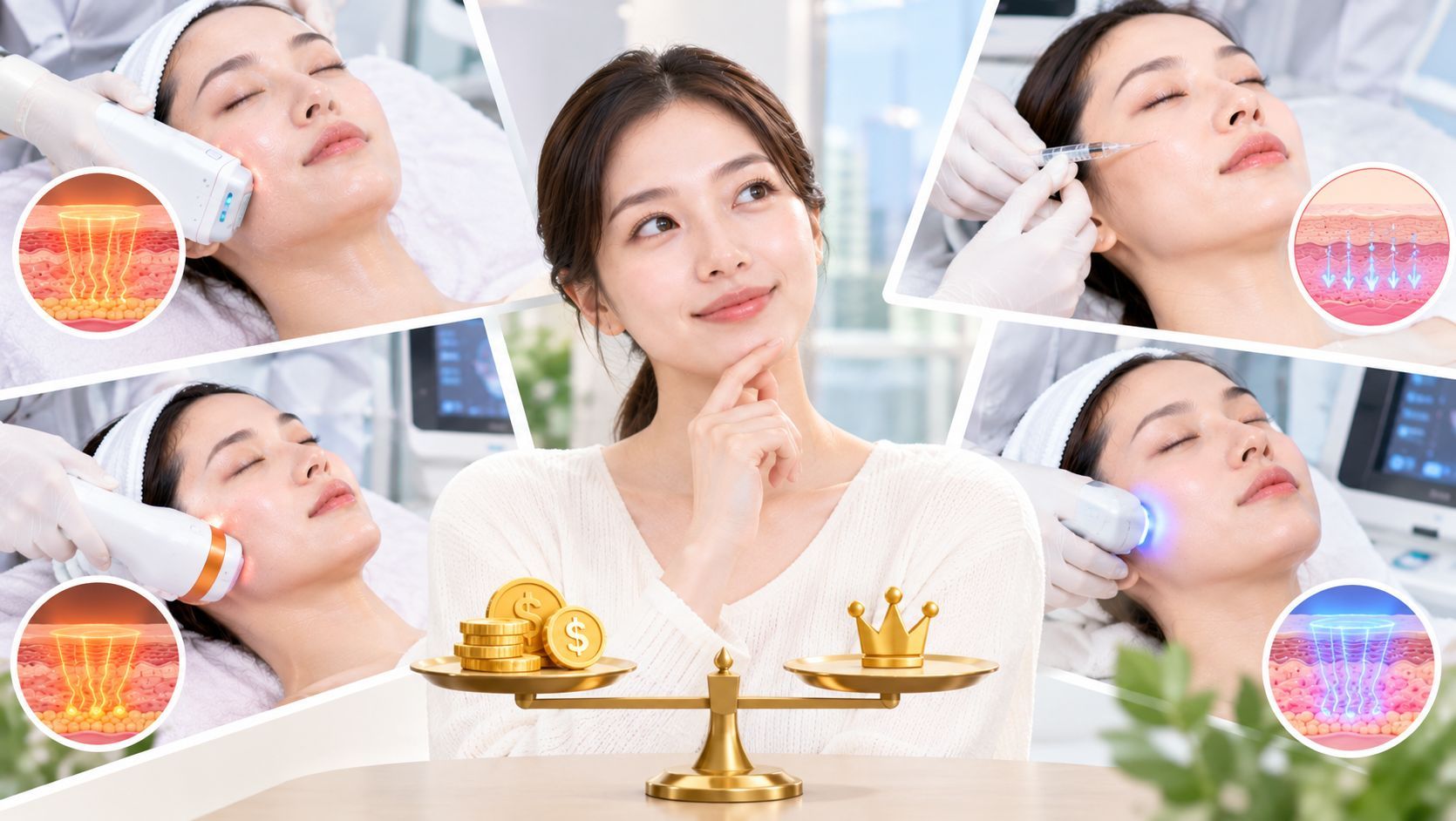
What Is the Best Treatment for a 50-Year-Old With Loose Jawline and Neck Skin?
If you are 50 and noticing loose skin along your jawline or neck, the best treatment depends on how much sagging you have and what is causing it. Korean aesthetic clinics offer several options, including Ultherapy, Thermage, radiofrequency treatments, injectable treatments for selected concerns, and surgical lifting procedures.
For mild skin laxity, non-surgical treatments such as microfocused ultrasound or radiofrequency may provide modest, gradual tightening. If you have pronounced jowls, substantial excess neck skin, or significant tissue descent, a facelift or neck lift may provide a more noticeable improvement.
There is no single best treatment for everyone at age 50. The first step is to determine whether your main concern is loose skin, descended facial tissue, excess fat beneath the chin, or a combination of these issues.
Why Does the Jawline and Neck Become Loose Around Age 50?
Facial aging affects multiple layers of tissue. As collagen and elastin change over time, skin may become less firm. Fat distribution, facial support structures, and neck muscles can also contribute to changes in contour.
Common signs include:
- Early jowls: Small areas of tissue begin to hang along the lower jaw.
- A less defined jawline: The transition between the face and neck becomes less distinct.
- Loose neck skin: Fine folds or more noticeable hanging skin develop beneath the chin.
- Double-chin fullness: Fat beneath the chin can make the neck appear heavier, even when skin laxity is limited.
- Neck bands: Vertical bands associated with the platysma muscle may become more visible.
- Crepey skin: The skin may look thin, finely wrinkled, or less smooth.
These concerns need different approaches. A treatment that reduces fat does not necessarily tighten loose skin, and a treatment that improves skin texture cannot reliably reposition descended facial tissues.
A proper assessment can help you avoid paying for a procedure that targets the wrong problem.
Best Non-Surgical Treatments for Loose Jawline and Neck Skin
1. Ultherapy for Mild to Moderate Skin Laxity
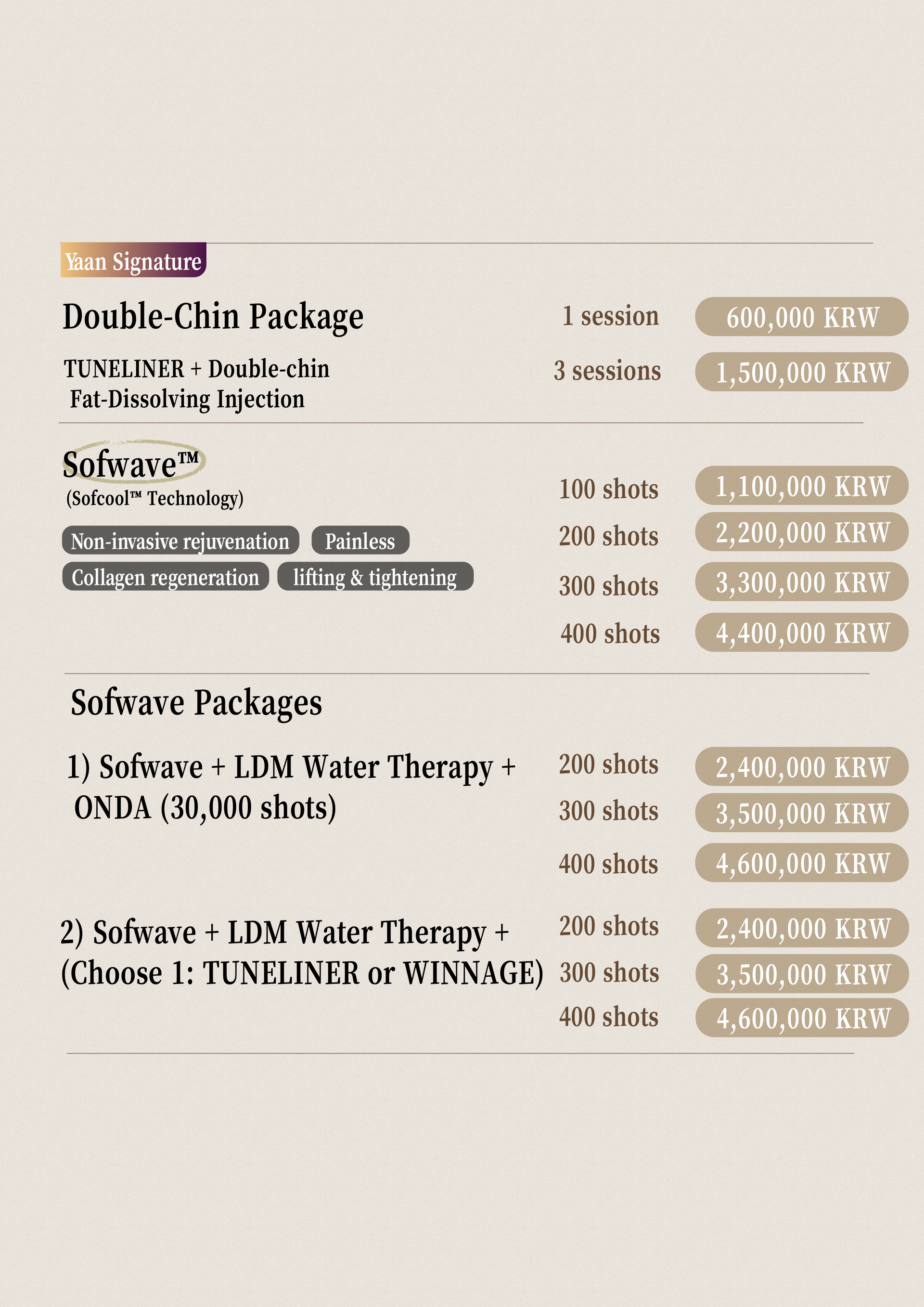
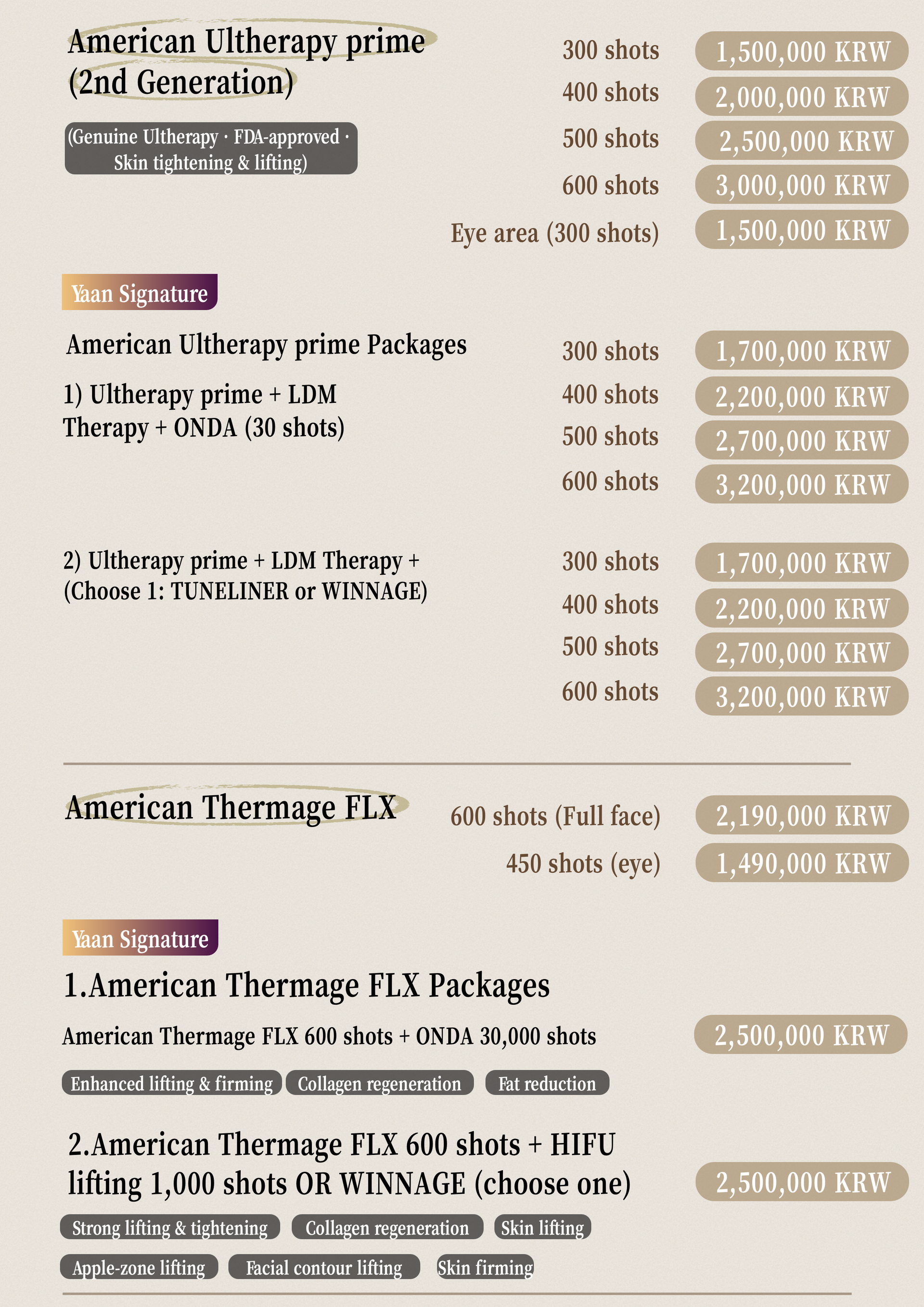
Ultherapy uses microfocused ultrasound energy to target selected tissue depths and stimulate collagen-related changes.
For someone around age 50 with early jowls or mild looseness beneath the chin, it may provide gradual improvement in firmness and contour. Results develop over time rather than immediately.
However, Ultherapy is not a substitute for a surgical facelift or neck lift. If you have extensive loose skin or heavy jowls, the improvement may be limited.
Before treatment, ask which areas will be treated, which device will be used, and what degree of change is realistic for your anatomy.
2. Thermage for Skin Firmness
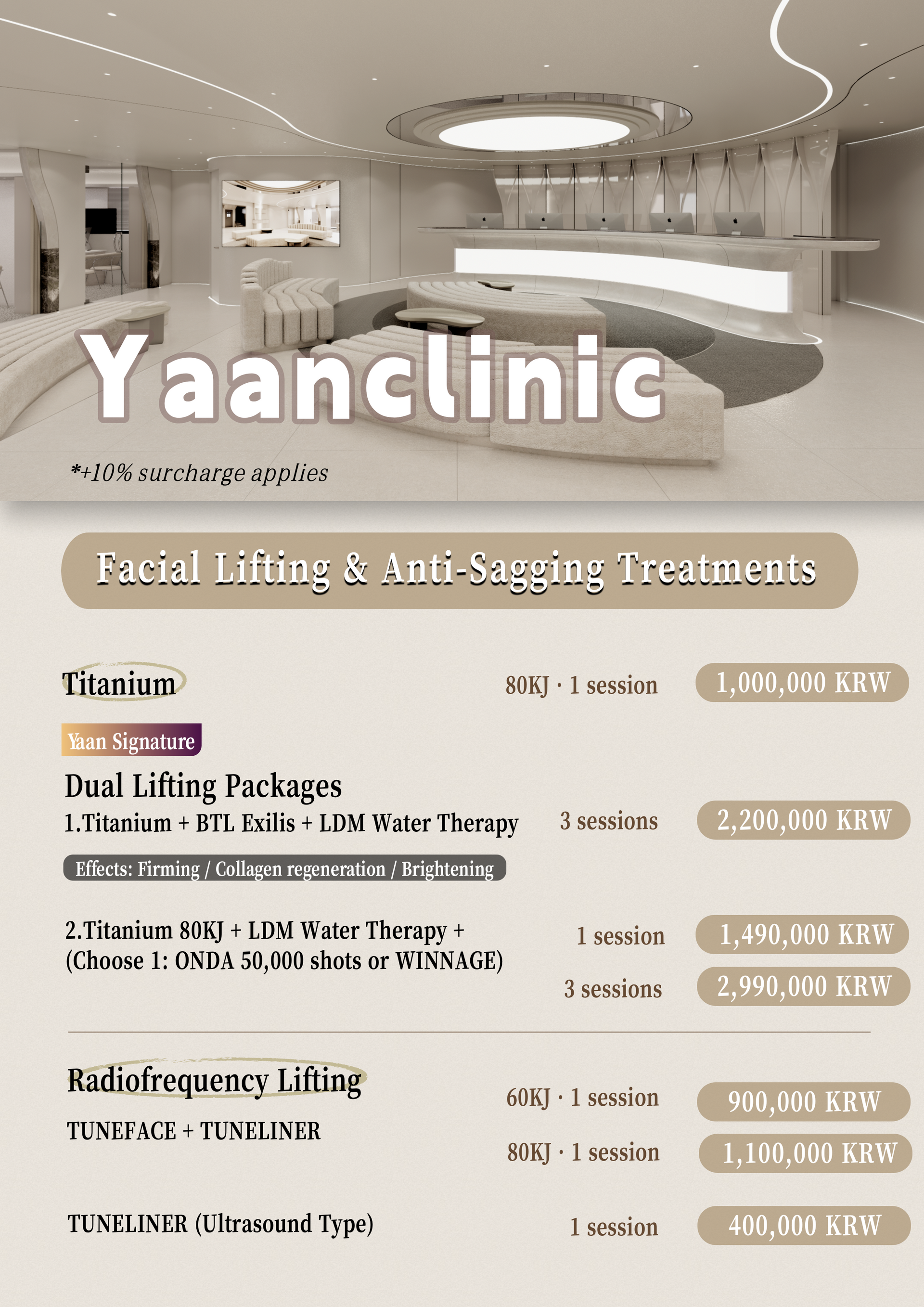
Thermage is a monopolar radiofrequency treatment designed to heat tissue and encourage collagen remodeling.
It may be considered when the skin is mildly lax and your goal is a subtle improvement in firmness. Some patients prefer this approach because it generally involves little downtime compared with surgery.
However, Thermage cannot reliably remove excess skin or reposition substantially descended tissues. It is important not to confuse a firmer skin surface with a major structural lift.
A dermatologist should assess whether radiofrequency is suitable for your skin and explain the expected benefits, discomfort, and potential risks.
3. Other Radiofrequency Treatments
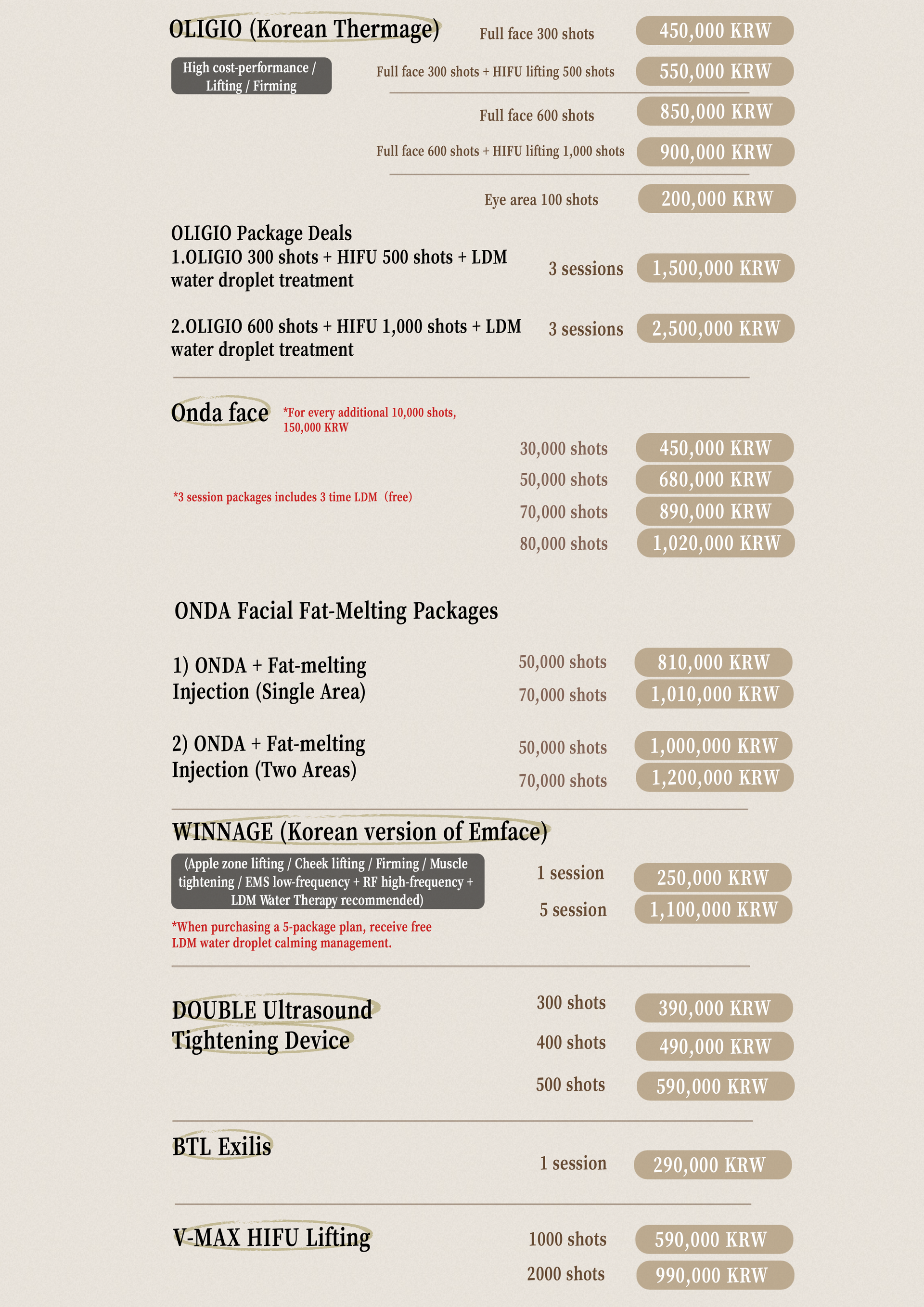
Radiofrequency technology is used in several aesthetic procedures. Some treatments are non-invasive, while others deliver energy through needles or other invasive methods.
These approaches are not interchangeable. Their treatment depths, recovery periods, benefits, and risks can differ.
Non-invasive radiofrequency may be considered for selected cases of mild laxity. Radiofrequency microneedling may be proposed when texture and other skin-quality concerns are also present, but it carries additional risks. In an October 2025 safety communication, the U.S. Food and Drug Administration highlighted reports of serious complications from certain uses of RF microneedling, including burns, scarring, unwanted fat loss, and nerve damage.
Ask the clinic to identify the exact device and explain why it is appropriate for your concern. More energy or a more invasive procedure does not automatically mean a better result.
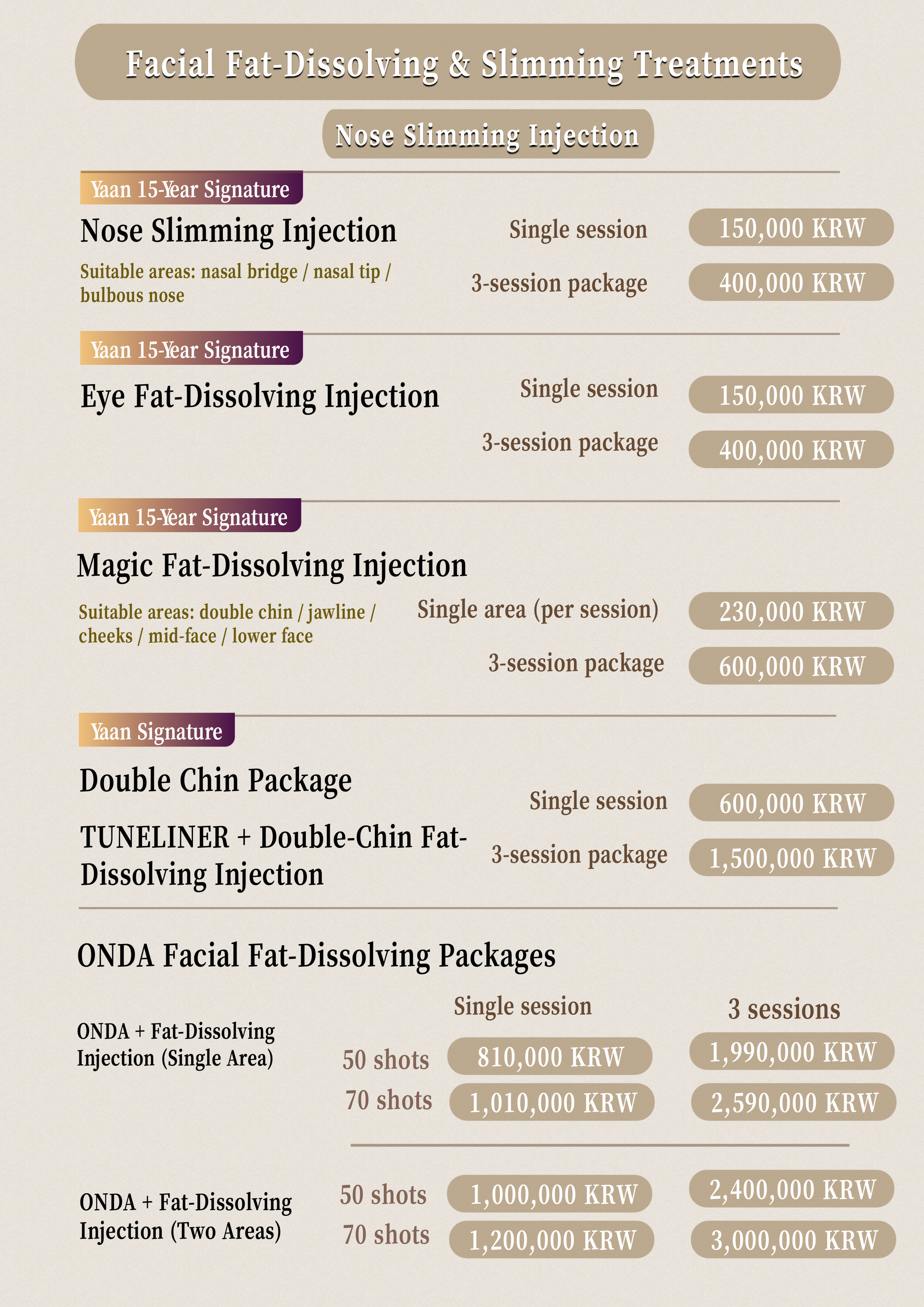
4. Treatments for Excess Fat Beneath the Chin
If fullness beneath the chin is a major reason your jawline looks less defined, a clinician may evaluate whether fat-reduction treatment is appropriate.
Options depend on the amount and location of fat, skin elasticity, and the anatomy of your neck. Reducing fat does not automatically tighten loose skin, so fat reduction alone may be disappointing when skin laxity is the main issue.
In some cases, a clinician may recommend a different approach or advise against fat reduction if it could worsen the appearance of loose skin.
The important question is whether your concern is caused by excess fat, loose skin, muscle bands, or several factors together.
5. Skincare for Skin Quality
A consistent skincare routine can support skin health, although topical products cannot reproduce the lifting effect of surgery.
Consider discussing these options with a dermatologist:
- Daily broad-spectrum sunscreen to help reduce further sun damage.
- A suitable moisturizer to improve hydration and temporarily make fine lines less noticeable.
- A topical retinoid, when appropriate, to improve selected signs of photoaging over time.
- Gentle cleansing and avoidance of products that cause persistent irritation.
If your neck skin is thin or sensitive, introduce active ingredients carefully. Irritation can make the skin look red, dry, or more visibly crepey.
Skincare is useful as part of an overall plan, but it should not be marketed as a way to remove significant jowls or lift loose neck skin.
When Is a Facelift or Neck Lift Worth Considering?
If you have pronounced jowls, substantial loose skin, or a poorly defined neck despite relatively healthy skin, a surgical consultation may be worthwhile.
A facelift is designed to improve selected signs of aging in the face, particularly around the lower cheeks and jawline. A neck lift may address loose neck skin and other structural changes, depending on the surgical plan.
Surgery may be more appropriate when your goal is a substantial change rather than a subtle improvement in firmness.
However, surgery involves incisions, recovery, and risks such as bleeding, infection, scarring, anesthesia-related complications, and possible nerve injury. The appropriate procedure depends on your health, anatomy, and expectations.
You do not need to choose surgery simply because you are 50. A consultation can help you compare the likely results and limitations of surgical and non-surgical approaches before making a decision.
Can You Combine Treatments for Better Results?
Sometimes. A combination approach may be appropriate when different concerns require different solutions.
For example, a clinician might recommend a tightening procedure for mild laxity and a separate treatment for pigmentation or texture. If excess fat or significant tissue descent is present, the plan may need to address those issues separately.
Combining treatments does not guarantee a better result. Multiple procedures can increase cost, downtime, and the possibility of complications.
Ask the clinician to explain the purpose of each recommended treatment, whether the procedures should be performed in stages, and how the outcome will be evaluated.
What Should You Check Before Booking Treatment in Seoul?
South Korea has a wide range of aesthetic services, but choosing a treatment should involve more than comparing promotional prices or advertised technologies.
Before booking, ask:
- Who will perform the procedure? Confirm the clinician's qualifications and relevant experience.
- What is the main cause of my loose jawline or neck? Ask whether the concern is skin laxity, tissue descent, fat, muscle bands, or a combination.
- Which exact device or product will be used? Request its full name and intended purpose.
- What result is realistic? Ask what improvement is likely given your degree of sagging.
- What are the risks and recovery requirements? Discuss potential side effects and what follow-up is available.
- Will I need further treatment? Understand the likely total cost rather than focusing only on the initial session.
If you are traveling to Seoul, plan for follow-up care and enough recovery time for your procedure. More intensive treatments may require additional monitoring, and you should know how to contact your clinician if a complication occurs after you return home.
Conclusion: Choose Treatment Based on the Degree of Sagging
For a 50-year-old with loose jawline and neck skin, non-surgical tightening may be worth considering when laxity is mild and expectations are realistic. Ultherapy and Thermage are possible options for selected patients, but neither can reliably remove substantial excess skin.
When heavy jowls, significant skin redundancy, or structural neck changes dominate, a facelift or neck lift consultation may provide a clearer understanding of what can be achieved.
The best treatment is the one that matches the cause of your concern, your preferred degree of improvement, and your tolerance for downtime and risk—not simply the treatment with the strongest marketing claims.
Frequently Asked Questions
1. Is Ultherapy or Thermage better for loose jawline skin at 50?
Neither is universally better. Both may provide modest improvement for selected cases of mild laxity. The best choice depends on your anatomy, the device, the clinician's assessment, and your goals.
2. Can non-surgical treatments remove a double chin?
Some treatments target excess fat beneath the chin, but fat reduction is different from skin tightening. If loose skin is the main problem, reducing fat alone may not produce the desired contour.
3. How long does non-surgical skin tightening take to work?
Results usually develop gradually over weeks to months as tissue responses occur. The timing and degree of improvement vary by procedure and individual factors. Ask your clinician when your result should be assessed.
4. Is a neck lift necessary at age 50?
No. Age alone does not determine whether surgery is appropriate. Some people have mild laxity that can be managed conservatively, while others may benefit from discussing surgical options.
5. Can skincare tighten loose neck skin?
Moisturizers can improve hydration, and certain topical ingredients may improve selected signs of photoaging over time. However, skincare cannot remove significant excess skin or reproduce the lifting effect of surgery.
6. Should I combine Ultherapy and Thermage?
Combining treatments may be considered in selected cases, but it is not automatically more effective. Ask a qualified clinician whether the combination has a clear rationale for your specific concern and what additional risks or costs it introduces.