I'm 58 but Don't Want Surgery. What Are the Strongest Alternatives?
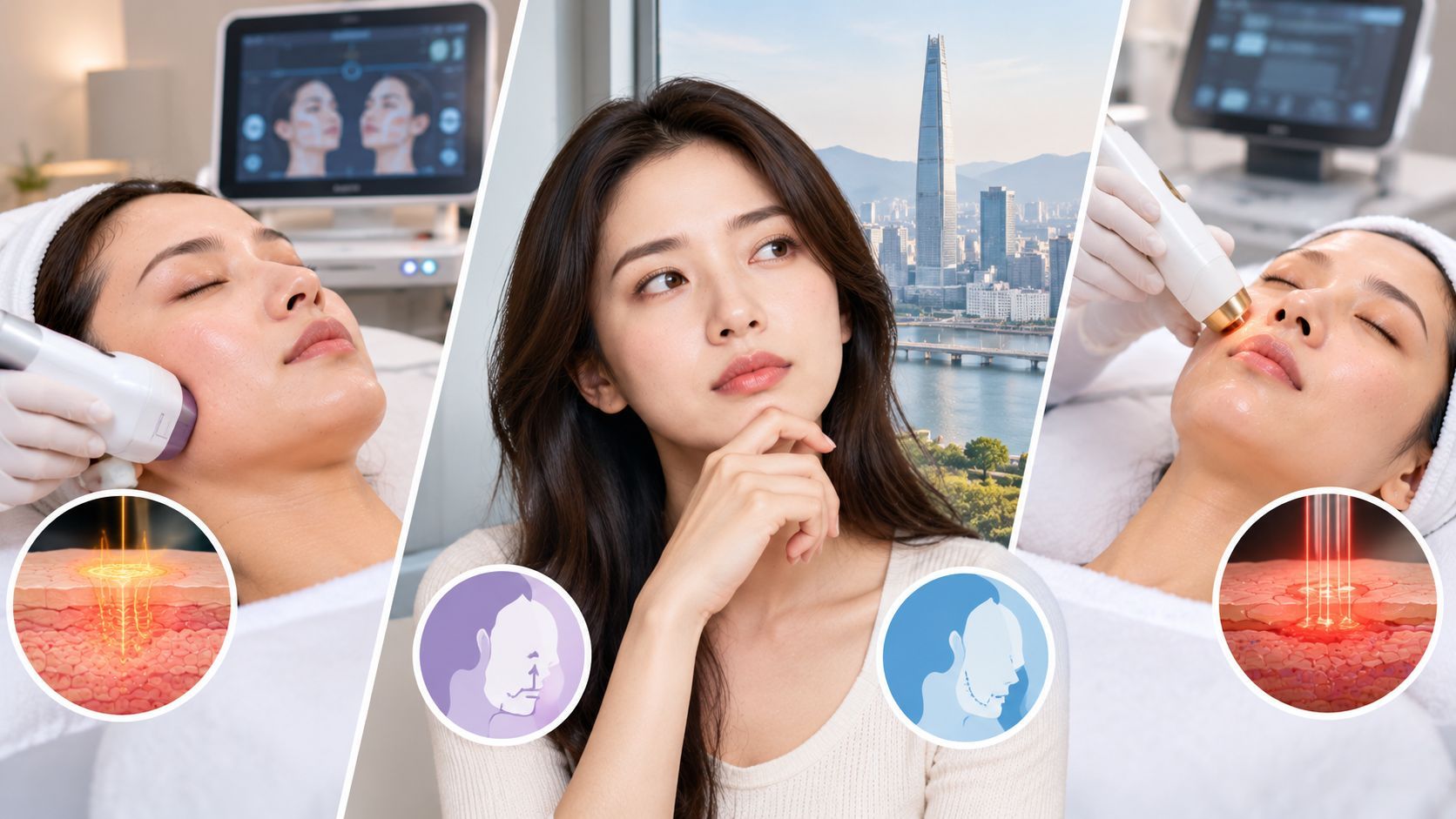
If you are 58 and want a noticeable improvement in facial sagging but do not want surgery, several Korean aesthetic treatments may be worth discussing with a qualified dermatologist. Options include Ultherapy, Thermage, selected radiofrequency procedures, laser resurfacing, and carefully planned injectable treatments.
However, the strongest treatment is not necessarily the best treatment for you. The right choice depends on whether you are concerned about jowls, loose neck skin, wrinkles, volume loss, or changes in skin texture.
The realistic answer: Non-surgical treatments can improve selected signs of aging, particularly mild to moderate laxity and skin-quality concerns. They generally cannot reproduce the degree of lifting or excess-skin removal achievable with a surgical facelift. The American Academy of Dermatology notes that surgical procedures usually produce the most dramatic lifting results, while non-surgical options involve different trade-offs in improvement, cost, and downtime. <Cite refs={["turn821329search1","turn821329search9"]}/>
What Are the Strongest Non-Surgical Options at Age 58?
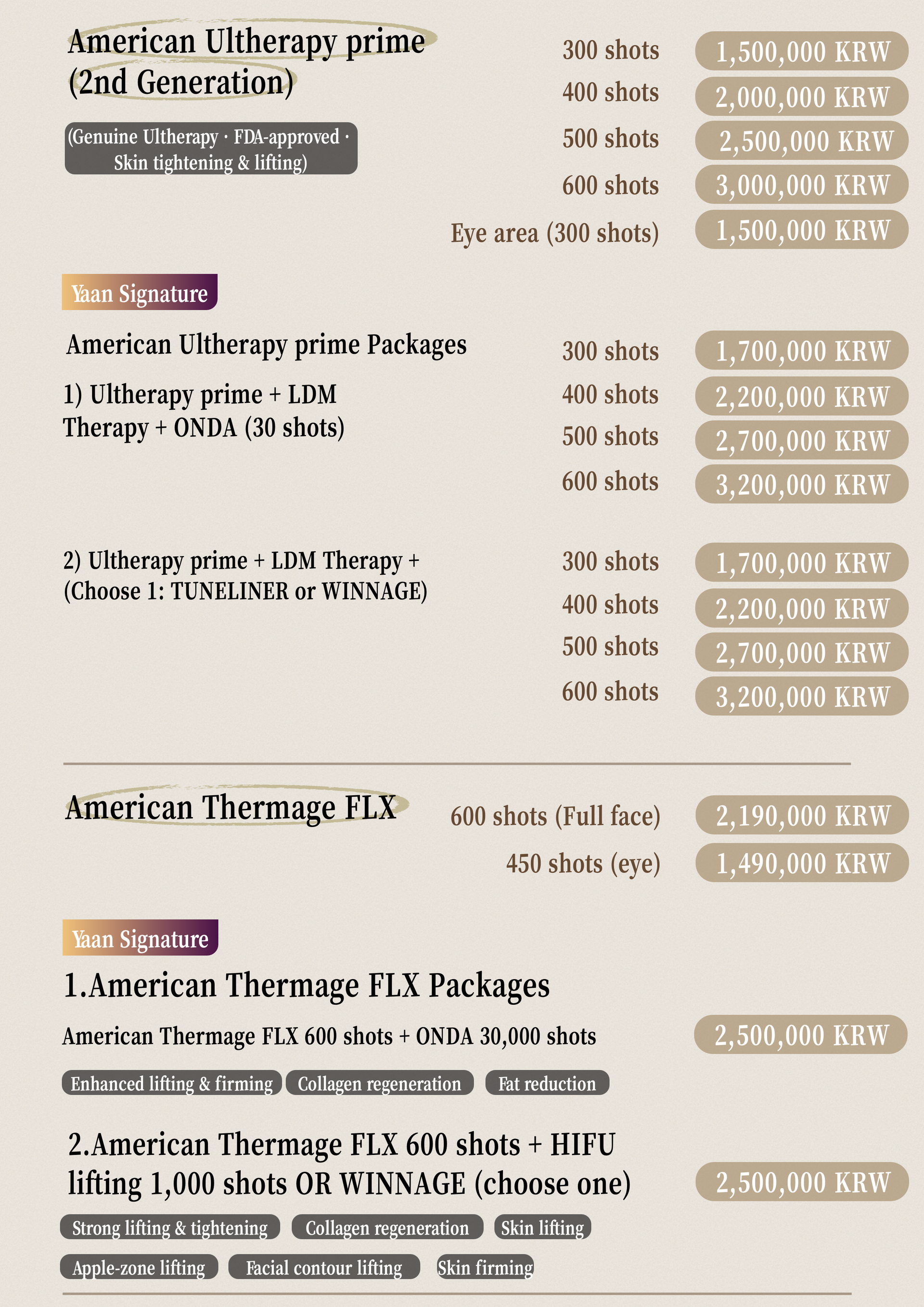
1. Ultherapy for Selected Areas of Skin Laxity
Ultherapy uses microfocused ultrasound to deliver energy to targeted tissue depths. The treatment aims to stimulate collagen-related changes that may gradually improve firmness.
It may be considered if you have mild to moderate looseness around the jawline, beneath the chin, or in selected areas of the face and neck. Results develop over time, and the amount of improvement varies.
Ultherapy is not a reliable substitute for surgery when you have heavy jowls, extensive loose skin, or substantial tissue descent. If your goal is a dramatic change in your jawline, it is important to understand these limitations before paying for treatment.
Ask your clinician which device will be used, how the treatment will be tailored to your anatomy, and what degree of improvement is realistic.
2. Thermage for Gradual Firmness
Thermage uses monopolar radiofrequency energy to heat targeted tissue and encourage collagen remodeling.
For some people in their late 50s, it may offer a modest improvement in firmness when laxity is not too advanced. It is generally chosen by people who prefer a non-surgical procedure and want to avoid the recovery associated with surgery.
However, Thermage does not remove substantial excess skin or surgically reposition descended facial tissues. If you have pronounced jowls or a hanging neck contour, the result may be much subtler than you hope.
The clinician should explain the expected benefit, possible discomfort, risks, and whether your skin condition makes the treatment appropriate.
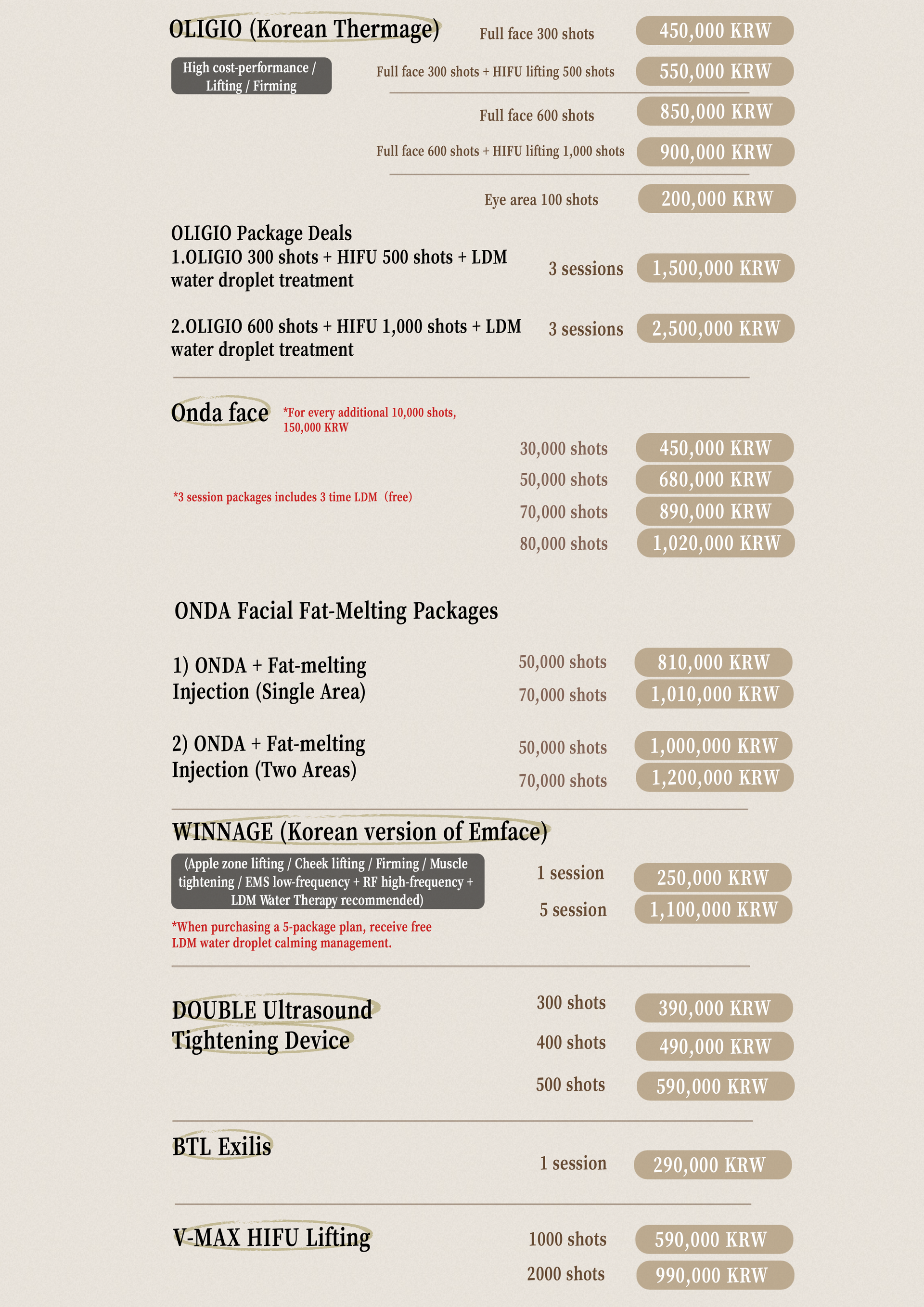
3. Other Radiofrequency Treatments
Radiofrequency treatments vary considerably. Some are delivered externally without needles, while others use microneedles to deliver energy into the skin.
These procedures should not be treated as interchangeable. Their depth, intended effects, recovery requirements, and risk profiles can differ.
Selected radiofrequency treatments may help with mild laxity or other skin concerns. But more invasive treatment does not automatically mean stronger or safer results.
In October 2025, the U.S. Food and Drug Administration warned that serious complications had been reported with certain uses of radiofrequency microneedling, including burns, scarring, unwanted fat loss, disfigurement, and nerve damage. <Cite refs={["turn821329search0"]}/>
If you are considering RF microneedling, seek an appropriately trained licensed medical professional and ask which device is being used, why it is suitable for you, and how complications would be managed.
4. Laser Resurfacing for Wrinkles and Sun Damage
If your face looks older because of fine wrinkles, uneven pigmentation, rough texture, or sun damage, laser resurfacing may be worth discussing.
Depending on the laser, treatment can improve selected surface-level concerns and may also produce some skin tightening. More intensive resurfacing generally involves more recovery and can carry a greater risk of complications, including scarring or pigment changes.
Laser resurfacing is not designed to reposition descended cheeks or remove heavy jowls. It is most useful when skin texture and photodamage are important parts of the problem.
For darker skin tones, careful selection of the laser and settings is especially important because some procedures can trigger post-inflammatory hyperpigmentation. A dermatologist should assess your skin and explain the options.
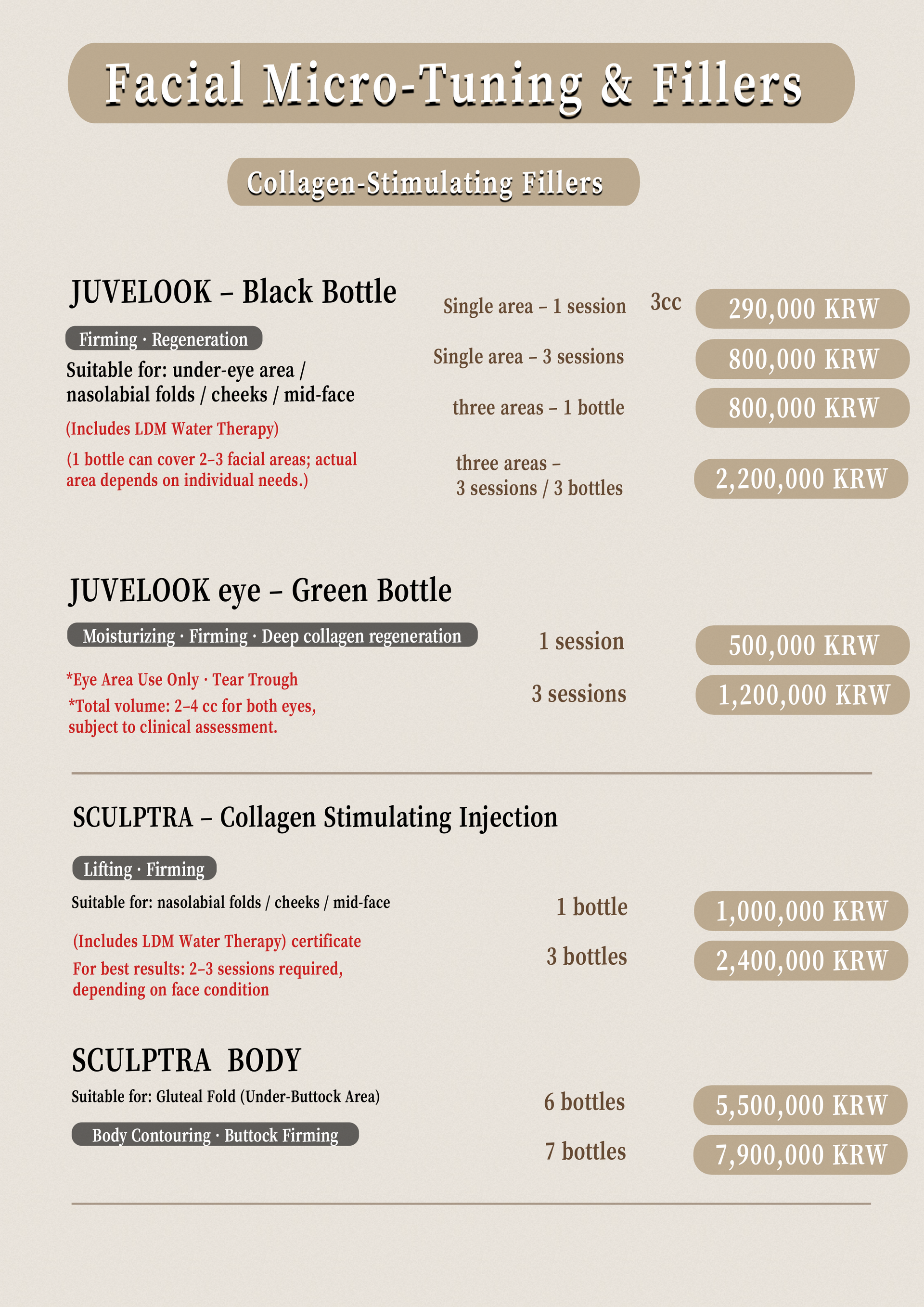
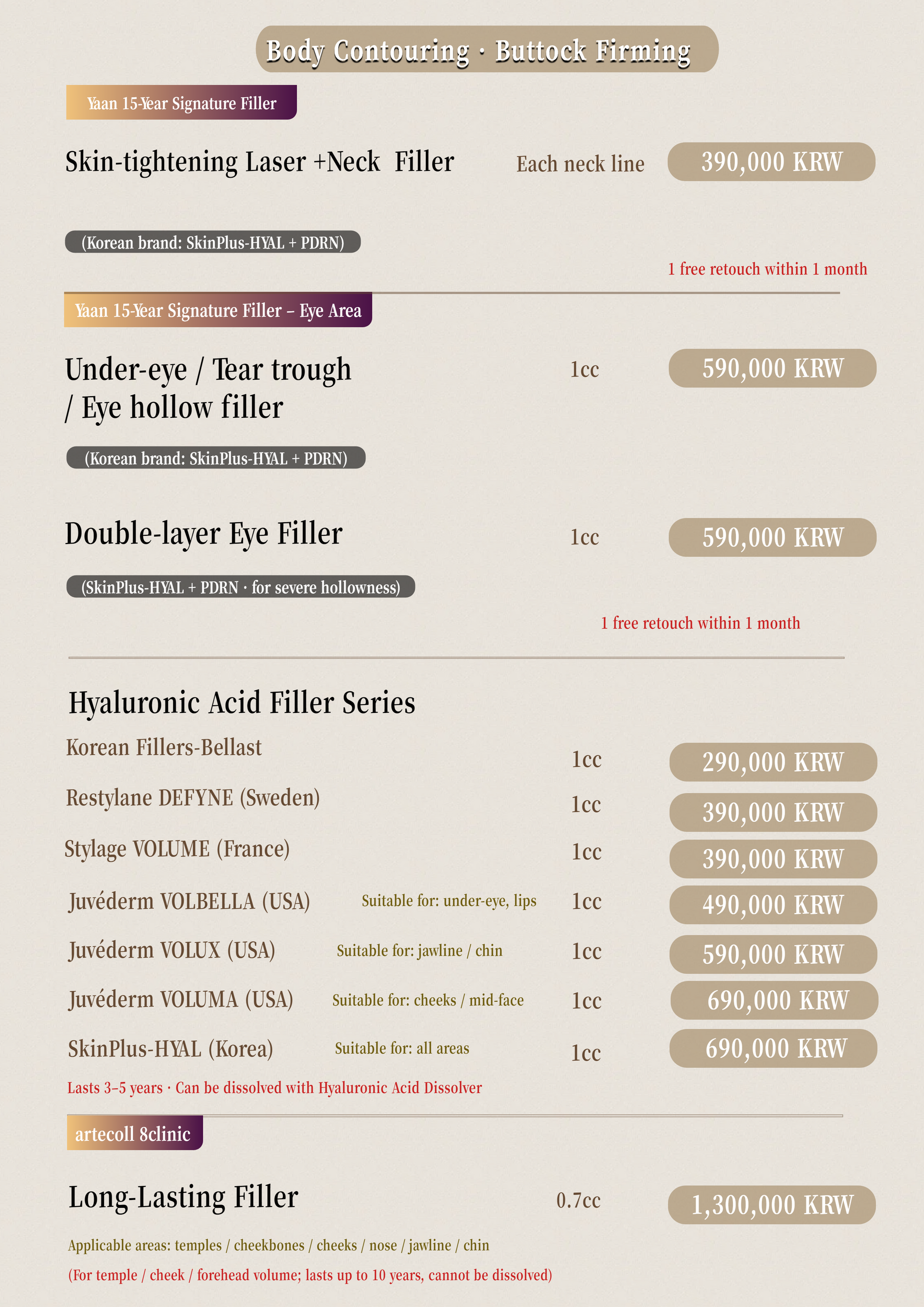
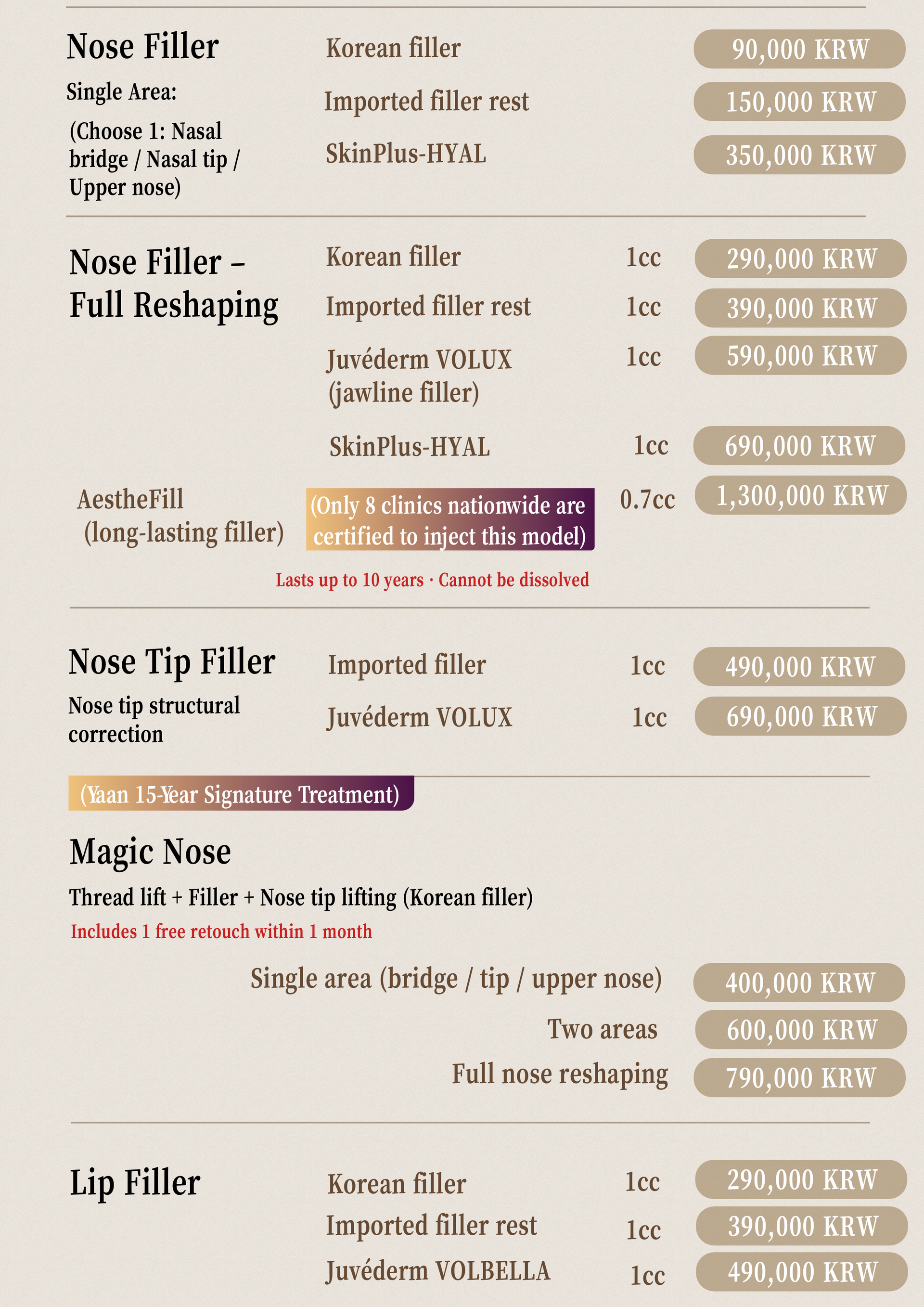
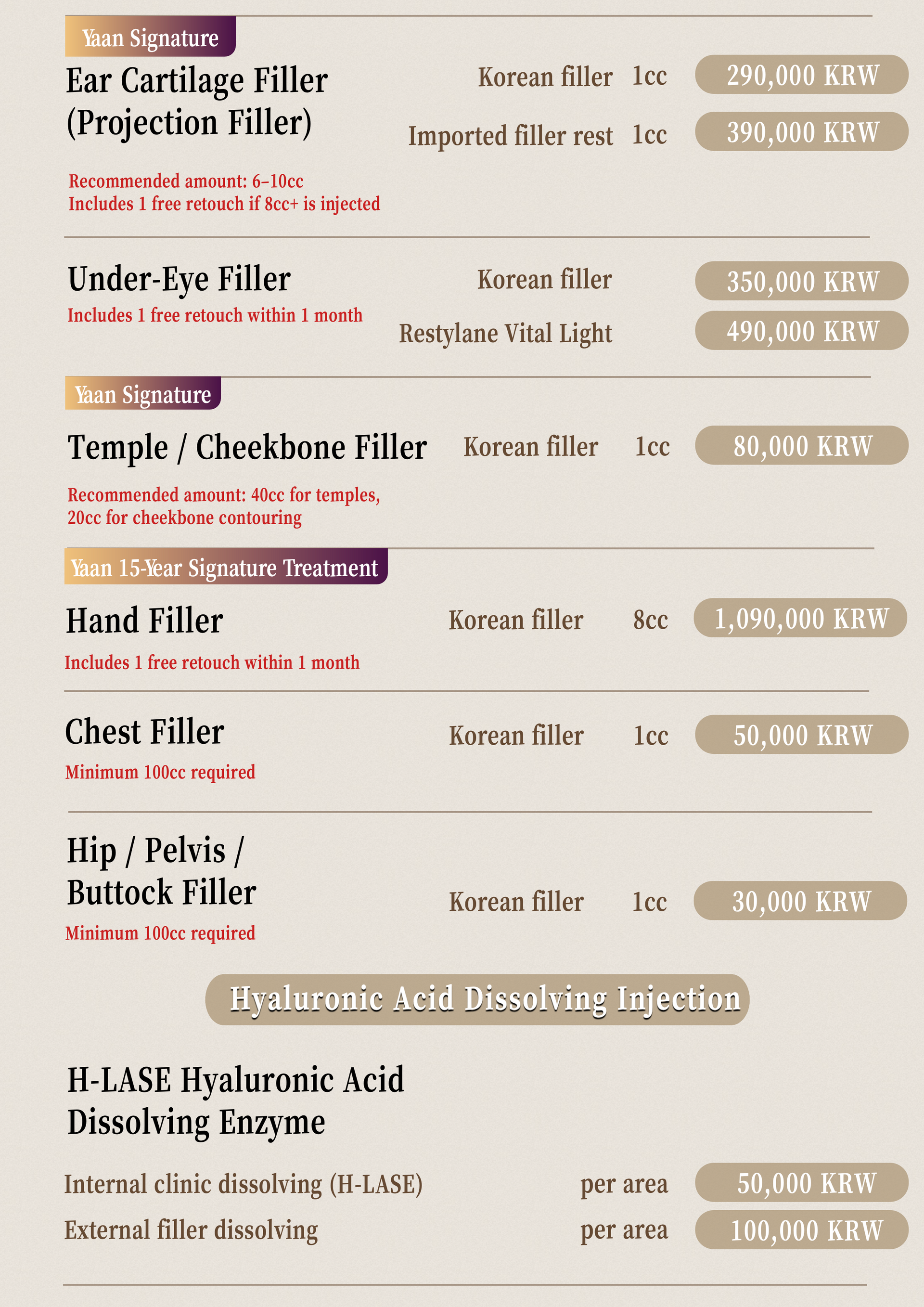
5. Fillers for Selected Areas of Volume Loss
At 58, some people have lost volume around the cheeks, temples, or other facial areas. This can create hollows and shadows that make the face look tired.
A qualified clinician may recommend carefully placed filler if genuine volume loss is contributing to your concern. However, fillers do not remove excess skin or provide the same tissue repositioning as surgery.
Adding too much volume may make the face appear heavy, particularly if the lower cheeks already have significant tissue descent. Dermal fillers also carry risks, including bruising, swelling, infection, and rare but serious vascular complications.
The goal should be to restore appropriate volume where needed, not to use filler as a substitute for every type of lifting procedure.
6. Skin Boosters and Medical Skincare
Skin boosters and other injectable skin-quality treatments may improve selected aspects of hydration, texture, or fine lines, depending on the product and technique. They should not be expected to correct pronounced facial sagging.
Medical skincare can also support skin health. Daily broad-spectrum sunscreen helps limit additional sun damage, while moisturizers improve hydration. A dermatologist may recommend a topical retinoid for selected signs of photoaging if it is appropriate for your skin.
These options may complement a broader plan, but they are unlikely to produce a major lifting effect on their own.
Which Treatment Should You Choose for Your Main Concern?
Rather than choosing a treatment simply because it is popular in Korea, start by identifying the change you want to improve.
If your main concern is early jowls
Ultherapy or a suitable radiofrequency treatment may be worth discussing if your laxity is mild to moderate. If the jowls are pronounced, expect non-surgical improvement to be limited.
If your neck skin is loose
The clinician should distinguish loose skin from excess fat beneath the chin and visible neck muscle bands. These concerns can require different approaches, and skin tightening alone may not address all of them.
If your face looks hollow or tired
A carefully planned volume-restoration treatment may help if genuine volume loss is the main cause. Fillers should be used cautiously when tissue descent or heaviness is already present.
If your skin is thin, crepey, or wrinkled
Skincare, selected laser treatments, and some other skin-quality procedures may improve texture or fine lines. They will not necessarily lift the jawline or neck.
If you want a dramatic lift without surgery
This is the most difficult goal to meet. Non-surgical procedures may offer improvements, but there is no established non-surgical treatment that reliably duplicates a facelift's ability to reposition tissue and remove substantial excess skin.
You can still choose non-surgical treatment, even if the result is modest. The important point is to choose it with realistic expectations.
Can Combining Treatments Produce a Stronger Result?
Sometimes, but combining several procedures is not automatically better than choosing one suitable treatment.
A clinician may recommend separate approaches for skin laxity, pigmentation, wrinkles, and volume loss. For example, a tightening procedure may address mild laxity while a separate treatment targets sun damage.
The timing matters. Some procedures should be performed in stages to allow healing and reduce the chance of irritation or other complications.
Before agreeing to a combination plan, ask the clinic to explain:
- Which concern each treatment is intended to address.
- What improvement each procedure can realistically provide.
- Whether the combination has a clear medical rationale.
- What risks, downtime, and additional costs it introduces.
- How the clinic will assess the final result.
Be cautious if you are told that several expensive treatments are necessary without a clear explanation of why.
How to Get the Most From a Non-Surgical Treatment Plan in Seoul
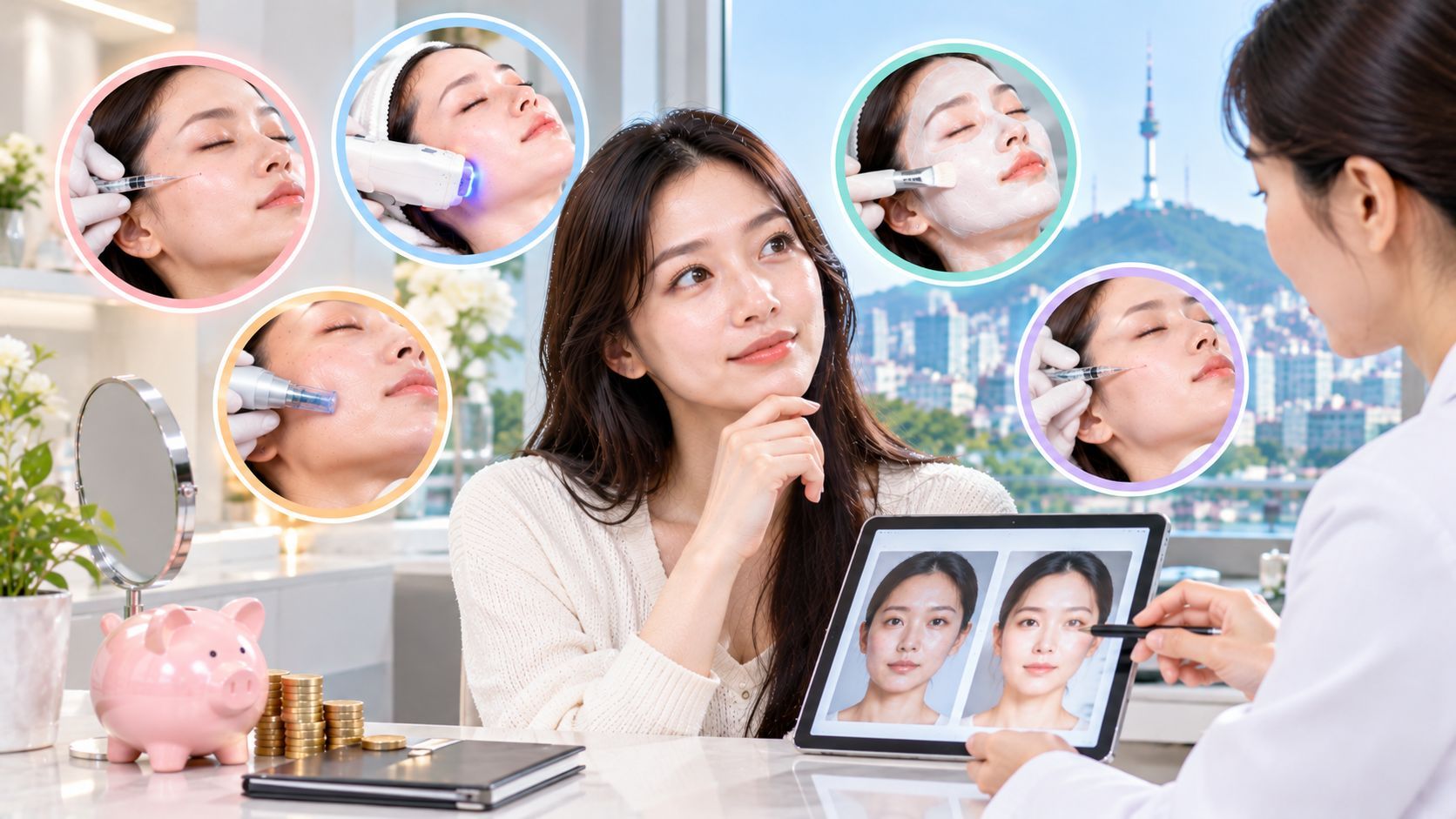
If you are traveling to South Korea for treatment, arrange a proper consultation before committing to a package.
Ask about the clinician's qualifications and experience, the exact device or injectable product, the evidence supporting its intended use, and the risks relevant to your skin and medical history.
Request realistic information about the likely degree of improvement, how long results may take to appear, whether repeat sessions are likely to be recommended, and what aftercare is needed.
Do not rely exclusively on promotional photographs. Lighting, facial expression, camera angle, and timing can affect before-and-after comparisons.
If you are traveling internationally, consider follow-up arrangements before booking flights. Some procedures can cause complications that need medical assessment after you return home.
Conclusion: What Is the Strongest Alternative to a Facelift?
At age 58, the strongest non-surgical option depends on your main concern. Ultherapy and selected radiofrequency procedures may help with mild to moderate laxity, laser resurfacing can address certain wrinkles and sun-damaged skin, and carefully selected injectables may help with volume loss.
None should be presented as a guaranteed substitute for surgery when significant tissue descent or excess skin is present.
If you do not want surgery, you do not have to pursue it. You can choose a conservative treatment plan—or decide not to have a procedure at all. The most useful consultation will explain what non-surgical treatments can achieve, what they cannot achieve, and which option best matches your priorities.
Frequently Asked Questions
1. What is the strongest non-surgical facelift treatment at 58?
There is no single strongest option for everyone. Ultrasound and radiofrequency treatments may improve selected cases of mild to moderate laxity, while laser treatments and injectables address different concerns. The right choice depends on your anatomy and goals.
2. Can Ultherapy or Thermage replace a facelift?
No. They may provide modest tightening in selected patients, but they cannot reliably reposition significantly descended facial tissues or remove substantial excess skin.
3. Are non-surgical treatments worth it if I have deep jowls?
They may still improve certain aspects of skin quality, but their lifting effect may be limited. Ask for an assessment of your jowls and jawline before investing in repeated treatments.
4. Is RF microneedling safe for mature skin?
Suitability depends on your skin, the device, the technique, and the clinician's experience. The FDA has warned about serious complications reported with certain uses, so treatment should be performed by an appropriately trained medical professional after a discussion of risks and alternatives.
5. How long do non-surgical tightening results last?
Results vary by treatment and individual factors. Some procedures may require maintenance, and natural aging continues after treatment. Ask your clinician about the expected duration and the likelihood of repeat sessions.
6. Can I improve my appearance without doing any procedures?
Yes. Daily sun protection, appropriate skincare, and healthy habits can support skin health, although they will not remove significant excess skin. Cosmetic procedures are optional, and the right decision is one that fits your preferences and expectations.