How Much Does a Korean Glass Skin Treatment Cost in Seoul?
How Much Does a Korean Glass Skin Treatment Cost in Seoul?
The Korean “glass skin” look is known for skin that appears smooth, hydrated, even-toned, and naturally radiant. However, glass skin is not a single medical procedure. Korean dermatology clinics typically create this appearance through a combination of treatments such as laser toning, Aqua Peel, skin boosters, Rejuran, Juvelook, hydration treatments, or other customized procedures. For international visitors, a Korean glass skin treatment can cost anywhere from around ₩80,000 for a basic glow treatment to ₩1,000,000 or more for a customized combination program. Understanding what is included in a glass skin treatment is important because prices can vary considerably depending on the products, devices, treatment areas, and number of sessions.
1. What Is a Korean Glass Skin Treatment?
“Glass skin” describes a skin appearance rather than one specific treatment. The goal is generally to create skin that looks clear, smooth, hydrated, and luminous.
A Korean glass skin program may combine several treatments depending on the patient's skin condition:
- Laser toning: Helps improve uneven pigmentation and overall skin tone.
- Pico laser: May target pigmentation and support a brighter, more even appearance.
- Aqua Peel: Cleanses and exfoliates the skin while supporting hydration.
- LDM or ultrasound-based care: Often used for hydration and soothing.
- Rejuran: An injectable skin treatment used to support skin quality, texture, and elasticity.
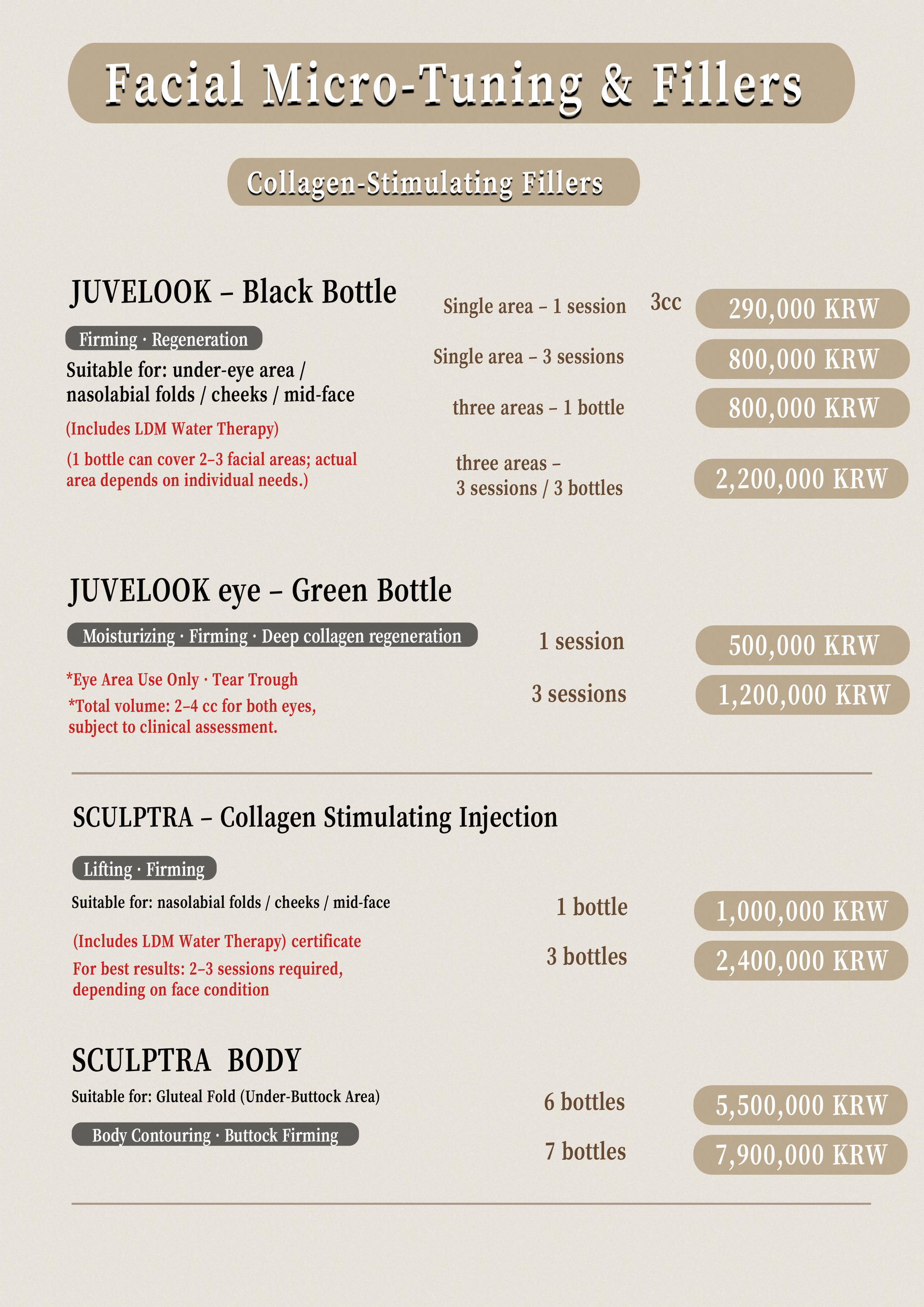
- Juvelook: A collagen-stimulating injectable used to improve skin quality and texture.
- HA-based skin boosters: Focus on hydration and a dewy appearance.
- Skin Botox: May be used to create a smoother-looking skin surface in selected cases.
Because glass skin is a cosmetic goal rather than a standardized medical treatment, there is no universal glass skin procedure or price. A dermatologist may recommend one treatment or combine several depending on whether the main concern is dryness, pigmentation, pores, texture, redness, or fine lines.
2. How Much Does Glass Skin Treatment Cost in Seoul?
The cost depends heavily on how simple or comprehensive the treatment plan is. Current 2026 Seoul pricing references show that individual glass-skin-related procedures can range from relatively affordable maintenance treatments to premium injectable programs.
Approximate prices include:
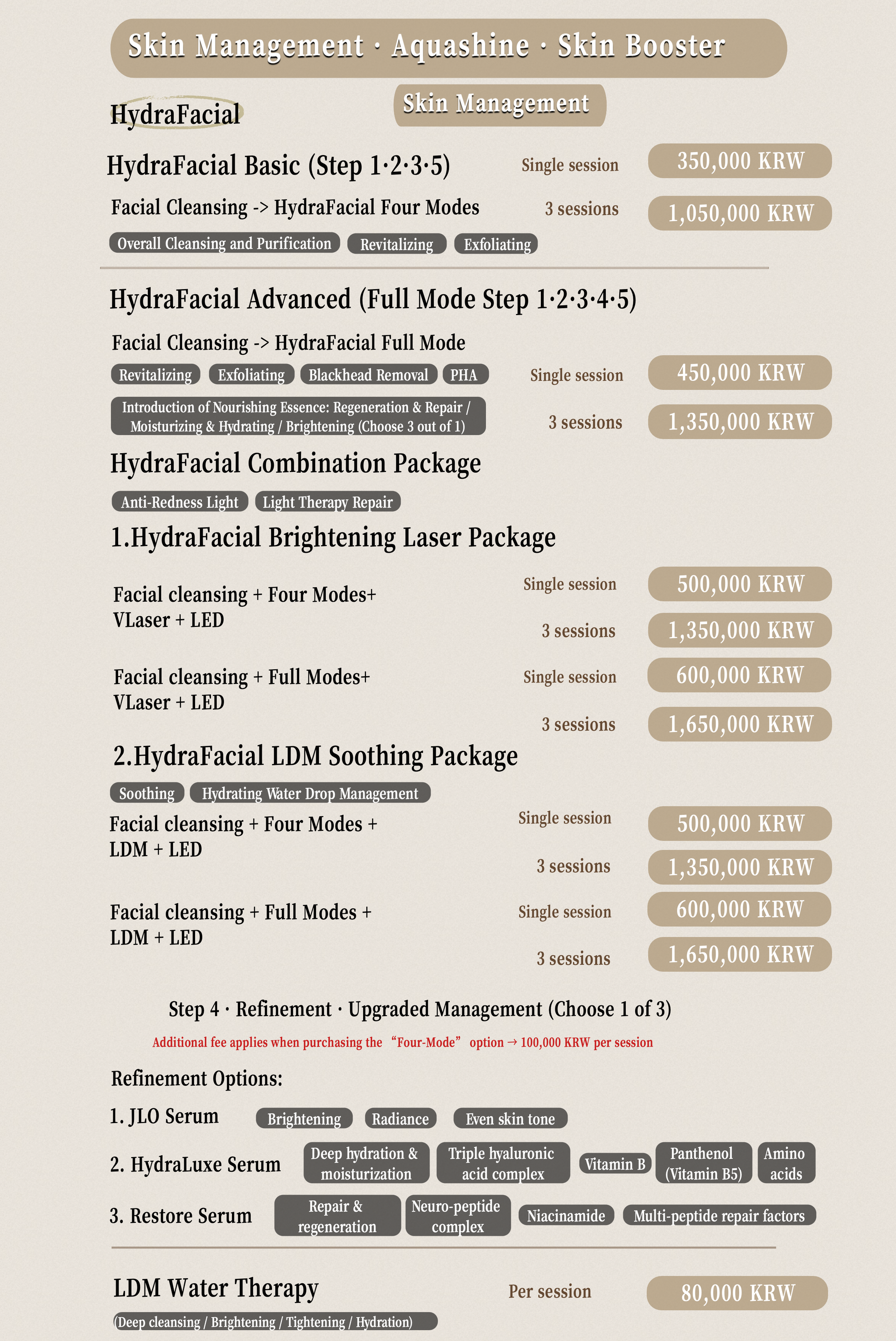
- Aqua Peel or basic hydration facial: around ₩50,000–₩250,000
- Laser toning: around ₩100,000–₩350,000 per session
- Pico laser: around ₩150,000–₩550,000+
- Aqua Glow or water-glow injection: around ₩180,000–₩350,000+
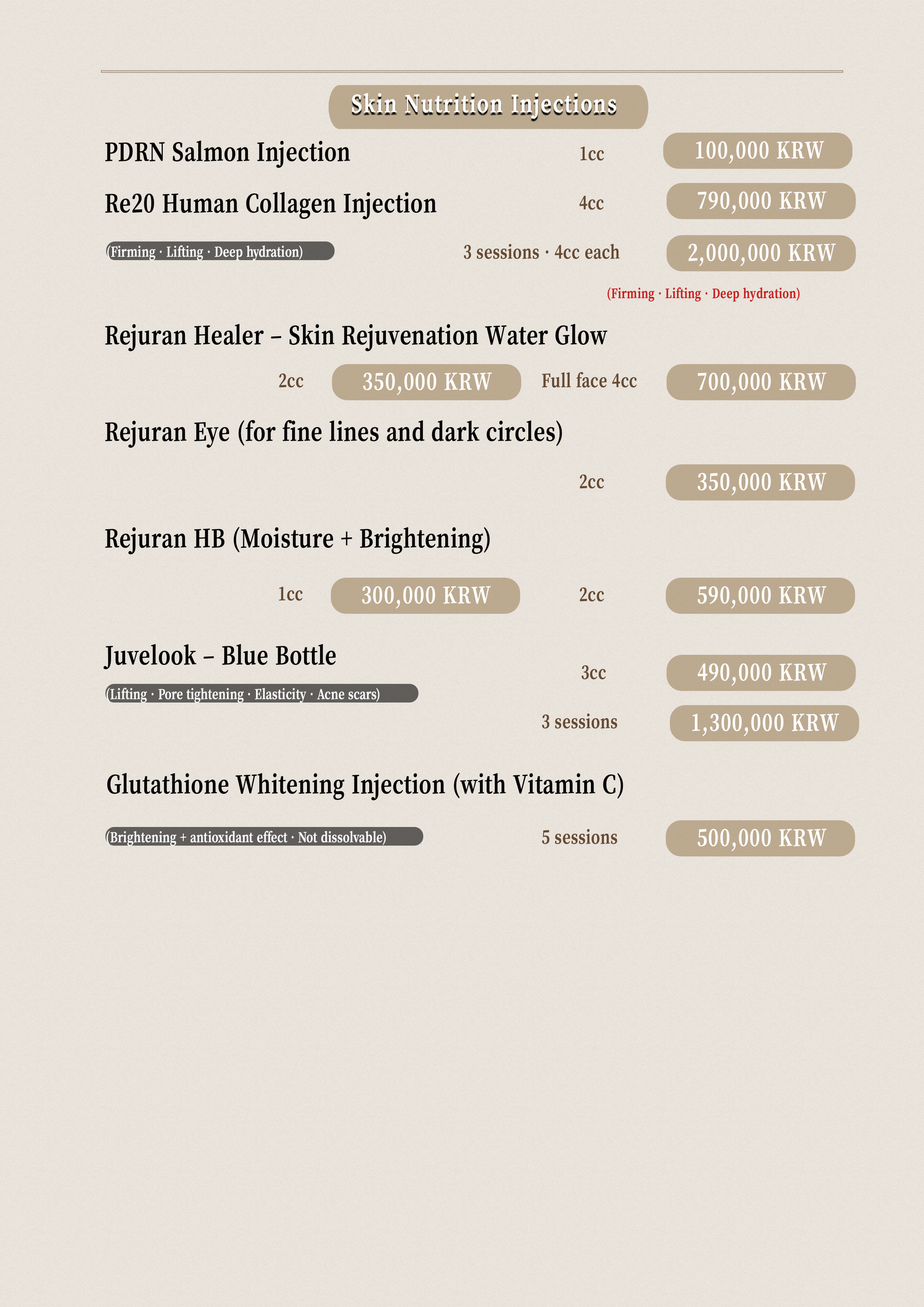
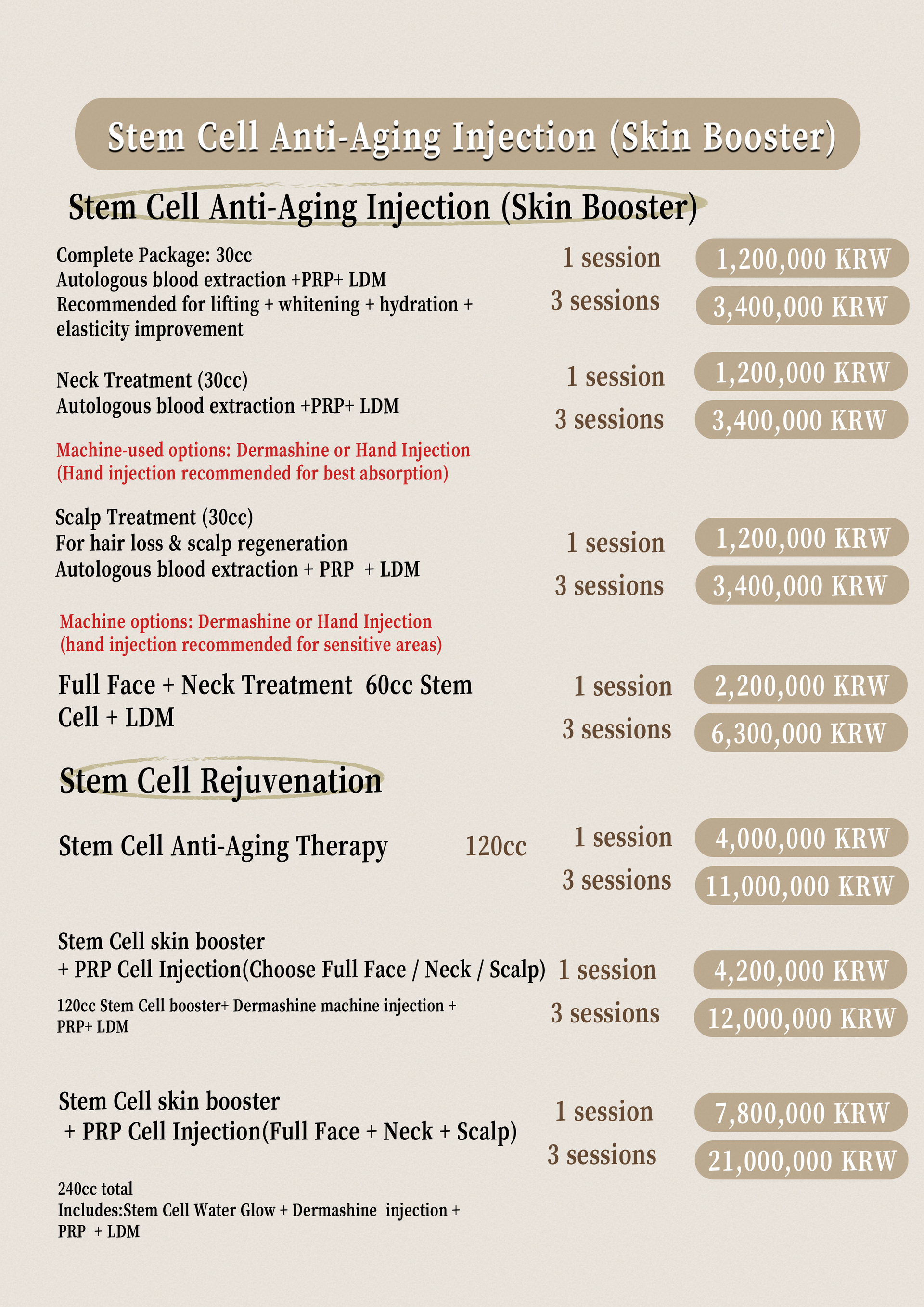
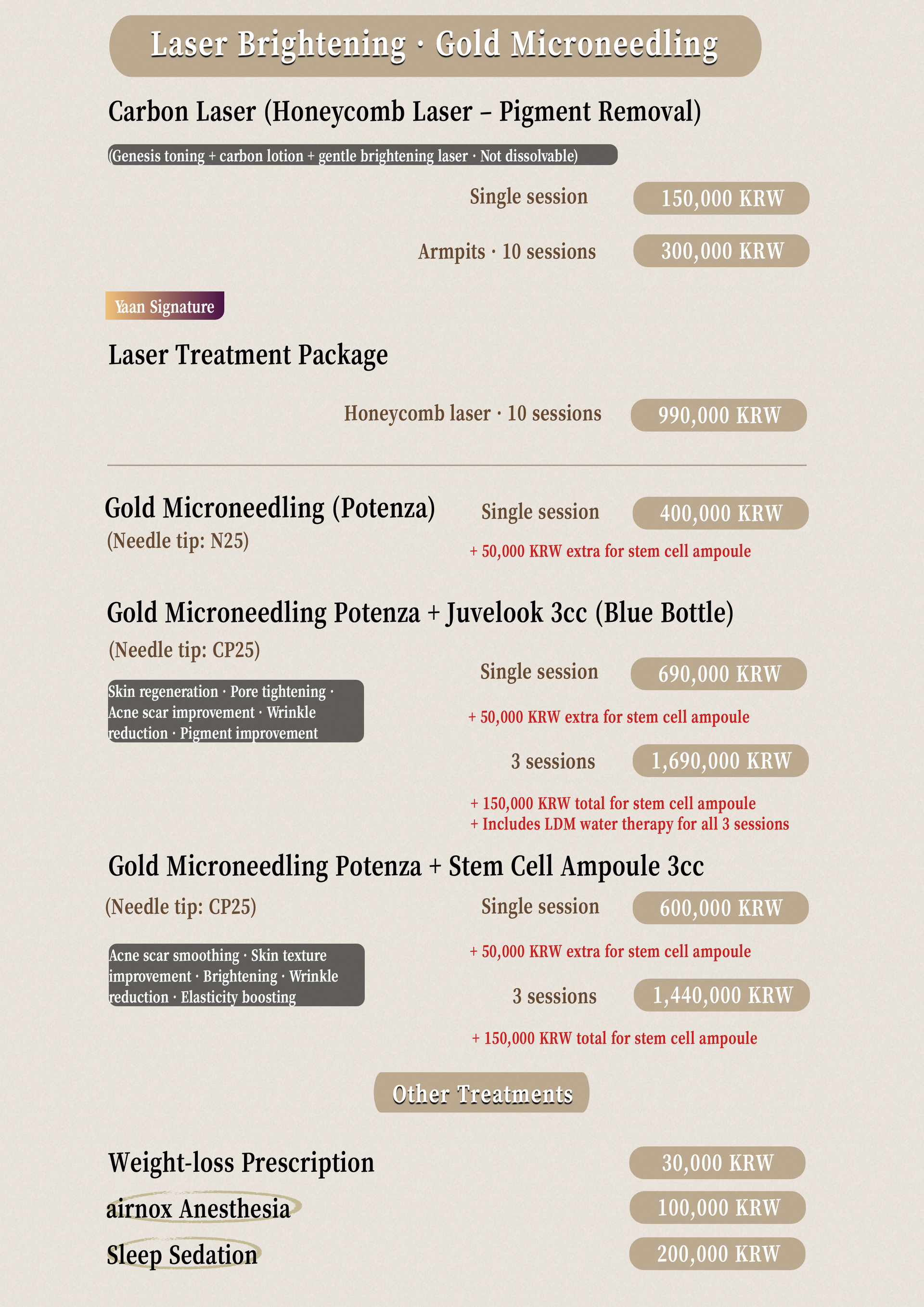
- Rejuran: around ₩200,000–₩500,000+ per session
- Juvelook: around ₩300,000–₩500,000+ per session
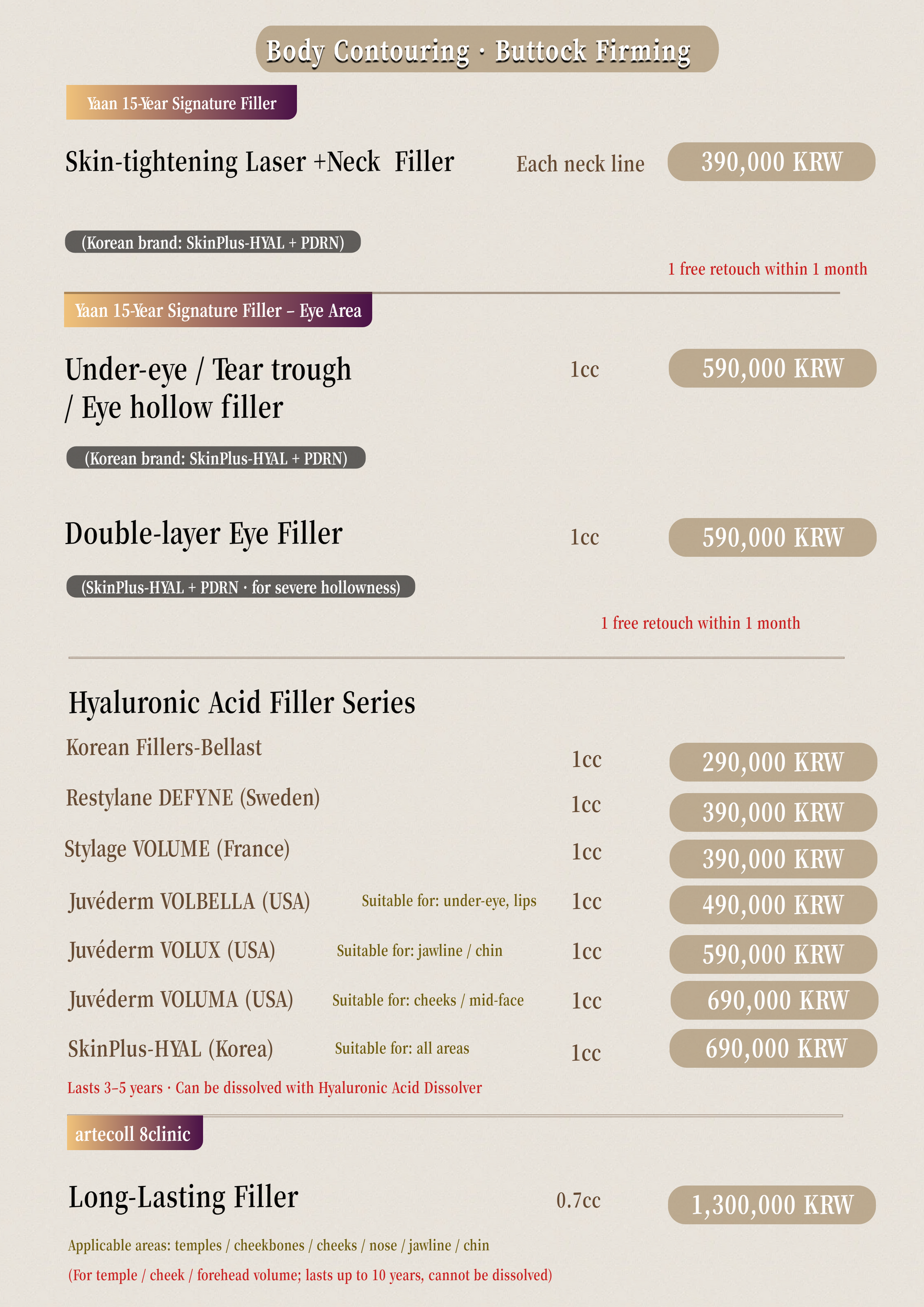
- Other skin boosters: around ₩250,000–₩800,000+
- RF microneedling: around ₩250,000–₩650,000+
- Customized glass skin combination treatment: approximately ₩300,000–₩800,000+ per visit
- Multi-month or multi-treatment programs: can reach ₩1,000,000–₩3,000,000+ depending on the number and type of procedures
For example, current Seoul clinic price lists show Rejuran treatments around ₩250,000 for 2cc at some clinics, while Juvelook Skin can be around ₩350,000 for 4cc.
These figures are general reference prices, not guaranteed clinic prices. Product brand, dosage, treatment area, physician, clinic location, and promotional packages can all affect the final cost.
3. What Treatments Are Used to Create Glass Skin?
A glass skin program is usually customized around the patient's main concerns.
For dull or uneven skin tone:
- Laser toning may be recommended.
- Pico laser can be considered for certain pigmentation concerns.
- Gentle exfoliation may help improve the appearance of surface texture.
- Multiple sessions may be recommended rather than one aggressive procedure.
For dehydrated or dry-looking skin:
- Aqua Peel or hydration-focused treatments may be used.
- HA-based skin boosters may provide deeper hydration.
- LDM or other soothing treatments may be included.
For pores and uneven texture:
- Laser treatments may be combined with skin boosters.
- RF microneedling may be considered for selected patients.
- Rejuran or collagen-stimulating injectables may be recommended depending on the skin condition.
For fine lines and loss of elasticity:
- Rejuran may be considered to support overall skin quality.
- Juvelook may be used for collagen stimulation.
- Other skin boosters or energy-based treatments may be combined depending on the patient's needs.
The important point is that glass skin does not require every treatment. A dermatologist should determine which procedures are appropriate rather than combining treatments simply because they are popular.
4. What Is the Treatment Process?
The process depends on the selected glass skin program, but an appointment at a Korean dermatology clinic commonly follows several steps.
1. Consultation
- The doctor or medical staff assesses the skin.
- Main concerns such as pigmentation, pores, dryness, redness, and texture are discussed.
- The patient's desired outcome and travel schedule can be considered.
- A treatment combination may then be recommended.
2. Skin preparation
- The skin is cleansed.
- Makeup and skincare products are removed.
- Photos or skin analysis may be performed at some clinics.
3. Main treatment
Depending on the plan, this may include:
- Laser toning
- Pico laser
- Aqua Peel
- Hydration treatment
- Rejuran
- Juvelook
- Other skin boosters
- RF microneedling
4. Aftercare
- Cooling or soothing products may be applied.
- Moisturizing products and sunscreen may be recommended.
- The clinic should explain what products and activities to avoid during recovery.
A basic glass skin treatment may take less than an hour, while a combination program involving injections and multiple devices may take considerably longer.
5. What Effects Can You Expect?
The goal of a glass skin treatment is generally to improve the overall appearance and quality of the skin rather than dramatically change facial features.
Depending on the treatment combination, potential improvements may include:
- More hydrated-looking skin
- Brighter and more even skin tone
- Smoother texture
- Reduced appearance of dullness
- Less noticeable pores
- Improved appearance of fine lines
- Better-looking skin elasticity
- A more luminous or dewy appearance
However, results vary significantly between individuals.
Patients should also understand that:
- One session may provide a temporary glow but may not create lasting changes.
- Pigmentation often requires multiple treatments.
- Skin boosters generally work gradually rather than instantly.
- Collagen-stimulating treatments may take weeks or months to show their full effect.
- Maintenance treatments may be recommended.
A realistic treatment plan is more important than expecting an immediate “glass skin” effect after one appointment.
6. What Are the Precautions and Possible Downtime?
Glass skin treatments can involve anything from gentle facials to injectable or laser procedures, so recovery depends on the exact treatment.
After gentle treatments:
- Mild redness or sensitivity may occur.
- Most patients can return to normal activities quickly.
- Sun protection is still important.
After laser treatments:
- Temporary redness or warmth may occur.
- Stronger laser procedures may cause peeling or sensitivity.
- Avoid excessive sun exposure.
- Follow the clinic's instructions about exfoliation and active skincare ingredients.
After skin boosters such as Rejuran or Juvelook:
- Small injection bumps may appear temporarily.
- Redness, swelling, bruising, or tenderness can occur.
- Avoid unnecessarily touching or rubbing the treated area.
- Recovery can vary depending on the injection method and product.
International visitors should also consider their travel schedule:
- Avoid booking an injectable treatment immediately before an important event.
- Ask how long visible swelling or bruising may last.
- If you are flying shortly after treatment, ask the medical professional whether the timing is appropriate.
- Follow the clinic's specific post-treatment instructions.
7. Why Do Foreigners Choose Korea for Glass Skin Treatments?
Korea has become strongly associated with the glass skin aesthetic because of its extensive dermatology and aesthetic medicine market.
Reasons international patients choose Seoul include:
- Wide selection of skin-quality treatments
- Large number of dermatology and aesthetic clinics
- Access to Korean-developed aesthetic technologies
- Broad selection of skin boosters and cosmetic injectables
- Competitive pricing
- Clinics experienced in treating international visitors
- English and multilingual consultation available at many clinics
- Convenient locations throughout Seoul
Korean clinics also offer a wide variety of treatments that can be customized rather than relying on a single standardized facial.
For international visitors, this can make it possible to address several concerns during one trip. However, the treatment should still be selected based on the patient's individual skin condition rather than simply following the latest Korean beauty trend.
8. How Should Foreigners Compare Glass Skin Prices?
Comparing the advertised price alone can be misleading because “glass skin treatment” does not have a standardized definition.
Before booking, ask:
- What exact treatments are included?
- What product or device will be used?
- How many cc of injectable product are included?
- What treatment area is covered?
- How many laser shots or passes are included?
- Is numbing cream included?
- Is the doctor's consultation included?
- Is aftercare included?
- Are there any additional charges?
- Is VAT included in the quoted price?
For example, one clinic may advertise a ₩300,000 glass skin package that includes laser toning and Aqua Peel, while another may charge ₩600,000 for a program that includes Rejuran or Juvelook.
These should not be considered the same treatment.
Current Seoul price lists demonstrate how much individual skin booster prices can vary depending on the product and treatment configuration.
Always compare the actual treatment components rather than the phrase “glass skin.”
9. Can You Get Glass Skin in One Visit to Seoul?
Yes, you can have a glass-skin-focused treatment during a short trip, but expectations should be realistic.
A one-day appointment may be suitable for:
- Aqua Peel or hydration treatments
- Gentle laser toning
- Certain skin boosters
- A customized combination treatment recommended by a doctor
However, some concerns require a longer treatment plan.
For example:
- Pigmentation may require multiple laser sessions.
- Acne scars generally require repeated treatments.
- Collagen stimulation develops gradually.
- Rejuran or Juvelook may be recommended as a series.
- Long-term skin quality improvements usually require ongoing skincare and maintenance.
If you are visiting Seoul for only a few days, tell the clinic how long you will stay and when you will fly home. The doctor can then consider treatments with an appropriate recovery period.
10. How to Choose a Glass Skin Clinic in Seoul
The best clinic is not necessarily the one with the cheapest glass skin package. International patients should evaluate the treatment quality and communication as well as the price.
Before booking, check:
- Whether the clinic regularly treats international patients
- Whether English consultation is available
- Whether the doctor explains the treatment clearly
- Whether the clinic provides a transparent price list
- Whether the exact product and dosage are disclosed
- Whether genuine devices and products are used
- Whether the clinic explains possible side effects
- Whether aftercare instructions are provided
For injectable glass skin treatments, it is particularly important to understand who performs the injections and what product is being used.
A good clinic should be able to explain why each treatment is being recommended and what result you can realistically expect rather than simply selling a package.
Frequently Asked Questions
How much does glass skin treatment cost in Seoul?
A basic glow or hydration treatment may cost around ₩50,000–₩150,000, while laser and skin booster treatments commonly range from ₩100,000–₩800,000+. Customized multi-treatment programs can cost ₩1,000,000 or more.
What is the cheapest way to get glass skin in Korea?
A basic Aqua Peel, hydration facial, or gentle laser treatment can be among the more affordable options. However, the best treatment depends on your skin concern, so choosing only the cheapest procedure may not produce the desired result.
Is Rejuran good for glass skin?
Rejuran is commonly included in Korean skin-quality treatment plans because it may support hydration, texture, elasticity, and overall skin quality. Whether it is appropriate depends on the patient's skin condition and treatment goals.
Is Juvelook better than Rejuran for glass skin?
Neither is universally better. Rejuran and Juvelook have different formulations and treatment goals. A dermatologist can determine which is more appropriate based on concerns such as hydration, texture, elasticity, or collagen support.
Can I get glass skin treatment without injections?
Yes. A glass-skin program can include non-injectable treatments such as laser toning, Aqua Peel, hydration treatments, and selected energy-based procedures. Injectable treatments are not required for every patient.
How long does a glass skin treatment take?
A simple treatment may take around 30–60 minutes, while a customized program combining several procedures can take longer. The exact appointment time depends on the number and type of treatments.
Final Thoughts
A Korean glass skin treatment in Seoul can cost anywhere from around ₩50,000 for a basic glow treatment to over ₩1,000,000 for a customized combination program. The key point for international patients is that glass skin is not one standardized procedure. The final cost depends on whether the plan includes laser treatments, hydration care, Rejuran, Juvelook, skin boosters, or other procedures. Before booking, compare the exact treatments, products, dosage, treatment areas, and aftercare rather than choosing a package based only on its advertised price. With Korea's broad range of aesthetic treatments and strong medical tourism infrastructure, Seoul can be a convenient destination for foreigners seeking a more hydrated, smooth, and radiant complexion.