Are Skin Treatments Cheaper in Korea? Seoul vs USA Price Comparison
Are Skin Treatments Cheaper in Korea? Seoul vs USA Price Comparison
For international patients considering medical tourism, one of the biggest questions is whether skin treatments are actually cheaper in Korea than in the United States. In many cases, the answer is yes. Seoul can offer aesthetic dermatology treatments at substantially lower prices than major U.S. cities, particularly for Botox, fillers, laser treatments, skin boosters, and advanced lifting procedures. However, comparing prices is not as simple as looking at the number on a clinic advertisement. The product, device, dosage, treatment area, and number of shots can all affect the final cost. This guide compares common 2026 prices in Seoul and the USA and explains what international patients should consider before traveling for treatment.
1. Are Skin Treatments Really Cheaper in Korea?
In general, many popular non-surgical skin treatments cost less in Seoul than in the United States.
Recent 2026 price comparisons indicate that Korean prices can be approximately 40–70% lower for several commonly requested aesthetic procedures, although the exact difference depends on the treatment and how prices are calculated.
Common reasons for the price difference include:
- High clinic competition: Seoul has a large and highly competitive aesthetic market.
- High treatment volume: Korean clinics perform large numbers of cosmetic procedures, allowing some clinics to operate at high volume.
- Lower operating costs: Labor and other operating expenses can be lower than in major U.S. metropolitan markets.
- Strong domestic demand: Aesthetic dermatology is widely used within Korea, supporting a large and competitive market.
- Local manufacturing: Korea produces many aesthetic devices, injectables, and skincare products.
- Medical tourism infrastructure: Seoul has an established system for treating international patients.
For example, published 2026 comparisons show:
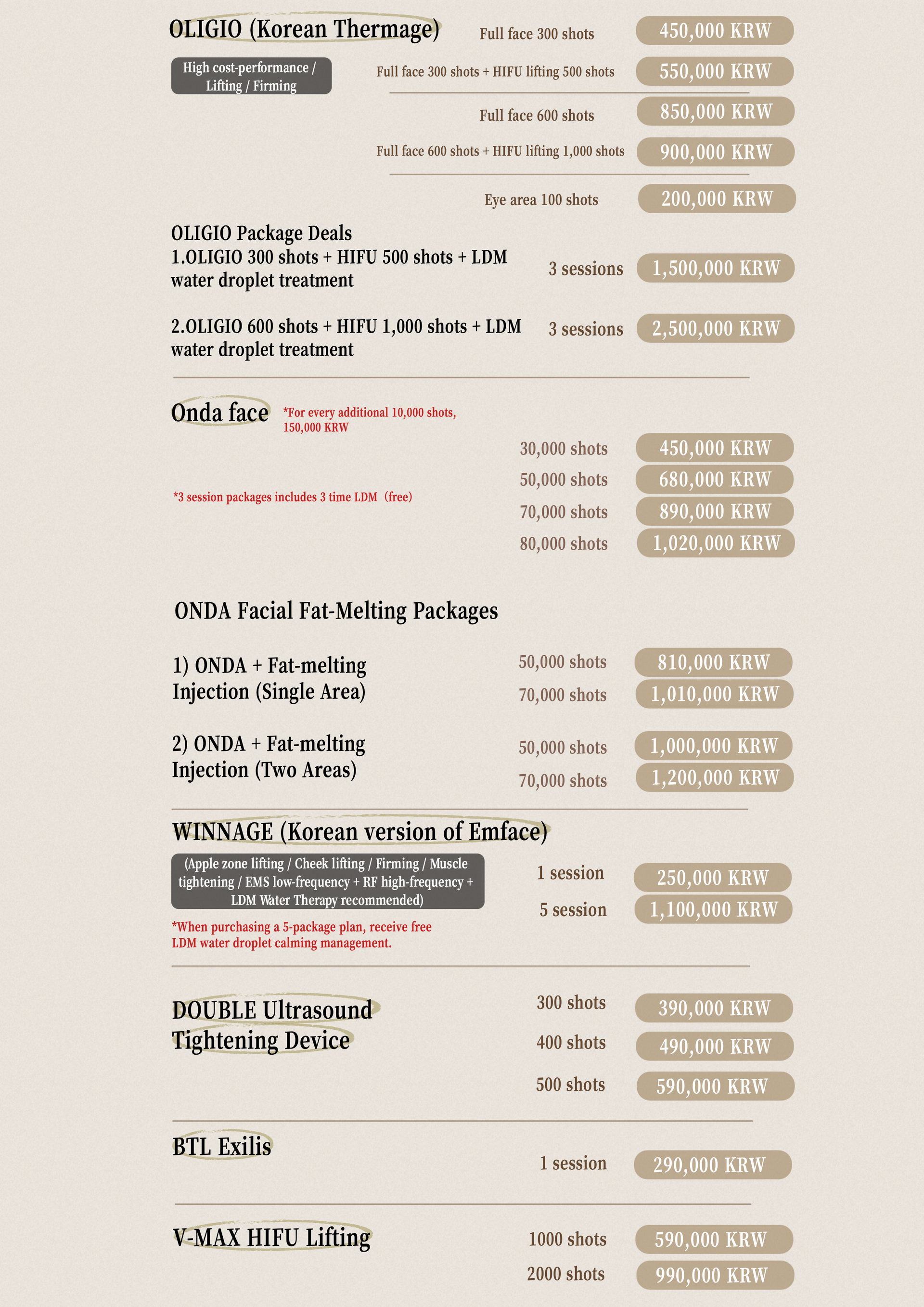
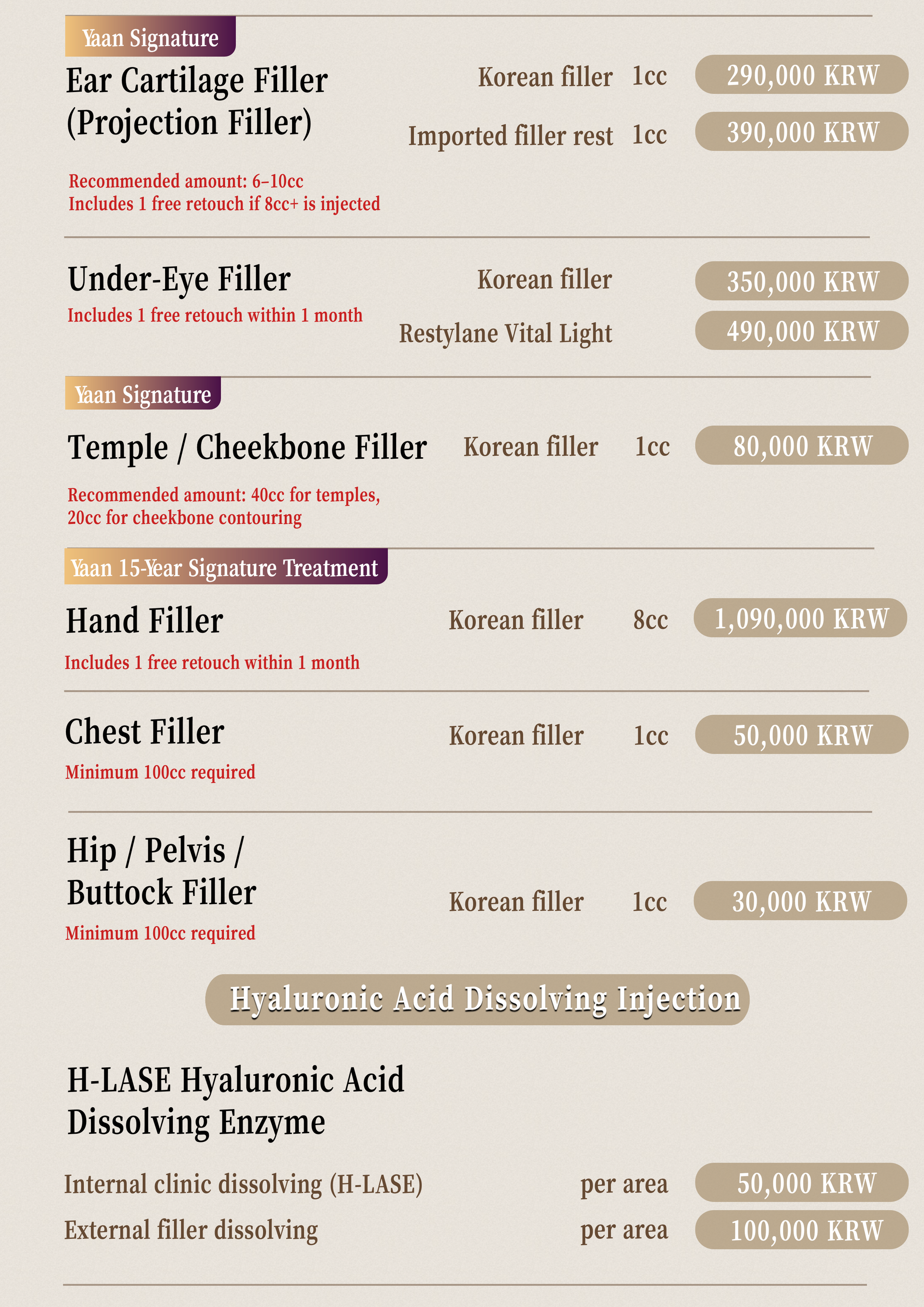
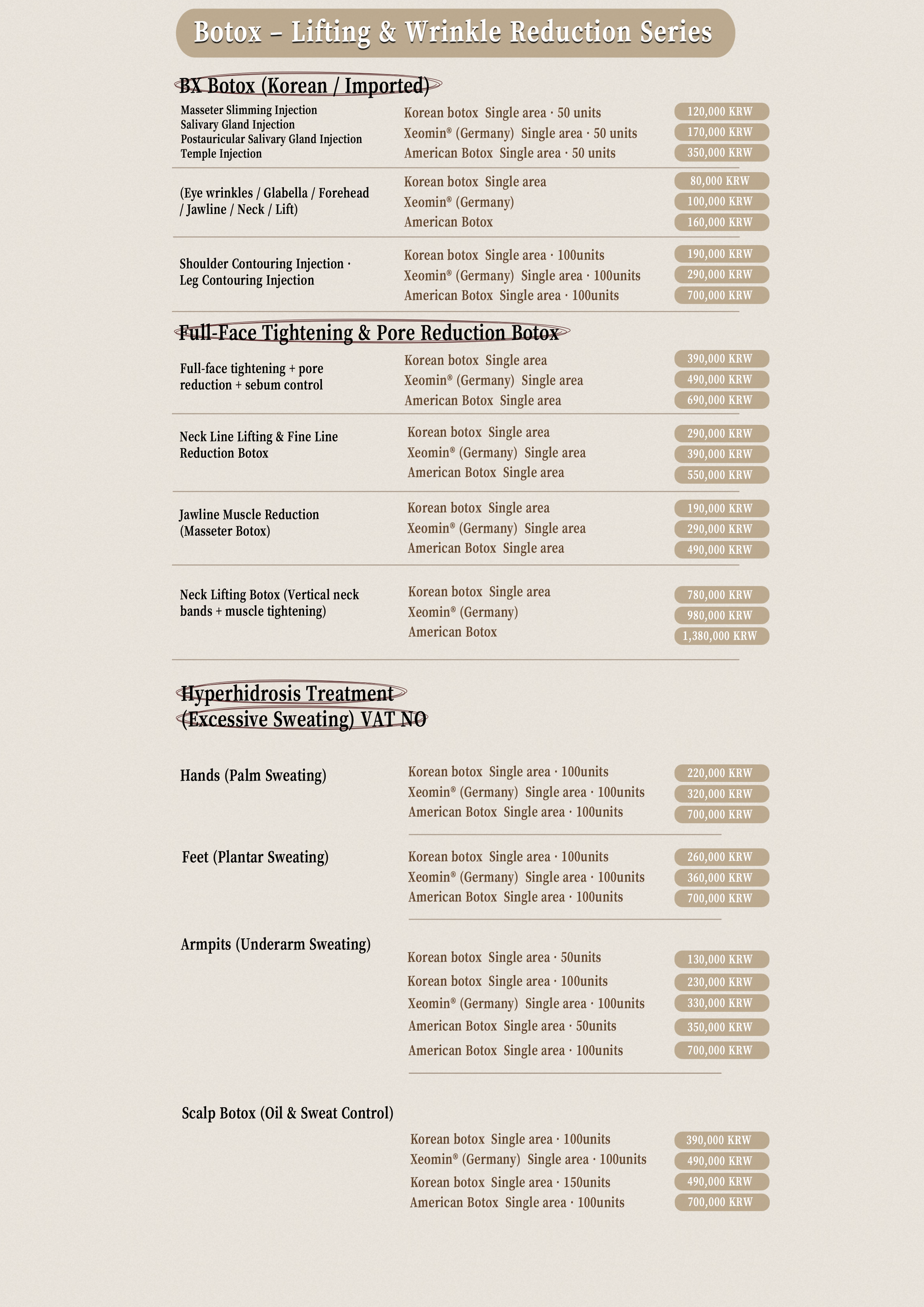
- Botox: Seoul can be around $60–$115 for a forehead treatment versus approximately $200–$400 in the USA.
- Dermal filler: Seoul can be around $150–$380 per 1cc versus approximately $600–$1,200 in the USA.
- Pico laser: Seoul can be around $150–$300 for a full-face treatment versus approximately $500–$1,500 in the USA.
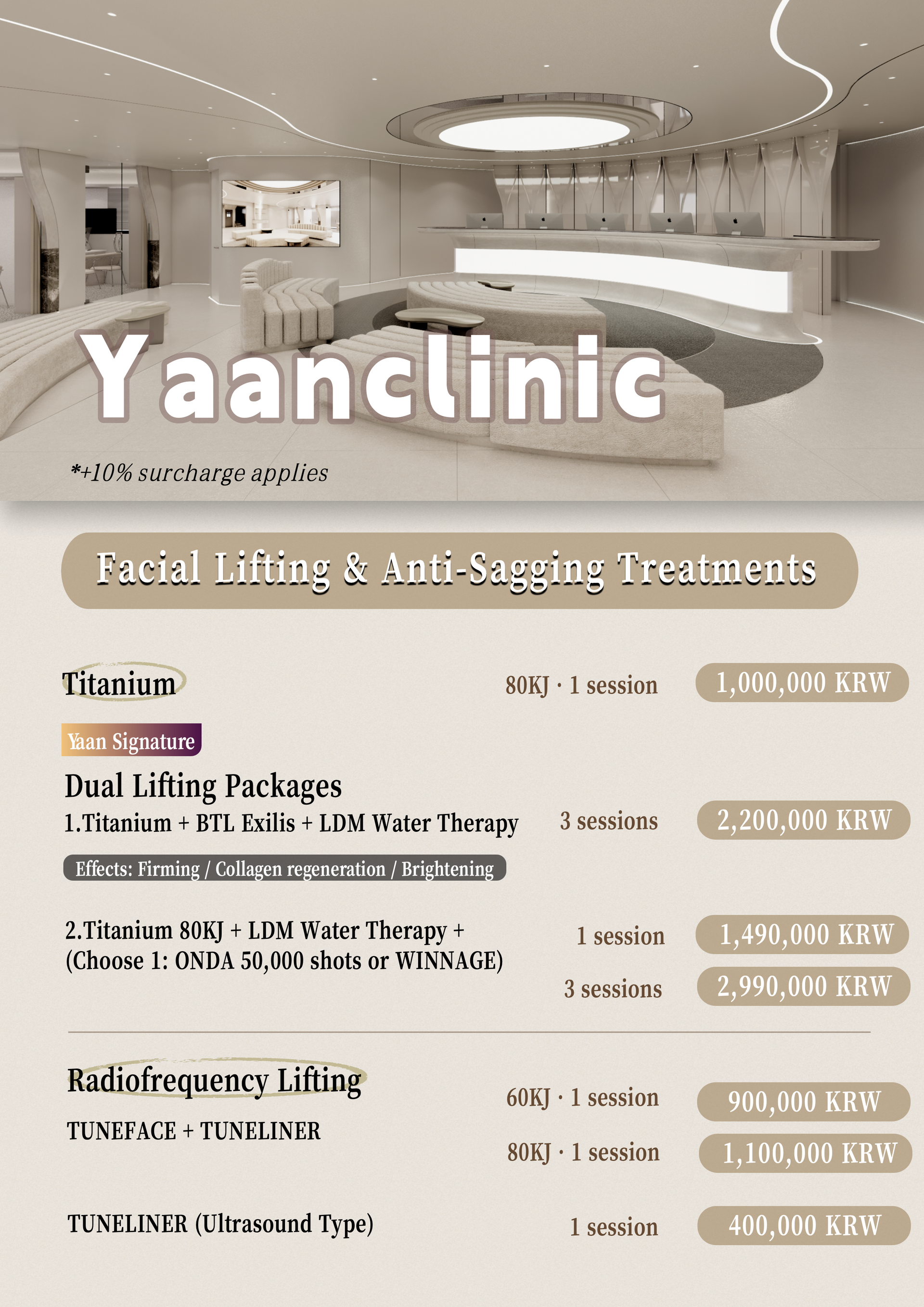
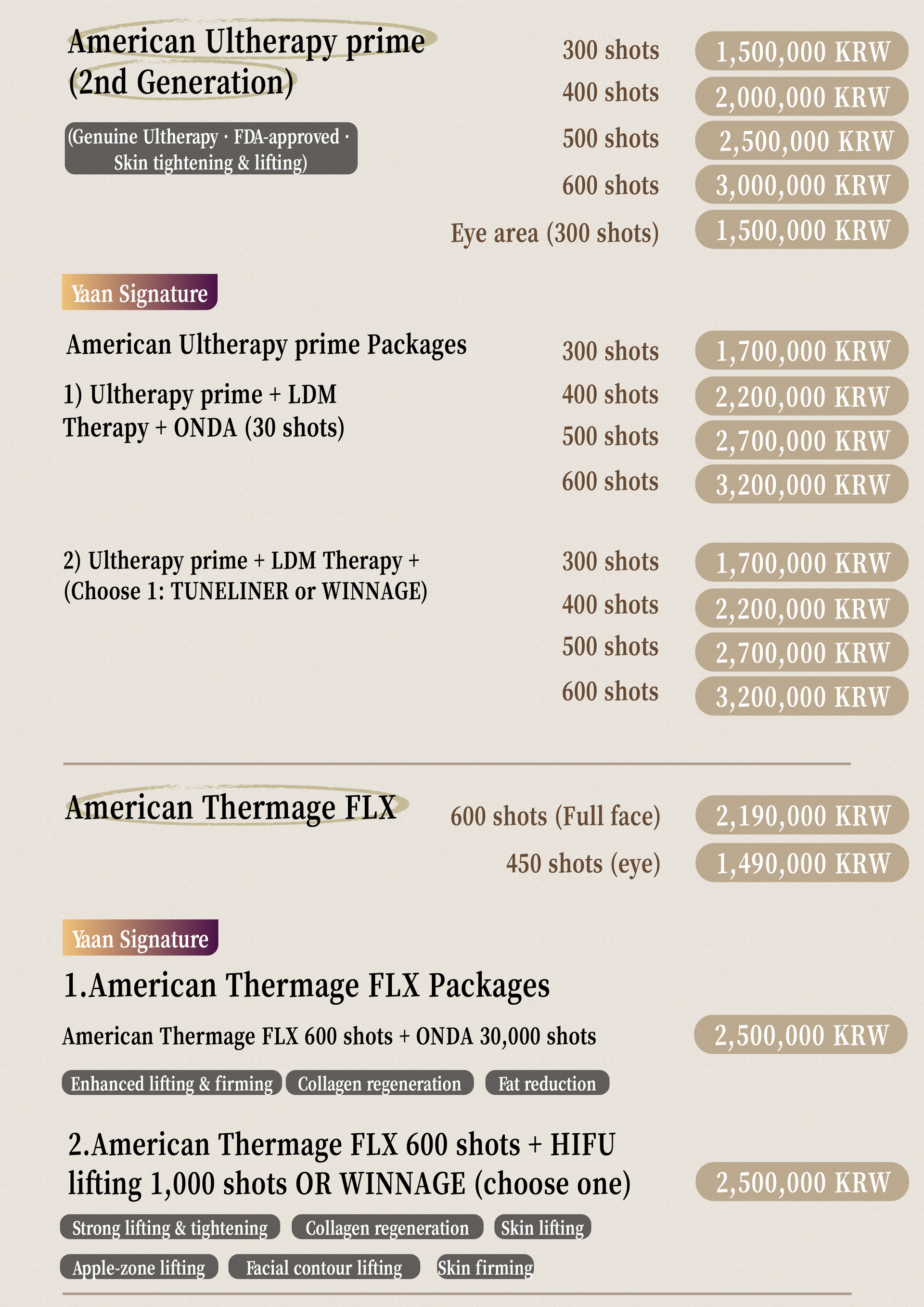
- Ultherapy: Seoul can be around $750–$1,900 versus approximately $2,500–$5,000 in the USA.
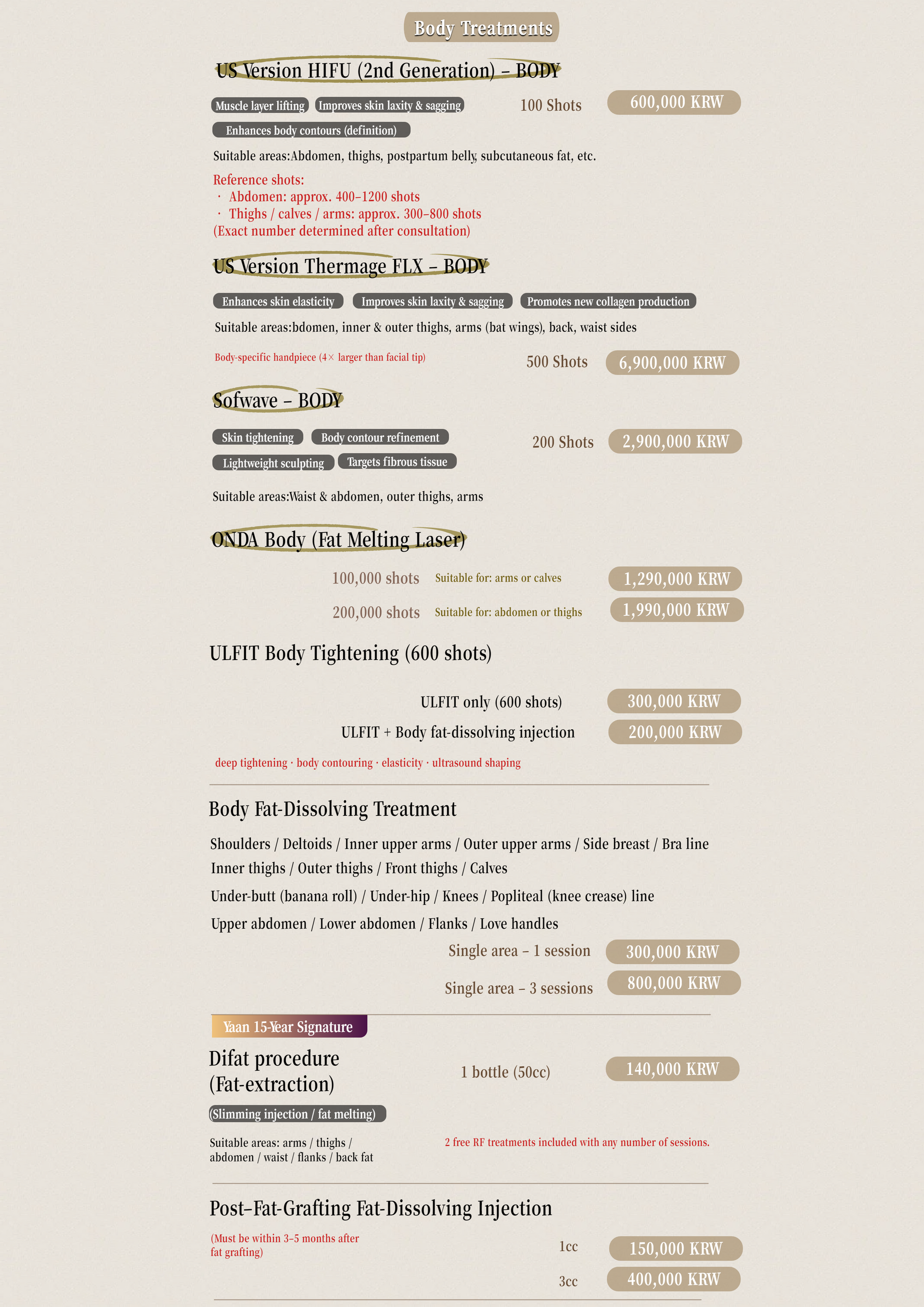
- Thermage FLX: Seoul can be around $1,000–$2,000 versus approximately $2,000–$4,000 in the USA.
These are market-reference ranges rather than guaranteed clinic prices.
2. Seoul vs USA: Botox and Filler Prices
Botox and dermal fillers are among the easiest treatments to compare because both are widely available in Korea and the USA.
Botox price differences:
- Seoul domestic-brand Botox can start at promotional prices of around ₩20,000–₩60,000 per area.
- More standard Botox treatments may cost approximately ₩50,000–₩200,000+ depending on units and brand.
- Imported or premium Botox brands generally cost more.
- U.S. Botox is often priced according to the number of units, with common treatment costs reaching several hundred dollars.
- Some U.S. published price comparisons place a typical Botox treatment around $300–$600 or higher depending on the area and dosage.
Dermal filler price differences:
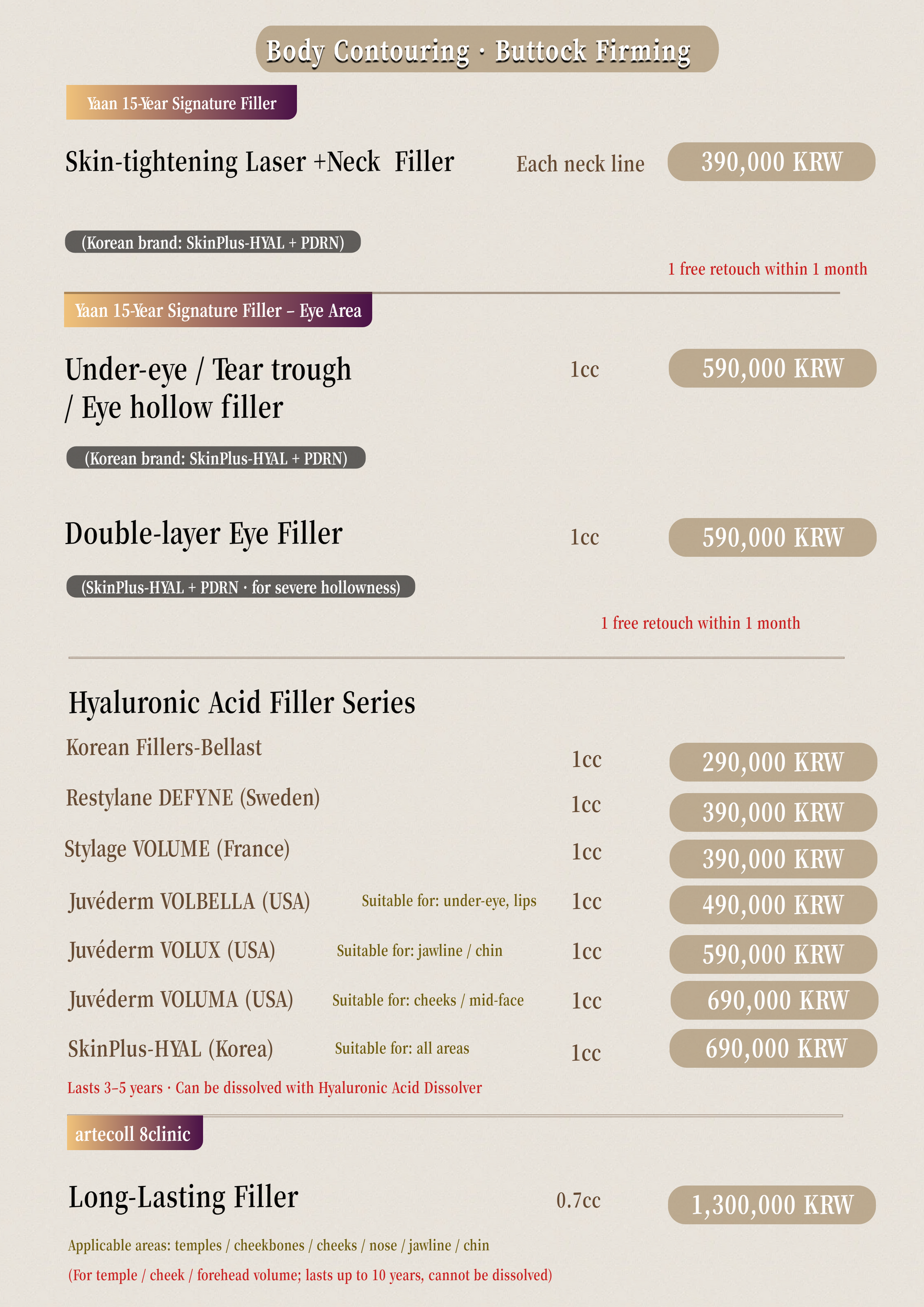
- Seoul domestic HA filler can start around ₩150,000–₩300,000 per cc.
- Imported HA filler may cost approximately ₩300,000–₩700,000+ per cc.
- U.S. filler commonly costs approximately $600–$1,200 per syringe or treatment depending on the product and provider.
- Premium brands and specialized treatment areas can increase the cost in both countries.
What affects the price:
- Product brand
- Domestic or imported product
- Number of units for Botox
- Amount of filler in cc
- Treatment area
- Number of areas treated
- Physician experience
For this reason, a ₩50,000 Botox advertisement in Seoul should not automatically be compared with a $500 U.S. treatment. The dosage and product may be completely different.
3. Laser Treatments: Seoul vs USA
Laser procedures are another category where international patients can find significant price differences.
Laser toning and pigment treatments:
- Seoul: approximately ₩80,000–₩330,000 per session
- USA: approximately $200–$400 for comparable basic laser treatments
- Premium pico laser treatments can cost more in both markets.
Pico laser:
- Seoul: approximately ₩150,000–₩500,000+
- USA: approximately $400–$1,500 depending on the device and treatment area.
Fractional CO2 or resurfacing laser:
- Seoul: approximately ₩200,000–₩660,000+
- USA: approximately $500–$1,500+ for many comparable resurfacing treatments.
- More intensive or physician-led resurfacing can cost substantially more.
The procedure generally involves:
- Skin cleansing and preparation
- Numbing cream when appropriate
- Laser treatment over the selected area
- Cooling or soothing care
- Post-treatment skincare instructions
Possible effects after treatment include:
- Temporary redness
- Swelling
- Sensitivity
- Peeling after stronger resurfacing procedures
The lower price in Seoul does not mean that every laser treatment is identical. International patients should compare the exact device, energy level, treatment area, and treatment protocol.
4. Skin Boosters and Rejuran: Comparing Treatment Costs
Rejuran and other skin boosters are particularly popular among visitors seeking improvements in skin quality.
These treatments may help improve:
- Skin hydration
- Texture
- Elasticity
- Fine lines
- Overall skin quality
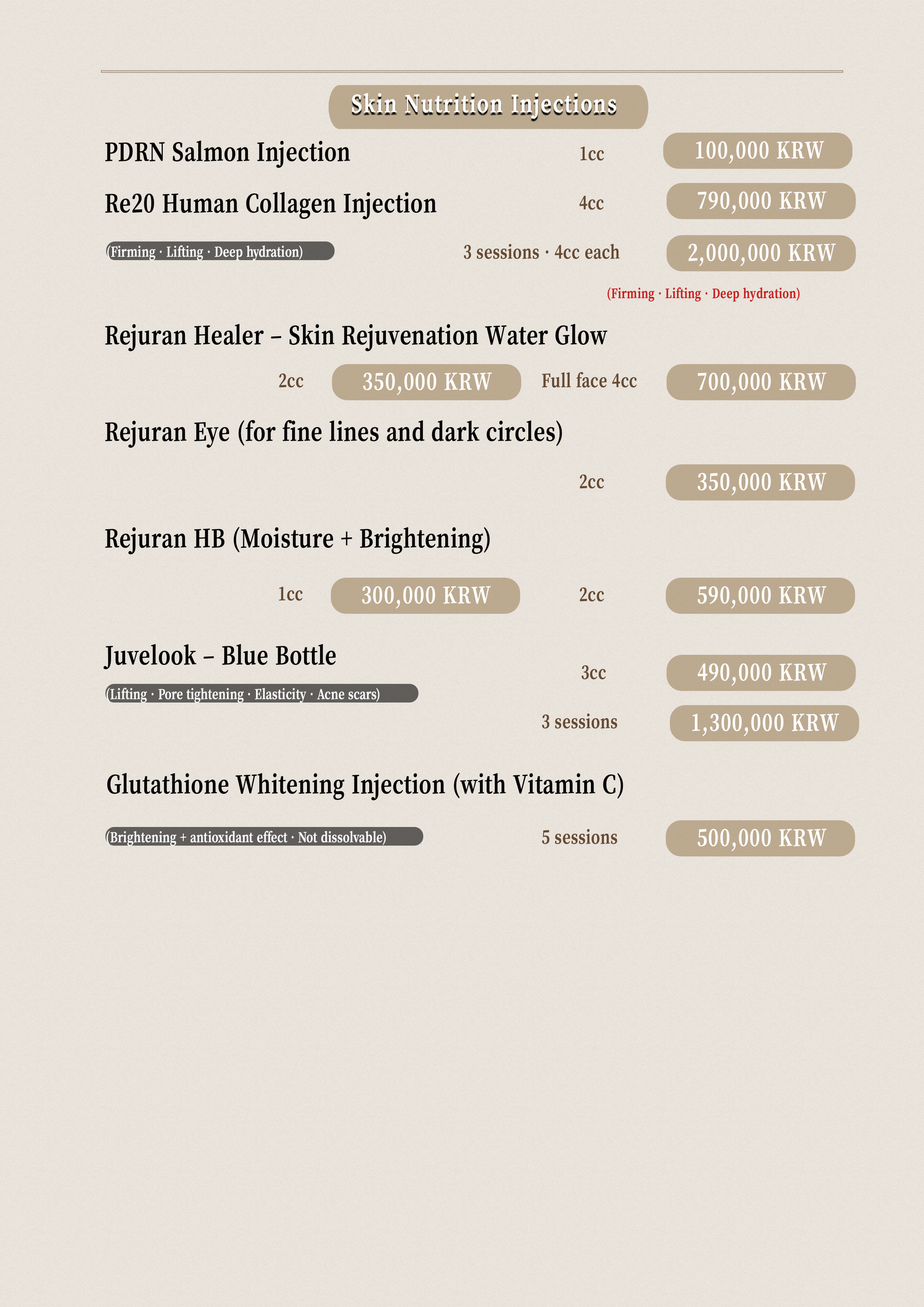
Typical Seoul prices:
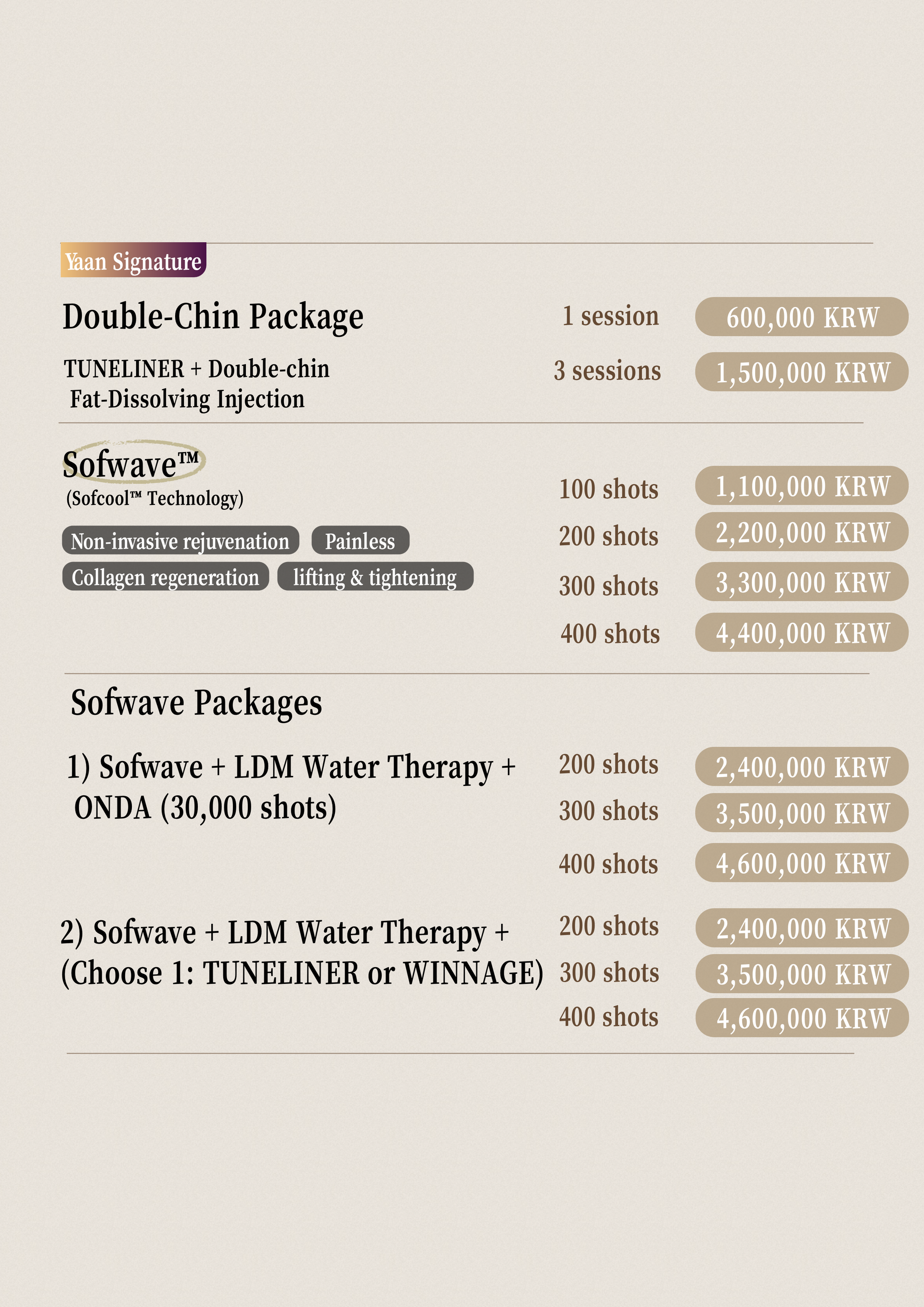
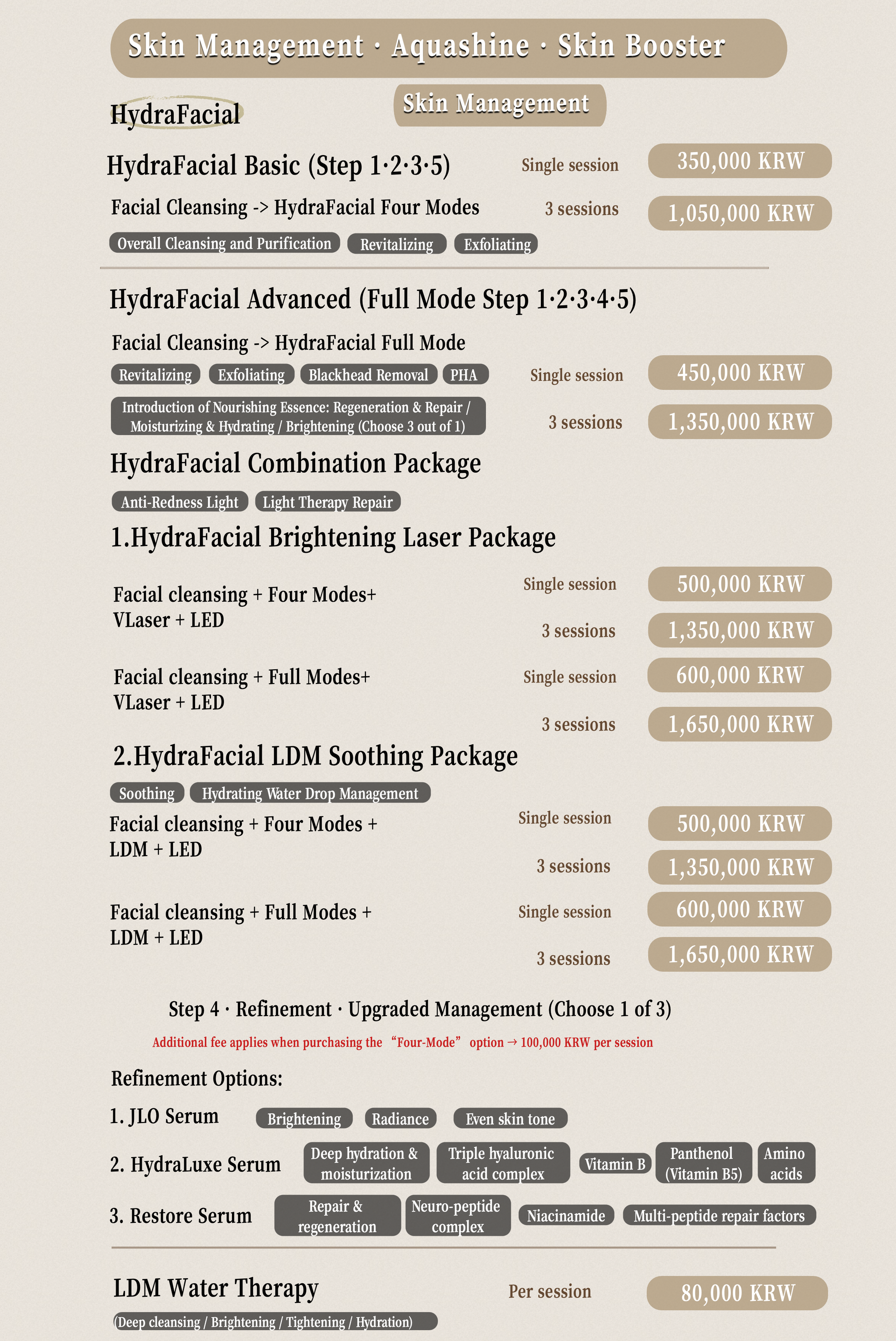
- Rejuran: approximately ₩150,000–₩500,000+ depending on product and volume
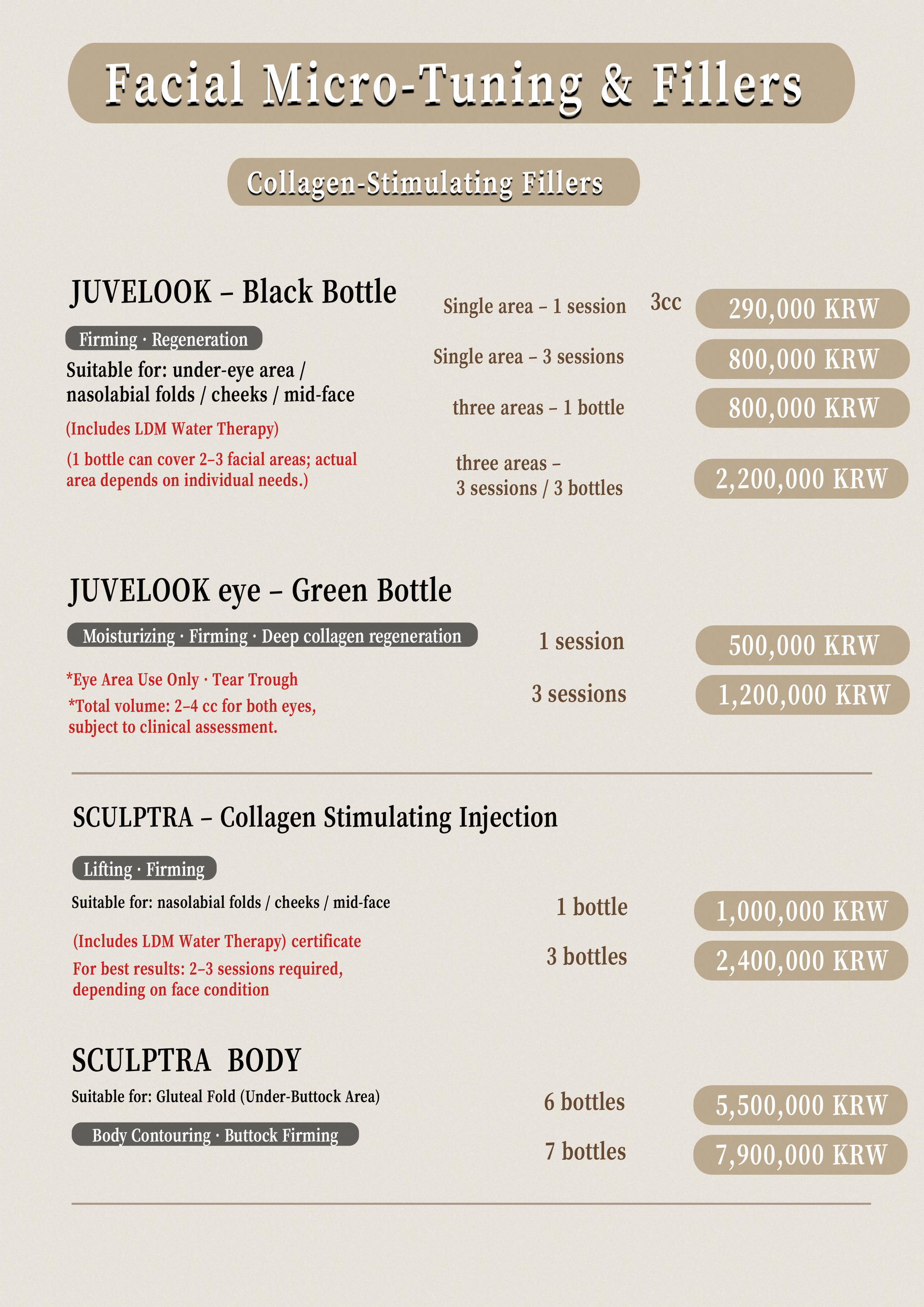
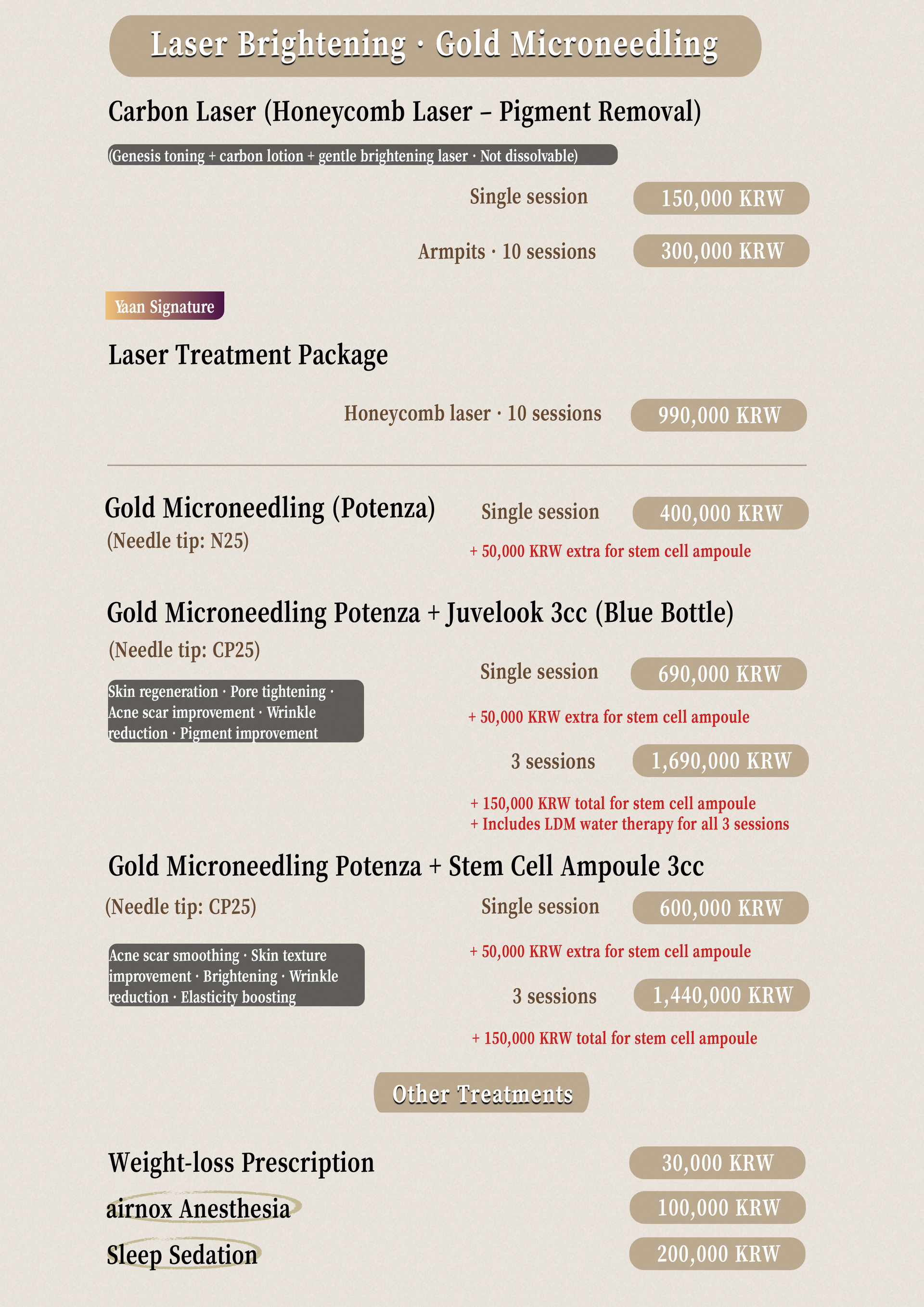
- Juvelook and similar collagen-stimulating treatments: approximately ₩200,000–₩600,000+
- Other premium skin boosters: approximately ₩300,000–₩800,000+
U.S. prices:
- Comparable skin booster treatments can commonly cost several hundred dollars per session.
- Some published comparisons place Rejuran or similar treatments around $500–$700.
The price difference can be significant, but international patients should pay particular attention to what is being injected.
Before treatment, ask:
- What is the exact product?
- How many cc are included?
- What is the manufacturer's name?
- How many injection points or treatment areas are included?
- Who performs the injections?
- Is numbing included?
- What aftercare is provided?
The same treatment name does not always mean the same product or dosage.
5. Ultherapy and Thermage: Where the Price Gap Can Be Significant
Premium lifting treatments often show some of the most noticeable price differences between Seoul and the USA.
Ultherapy:
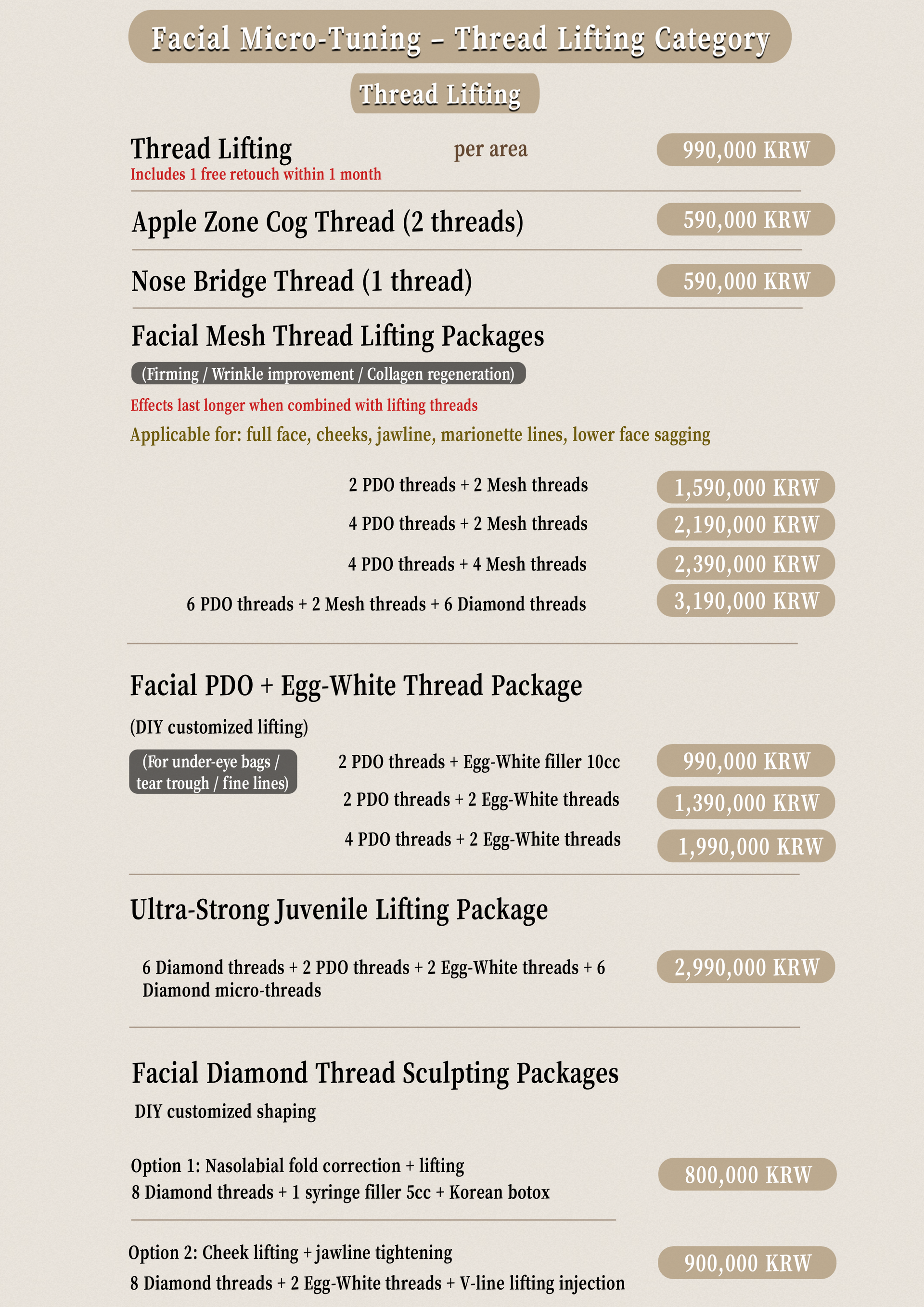
- Seoul: approximately ₩800,000–₩1,600,000 for around 300 shots in some published 2026 references.
- Higher treatment areas or larger shot counts can cost more.
- USA: approximately $2,500–$5,000 in published market references.
Thermage FLX:
- Seoul: approximately ₩1,300,000–₩2,800,000 depending on shot count and clinic.
- USA: approximately $2,000–$4,000 or more depending on treatment configuration.
- A 600-shot Thermage treatment can be considerably more expensive in the U.S. than in Seoul.
The treatment process generally includes:
- Skin cleansing and preparation
- Treatment planning and area selection
- Application of the energy-based device
- Post-treatment cooling or skincare when needed
Possible temporary effects include:
- Redness
- Warmth
- Swelling
- Tenderness
- Temporary sensitivity
When comparing prices, always verify:
- Genuine device name
- Number of shots
- Treatment area
- Cartridge type
- Treatment intensity
- Whether the quoted price includes consultation and aftercare
A low-priced HIFU treatment should not be compared directly with genuine Ultherapy because they use different technologies and devices.
6. Why Is Seoul Able to Offer Lower Prices?
The lower cost of aesthetic treatment in Korea is not simply because clinics provide lower-quality care.
Several market factors contribute to Seoul's competitive pricing:
- High clinic density: There are many aesthetic clinics competing for patients.
- High procedure volume: Popular treatments are performed frequently.
- Strong domestic market: Korean consumers are major users of aesthetic dermatology services.
- Local technology and manufacturing: Korea has a strong domestic medical aesthetic industry.
- Efficient treatment systems: Many clinics have streamlined consultation and treatment processes.
- Competitive promotions: Clinics frequently offer seasonal or first-visit promotions.
- International patient infrastructure: Many clinics have experience working with foreign visitors.
Published 2026 analyses consistently identify competition, treatment volume, and operating costs as major reasons for the Seoul-U.S. price difference.
However, a lower price should never be interpreted as a reason to skip safety checks. The qualifications of the medical professional, authenticity of the product or device, and quality of care remain more important than price alone.
7. What About Travel Costs?
One important question for Americans considering treatment in Seoul is whether the savings remain worthwhile after adding travel expenses.
International patients should consider:
- Round-trip airfare
- Hotel accommodation
- Food
- Transportation
- Travel insurance
- Additional consultation or medication costs
- Time away from work
Some 2026 market analyses estimate round-trip flights from the U.S. at roughly $500–$1,500, depending on the departure city and travel season, with accommodation and daily expenses adding to the overall budget.
However, the calculation can look different if a traveler is already planning a trip to Korea.
For someone visiting Seoul for vacation, adding a dermatology appointment may require relatively little additional travel expense. For someone flying to Korea solely for one inexpensive procedure, the airfare can eliminate much of the financial advantage.
The economics become more attractive when:
- You are already visiting Korea.
- You plan several treatments.
- The U.S. price difference is substantial.
- You can combine treatment with a vacation.
- You have enough time for the required recovery period.
8. Are Korean Clinics More Expensive for Foreigners?
A common concern among international patients is whether clinics charge foreigners more than Korean patients.
Pricing policies vary between clinics, but many transparent clinics publish prices in Korean won that apply regardless of nationality. Some clinics also offer international-patient packages or multilingual services.
Before booking, ask:
- Is this price available to international patients?
- Is there a separate foreign-patient price?
- Is VAT included?
- Is the consultation fee included?
- Are anesthesia and aftercare included?
- Are promotional prices available to foreigners?
- What is the final amount I will pay?
Do not assume that a low online price automatically applies to your specific treatment.
Also remember that advertised price and final treatment price can differ because of treatment area, product quantity, shot count, or additional services.
9. What Should You Consider Besides Price?
Price is important, but it should not be the only factor when choosing between Seoul and the USA.
For safety and quality, compare:
- Medical professional qualifications
- Clinic credentials
- Experience with the specific procedure
- Authenticity of the device
- Product manufacturer and lot information when relevant
- Treatment dosage or shot count
- Consultation quality
- Communication in English
- Emergency or complication management
- Aftercare availability
For international patients, also consider:
- How easy it is to communicate your medical history
- Whether the clinic provides English instructions
- Whether you can contact the clinic after returning home
- How much downtime the treatment requires
- Whether the treatment is appropriate before flying home
A clinic that costs slightly more but provides better medical evaluation, transparent pricing, and appropriate follow-up may offer better value than the cheapest option.
10. Is Seoul Worth It for American Patients?
For many international patients, Seoul can offer significant savings on aesthetic dermatology, especially when the treatment itself is substantially more expensive in the United States.
The strongest candidates for medical tourism are often patients who:
- Are already planning to visit Korea.
- Want multiple non-surgical treatments.
- Are considering expensive procedures such as Ultherapy or Thermage.
- Want access to a broad range of Korean aesthetic treatments.
- Have enough time for consultation and recovery.
- Can compare clinics carefully before booking.
However, traveling internationally solely to save money is not always the right decision.
Patients should also consider:
- Flight costs
- Recovery time
- Follow-up care
- Potential complications
- Travel insurance
- Communication
- Whether treatment is medically appropriate
For a major medical or cosmetic procedure, quality, safety, and appropriate medical assessment should come before cost savings.
Frequently Asked Questions
Are skin treatments cheaper in Korea than in the USA?
In many cases, yes. Published 2026 comparisons suggest that common aesthetic treatments in Seoul can be approximately 40–70% less expensive than comparable treatments in the USA, although the difference varies by procedure, product, and treatment specifications.
Which treatments have the biggest price difference?
Premium lifting procedures such as Ultherapy and Thermage, as well as fillers, Botox, and certain laser treatments, can show substantial price differences between Seoul and the USA. However, the exact savings depend on the device, product, dosage, and treatment area.
Is Botox cheaper in Korea?
Often, yes. Korean-brand Botox can be particularly inexpensive, while imported brands are generally more expensive. U.S. Botox is commonly priced by units, so patients should compare the number of units and product brand rather than only the total treatment price.
Is Ultherapy cheaper in Seoul?
Generally, yes. Published 2026 comparisons show Seoul Ultherapy prices significantly below U.S. prices, but patients should confirm the exact number of shots and ensure that the treatment is genuine Ultherapy rather than a different HIFU device.
Does traveling to Korea still save money after airfare?
It can, particularly if you are already planning a Korea trip or are receiving several treatments. If you are traveling solely for one inexpensive procedure, airfare, accommodation, and time away from work may reduce or eliminate the savings.
Is Korean dermatology as good as treatment in the USA?
Both countries have highly qualified medical professionals and advanced technology. The quality of care depends on the individual clinic and medical professional, so international patients should evaluate credentials, treatment specifications, product or device authenticity, safety procedures, and aftercare rather than assuming one country is automatically better.
Final Thoughts
Skin treatments are often cheaper in Seoul than in the USA, with many popular procedures showing substantial price differences in 2026. However, the best comparison is not simply Korea versus America—it is the same product, same device, same dosage, same treatment area, and same number of shots. International patients should also factor in travel expenses, recovery time, communication, and follow-up care. For visitors who are already planning a trip to Korea or considering several aesthetic treatments, Seoul can offer an attractive combination of competitive pricing, advanced technology, and a wide range of dermatology options.