Is Sofwave Strong Enough for Someone in Their 50s?
If you are in your 50s and notice a softer jawline, mild neck sagging, or wrinkles that make your face look older, Sofwave may be a reasonable non-surgical treatment to consider. It uses ultrasound energy to stimulate collagen remodeling in the skin, potentially improving firmness and the appearance of wrinkles over time.
However, Sofwave is generally better suited to mild or moderate skin laxity than to substantial sagging or excess skin. It cannot reproduce the results of a surgical facelift or neck lift.
The right treatment depends on your skin quality, degree of laxity, facial volume, anatomy, and expectations—not simply your age. Here is what to know before considering Sofwave in your 50s.
What Is Sofwave, and How Does It Work?
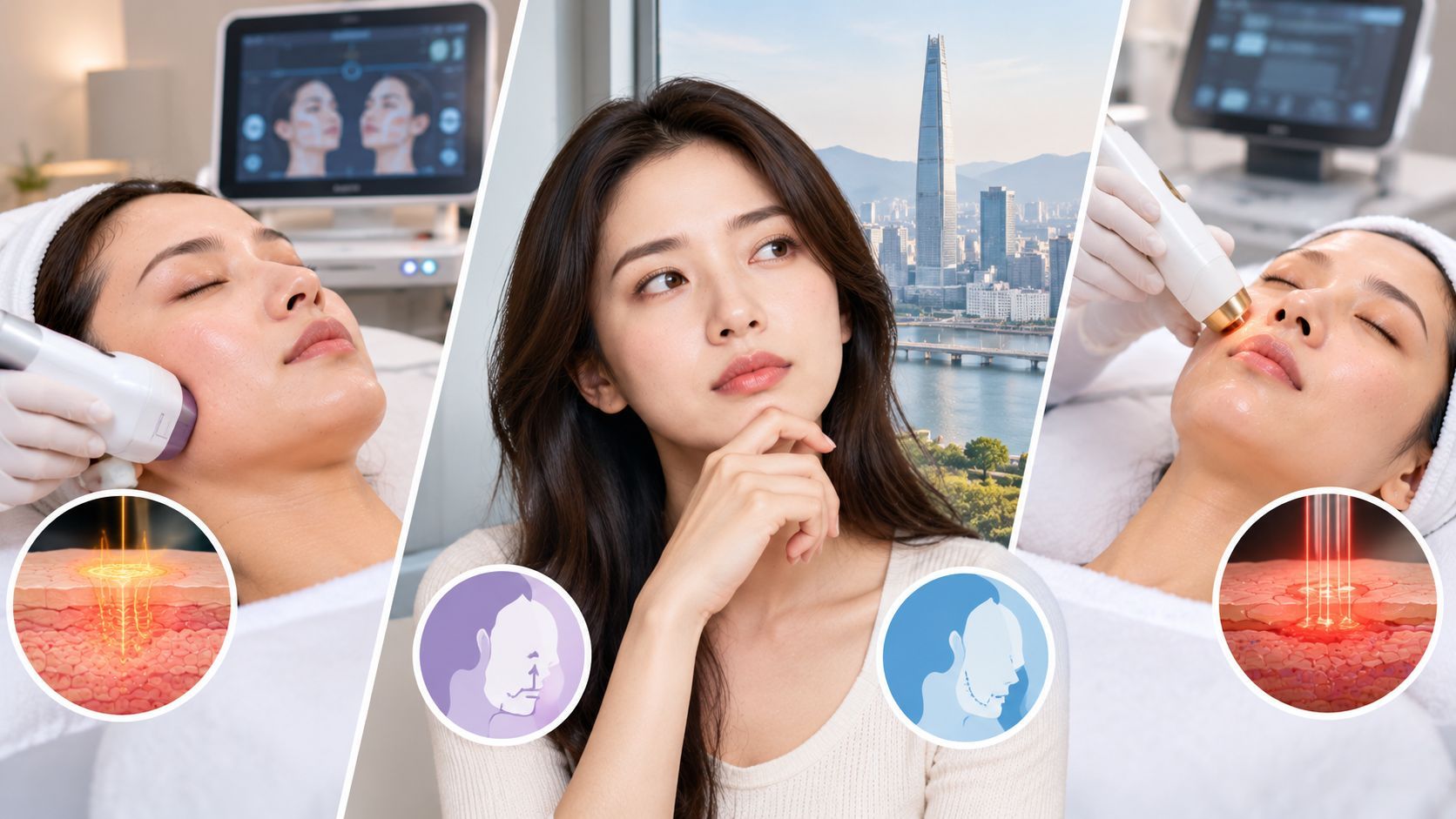
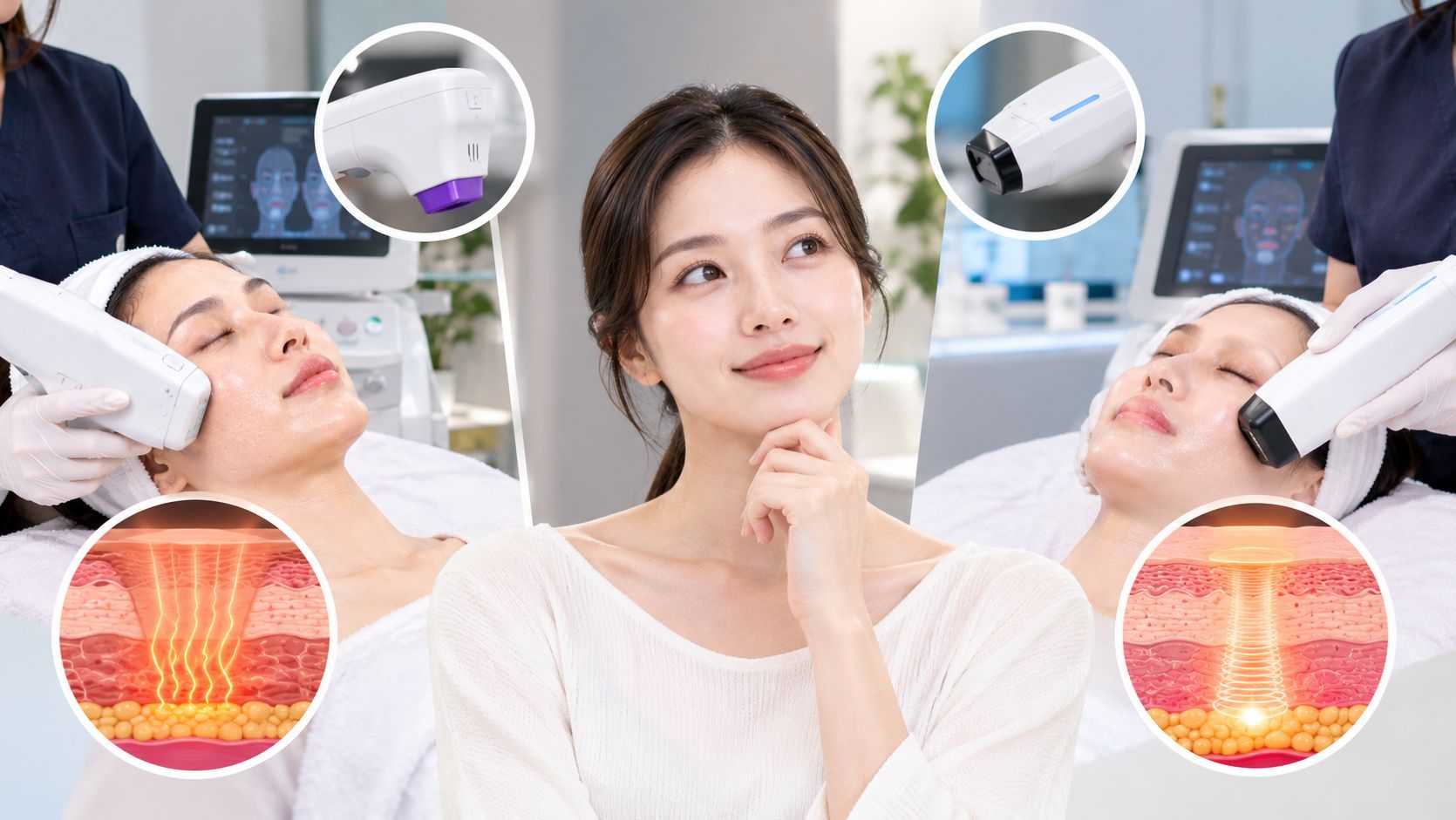
Sofwave is a non-invasive aesthetic treatment that uses synchronous ultrasound parallel beam technology, known as SUPERB. The energy creates controlled heating in targeted layers of the skin, stimulating the body's collagen-remodeling response.
Collagen helps provide skin with structural support. As collagen production and organization change with age, the skin can become less firm and wrinkles may become more noticeable. Sofwave aims to improve selected signs of aging without surgery or incisions.
Depending on the device's authorized indications and the patient's needs, treatment may be used to improve facial lines and wrinkles, lift the eyebrows, and improve laxity beneath the chin and around the neck. The US Food and Drug Administration's device database includes clearances for the Sofwave system, while the manufacturer's safety information lists its specific indications and precautions. These authorizations should not automatically be assumed to apply in every country. https://www.accessdata.fda.gov/scripts/cdrh/cfdocs/cfpmn/pmn.cfm?ID=K240687 https://sofwave.com/safety-information
Is Sofwave Strong Enough After Age 50?
For some people, yes. A person in their 50s with early jowling, fine lines, or mild neck laxity may see a worthwhile improvement. Someone with heavy jowls, substantial loose skin, or significant changes in deeper facial tissues may find the results disappointing.
The key distinction is between improving the appearance of the skin and correcting more advanced structural aging.
When Sofwave May Be Worth Considering
You may be a candidate if you have:
- Mild to moderate looseness around the jawline or beneath the chin.
- Early neck laxity without a large amount of excess skin.
- Fine lines or wrinkles that you would like to soften.
- Skin that has lost some firmness but retains reasonable overall structure.
- A preference for a non-surgical treatment and realistic expectations about gradual improvement.
The American Academy of Dermatology explains that non-invasive ultrasound treatments can provide modest lifting and tightening, with results developing over approximately two to six months. The degree of improvement varies between individuals. https://www.aad.org/public/cosmetic/younger-looking/firm-sagging-skin
When Sofwave May Not Be Enough
Sofwave may not meet your goals if you have:
- Pronounced jowls caused by substantial tissue descent.
- A large amount of loose skin under the chin or around the neck.
- Deep folds caused by several different aging processes.
- Significant facial volume loss that makes the face appear hollow.
- Expectations of a dramatic or surgical-looking lift.
These concerns may require a different approach. Depending on the cause, a clinician might discuss other energy-based treatments, carefully selected injectable treatments, volume restoration, or a surgical consultation.
What Results Can You Expect in Your 50s?
The most realistic goal is a subtle-to-moderate improvement in selected signs of aging, not a complete reversal of facial aging.
Potential changes include a somewhat firmer appearance, softer fine lines, or modest improvement in the look of loose skin beneath the chin. Results differ according to baseline skin condition, treatment settings, anatomy, and individual response.
How Long Does It Take to See Results?
Sofwave does not work like a surgical procedure that immediately removes excess skin. Its intended effects depend partly on the body's response to controlled ultrasound heating and subsequent tissue remodeling.
Some people may notice an early change, but improvement generally develops over the following weeks and months. The American Academy of Dermatology describes a two-to-six-month window for results from non-invasive ultrasound skin tightening as a general guide; this is not a guarantee for every Sofwave patient. https://www.aad.org/public/cosmetic/younger-looking/firm-sagging-skin
Ask your clinician when your results should be assessed and whether additional treatment is appropriate. More sessions are not automatically better, and treatment frequency should follow the device's instructions and an individualized medical plan.
How Long Will Results Last?
Longevity varies. Aging continues after treatment, and sun exposure, genetics, skin care, weight changes, and other factors can influence the appearance of your skin.
Be cautious of promises that one session will keep your face lifted for a specific number of years. Ask the clinic what follow-up evidence supports its claims and whether any maintenance plan is genuinely necessary for your situation.
Sofwave vs. Ultherapy and Thermage After 50
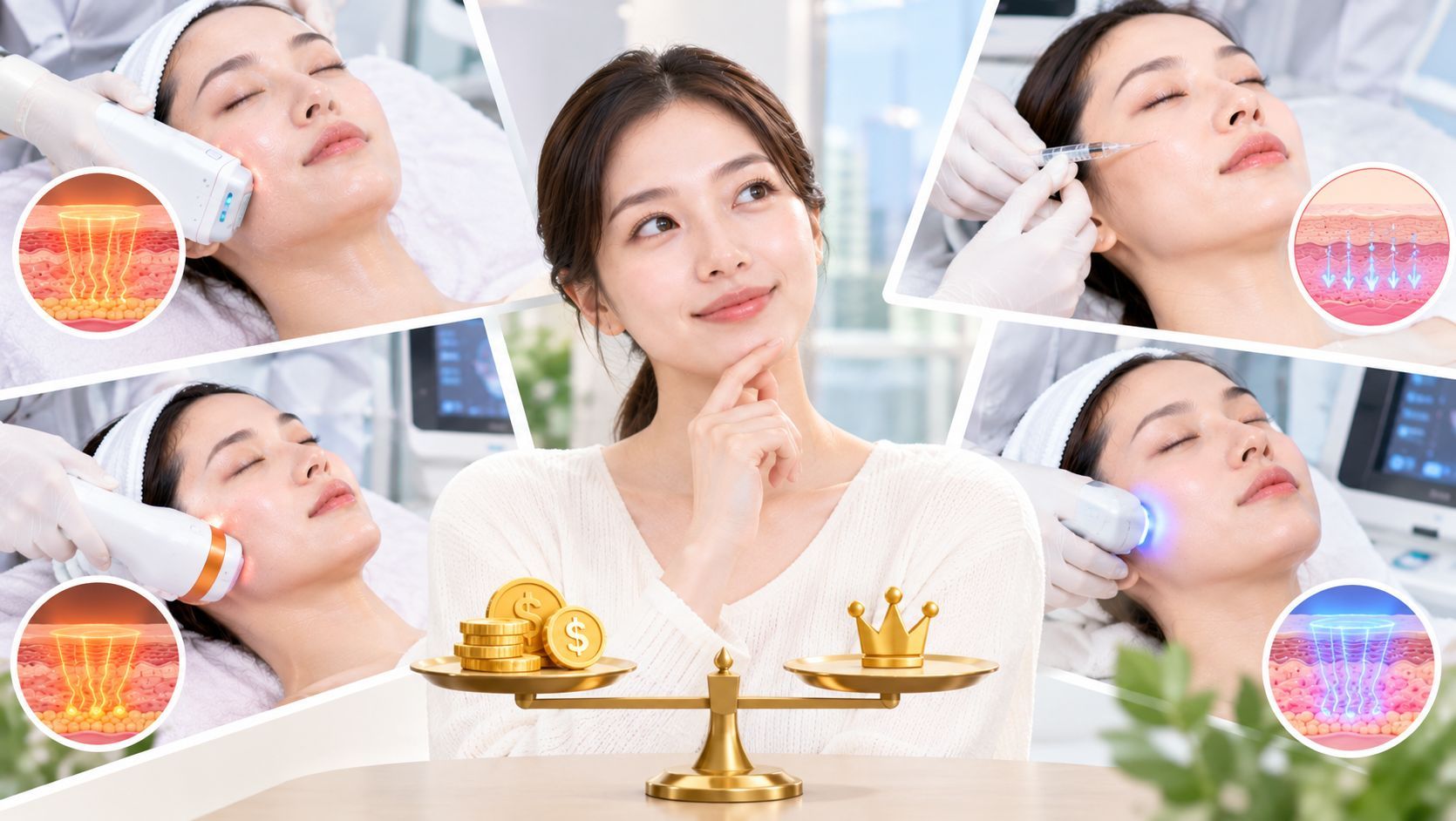
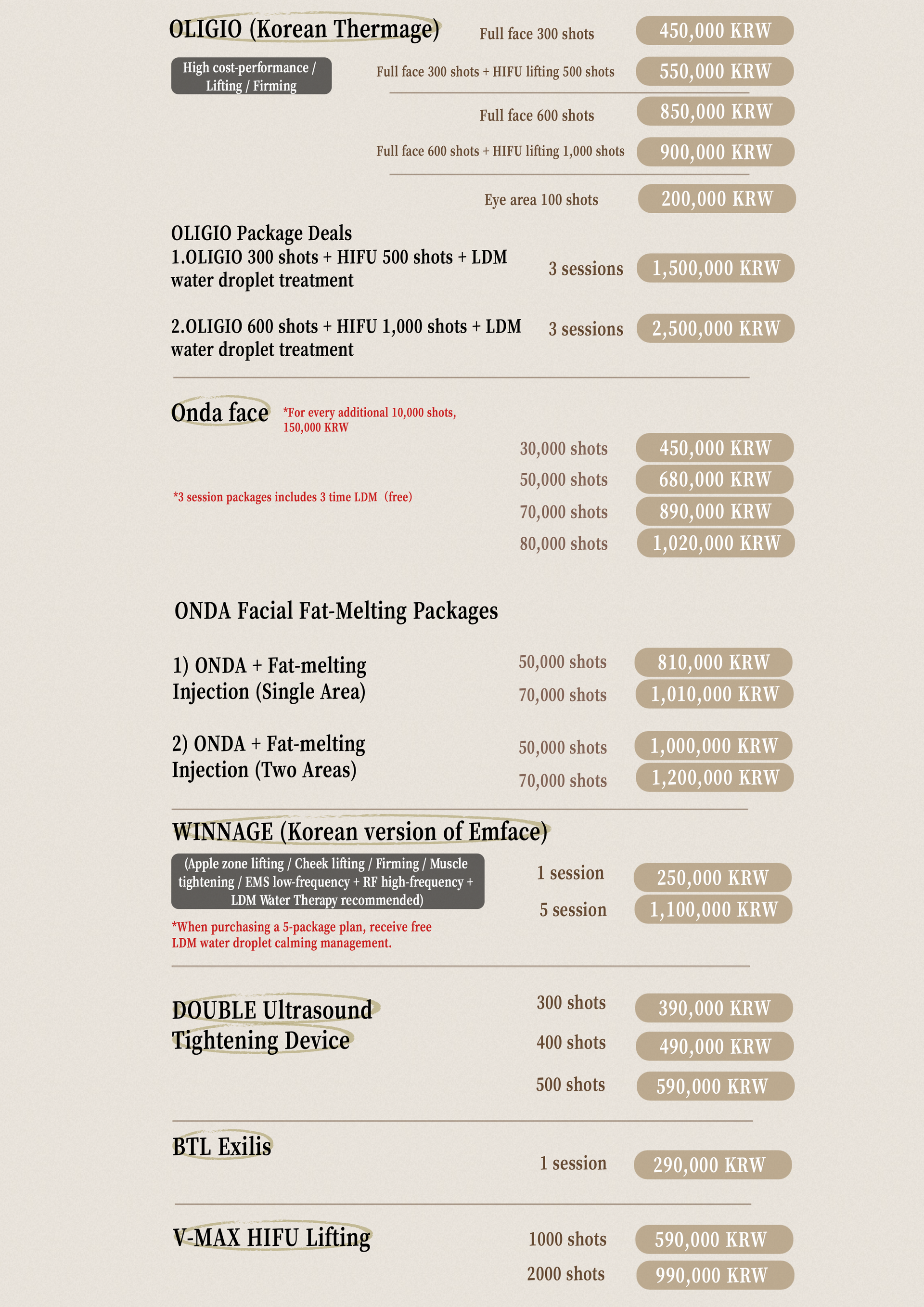
Sofwave is not automatically stronger or better than other skin-tightening technologies. These treatments use different energy-delivery methods and protocols, and their suitability depends on the concern being treated.
Sofwave uses parallel ultrasound beams to heat targeted skin layers. It may be considered for selected facial wrinkles and mild-to-moderate laxity.
Ultherapy uses microfocused ultrasound with visualization to target specific tissue depths. It may be considered when lifting and tightening are the main goals, depending on the patient's anatomy and the device's indications.
Thermage uses radiofrequency energy to heat tissue and stimulate collagen remodeling. It may be considered for selected concerns involving skin firmness and laxity.
There is no universal winner for everyone in their 50s. A clinician should explain why one technology fits your anatomy and goals better than another, rather than recommending the most expensive device by default.
If you are weighing more than one option, read our related guide: Can Thermage and Ultherapy Be Combined for Someone Over 50?
Can Sofwave Help With Thin or Crepey Skin?
Thin, crepey skin is not the same problem as loose skin. In some people, skin changes are associated with aging, cumulative sun exposure, reduced elasticity, or menopause-related changes. Others have more noticeable volume loss or deeper tissue descent.
Sofwave may improve selected aspects of skin laxity or wrinkles, but it does not replace treatments directed at dryness, barrier damage, pigmentation, or significant volume loss.
If your skin is thin or easily irritated, begin with a medical assessment and a gentle skin-care routine. A clinician can help determine whether an energy-based procedure is suitable and whether another approach is more appropriate.
Related reading: What Treatment Is Best for Aging Skin That Has Also Become Very Thin?
What Are the Risks and Side Effects?
Although Sofwave is non-invasive, it is still a medical aesthetic procedure. Possible short-term effects include redness, swelling, tenderness, discomfort, or temporary raised marks in treated areas. Less common complications may occur, and the actual risk depends on the treatment area, settings, operator, and individual circumstances.
Tell your clinician about relevant medical conditions, previous cosmetic procedures, implanted devices, active skin problems, medications, and any history that may affect treatment suitability. Follow the device-specific safety instructions and ask what symptoms require follow-up.
Do not assume that every ultrasound device has identical safety information or that an overseas clinic's marketing claims establish its safety record.
Is Sofwave Worth It in South Korea?
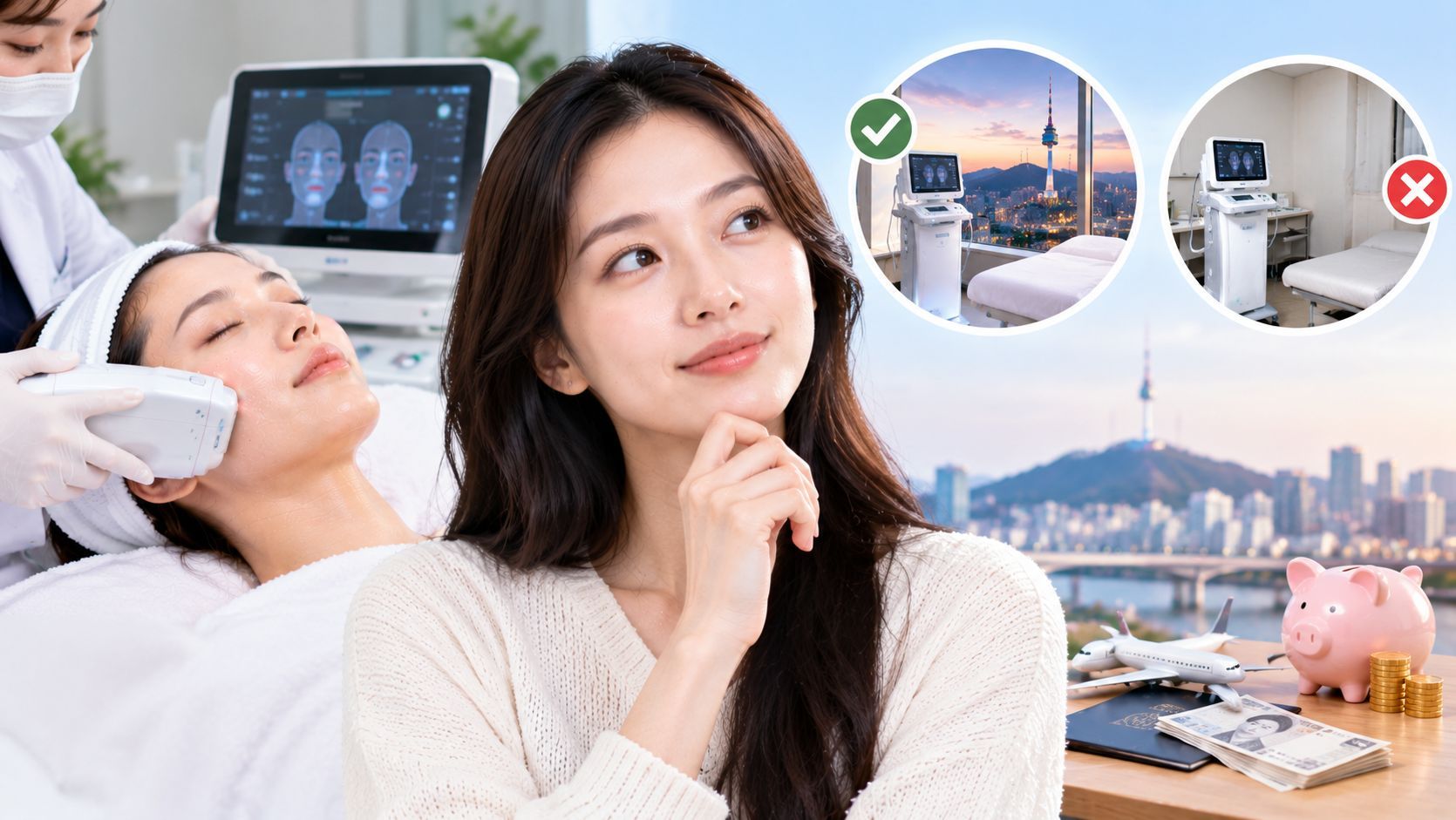
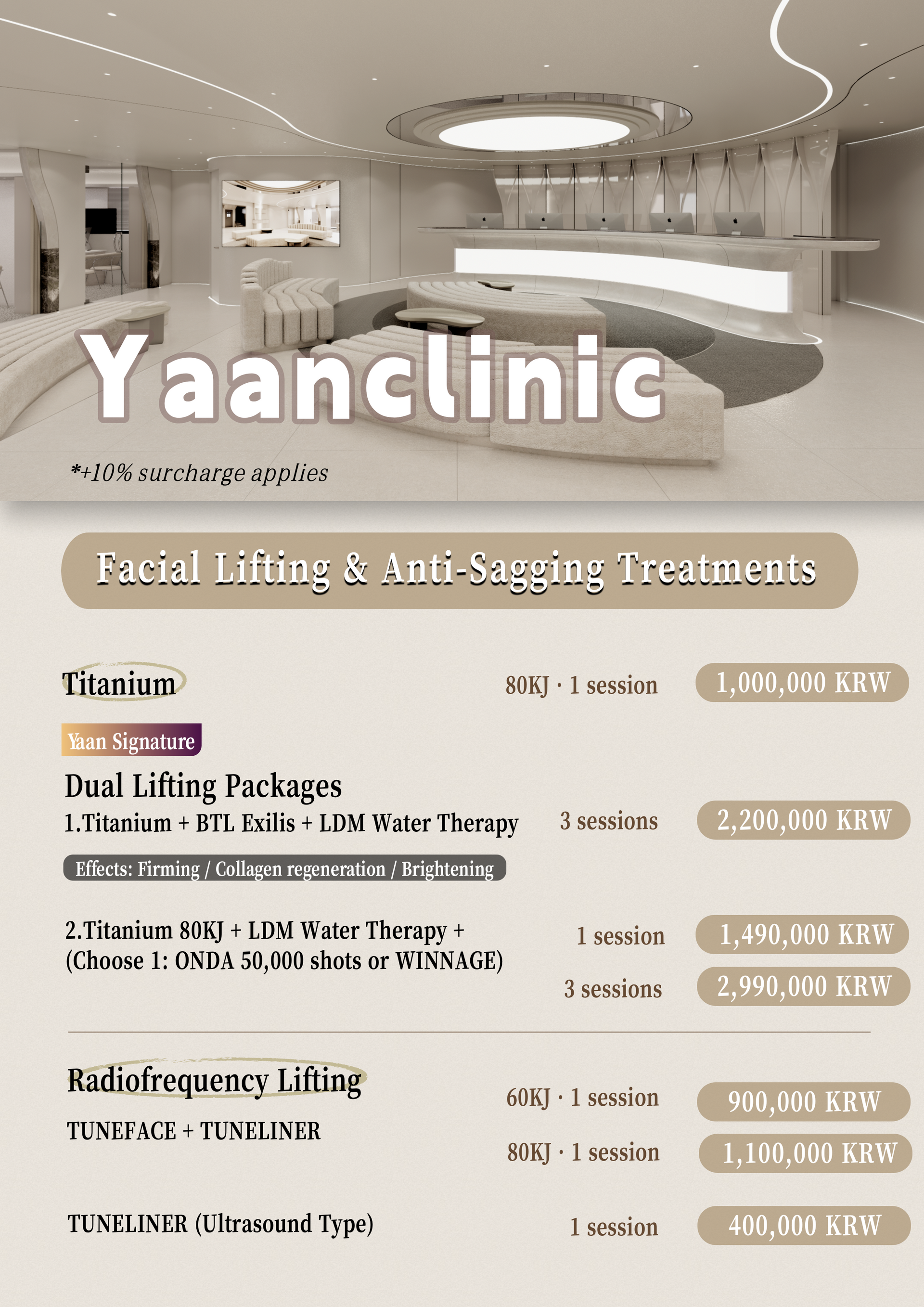
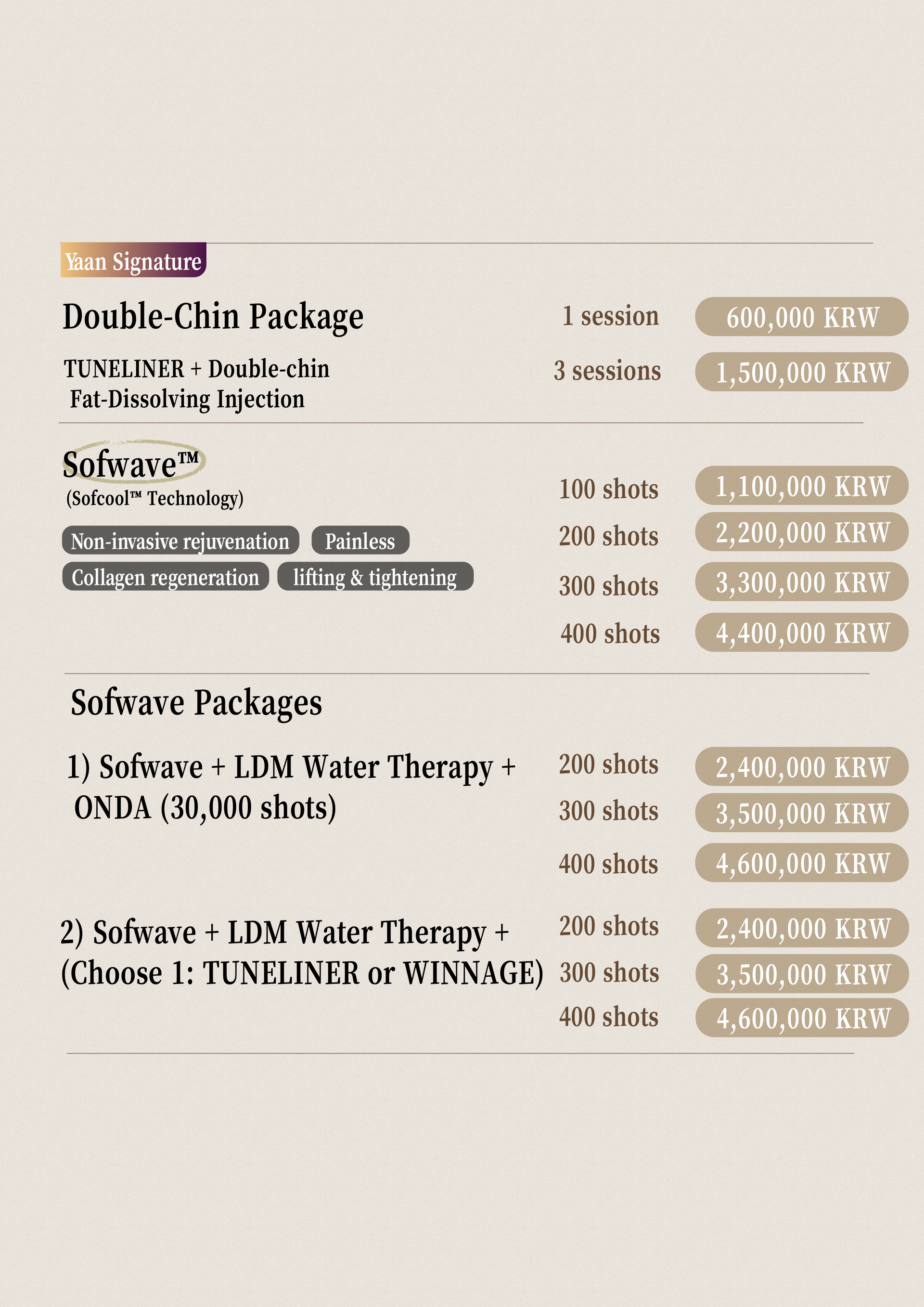
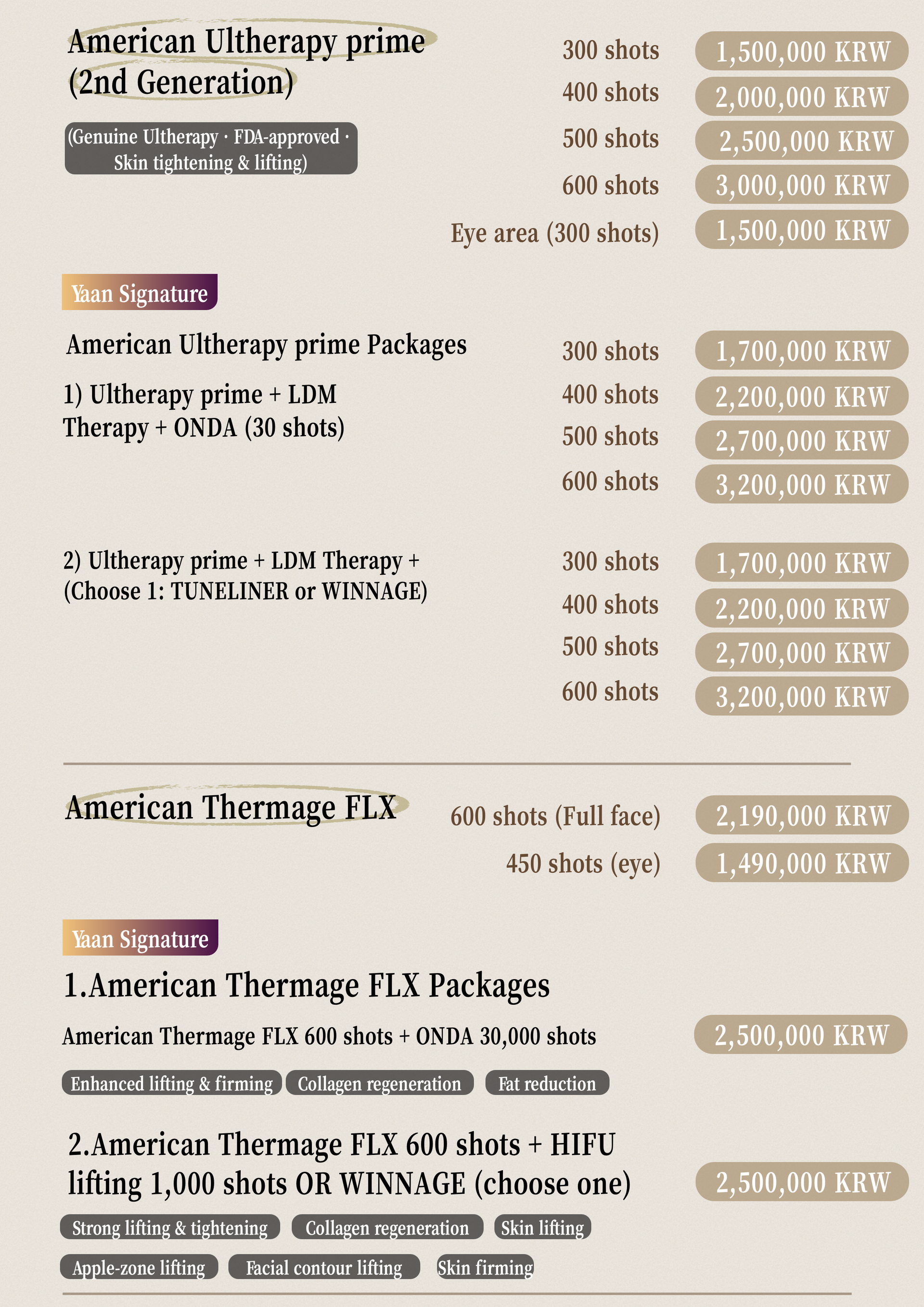
South Korea offers a wide range of aesthetic services, but choosing a clinic based on location or promotional pricing alone is not enough. If you are traveling to Seoul for treatment, verify the following before booking:
- The exact device: Confirm that the clinic will use Sofwave rather than a different ultrasound or radiofrequency device.
- The treating professional: Ask who will assess you, perform the procedure, and manage complications.
- Your suitability: Request an assessment of skin laxity, facial volume, neck anatomy, and other factors affecting the likely result.
- The treatment plan: Confirm the intended treatment areas, expected discomfort, aftercare, and follow-up arrangements.
- Realistic expectations: Ask to see relevant clinical examples and discuss what the treatment cannot correct.
If you are visiting Korea for a short trip, also ask how follow-up will be handled after you return home. Do not proceed simply because a clinic promises dramatic lifting in one session.
Are There Better Alternatives for Someone in Their 50s?
That depends on the main reason your face looks older.
- Mild skin laxity: Sofwave or another suitable non-invasive tightening treatment may be considered.
- Prominent wrinkles: Depending on the type and location, a clinician may discuss resurfacing, prescription skin care, or selected injectable treatments.
- Volume loss: Carefully planned volume restoration may be more relevant than skin tightening alone.
- Significant loose skin or descended tissues: A consultation with a qualified plastic surgeon can clarify whether surgery is the most effective option.
- Thin, dry, or fragile skin: Skin-barrier care, sun protection, and treatment of underlying skin problems may be the first priorities.
No single procedure addresses every aspect of aging. A tailored plan may be more useful than repeatedly trying stronger treatments that do not target the main cause of the concern.
Conclusion: Is Sofwave Strong Enough After 50?
Sofwave can be worth considering in your 50s if you have mild-to-moderate skin laxity, early jowling, or selected facial wrinkles and want a non-surgical option. Its potential benefit is gradual, and the improvement is generally more modest than a surgical lift.
If your skin is substantially loose or your jawline and neck have changed significantly, Sofwave alone may not deliver the difference you want. A qualified clinician should assess whether the treatment matches your anatomy, goals, and tolerance for downtime, cost, and risk.
The best decision is not necessarily choosing the strongest device. It is choosing a treatment that addresses the actual cause of your concern and offers a realistic chance of achieving your goals.
Frequently Asked Questions
1. Is Sofwave effective for a 55-year-old?
It may be effective for selected concerns such as mild-to-moderate laxity and facial wrinkles. Age alone does not predict the result; skin condition, anatomy, and treatment suitability matter.
2. How many Sofwave sessions are needed after 50?
The number depends on the treatment area, device protocol, and individual assessment. Do not assume you need multiple sessions or that repeated treatment will necessarily produce a stronger result. Ask the clinician to explain the recommended plan.
3. Can Sofwave remove jowls?
Sofwave may modestly improve the appearance of early jowling when skin laxity is a contributing factor. It cannot reliably remove substantial excess skin or reposition significantly descended facial tissues.
4. Is Sofwave better than Ultherapy for older skin?
Neither is universally better. They use different ultrasound technologies, and the appropriate choice depends on the concern, anatomy, clinician expertise, and device-specific indications.
5. Is Sofwave painful?
Some discomfort or heat-related sensation may occur during treatment. The experience varies by person and treatment area. Ask the clinic what pain-management options are appropriate and what discomfort to expect.
6. Can I get Sofwave in Seoul during a short visit?
Possibly, if you are an appropriate candidate and the clinic can provide suitable assessment, treatment, and aftercare. Confirm the device, the clinician's qualifications, local authorization, and arrangements for follow-up before booking.