What Treatment Is Best for Aging Skin That Has Also Become Very Thin?
If your skin has become thinner, more delicate, or almost transparent as you age, choosing an anti-aging treatment requires extra care. You may notice fine wrinkles, crepey texture, visible small blood vessels, dryness, or bruising more easily than before.
For people over 50, the best approach is usually to start by improving skin protection and hydration, reviewing possible causes of thinning, and then considering carefully selected treatments for wrinkles or sun damage.
In South Korea, dermatology clinics offer treatments such as laser resurfacing, radiofrequency procedures, skin boosters, and prescription skincare. However, these treatments are not interchangeable, and aggressive procedures may be inappropriate for fragile skin.
The key is to improve skin quality without causing additional irritation or injury. If your skin has become unusually thin or bruises and tears easily, a medical assessment should come before cosmetic treatment.
Why Does Skin Become Thin as You Age?
Skin changes naturally with age. Collagen and elastin, which help provide structural support and flexibility, gradually change. The outer skin layer may become thinner, oil production can decline, and small blood vessels may become more fragile.
Menopause can contribute to these changes through hormonal shifts. Cumulative sun exposure also damages collagen and elastin, making skin look more wrinkled, uneven, and less resilient. <Cite refs={["turn189892search1","turn189892search2"]}/>
Several factors can contribute to thin-looking skin:
- Natural aging: Skin gradually loses some of its thickness, elasticity, and resilience.
- Menopause: Hormonal changes can contribute to dryness and reduced skin thickness.
- Sun damage: Long-term ultraviolet exposure can damage supporting skin structures.
- Long-term corticosteroid use: Certain steroid creams can thin the skin, particularly when used improperly or for extended periods.
- Underlying medical conditions: Some health conditions can affect skin health or healing.
- Genetics and lifestyle: Individual differences, smoking, and environmental exposures can influence how skin ages.
It is important to distinguish naturally aging skin from skin that has become abnormally fragile. If thinning develops rapidly, is accompanied by unexplained bruising, or causes repeated skin tears, consult a healthcare professional rather than assuming it is simply an age-related change. <Cite refs={["turn189892search11","turn189892search3"]}/>
What Is the Best First Step for Thin Aging Skin?
Before considering expensive procedures, focus on protecting the skin barrier and identifying factors that may be making the skin more fragile.
1. Use a Gentle, Moisturizing Skincare Routine
A simple skincare routine can help reduce dryness and improve the appearance of fine lines caused partly by dehydration.
Consider the following approach:
- Use a gentle cleanser that does not leave your skin feeling tight.
- Apply a fragrance-free moisturizer containing ingredients such as ceramides or glycerin if your skin tolerates them.
- Avoid harsh scrubs and frequent exfoliation if your skin is irritated or delicate.
- Use lukewarm rather than very hot water.
- Introduce new products one at a time so you can identify irritation.
Moisturizers do not rebuild all the structural support lost with age, but they help maintain hydration and may make fine lines less noticeable. The National Institute on Aging recommends daily moisturization and gentle cleansing for aging skin. <Cite refs={["turn189892search3"]}/>
2. Make Sun Protection a Daily Habit
Sun protection is particularly important when skin has become thin or visibly sun-damaged.
Use a broad-spectrum sunscreen with SPF 30 or higher on exposed skin, including the face, neck, and hands. Reapply as directed, especially after sweating or swimming, and use shade, hats, and protective clothing when outdoors.
Consistent protection helps limit further ultraviolet damage and supports the results of treatments for photoaging. It will not instantly restore skin thickness, but it helps prevent additional damage. <Cite refs={["turn189892search2","turn189892search4"]}/>
3. Review Your Current Medications and Products
If you regularly use steroid creams, prescription retinoids, exfoliating acids, or strong acne treatments, discuss them with a clinician if your skin has become unusually delicate.
Topical corticosteroids can cause skin thinning when used inappropriately, particularly on sensitive areas or over prolonged periods. Do not abruptly stop a prescribed medication without discussing it with the prescribing clinician.
A dermatologist can review your routine and determine whether irritation, medication effects, sun damage, or another condition may be contributing to the problem.
Which Treatments May Help Thin, Aging Skin?
Once your skin's condition has been assessed, a dermatologist may recommend a treatment for specific concerns. The most appropriate option depends on whether your main problem is fine wrinkles, pigmentation, rough texture, dehydration, or laxity.
1. Retinoids for Fine Wrinkles and Photoaging
Topical retinoids, including prescription tretinoin, have evidence supporting their use for selected signs of photoaging. They can improve fine wrinkles, uneven pigmentation, and aspects of sun-damaged skin over time. A systematic review published in 2024 identified tretinoin as an established treatment for photoaging, while also noting limitations in the quality of some comparative studies. <Cite refs={["turn189892search5"]}/>
However, retinoids can cause dryness, redness, peeling, and irritation. These effects matter when your skin is already fragile.
If a retinoid is appropriate, a dermatologist can advise on the formulation, frequency, and method of introduction. People with easily irritated skin may need a gentler approach or an alternative treatment.
Retinoids should not be started simply because a product is marketed as anti-aging. If your skin is inflamed, unusually thin, or breaking down easily, address those problems first.
2. Laser Treatments for Sun Damage and Texture
Some laser treatments can improve selected signs of photoaging, including fine wrinkles, uneven pigmentation, and rough texture.
The choice of laser matters. More intensive resurfacing can involve longer recovery and a greater risk of irritation, infection, scarring, or changes in pigmentation. These risks need particular consideration when skin is fragile.
For darker skin tones, inappropriate laser settings can also increase the risk of post-inflammatory hyperpigmentation.
Laser treatment does not automatically make thin skin thicker or more resilient. A dermatologist should decide whether the expected benefit outweighs the risks and whether a gentler treatment or skincare approach would be preferable.
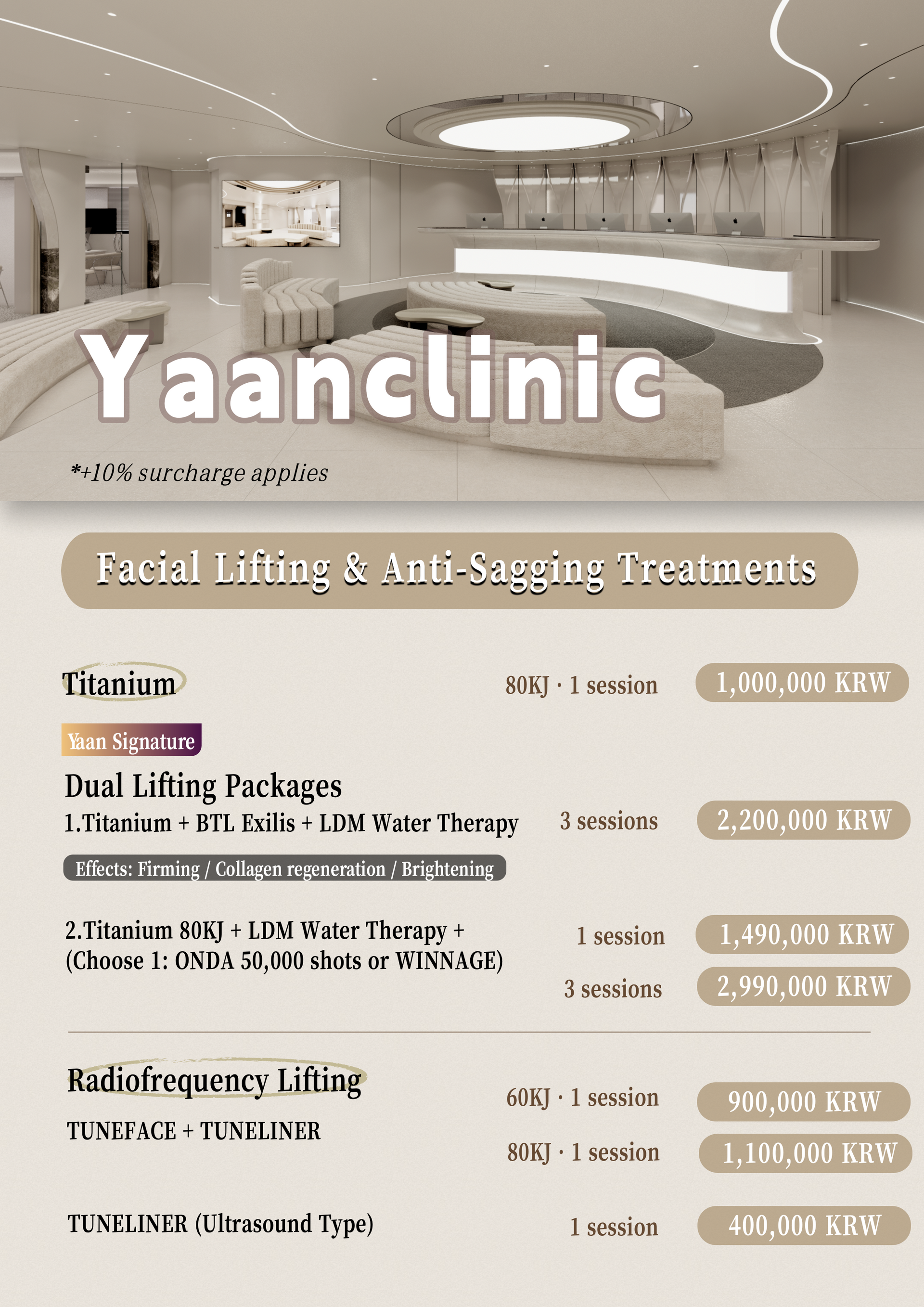
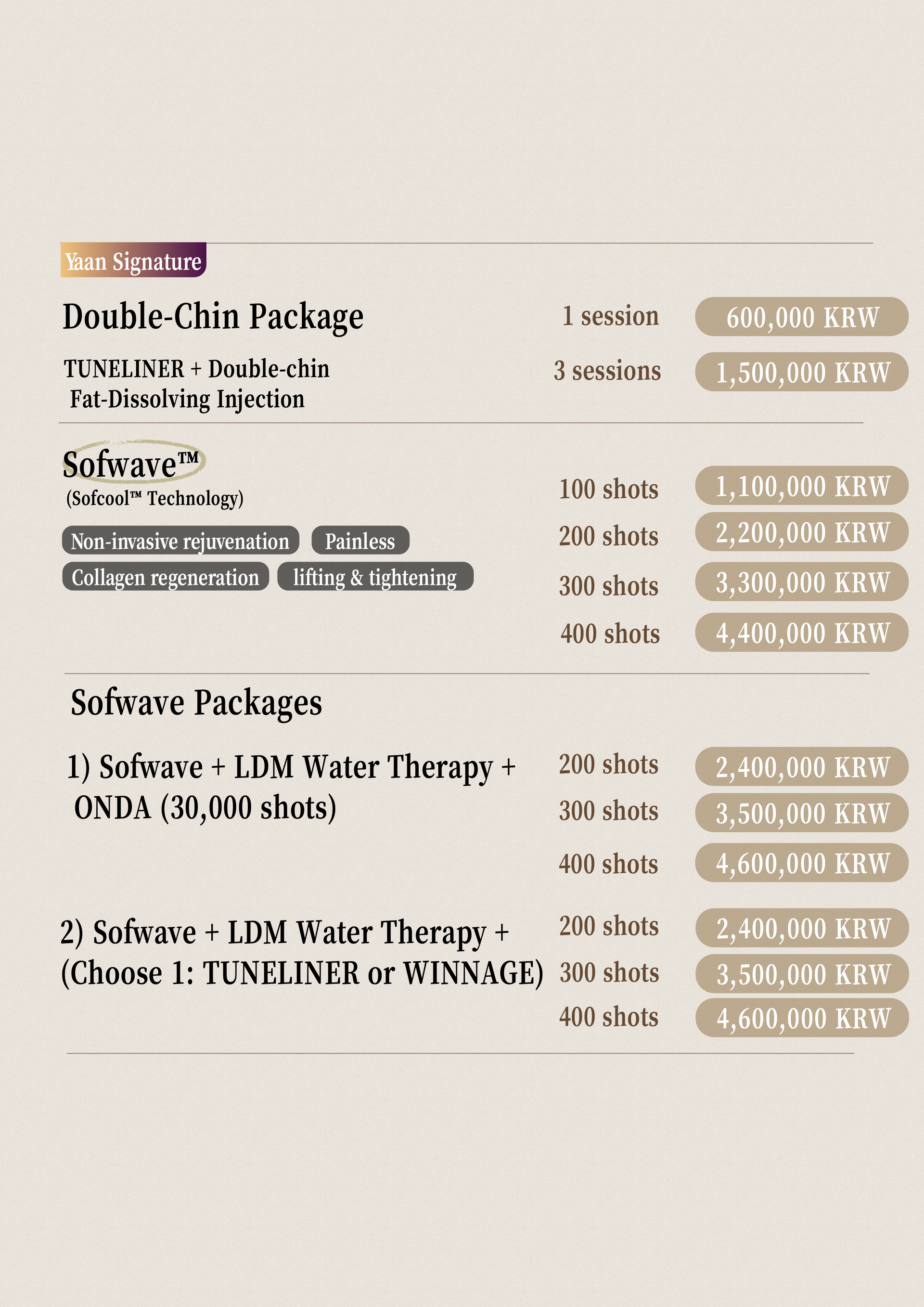
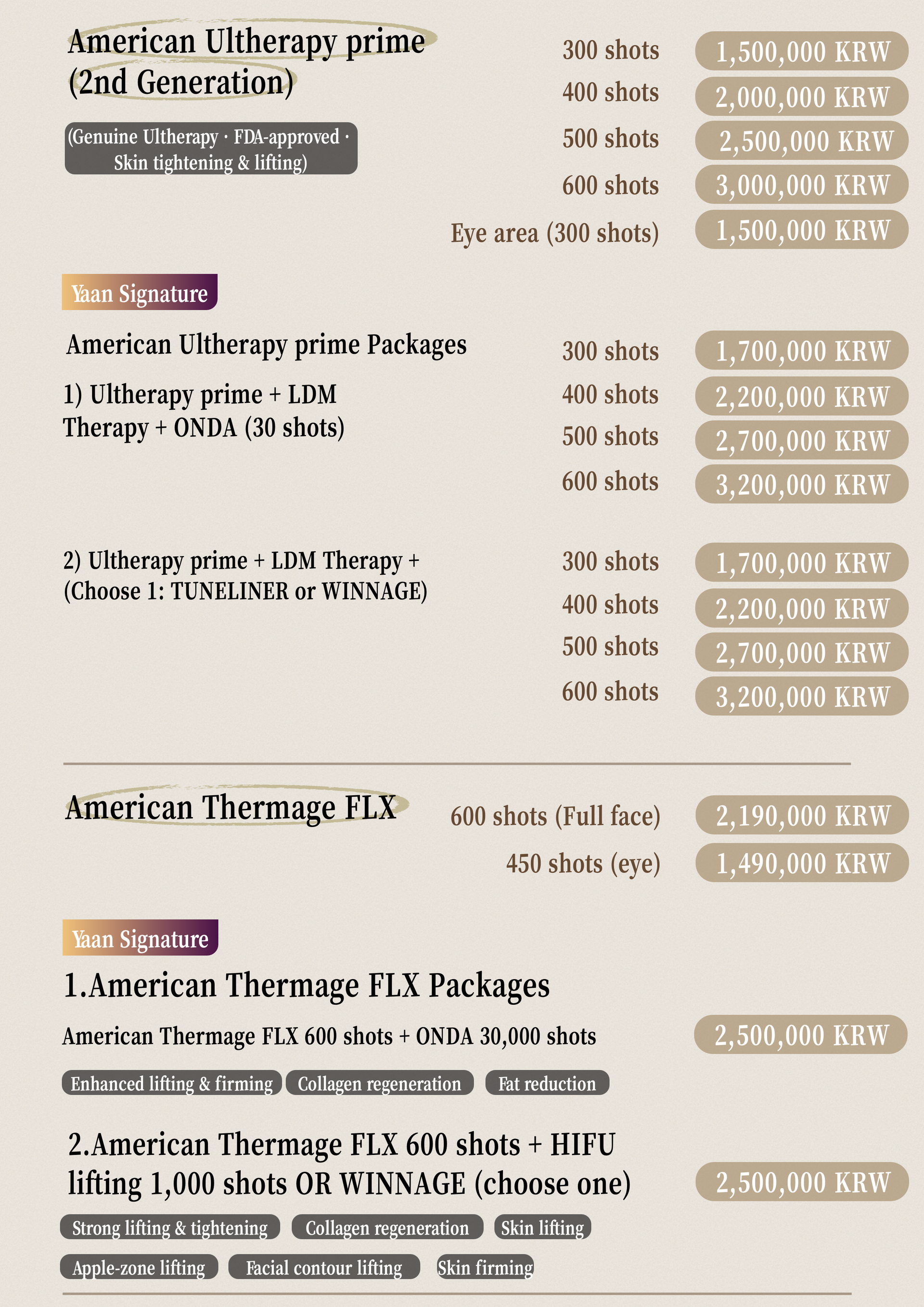
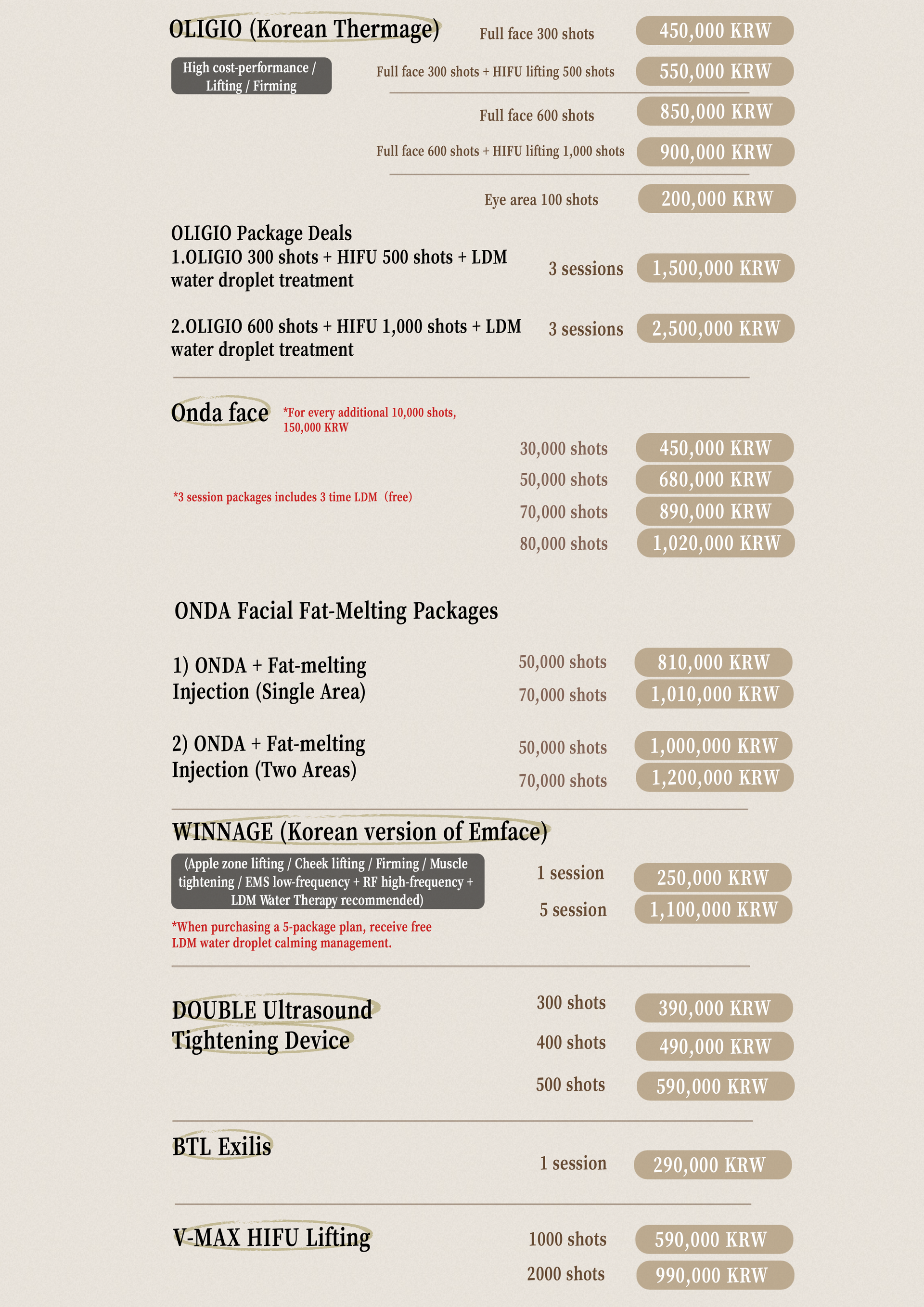
3. Radiofrequency and Ultrasound Skin Tightening
Radiofrequency and microfocused ultrasound treatments may provide modest tightening for selected people with mild skin laxity. They are not primarily designed to correct fragile skin or restore significant skin thickness.
If your main concern is that your skin looks crepey and delicate, energy-based tightening may not be the most appropriate first step.
The clinician should assess your skin quality, tissue support, and facial volume before recommending treatment. Excessive or poorly targeted energy can cause unwanted tissue damage, and more intensive treatment is not necessarily better.
If your skin is unusually thin, ask specifically how the proposed device and settings may affect your tissue and whether a lower-risk alternative is available.
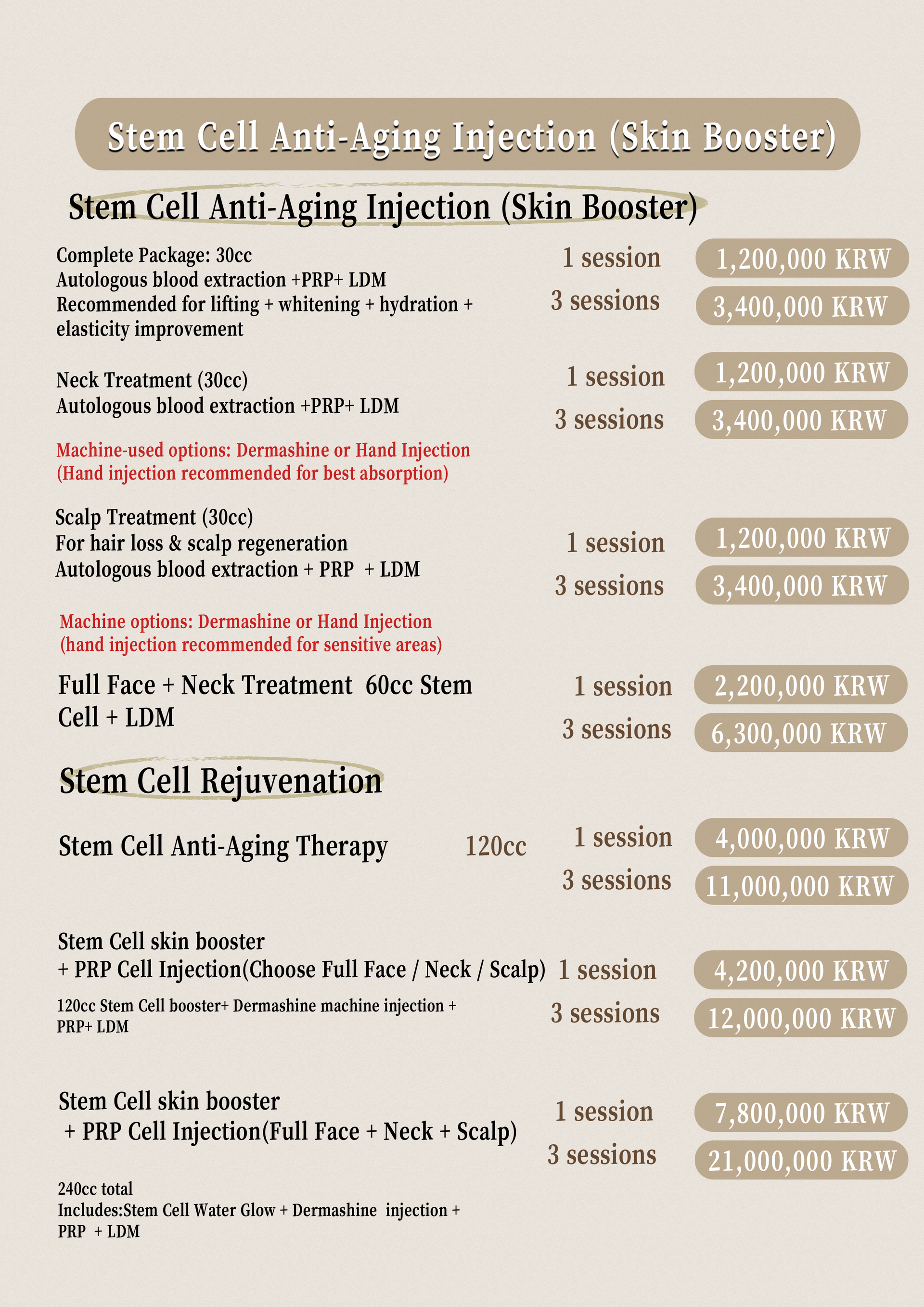
4. Skin Boosters for Selected Skin-Quality Concerns
Some injectable skin boosters are marketed to improve hydration, texture, or the appearance of fine lines. Their effects depend on the product, injection technique, and individual response.
They do not all work the same way, and they should not be assumed to rebuild the skin's full structural thickness.
Injection procedures can cause bruising, swelling, infection, and other complications. Rare but serious vascular complications can occur with certain injectable products.
If you are prone to bruising or have fragile skin, tell the clinician before considering injections. Ask which product will be used, what evidence supports its intended benefit, and whether the likely improvement justifies the risks.
5. Moisture-Focused Treatments
Some non-invasive treatments are intended to improve skin hydration or temporarily enhance the appearance of dull, dry skin. These may be worth discussing if dehydration is a major part of your concern.
However, hydration-focused procedures cannot reverse every structural change associated with aging. A good moisturizer and a suitable home routine may be enough for some people, while others may need treatment for underlying sun damage or another skin condition.
A clinician should explain the expected benefit without promising that a hydration treatment will permanently restore skin thickness.
What Should You Avoid If Your Skin Is Very Thin?
When skin is fragile, a conservative approach is often preferable until the cause and severity are understood.
Be cautious about:
- Frequent chemical peels or aggressive exfoliation.
- Strong retinoids introduced too quickly.
- Intensive laser resurfacing without an appropriate assessment.
- Energy-based treatments marketed as guaranteed skin-thickening procedures.
- Multiple injectable treatments performed in a short period.
- Products that cause persistent burning, redness, peeling, or itching.
Stop using a new non-prescription product if it causes a significant reaction, and seek medical advice if symptoms persist. Do not assume that irritation means the treatment is working.
If the skin tears easily, develops persistent sores, or bruises without a clear explanation, a medical evaluation is more important than cosmetic treatment.
What Should You Ask a Dermatology Clinic in Seoul?
If you are considering treatment in South Korea, make sure the clinic evaluates the condition of your skin rather than recommending a standard anti-aging package.
Ask these questions during your consultation:
- Why does my skin appear thin? Could aging, sun damage, medication use, or another condition be contributing?
- Is my skin suitable for a procedure? Ask whether your skin barrier and tissue condition make treatment appropriate.
- What is the main goal? Clarify whether the treatment targets fine wrinkles, pigmentation, hydration, or laxity.
- What are the risks for fragile skin? Discuss irritation, bruising, pigment changes, delayed healing, and other procedure-specific complications.
- What is the recovery plan? Find out what aftercare is needed and how complications will be managed.
- Could skincare alone be a reasonable starting point? A reputable clinician should be willing to discuss conservative options when appropriate.
If you are traveling to Seoul, arrange follow-up before booking intensive procedures. Ensure you have clear aftercare instructions and a way to contact the clinic if a problem develops after you return home.
Conclusion: Treat Thin Skin Gently and Strategically
For aging skin that has become very thin, the best treatment begins with understanding why it has changed.
Daily moisturizing, gentle cleansing, and consistent sun protection are foundational steps. Selected retinoids may improve fine wrinkles and photoaging, while lasers and other dermatological procedures can help specific concerns in carefully chosen patients.
However, fragile skin needs individualized assessment. Not every anti-aging procedure is appropriate, and no single treatment can guarantee restoration of youthful skin thickness.
The most useful plan is one that protects your skin, addresses any underlying cause, and selects cosmetic procedures only when their expected benefits justify the risks.
Frequently Asked Questions
1. Can thin aging skin become thicker again?
Some treatments may improve selected signs of photoaging and stimulate changes in the skin, but results vary. Natural aging cannot be completely reversed, and the first priority is to identify contributing factors and protect fragile skin.
2. Is laser treatment safe for very thin skin?
It depends on the laser, the skin condition, and the treatment settings. Some people may benefit from carefully selected laser procedures, while others face an increased risk of irritation, delayed healing, scarring, or pigmentation changes. A dermatologist should assess suitability first.
3. Can skin boosters thicken thin skin?
Some injectable treatments may improve hydration or selected aspects of skin quality, depending on the product. They should not be presented as a guaranteed way to restore structural skin thickness, and injections carry risks.
4. Should I use retinol if my skin is thin and sensitive?
Not without considering your skin's condition and tolerance. Retinoids can improve photoaging but may cause irritation and peeling. A dermatologist can advise whether a retinoid is suitable and how to introduce it cautiously.
5. Can menopause cause thin skin?
Hormonal changes during menopause can contribute to reduced skin thickness and dryness. However, sun damage, medications, and other factors may also play a role. Persistent or unusual skin fragility deserves medical assessment.
6. When should I see a doctor about thin skin?
Seek medical advice if your skin becomes unusually fragile, tears repeatedly, bruises easily without an obvious cause, or develops persistent sores. These changes should not automatically be attributed to normal aging.