How Does a Korean Dermatologist Choose Lifting Treatment Based on Face Shape?
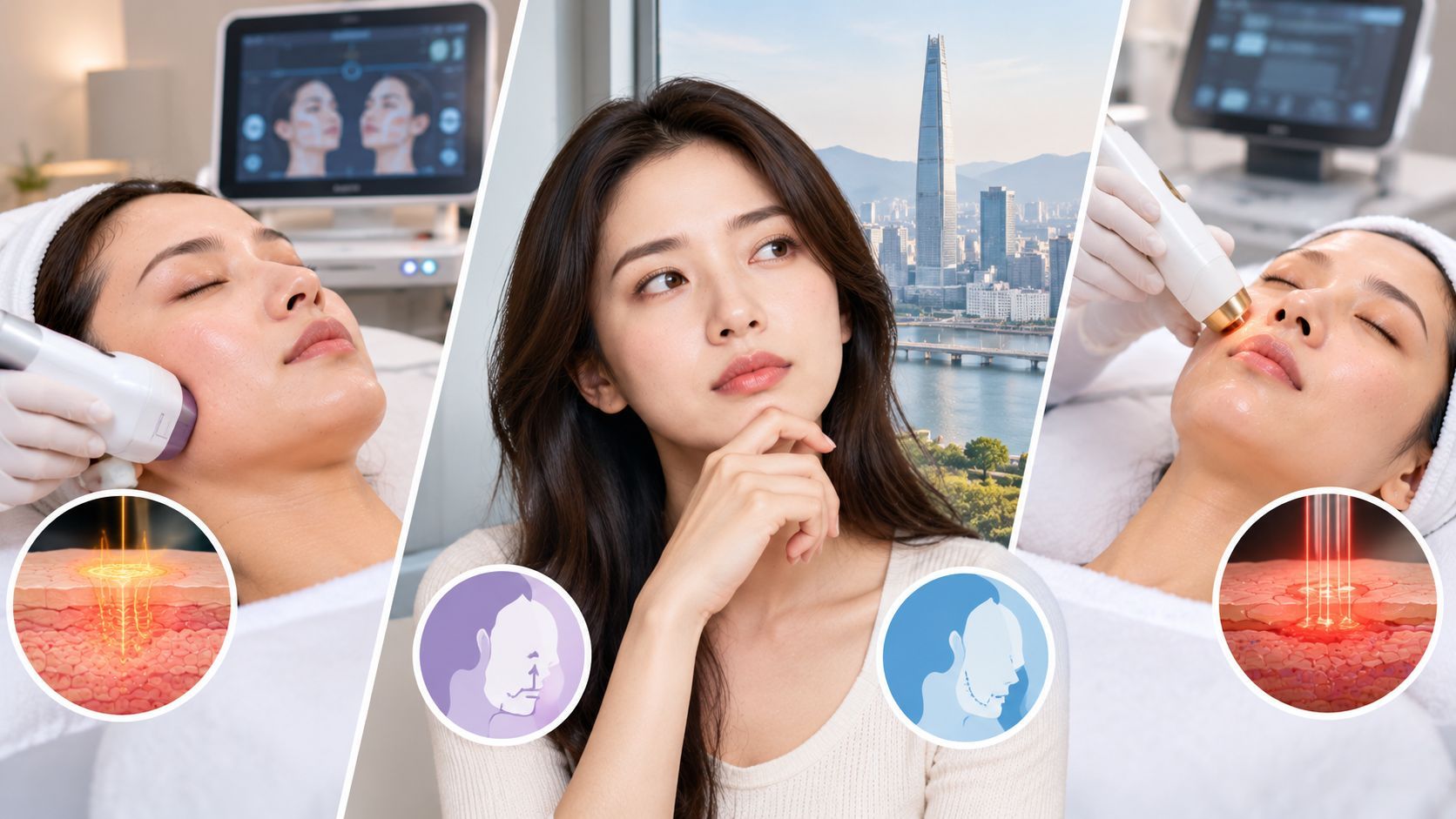
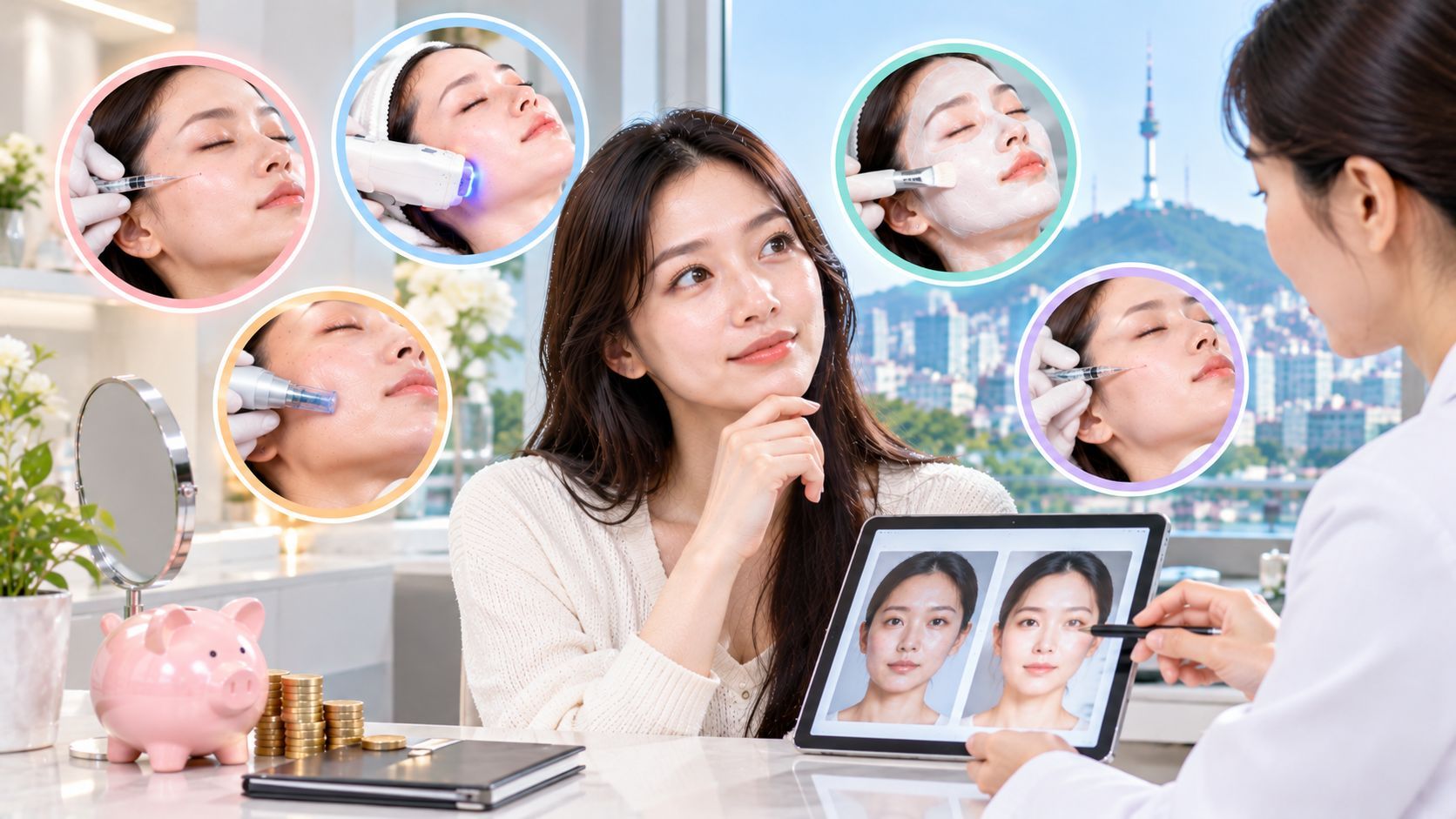
Choosing a facial lifting treatment in South Korea is not simply about selecting the most popular device. Korean dermatologists consider your face shape, skin thickness, degree of sagging, facial fat distribution, and the underlying cause of the changes you want to improve.
Someone with a round face and a heavy lower jaw may need a different approach from someone with hollow cheeks and a slim face. Likewise, a person with loose skin but relatively full cheeks may benefit from a different treatment strategy than someone whose face looks older because of volume loss.
The best lifting treatment is the one that addresses your main concern while preserving the facial contours you want to keep. Ultrasound, radiofrequency, and other aesthetic treatments have different mechanisms and limitations. Results also depend on the individual patient and the practitioner's treatment plan. The American Academy of Dermatology notes that non-invasive skin tightening generally produces modest improvements and works best when sagging is limited.
What Does a Korean Dermatologist Assess Before Choosing a Lifting Treatment?
Before recommending a device, a dermatologist should evaluate several features of your face rather than relying on face shape alone.
1. Your facial fat distribution
Facial fat influences cheek fullness, the appearance of the jawline, and the transition between the cheeks and lower face.
A person with excess fullness beneath the chin may have different treatment needs from someone with naturally full cheeks. Conversely, someone with hollow cheeks may want tighter skin without losing additional volume.
The clinician should determine whether the concern comes primarily from excess fat, skin laxity, volume loss, or a combination of factors.
2. The degree of skin laxity
Mild looseness around the jawline may respond to a non-surgical tightening procedure. More advanced sagging, substantial jowls, or significant excess skin may not respond sufficiently to energy-based treatments alone.
3. Skin thickness and facial structure
Skin thickness, tissue depth, underlying support, and facial anatomy can influence which treatment is appropriate. A device that works well for one patient may be less suitable for another.
A 2025 consensus-based treatment algorithm recommends evaluating skin laxity alongside the contribution of lost underlying support, including changes in facial fat and bone structure. Read the clinical consensus article.
4. Your desired outcome
Some patients want a sharper jawline. Others want less visible sagging while maintaining cheek volume. Some are primarily concerned about fine lines and skin texture.
These goals are different, so the treatment plan should reflect the result you want rather than follow a standard device package.
Which Lifting Treatments May Suit Different Face Shapes?
Face shape can provide useful clues, but it cannot determine the best procedure by itself. The following guide explains how dermatologists may approach common facial concerns.
Round face with a heavy lower face
A round face may have naturally full cheeks, a wider jawline, or fullness beneath the chin. However, roundness does not always mean excess fat, and a wide jaw may also reflect bone structure or the masseter muscles.
Depending on the cause, a dermatologist may consider:
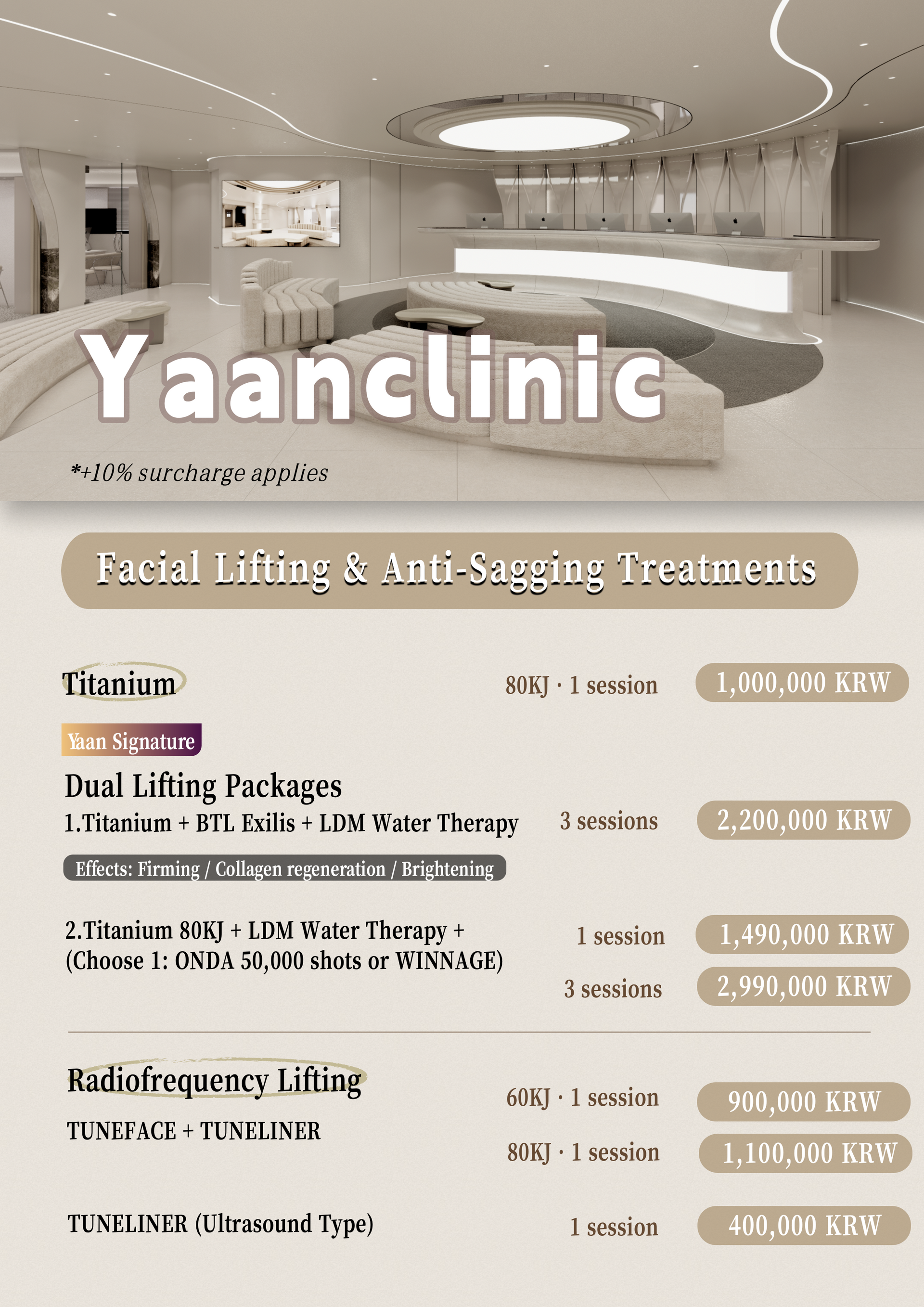
- HIFU or microfocused ultrasound: For selected patients with mild to moderate skin laxity who want improved firmness or lifting.
- Radiofrequency skin tightening: For suitable patients whose main concern is skin laxity rather than significant excess fat.
- Targeted fat-reduction treatment: Only when localized fat is confirmed and reduction is appropriate.
- No fat-reduction procedure: When facial fullness is mainly due to natural anatomy rather than excess fat.
The important distinction is between lifting loose tissue and reducing facial volume. Reducing fat unnecessarily can create an overly hollow appearance.
Slim face with a sagging jawline
A slim face with visible jowls requires a more cautious approach because there may be limited facial fat to preserve.
A dermatologist may consider a carefully selected skin-tightening treatment if mild laxity is the main problem. The clinician should evaluate whether the proposed treatment could affect the patient's desired facial contours.
If the jawline appears saggy mainly because of volume loss or reduced structural support, an energy-based device alone may have limited benefit.
For this face type, the goal is usually to improve firmness without making the cheeks or temples look more hollow.
Full cheeks with loose skin
Some people have naturally full cheeks but notice drooping around the lower face as they age.
In this situation, the clinician needs to distinguish between fullness that contributes to a heavy appearance and skin laxity that causes the cheeks or jawline to descend.
Depending on the examination, ultrasound or radiofrequency tightening may be considered. Fat-reduction procedures should not be selected solely because the cheeks are full.
The desired result is better definition and support—not necessarily a smaller face.
Oval face with early signs of aging
An oval face may develop mild jawline softness, fine lines, or reduced skin firmness without substantial volume loss.
If laxity is mild, a non-surgical treatment may be reasonable. Ultrasound, radiofrequency, or selected laser treatments may be discussed depending on whether the main concern is deeper tissue laxity, skin texture, or wrinkles.
Patients should still have realistic expectations: subtle improvements are more likely than the degree of lifting achieved through surgery.
Hollow cheeks or visible facial volume loss
People with hollow cheeks, prominent facial bones, or age-related volume loss should avoid assuming that a stronger lifting treatment will solve the problem.
A dermatologist should determine whether loose skin is actually present and whether tightening would meaningfully improve the concern. If volume loss is the main issue, the clinician may discuss volume-restoring options when appropriate.
HIFU and radiofrequency are not interchangeable, and neither should be treated as a guaranteed way to tighten skin without affecting surrounding tissue.
HIFU vs. Radiofrequency: How Do Dermatologists Decide?
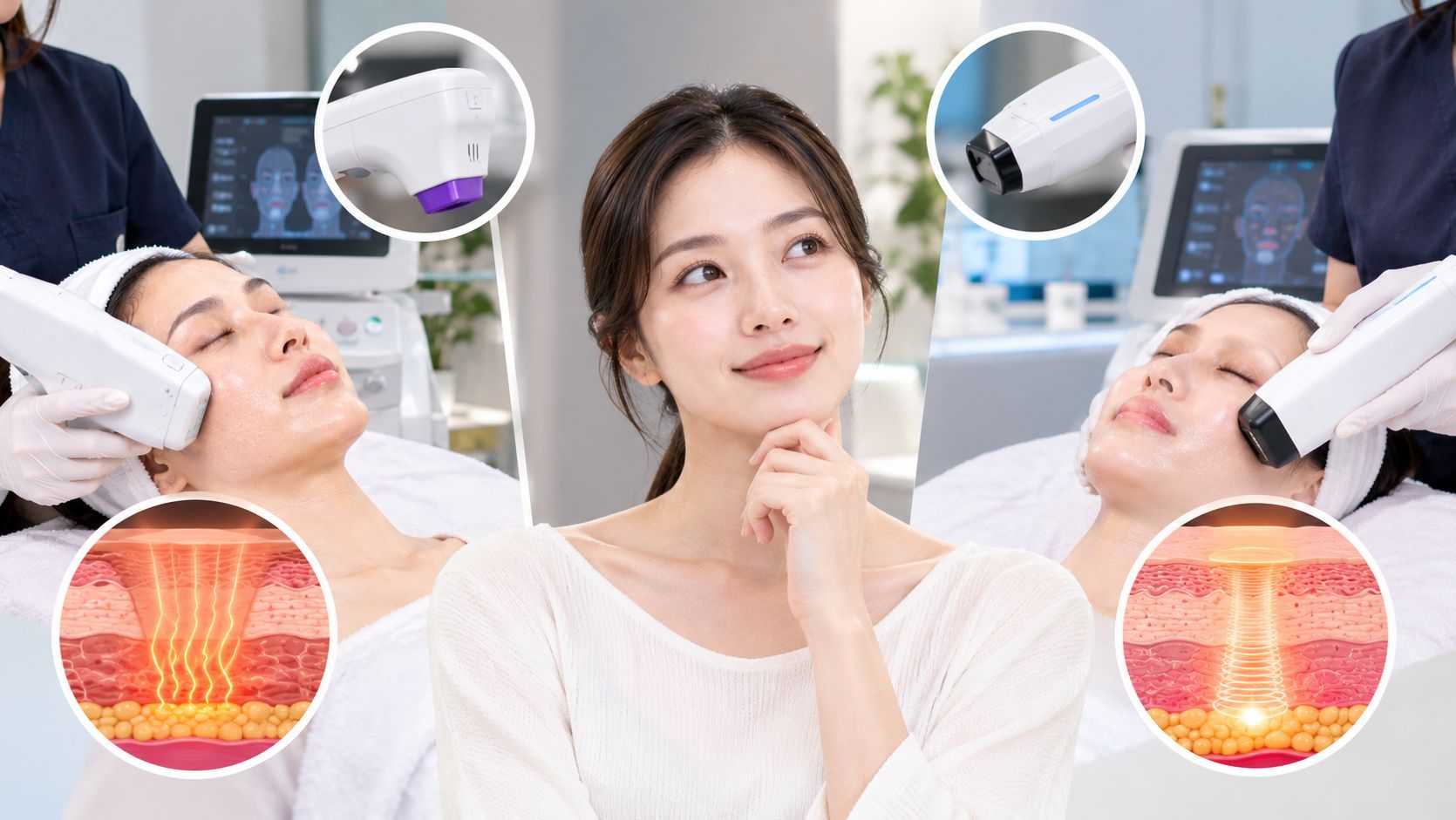
HIFU and radiofrequency are commonly discussed for non-surgical facial lifting, but they deliver energy differently.
FeatureHIFU or microfocused ultrasoundRadiofrequency (RF)Energy typeFocused ultrasoundRadiofrequency energyMain purposeSelected protocols target deeper tissue for lifting and tighteningHeats tissue to support tightening and collagen remodelingCommon treatment goalMild to moderate laxity and selected lifting concernsSkin firmness and selected laxity concernsMain limitationResults vary; treatment depth and technique matterResults vary by device and protocol; it does not guarantee fat preservationBest selection factorWhether the target tissue and treatment depth match the concernWhether the device and treatment approach suit the patient's skin and anatomy
Clinical evidence supports both modalities for selected patients, but evidence does not establish one universally superior device for every face shape. A small randomized split-face study found improvement with both monopolar radiofrequency and microfocused ultrasound over six months, without a statistically significant difference between the treated sides. The study was small, so its findings should not be generalized to every device or patient.
The decision should be based on the treatment indication, device capabilities, anatomy, expected benefits, and risks—not brand popularity alone.
What If One Treatment Cannot Address Every Concern?
Some patients have several concerns at once, such as loose skin, uneven texture, volume loss, and localized fullness.
A dermatologist may recommend treating the most important concern first and reassessing the result before considering another procedure. This can help avoid unnecessary treatments and make it easier to understand which intervention produced a benefit.
For example:
- Mild skin laxity with preserved facial volume may call for a tightening-focused approach.
- Hollow cheeks with little actual sagging may require assessment for volume loss rather than stronger tightening.
- Localized submental fat may need a different approach from cheek laxity.
- Significant excess skin may require discussion of surgical options because non-surgical devices have limitations.
Combination treatment is not automatically better. Each procedure should have a clear purpose, and the clinician should explain how the treatments interact.
Questions to Ask Before Getting a Korean Lifting Treatment
Before booking a procedure in Seoul, ask your dermatologist:
- What is causing my facial sagging: loose skin, fat distribution, volume loss, or bone structure?
- Which exact device do you recommend, and why?
- Is the treatment intended to tighten skin, lift tissue, or reduce fat?
- How will my face shape and existing facial volume influence the plan?
- What degree of improvement is realistic for me?
- What side effects and limitations should I understand?
- Who will provide follow-up if I develop a complication after returning home?
If you are traveling internationally for treatment, discuss aftercare before your appointment. Confirm how the clinic handles follow-up and whom you can contact if a problem develops after you leave South Korea.
Conclusion
Korean dermatologists should choose lifting treatments based on facial anatomy, the cause of sagging, skin laxity, fat distribution, and the patient's goals—not face shape alone.
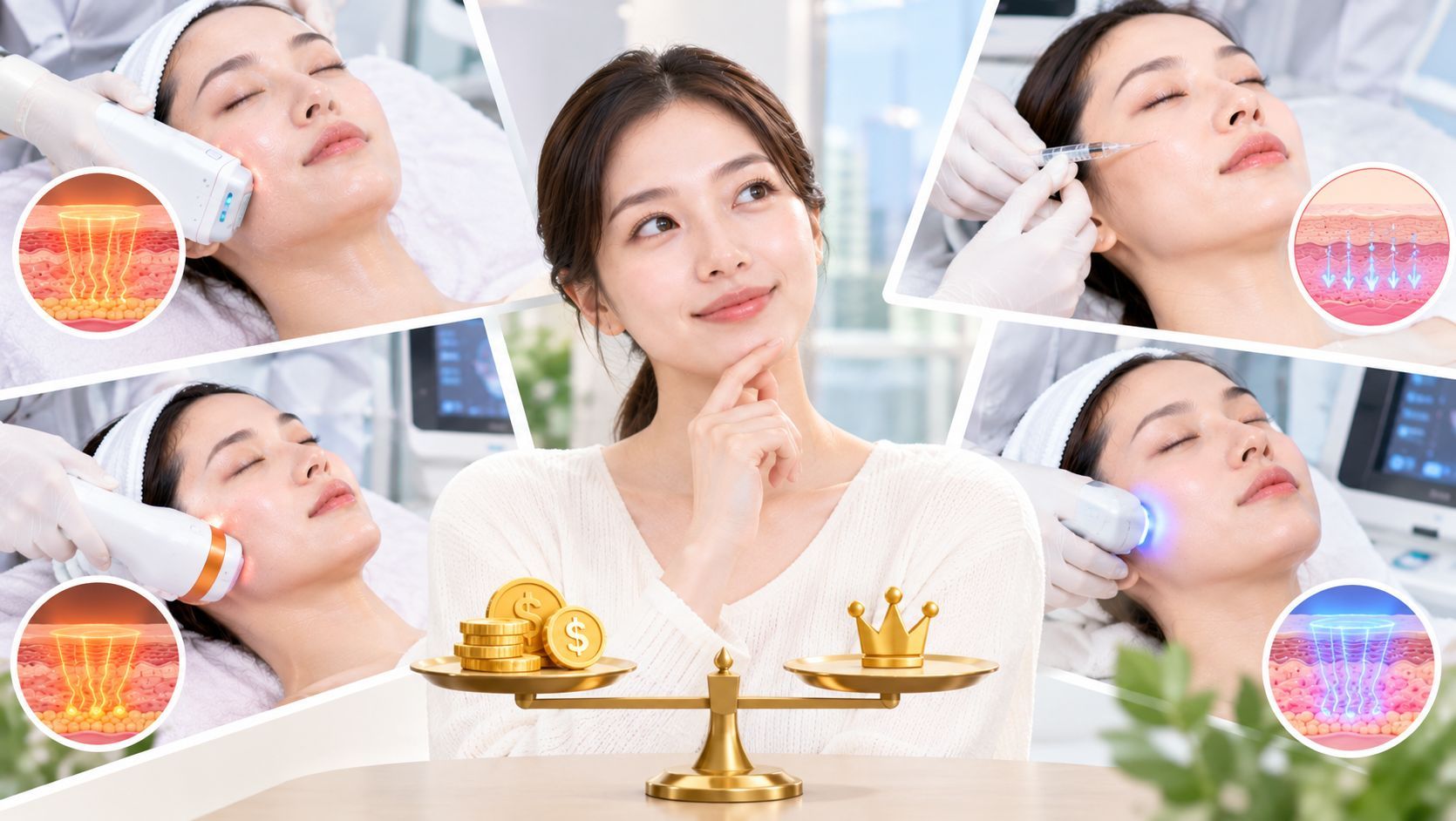
HIFU and radiofrequency may help selected patients with mild to moderate laxity, while volume loss, localized fat, and significant excess skin may require different approaches. The best treatment is not necessarily the strongest or most expensive one. It is the option that addresses the main concern while respecting the patient's facial structure and realistic expectations.
Frequently Asked Questions
1. Which lifting treatment is best for a round face?
There is no single best treatment for every round face. If mild skin laxity is the main concern, ultrasound or radiofrequency tightening may be considered. If fullness comes from localized fat, muscle anatomy, or bone structure, a different approach may be needed.
2. Which lifting treatment is best for a thin face?
A thin face with mild sagging may benefit from a carefully selected tightening treatment, but the clinician should prioritize preserving facial volume. If hollowing or volume loss is the main concern, lifting alone may not be the right solution.
3. Is HIFU better than radiofrequency for facial lifting?
Neither is universally better. They use different energy-delivery methods, and outcomes depend on the device, treatment plan, anatomy, and severity of laxity. A dermatologist should explain why one option fits your particular concern.
4. Can a lifting treatment make my face look thinner?
Unwanted changes in facial volume can occur with some energy-based treatments, although they are not inevitable. Risk depends on the technology, treatment settings, target area, and individual anatomy. Discuss volume preservation before treatment if you already have hollow cheeks.
5. Can non-surgical lifting replace a facelift?
Non-surgical treatments may provide modest improvements for selected patients with mild to moderate laxity. They generally cannot reproduce the lifting or skin removal possible with surgery, particularly when sagging is advanced.
6. How do I choose a lifting clinic in Seoul?
Look for a qualified medical professional who examines your face, explains the exact device and treatment plan, discusses risks and alternatives, and provides a clear follow-up plan. Avoid choosing a procedure based only on promotional packages or claims of guaranteed results.