Should People With Low Facial Fat Avoid HIFU?
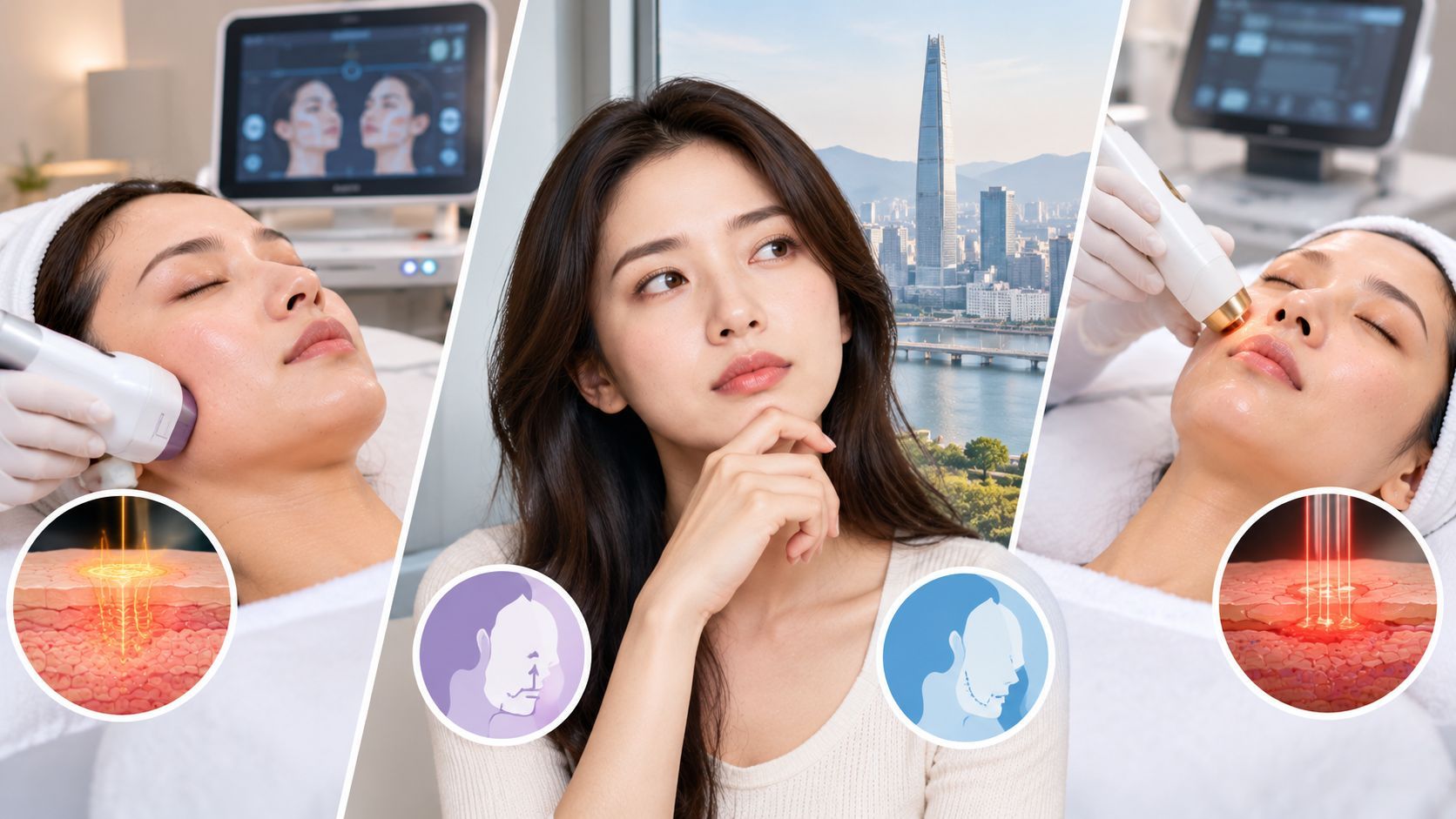
HIFU (high-intensity focused ultrasound) is a non-surgical treatment used for facial lifting and skin tightening. It is popular in South Korea for improving mild sagging around the cheeks, jawline, and neck. However, people with naturally thin faces or low facial fat need a more individualized approach.
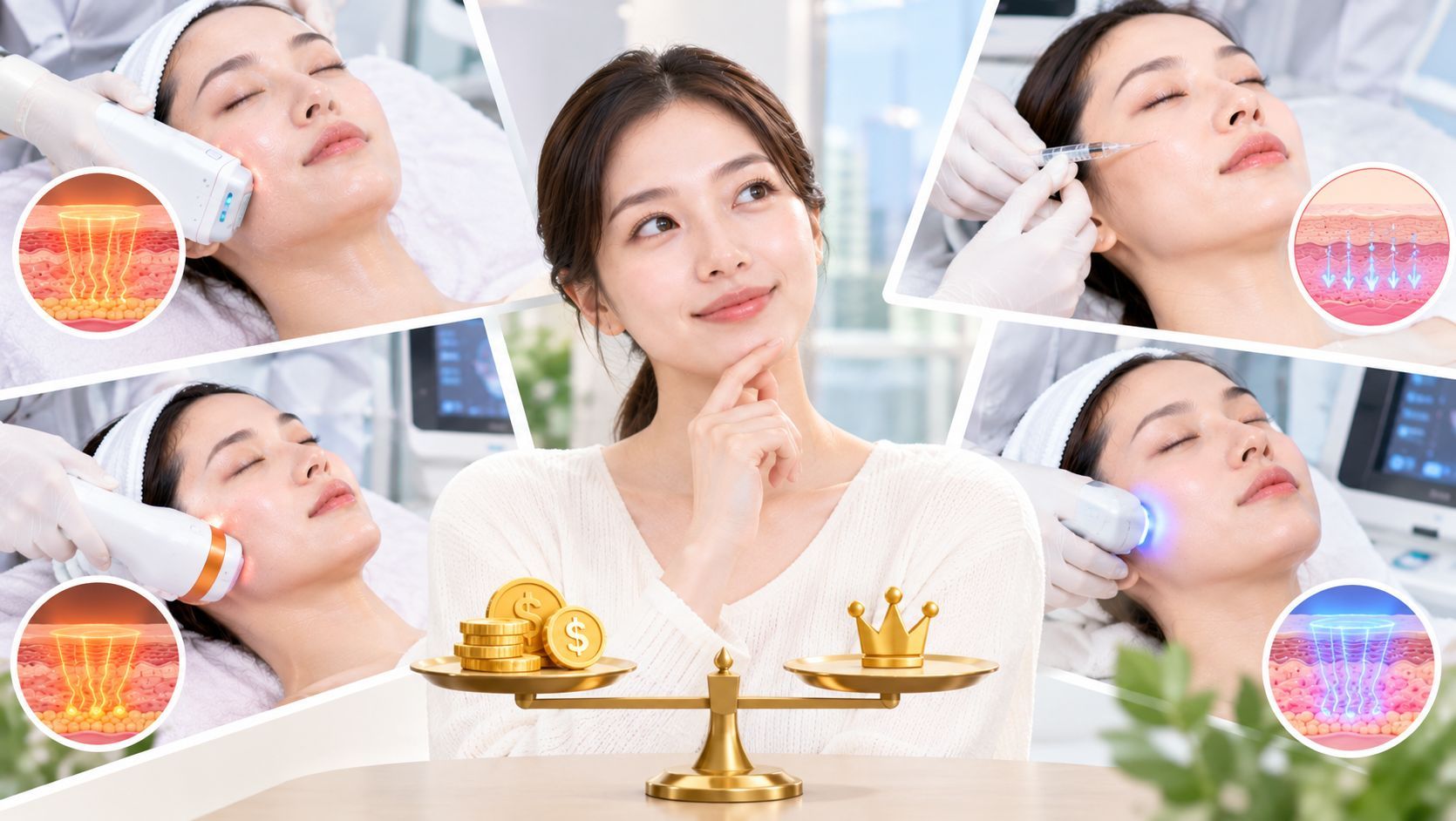
The main concern is not simply whether HIFU is safe. It is whether the treatment is appropriate for your facial structure and whether the potential lifting benefit outweighs the risk of making an already slim face look more hollow.
Low facial fat is not an automatic contraindication to every HIFU treatment. Nevertheless, if you already have hollow cheeks, prominent facial bones, or visible volume loss, you should discuss these concerns with a qualified dermatologist before proceeding.
How Does HIFU Work on the Face?
HIFU delivers focused ultrasound energy to selected depths beneath the skin. Depending on the device and treatment protocol, the energy creates small zones of thermal injury that stimulate tissue remodeling and collagen production.
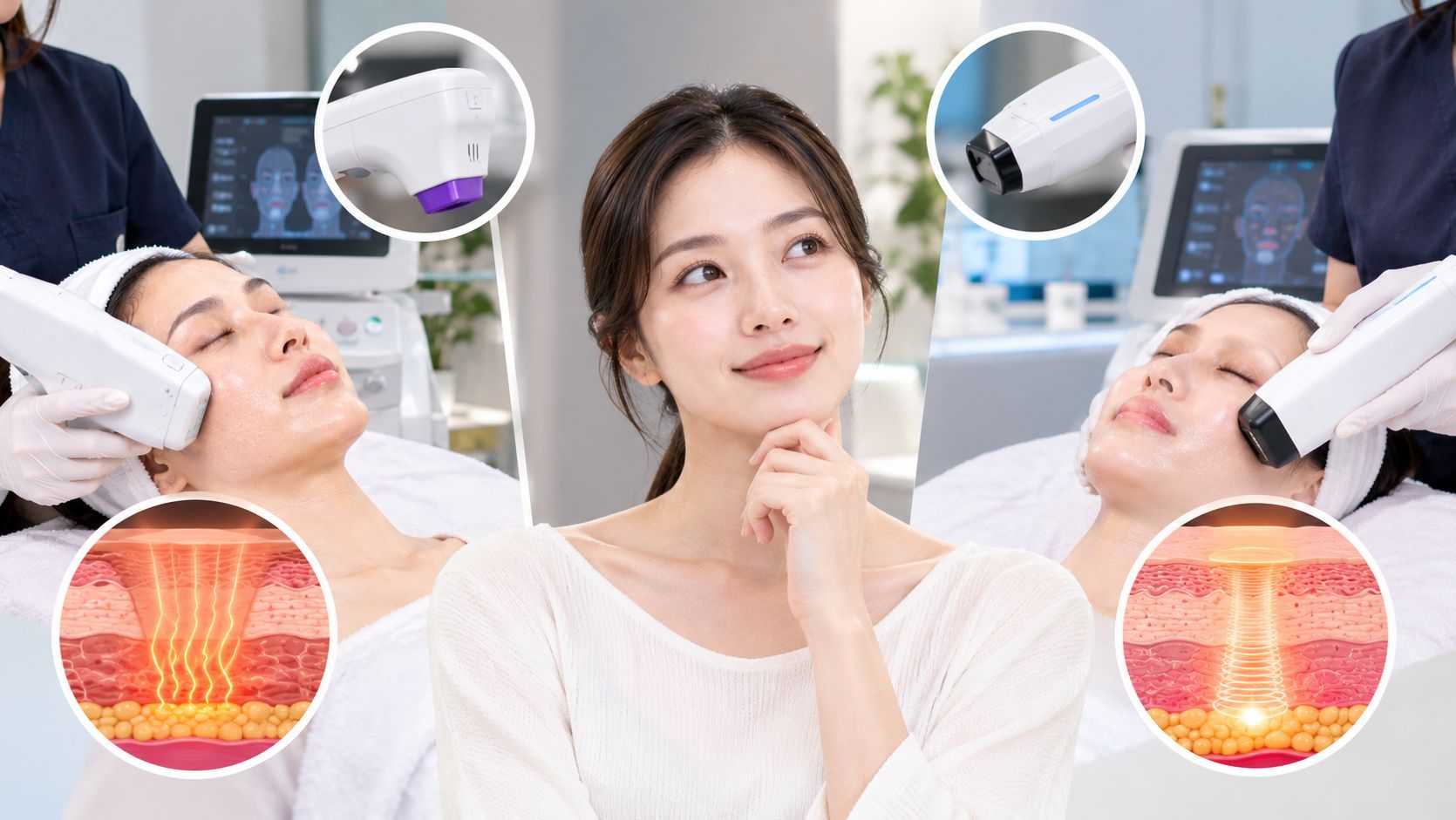
Microfocused ultrasound with visualization (MFU-V), including the technology used in Ultherapy, is designed to target specific tissue depths for lifting and tightening. Other HIFU devices may use different energy settings and treatment approaches, including protocols intended to reduce localized fat.
These technologies should not be treated as interchangeable. The device, treatment depth, energy, number of passes, and treated areas all influence the expected effect.
Research suggests that microfocused ultrasound can improve mild to moderate skin laxity, although results vary and are generally not equivalent to a surgical facelift. A systematic review found that temporary redness, swelling, tenderness, and pain were among the commonly reported side effects. Read the systematic review of microfocused ultrasound.
Why Is HIFU a Concern for People With Low Facial Fat?
Facial fat contributes to the soft contours of the cheeks, temples, and area around the mouth. When facial volume decreases, the underlying bone structure may become more prominent, and hollows or folds may become easier to see.
If your face already has little subcutaneous fat, an aggressive treatment intended to create a slimmer contour may not address your actual concern.
1. It may make facial hollows more noticeable
People with naturally hollow cheeks or pronounced cheekbones may be concerned about losing the soft, youthful appearance associated with facial volume.
HIFU does not inevitably cause facial fat loss. However, unwanted tissue atrophy and volume changes have been reported in the medical literature and adverse-event reports. A 2025 systematic review of MFU-V found limited reports of significant adverse events in published studies, including one case of subcutaneous atrophy, while adverse-event database reports included lipoatrophy and neurological symptoms. These findings warrant caution but do not establish how frequently such complications occur in routine practice. Read the adverse-event review.
2. It may not address the main cause of an older-looking face
Facial aging can involve several changes at once, including reduced collagen, skin laxity, loss of fat volume, and changes in the underlying bone structure.
HIFU may help selected patients whose primary concern is mild to moderate skin laxity. It cannot reliably replace lost facial volume.
If your cheeks look sunken because of volume loss rather than loose skin, tightening alone may not deliver the appearance you want.
3. A stronger treatment is not necessarily better
Higher energy, more passes, or treating a larger area does not automatically produce a better result. The objective should be an appropriate treatment for the individual anatomy, not maximum energy delivery.
A conservative plan may be more suitable for a person with a thin face, particularly when the desired improvement is subtle tightening rather than facial slimming.
Who Should Be Especially Cautious About HIFU?
You should request a careful assessment before facial HIFU if any of the following apply:
- You have naturally thin cheeks or prominent cheekbones.
- Your temples or the area beneath your cheekbones already look hollow.
- You have recently lost a significant amount of weight.
- Your face has become thinner with age.
- You previously noticed unwanted hollowing after an energy-based treatment.
- Your main concern is volume loss rather than loose skin.
- You want a sharper jawline but do not want your cheeks to become slimmer.
These characteristics do not automatically rule out HIFU. They are reasons to assess the likely benefit and risk more carefully.
A clinical assessment should identify whether your concern comes mainly from skin laxity, fat distribution, volume loss, or a combination of these factors.
Can People With Low Facial Fat Still Benefit From HIFU?
Yes, selected patients may still benefit, particularly when they have genuine skin laxity and the treatment can be planned around their anatomy.
For example, a person with a slim face and mild looseness beneath the chin may have a different treatment plan from someone with hollow cheeks and sagging in the midface. The areas that need treatment, and the depths that are appropriate, should be determined individually.
Before treatment, ask your clinician:
- Which exact HIFU or microfocused ultrasound device will be used?
- Is the goal skin tightening, lifting, or fat reduction?
- Which areas and tissue depths will be treated?
- How will my existing facial volume affect the treatment plan?
- What alternatives are available if preserving facial fat is a priority?
- What side effects should I watch for, and who will provide follow-up care?
If you are traveling to Seoul for treatment, arrange a consultation before committing to a procedure. Also confirm how you can contact the clinic if symptoms develop after returning home.
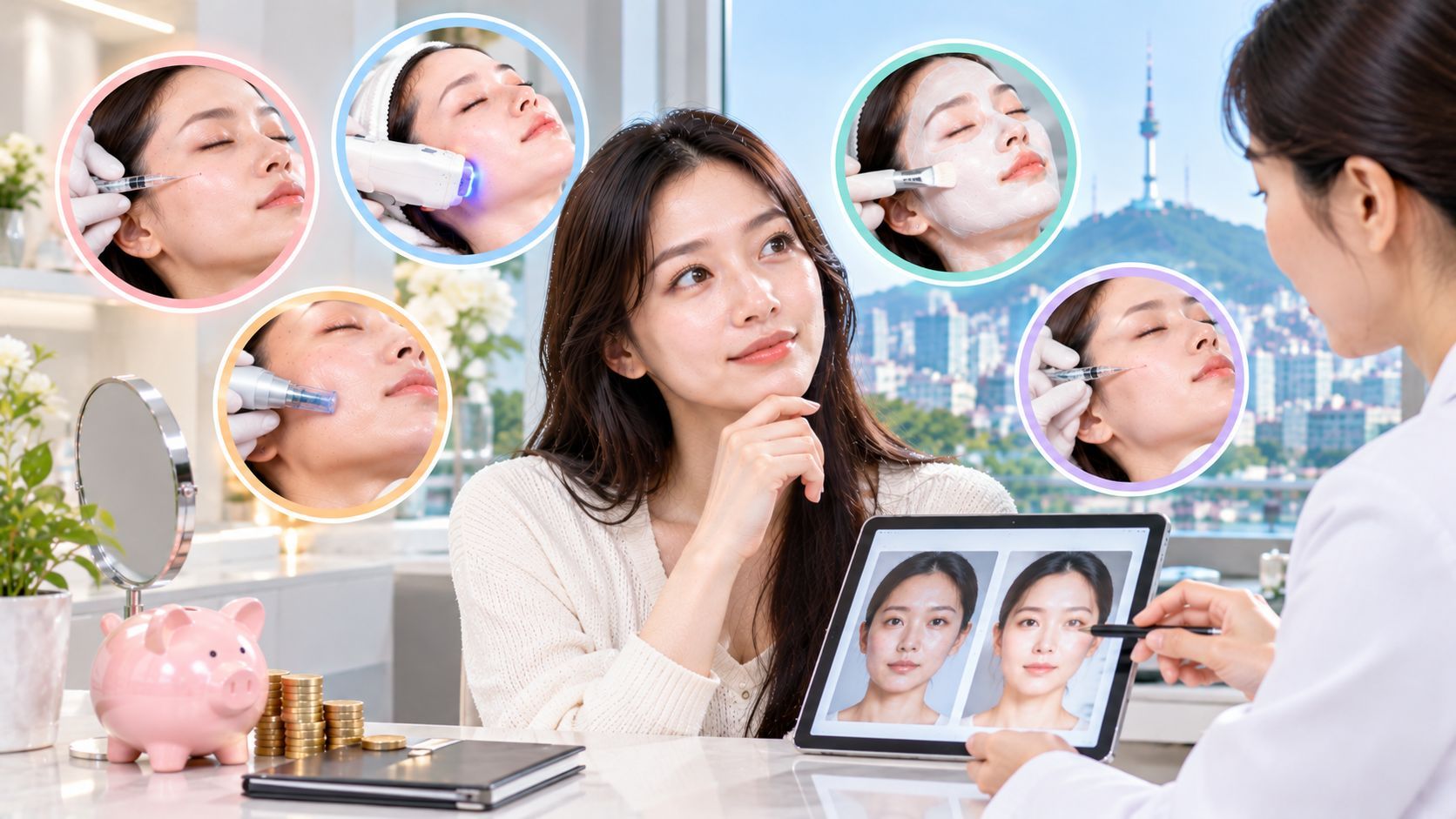
What Are the Alternatives if You Want Tightening Without Losing Facial Volume?
The most appropriate alternative depends on the cause of the concern. No energy-based treatment can guarantee that facial volume will remain completely unchanged.
Skin-focused treatments
A clinician may consider a skin-focused approach when the main problem is mild laxity or skin texture. Depending on the patient's needs, options may include selected radiofrequency treatments or other non-surgical approaches.
Each technology has its own limitations and risks. Radiofrequency treatments should not automatically be assumed to preserve fat, and radiofrequency microneedling is different from HIFU.
Volume-restoring treatments
If hollow cheeks or facial volume loss are the primary concern, a qualified clinician may discuss whether a volume-restoring treatment is appropriate. Options can include carefully selected fillers or fat grafting, depending on the individual situation.
These procedures have their own risks and are not necessary for everyone. They should not be used simply to compensate for an unsuitable lifting treatment.
Observation or a combined treatment plan
Sometimes the best approach is to avoid immediate treatment until the cause of the facial change is clear. A clinician may recommend monitoring, skincare, or a staged plan rather than combining several procedures at once.
The goal is to improve the concern you actually have without creating a new one.
What Results Can You Realistically Expect?
HIFU results vary by device, treatment settings, anatomy, and the severity of skin laxity. People with mild to moderate looseness may experience some improvement, but results are not guaranteed and are generally more modest than surgery.
It is also important to distinguish temporary post-treatment swelling from the final result. Changes in collagen remodeling develop over time, so the face should not be judged solely by its appearance immediately after treatment.
If you have low facial fat, the most useful outcome is not necessarily a sharper or thinner face. It may be a modest improvement in firmness while preserving the contours that already suit you.
Conclusion
People with low facial fat do not necessarily have to avoid all HIFU treatments, but they should be cautious about treatment selection and intensity. Existing cheek hollows, age-related volume loss, and recent weight loss are important considerations during consultation.
Choose a qualified medical professional who evaluates your facial anatomy, explains the exact device and treatment plan, and discusses alternatives. If preserving facial volume is your priority, do not proceed with a treatment designed primarily to reduce fat without understanding its intended effect.
Frequently Asked Questions
1. Can HIFU make a thin face look thinner?
It is possible for unwanted volume changes or tissue atrophy to affect facial contours, but this does not happen to everyone. The risk depends on the device, settings, treatment area, anatomy, and technique. A thin face deserves careful assessment before treatment.
2. Is Ultherapy safer than other HIFU treatments for low facial fat?
Ultherapy uses microfocused ultrasound with visualization, which allows the practitioner to see targeted tissue layers during treatment. However, this does not guarantee that unwanted effects cannot occur. Different devices and protocols should be assessed individually rather than ranked by brand name alone.
3. Should I avoid HIFU if I have hollow cheeks?
Not necessarily, but hollow cheeks are a reason to discuss your goals and risks carefully. If volume loss is your main concern and you have little skin laxity, HIFU may not be the most appropriate first choice.
4. How can I tighten my jawline without losing facial volume?
The first step is determining whether the jawline concern is caused by loose skin, fat distribution, muscle anatomy, or loss of support. A clinician can then discuss suitable options and explain their potential effects on surrounding tissue. No treatment can guarantee zero volume change.
5. How do I know whether I need lifting or volume restoration?
Skin laxity may appear as loose or drooping tissue, while volume loss may create hollows or a more skeletal appearance. Many people have both. An in-person assessment is the most reliable way to distinguish these concerns and choose an appropriate plan.