Korean Dermatology Prices: Complete Guide for International Patients
Korean Dermatology Prices: Complete Guide for International Patients
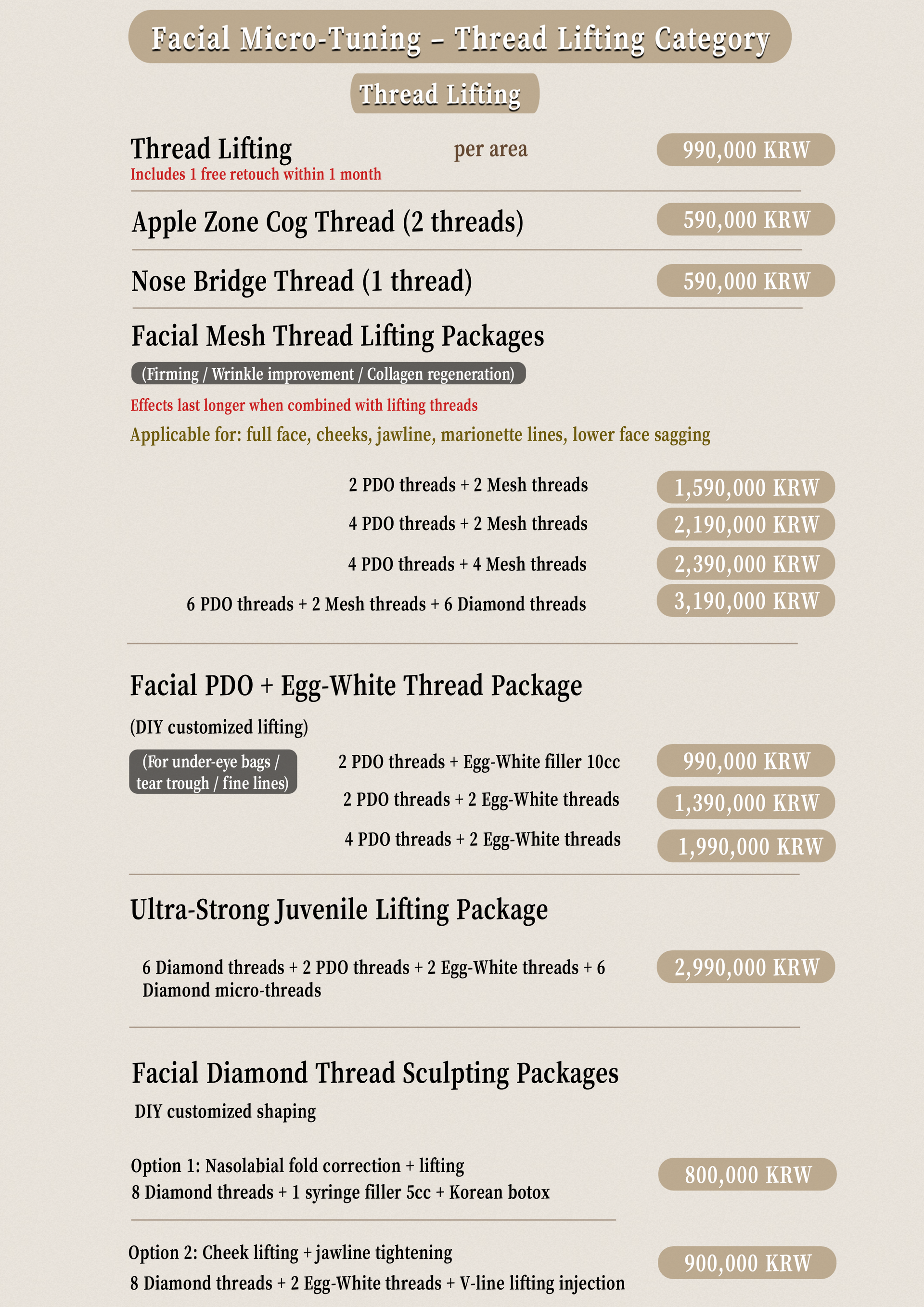
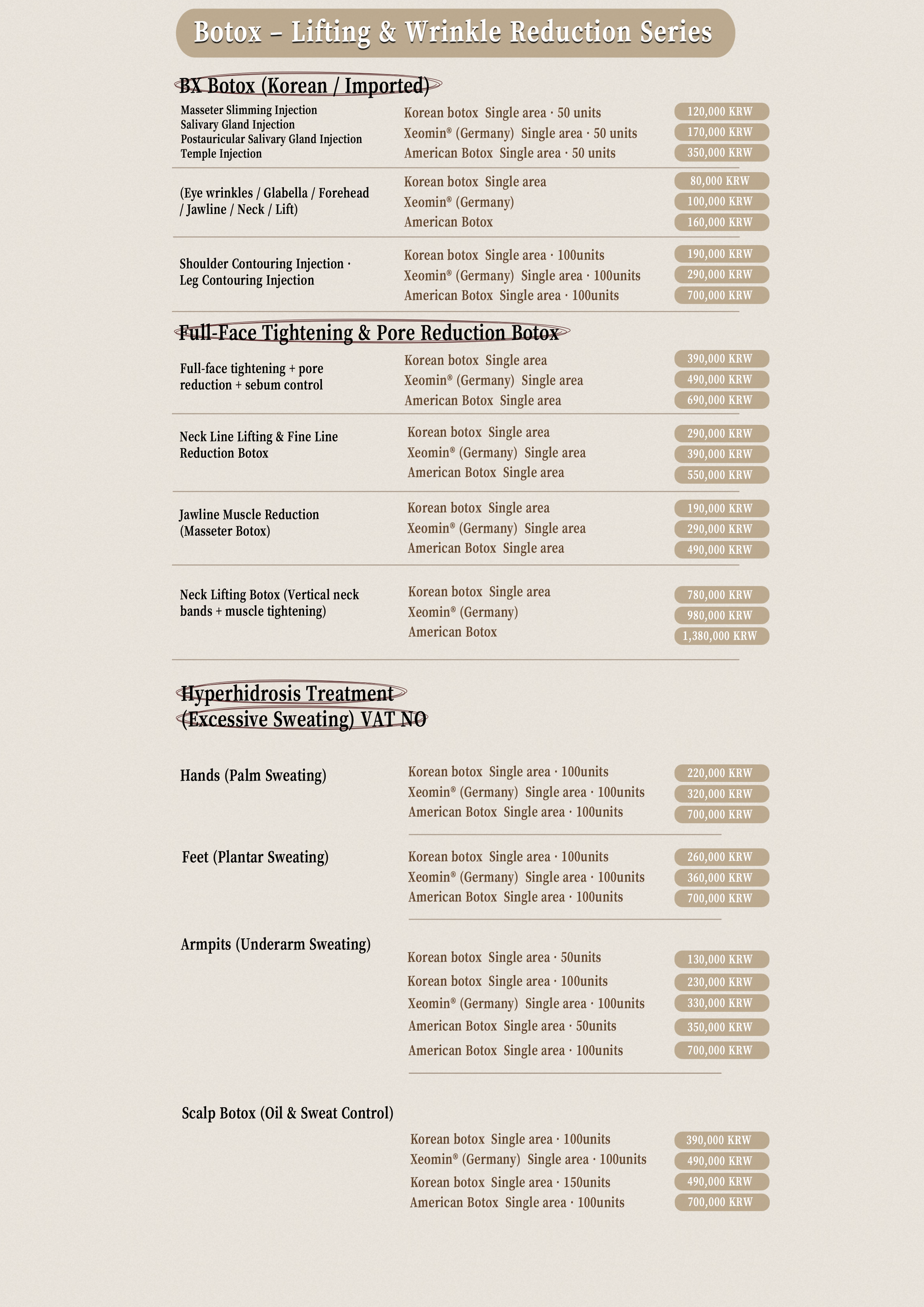
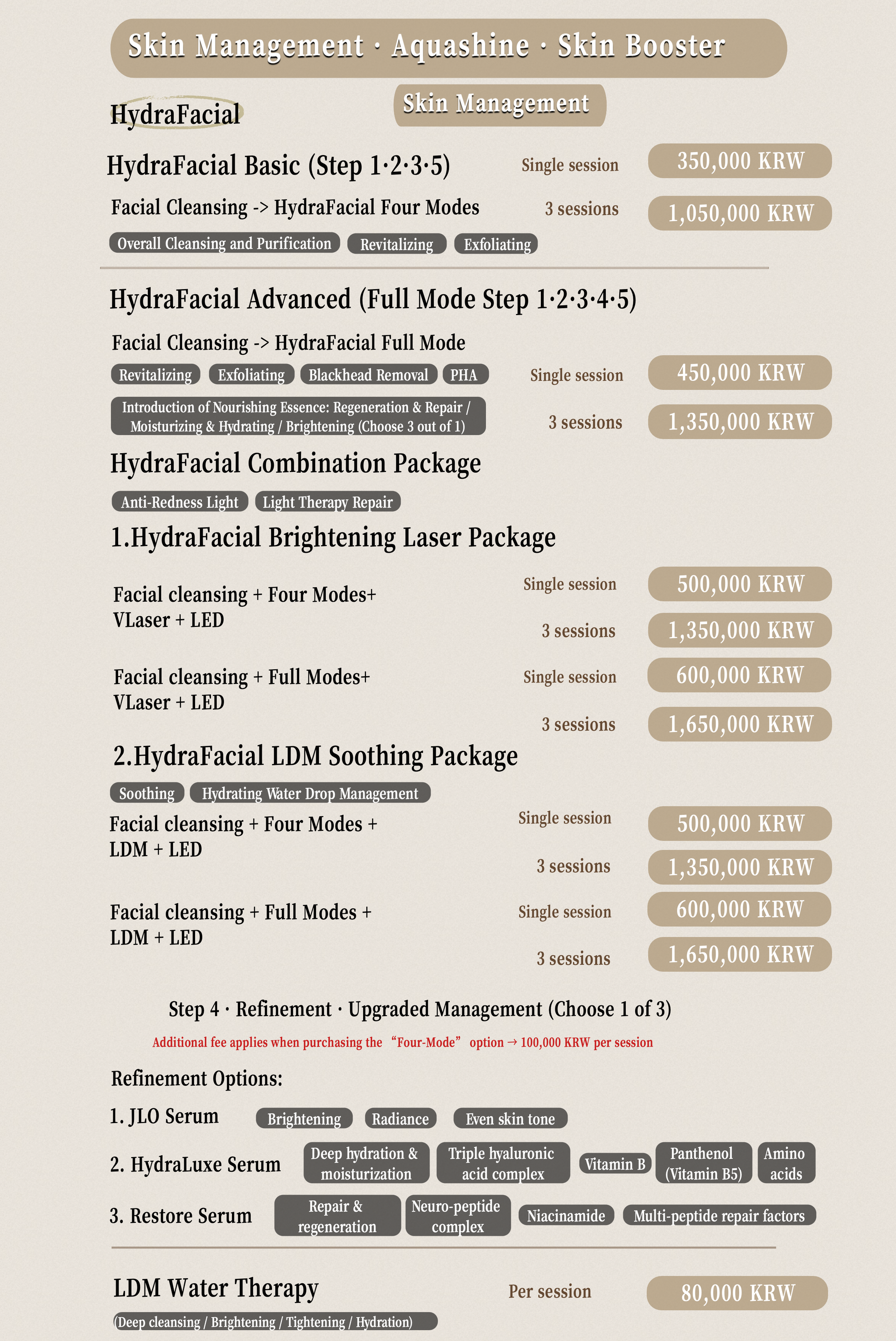
South Korea is well known for its advanced dermatology and aesthetic medicine, making it a popular destination for international patients seeking professional skin treatments. From laser toning and acne care to Botox, fillers, Rejuran, skin boosters, and lifting procedures, Korean dermatology clinics offer treatments for a wide range of concerns and budgets. Prices can vary considerably depending on the clinic, treatment area, product, device, dosage, and number of sessions. For international patients, understanding typical Korean dermatology prices is essential for planning a medical tourism budget and avoiding unexpected costs. This guide explains common treatment prices, what each procedure does, how treatments are performed, and what foreigners should know before visiting a Korean dermatology clinic.
1. How Much Does Dermatology Cost in Korea?
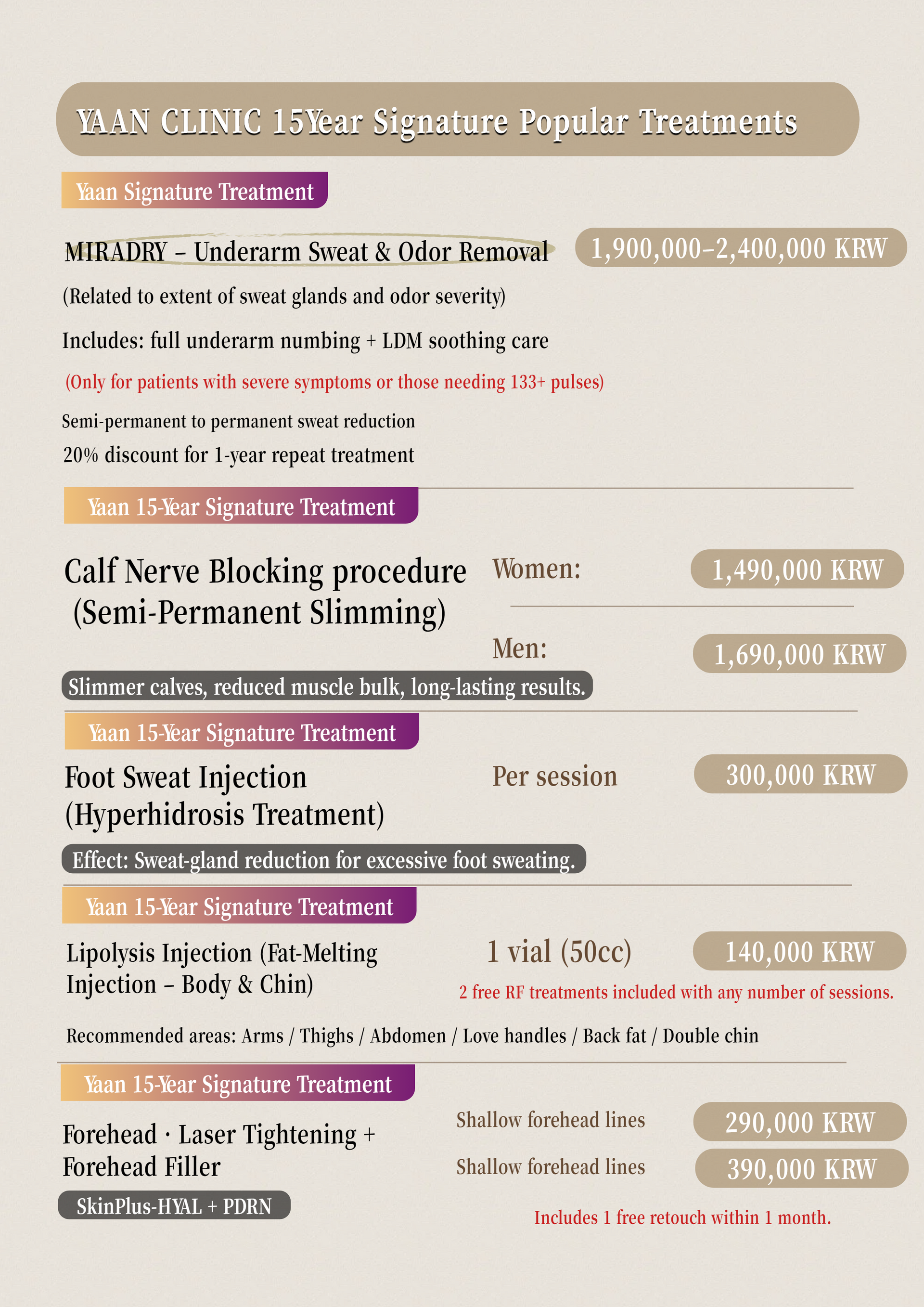
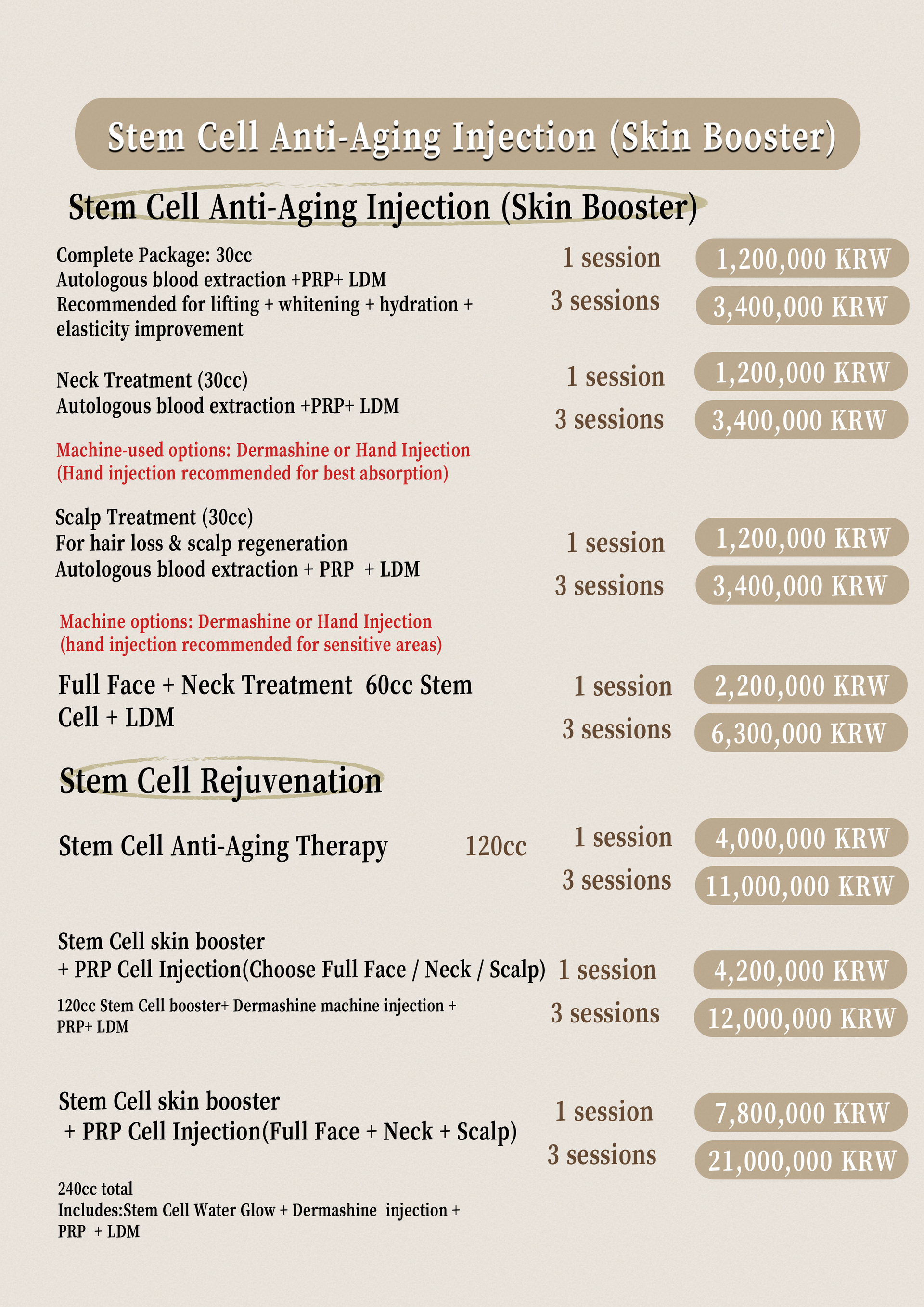
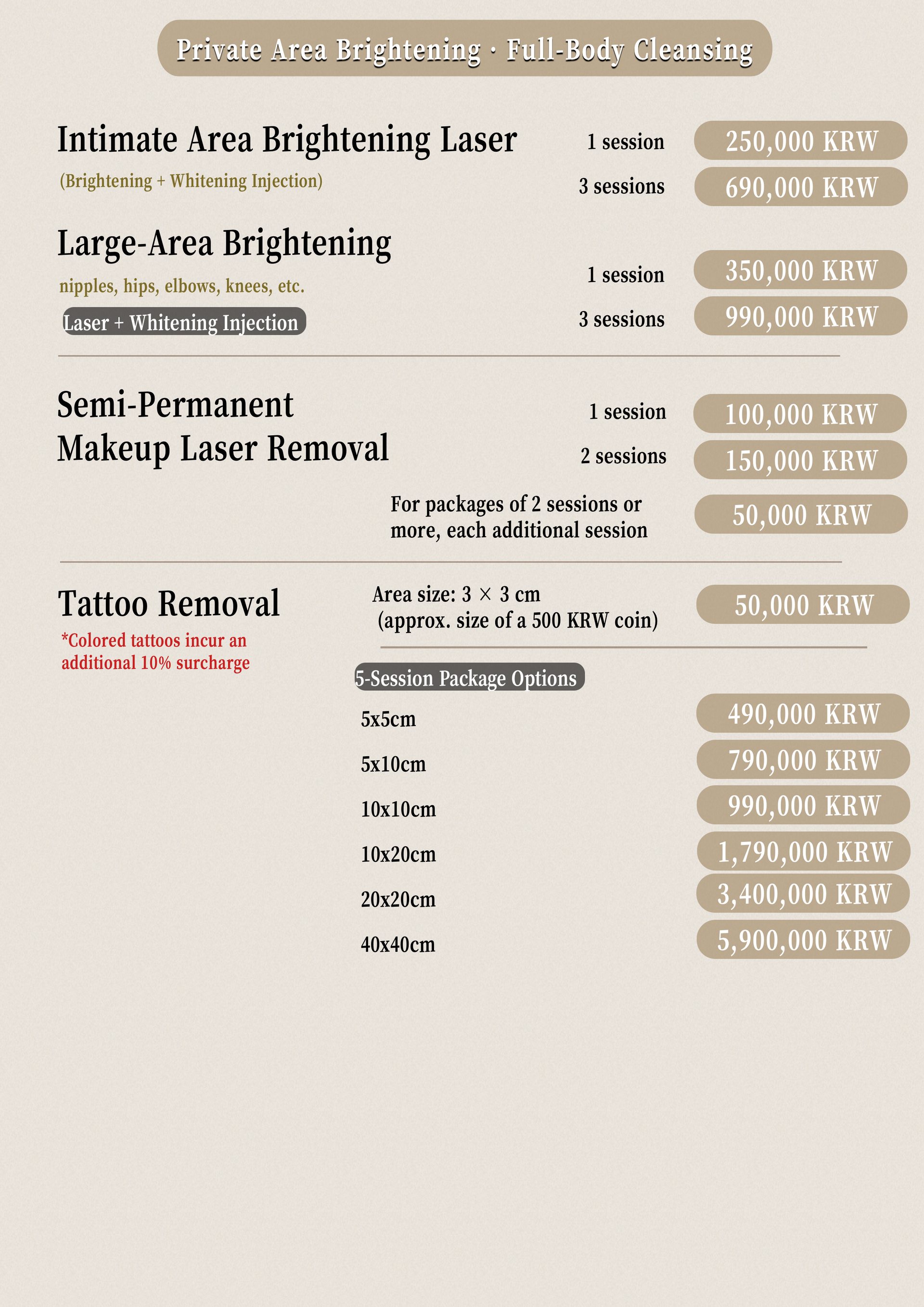
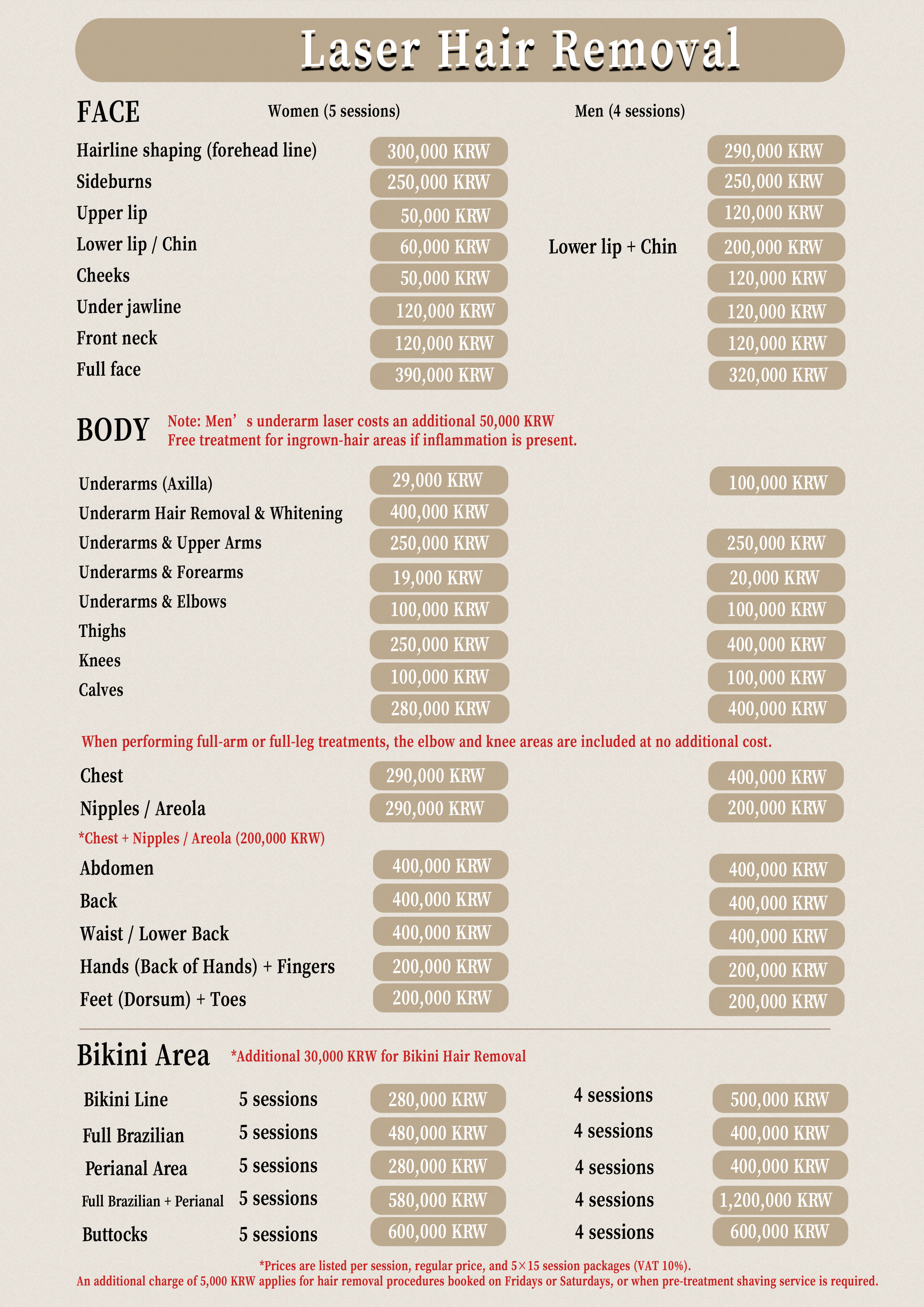
Korean dermatology prices cover a very broad range. Basic skin treatments can be relatively affordable, while advanced lifting or combination procedures can cost several million won.
As a general 2026 reference, international patients may encounter prices such as:
- Basic facial or medical skin care: approximately ₩50,000–₩150,000
- Laser toning: approximately ₩100,000–₩330,000 per session
- Pico laser or pigment treatment: approximately ₩150,000–₩500,000+
- Fractional laser: approximately ₩200,000–₩600,000+
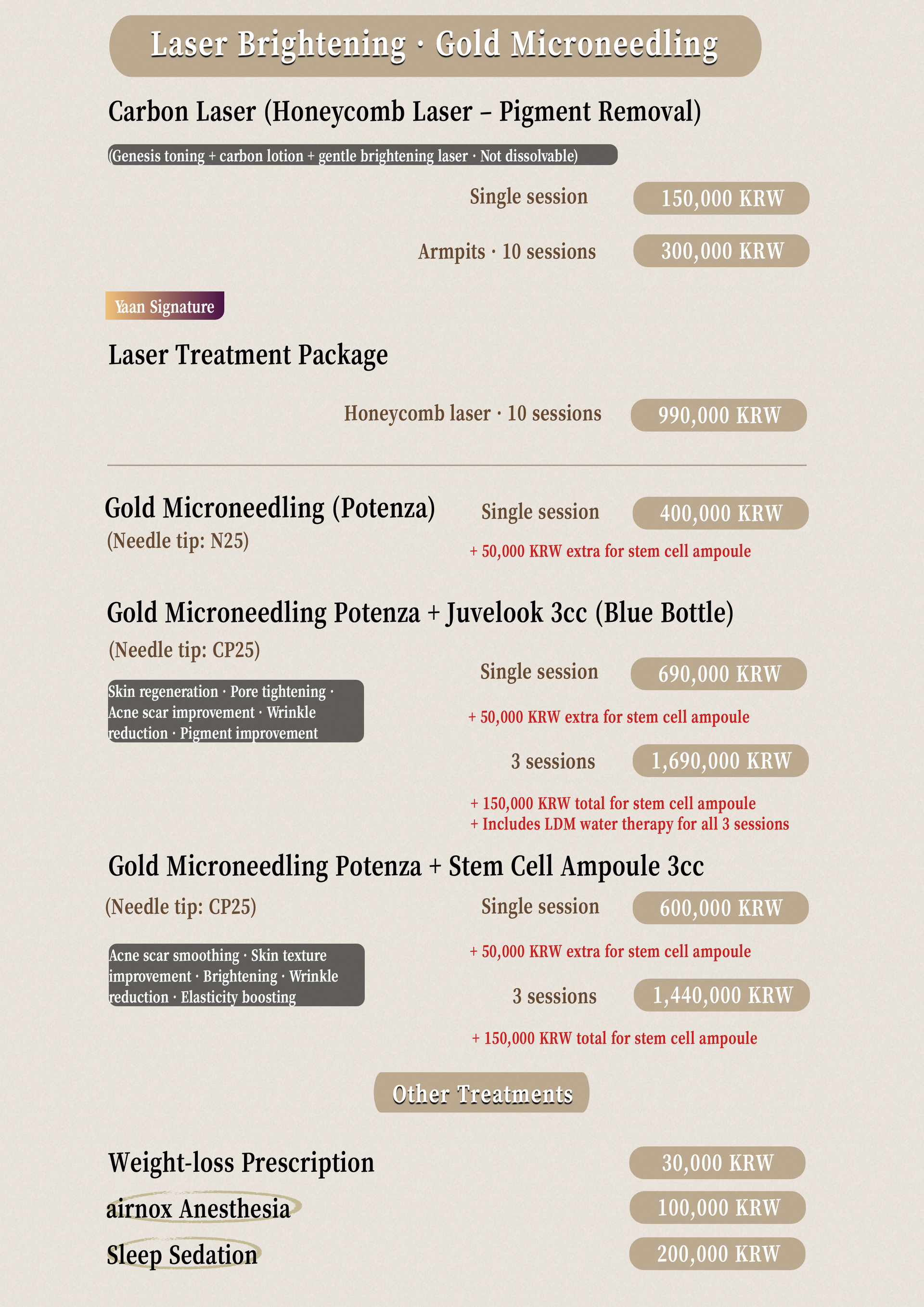
- RF microneedling: approximately ₩250,000–₩650,000+
- Botox: approximately ₩50,000–₩350,000+ depending on brand and treatment area
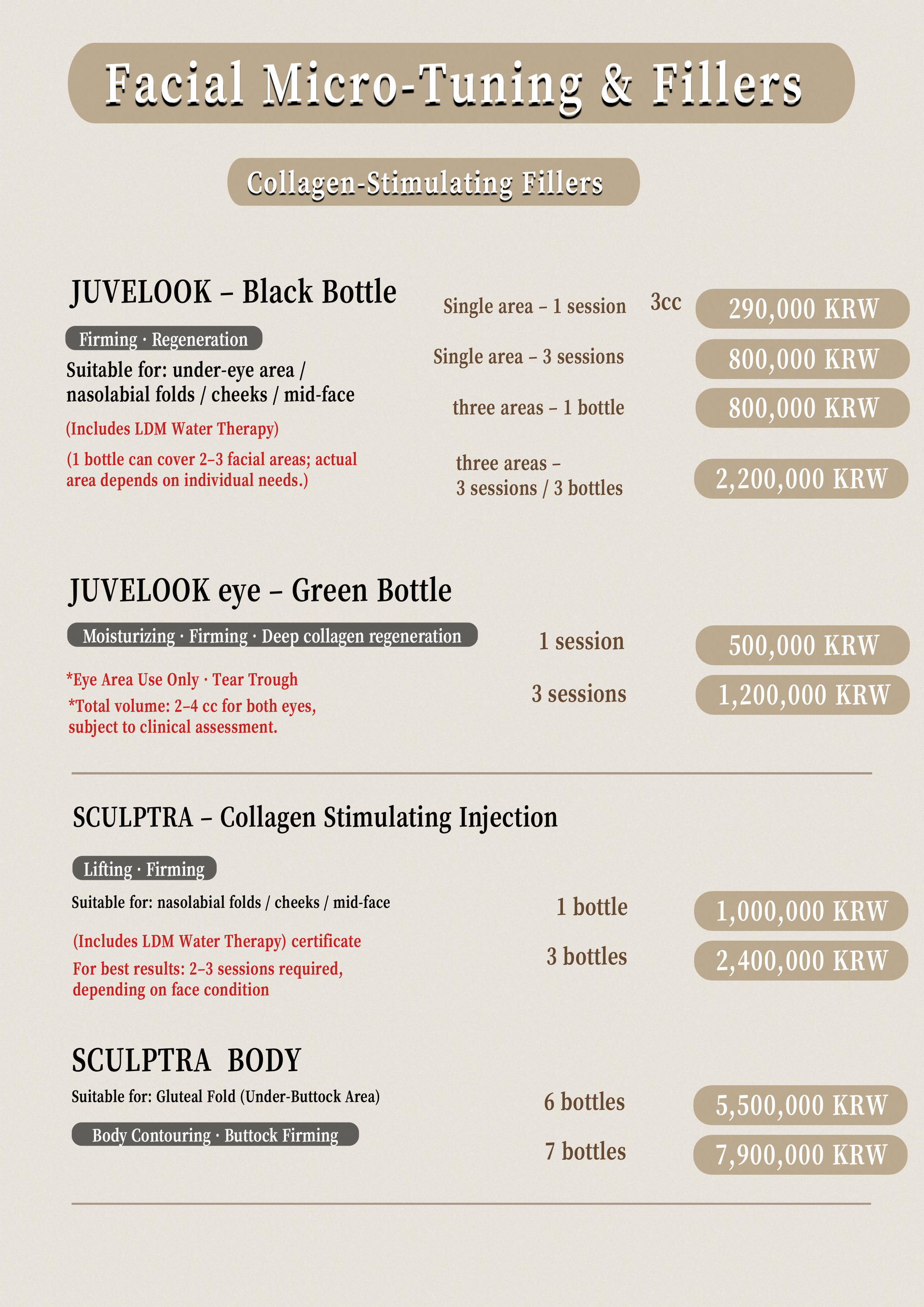
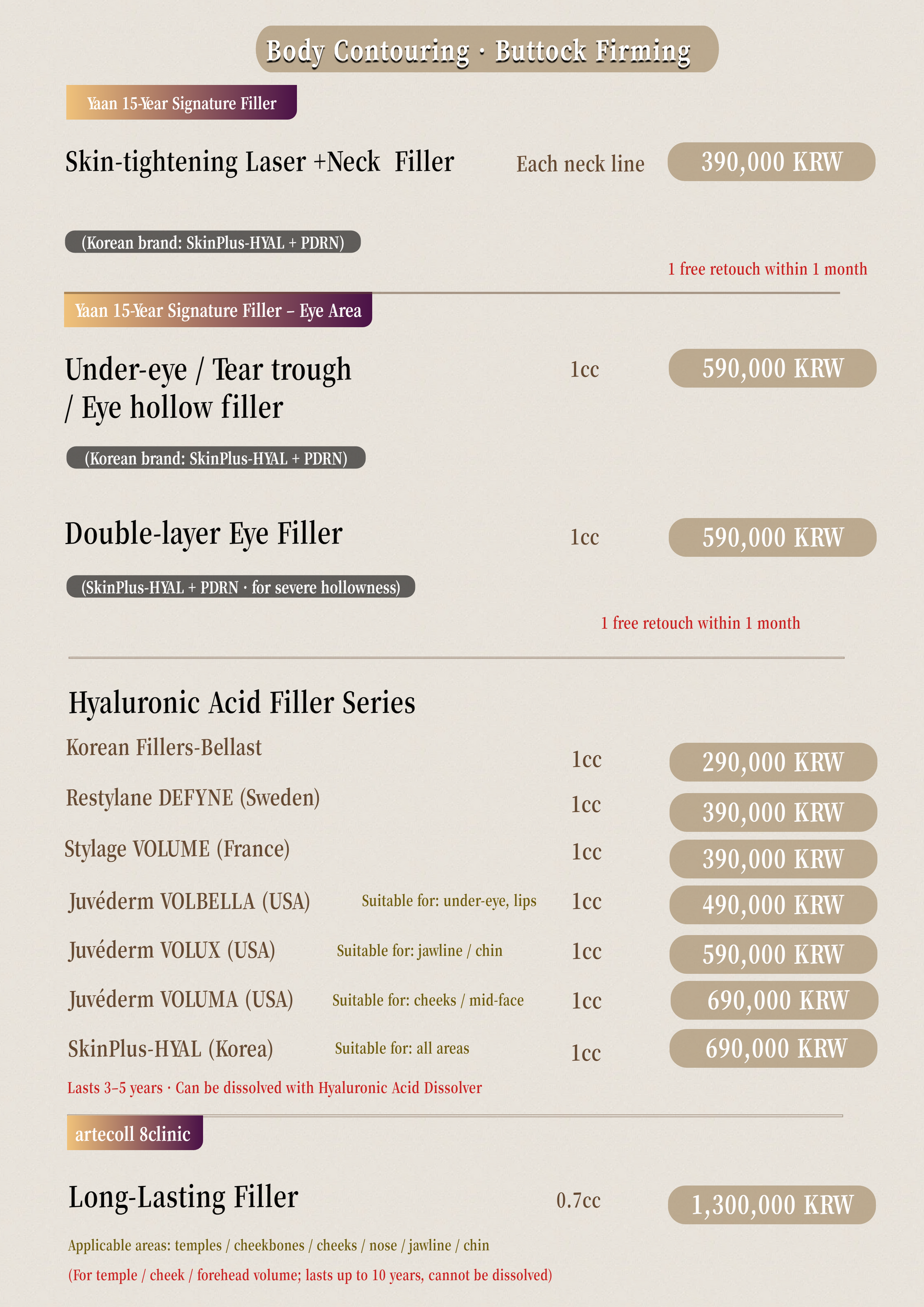
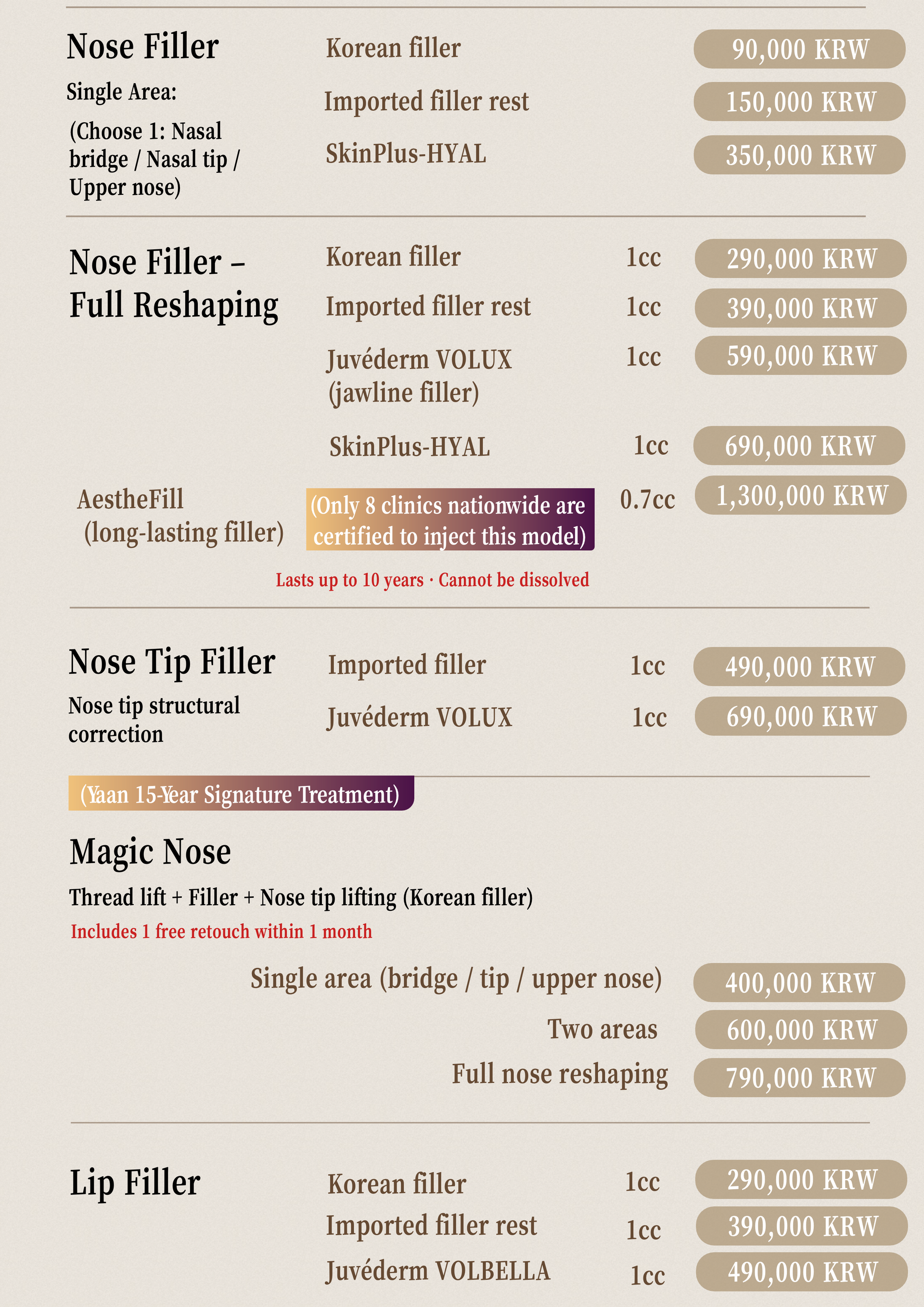
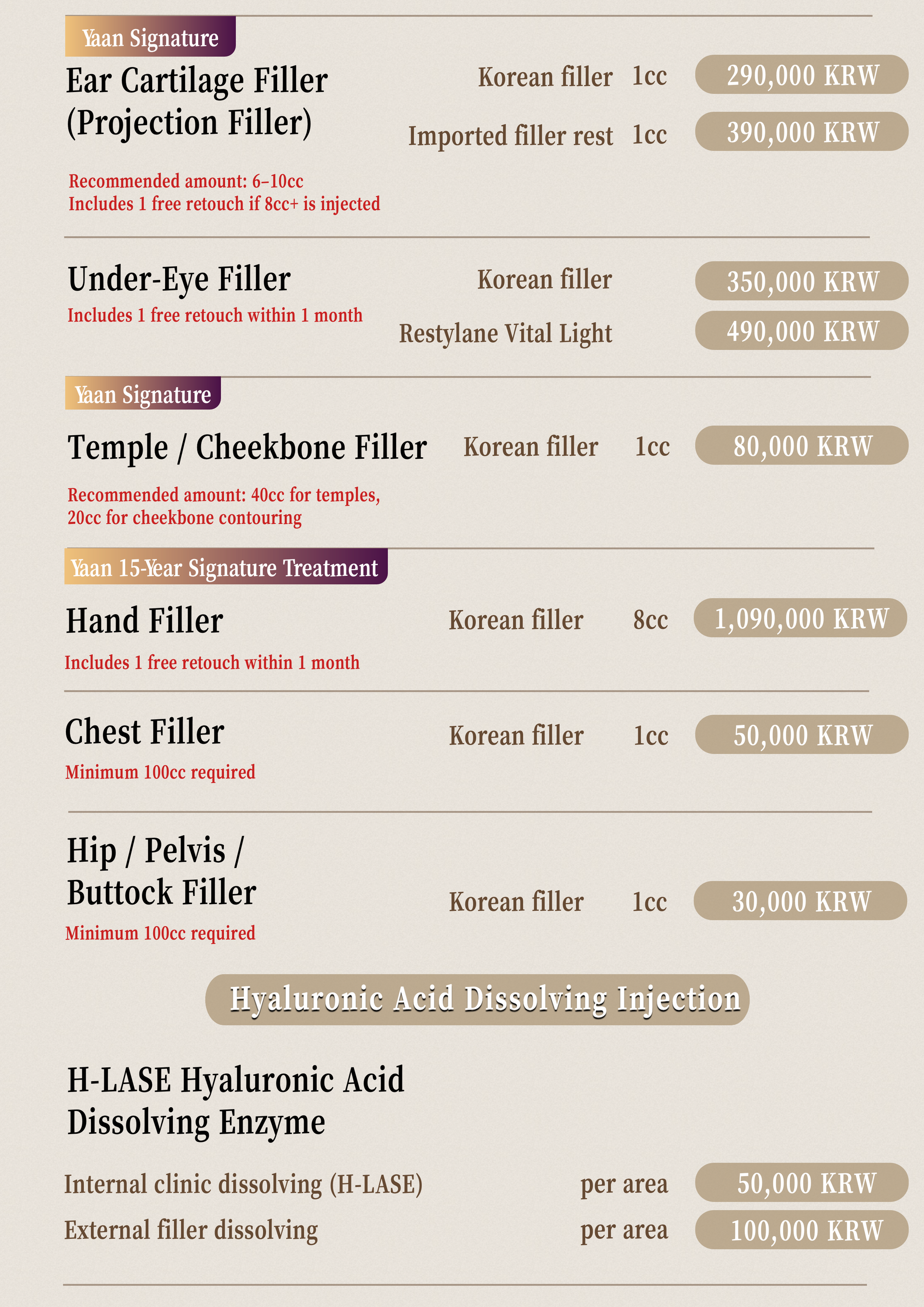
- Dermal filler: approximately ₩150,000–₩600,000+ per cc
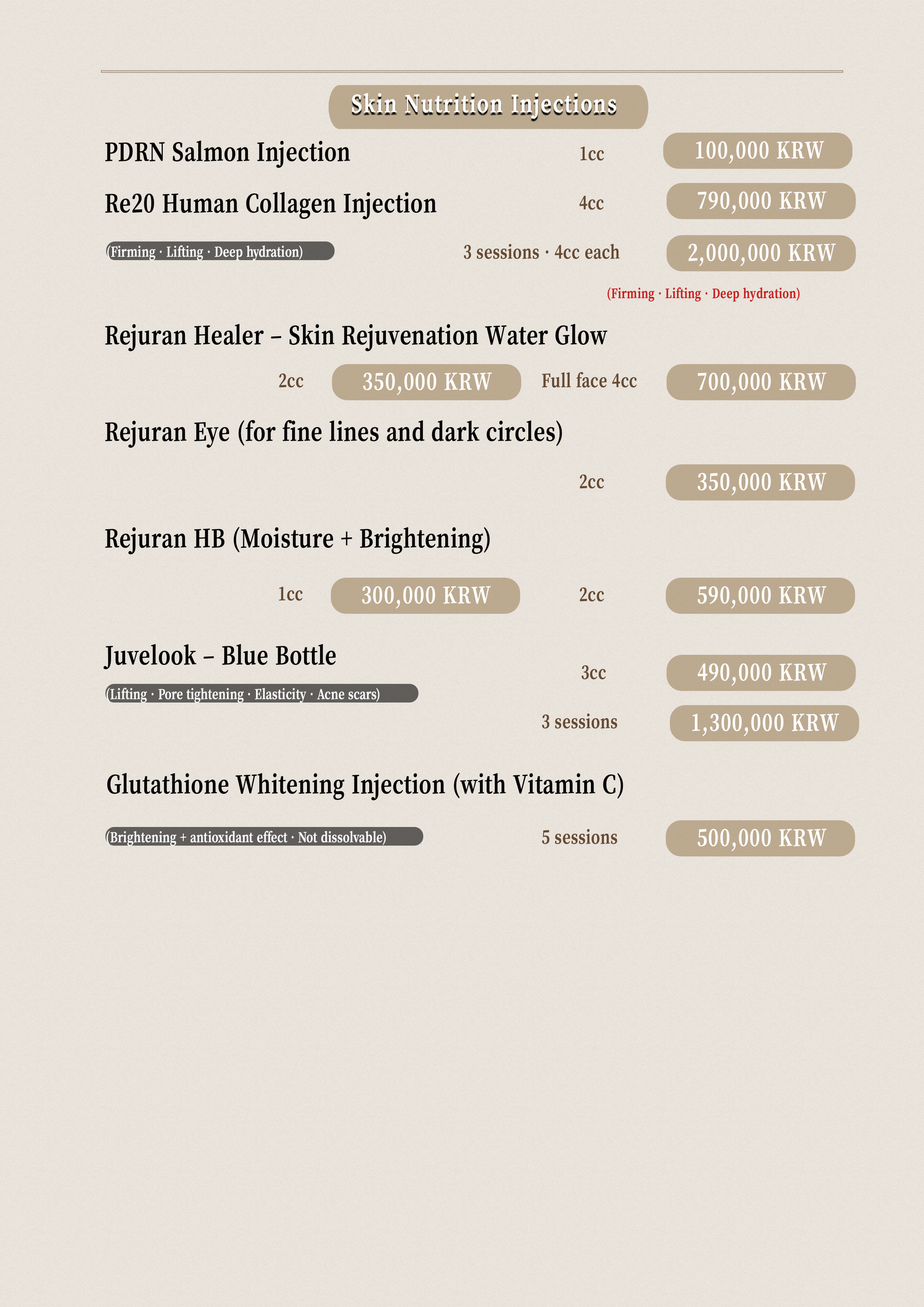
- Rejuran: approximately ₩200,000–₩500,000+ per treatment
- Skin boosters: approximately ₩300,000–₩800,000+
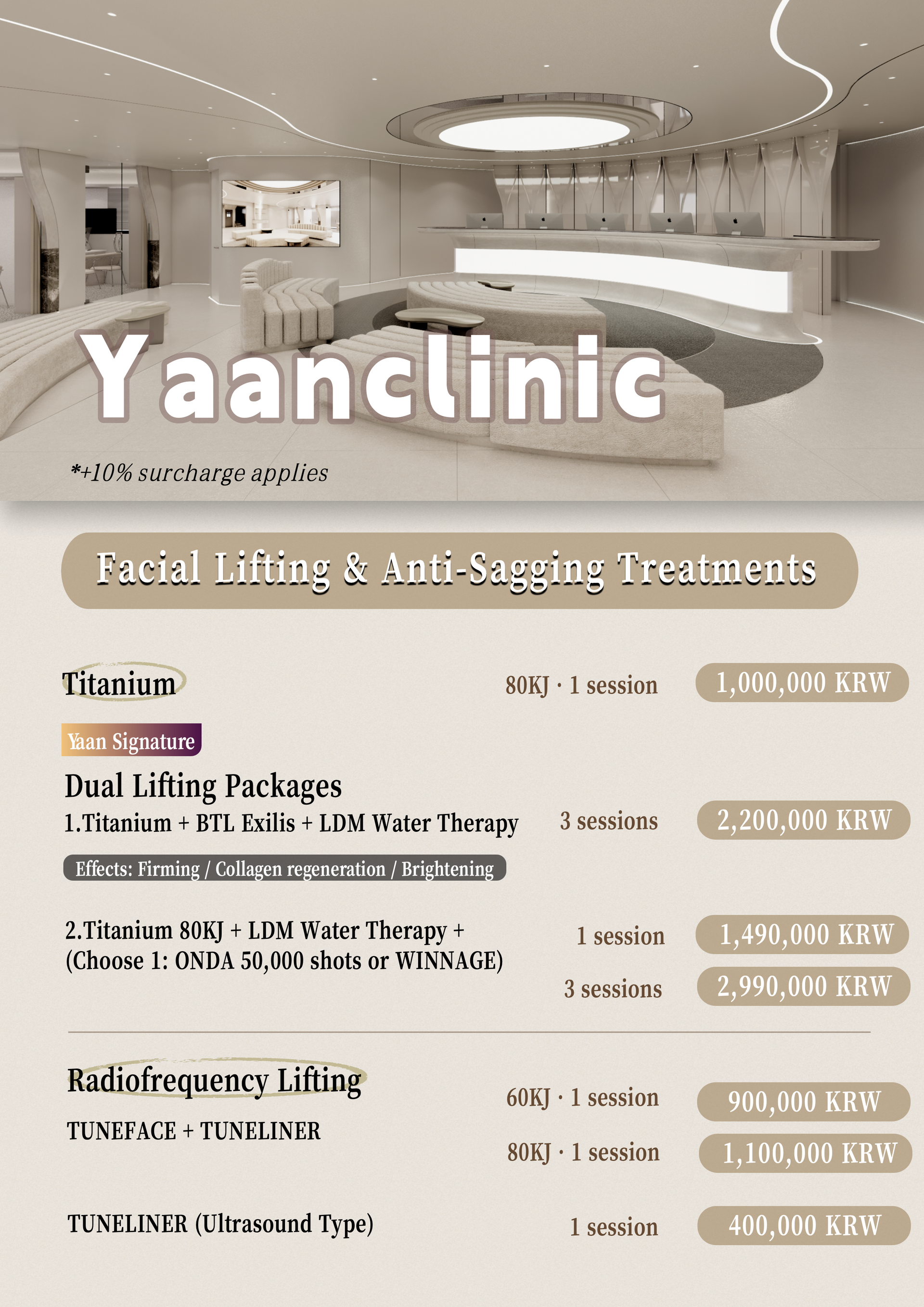
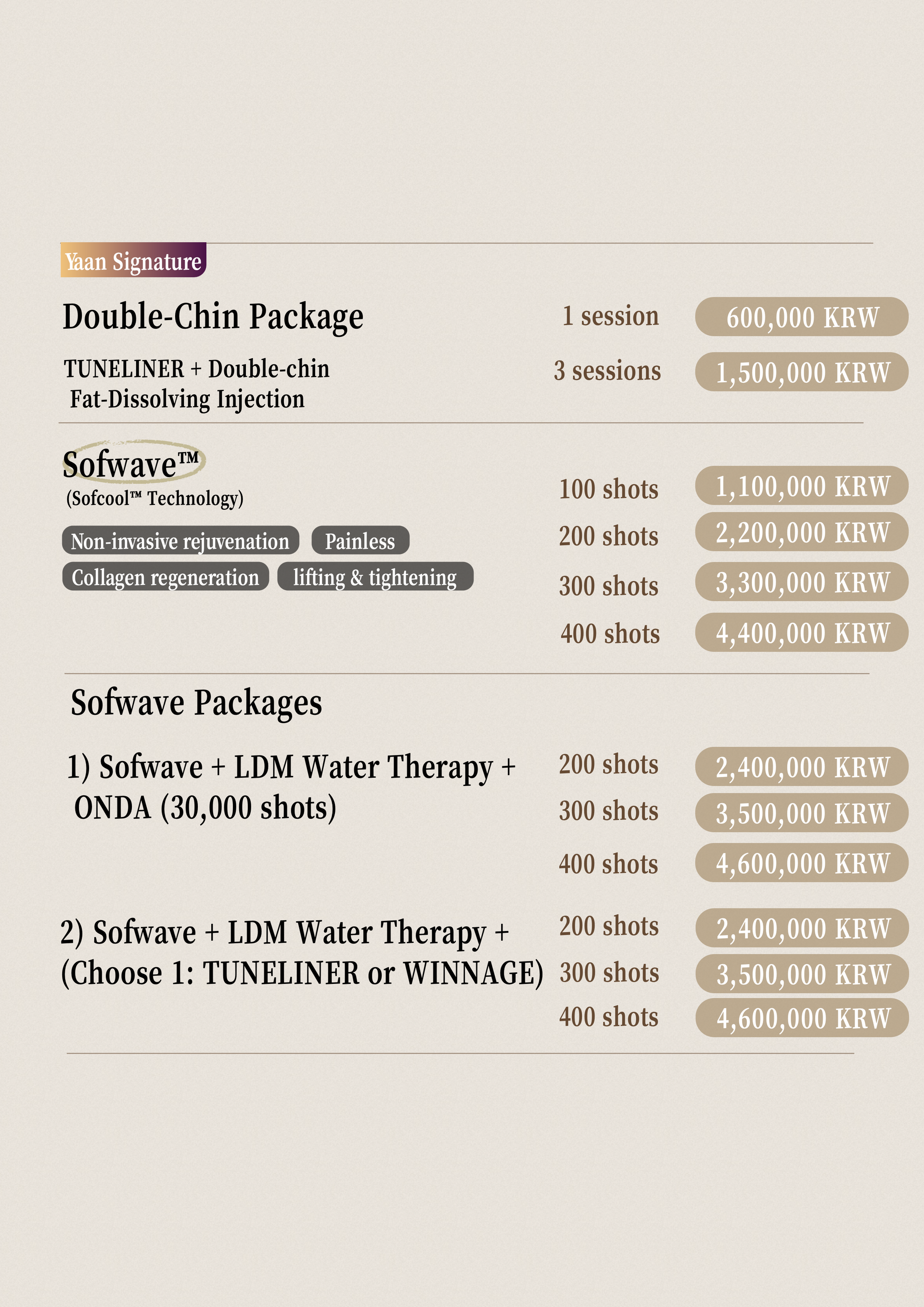
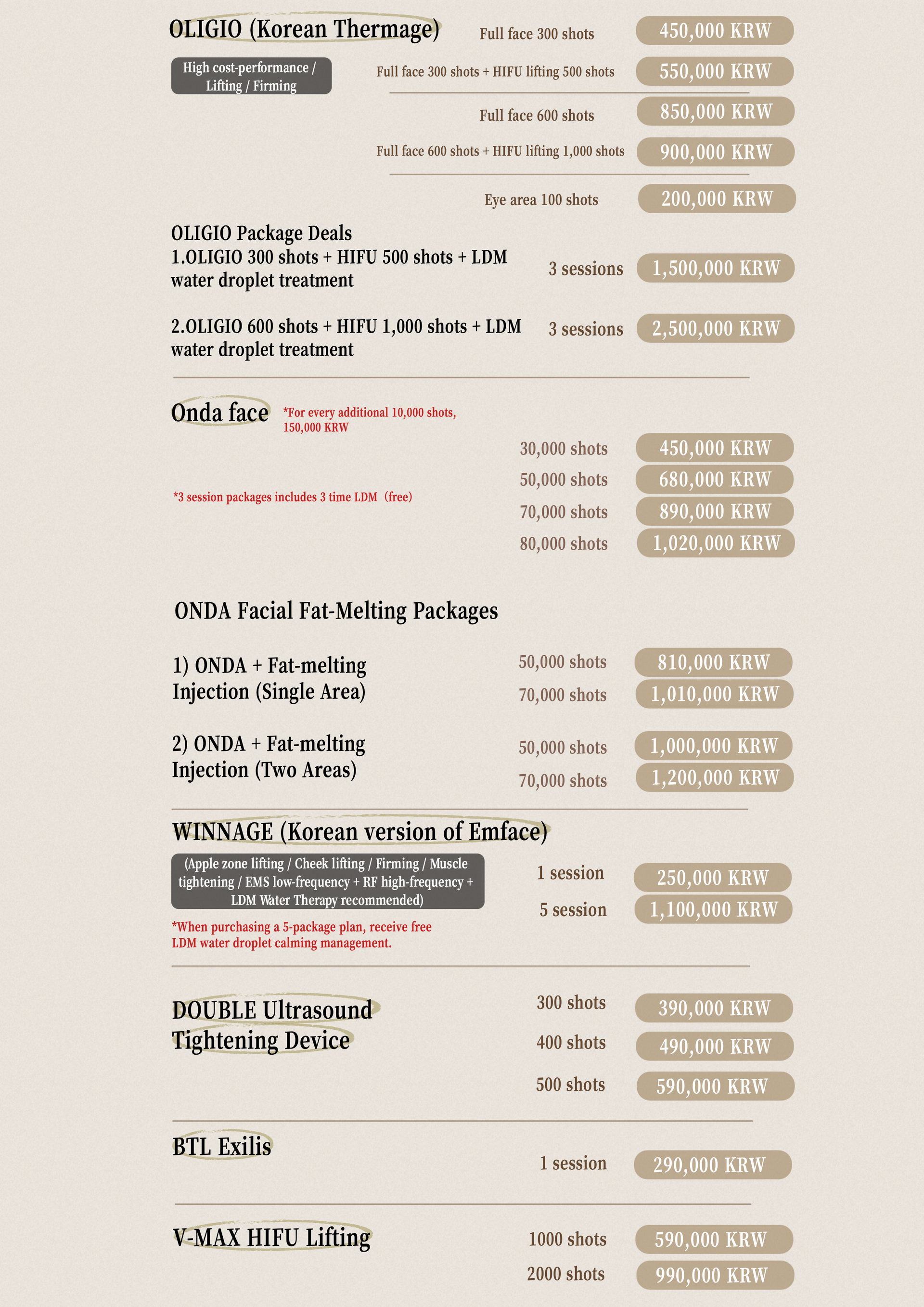
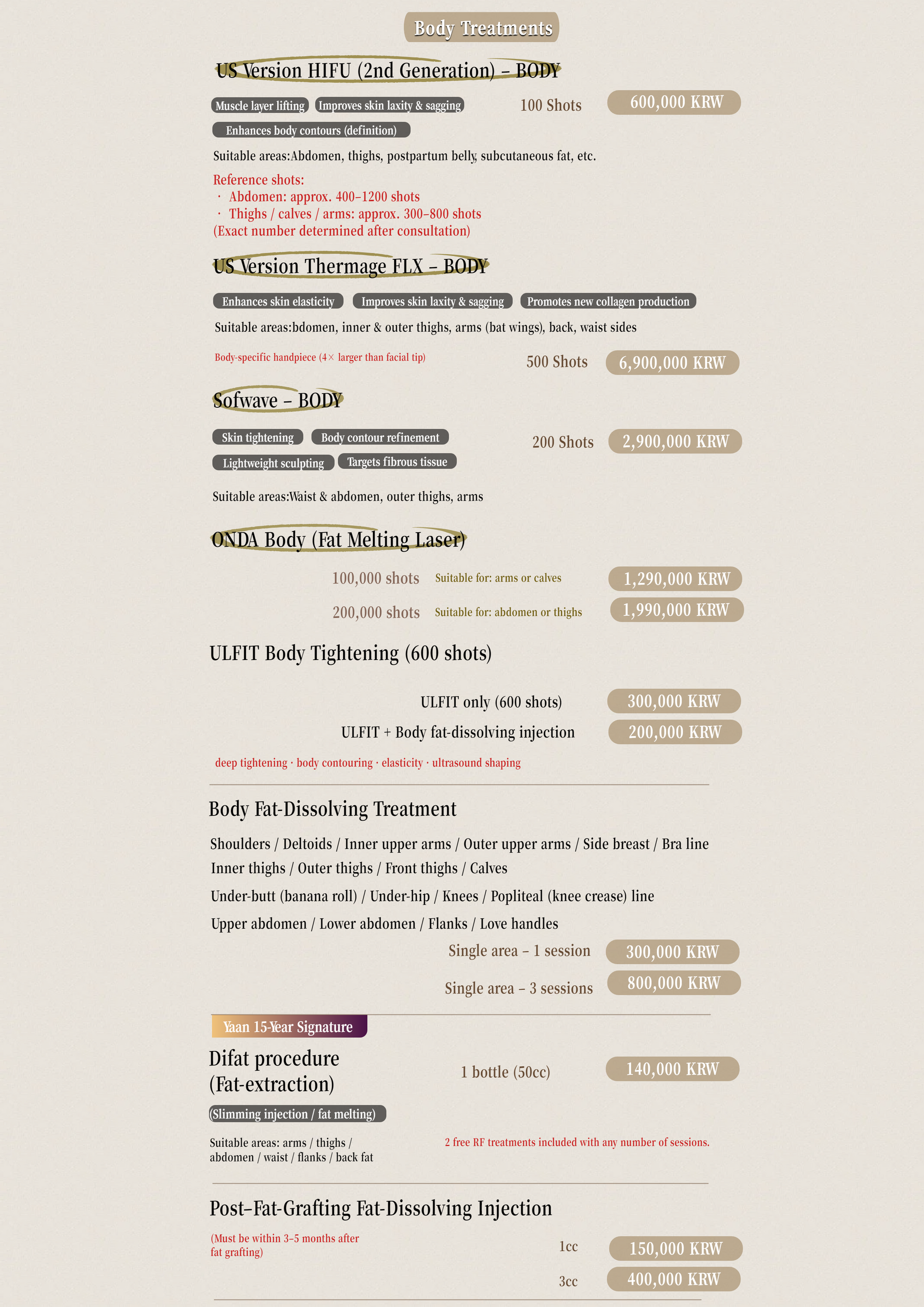
- HIFU lifting: approximately ₩150,000–₩1,000,000+
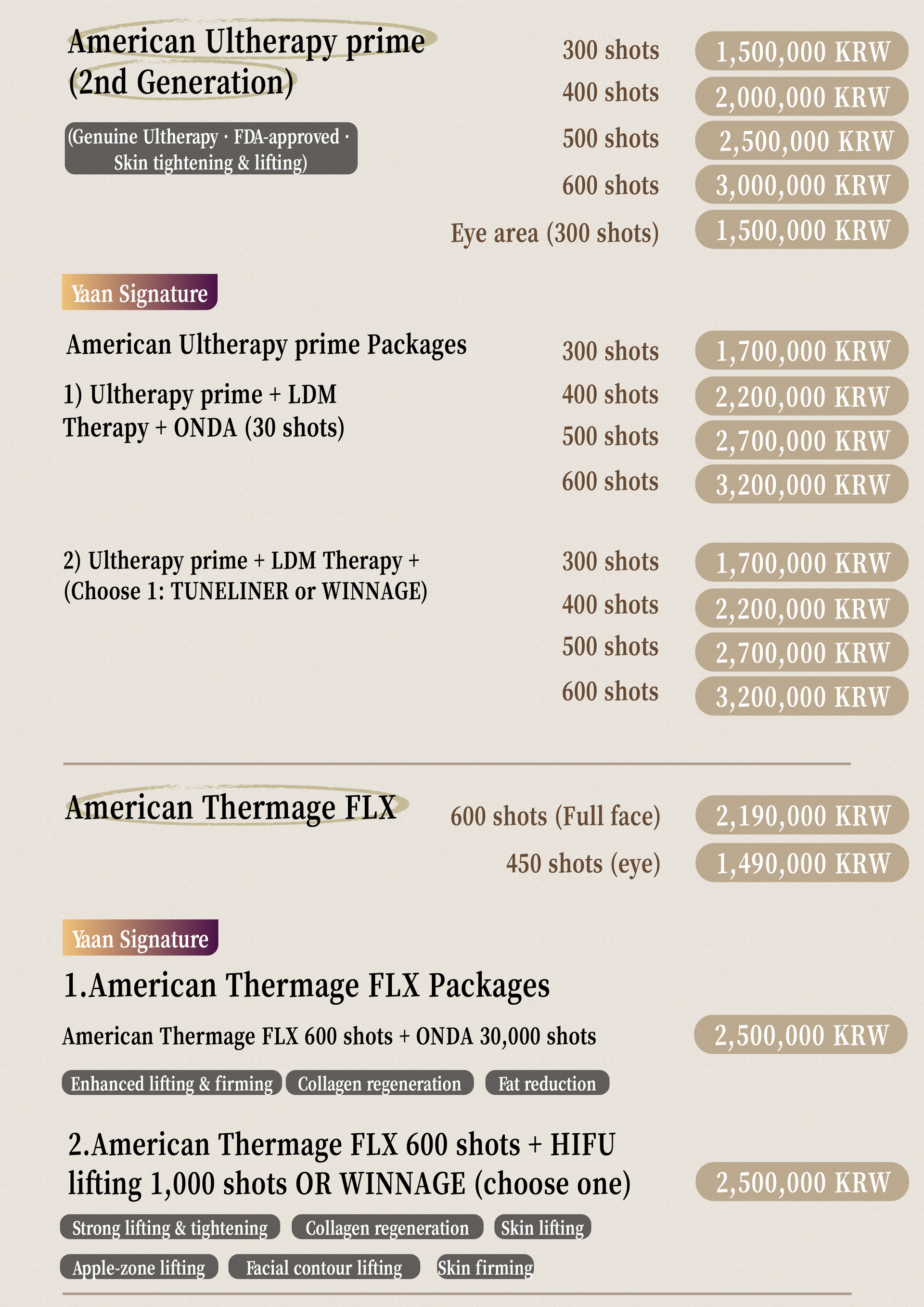
- Ultherapy: approximately ₩800,000–₩2,500,000+
- Thermage FLX: approximately ₩1,500,000–₩2,800,000+
These figures are general market estimates rather than fixed prices. Promotional campaigns may offer lower prices, while premium products, larger treatment areas, additional shots, or customized medical plans can increase the final cost.
When comparing Korean dermatology prices, international patients should always check:
- Exact treatment name and device
- Product brand
- Treatment area
- Number of shots or lines
- Injectable volume in cc
- Botox units
- Whether consultation is included
- Whether anesthesia or numbing cream is included
- Whether VAT is included
- Whether aftercare or medication costs extra
2. What Treatments Are Commonly Offered at Korean Dermatology Clinics?
Korean dermatology clinics provide treatments ranging from basic skin management to advanced aesthetic procedures. The most suitable option depends on the patient's individual skin concerns and medical assessment.
Laser treatments are commonly selected for pigmentation, uneven skin tone, acne marks, redness, enlarged pores, and skin texture.
Botox and fillers are generally used for wrinkles, facial contouring, or restoring volume.
Rejuran and skin boosters focus more on skin quality, hydration, elasticity, and texture rather than creating major changes to facial structure.
HIFU, Ultherapy, and Thermage are popular options for patients concerned about skin laxity and facial firmness.
International patients may also encounter treatments such as:
- Pico laser
- Laser toning
- IPL
- Fractional laser
- RF microneedling
- Potenza
- Rejuran
- Juvelook
- Sculptra
- Botox
- Dermal fillers
- HIFU
- Ultherapy
- Thermage FLX
Because these treatments work through different mechanisms, patients should not choose a procedure simply because it is inexpensive. A professional consultation can help identify which treatment is appropriate for the specific concern.
3. Laser Dermatology Treatments: Prices, Effects, and Process
Laser procedures are among the most popular treatments for international patients visiting Korea. Different laser technologies target different skin concerns, so treatment selection should be based on the patient's skin type and condition.
Common reasons patients choose laser treatments include:
- Pigmentation and sun spots
- Uneven skin tone
- Acne marks
- Redness
- Enlarged pores
- Dull skin
- Rough texture
- Certain types of superficial skin discoloration
Typical price ranges include:
- Laser toning: approximately ₩100,000–₩330,000
- Pico laser: approximately ₩150,000–₩500,000+
- IPL: approximately ₩100,000–₩300,000
- Fractional laser: approximately ₩200,000–₩600,000+
- RF microneedling: approximately ₩250,000–₩650,000+
A typical procedure may involve:
- Cleansing and preparing the skin
- Applying numbing cream when required
- Performing the selected laser procedure
- Cooling or soothing the skin
- Applying post-treatment skincare
Downtime varies by treatment:
- Gentle laser toning may cause only temporary redness.
- Stronger treatments may cause swelling, peeling, or sensitivity.
- Patients may need several days of recovery after resurfacing procedures.
- Sun protection is particularly important after laser treatment.
International patients with a short Seoul itinerary should ask about downtime before booking, especially if they have sightseeing, photography, or important events scheduled immediately afterward.
4. Rejuran, Skin Boosters, and Collagen Treatments
Injectable skin treatments have become an important part of Korean dermatology, particularly for patients who want to improve skin quality rather than dramatically alter their facial appearance.
Rejuran is a polynucleotide-based injectable treatment commonly used to support improvements in:
- Skin hydration
- Texture
- Elasticity
- Fine lines
- Overall skin quality
Other skin boosters may contain different ingredients and have different purposes. Some are designed primarily for hydration, while others focus on collagen stimulation or improving skin texture.
Typical prices include:
- Rejuran: approximately ₩200,000–₩500,000+ per treatment
- Skin boosters: approximately ₩300,000–₩800,000+
- Premium collagen-stimulating injectables: approximately ₩500,000–₩1,000,000+ depending on product and dosage
The treatment process generally includes:
- Skin cleansing and disinfection
- Topical anesthesia when appropriate
- Multiple injections across the selected treatment area
- Post-treatment soothing care
Temporary reactions may include:
- Small injection bumps
- Redness
- Swelling
- Bruising
- Mild tenderness
Before treatment, international patients should confirm the exact product, amount in cc, injection technique, and aftercare instructions.
5. Botox and Dermal Fillers: Understanding Korean Prices
Botox and dermal fillers are widely available throughout Korea and can often be completed relatively quickly.
Botox is commonly used to:
- Reduce dynamic forehead wrinkles
- Soften frown lines
- Reduce crow's feet
- Treat selected facial muscles
- Contour the jawline through masseter treatment when appropriate
Approximate Botox prices:
- Promotional Korean-brand Botox: around ₩20,000–₩60,000 per area
- Standard treatments: approximately ₩50,000–₩150,000+
- Higher-dose or premium treatments: approximately ₩150,000–₩350,000+
The final price depends heavily on the brand, units, treatment area, and number of areas treated.
Dermal fillers are used to:
- Restore lost volume
- Add volume to the lips
- Define the chin
- Enhance cheeks
- Improve selected facial contours
- Create subtle structural changes
Approximate filler prices:
- Around ₩150,000–₩600,000+ per cc
- Premium or imported products may cost more.
When comparing prices, international patients should ask about the exact product and dosage rather than assuming all Botox or fillers are equivalent.
6. Lifting Treatments: HIFU, Ultherapy, and Thermage
Korean dermatology clinics are known for offering a broad range of non-surgical lifting procedures. These treatments are generally chosen by patients concerned about skin laxity, loss of firmness, or facial contour definition.
HIFU:
- Uses focused ultrasound energy.
- Targets deeper layers of tissue.
- Commonly used for mild to moderate skin laxity.
- Prices can range from approximately ₩150,000–₩1,000,000+.
- Treatment cost depends heavily on the device and number of shots.
Ultherapy:
- Uses focused ultrasound technology.
- Targets deeper tissue layers.
- Supports collagen remodeling and skin tightening.
- Approximately ₩800,000–₩2,500,000+ depending on treatment configuration.
Thermage FLX:
- Uses radiofrequency energy.
- Heats deeper layers of the skin.
- Supports collagen remodeling and firmness.
- Approximately ₩1,500,000–₩2,800,000+ for common treatment configurations.
Possible temporary effects include:
- Redness
- Warmth
- Swelling
- Tenderness
- Temporary sensitivity
When comparing lifting treatments, check the exact device, shot count, treatment area, and cartridge. Two clinics offering the same treatment name may provide very different treatment specifications.
7. Why Can Korean Dermatology Prices Differ So Much?
International patients may notice that the advertised price for the same treatment can vary dramatically between Korean clinics.
Several factors can influence the price:
- New-patient promotions
- Seasonal discounts
- Online booking promotions
- Treatment area
- Number of shots
- Injectable volume
- Product brand
- Korean versus imported products
- Device model
- Treatment intensity
- Doctor's experience
- Customized treatment planning
- Anesthesia
- Aftercare
For example, one clinic may advertise Rejuran at ₩200,000 while another quotes ₩400,000. The difference may reflect the amount of product, product configuration, injection method, or additional services.
The same applies to energy-based treatments:
- Ultherapy: compare shot count and treatment area.
- Thermage: compare cartridge and shot count.
- HIFU: compare device and number of shots.
- Laser treatments: compare device and treatment protocol.
The cheapest advertised price is therefore not necessarily the best value. International patients should compare what is actually included in the treatment.
8. What Should International Patients Ask Before Treatment?
Foreign visitors may find Korean dermatology pricing unfamiliar, especially when clinics use promotional packages. Asking a few questions before treatment can make the final cost much clearer.
Before making an appointment, ask:
- What is the total final price?
- Is VAT included?
- Does the promotion apply to international patients?
- What exact product or device will be used?
- How many shots, units, lines, or cc are included?
- Which treatment areas are included?
- Is the doctor's consultation included?
- Is numbing cream included?
- Are medications included?
- Is aftercare included?
- Are there any additional charges?
It is also useful to request a written treatment plan in English.
International patients should avoid agreeing to additional procedures during the appointment without understanding the purpose and price. If a clinic recommends a combination treatment, ask why each procedure is being added and whether it is medically appropriate for your specific concern.
9. Why Do International Patients Choose Korean Dermatology Clinics?
South Korea has developed a strong global reputation for aesthetic medicine and dermatology. For international patients, Korea offers a combination of advanced technology, treatment variety, competitive pricing, and established medical tourism infrastructure.
Common reasons foreigners choose Korea include:
- Wide selection of dermatology treatments
- Advanced laser and energy-based technologies
- Strong availability of non-surgical aesthetic procedures
- Competitive prices for many treatments
- Access to Korean and international aesthetic products
- Experienced medical professionals
- Clinics familiar with international patients
- English and multilingual consultation at many clinics
- Convenient access to clinics in Seoul and other major cities
Korea also operates an official foreign-patient registration system. The government-supported Medical Korea platform provides information about registered medical institutions serving international patients.
For international visitors, this can make Korea particularly convenient for combining dermatology appointments with a broader Seoul medical tourism itinerary.
However, patients should still evaluate each clinic carefully based on medical credentials, physician experience, treatment quality, product authenticity, communication, and aftercare, rather than selecting a clinic based only on price.
10. Important Tips for Foreigners Getting Dermatology Treatment in Korea
Planning ahead is particularly important for international patients because treatment recovery needs to fit around flights, sightseeing, and other travel plans.
Before treatment:
- Tell the clinic about relevant medications and allergies.
- Mention previous cosmetic procedures.
- Inform the medical staff about pregnancy or breastfeeding if applicable.
- Explain your skin concerns and desired outcome clearly.
- Ask about potential side effects.
- Confirm the exact treatment and final price.
- Ask about expected downtime.
Consider your travel schedule:
- Gentle treatments may involve minimal downtime.
- Injectable treatments can cause temporary swelling or bruising.
- Strong laser procedures may cause peeling or redness.
- Avoid scheduling aggressive treatments immediately before an important event.
- Ask whether the procedure is suitable shortly before a long-haul flight.
After treatment:
- Use sunscreen and protect the treated area from sunlight.
- Follow the clinic's skincare instructions.
- Avoid excessive heat when advised.
- Follow guidance regarding exercise and sweating.
- Avoid saunas and hot baths if instructed.
- Avoid exfoliation or irritating skincare products during recovery.
- Do not unnecessarily rub or touch the treatment area.
Most importantly, do not choose a Korean dermatology clinic solely because it offers the lowest price. A good treatment decision should balance cost with medical expertise, treatment specifications, product quality, safety, communication, and aftercare.
Frequently Asked Questions
How much does dermatology cost in Korea?
Basic treatments can start at around ₩50,000–₩100,000, while many popular laser and injectable procedures cost approximately ₩100,000–₩500,000. Advanced skin boosters and lifting treatments can range from ₩500,000 to several million won depending on the procedure.
Are Korean dermatology treatments cheaper than in other countries?
Many treatments can be competitively priced compared with major aesthetic markets overseas, particularly laser procedures, Botox, fillers, and certain lifting treatments. However, prices depend on the clinic, product, device, dosage, and treatment area.
Can foreigners visit a Korean dermatology clinic without a Korean ID?
Many clinics treat international visitors and accept foreign passports as identification, but requirements can vary. It is best to confirm the clinic's booking and identification requirements before your appointment.
Do Korean dermatology clinics speak English?
Many clinics that regularly treat international patients provide English consultation or interpretation services. However, the level of language support varies, so foreigners should confirm available languages before booking.
Is the advertised Korean dermatology price the final price?
Not always. Promotional prices may apply only to specific products, treatment areas, quantities, or eligibility conditions. Always confirm the final total, including VAT and any additional services.
Can I receive several dermatology treatments during one trip?
Some treatments may be safely combined, but this depends on the procedures, your skin condition, medical history, and recovery requirements. A doctor should determine whether combining treatments is appropriate.
Final Thoughts
Korean dermatology prices vary widely, from affordable laser and Botox procedures to premium skin boosters and advanced lifting treatments costing several million won. For international patients, the most important step is to compare the actual treatment specifications rather than the advertised starting price. Check the product, dosage, shot count, treatment area, medical professional, additional fees, and aftercare before making a decision. With advanced technology, competitive pricing, and established services for international patients, Korea can be an appealing destination for foreigners seeking professional dermatology treatments.