What Is the Best Korean Treatment for Drooping Eyebrows Without Surgery?
If your eyebrows are starting to droop, making your eyes look smaller or your face appear tired, you may be looking for a non-surgical treatment in Seoul. Korean dermatology and aesthetic clinics offer several options, including Ultherapy, other ultrasound-based skin-tightening treatments, radiofrequency procedures, and carefully selected Botox treatments.
The best non-surgical treatment depends on why your eyebrows are drooping. For mild brow descent associated with skin laxity, ultrasound or radiofrequency tightening may be worth discussing. If muscle activity is contributing to the brow position, strategically placed Botox may provide a subtle lift in selected patients. However, neither approach can reliably correct significant brow ptosis or substantial excess eyelid skin.
Before choosing a procedure, it is important to distinguish a low eyebrow from a drooping upper eyelid. These concerns can look similar but may require different treatments.
Why Do Eyebrows Start to Droop?
Eyebrow position changes as the skin, connective tissues, muscles, fat compartments, and underlying facial structures change with age.
Common contributing factors include:
- Reduced skin elasticity: Collagen and elastin changes can contribute to loose skin around the forehead and brows.
- Changes in supporting tissues: The soft tissues around the forehead and eyebrows may gradually descend.
- Muscle activity: Muscles that pull the eyebrows downward interact with the frontalis muscle, which raises them.
- Changes in facial volume: Loss or redistribution of fat and changes in the underlying bone structure can affect brow shape.
- Natural anatomy: Some people naturally have lower or asymmetrical eyebrows.
- Upper-eyelid skin excess: Extra skin on the upper eyelids can create a hooded appearance even when the brow itself is not significantly drooping.
The distinction matters because treating skin laxity will not necessarily correct a problem caused by eyelid anatomy or muscle function.
If drooping appears suddenly, especially on one side, or occurs with double vision, unequal pupils, severe headache, facial weakness, or other neurological symptoms, seek urgent medical evaluation rather than booking a cosmetic treatment.
1. Ultherapy and Microfocused Ultrasound
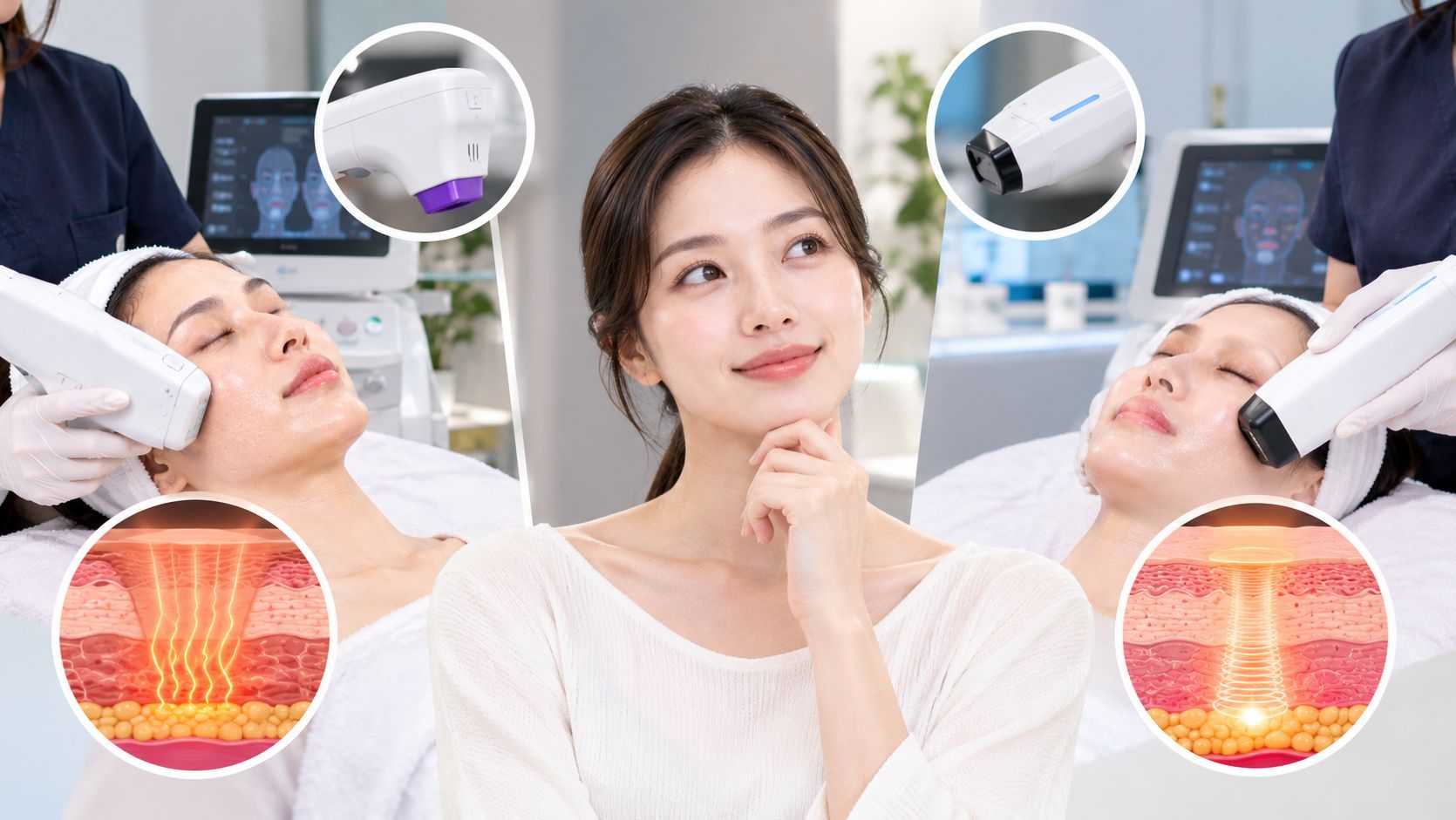
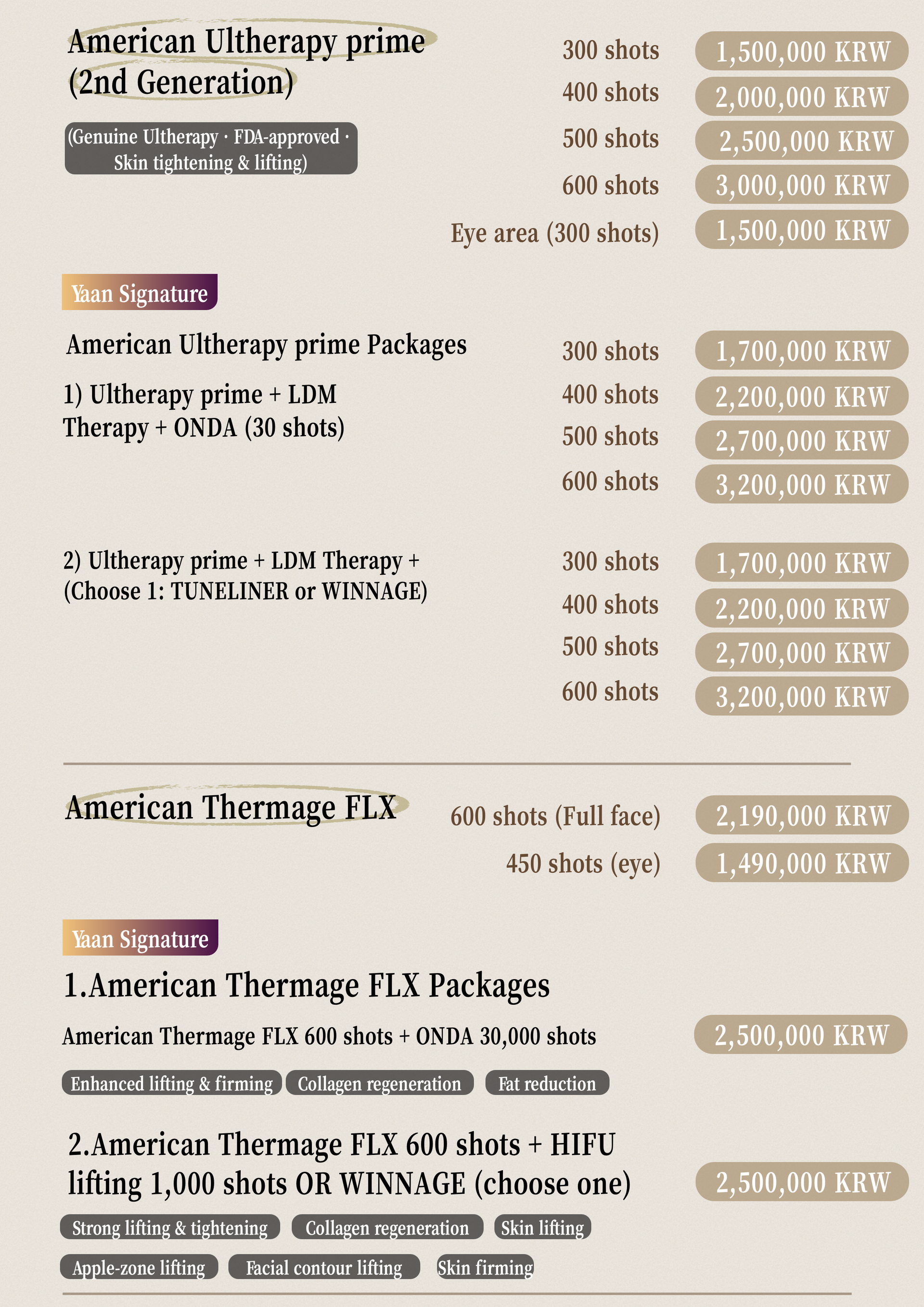
Ultherapy uses microfocused ultrasound energy to create controlled thermal points in targeted tissue, stimulating a remodeling response that may improve firmness over time. Other HIFU devices use related technology, but their specifications, imaging capabilities, and approved treatment areas can differ.
A clinician may consider ultrasound-based treatment if you have mild brow descent or laxity around the forehead and outer brow.
Potential benefits include:
- A modest improvement in brow position for selected patients.
- Gradual changes rather than an immediate, dramatic lift.
- No surgical incision.
- Generally less recovery time than brow-lift surgery.
Results vary considerably. Ultrasound treatment does not remove excess skin, and it cannot guarantee a visible lift. It may be less useful when the main problem is substantial upper-eyelid hooding or significant brow ptosis.
Treatment near the eyes requires particular care. The provider should confirm that the specific device and treatment protocol are appropriate for the intended area and use the required safety precautions.
Who may consider it? People with mild skin laxity who want a conservative, non-surgical option and understand that the improvement may be limited.
2. Botox for a Subtle Brow Lift
Botox and other botulinum toxin type A products temporarily reduce activity in selected muscles. In some patients, carefully planned injections into muscles that pull the brow downward can allow the opposing lifting muscles to have a greater effect.
This approach is sometimes called a chemical brow lift.
It may be considered when muscle activity contributes to the brow's position or shape. The goal is usually a subtle change rather than a substantial repositioning of the entire eyebrow.
Possible benefits include:
- A modest improvement in the outer brow position in selected patients.
- Temporary softening of certain expression lines.
- No surgical incision.
- A relatively short procedure.
The effect is temporary, and the degree of lift varies. Botox cannot remove excess skin or reliably correct significant structural brow descent.
Technique is especially important around the forehead and eyes. Poorly placed or excessive injections may worsen brow heaviness or cause eyelid ptosis. People who already rely heavily on the forehead muscles to keep their eyelids open require careful assessment before treatment.
Who may consider it? Patients whose brow position and expression lines suggest that muscle activity is an important part of the concern.
3. Radiofrequency Skin Tightening
Radiofrequency (RF) treatments deliver energy that heats selected tissue layers. Depending on the device and protocol, the intended effect may include collagen remodeling and gradual improvement in skin firmness.
Some clinics offer non-invasive RF treatments for facial skin laxity. Other systems combine RF energy with microneedling, which is a different procedure with a different risk profile.
For brow concerns, a dermatologist may discuss RF if the main issue is mild laxity rather than a significant anatomical droop.
Potential advantages include gradual improvement and limited downtime with certain non-invasive protocols. However, the amount of lifting may be modest, and results depend on the device, treatment settings, and individual anatomy.
RF microneedling should not automatically be considered safer or more effective than non-invasive RF. The U.S. Food and Drug Administration has warned about reports of serious complications with certain uses of RF microneedling devices, including burns, scarring, fat loss, disfigurement, and nerve damage. Discuss the specific device and its risks with a qualified medical professional before proceeding.
Who may consider it? Patients with mild skin laxity who have been assessed for an appropriate RF treatment and realistic expectations.
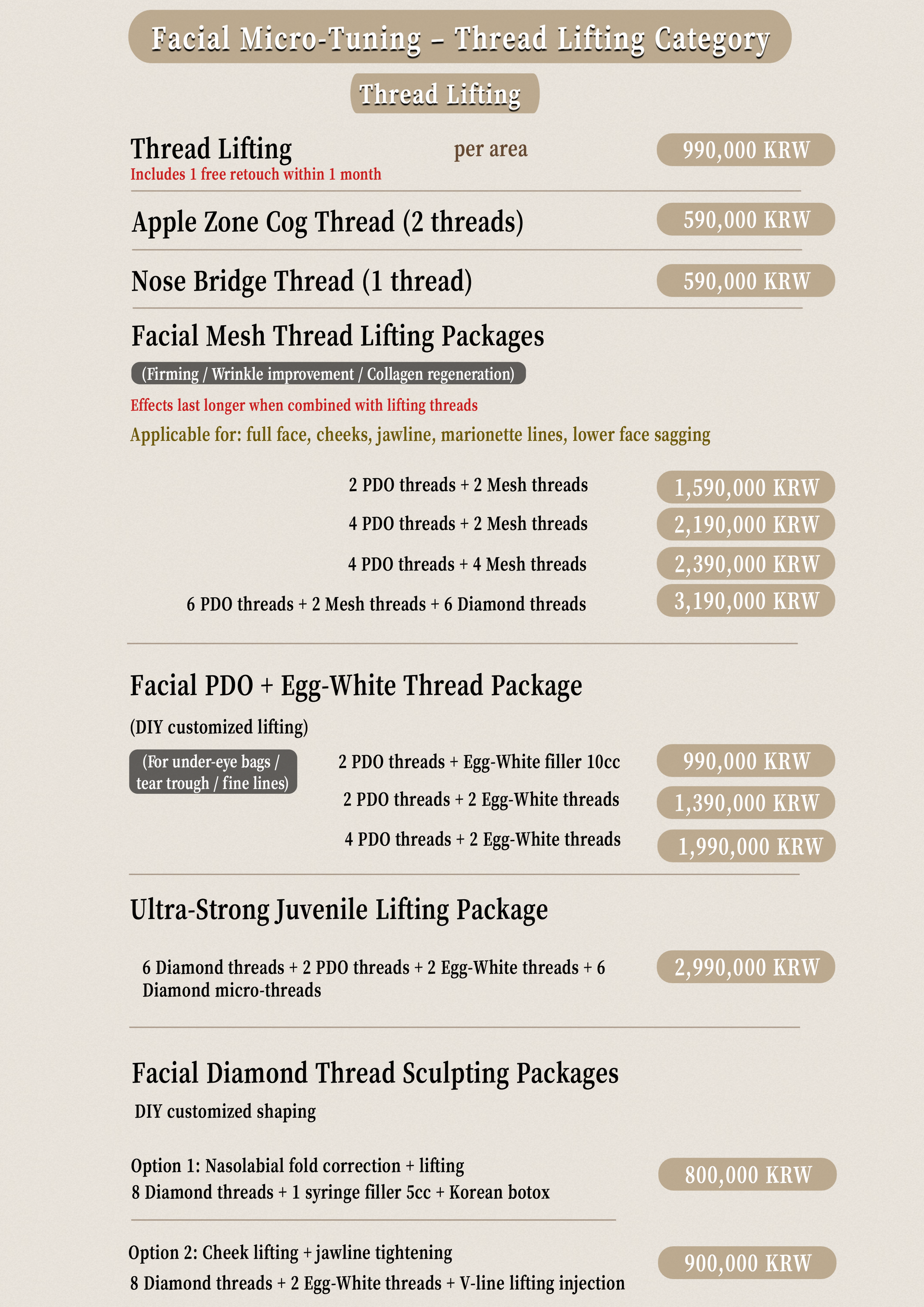
4. Thread Lifting for the Brow
Thread lifting involves placing temporary or longer-lasting lifting threads beneath the skin to reposition selected tissues. It is more invasive than an external energy-based procedure because it involves inserting threads through the skin.
A clinician may discuss a thread lift for selected patients seeking a temporary change in brow position without conventional surgery.
However, results vary and may be limited. Potential complications include bruising, swelling, infection, dimpling, asymmetry, visible or palpable threads, and dissatisfaction with the degree or duration of lifting.
Threads do not remove excess eyelid skin and may not be appropriate for significant brow descent. The procedure should not be treated as a risk-free alternative to surgery.
Who may consider it? Carefully selected patients who understand the procedure's limitations, risks, and uncertain durability.
5. Skincare and Laser Treatments for Skin Quality
Sometimes the concern is not primarily brow position. Fine lines, sun damage, and loose-looking skin around the forehead can make the upper face appear older even when the eyebrows have not descended substantially.
In these cases, a dermatologist may discuss skincare or selected resurfacing procedures.
Daily broad-spectrum sunscreen helps protect against further sun damage. A suitable moisturizer and, where appropriate, a carefully introduced retinoid may improve some aspects of skin texture over time.
Laser resurfacing may help selected wrinkles and surface texture concerns, but it should not be expected to reposition a substantially drooping brow. Treatment choice and settings are especially important for people prone to post-inflammatory hyperpigmentation.
Who may consider it? People whose main concern is forehead or brow-area skin quality rather than a true low brow position.
How Do You Know Which Treatment Is Right for You?
The most important step is identifying what is creating the appearance of drooping.
If your eyebrows sit lower than before but the upper-eyelid skin is not substantially excessive, a clinician may assess whether a modest non-surgical lift is realistic.
If your forehead muscles are constantly working to keep your eyes looking open, Botox may not be appropriate without a careful evaluation. Weakening those muscles could make the brow or eyelids look heavier.
If excess skin hangs over the upper eyelids, the problem may be primarily eyelid-related rather than brow-related. An oculoplastic surgeon or another appropriately qualified specialist can assess whether eyelid treatment is more suitable.
If the brow is significantly low, non-surgical treatments may offer little improvement. A surgical brow lift may be the more effective option for substantial brow ptosis, although surgery involves different risks, recovery, and cost.
Do not choose a procedure solely because a clinic describes it as a “Korean lifting treatment.” Ask what anatomical problem it is intended to correct.
What Should You Expect When Getting Treatment in Seoul?
Seoul offers a wide range of aesthetic procedures, but treatment names and promotional packages do not establish whether a procedure is suitable for your anatomy.
During your consultation, ask the clinician to explain:
- Whether your concern is brow ptosis, upper-eyelid skin excess, or both.
- Why the proposed procedure suits your particular anatomy.
- How much improvement is realistic.
- What side effects and complications may occur.
- How long results may last and whether maintenance is likely.
- What alternatives are available if you do not achieve the desired result.
If you are visiting Seoul for a short trip, share your travel dates before treatment. Even procedures advertised as having minimal downtime can cause bruising, swelling, tenderness, or temporary asymmetry. Leave time for recovery and ask how follow-up care will be handled after you return home.
Conclusion
The best Korean treatment for drooping eyebrows without surgery depends on the underlying cause and the amount of lifting you need.
Ultherapy or another suitable ultrasound-based treatment may be considered for mild laxity. Botox may offer a subtle, temporary lift in selected patients when muscle activity is an important factor. RF treatments, thread lifts, and skin-resurfacing procedures have different uses and limitations.
None can reliably reproduce the results of a surgical brow lift when significant tissue descent or excess skin is present. A qualified clinician should assess your brow and eyelid anatomy before recommending treatment, with special attention to eye-area safety and realistic expectations.
Frequently Asked Questions
1. What is the best non-surgical treatment for drooping eyebrows?
There is no single best treatment for everyone. Ultrasound-based tightening may suit selected cases of mild laxity, while Botox may provide a subtle lift when muscle activity contributes to the brow position. The appropriate option depends on anatomy and treatment goals.
2. Can Ultherapy lift eyebrows without surgery?
It may produce a modest lift in some appropriately selected patients. Results vary, and it cannot reliably correct significant brow ptosis or remove excess upper-eyelid skin.
3. Can Botox make drooping eyebrows worse?
Yes. Inappropriate placement or dosing can weaken muscles that help maintain brow or eyelid position, potentially causing a heavier appearance or eyelid ptosis. A qualified injector should assess your baseline brow position and muscle activity.
4. How long does a non-surgical brow lift last?
Duration depends on the procedure, device, technique, and individual response. Botox effects are temporary, while results from energy-based treatments and thread lifts vary. Ask the clinician for a realistic estimate based on the specific procedure being proposed.
5. Is a thread lift better than Ultherapy for drooping brows?
Neither is universally better. Thread lifting involves placing material beneath the skin and carries risks such as dimpling and asymmetry. Ultrasound treatment is non-invasive but may provide only modest lifting. A clinician should compare their suitability for your anatomy and goals.
6. When is surgery more appropriate than a non-surgical brow lift?
Surgery may be more appropriate when brow descent is substantial, excess skin is pronounced, or a meaningful repositioning is required. An assessment can also determine whether the problem is actually drooping upper-eyelid skin rather than the brow itself.