Oligio vs Thermage for a 45-Year-Old: Is the Price Difference Worth It?
If you are 45 and noticing a softer jawline, early jowls, fine wrinkles, or looser facial skin, Oligio and Thermage FLX are two non-surgical treatments worth comparing. Both use monopolar radiofrequency (RF) energy to heat tissue and stimulate collagen remodeling, with the goal of improving skin firmness.
Is Thermage worth paying more for? Not necessarily. Thermage FLX has a longer-established device history, while Oligio may be an attractive alternative for people seeking radiofrequency skin tightening at a different price point. However, a higher price does not automatically mean a better result, and the available evidence does not establish that the two devices produce identical outcomes.
The right decision depends on your skin laxity, facial volume, treatment goals, the specific device offered, and the quality of the clinic's treatment plan.
What Are Oligio and Thermage FLX?
What Is Oligio?
Oligio is a non-invasive skin-tightening treatment developed by Wontech in South Korea. It uses monopolar radiofrequency energy to heat tissue and encourage collagen remodeling.
It may be considered for selected patients concerned about mild facial laxity, early jawline changes, fine wrinkles, or a gradual loss of skin firmness. Results vary, and the treatment cannot remove excess skin or reliably correct substantial tissue descent.
Oligio is often discussed as an alternative to Thermage in Korea. However, patients should confirm which version is being offered, since Oligio and Oligio X are distinct device versions and should not automatically be treated as interchangeable.
What Is Thermage FLX?
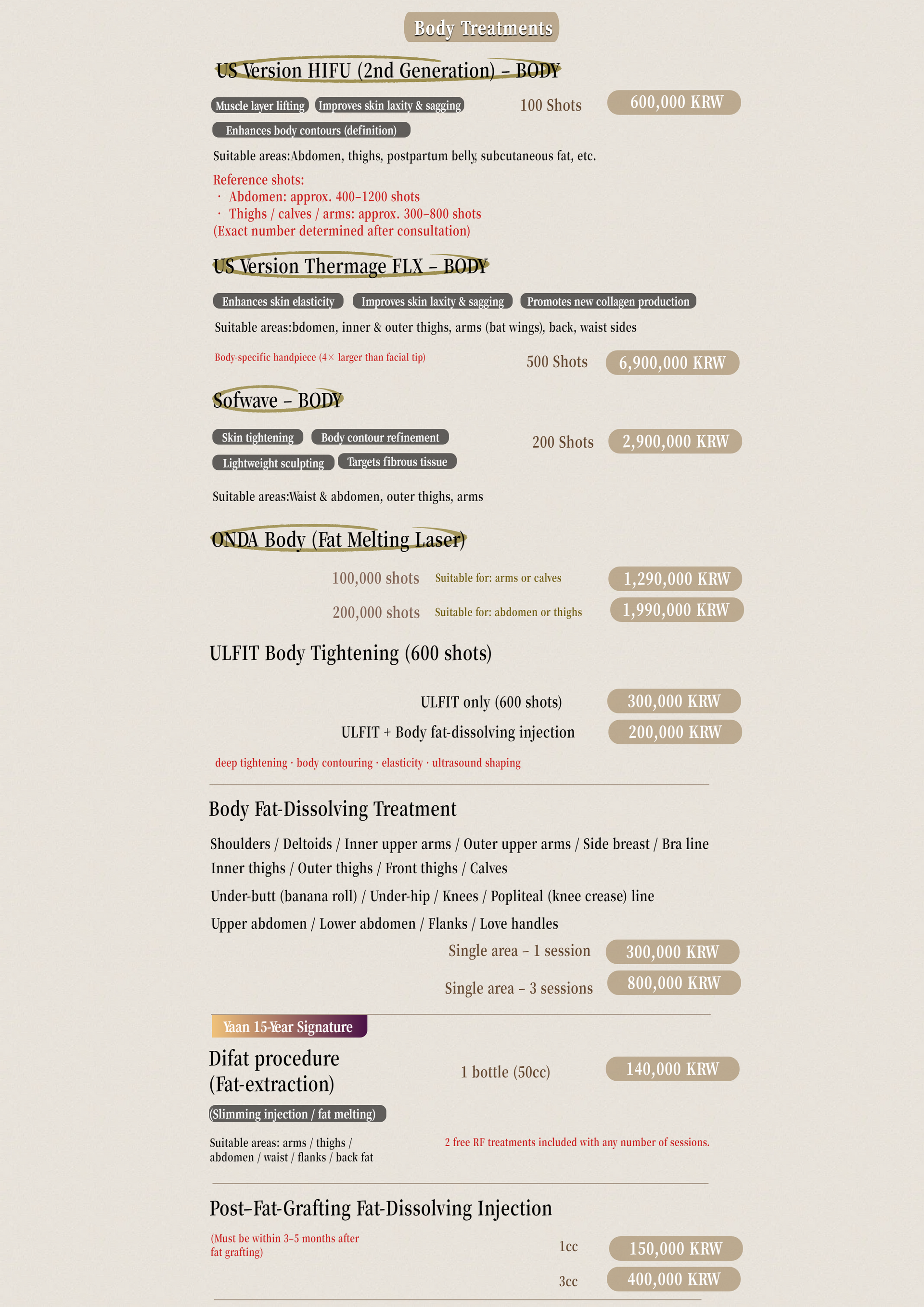
Thermage FLX is a radiofrequency treatment system designed to improve the appearance of wrinkles and selected signs of skin laxity. It delivers controlled RF energy to heat tissue while incorporating features intended to support treatment comfort and energy delivery.
Thermage has an established history in aesthetic dermatology, and the FLX generation includes specific treatment features. Nevertheless, its brand recognition and price do not guarantee that it will outperform another RF device for every individual.
Neither treatment is a surgical facelift. Both aim to improve skin firmness rather than remove substantial excess skin or physically reposition significantly descended facial tissues.
Oligio vs Thermage: What Is the Difference?
The two treatments share a broad technological approach, but that does not make them identical.
1. Technology and Treatment Approach
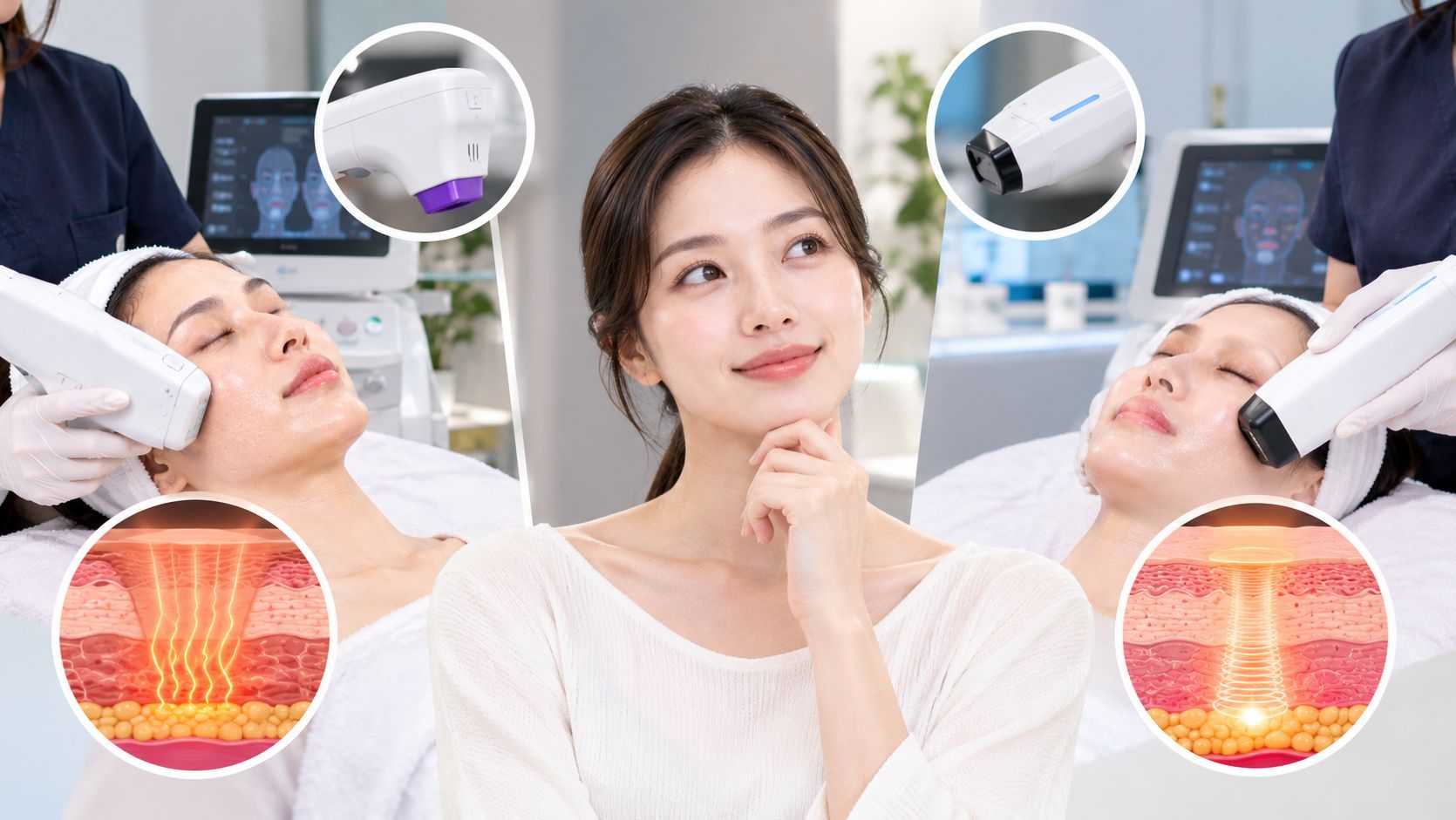
Both Oligio and Thermage FLX use monopolar radiofrequency. Their energy delivery systems, treatment tips, protocols, and device-specific features differ.
These differences may affect how treatment is delivered and experienced. However, it is not appropriate to assume that similar radiofrequency frequencies or energy settings guarantee equivalent results.
A qualified provider should explain the specific device being used, the treatment areas, and the rationale for the selected protocol.
2. Effectiveness for Sagging Skin
Both treatments may provide modest improvement in selected cases of mild to moderate skin laxity.
A published clinical study of Oligio in Asian patients evaluated changes in lower facial laxity over time. Its findings support the potential of monopolar RF treatment, but a study of one device does not prove that Oligio matches or exceeds Thermage FLX.
Thermage also has clinical research supporting monopolar RF treatment for facial laxity. However, studies differ in their patient populations, treatment protocols, outcome measures, and follow-up periods.
For a 45-year-old, the most important distinction is the type of aging being treated. Mild looseness may respond to skin tightening, while prominent jowls, substantial tissue descent, or excess skin may require a different approach.
3. Pain and Downtime
Both treatments can cause discomfort during energy delivery. The experience depends on individual sensitivity, treatment settings, the area being treated, and the provider's technique.
Temporary redness, swelling, tenderness, or sensitivity may occur after either procedure. Some people return to normal activities quickly, but recovery experiences vary.
Do not assume that one treatment will always be painless or that the other necessarily involves more downtime. Ask the clinic how it manages discomfort and what post-treatment symptoms should prompt medical review.
4. How Long Do Results Last?
Radiofrequency treatments aim to stimulate tissue changes that develop over time. The degree and duration of improvement vary according to individual factors, treatment technique, and the aging process.
Neither device can stop aging permanently. A clinic may suggest maintenance treatments, but the appropriate timing should be based on your response, clinical assessment, and budget rather than a universal schedule.
Ask how the clinic measures results and when it recommends a follow-up assessment before committing to repeat sessions.
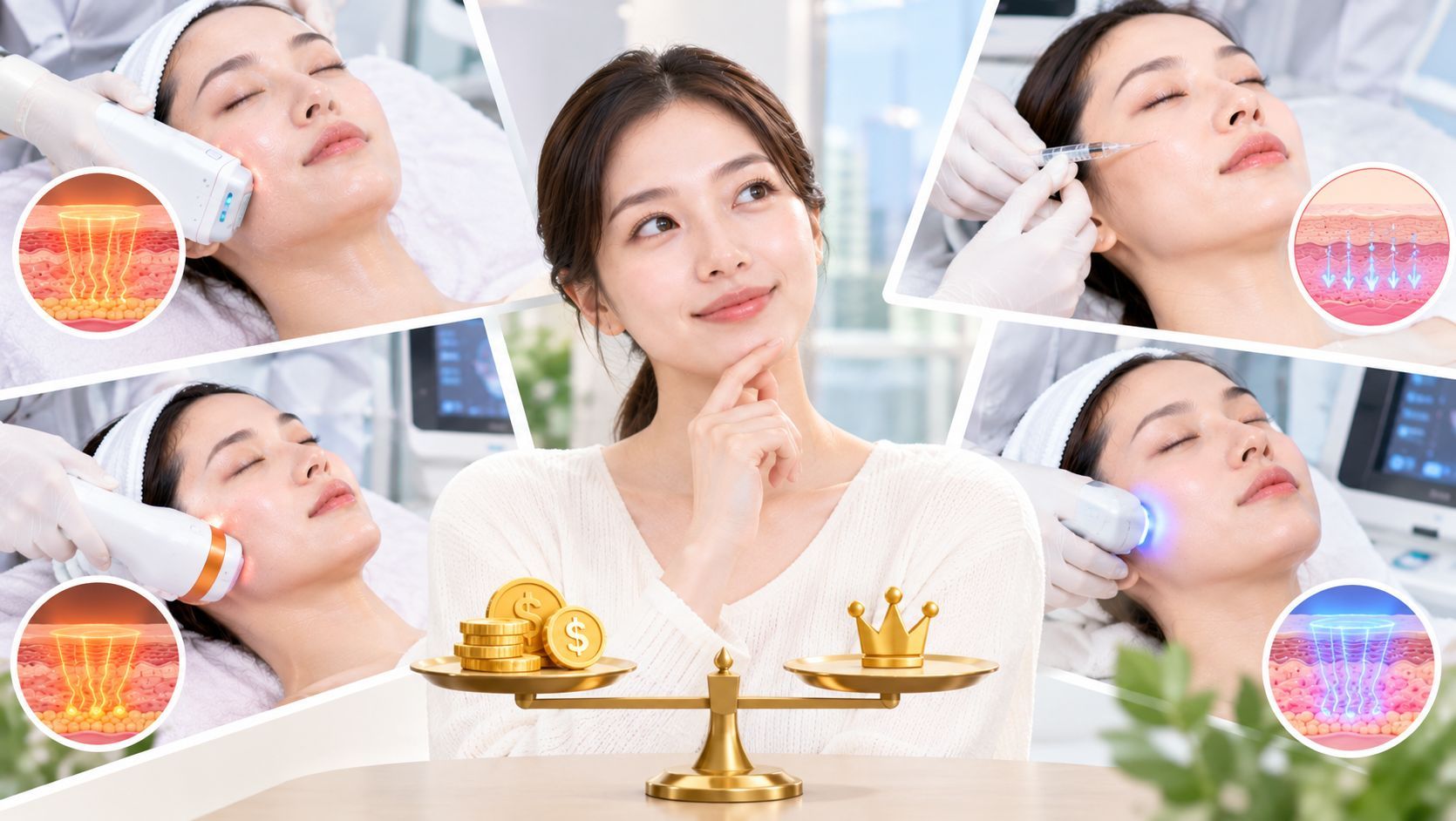
Is the Price Difference Worth It at Age 45?
The answer depends on what the additional cost actually buys you.
If Oligio is offered at a lower price by a reputable clinic with experienced clinicians, appropriate treatment protocols, and genuine equipment, it may represent reasonable value for someone seeking modest improvement in skin firmness.
Thermage FLX may also be worth considering if you prefer its specific treatment system, have confidence in the provider's experience with it, or receive a treatment plan that better matches your needs.
However, the higher price alone is not evidence of superior results.
When comparing quotes in Seoul, look beyond the advertised starting price. Confirm the following:
- Exact device: Is it Oligio, Oligio X, or Thermage FLX?
- Treatment area: Does the quote cover the full face, the lower face, the neck, or only selected areas?
- Shot count: How many shots are included, and how does the clinic determine the appropriate number for your treatment plan?
- Treatment tip: Is the tip genuine, appropriate for the device, and intended for single-patient use where required?
- Clinician experience: Who performs the treatment, and who assesses your suitability?
- Aftercare: Is follow-up included, and how are side effects managed?
- Total cost: Are consultation fees, anesthesia or comfort measures, and any recommended follow-up treatments charged separately?
A cheaper treatment may be good value, but only if the treatment scope and clinical standards are appropriate. Equally, paying more for a familiar brand is not necessarily worthwhile if your expected improvement is limited.
Which Treatment Is Better for a 45-Year-Old Woman?
There is no universally better choice based on age alone. Start by identifying the primary concern.
If Your Main Concern Is Mild Jawline Softening
Either treatment may be worth discussing if the change is primarily related to mild skin laxity. Ask your clinician which device they use most confidently and what improvement is realistic for your facial structure.
If You Have Fine Wrinkles and Reduced Skin Firmness
Both treatments may be considered for selected signs of aging. However, deeper wrinkles, sun damage, and changes in skin texture may require different treatments, depending on their cause.
If You Have a Thin Face
Be cautious about any treatment plan that promises a dramatic lift without affecting facial volume. Unwanted contour changes are a concern with energy-based procedures, and no device can guarantee that hollowing will never occur.
Discuss your existing cheek volume, previous treatments, and the proposed energy delivery with your clinician before proceeding.
If You Have Pronounced Jowls or Loose Neck Skin
Neither Oligio nor Thermage FLX should be expected to correct substantial sagging. A clinician should assess whether the problem comes from skin laxity, tissue descent, submental fat, or a combination of factors.
If significant excess skin is present, a surgical consultation may provide a clearer understanding of what is achievable, even if you prefer to avoid surgery.
Are Oligio and Thermage Safe?
Both treatments are non-invasive, but neither is completely risk-free. Potential effects include discomfort, temporary redness, swelling, and tenderness. Thermal injury, burns, contour changes, or other complications may occur, particularly if treatment is inappropriate or poorly delivered.
Before treatment, disclose relevant medical conditions, implanted electronic devices, metal implants in or near the treatment area, previous cosmetic procedures, and any other factors your provider asks about. Follow the device-specific safety guidance.
Choose a qualified medical professional who can explain contraindications, the expected benefits, possible complications, and the steps taken to reduce risks. Ask to verify the device and treatment tip rather than relying on advertising alone.
Conclusion: Should You Pay More for Thermage?
For a 45-year-old considering non-surgical skin tightening, Oligio and Thermage FLX are both options worth discussing. Oligio may offer a more budget-conscious route in some clinics, while Thermage FLX may appeal to patients who prefer its established device system.
There is not enough direct comparative evidence to say that paying more for Thermage always produces better results. Nor should the two devices be assumed to be equivalent simply because they use monopolar radiofrequency.
The best value is the treatment that suits your facial anatomy, addresses the right concern, is performed safely, and offers realistic benefits at a price you are comfortable paying. A thorough consultation is more useful than choosing by brand name or price alone.
Frequently Asked Questions
1. Is Oligio cheaper than Thermage in Korea?
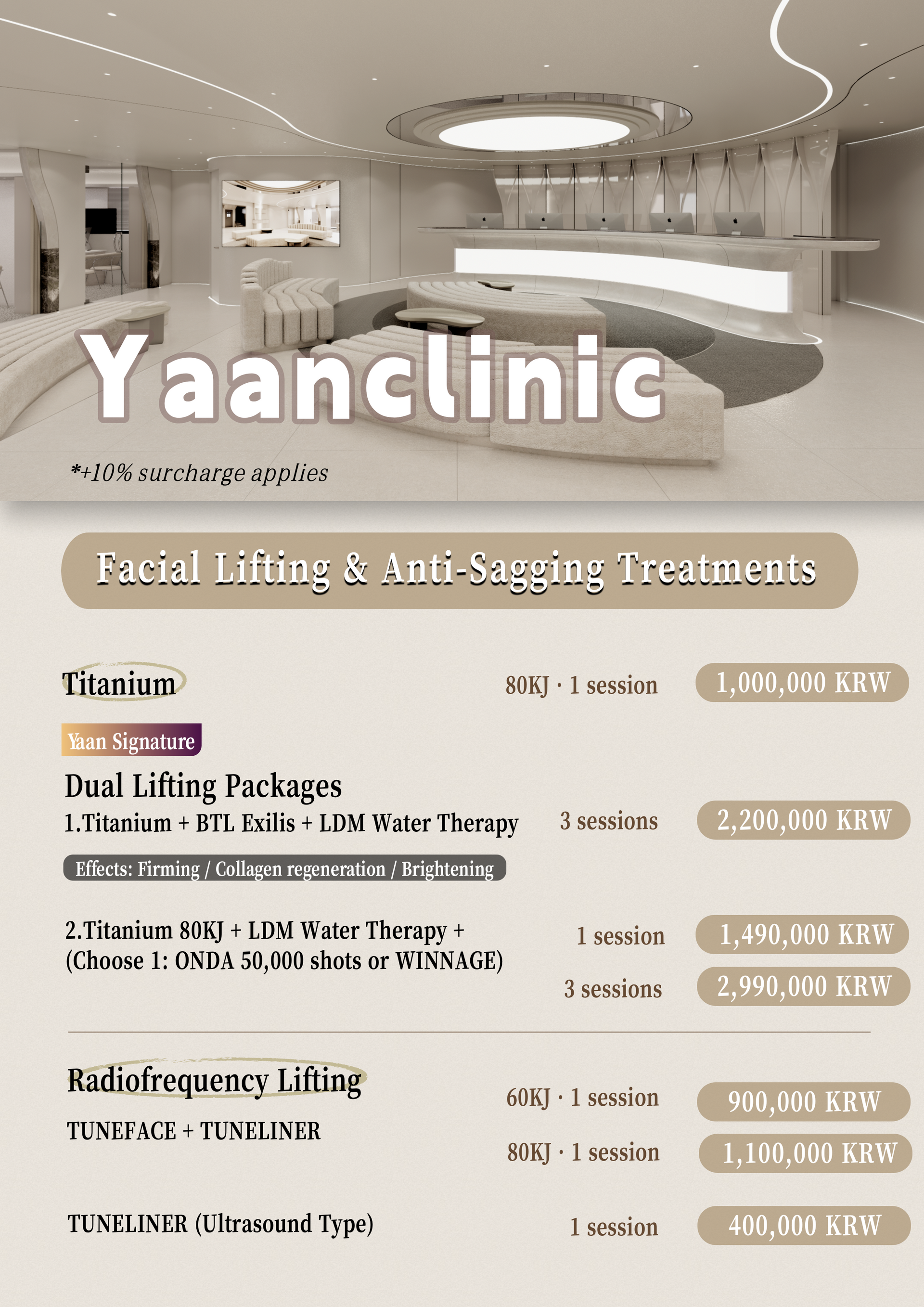
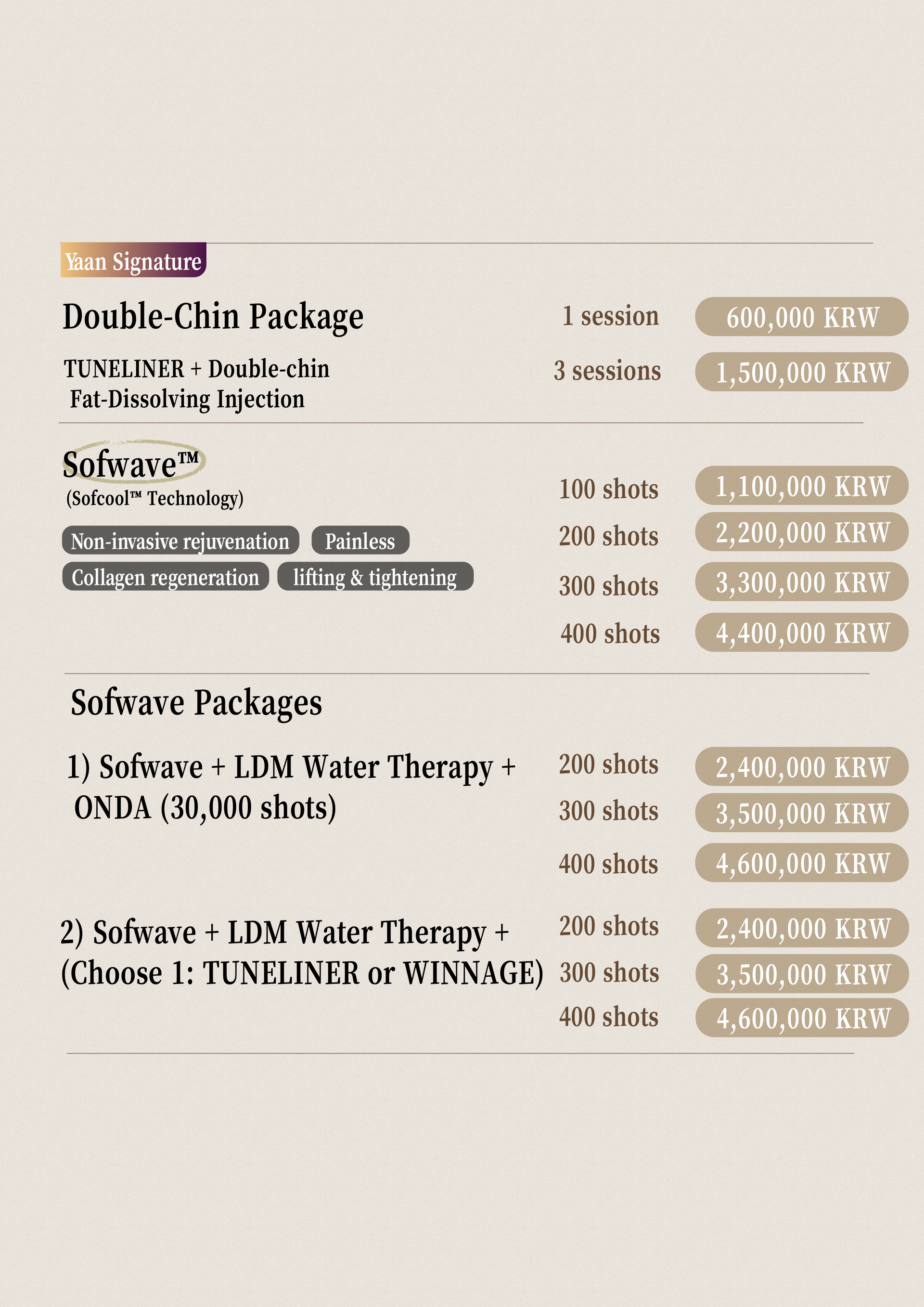
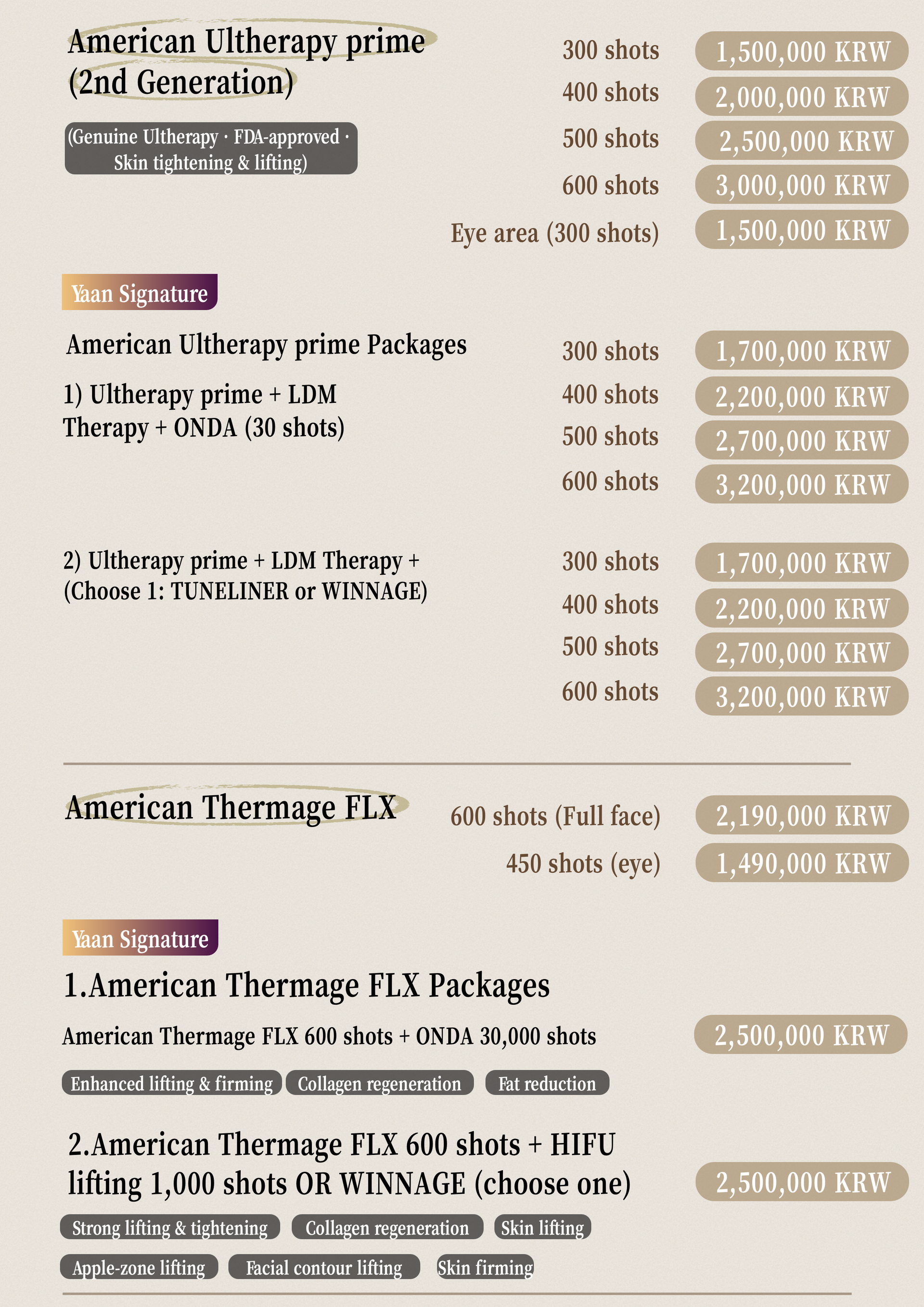
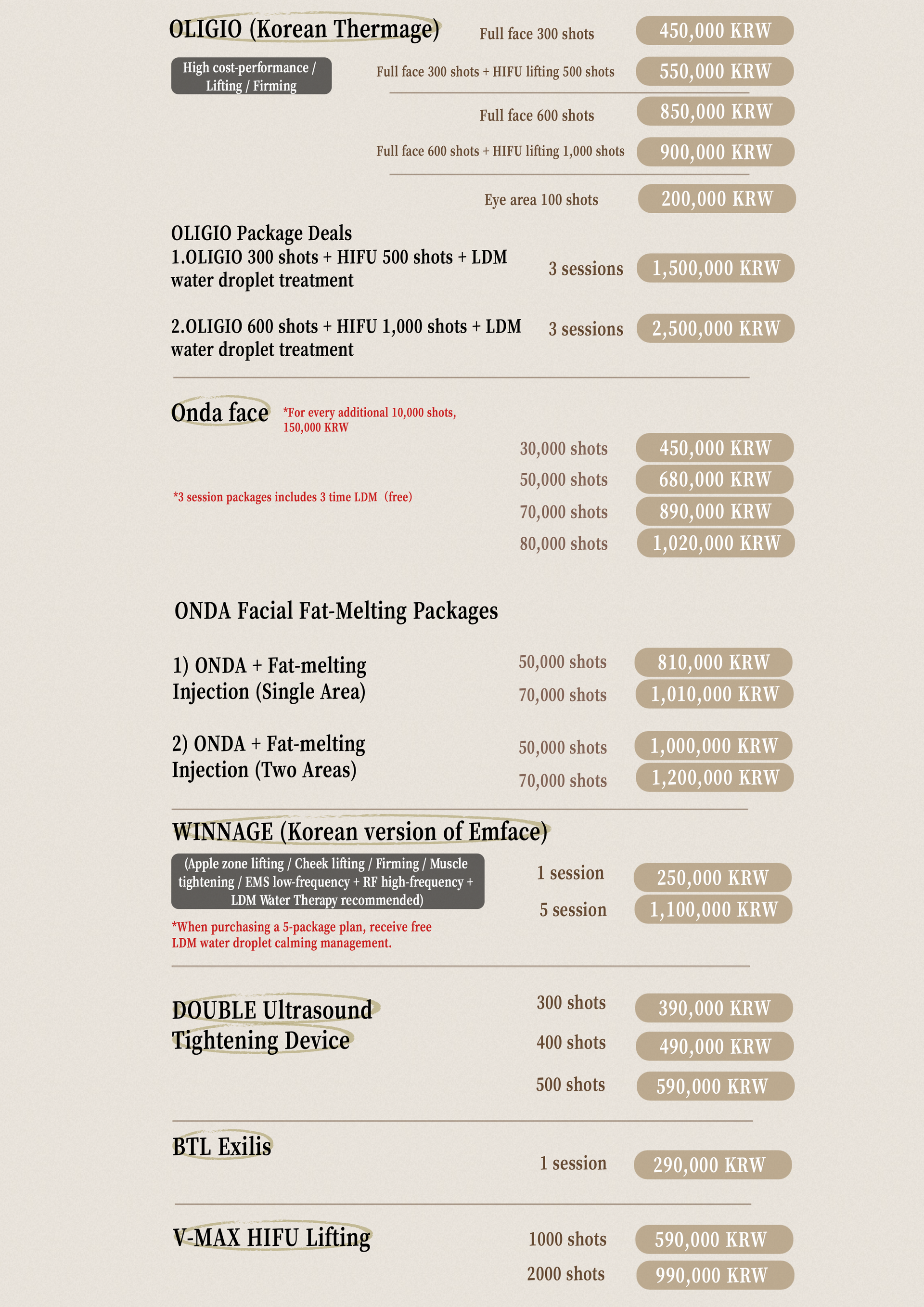
Oligio may be offered at a lower price at some Korean clinics, but pricing varies by clinic, treatment area, device version, and shot count. Request itemized quotes before comparing value.
2. Does Thermage work better than Oligio?
There is insufficient direct comparative evidence to conclude that Thermage FLX is consistently more effective than Oligio. Individual anatomy, treatment protocols, and clinician experience all matter.
3. How many shots do I need at age 45?
There is no single appropriate shot count for everyone. The treatment area, device, degree of laxity, and clinical plan determine the number used. A higher count does not automatically guarantee a better result.
4. Can Oligio or Thermage remove jowls?
They may improve the appearance of mild skin laxity, but neither reliably removes established jowls caused by significant tissue descent or excess skin.
5. Can I combine Oligio or Thermage with other treatments?
Combination treatment may be appropriate for some people, but the plan depends on the cause of aging and the safety of the proposed sequence. Your clinician should explain the rationale, timing, added cost, and cumulative risks before combining procedures.
6. Is radiofrequency tightening worth it in your 40s?
It may be worthwhile if you have mild laxity and realistic expectations. If your primary concern is substantial excess skin, pronounced jowls, or volume loss, another treatment may be more suitable. An assessment can help you avoid spending money on a procedure unlikely to address your main concern.