Is Sofwave Strong Enough for Sagging Skin in Your 40s?
If you are in your 40s and noticing sagging cheeks, a less-defined jawline, or loose skin beneath your chin, Sofwave may be worth considering. Sofwave can provide modest, non-surgical skin tightening for selected people with mild to moderate skin laxity, but it is not strong enough to correct every type of sagging. Its effectiveness depends on the degree of laxity, facial anatomy, skin quality, and treatment goals.
The key question is not simply whether Sofwave is powerful enough. It is whether your skin needs tightening, deeper tissue lifting, volume restoration, or a different approach altogether.
What Is Sofwave and How Does It Work?
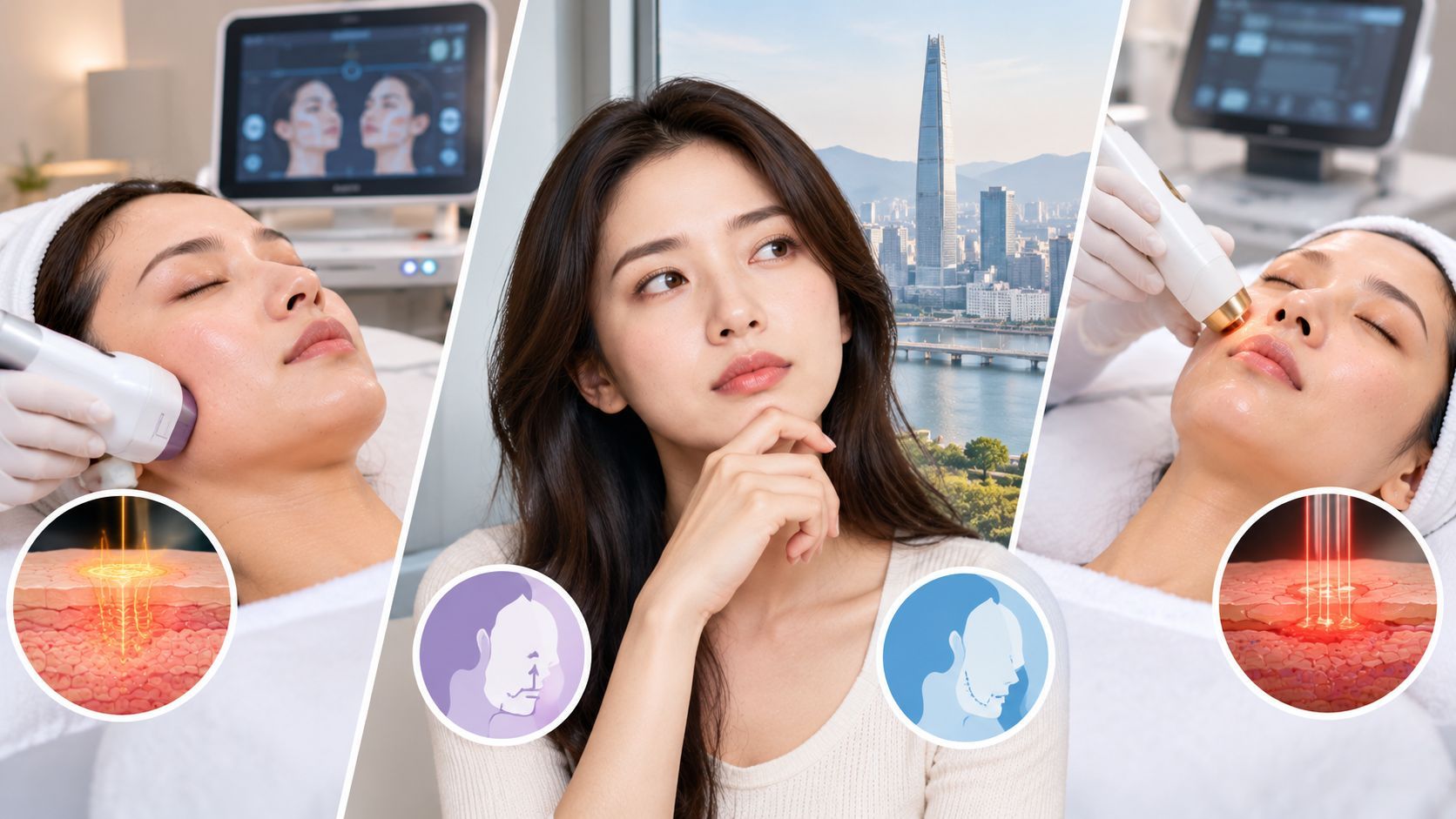
Sofwave is a non-invasive aesthetic treatment that uses high-intensity, high-frequency ultrasound energy to heat targeted tissue within the skin. This controlled heating is intended to stimulate collagen remodeling, which may gradually improve skin firmness and the appearance of certain facial lines.
Unlike surgery, Sofwave does not involve incisions or removal of excess skin. It is designed to improve the appearance of concerns such as facial lines, eyebrow position, and lax tissue beneath the chin and around the neck.
The treatment is intended to work within the skin rather than physically repositioning descended facial tissues. Consequently, it may be useful for early signs of aging but has limitations when sagging is advanced.
Is Sofwave Strong Enough for Sagging Skin in Your 40s?
Your 40s can be a suitable time to consider non-surgical skin tightening, particularly if you have mild to moderate laxity and want a gradual, natural-looking improvement.
However, age alone does not determine whether Sofwave will work. Two people aged 45 may have very different facial structures, skin thickness, fat distribution, and degrees of tissue descent.
When Sofwave May Be a Good Option
Sofwave may be worth discussing with a qualified dermatologist if you have:
- Mild looseness around the lower cheeks or jawline.
- Early skin laxity beneath the chin.
- Fine lines and a gradual loss of skin firmness.
- Mild neck laxity.
- A preference for a non-surgical procedure with limited downtime.
- Realistic expectations about gradual and potentially subtle improvement.
In these situations, the goal is usually to make the skin appear firmer rather than dramatically change the face.
When Sofwave May Not Be Enough
Sofwave may be less suitable as a stand-alone treatment if you have:
- Significant jowls caused by descended facial tissues.
- A large amount of excess skin around the neck.
- Pronounced skin folds or substantial structural changes.
- A heavy lower face primarily related to fat distribution or anatomy.
- Advanced laxity that would require tissue repositioning or skin removal for a major correction.
A non-surgical procedure cannot reproduce the results of a surgical facelift or neck lift. If sagging is pronounced, a consultation with a qualified plastic surgeon can help you understand the full range of options, even if you ultimately prefer not to have surgery.
What Results Can You Expect From Sofwave?
Sofwave is intended to stimulate changes in collagen rather than create an immediate surgical-style lift. Any improvement generally develops gradually, and the degree of change varies between individuals.
Some people may notice firmer-looking skin or a subtle improvement in the appearance of the jawline or neck. Others may experience less noticeable changes than they expected.
Clinical evidence is encouraging but has limitations. A published study involving 15 participants reported improvements in facial skin laxity, including areas around the eyebrows, beneath the chin, and the neck. However, a small study cannot establish how well every patient will respond or guarantee a particular result.
The American Academy of Dermatology explains that non-invasive skin-tightening procedures generally produce modest improvements, with results developing over time. This is an important expectation to keep in mind before choosing Sofwave.
Before treatment, ask your provider what degree of improvement is realistic for your specific anatomy and how results will be evaluated.
Sofwave vs. Ultherapy vs. Thermage: Which Is Better?
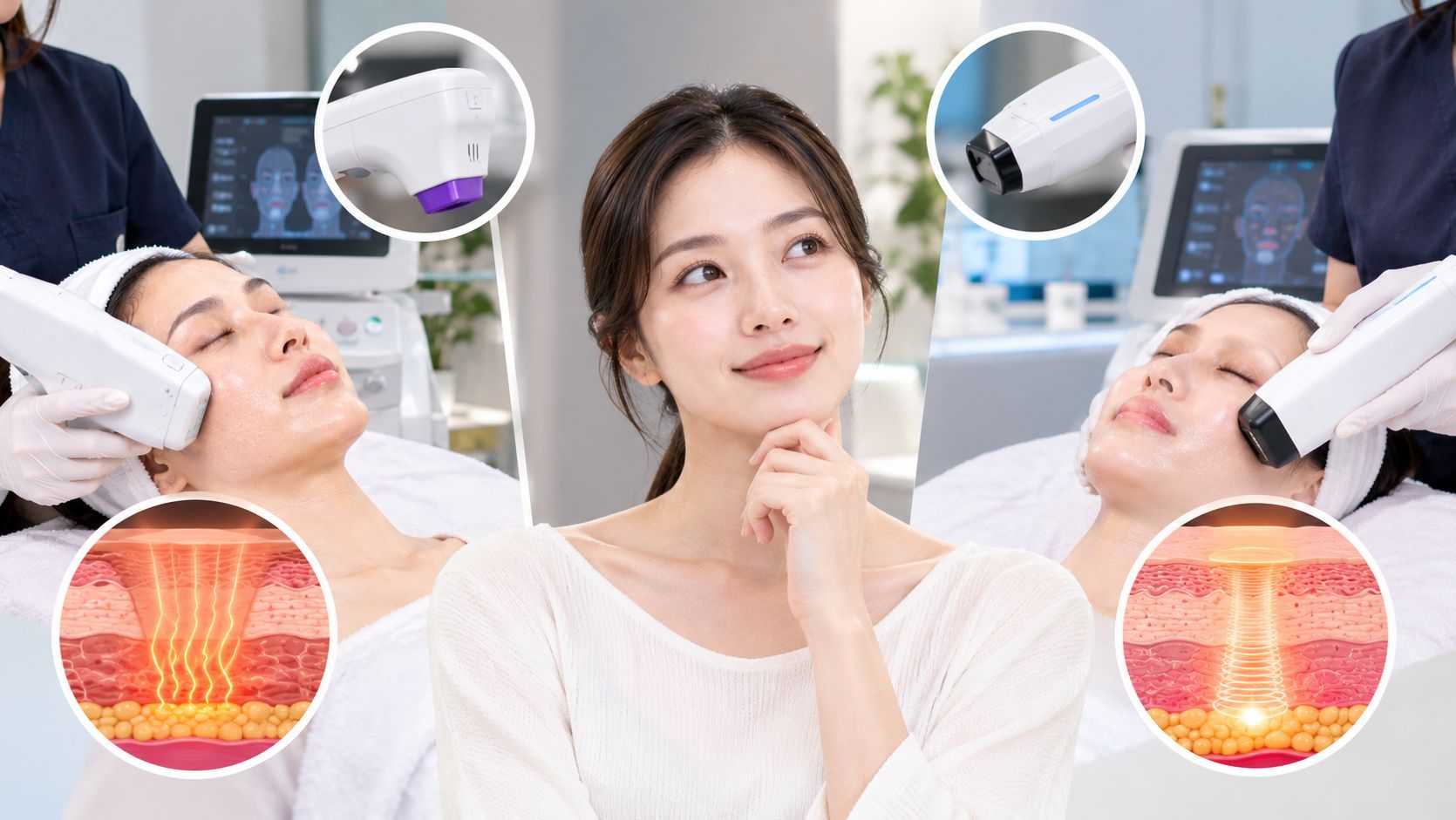
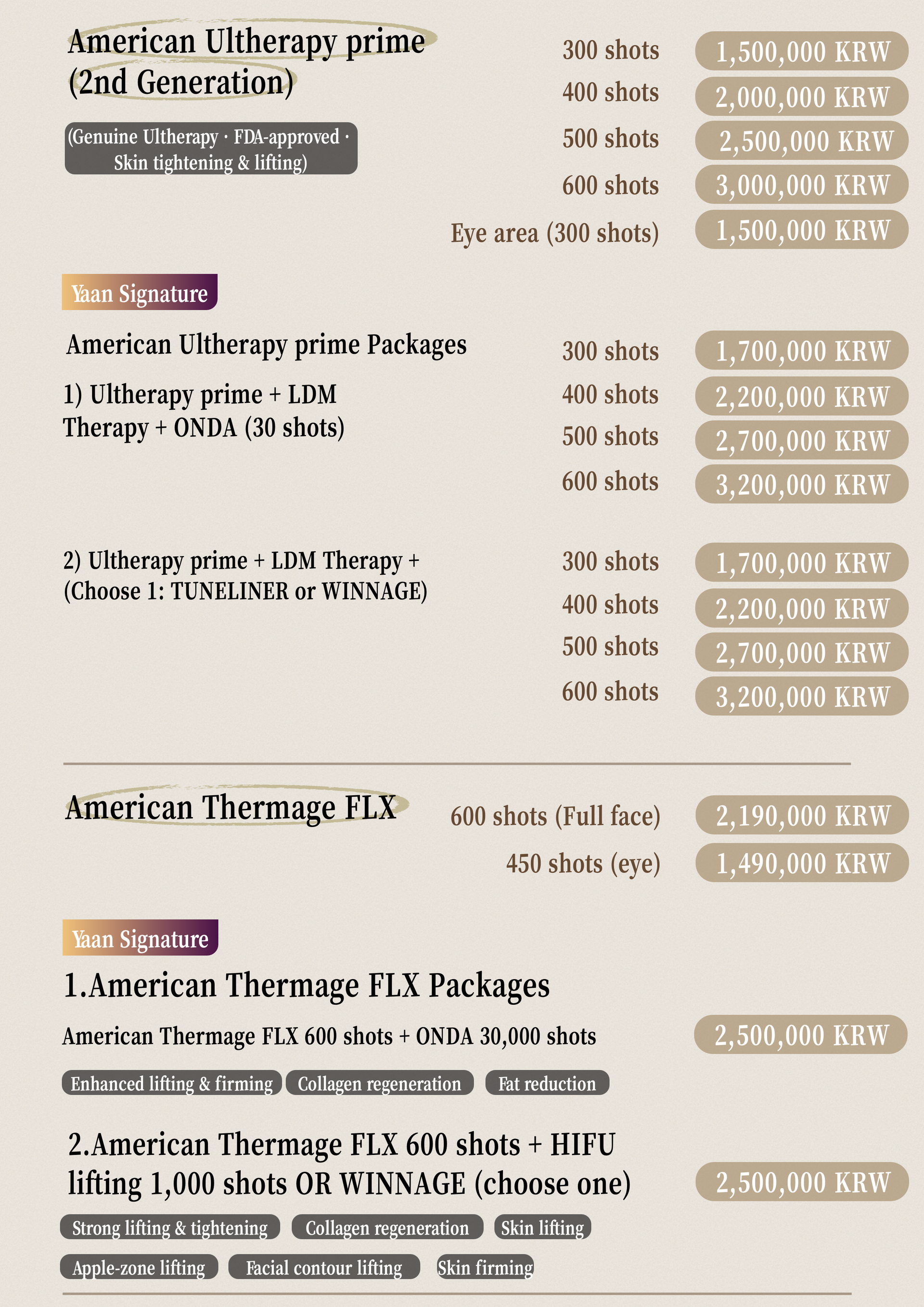
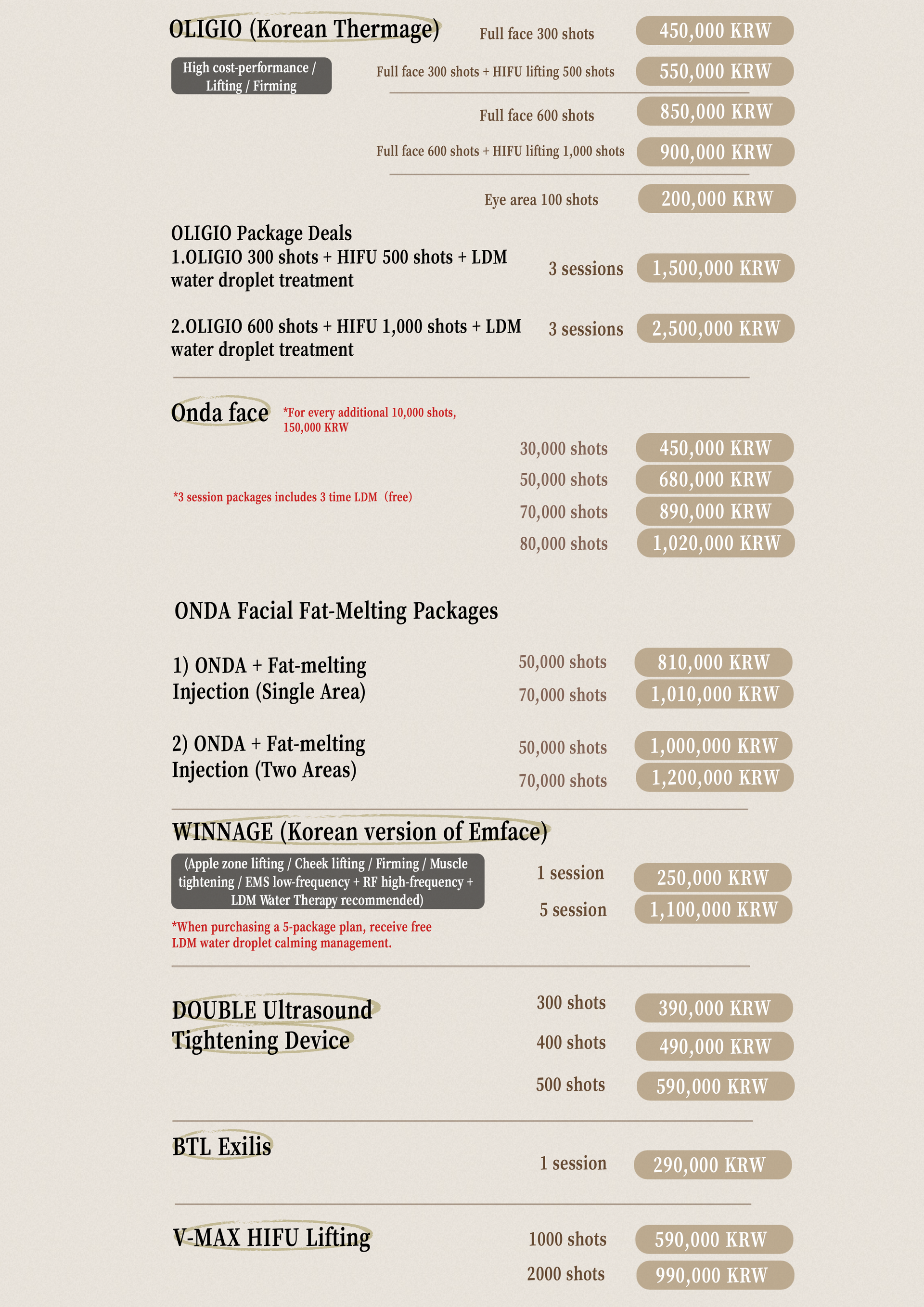
Sofwave is not automatically better or worse than Ultherapy or Thermage. These treatments use different technologies and treatment approaches, and the most suitable option depends on the concern being addressed.
Sofwave
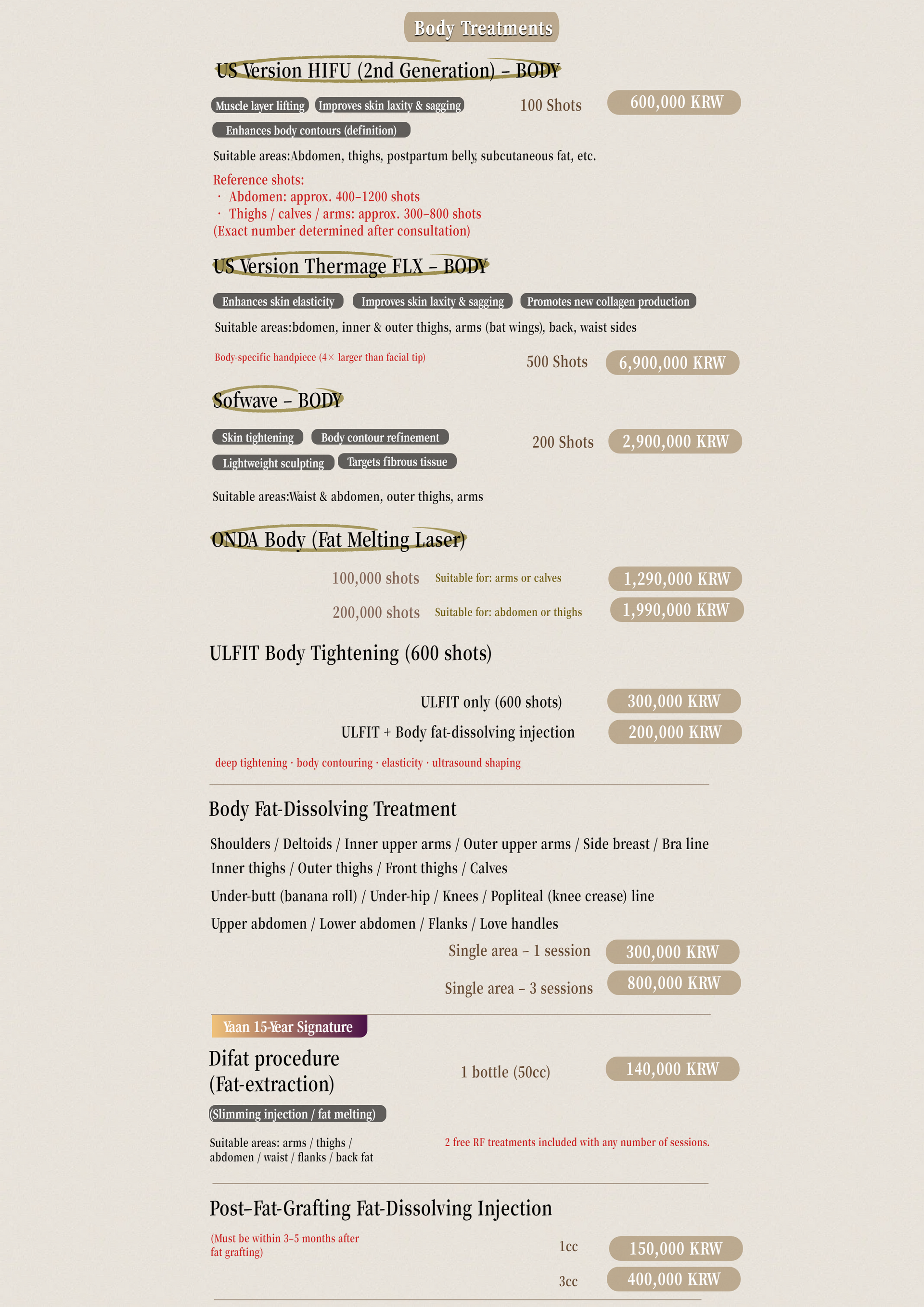
Sofwave uses ultrasound technology designed to heat tissue within the skin. It may be considered for selected cases of mild to moderate laxity, facial lines, and looseness beneath the chin or around the neck.
It may appeal to patients seeking non-surgical treatment without substantial downtime. However, it should not be expected to remove excess skin or correct advanced jowls.
Ultherapy
Ultherapy uses microfocused ultrasound with imaging to target selected tissue depths. It may be considered when a clinician believes treatment at those depths is appropriate for the patient's degree and location of laxity.
The treatment is not a guaranteed alternative to surgery, and outcomes vary. It is important to understand the planned treatment areas, potential discomfort, and possible adverse effects before proceeding.
Thermage
Thermage uses radiofrequency energy to heat tissue and stimulate collagen remodeling. It may be considered for selected patients seeking improvement in skin firmness and mild laxity.
Its suitability depends on skin characteristics, facial volume, and the treatment area. Like other non-surgical tightening methods, it cannot reliably correct substantial excess skin.
The best choice is the device that matches your specific concern, not necessarily the newest or most heavily marketed technology. Ask your clinician to explain why a particular device is appropriate for your anatomy and what alternatives might provide a better result.
Does Sofwave Have Side Effects?
Sofwave is non-invasive, but it is not risk-free. Possible short-term effects include redness, swelling, tenderness, and discomfort during or after treatment.
Less common but important complications may occur with energy-based aesthetic procedures. These can include burns, unwanted contour changes, or nerve-related symptoms. Published reports and regulatory adverse-event databases should be interpreted carefully: a report does not by itself prove that a device caused the reported problem, but it reinforces the importance of informed consent and appropriate patient selection.
Before treatment, discuss your medical history, previous cosmetic procedures, implanted devices, skin conditions, and any medications that could affect treatment suitability. Ask what precautions are used to reduce the risk of injury and what follow-up is available if a problem develops.
Choose a qualified medical professional who understands facial anatomy and can explain both the benefits and limitations of the procedure.
How to Decide Whether Sofwave Is Right for You
Start by identifying what makes your face look older or less firm. Skin laxity is only one possible cause.
If the main concern is mild loose skin, Sofwave may be reasonable to discuss. If your face looks hollow because of volume loss, tightening alone may not address the issue. If fullness beneath the chin is the primary concern, your clinician should determine whether it is related to fat, skin laxity, or anatomy.
For pronounced jowls or substantial neck skin excess, ask whether non-surgical treatment is likely to deliver enough improvement to justify the cost. You can also request a surgical consultation for information without committing to surgery.
Before booking Sofwave, ask these questions:
- What specific concern are you treating: skin laxity, tissue descent, fat, or volume loss?
- What improvement is realistic for my face and neck?
- How many sessions may be appropriate, and when should results be assessed?
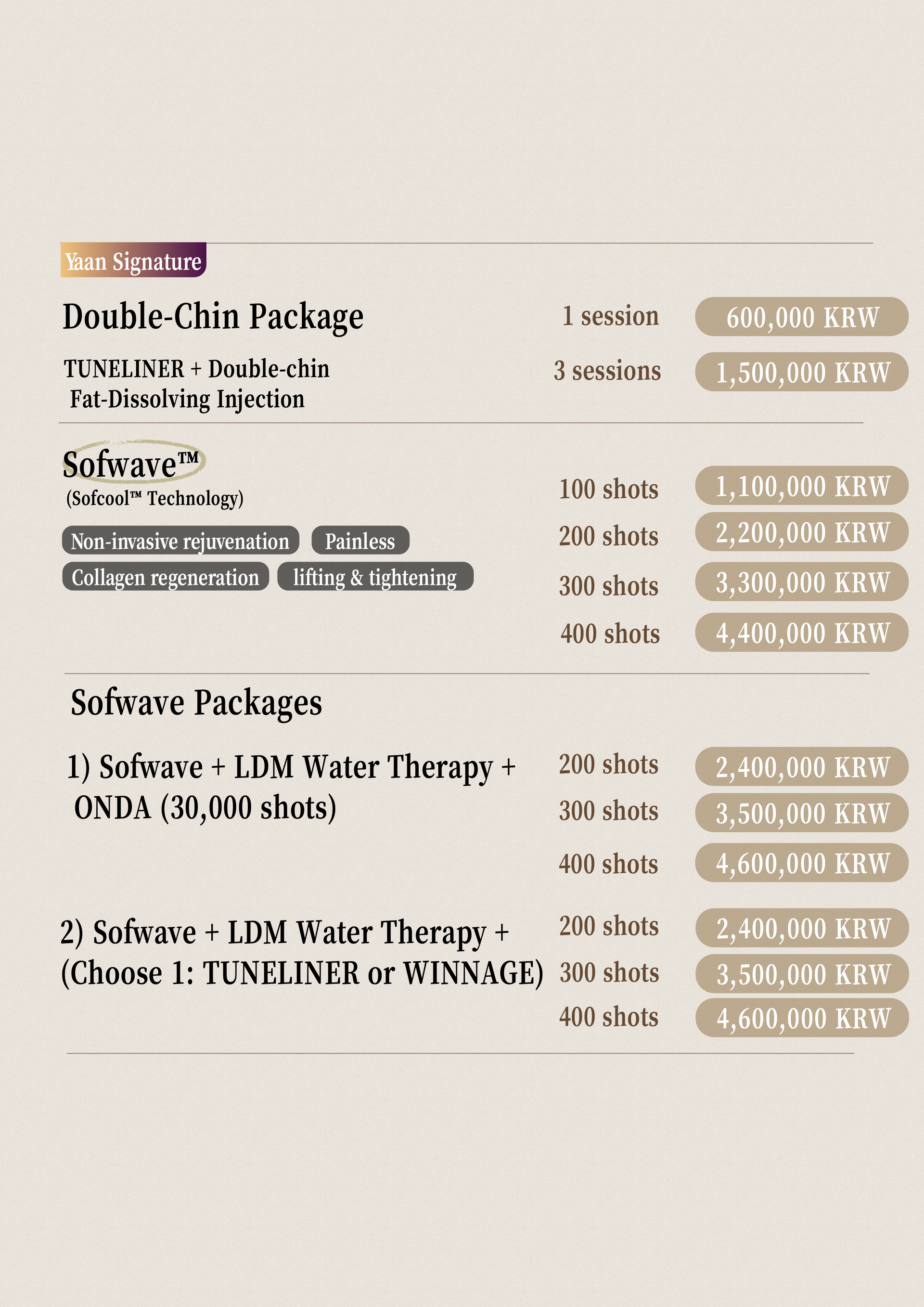
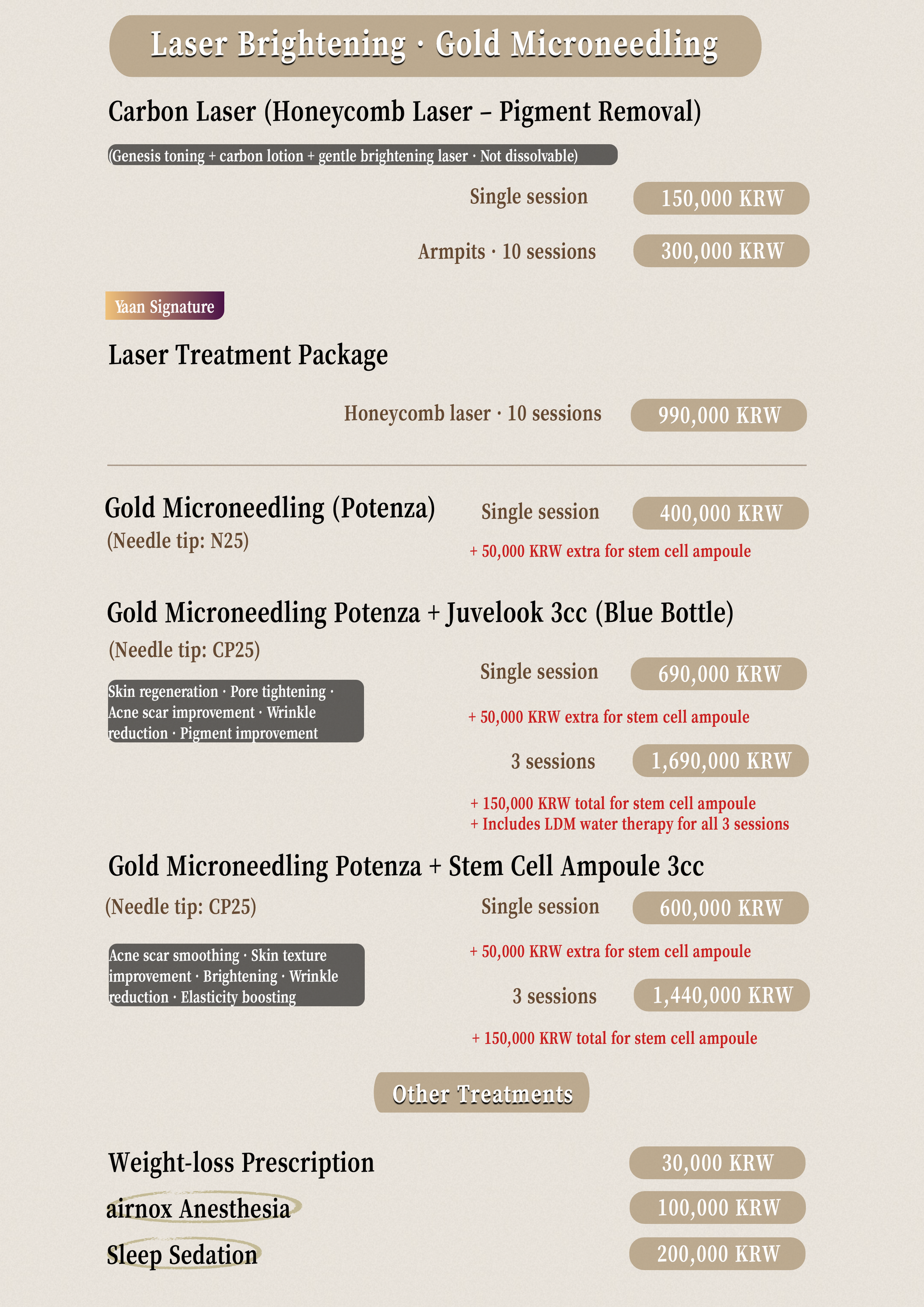
- What are the potential side effects and costs?
- What alternatives would you recommend if Sofwave is unlikely to be sufficient?
These questions can help you make a decision based on your needs rather than age or advertising claims.
Conclusion
Sofwave can be a reasonable non-surgical option for some people in their 40s who have mild to moderate skin laxity and want a gradual improvement in firmness. However, it is not a reliable solution for every case of sagging, particularly when significant jowls, descended tissues, or excess neck skin are present.
A careful assessment of your facial anatomy and the cause of sagging is more useful than choosing a treatment based on age alone. A qualified dermatologist can help determine whether Sofwave is appropriate or whether another approach is more likely to meet your expectations.
Frequently Asked Questions
1. Is Sofwave worth it at age 45?
It may be worth considering if you have mild to moderate laxity and understand that results can be subtle. Your age alone does not predict the outcome; the degree of sagging and your treatment goals matter more.
2. Can Sofwave lift sagging cheeks?
Sofwave may improve the appearance of mild skin laxity, but it cannot reliably reposition significantly descended cheek tissue or replace the effects of a facelift.
3. How long does it take to see Sofwave results?
Improvements develop gradually as collagen remodeling occurs. The timing and degree of change vary, so ask your provider when your results should be assessed.
4. Is Sofwave better than Ultherapy?
Neither treatment is universally better. They use different ultrasound approaches, and suitability depends on the treatment area, degree of laxity, anatomy, clinical expertise, and individual goals.
5. Can Sofwave tighten loose skin under the chin?
Sofwave is indicated for improving the appearance of lax tissue beneath the chin and around the neck. The likely benefit depends on whether the concern is mild skin laxity or more substantial fat, tissue descent, or excess skin.
6. Can Sofwave replace a facelift?
No. Sofwave may provide modest improvement in selected cases, but it cannot remove excess skin or reproduce the tissue repositioning achieved with surgery. People with significant sagging may benefit from discussing both surgical and non-surgical options.