Pico Laser vs Laser Toning: Which Is Better for Pigmentation?
Pico Laser vs Laser Toning: Which Is Better for Pigmentation?
Pigmentation is one of the most common reasons international patients seek dermatology treatments in Seoul. Pico Laser and Laser Toning are both widely used for uneven skin tone, dark spots, and certain types of melasma, but they use different laser pulse technologies and treatment approaches. For foreign patients, the right choice depends on the type and depth of pigmentation, skin sensitivity, recurrence risk, desired downtime, and treatment goals rather than simply choosing the newer technology.
1. What Is the Difference Between Pico Laser and Laser Toning?
Pico Laser uses extremely short picosecond pulses to target pigment with high-speed energy delivery. Depending on the device and wavelength, it can be used for pigmentation as well as certain concerns involving skin texture and acne marks.
Laser Toning generally refers to low-fluence treatment using a Q-switched or similar nanosecond laser, often at 1064 nm. Rather than aggressively removing pigment in one session, it gradually reduces pigmentation through repeated treatments.
The main differences include:
- Pico Laser: Uses picosecond pulses
- Laser Toning: Traditionally uses nanosecond pulses
- Pico Laser: Can provide more targeted pigment fragmentation
- Laser Toning: Uses a lower-energy, gradual approach
- Pico Laser: May be selected for localized or more stubborn pigmentation
- Laser Toning: Commonly used for gradual brightening and ongoing melasma management
Comparative research suggests that picosecond and nanosecond lasers can have broadly comparable pigment-clearing results for endogenous hyperpigmentation, although picosecond devices may have advantages for certain pigment conditions. Results also vary substantially according to wavelength and treatment settings.
2. Which Is Better for Different Types of Pigmentation?
The most important factor is identifying what type of pigmentation you actually have.
Pico Laser may be considered for:
- Freckles
- Sun spots
- Certain localized dark spots
- Post-acne pigmentation
- Uneven skin tone
- Some forms of deeper or stubborn pigmentation
Some Pico Laser devices can also be used with specialized fractional or focus modes when pigmentation is accompanied by textural concerns.
Laser Toning may be considered for:
- Mild to moderate diffuse pigmentation
- Uneven skin tone
- Certain types of melasma
- Overall dullness
- Gradual complexion brightening
- Maintenance treatments
Melasma requires particular caution because it is a chronic and recurrent condition rather than simply excess surface pigment. Recent reviews indicate that low-fluence Q-switched Nd:YAG treatment can improve melasma, but recurrence and treatment variability remain important considerations.
For this reason, a darker-looking patch should not automatically be treated as ordinary pigmentation. A dermatologist should first determine whether it is melasma, a sun-induced spot, post-inflammatory pigmentation, or another condition.
3. Pico Laser vs Laser Toning for Melasma and Sensitive Skin
Melasma is where the difference between the two treatments becomes especially important.
Laser Toning is frequently used in Korea as part of a gradual melasma management strategy. Lower-energy treatment can be repeated over multiple sessions, but overly aggressive or frequent treatment may also cause pigmentary complications.
Pico Laser has shown potential for melasma, particularly with certain wavelengths such as 1064 nm. However, evidence is not consistent enough to say that Pico Laser is universally superior.
A 2026 systematic review and meta-analysis of randomized trials found that 755-nm picosecond alexandrite laser did not outperform standard topical combination therapy for melasma and had a higher rate of post-inflammatory hyperpigmentation than topical treatment. The authors also emphasized the limited certainty of the available evidence.
Earlier research found that 1064-nm picosecond laser could reduce melasma severity, while results varied according to wavelength.
Therefore, patients with melasma should consider:
- Skin tone and tendency toward PIH
- Previous response to laser treatments
- Melasma depth and distribution
- Whether topical medication is also needed
- Sun exposure during and after treatment
- The specific Pico wavelength and device being used
For melasma, stronger or newer does not automatically mean better.
4. Treatment Process, Downtime and Results
Pico Laser
A typical Pico Laser session may include:
- Skin cleansing and examination
- Pigmentation assessment
- Topical numbing if necessary
- Pico Laser treatment with customized settings
- Cooling or soothing care
- Sun-protection and aftercare instructions
Depending on the settings, patients may experience mild redness, warmth, swelling, or temporary darkening of treated spots.
For lower-fluence pigment treatment, visible downtime may be minimal, making it convenient for international visitors with a short Seoul itinerary. More intensive fractional or spot treatments can produce more noticeable redness or crusting.
Laser Toning
A typical Laser Toning session generally involves:
- Cleansing
- Skin and pigmentation assessment
- Low-fluence laser passes over the treatment area
- Cooling or calming treatment
- Moisturizer and sun protection
Laser Toning usually produces little visible downtime, although temporary redness or sensitivity can occur.
Because both treatments can be repeated, results are generally evaluated over a series of sessions rather than after one treatment. Pigmentation may gradually become lighter, but melasma in particular can return without appropriate maintenance and UV protection.
5. Pico Laser vs Laser Toning Cost in Seoul in 2026
Prices vary depending on the laser brand, wavelength, treatment area, physician, and whether the session is part of a package.
As a general 2026 Seoul guide:
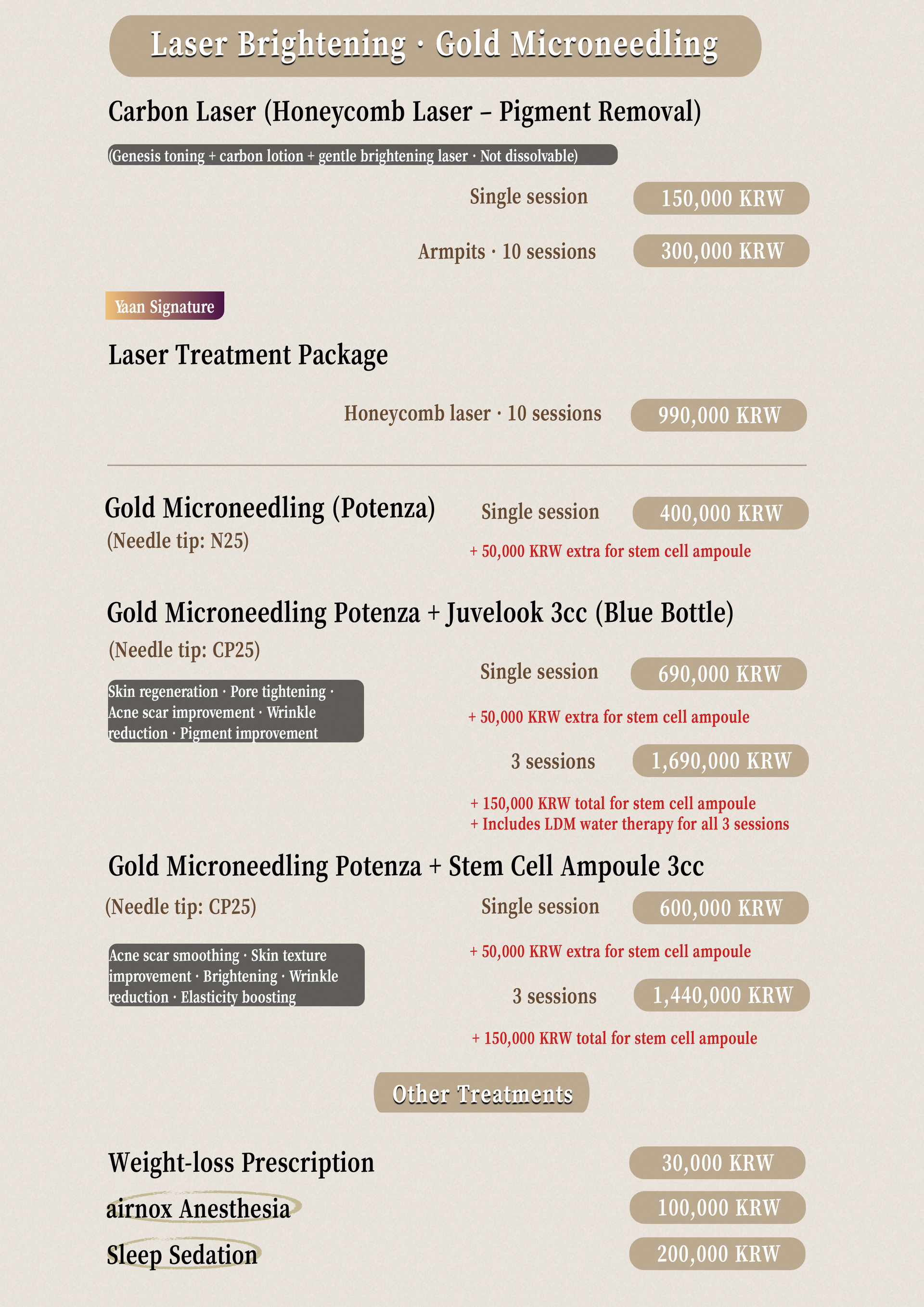
- Laser Toning: approximately ₩80,000–₩300,000 per session
- Pico Laser: approximately ₩150,000–₩400,000 per session
- Premium branded Pico Laser: approximately ₩250,000–₩550,000+ per session
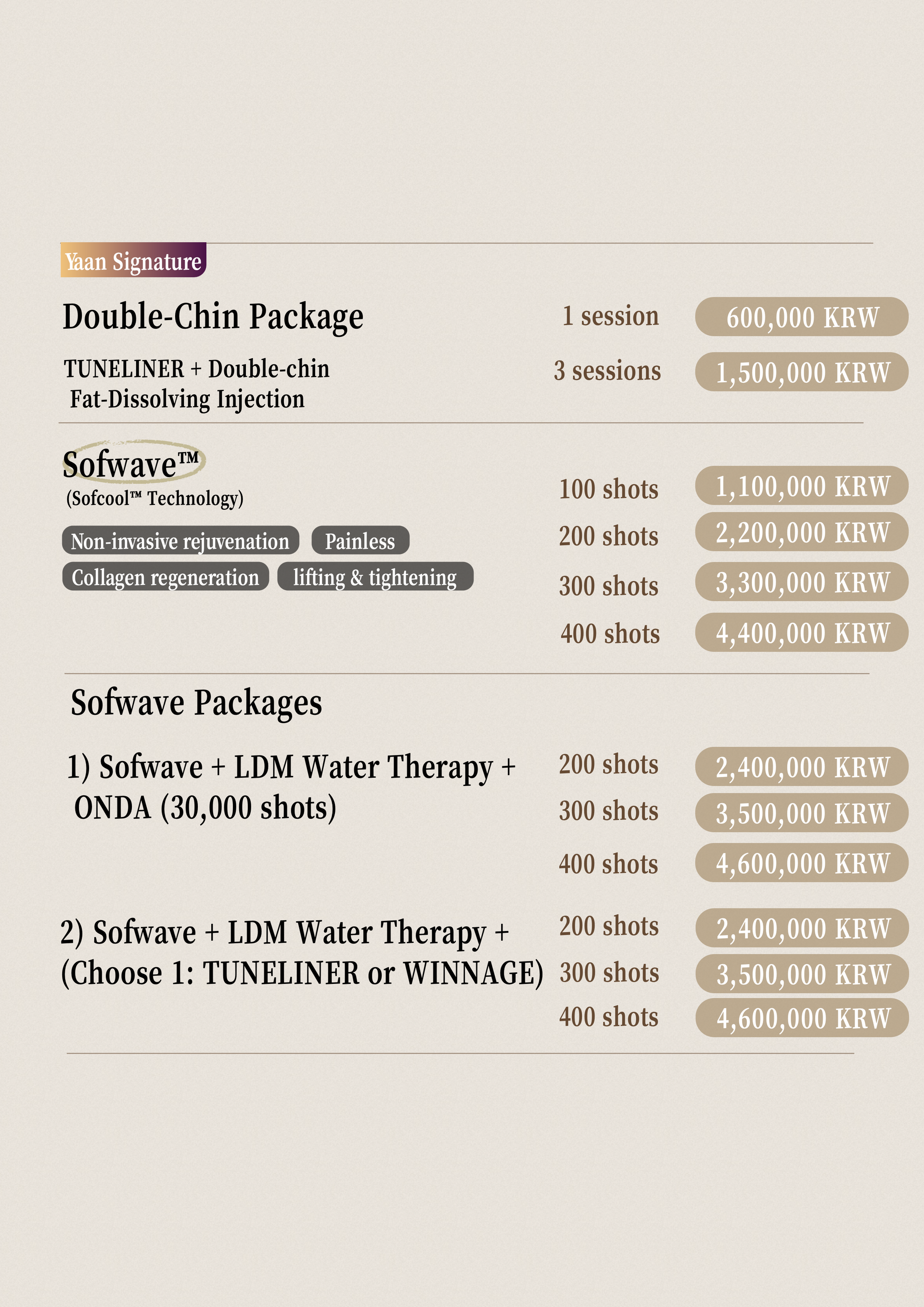
- Pigmentation packages: often ₩500,000–₩1,500,000+ for multiple sessions
Published 2026 Seoul pricing shows entry-level Laser Toning around ₩80,000–₩150,000, while full-face or higher-tier toning can reach ₩150,000–₩350,000. Branded Pico treatments are commonly listed at higher prices depending on the device and treatment mode.
Before booking, foreign patients should confirm:
- Exact laser name and wavelength
- Full-face or spot treatment
- Number of sessions included
- Whether numbing or soothing care is included
- Whether VAT is included
- Whether additional treatments are recommended
- Whether the quoted price is a promotional rate
A very low advertised price may refer to a limited treatment area or a specific laser mode, so comparing the actual treatment protocol is more useful than comparing headline prices.
6. Which Should Foreign Patients Choose in Korea?
Neither Pico Laser nor Laser Toning is universally appropriate for every pigmentation concern.
Pico Laser may be worth considering if:
- You have localized or stubborn pigmentation
- You want a more targeted pigment treatment
- You also have post-acne marks or mild texture concerns
- Your dermatologist identifies a suitable pigment target
- You want access to different Pico wavelengths or treatment modes
Laser Toning may be worth considering if:
- You have diffuse uneven pigmentation
- Your main goal is gradual brightening
- You have certain types of melasma
- You prefer minimal visible downtime
- You are comfortable with repeated sessions
For foreign patients visiting Seoul, it can also be useful to schedule a consultation before committing to a package. The specific laser wavelength, energy level, pulse duration, and diagnosis can matter more than the general label “Pico” or “Toning.”
If pigmentation is melasma-related, treatment may involve more than laser alone, such as topical pigment-control medication and strict daily photoprotection.
Frequently Asked Questions
Is Pico Laser better than Laser Toning for pigmentation?
Not necessarily. Pico Laser may be useful for certain localized or stubborn pigment concerns, while Laser Toning is commonly used for gradual brightening and some melasma protocols.
Is Pico Laser good for melasma?
It can help selected patients, particularly with certain wavelengths and settings, but evidence varies. Melasma is recurrent and should be managed carefully to reduce the risk of PIH and worsening pigmentation.
Does Laser Toning remove pigmentation permanently?
No. Pigmentation can recur, especially melasma and sun-related pigmentation. Sun protection and appropriate maintenance are important after treatment.
How many Pico Laser sessions do I need?
The number depends on the type and depth of pigmentation, laser settings, and individual response. Some localized spots may need fewer treatments, while diffuse pigmentation may require a series.
How many Laser Toning sessions are usually needed?
Laser Toning is generally performed as a series of treatments. The exact schedule depends on the diagnosis, skin response, and whether other treatments are used.
Can I get Pico Laser or Laser Toning immediately after arriving in Seoul?
Some clinics can perform consultation and treatment on the same day, but patients with melasma or uncertain pigmentation may benefit from an assessment first. Avoid scheduling aggressive treatment immediately before major sun exposure or important events.
Final Thoughts
Pico Laser and Laser Toning use different approaches to pigmentation, and neither is automatically the better choice. Pico Laser can offer more targeted pigment treatment, while Laser Toning provides a gentler, gradual approach that is commonly used for repeated treatments.
For foreign patients in Korea, the most important step is identifying the type of pigmentation and selecting the appropriate wavelength and treatment intensity. This is especially important for melasma, where controlling recurrence and avoiding PIH can be as important as reducing visible pigmentation.