PicoSure vs PicoWay: Which Pico Laser Is Better?
PicoSure vs PicoWay: Which Pico Laser Is Better?
PicoSure and PicoWay are two well-known picosecond laser platforms used for pigmentation, uneven skin tone, acne scars, and other skin concerns. Although both use ultra-short picosecond pulses, they differ in wavelength options, handpieces, pulse characteristics, and treatment applications. For foreign patients visiting Seoul, the important question is not simply which machine is newer, but which wavelength and treatment mode are appropriate for the specific skin concern.
1. What Is the Difference Between PicoSure and PicoWay?
Both PicoSure and PicoWay deliver laser energy in picoseconds, allowing practitioners to target pigment and stimulate skin remodeling with very short pulses.
However, their platforms are configured differently.
PicoSure
PicoSure was one of the first major aesthetic picosecond laser platforms and is particularly associated with the 755 nm wavelength. Current PicoSure systems can also be configured with additional wavelengths depending on the model and market.
PicoSure Pro uses:
- 755 nm as its primary wavelength
- Optional 532 nm and 1064 nm capabilities
- Platinum Focus Lens for skin revitalization
- Spot treatment and broader-area treatment options
- Applications including pigmentation, melasma, acne scars, wrinkles, and pores depending on the handpiece and indication
PicoWay
PicoWay is designed as a multi-wavelength picosecond platform. Its current system includes:
- 532 nm
- 730 nm
- 785 nm
- 1064 nm
- Resolve fractional handpieces for selected skin concerns
- Full-beam and microbeam treatment options
This gives PicoWay a particularly broad range of wavelength options.
The practical difference is that PicoWay emphasizes multi-wavelength flexibility, while PicoSure has traditionally been strongly associated with 755 nm and its Focus/Platinum Focus approach.
2. PicoSure vs PicoWay for Pigmentation
For pigmentation, wavelength selection is more important than the brand name alone.
Different wavelengths interact differently with melanin and can be selected according to the depth, color, and location of the pigment.
PicoSure may be considered for:
- Freckles
- Sun-induced pigmentation
- Certain epidermal pigment spots
- Uneven skin tone
- Some melasma protocols
- Skin revitalization with the Focus or Platinum Focus lens
The 755 nm wavelength has relatively strong melanin absorption, which is one reason it has been widely used for pigmented lesions and skin revitalization.
PicoWay may be considered for:
- Pigmented lesions
- Freckles and lentigines
- Melasma
- Different pigment depths
- Pigmentation in a wider range of skin types
- Combination pigment and texture treatment
PicoWay's 532 nm and 1064 nm options allow practitioners to select different wavelengths according to the target. Its 1064 nm Resolve handpiece is also indicated for selected melasma and acne-scar applications.
Clinical research in Asian patients suggests that 532, 755, and 1064 nm picosecond lasers can all produce meaningful improvements in pigmentary disorders, which reinforces the importance of matching the wavelength to the individual condition rather than assuming one wavelength is universally superior.
3. PicoSure vs PicoWay for Melasma and Asian Skin
Melasma requires more caution than ordinary freckles or isolated sun spots.
It can involve both epidermal and dermal pigment and may recur after treatment. Excessive laser energy can also cause post-inflammatory hyperpigmentation or worsening pigmentation in susceptible patients.
PicoSure and PicoWay can both be used for selected melasma cases, but the exact wavelength and settings matter.
For example:
- 755 nm: Strong interaction with melanin and commonly associated with PicoSure
- 1064 nm: Can penetrate deeper and is commonly used for dermal pigment and selected melasma protocols
- 532 nm: More superficial pigment targeting and selected pigmented lesions
- Fractional modes: May be used when pigmentation is accompanied by texture concerns
PicoWay's manufacturer lists both 532 nm and 1064 nm applications for melasma, while PicoSure Pro's 755 nm system is also indicated for melasma under its specified indications.
For Asian patients, clinical evidence supports the use of picosecond lasers for pigmentary disorders, but outcomes and side effects vary according to wavelength, fluence, diagnosis, and skin type.
Therefore, having the correct diagnosis and conservative treatment settings is more important than simply choosing PicoSure or PicoWay.
4. PicoSure vs PicoWay for Acne Scars and Skin Texture
Both platforms can be used beyond pigmentation.
PicoSure offers its Focus or Platinum Focus lens technology for skin revitalization and selected acne-scar applications. The fractional optical approach creates microscopic treatment zones intended to stimulate dermal remodeling.
PicoWay uses its Resolve fractional handpiece for selected skin texture and acne-scar treatments. Clinical research has evaluated fractional 1064/532 nm PicoWay treatment for atrophic acne scars, with improvement reported across different scar types in a randomized split-face study.
PicoSure may be considered when:
- Pigmentation is the main concern
- You want a pigment-focused treatment
- Skin revitalization is also desired
- A Focus/Platinum Focus treatment is appropriate
PicoWay may be considered when:
- Pigmentation and texture both need attention
- A 1064 nm or 532 nm treatment is appropriate
- Fractional Resolve treatment is being considered
- Different wavelengths may be useful during a treatment plan
For deep or tethered acne scars, however, neither device should automatically be considered a replacement for procedures such as subcision or other scar-specific treatments.
5. Treatment Process, Downtime and 2026 Seoul Prices
The treatment experience depends heavily on the selected wavelength, fluence, spot size, and treatment mode.
Typical PicoSure session
- Skin cleansing and consultation
- Pigmentation and skin assessment
- Numbing cream if necessary
- PicoSure treatment
- Cooling or soothing care
- Moisturizer and sun protection
Mild redness, warmth, swelling, or temporary darkening can occur. Lower-fluence treatments often have little visible downtime, while more intensive pigment or fractional treatments may require additional recovery.
Typical PicoWay session
- Skin assessment
- Cleansing
- Numbing if required
- Selection of wavelength and handpiece
- PicoWay treatment
- Cooling and post-treatment care
Recovery similarly depends on the treatment settings. Some toning procedures may cause only temporary redness, while fractional Resolve treatments can produce more noticeable erythema or swelling.
Approximate 2026 Seoul prices
As a general guide:
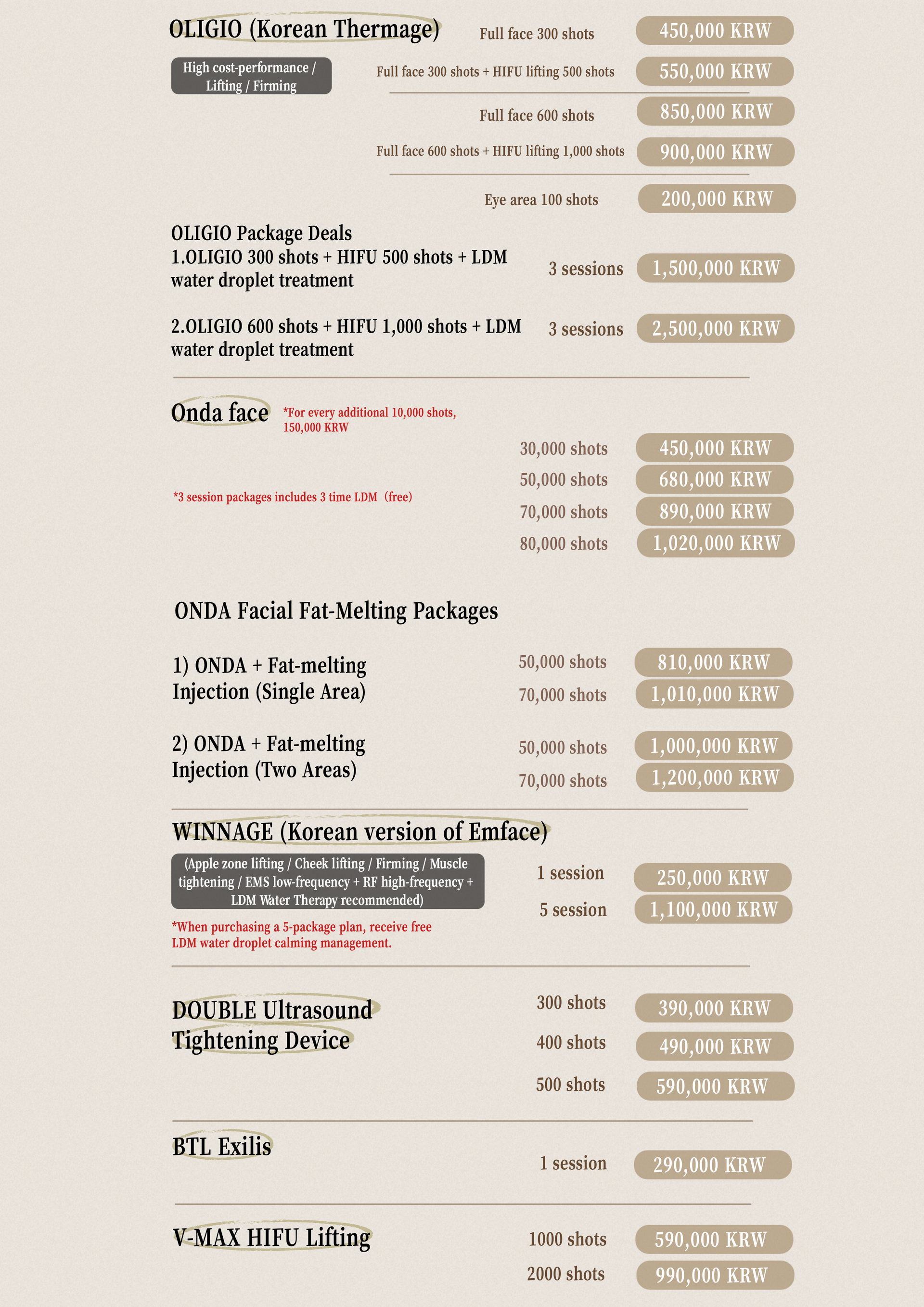
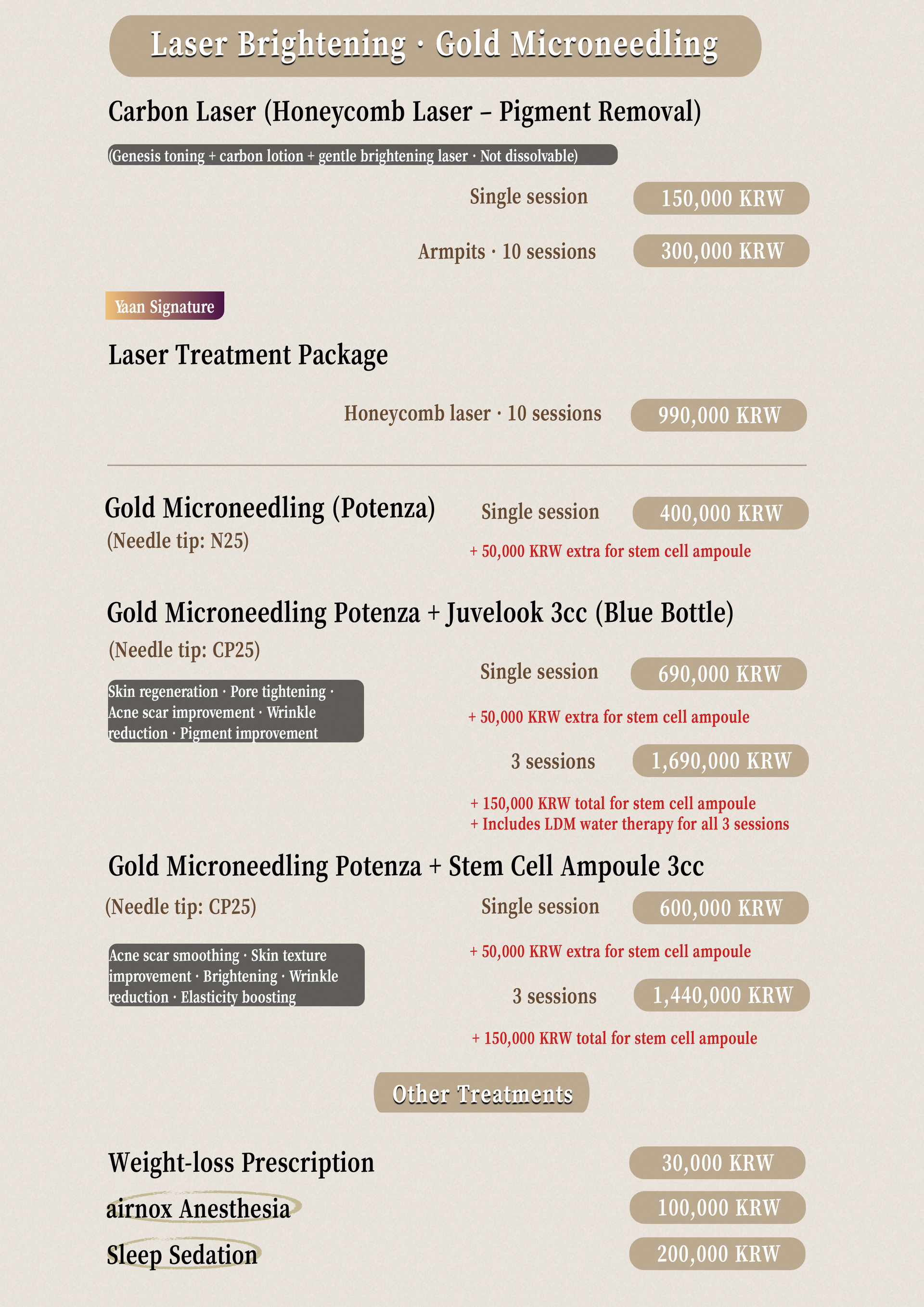
- Branded Pico laser treatment: approximately ₩250,000–₩500,000 per session
- Pico toning: approximately ₩80,000–₩350,000 per session
- Pico fractional/resurfacing: approximately ₩300,000–₩600,000 per session
- Multi-session packages: approximately ₩500,000–₩1,500,000+, depending on treatment type
Published Seoul pricing shows branded PicoSure/PicoWay-type treatments commonly occupying a higher price range than basic “pico toning,” while fractional treatments are generally priced higher because of the treatment mode and equipment used.
Foreign patients should confirm:
- Exact device name and model
- Wavelength being used
- Full-face or spot treatment
- Whether the treatment is toning or fractional
- Number of sessions included
- Whether numbing and soothing care are included
- Whether VAT is included
- Whether the advertised price is a promotional rate
A clinic advertising “Pico Laser” does not necessarily mean the same machine or treatment protocol as another clinic.
6. Which Pico Laser Should Foreign Patients Choose?
Rather than treating PicoSure and PicoWay as completely different categories, it is more useful to compare the specific device configuration and treatment protocol.
PicoSure may be considered if:
- Your primary concern is pigmentation
- A 755 nm treatment is appropriate for your skin condition
- You are interested in Focus or Platinum Focus skin revitalization
- The clinic has substantial experience with the specific PicoSure platform
PicoWay may be considered if:
- You need multiple wavelength options
- Your dermatologist recommends 532 or 1064 nm
- You have pigmentation combined with texture concerns
- A Resolve fractional treatment is appropriate
- You want a platform that can address different pigment targets with different wavelengths
For foreign patients in Seoul, asking “Which Pico laser do you use?” is less useful than asking:
- Which exact device and model will be used?
- Which wavelength will you use?
- Is this toning, spot treatment, or fractional treatment?
- Why is that wavelength appropriate for my pigmentation?
- How many sessions are expected?
- What is the risk of PIH for my skin type?
- How much downtime should I expect?
These questions can make the consultation much more informative than choosing a brand based only on its reputation.
Frequently Asked Questions
Is PicoSure better than PicoWay for pigmentation?
Neither is universally better. PicoSure's 755 nm platform can be useful for selected pigment concerns, while PicoWay offers multiple wavelengths that allow treatment to be customized to different pigment targets.
Is PicoWay stronger than PicoSure?
It is not useful to compare them simply by “strength.” Treatment results depend on wavelength, fluence, spot size, pulse characteristics, handpiece, and the condition being treated.
Which is better for melasma, PicoSure or PicoWay?
Both can be used for selected melasma cases. The appropriate wavelength and conservative settings are particularly important because melasma can recur and aggressive laser treatment may cause pigmentary complications.
Which Pico laser is better for acne scars?
Both platforms have skin-resurfacing options. PicoWay Resolve has been studied for atrophic acne scars, while PicoSure's Focus/Platinum Focus technology is also used for selected acne-scar and skin-revitalization treatments.
Does PicoSure or PicoWay have less downtime?
Low-fluence pigment treatments with either device can have limited downtime. Fractional treatments may cause more redness and swelling. The treatment settings generally matter more than the brand itself.
How much does PicoSure or PicoWay cost in Korea?
Branded Pico treatments in Seoul commonly range from approximately ₩250,000–₩500,000 per session, while basic pico toning can be less expensive. The exact price depends on the device, wavelength, treatment area, and clinic.
Final Thoughts
PicoSure and PicoWay are both established picosecond laser platforms, but their strengths come from different wavelength and handpiece configurations. PicoSure is strongly associated with 755 nm and Focus-based skin revitalization, while PicoWay offers a broader multi-wavelength platform with 532, 730, 785, and 1064 nm options.
For foreign patients in Korea, the most useful approach is to choose based on the pigmentation type, skin tone, target depth, wavelength, treatment mode, and dermatologist's experience rather than assuming one brand is always superior.