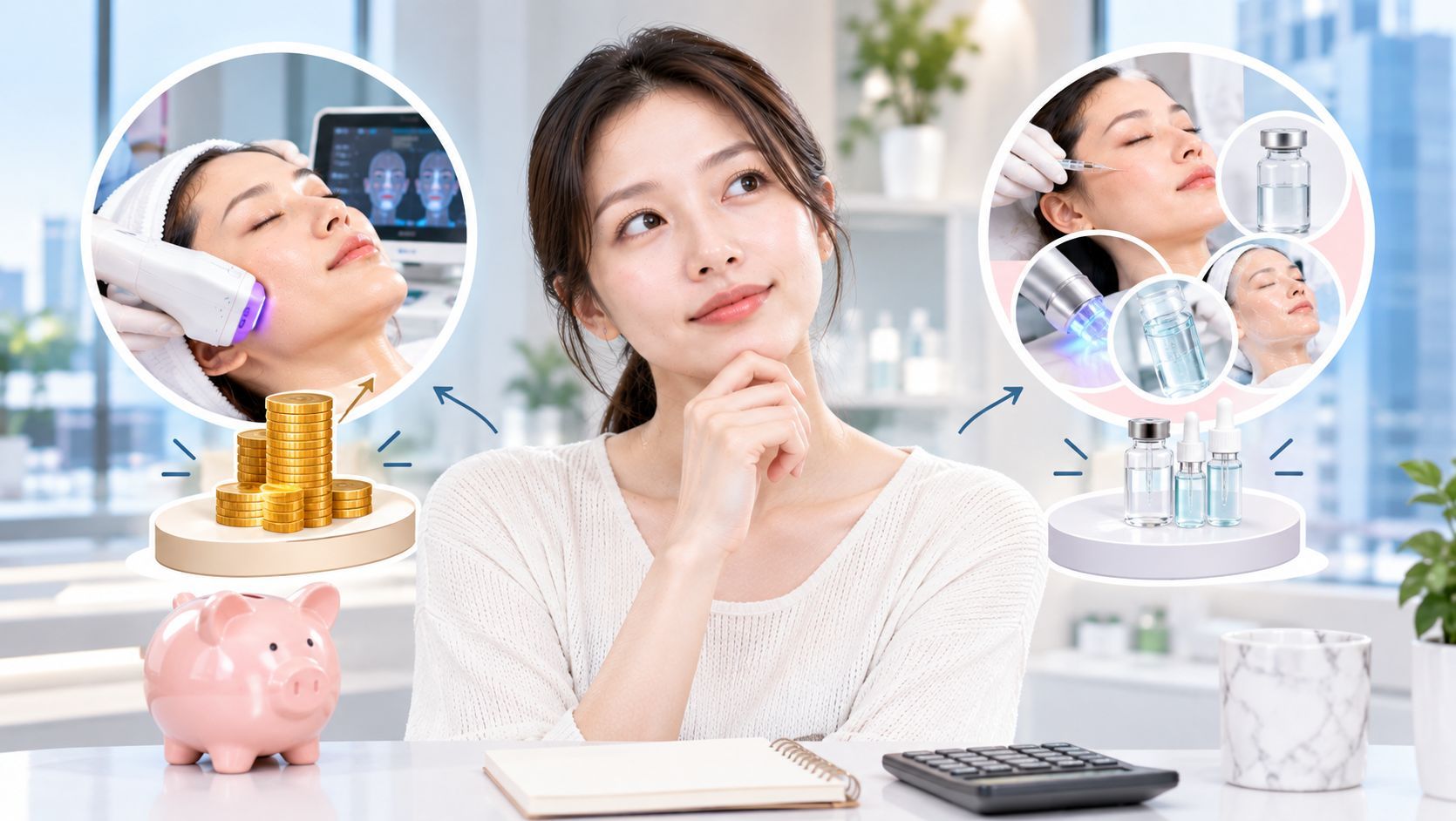
Should I Get Rejuran or Juvelook in My 30s?
Your 30s can be a good time to start thinking about skin quality, early fine lines, enlarged pores, uneven texture, and the first signs of reduced elasticity. If you are researching Korean skin treatments in Seoul or Gangnam, two injectable options you may encounter are Rejuran and Juvelook.
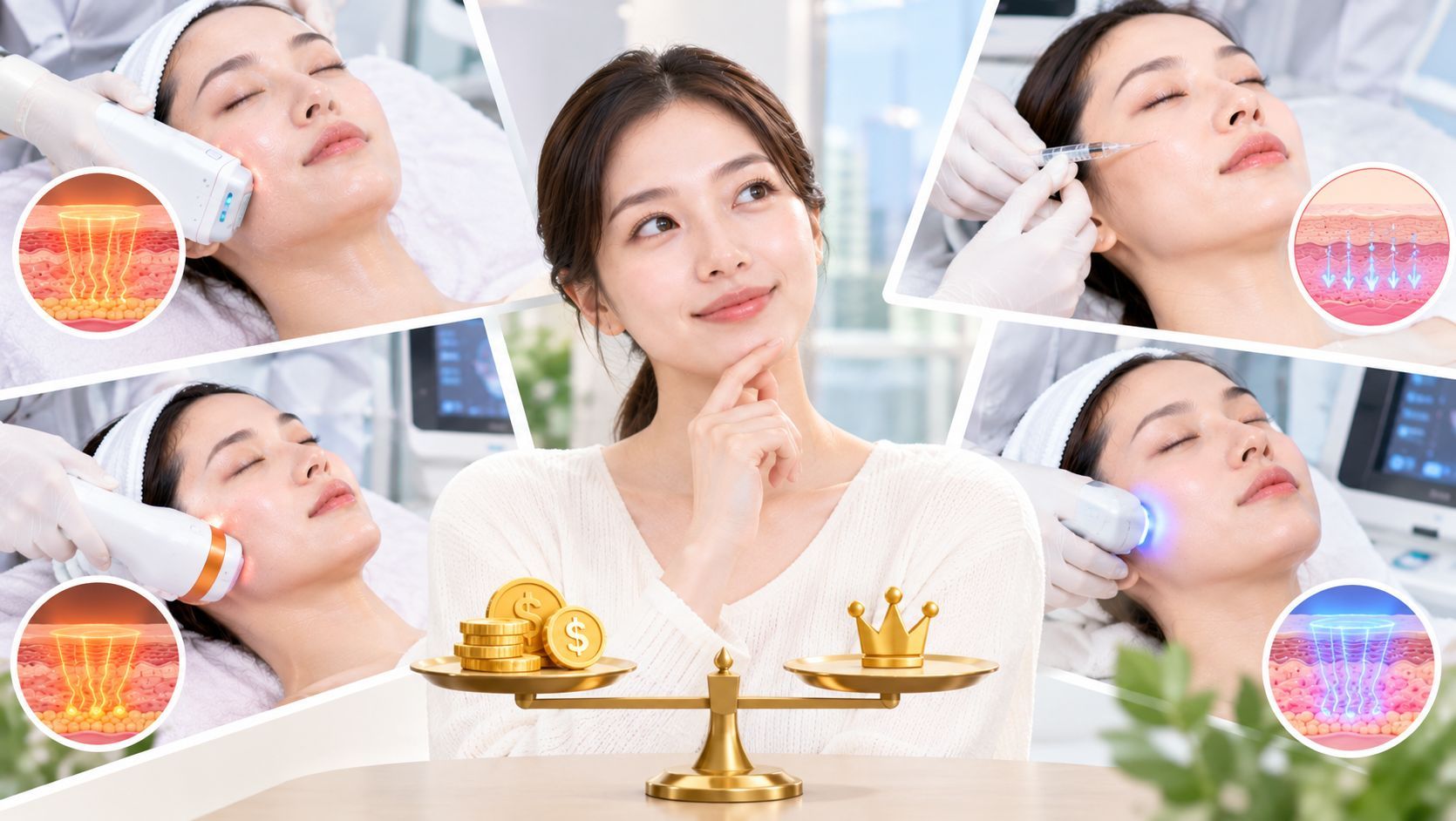
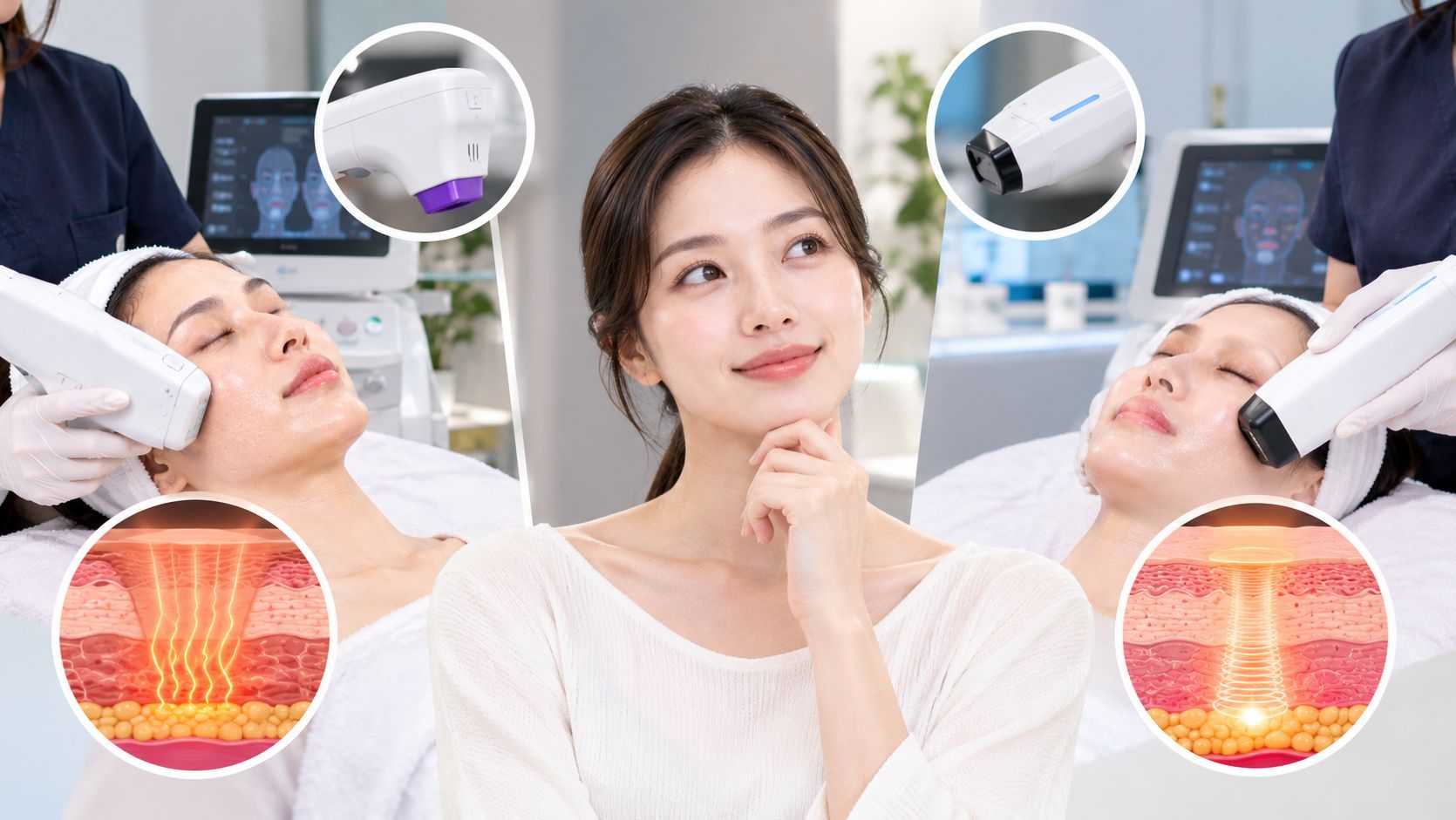
Both are used in skin-rejuvenation treatment plans, but they are not the same product and should not be chosen simply because one is more popular or is advertised as more powerful. Rejuran is a polynucleotide-based injectable, while Juvelook combines poly-D,L-lactic acid (PDLLA) with hyaluronic acid. They have different formulations, treatment goals, and risk profiles.
So, should you get Rejuran or Juvelook in your 30s? The answer depends on what you want to improve, your existing skin condition, your tolerance for downtime, and whether an injectable treatment is actually the most suitable option for you.
Understanding Skin Changes in Your 30s
Your skin does not suddenly begin aging when you turn 30. Changes develop gradually and are influenced by genetics, sun exposure, hormones, lifestyle, skincare habits, and previous skin conditions.
Common concerns during this decade include:
- Fine lines around the eyes and mouth.
- Enlarged pores and uneven skin texture.
- Early acne scars or lingering post-acne changes.
- Dullness, dehydration, and reduced skin smoothness.
- Early loss of elasticity or firmness.
- Skin that looks tired even when you are well-rested.
These concerns do not all have the same cause. Dehydrated skin may respond well to a better skincare routine, while expression lines may be better addressed with a different treatment. Acne scars, pigmentation, and skin laxity may also require separate approaches.
Rejuran and Juvelook are options worth discussing with a qualified dermatologist when your main goal is improving aspects of skin quality. However, neither is a universal solution for every sign of aging, and neither is necessary for everyone in their 30s.
What Is Rejuran?
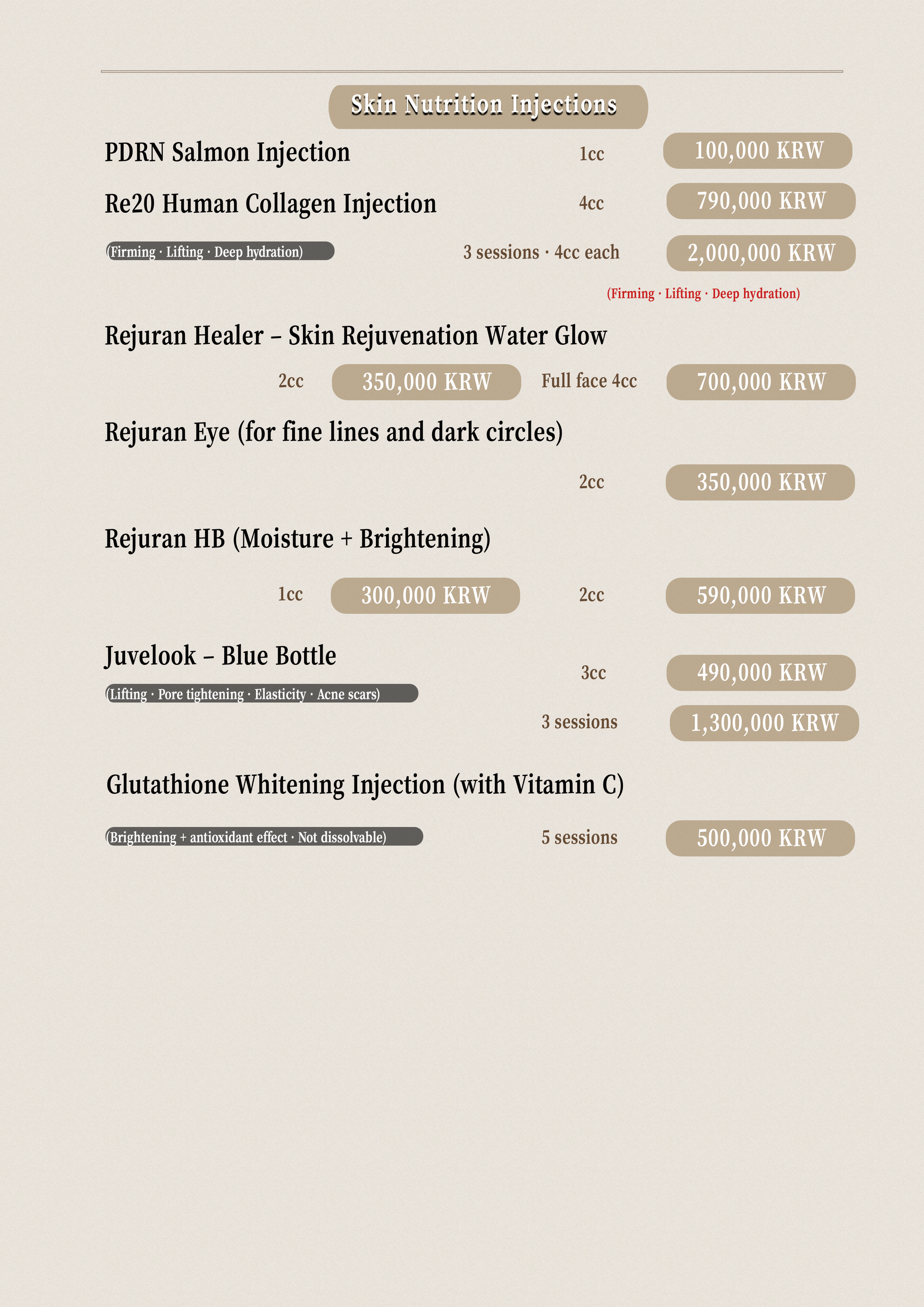
Rejuran is an injectable treatment based on polynucleotides (PN). It is commonly offered in Korean aesthetic clinics as part of a skin-rejuvenation plan.
Polynucleotides are intended to support the skin's repair-related processes. In aesthetic practice, Rejuran is used for concerns such as skin texture, fine lines, and overall skin quality. The expected outcome is generally gradual and subtle rather than a dramatic change in facial shape.
Potential Benefits of Rejuran
Depending on your skin condition and treatment plan, Rejuran may be considered for:
- Improving the appearance of fine lines and uneven texture.
- Supporting a smoother-looking skin surface.
- Addressing concerns about skin quality and elasticity.
- Subtle rejuvenation without the primary aim of adding facial volume.
Some people choose Rejuran because they want their skin to look healthier without making their cheeks fuller or changing their facial proportions. However, individual results vary, and clinical evidence for polynucleotide treatments remains limited. A systematic review found promising findings but noted that the available studies were relatively few and that stronger research is needed.
What Rejuran May Not Do
Rejuran should not be viewed as a replacement for every other cosmetic procedure. It is not a conventional volumizing filler, and it should not be expected to create a substantial lifting effect, erase deep folds, or remove established acne scars in a single session.
If your main concern is significant sagging, deep expression lines, prominent pigmentation, or deep depressed scars, another treatment—or a combination of approaches—may be more appropriate after assessment.
What Is Juvelook?
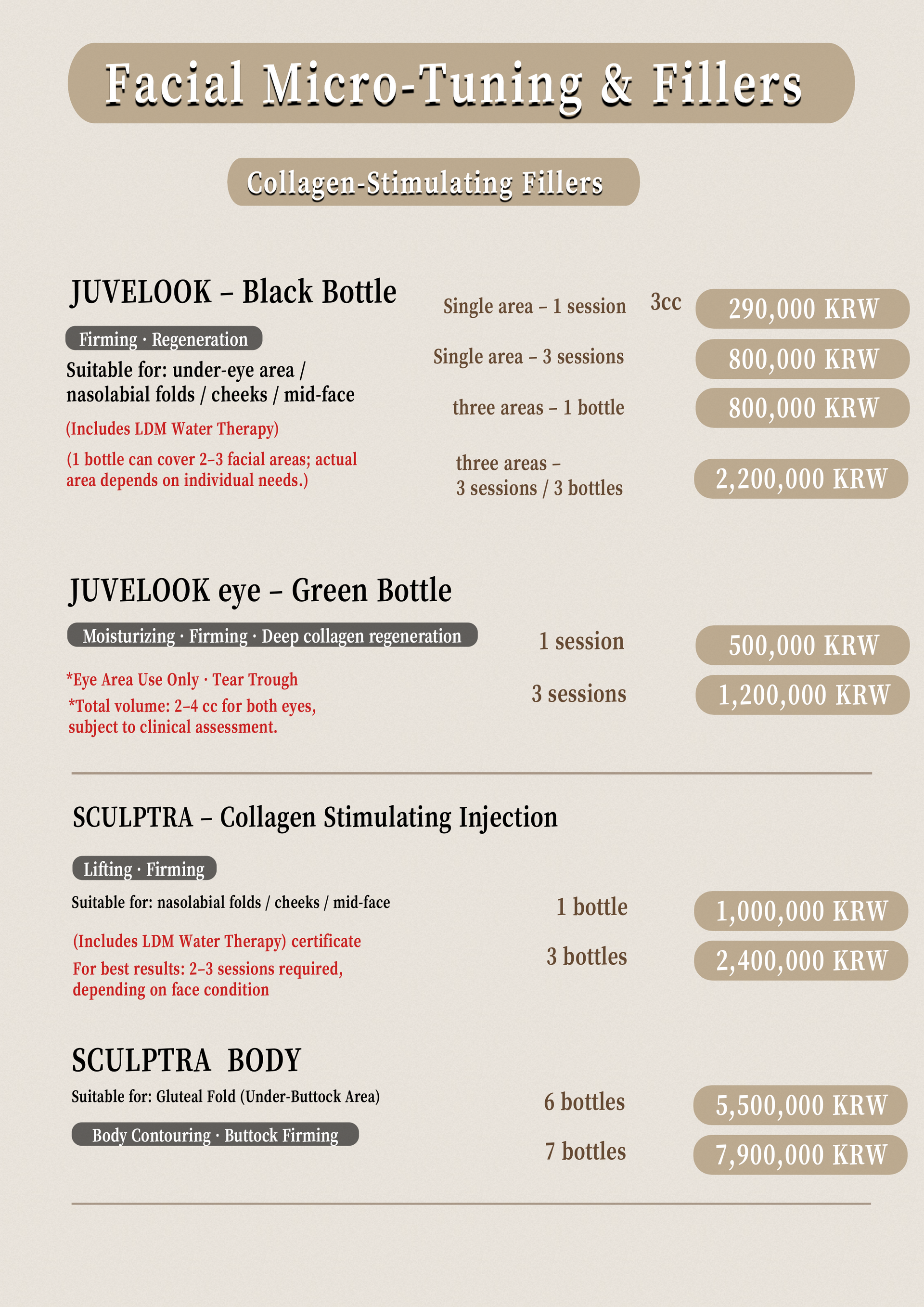
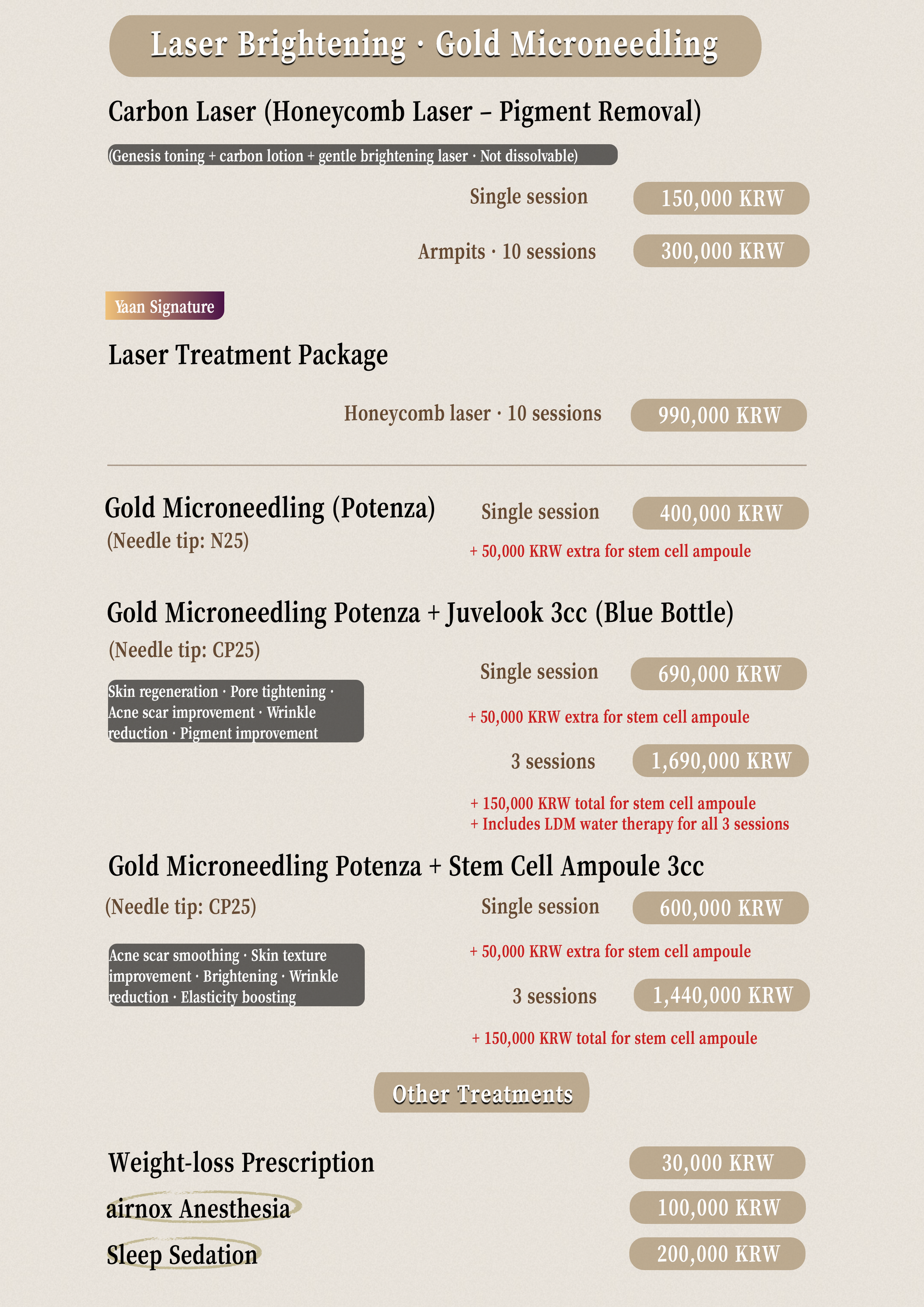
Juvelook is an injectable formulation combining PDLLA, a biodegradable collagen-stimulating material, with hyaluronic acid. It is used in selected aesthetic treatment plans to address concerns involving skin texture, fine lines, and certain acne-scar-related changes.
The goal is not simply to provide immediate fullness. PDLLA-based treatments are intended to stimulate a gradual tissue response, so any improvement associated with collagen stimulation may develop over time. The outcome depends on the formulation, injection technique, treatment area, and individual response.
Potential Benefits of Juvelook
A dermatologist may consider Juvelook if you have:
- Uneven skin texture or selected shallow acne-scar concerns.
- Fine lines associated with changes in skin quality.
- Early signs of reduced skin smoothness or firmness.
- A preference for gradual improvement rather than a dramatic immediate change.
The exact suitability depends on the Juvelook formulation and the area being treated. Not all acne scars respond equally to injectable treatments, and deeper scars may require procedures such as subcision or carefully selected resurfacing treatments.
What Juvelook May Not Do
Juvelook is not automatically better than Rejuran because it includes a collagen-stimulating component. It cannot guarantee scar removal, permanent wrinkle correction, or a specific degree of tightening.
As with other injectable treatments, technique and patient selection matter. Incorrect placement or an unsuitable treatment plan can lead to unwanted lumps, nodules, prolonged inflammation, or other complications.
Rejuran vs Juvelook: Key Differences
Feature
Rejuran
Juvelook
Main ingredient
Polynucleotides (PN)
PDLLA and hyaluronic acid
Main treatment goal
Skin-quality improvement
Skin quality and selected texture concerns
Approach
Supports skin-repair-related processes
Includes a collagen-stimulating component
Typical expectation
Gradual, subtle improvement
Gradual improvement as tissue response develops
Best suited for
Selected fine lines and skin-quality concerns
Selected texture and fine-line concerns, depending on the treatment plan
Main limitation
Cannot reliably correct major sagging or deep scars
Cannot guarantee scar removal or lifting
Key risks
Bumps, redness, swelling, bruising, injection complications
Swelling, lumps or nodules, inflammation, injection complications
These are general distinctions, not guarantees of clinical results. Formulations, injection methods, and approved indications can vary. There is not enough direct comparative evidence to conclude that one product is universally better than the other.
Which Is Better for Someone in Their 30s?
The right choice depends on your main concern rather than your age alone.
Choose Rejuran for Consideration If Your Main Concern Is Skin Quality
Rejuran may be worth discussing if your skin looks less smooth than it used to, you have fine lines, or you want a subtle skin-rejuvenation treatment without deliberately adding facial volume.
It may be especially relevant if you are looking for gradual improvement and understand that the results may be modest. It is important to have realistic expectations: evidence for polynucleotide treatments is encouraging but still limited, and outcomes differ between studies and patients.
Choose Juvelook for Consideration If Texture Is Your Priority
Juvelook may be worth discussing if you have selected texture concerns, fine lines, or certain shallow acne-scar changes that a dermatologist believes could benefit from an injectable collagen-stimulating approach.
However, if your acne scars are deep or tethered beneath the skin, Juvelook alone may not address the underlying problem. A clinician may recommend subcision, fractional laser resurfacing, microneedling, or another scar-specific treatment instead.
What If You Have Both Concerns?
Some people in their 30s have a combination of fine lines, enlarged pores, uneven texture, and early loss of elasticity. That does not automatically mean they need both injectables.
A sensible plan starts by identifying the main concern and selecting the treatment most likely to address it. If two procedures are recommended, ask why both are needed, what each is expected to improve, and whether staging them would be safer than performing them together.
There is no strong basis for assuming that combining Rejuran and Juvelook will always produce better results than choosing one appropriate treatment.
Can Rejuran or Juvelook Make Your Face Look Fuller?
If you have a slim face and want to preserve your natural facial proportions, discuss this concern before choosing an injectable.
Neither product should be treated as interchangeable with a conventional volumizing filler. Nevertheless, Juvelook's PDLLA component is associated with collagen stimulation, and the effects of an injectable depend on the product formulation, injection depth, placement, and amount used.
Tell your dermatologist clearly if you do not want fuller cheeks, a rounder face, or a change in your facial shape. Ask which formulation is being proposed, how it will be injected, and what changes are realistically expected.
If your goal is simply to improve surface texture, a non-injectable option may sometimes be more appropriate.
How Many Sessions Do You Need?
The number of sessions depends on the product, treatment area, severity of your concern, and the clinician's protocol. Neither Rejuran nor Juvelook should be assumed to produce the desired outcome after one session.
Your clinic should explain:
- The proposed number of sessions and intervals.
- When improvement is expected to become noticeable.
- When the final result should be assessed.
- How long the effects may last and what is known about maintenance.
- What happens if the result is weaker than expected.
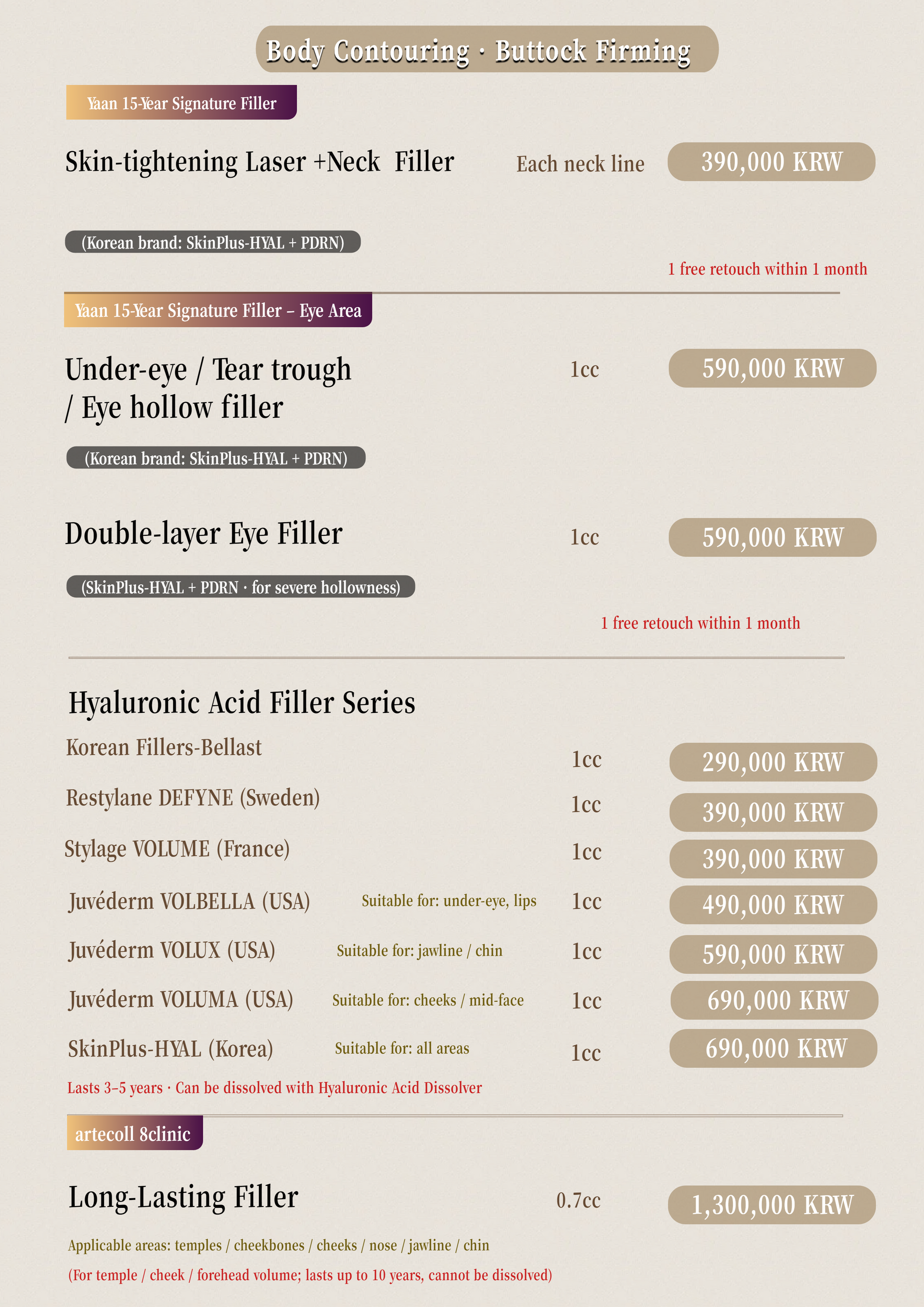
- The total cost of the recommended course, not just the first session.
Be cautious if a clinic promises a precise degree of improvement or guarantees that one treatment will eliminate pores, wrinkles, or acne scars.
Downtime and Possible Side Effects
Both treatments involve injections, so temporary side effects are possible. These may include redness, swelling, tenderness, bruising, and small raised bumps around injection sites. The severity and duration vary according to the treatment technique and the individual.
Juvelook can also be associated with lumps or nodules and prolonged inflammatory reactions. Rejuran can cause injection-site reactions and, like other injectable procedures, carries risks of infection and other complications. Neither treatment is risk-free.
Before proceeding, disclose your medical history, allergies, previous injectable treatments, medications, and any history of unusual scarring or inflammatory reactions. A qualified clinician should assess whether treatment is appropriate for you.
After treatment, follow the clinic's specific aftercare instructions. Avoid adding irritating skincare products or massaging the treated area unless your clinician tells you to. Seek urgent medical care for severe or increasing pain, unusual skin discoloration, vision changes, or other unexpected serious symptoms.
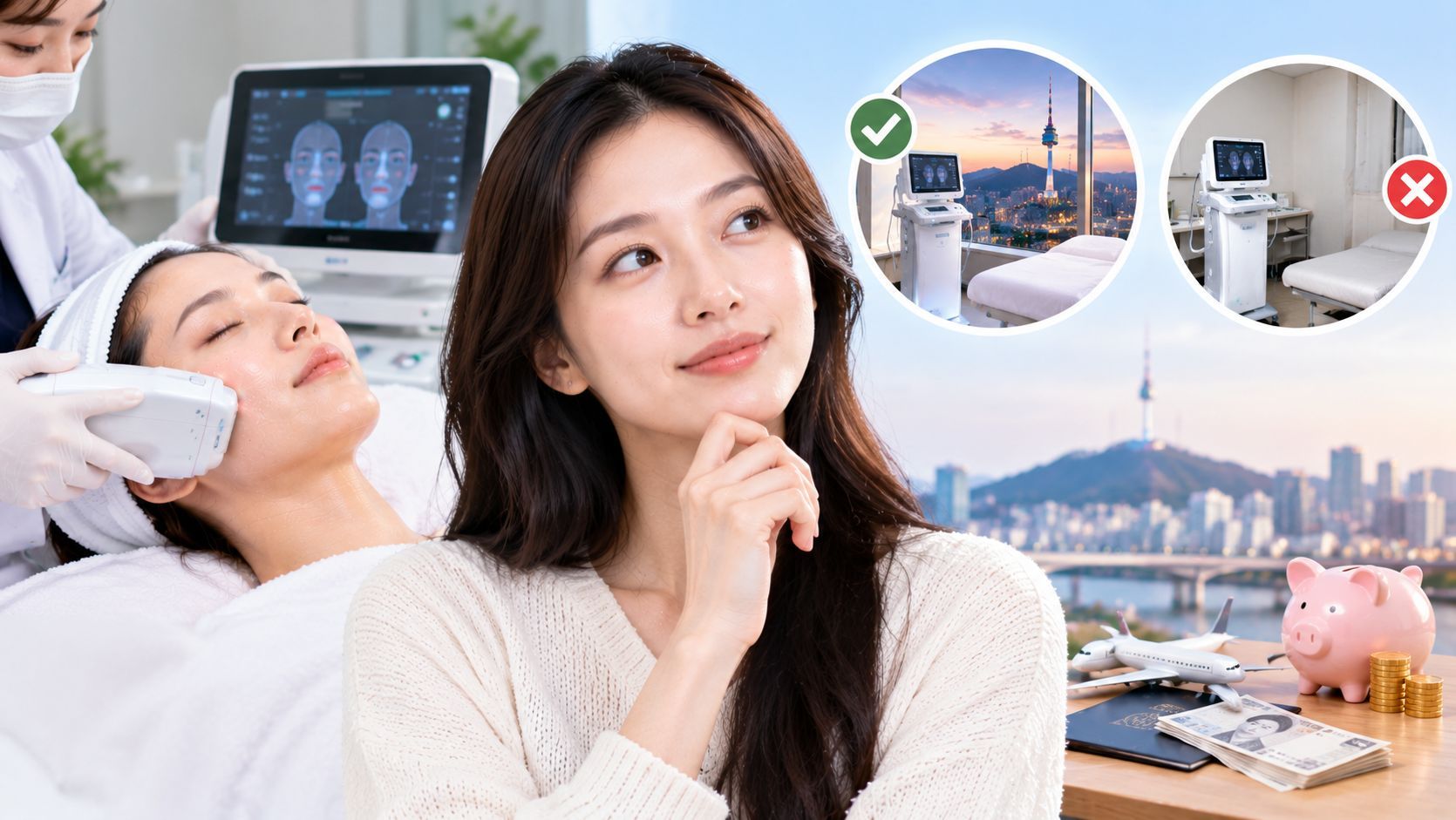
Getting Rejuran or Juvelook in Seoul or Gangnam
Seoul has many aesthetic clinics offering injectable skin-rejuvenation treatments. Comparing clinics is useful, but choosing based on price or popularity alone can lead to the wrong treatment plan.
Before booking, ask the clinic:
- Who will assess your skin and perform the injections?
- Which exact product and formulation will be used?
- Is the product authentic and appropriately authorized for use?
- What concern is the treatment intended to improve?
- What are the alternatives, including doing nothing for now?
- What are the risks, recovery expectations, and total course cost?
- Who should you contact if a complication develops after leaving the clinic?
If you are visiting Korea from overseas, consider your travel schedule. Do not plan an important event or immediate departure around the assumption that injection marks and swelling will disappear by a specific time. Leave enough flexibility for recovery and follow-up, and make sure you have clear instructions for obtaining medical help after returning home.
Are There Better Alternatives for Your Concern?
Rejuran and Juvelook are not necessarily the first choices for every skin problem.
Main concern
Other options to discuss
Expression lines on the forehead or around the eyes
Botulinum toxin, if appropriate
Pigmentation or sun spots
Diagnosis-specific topical treatments or suitable pigment-targeting procedures
Enlarged pores and uneven texture
Skincare, selected laser treatments, or microneedling
Deep or tethered acne scars
Subcision, fractional resurfacing, or combination scar treatment
Noticeable skin laxity or jowls
A clinical assessment for appropriate tightening or other treatments
Dryness and a damaged skin barrier
Gentle skincare, moisturizer, and daily sun protection
The best option depends on the cause of the concern, your skin type, medical history, and tolerance for downtime. A dermatologist should explain why the proposed treatment is suitable rather than recommending an injectable simply because it is popular.
Frequently Asked Questions
Is Rejuran or Juvelook better at age 35?
Neither is automatically better at 35. Rejuran may be considered for selected skin-quality concerns, while Juvelook may be considered for selected texture and fine-line concerns. Your skin condition and treatment goals matter more than your age.
Which is better for fine lines?
Both may be discussed for selected fine lines, but neither guarantees wrinkle removal. Lines caused mainly by repeated facial muscle movement may respond better to a different treatment, while lines related to skin texture or quality require a separate assessment.
Is Juvelook better for acne scars?
It may be an option for certain texture or shallow scar concerns, but it is not a universal acne-scar treatment. Deep, narrow, or tethered scars often require a more specific approach. A dermatologist should identify the scar type before recommending treatment.
Can I get Rejuran and Juvelook during one trip to Korea?
Possibly, but having both treatments is not automatically beneficial. The clinician should explain the purpose of each treatment, whether combining them is appropriate, and whether spacing them apart would be preferable. Plan for possible swelling, bruising, and follow-up rather than scheduling treatments too close to your departure.
Do I need a skin booster if I am in my early 30s?
No. If your skin is generally healthy and your concerns are mild, daily sunscreen, a suitable moisturizer, and evidence-based skincare may be enough. Injectable treatments are elective and should be considered only when their potential benefits justify their cost and risks.
Final Verdict: Should You Get Rejuran or Juvelook in Your 30s?
If your main goal is subtle skin-quality improvement, Rejuran may be worth discussing with a qualified dermatologist. If your primary concern is selected texture changes or certain shallow acne-scar concerns, Juvelook may also be an option. Neither is a universal winner, and neither is essential simply because you are in your 30s.
The evidence does not establish that one consistently outperforms the other across all concerns. Choose based on your skin assessment, the exact product, the clinician's experience, the risks, and the expected results—not just marketing claims or social media popularity.
For patients considering treatment in Seoul or Gangnam, the best starting point is a consultation that identifies the problem first and recommends the least complicated suitable approach. A thoughtful treatment plan should help you improve your skin while preserving your natural appearance.