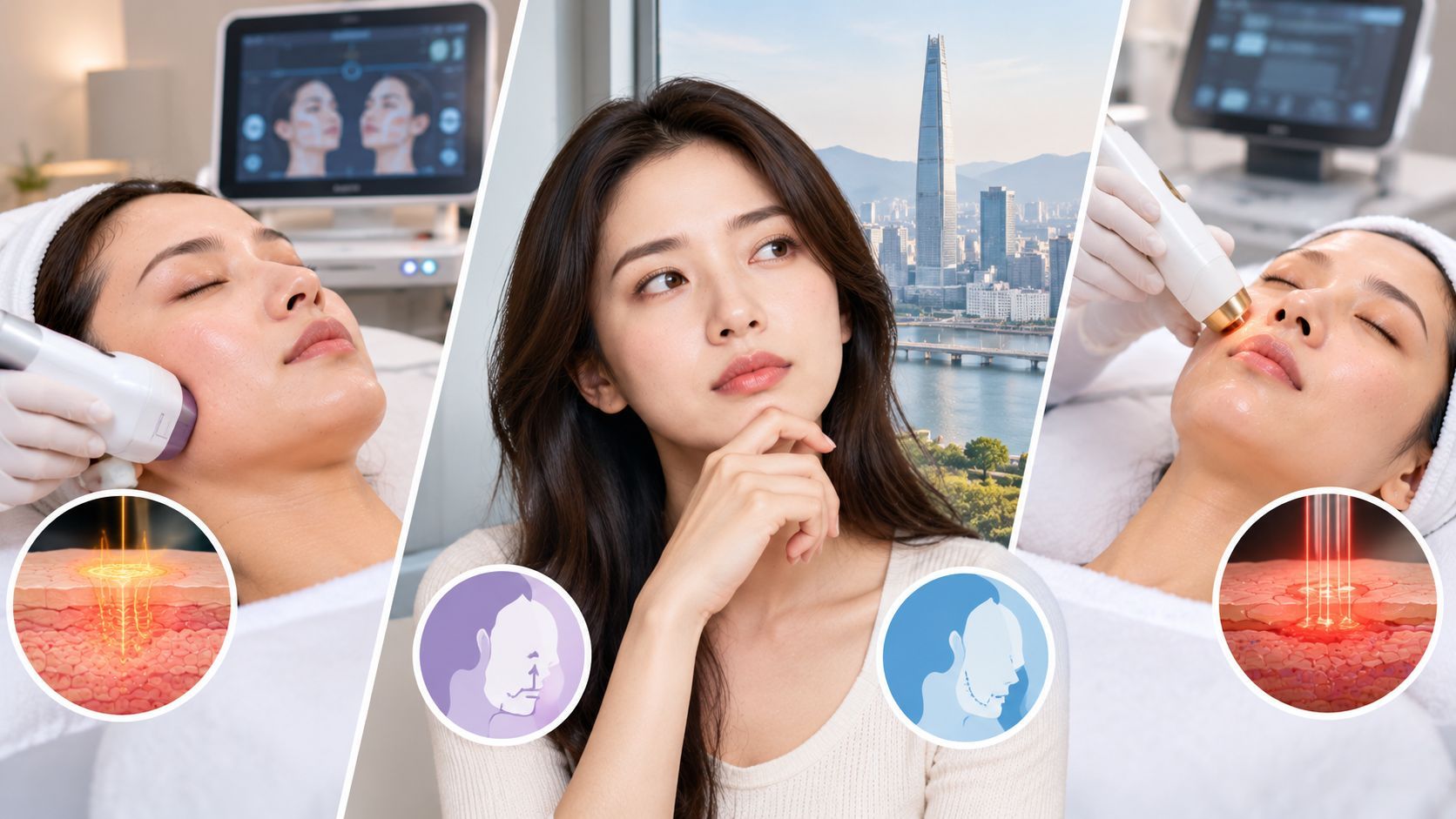
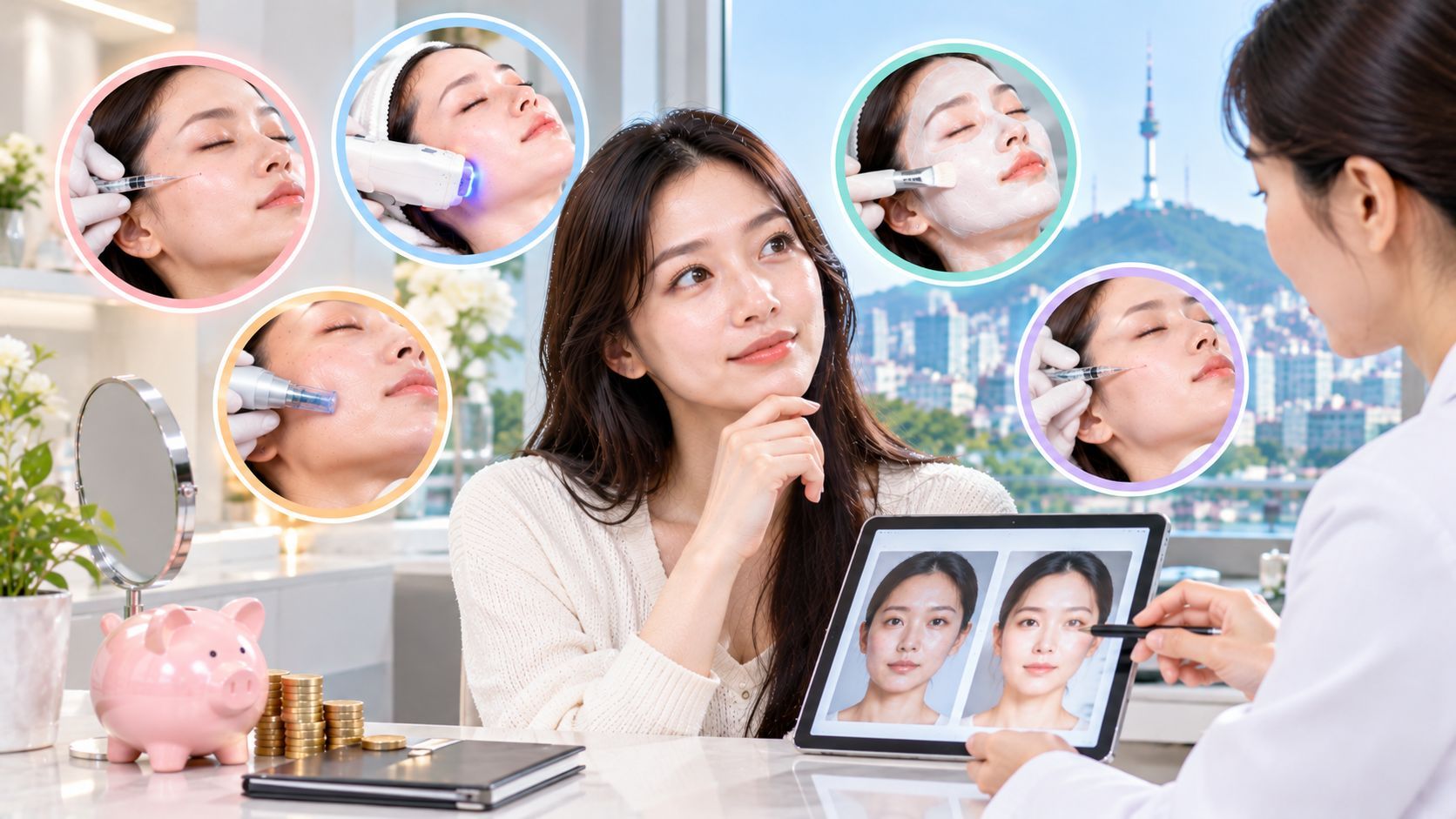
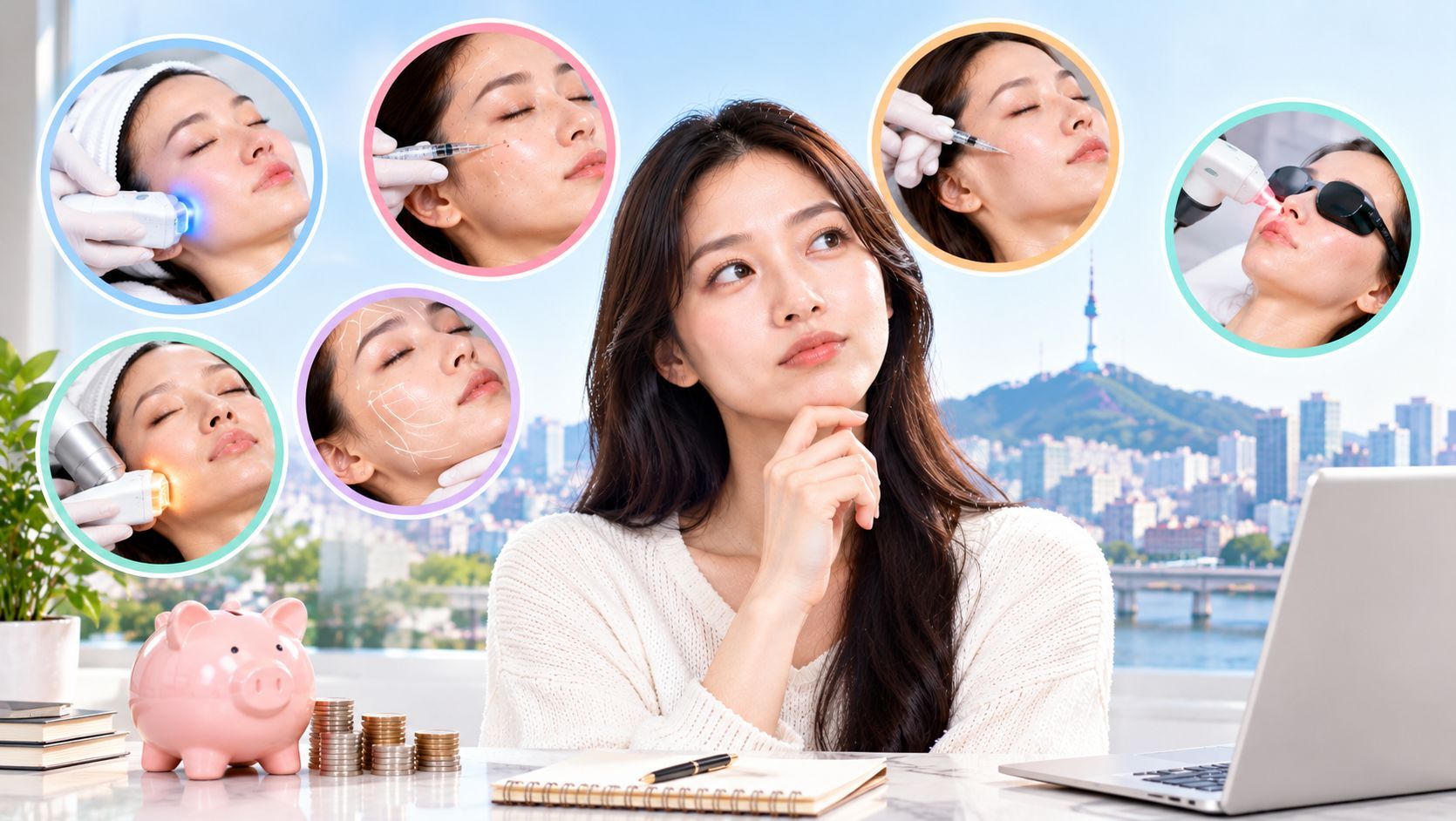
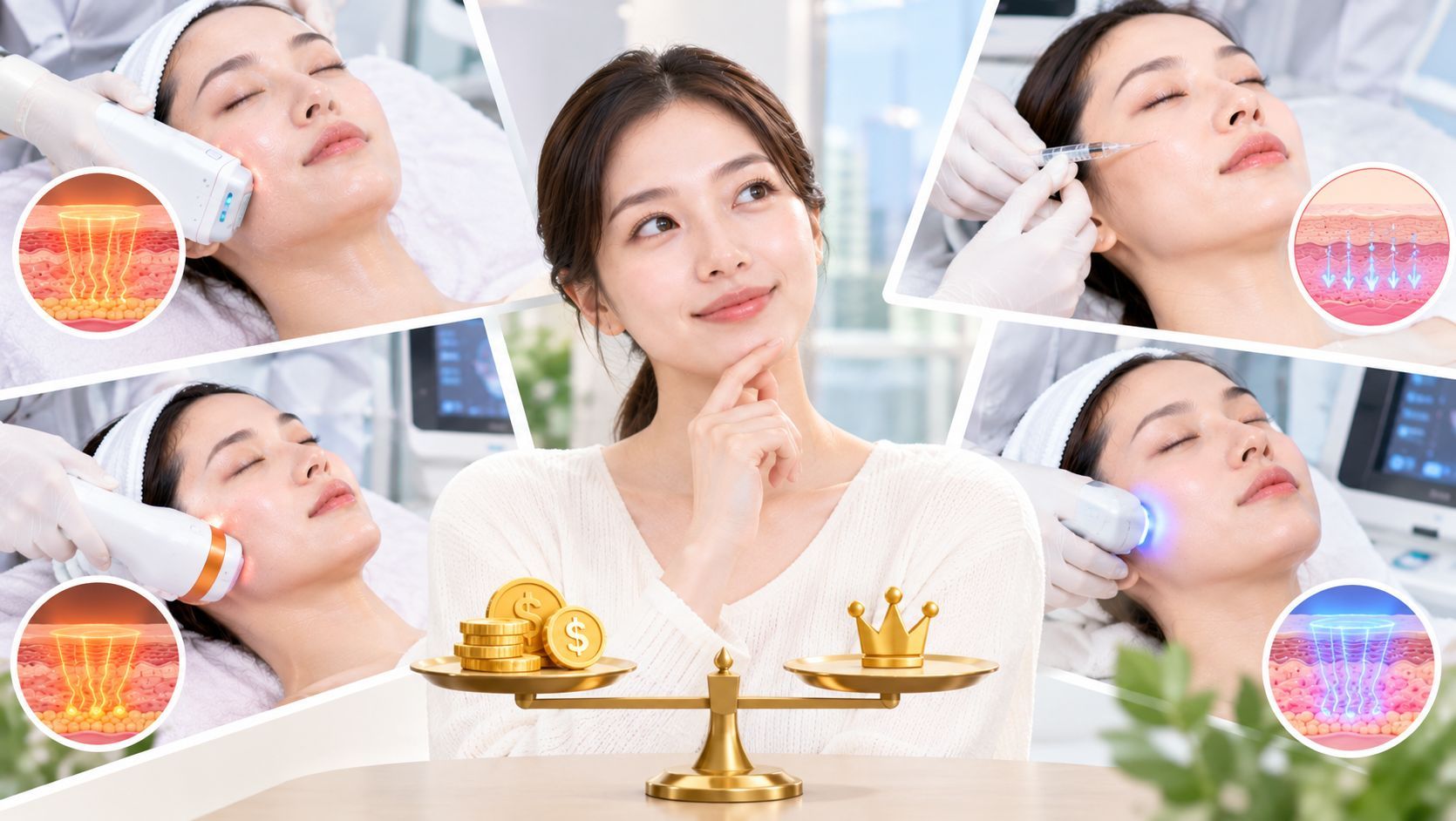
What Can I Get in Seoul If I Need to Look Normal the Next Day?
Visiting Seoul for a short trip can make cosmetic dermatology feel like a race against the clock. You may want brighter skin, fewer visible expression lines, or a refreshed appearance before sightseeing, attending a business meeting, or flying home. But if you need to look relatively normal the next morning, choosing the right treatment matters more than choosing the most intensive one.
The good news is that several Korean skin treatments may involve little visible downtime. A gentle hydrating facial, a carefully selected low-intensity skin treatment, or certain non-ablative procedures may be suitable for some visitors. However, even treatments marketed as having no downtime can cause redness, swelling, tenderness, or bruising.
If you need to look normal tomorrow, prioritize predictability over dramatic results. Avoid trying an unfamiliar, aggressive treatment immediately before an important event, and ask a qualified dermatologist to explain the likely recovery period for your individual skin.
1. Start With a Gentle Hydrating Facial
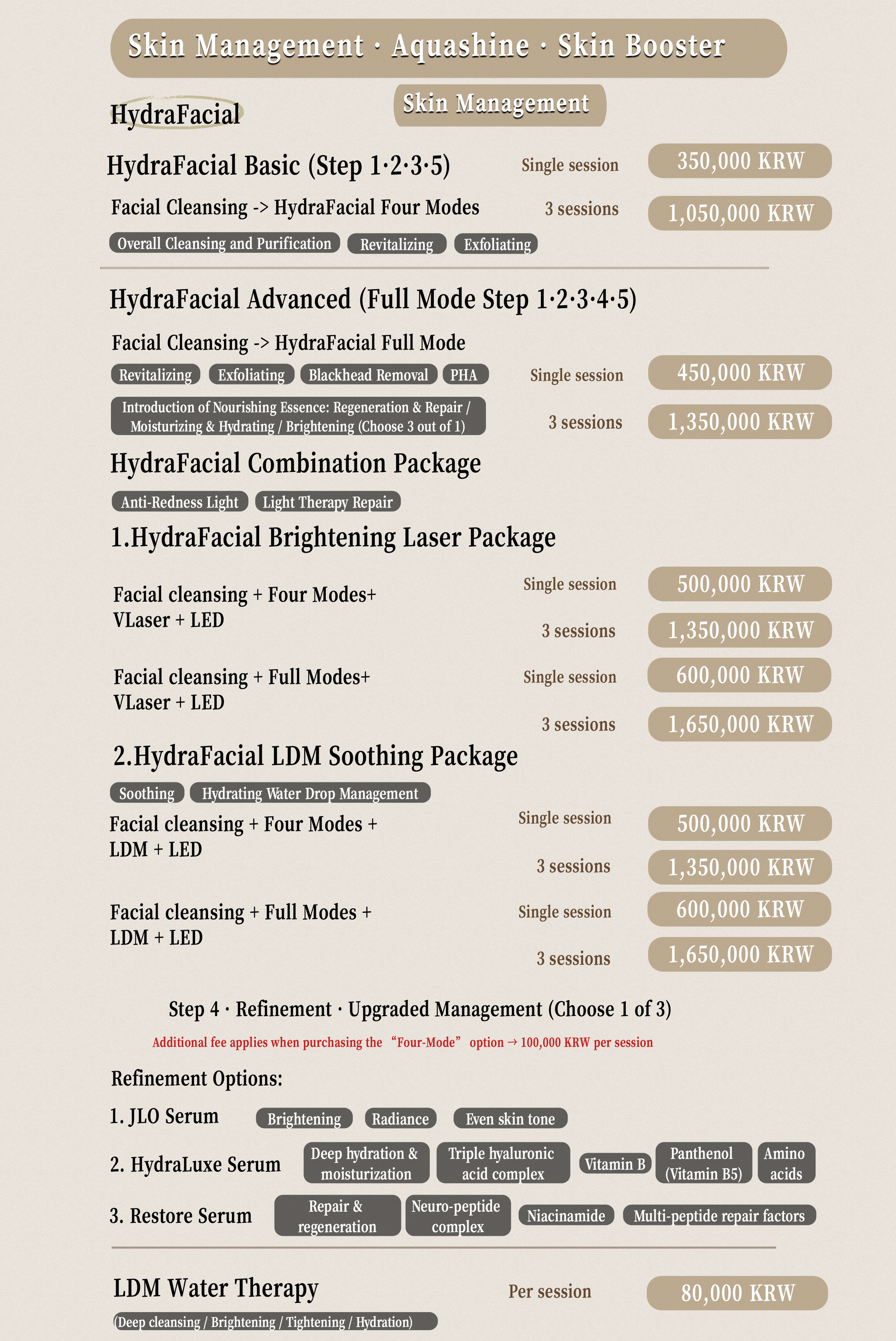
For many visitors, a gentle hydrating facial is one of the most practical choices when appearance the next day is the priority.
Depending on the clinic's protocol, a facial may include cleansing, mild exfoliation, hydration, and moisturizing products. Some device-assisted facials also use suction or serum infusion.
These treatments may temporarily improve the appearance of dry or dehydrated skin, making it look smoother and more refreshed. They are not intended to provide the same results as treatments for deep wrinkles, significant pigmentation, or substantial skin laxity.
Who is it suitable for?
A gentle facial may be appropriate if you:
- Have dry or dehydrated-looking skin.
- Want a temporary glow before an event.
- Prefer a non-invasive treatment.
- Have little time available for recovery.
Tell the clinic if you have sensitive skin, rosacea, active eczema, or inflamed acne. Ask them to avoid aggressive extractions, strong exfoliation, or unfamiliar products that could cause irritation.
If you are attending an event the next morning, explain that clearly before the treatment begins. A simple, familiar treatment is generally more predictable than a complicated facial with multiple add-ons.
2. Consider a Conservative Non-Ablative Skin Treatment
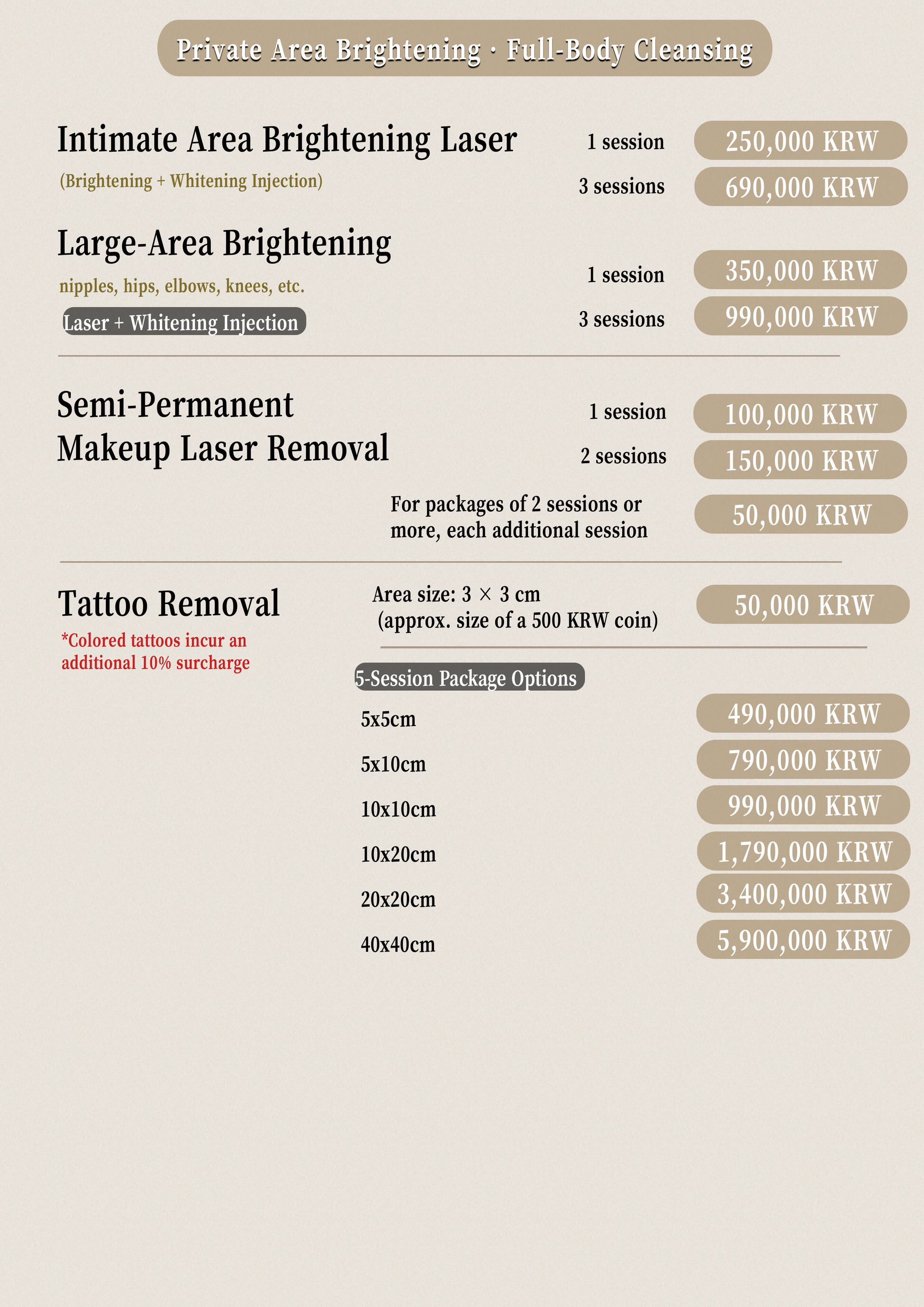
Some non-ablative laser procedures are designed to address concerns such as uneven pigmentation, mild discoloration, or selected signs of photoaging without deliberately removing the entire outer layer of skin.
Depending on the device and settings, recovery can be short enough for patients to resume everyday activities quickly. Nevertheless, temporary redness, warmth, swelling, or sensitivity may occur.
The exact procedure matters. Gentle laser toning is not the same as intensive fractional resurfacing, and the term "laser treatment" alone does not tell you how your skin will look afterward.
What should you ask before booking?
Ask the dermatologist:
- What is the exact name of the laser procedure?
- How much redness or swelling is typical with these settings?
- Is it appropriate for my skin tone and pigmentation history?
- Could the treatment make my skin look worse temporarily?
- Would you recommend it if I have an important event tomorrow?
For first-time visitors, conservative settings and a clear aftercare plan may be preferable to pursuing the strongest available treatment.
If your skin is prone to post-inflammatory hyperpigmentation, careful assessment is especially important. Inflammation from an unsuitable procedure can sometimes lead to unwanted darkening rather than the brighter appearance you hoped to achieve.
3. Is Botox an Option the Day Before an Event?
Botulinum toxin injections, commonly known as Botox, can temporarily soften certain expression lines, including some forehead lines and the lines between the eyebrows.
Many people return to ordinary activities shortly after treatment. However, small injection marks, tenderness, swelling, and bruising are possible.
Another important consideration is timing: Botox does not deliver its final result immediately. The effect develops over several days, so an appointment the day before an event is unlikely to provide the complete result you want for that event.
When might Botox make sense?
It may be reasonable for someone who has previously received the treatment, understands how they respond, and has enough time for the effect to develop.
If you have never had Botox before, scheduling it immediately before a wedding, professional photo shoot, or important meeting is less predictable. Even a small bruise or an unexpected result can be inconvenient.
A qualified medical professional should review your goals, medical history, possible side effects, and the expected timing of results before proceeding.
4. What About Thermage or Ultherapy?
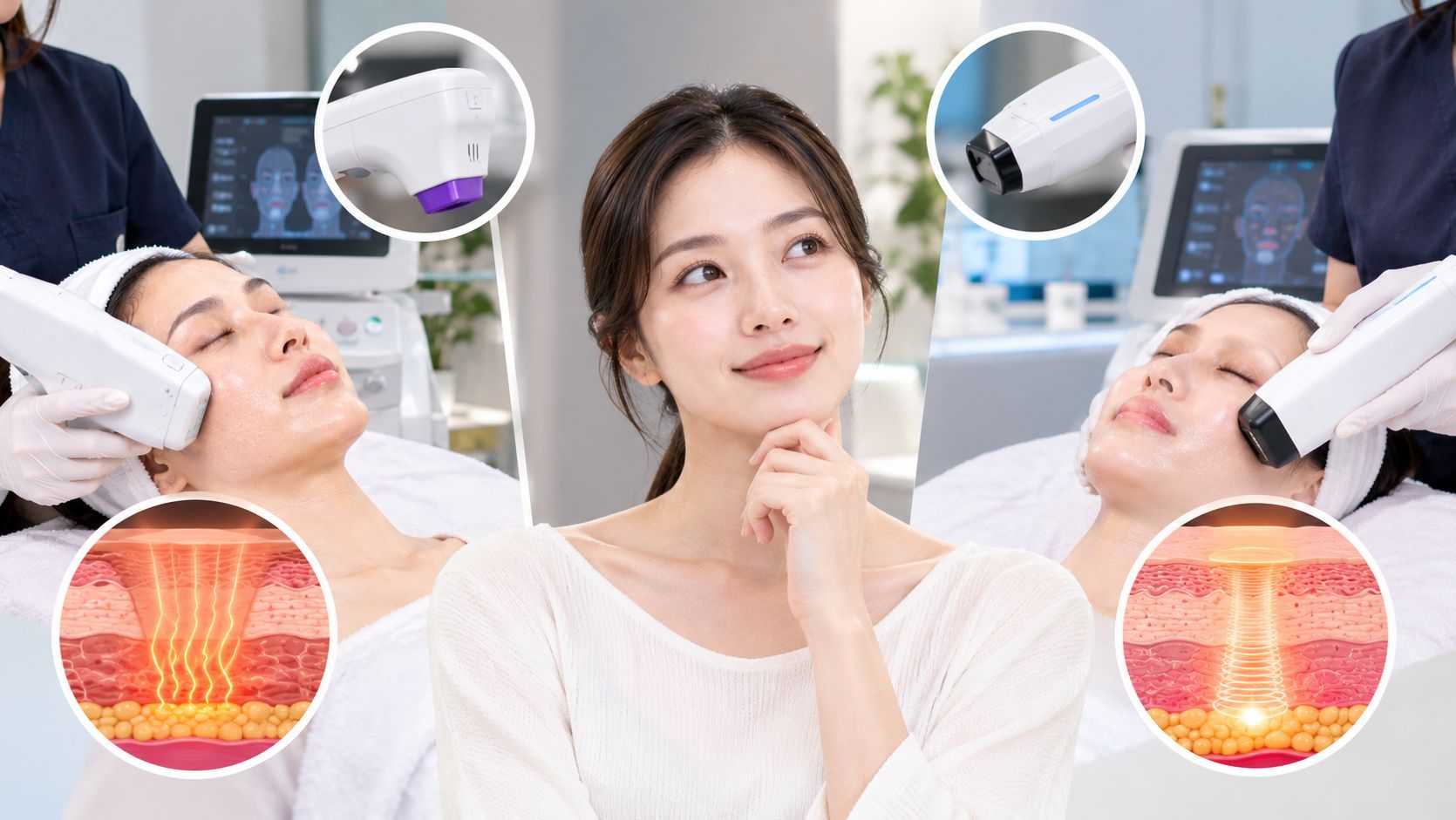
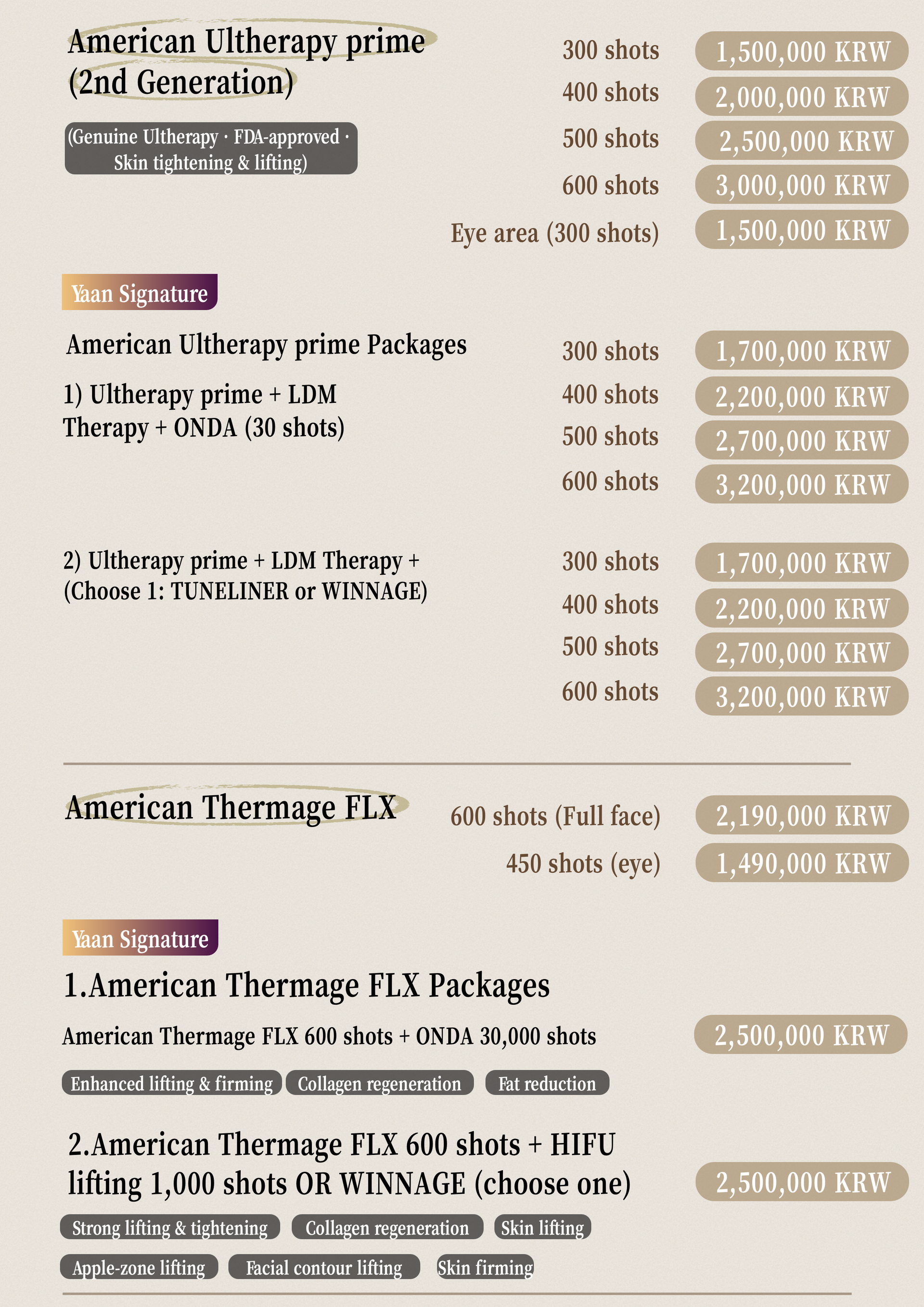
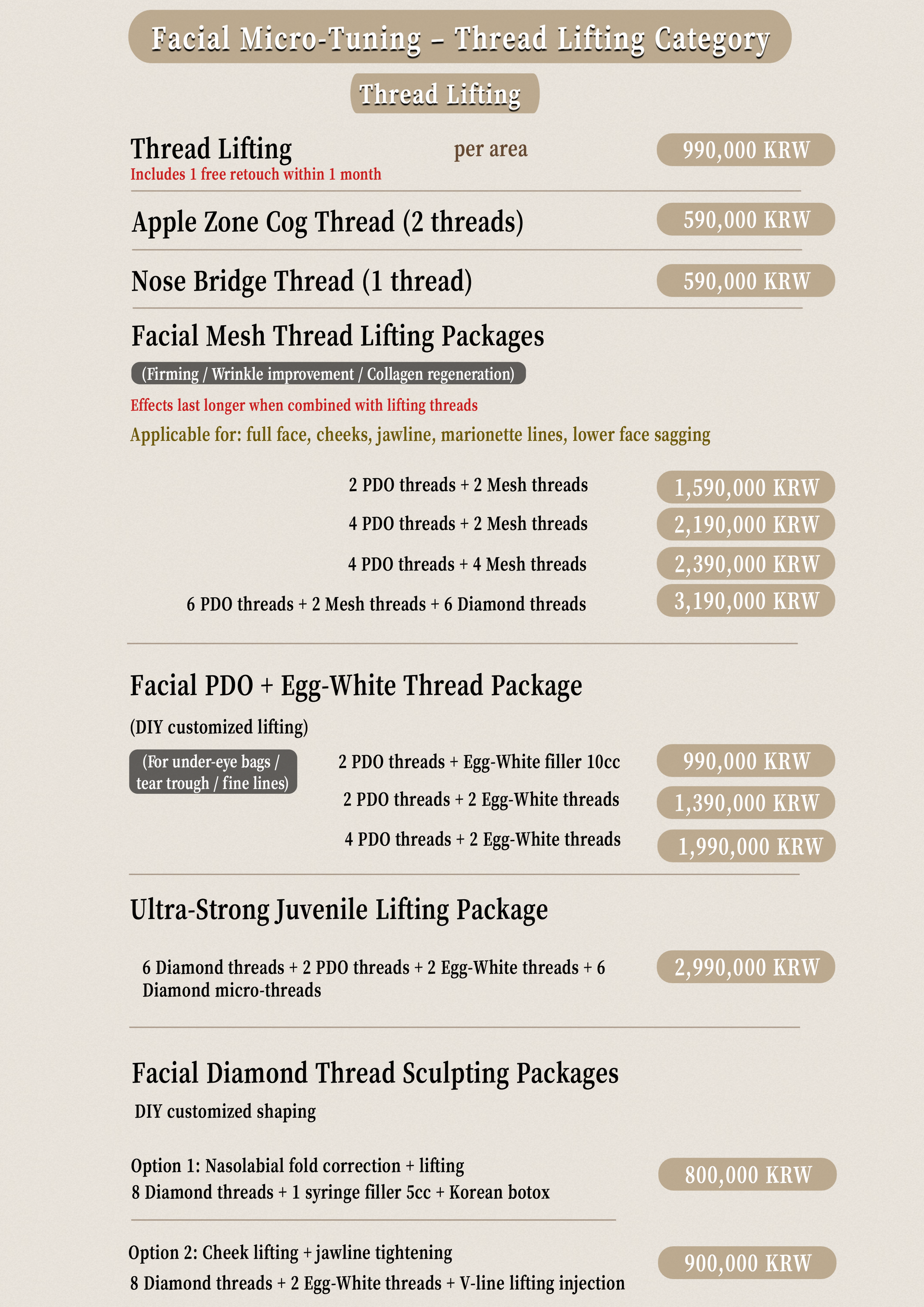
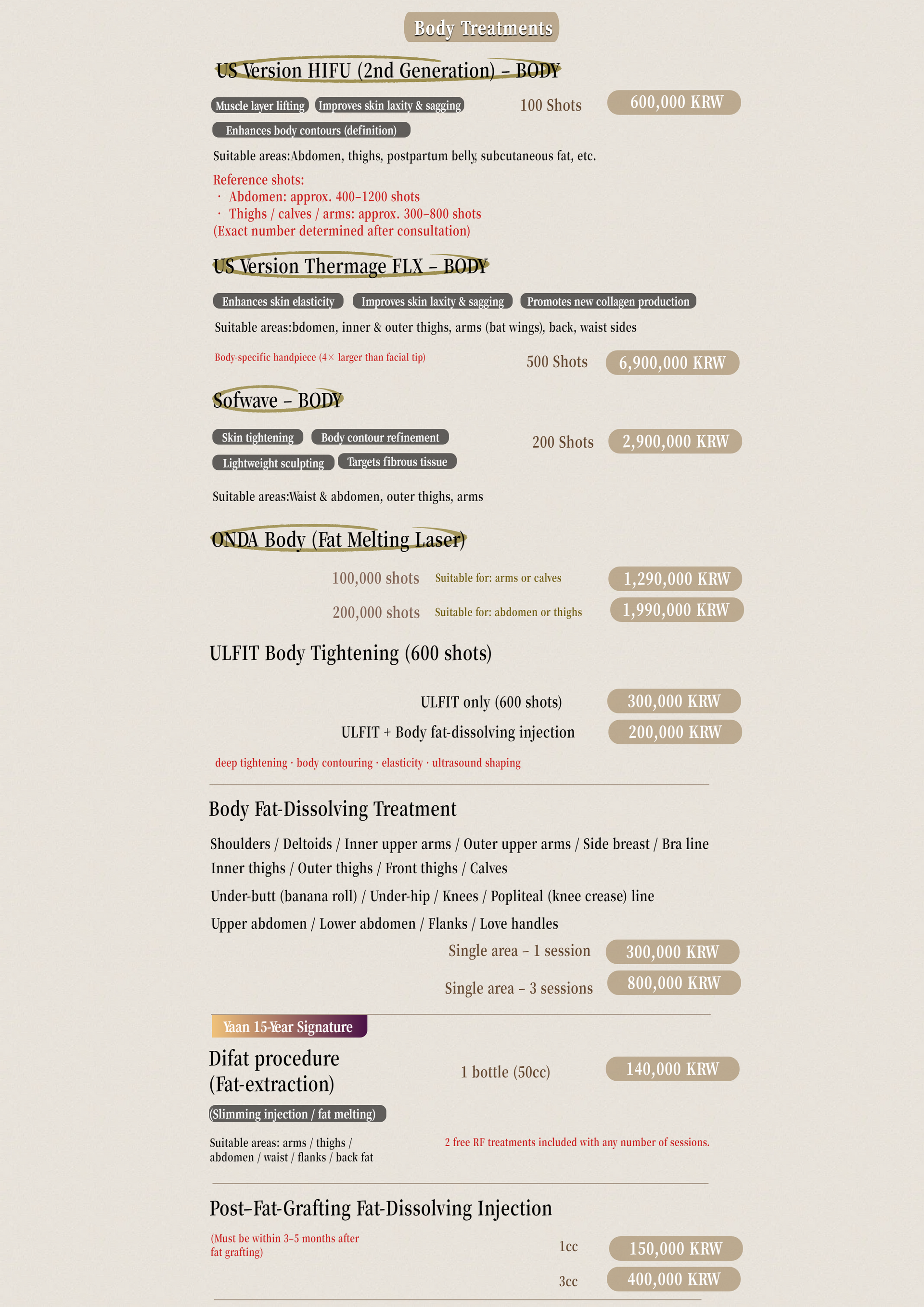
Thermage and Ultherapy are energy-based treatments used for selected skin-tightening concerns. They work differently from a hydrating facial and are generally considered when a patient wants to address mild to moderate skin laxity.
Some patients return to normal activities quickly after these treatments. However, temporary tenderness, redness, swelling, or sensitivity may occur, depending on the procedure and individual response.
Neither treatment should be expected to transform facial contours overnight. Improvements typically develop gradually, and results vary.
If you need to look normal the next day, tell the clinic before booking. Ask about the expected short-term effects of the specific device, treatment area, and settings—not just the advertised downtime.
For someone with an important event tomorrow, a skin-tightening treatment may be less useful than a gentle facial if the main goal is simply to look refreshed immediately. The right choice depends on whether you want a temporary improvement in skin appearance or a longer-term change in skin laxity.
5. Should You Get a Chemical Peel?
A superficial chemical peel may help address mild surface-level concerns, depending on the formulation and your skin condition. Some protocols involve little disruption to daily activities.
However, even a relatively mild peel can cause redness, dryness, tightness, or peeling. Medium-depth and deep peels involve considerably more recovery and are generally poor choices when you need your face to look normal the next day.
If you have never had a particular peel, do not assume that your skin will respond exactly as it did for someone else.
When is it better to postpone?
Consider postponing a peel if:
- You have a wedding or important photo shoot tomorrow.
- Your skin is already irritated or sunburned.
- You have recently used products that make your skin sensitive.
- You have a history of pigmentation after skin irritation.
- The clinic expects several days of redness or peeling.
If your main goal is hydration or a temporary glow, a gentle facial may be a more practical option than exfoliating the skin immediately before an event.
6. Avoid First-Time Skin Boosters and Fillers at the Last Minute
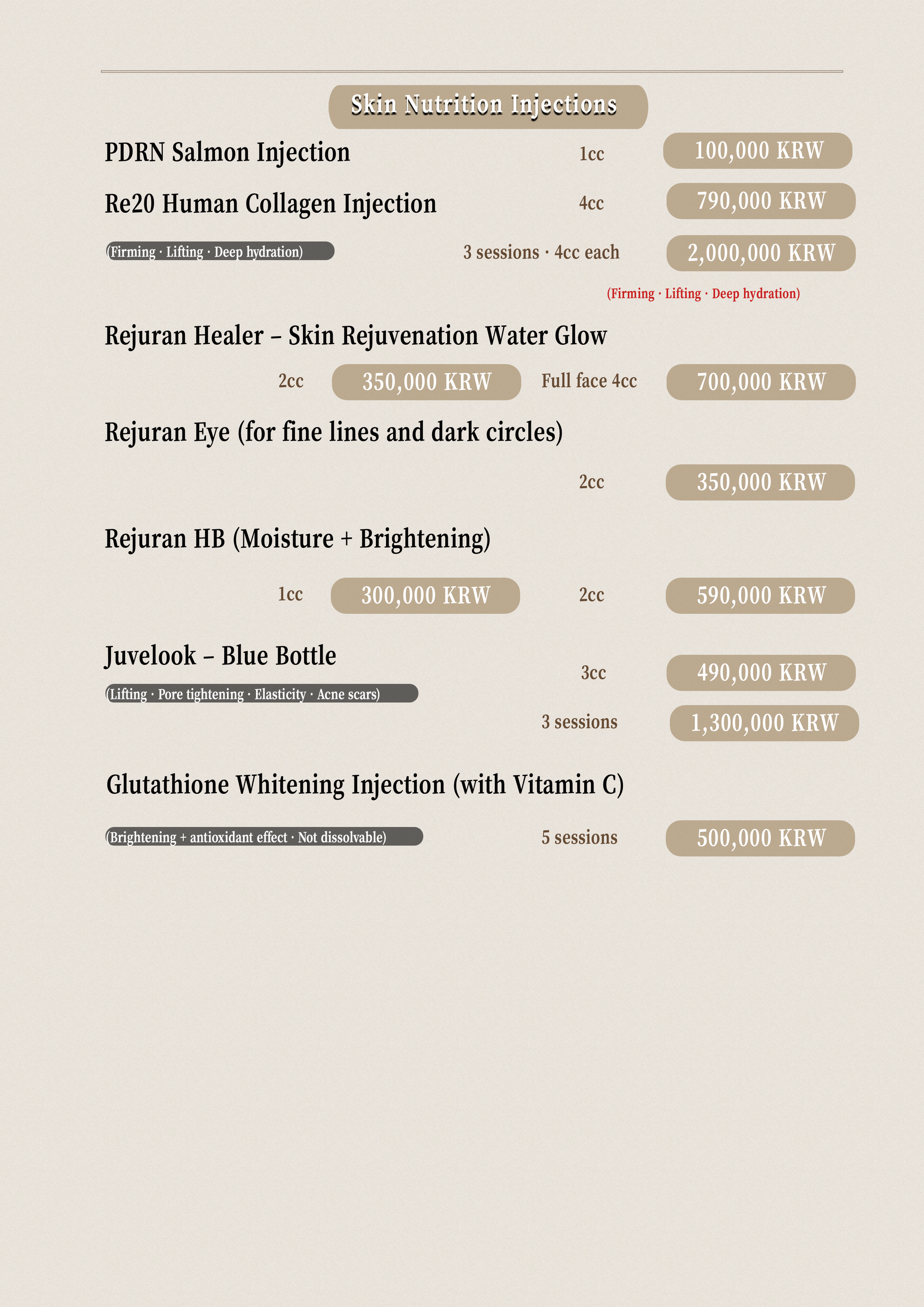
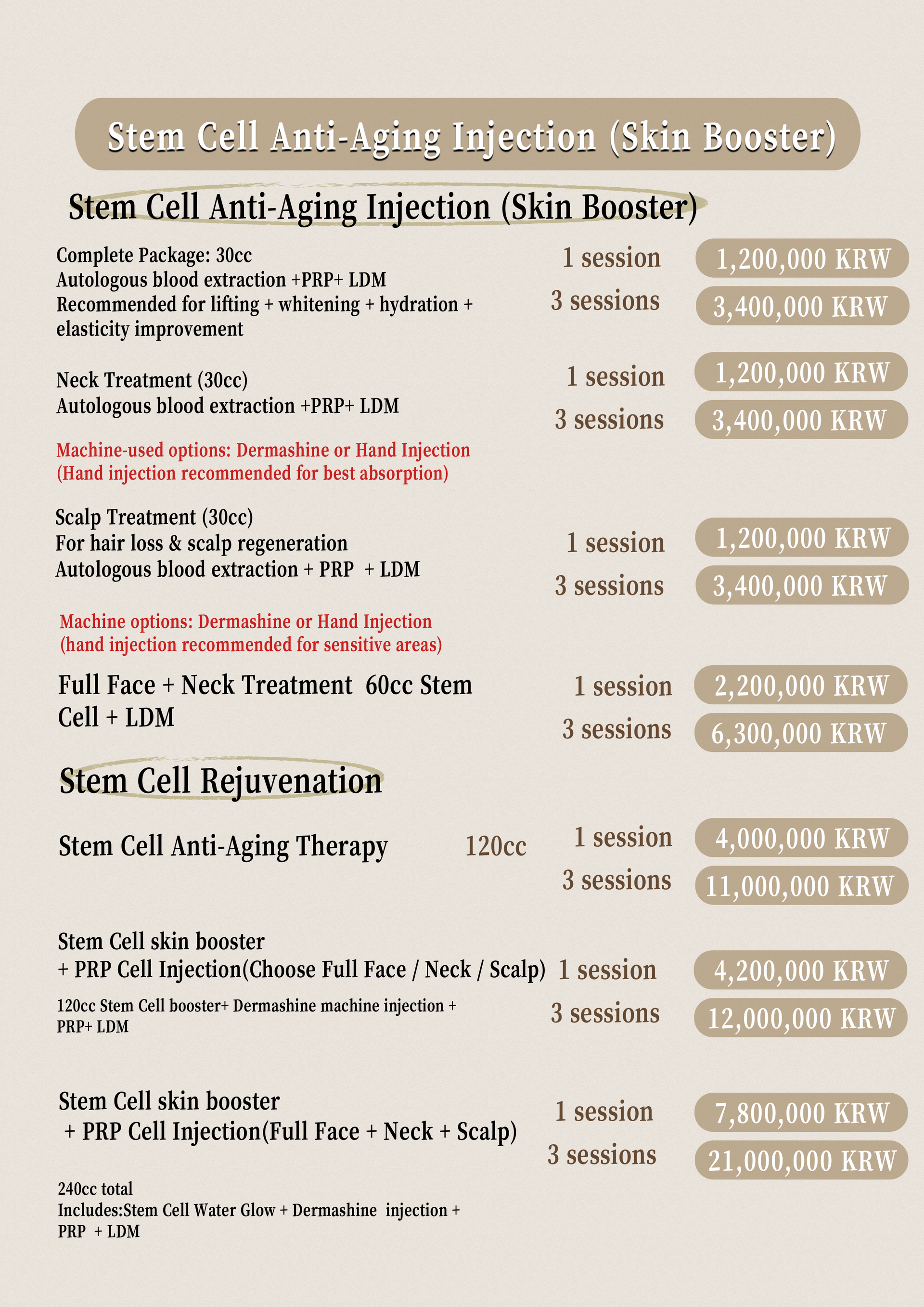
Skin boosters and dermal fillers are injectable procedures, and both can produce visible short-term effects.
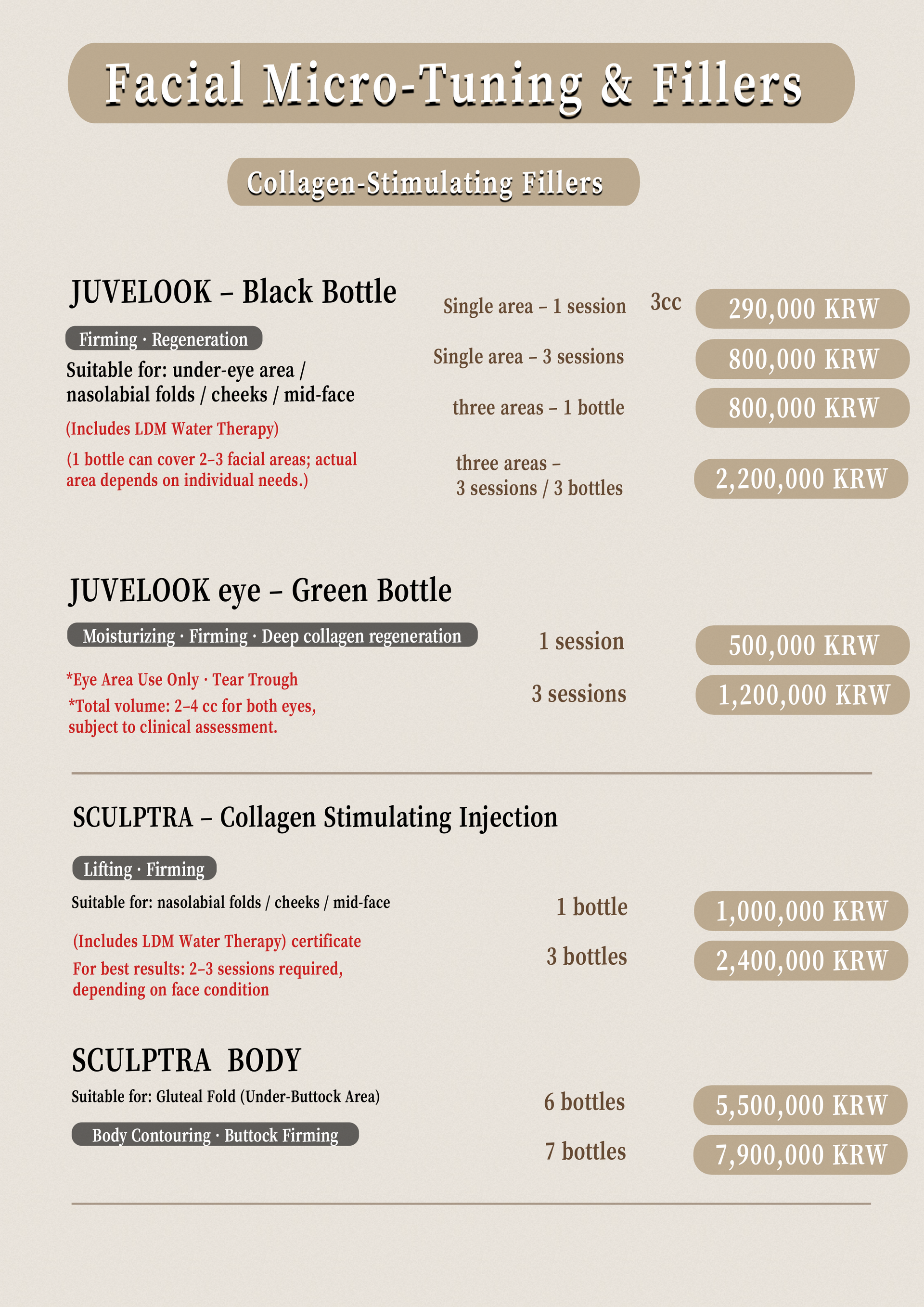
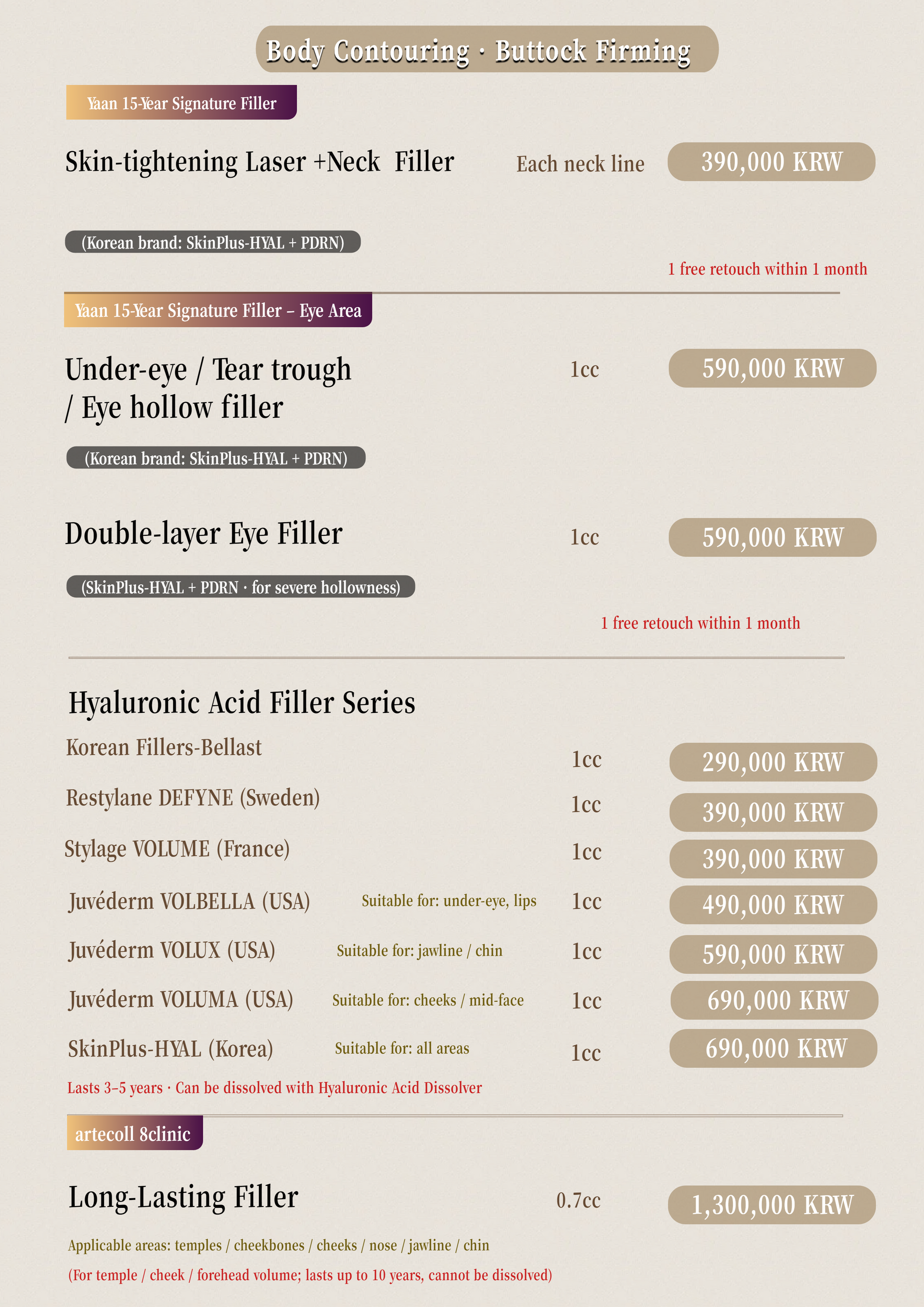
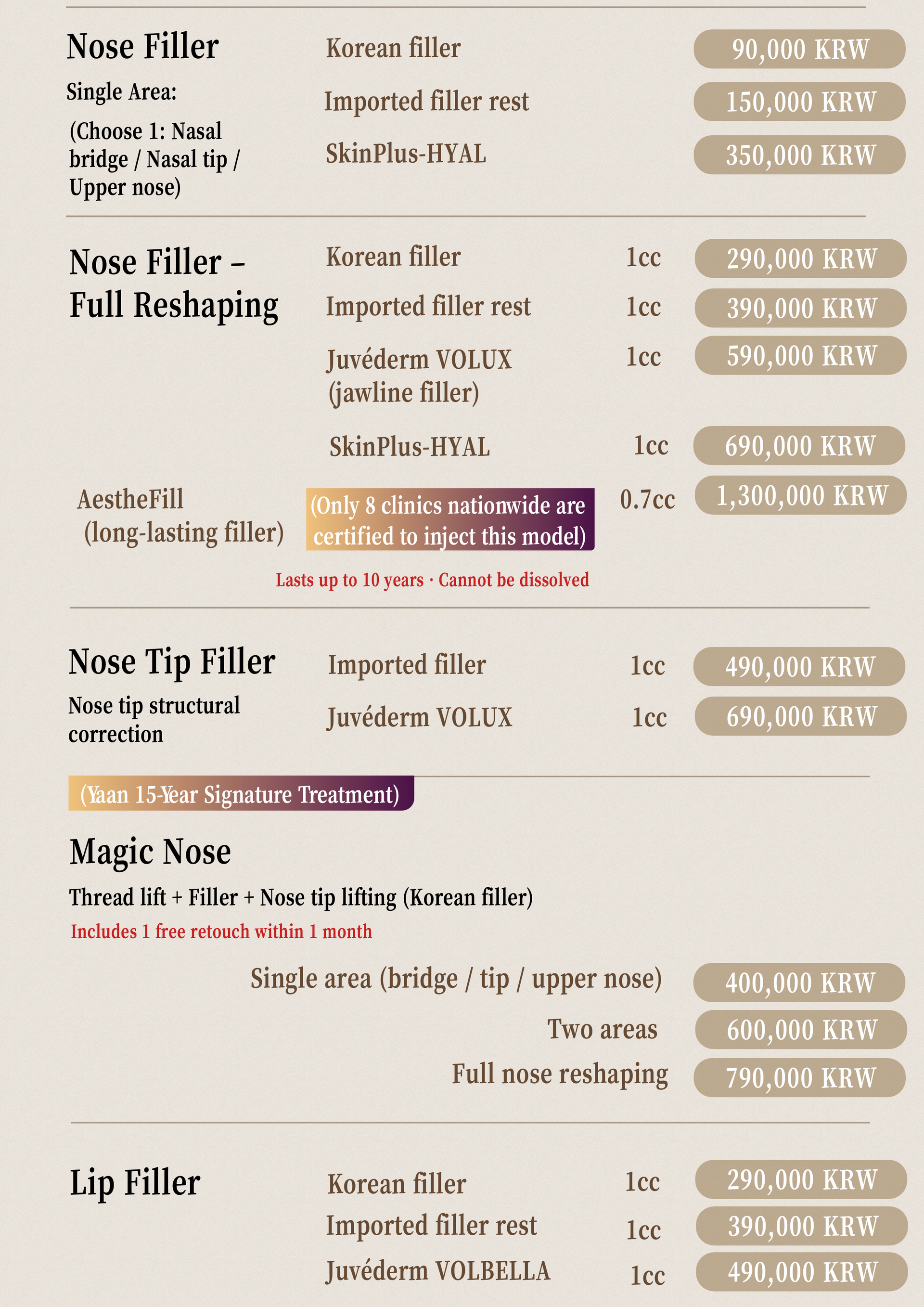
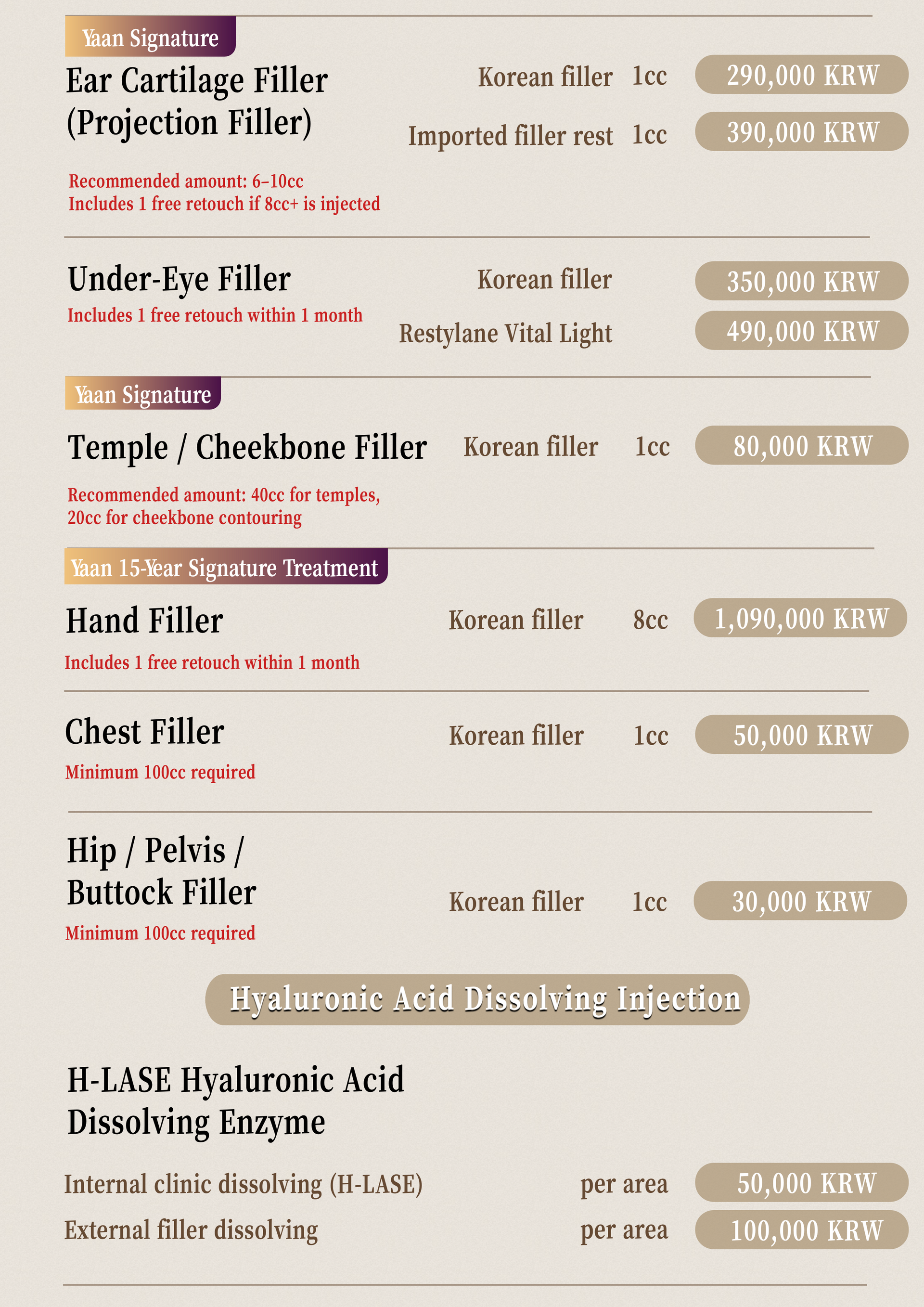
Skin boosters may be used to improve selected aspects of skin quality, depending on the product. Fillers are used to add volume or change contours in specific areas. After either procedure, injection marks, swelling, tenderness, or bruising may occur.
Fillers also carry uncommon but serious risks, including vascular complications that require urgent medical attention.
These treatments may be appropriate for carefully selected patients, but they are not ideal last-minute experiments. If you have never received an injectable treatment before, allow time to assess the result and seek follow-up care if needed.
Do not stop prescribed medications or supplements to reduce bruising without discussing the issue with your healthcare professional.
7. Which Treatments Should You Avoid Before an Important Event?
If you need to look relatively normal the following morning, be cautious about procedures that intentionally create more substantial skin injury or inflammation.
Depending on the treatment, these may include:
- Ablative laser resurfacing, including some CO2 laser procedures.
- Intensive fractional laser treatments.
- Medium-depth or deep chemical peels.
- Radiofrequency microneedling.
- Microneedling that produces noticeable redness or pinpoint bleeding.
- Extensive extractions or aggressive exfoliation.
- New injectable treatments with a meaningful risk of bruising or swelling.
These procedures can have a place in a longer-term treatment plan. The issue is not that they are necessarily unsuitable treatments, but that the recovery period may conflict with your schedule.
A treatment that is appropriate when you have a week or more to recover may be a poor choice when you have only one night.
8. A Practical Seoul Treatment Plan for Tomorrow's Appearance
If you have an important event the next day, use the following approach to guide your consultation.
First, identify the main concern
If your skin looks dull because it is dehydrated, a gentle facial may be sufficient. If you are concerned about expression lines, Botox may be relevant to a longer-term plan, but it will not deliver its complete effect overnight. If you are concerned about pigmentation or laxity, a dermatologist can explain whether treatment now is appropriate or better scheduled for another visit.
Second, disclose your deadline
Tell the clinic exactly when you need to look presentable. Do not simply ask which treatment has the least downtime. Ask what visible effects might remain the following morning.
Third, avoid unnecessary add-ons
A clinic may offer several procedures in one appointment. Combining treatments is not automatically better, particularly when your skin has limited time to recover. Multiple procedures can make it harder to predict how your skin will respond.
Fourth, protect your skin afterward
Follow the clinic's instructions about cleansing, moisturizing, makeup, exercise, heat exposure, and sun protection. Avoid introducing new exfoliants or irritating skincare products immediately after treatment.
If you develop severe pain, blistering, marked or worsening swelling, unusual skin discoloration, or other concerning symptoms, contact a medical professional promptly.
Final Thoughts
If you need to look normal the day after a skin treatment in Seoul, a gentle hydrating facial is often a practical starting point. Some carefully selected non-ablative treatments may also involve limited downtime, but the result depends on the exact procedure, settings, and your individual skin response.
Botox, Thermage, Ultherapy, chemical peels, skin boosters, and fillers each serve different purposes and should not be treated as interchangeable quick fixes. Some may cause visible short-term effects, and many require time before their full results appear.
The safest strategy is to tell the dermatologist about your deadline, choose a procedure suited to your actual concern, and avoid aggressive or unfamiliar treatments at the last minute. When looking presentable tomorrow matters more than making a major change, a conservative plan—or postponing treatment—may be the most sensible decision.
Frequently Asked Questions
1. What is the safest type of skin treatment before an event tomorrow?
There is no universally safest procedure for everyone. A gentle hydrating facial may be a practical option for suitable skin, but the clinic should review your skin condition and avoid techniques likely to cause irritation.
2. Can I get a laser treatment in Seoul and look normal the next day?
Some non-ablative laser procedures have short recovery periods, but redness, swelling, sensitivity, or pigmentation changes can occur. Ask about the exact device and settings before deciding.
3. Can Botox improve my appearance overnight?
Botox does not produce its full effect overnight. The effect develops over several days, and injection marks or bruising may occur.
4. Should I get a chemical peel the day before a wedding?
A new peel is generally not a predictable last-minute choice. Even superficial peels can cause redness or peeling, so consider a gentler alternative or postpone the procedure until you have time to recover.
5. Can I get Thermage or Ultherapy before flying home?
Some patients resume normal activities quickly, but temporary tenderness, swelling, or other effects may occur. Results develop gradually, so discuss your flight timing and individual risks with the treating clinician.
6. How can I reduce the risk of looking worse after a treatment?
Choose a qualified clinician, disclose your skin and medical history, avoid unfamiliar aggressive procedures before important events, and follow the recommended aftercare. No treatment can guarantee that your skin will look unchanged the next morning.