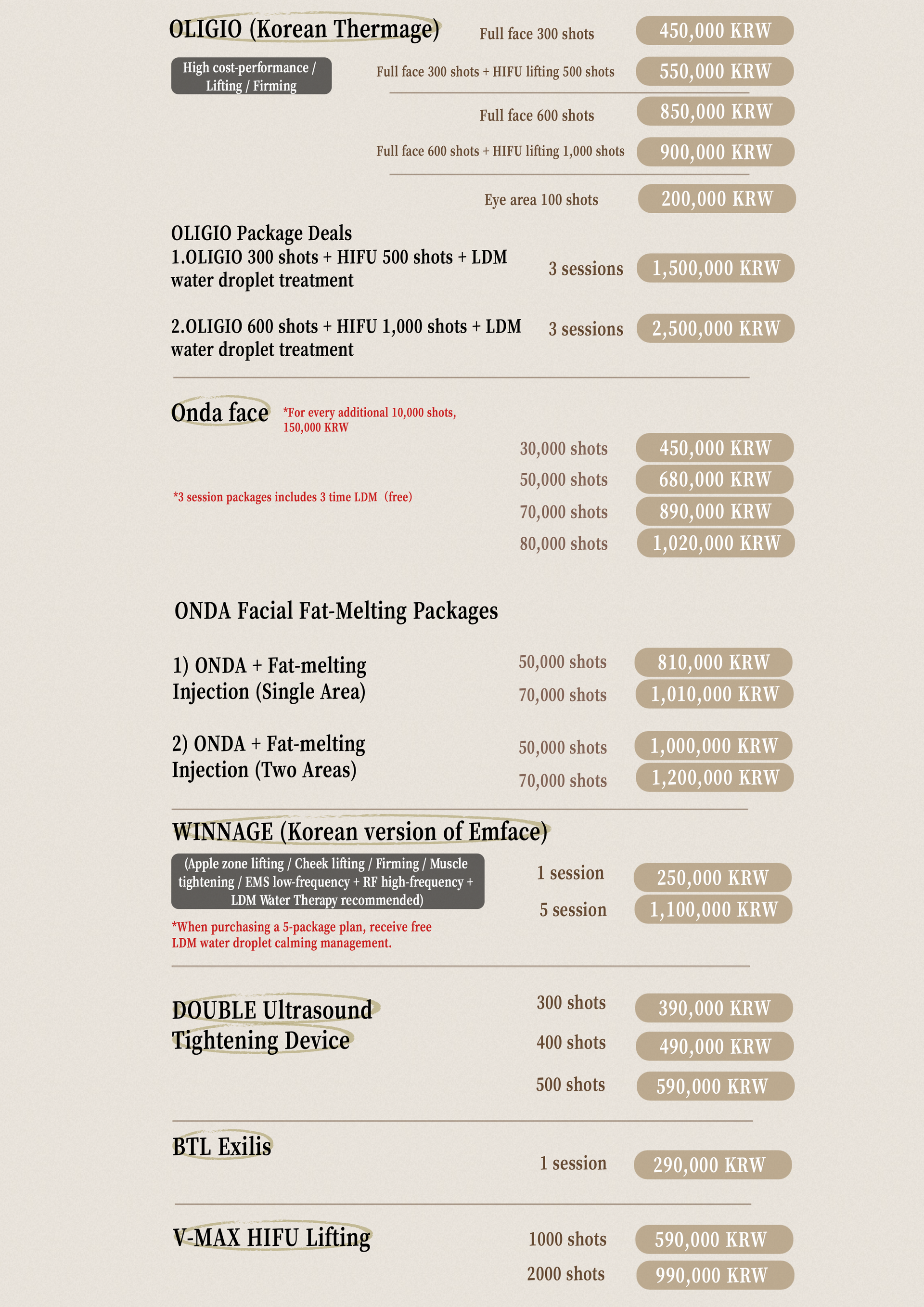
Can I Get Thermage and Fly the Following Day?
If you are visiting Seoul for cosmetic dermatology, you may be wondering whether you can receive Thermage and board a flight the following day. The answer is that many patients can resume normal activities relatively quickly after Thermage, but flying the next day should be discussed with your treating clinician based on your individual circumstances.
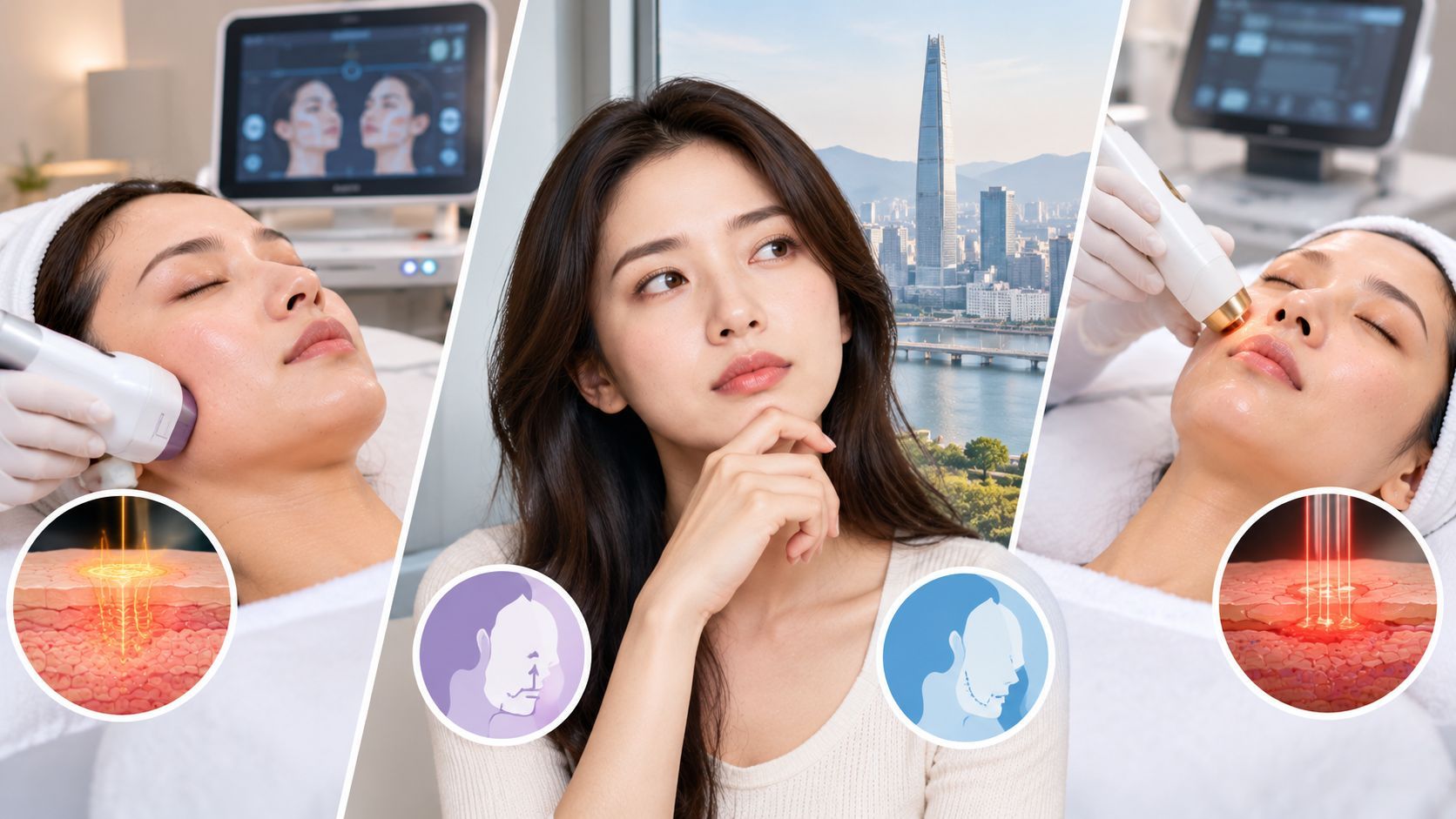
Thermage is a non-invasive radiofrequency treatment designed to improve the appearance of skin firmness and laxity. Unlike procedures that remove layers of skin, it delivers radiofrequency energy to heat tissue and stimulate collagen remodeling. It generally does not require an extended recovery period, but temporary redness, swelling, tenderness, or other side effects can occur.
For international visitors, the decision involves more than whether you can physically board an airplane. You should consider how your skin may look and feel, whether you can access medical care after leaving Korea, and whether the expected benefits justify the timing.
What Is Thermage, and What Does It Treat?
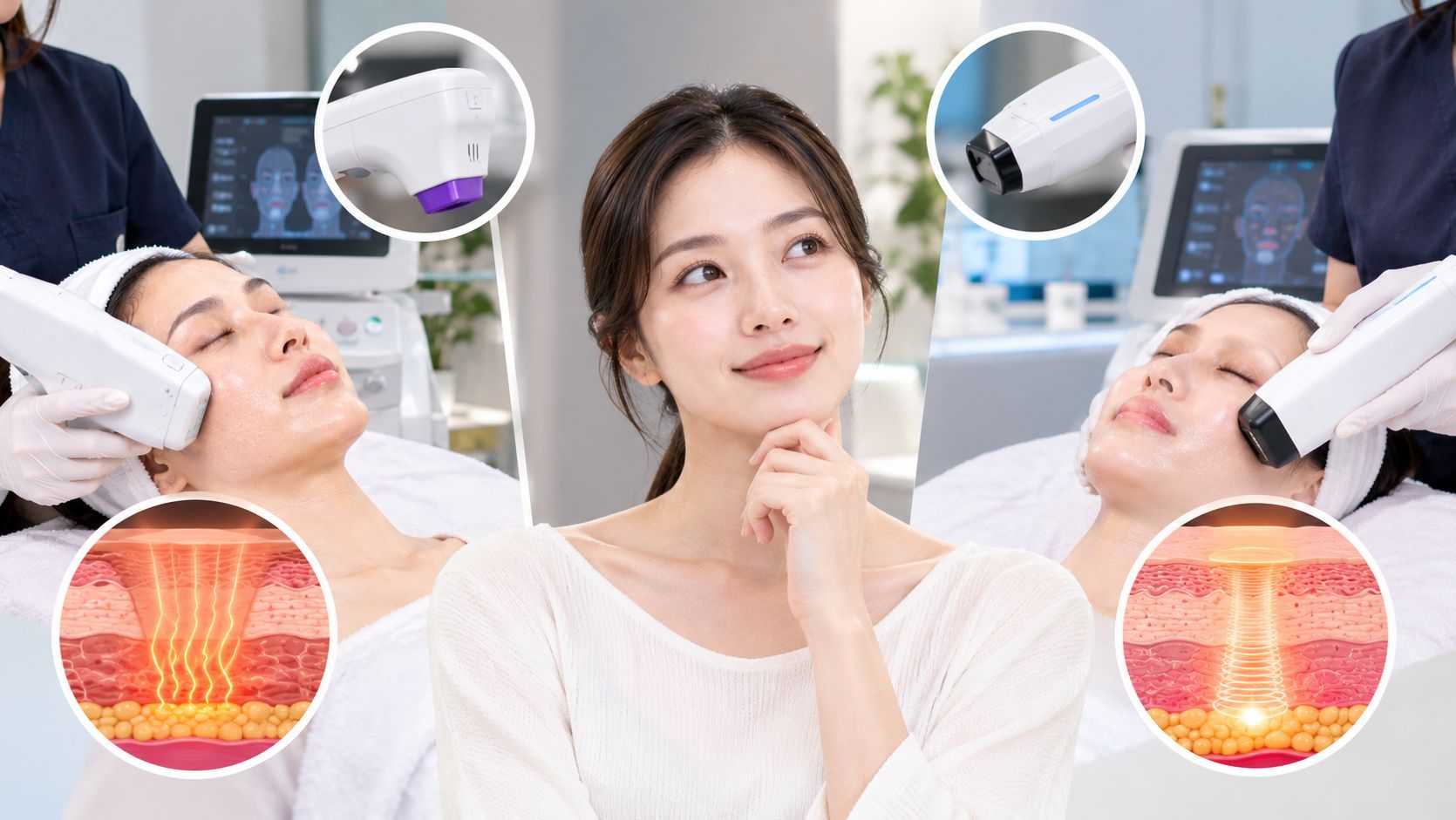
Thermage uses monopolar radiofrequency energy to heat tissue beneath the skin. The goal is to stimulate changes in collagen that may improve the appearance of skin firmness over time.
Depending on the treatment area and the patient's needs, Thermage may be considered for concerns such as:
- Mild to moderate facial skin laxity.
- Loss of firmness around the cheeks or jawline.
- Fine lines and wrinkles in selected areas.
- Skin laxity around the eyes, when appropriate for the device and treatment plan.
- Selected areas of body skin laxity.
Thermage is not a surgical facelift and cannot guarantee a particular degree of lifting. Results vary with age, skin condition, anatomy, treatment settings, and the degree of laxity.
It is also important to distinguish between the immediate appearance after treatment and the longer-term result. Some people notice an early change, but collagen remodeling takes time. Improvement may develop over approximately two to six months, and individual outcomes vary.
If your main reason for getting Thermage is to look noticeably younger the morning after treatment, it may not meet that expectation.
Can You Fly the Day After Thermage?
For many suitable patients, flying the following day may be feasible because Thermage usually involves less recovery than ablative laser resurfacing or surgery. However, there is no universal rule that guarantees next-day travel is appropriate for every patient.
The decision depends on factors such as the treatment intensity, the areas treated, your medical history, your skin's response, and the length of your flight.
What might your skin look like the next day?
Possible short-term effects include:
- Mild redness or flushing.
- Temporary swelling.
- Tenderness or sensitivity.
- Discomfort when touching the treated area.
These effects may be mild and short-lived, but they can occasionally last longer. Less common complications can include burns, blisters, altered sensation, lumps, scarring, or changes in pigmentation.
A clinic should explain these possibilities before treatment rather than promising that your skin will look completely normal afterward.
Does cabin pressure affect the result?
Cabin pressure is not generally the main concern after an uncomplicated Thermage session. The more important considerations are your individual recovery, the possibility of a treatment-related complication, and access to appropriate medical assessment after you leave Seoul.
Long-haul travel can also make ordinary discomfort, fatigue, and swelling less convenient to manage. If your treatment produces an unexpected reaction, you may have limited access to the original clinic while travelling.
Ask the treating clinician whether your specific treatment plan is compatible with your flight schedule.
What Should You Consider Before Booking Thermage in Seoul?
Before scheduling Thermage close to your departure date, consider these five factors.
1. Your first experience with Thermage
If you have never had Thermage before, you may not know how your skin will respond. Although many patients experience limited downtime, an individual reaction cannot be predicted with certainty.
If you are travelling for an important event or a long-haul flight, tell the clinic that this is your first session. Ask whether the timing is sensible and whether postponing treatment would be more practical.
2. The treatment area and settings
Treatment plans vary according to the area being treated, the device version, the energy delivered, and the clinician's assessment.
A facial treatment is not necessarily equivalent to treating a larger body area. Higher treatment intensity does not automatically mean a better outcome, and the clinician should select an appropriate protocol for your anatomy and goals.
Ask what level of discomfort, redness, or swelling is expected with your specific treatment plan.
3. Your skin condition and medical history
Tell your clinician about active skin irritation, recent procedures, previous complications, implanted electronic devices, metal implants in or near the treatment area, and any relevant medical conditions.
The suitability of radiofrequency treatment depends on the device's instructions, the treatment area, and your individual circumstances. Do not assume that a treatment is appropriate simply because it is non-surgical.
4. Your flight duration
A short flight and a long international flight present different practical challenges. Longer travel may mean extended periods of sitting, limited access to your usual healthcare team, and several hours before you can seek an in-person review.
There is no single flight interval that applies to every Thermage patient. Ask the clinician who knows your treatment plan whether your specific departure time is appropriate.
5. Your access to aftercare
Before leaving the clinic, obtain written aftercare instructions and ask whom to contact if you develop unexpected symptoms after returning home.
If the clinic recommends follow-up or an in-person assessment, consider whether that is realistically possible once you have left Korea. This is especially important when arranging cosmetic procedures during a short medical tourism trip.
Is Thermage Better Than Other Treatments Before Flying?
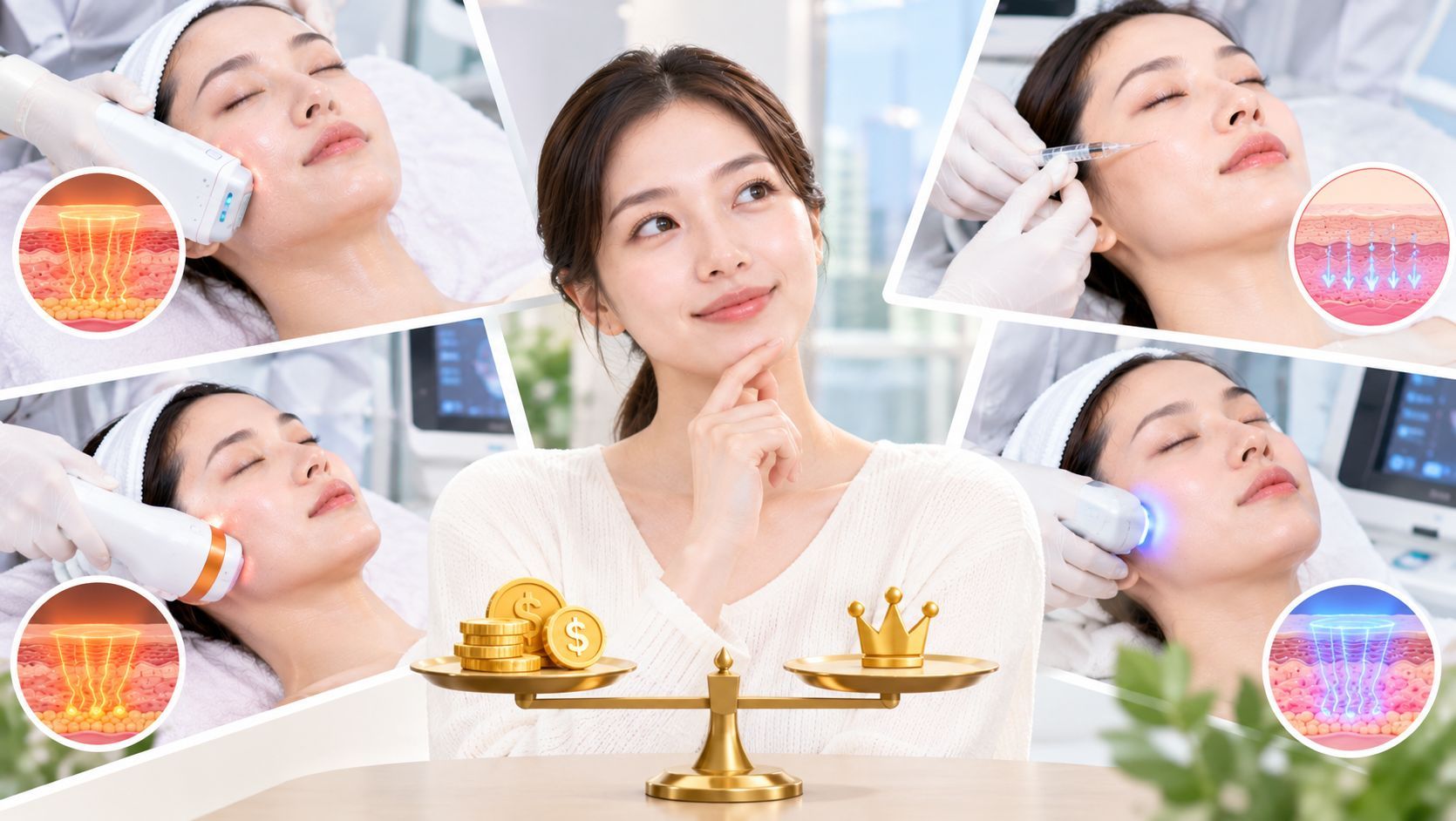
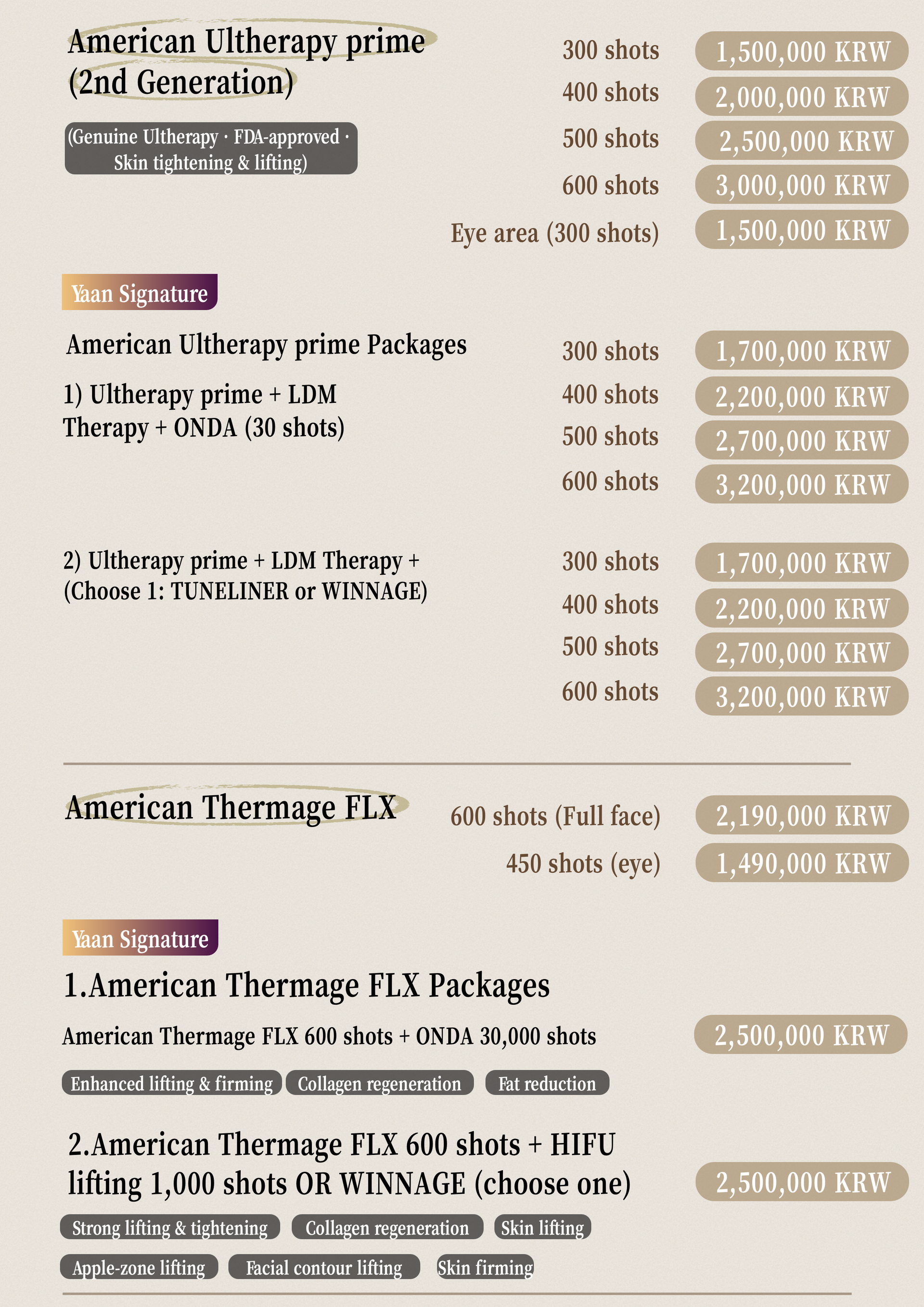
Thermage is one of several non-surgical options available in Seoul. The most suitable treatment depends on your concern, expected results, recovery needs, and personal medical history.
Thermage versus Ultherapy
Thermage uses radiofrequency energy, while Ultherapy uses focused ultrasound. Both are intended to address selected skin-tightening concerns, but they work differently and are not interchangeable.
Both may involve relatively limited downtime for many patients. However, tenderness, swelling, or other temporary effects can occur with either procedure.
Results also develop gradually rather than providing a guaranteed overnight lift. Your clinician should explain which technology is appropriate for your particular concern.
Thermage versus a hydrating facial
A gentle hydrating facial is usually a more conservative option if your immediate goal is to refresh dry or dull-looking skin before travelling.
It does not provide the same skin-tightening effect as Thermage, and its results are generally more temporary. However, it may be more aligned with a traveler's goal of improving the appearance of the skin without undergoing a major procedure.
Thermage versus injectable treatments
Botulinum toxin injections and dermal fillers address different concerns. Botulinum toxin can temporarily reduce selected expression lines, while fillers may restore volume or change contours.
Both involve injection-related risks, including bruising or swelling. Fillers also carry uncommon but serious risks such as vascular complications.
Do not combine treatments simply to maximize results during one visit. A clinician should determine whether each procedure is appropriate and whether the combined plan creates unnecessary risk before your flight.
How to Plan Thermage Around a Short Seoul Trip
If you want Thermage during a short visit, planning ahead can help you avoid unnecessary pressure.
Book your consultation before your departure date
If possible, discuss your goals and medical history before arriving in Korea. A preliminary discussion can help you understand the treatment and likely recovery, although the final decision may require an in-person assessment.
Avoid scheduling treatment at the last possible moment
If your itinerary allows, leaving extra time between treatment and departure gives you more flexibility if temporary side effects occur or your clinician recommends an assessment.
This is a practical precaution, not a guarantee that complications will be prevented.
Keep your expectations realistic
Thermage is intended to support gradual improvements in skin firmness. It is not a reliable way to achieve a dramatic transformation overnight.
If your primary concern is deep wrinkles, substantial sagging, or significant facial volume loss, ask whether Thermage alone is likely to address that concern or whether another approach may be more appropriate.
Follow the aftercare instructions
Follow the clinic's advice about skincare, heat exposure, exercise, sun protection, and any products you should temporarily avoid.
Do not apply aggressive exfoliants or introduce unfamiliar active skincare products immediately after treatment unless your clinician advises that they are suitable.
Seek prompt medical attention if you experience severe or worsening pain, blistering, marked swelling, unusual skin discoloration, or other concerning symptoms. Do not assume that significant symptoms are a normal part of recovery.
Who Should Be Especially Careful About Next-Day Travel?
Extra planning may be appropriate if you:
- Have a history of unusual reactions to energy-based procedures.
- Have active skin irritation or an infection near the planned treatment area.
- Have relevant implanted devices or metal implants that require assessment under the device's instructions.
- Are planning additional cosmetic procedures during the same appointment.
- Will be taking a long-haul flight with limited access to medical follow-up.
- Need your skin to look completely normal for an important event.
Your clinician may recommend adjusting the treatment plan or postponing the procedure if the timing creates unnecessary risk.
Final Thoughts
For many suitable patients, flying the day after Thermage may be possible because the procedure usually involves limited recovery. However, temporary redness, swelling, tenderness, and less common complications remain possible, and the appropriateness of next-day travel depends on your individual situation.
If you are visiting Seoul for only a few days, discuss your flight schedule with the treating clinician before booking. Ask about the exact treatment protocol, expected short-term effects, aftercare, and how you would obtain medical help after leaving Korea.
Most importantly, choose Thermage because it matches your longer-term skin goals—not because you expect a dramatic overnight result. If your schedule leaves little room for recovery or follow-up, postponing treatment may be the more practical decision.
Frequently Asked Questions
1. Can I fly 24 hours after Thermage?
Some patients may be able to fly after 24 hours, but the interval is not a universal guarantee of safety. Your clinician should assess the treatment, your response, and your flight plans before advising you.
2. Will my face be swollen the day after Thermage?
Some patients experience temporary swelling or redness, while others have few visible effects. The degree and duration vary. Ask your clinic what to expect with your planned treatment settings.
3. Can I wear makeup after Thermage?
The appropriate timing depends on your skin's condition and the clinic's aftercare instructions. Ask the treating clinician when it is suitable to apply makeup and which products to avoid.
4. Will Thermage make me look younger immediately?
Thermage is intended to stimulate collagen remodeling, so improvements generally develop gradually over the following months. Immediate changes are not a reliable measure of the final result.
5. Is Thermage suitable for a three-day trip to Seoul?
It may be suitable for some visitors, provided the treatment is medically appropriate and the schedule allows for assessment and aftercare. A consultation should consider your goals, departure date, and access to follow-up care.
6. Should I get Thermage if I have a long-haul flight the next day?
Discuss the exact timing with your treating clinician. The decision should account for your individual risks, treatment settings, expected side effects, and ability to obtain medical care after departure. If there is insufficient time for appropriate assessment or follow-up, postponing the procedure may be preferable.