Can Thermage Actually Tighten the Jawline of a Woman in Her 40s?
If you're in your 40s and your jawline looks less defined than it used to, you may be considering Thermage as a way to tighten your skin without surgery. The treatment uses radiofrequency energy to heat tissue and stimulate collagen remodeling, which may gradually improve skin firmness.
Yes, Thermage can improve mild skin laxity around the jawline in some women in their 40s, but the results are usually subtle rather than dramatic. It is most appropriate when loose skin is a major concern. If your jawline has changed because of prominent jowls, excess fat beneath the chin, or significant tissue descent, Thermage alone may not produce the result you want.
Understanding what is changing your facial contour is the first step toward deciding whether this treatment is worth considering.
Why Does the Jawline Become Less Defined in Your 40s?
A softer jawline does not always mean that your skin has simply become loose. Several changes can contribute to the appearance.
Reduced collagen and skin elasticity
Collagen helps support the skin. As collagen structure changes with age, the skin may become less firm, and mild sagging can become more noticeable around the lower cheeks and jawline.
Early jowls
Jowls develop when tissue along the lower cheeks becomes more prominent near the jaw. They may result from a combination of skin laxity, changes in facial support, and the redistribution of facial fat.
Thermage may improve the firmness of surrounding skin, but it cannot reliably reposition significantly descended tissue.
Fullness beneath the chin
Fat beneath the chin can make the boundary between the jaw and neck less distinct. Skin tightening alone may not adequately address this concern, particularly when fullness rather than loose skin is the main cause.
Changes in facial volume
Some women experience reduced fullness in the cheeks as they age. This can alter the balance of the lower face and make the jawline appear heavier.
In these cases, aggressive tightening is not necessarily the best solution. A clinician should assess facial volume and skin laxity together before recommending treatment.
How Does Thermage Work?
Thermage is a non-invasive treatment that uses monopolar radiofrequency energy to heat tissue. The controlled heating is intended to stimulate collagen remodeling and improve skin firmness.
For the lower face, a clinician may consider treating selected areas around the cheeks and jawline, depending on the device's indications and the patient's anatomy.
Potential benefits include:
- Gradual improvement in skin firmness.
- Mild improvement in the appearance of early jowls.
- No surgical incision.
- Generally limited downtime compared with surgery.
The treatment does not remove all excess skin, restore lost facial volume, or guarantee a sharply defined jawline. Results vary according to the degree of laxity, treatment technique, and individual response.
A clinical study comparing Thermage with another monopolar radiofrequency device found improvements in facial wrinkle assessments over six months. However, wrinkle scores and jawline definition are not the same outcome, so the findings should not be interpreted as a guarantee of jawline lifting. Read the clinical study.
Who Is a Good Candidate for Thermage in Her 40s?
Thermage may be worth discussing if you:
- Have mild skin laxity around the lower cheeks or jawline.
- Notice early jowling rather than substantial sagging.
- Want a non-surgical option.
- Prefer gradual improvement over a dramatic change.
- Understand that results vary and may be modest.
You may be less likely to achieve your desired result if you have pronounced jowls, considerable excess skin, or substantial fullness beneath the chin.
Age alone does not determine suitability. Two women who are both 45 may have very different facial structures and treatment needs.
How Much Jawline Improvement Can You Expect?
It is important to distinguish between firmer skin and a genuinely lifted jawline.
Thermage may make the skin feel firmer and help soften mild laxity. Some patients may notice a more refined lower-face contour, while others may see only a small change.
Results develop gradually rather than appearing as an immediate surgical-style lift. Collagen remodeling takes time, and your clinician should explain when improvement is likely to become noticeable and how long it may last.
Thermage is not a facelift alternative in terms of the amount of correction it can achieve. The American Academy of Dermatology explains that non-surgical skin-tightening procedures generally provide more limited results than surgery. Read the AAD guidance.
Thermage vs. Ultherapy for the Jawline
Thermage and Ultherapy are both used for selected skin-tightening concerns, but they use different technologies.
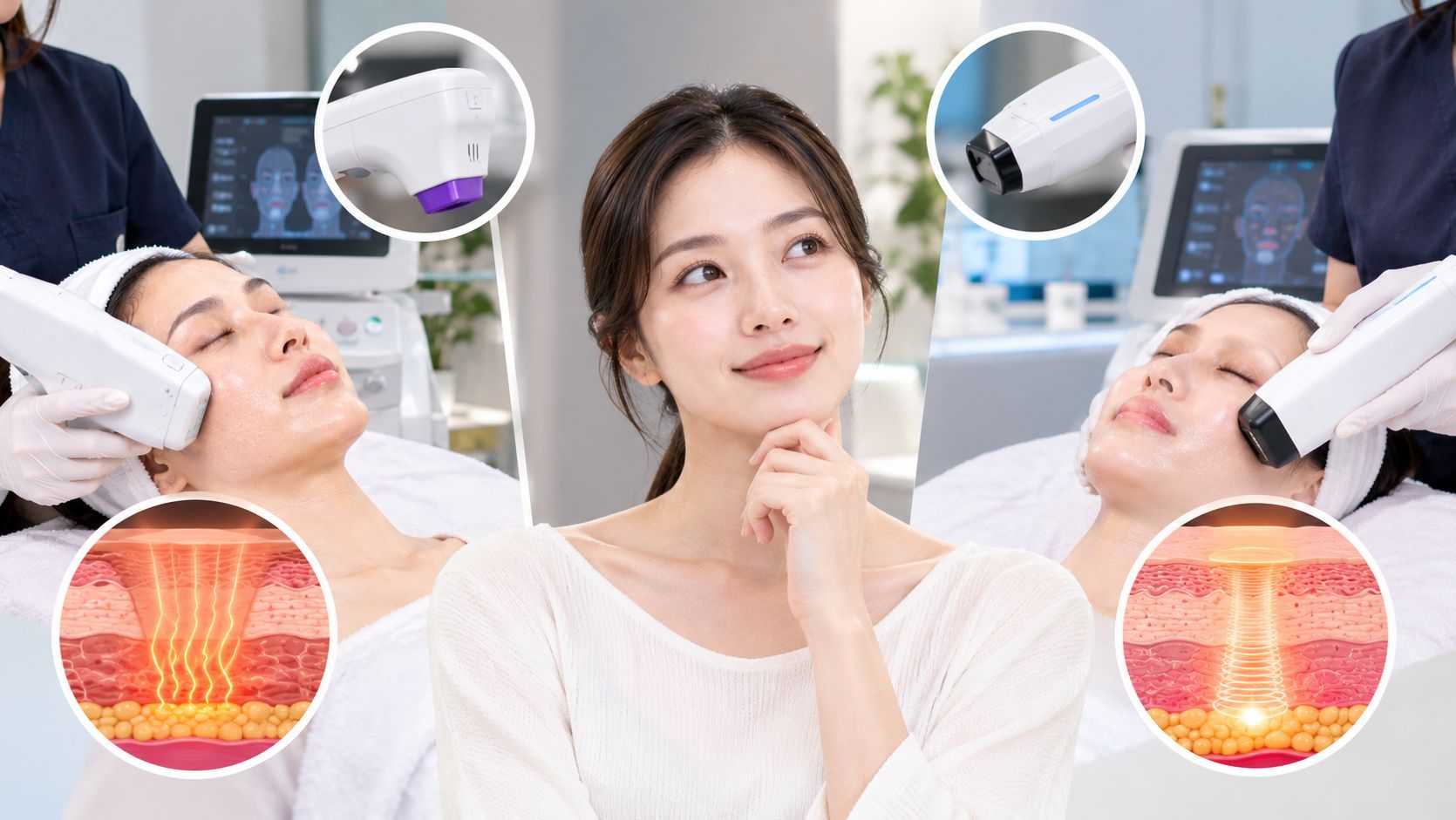
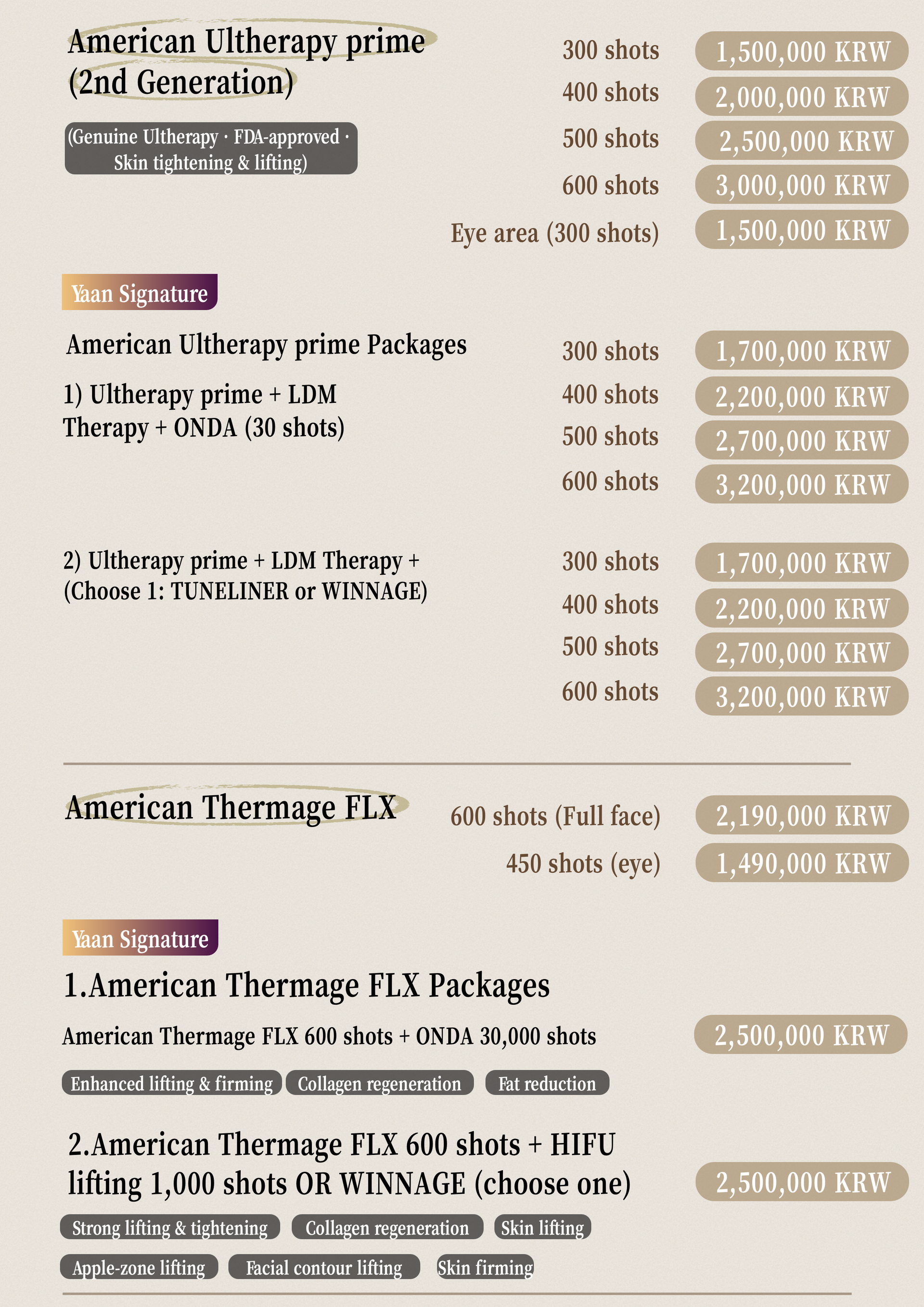
Thermage uses monopolar radiofrequency to heat tissue, while Ultherapy uses microfocused ultrasound to deliver focused energy at selected depths.
Neither is universally better for every woman in her 40s. The choice depends on your skin laxity, facial anatomy, treatment goals, and the specific device and technique being used.
If your main concern is mild skin looseness, either may be worth discussing with a qualified clinician. If you have significant jowls or excess skin, both may provide less improvement than you expect.
Ask your practitioner why one device is being recommended over the other and what specific change they realistically expect it to achieve.
What Are the Risks of Thermage?
Thermage is non-invasive, but it is not risk-free.
Possible side effects include temporary redness, swelling, tenderness, and discomfort during treatment. Burns, uneven contour changes, and unwanted fat loss are less common but important potential complications.
If you have a naturally thin face, visible cheek hollows, or little facial fat, discuss the possibility of unwanted volume changes before proceeding. No treatment can guarantee that your facial fullness will remain completely unchanged.
Before treatment, ask about the practitioner's experience, the exact device being used, the treatment plan, and the clinic's approach to managing complications.
Can You Improve Your Jawline Without Thermage?
Yes. The best alternative depends on what is causing the change in your jawline.
- Mild skin laxity: Other suitable radiofrequency or ultrasound-based treatments may be considered.
- Fullness beneath the chin: A clinician can assess whether fat reduction is appropriate, taking skin elasticity into account.
- Volume changes: Selected volume-restoring approaches may help some patients, but fillers are not suitable for everyone and can make a heavy lower face look fuller.
- Pronounced jowls or excess skin: A surgical consultation can clarify whether a facelift would offer a more substantial improvement.
You do not necessarily need a procedure. Daily sun protection, avoiding smoking, and maintaining stable weight can support long-term skin health, although these measures will not reverse established sagging.
What Should You Ask Before Getting Thermage in Seoul?
If you are considering Thermage at a clinic in Seoul, make sure the consultation focuses on your anatomy rather than simply recommending a popular treatment.
Ask these questions:
- Is my jawline concern mainly loose skin, jowls, or fat beneath the chin?
- How much improvement is realistic in my case?
- Is Thermage appropriate for my facial thickness and volume distribution?
- What side effects and complications should I understand?
- When should I expect to assess my results?
- What follow-up care is available if I have a complication?
Also confirm the exact device and treatment area. A well-planned treatment should have a clear goal and realistic expectations.
Final Thoughts
Thermage can be a reasonable option for a woman in her 40s who has mild jawline laxity and wants gradual improvement without surgery. It may help the skin look firmer, but it cannot reliably eliminate established jowls or correct every cause of a less defined jawline.
The best next step is a professional assessment to determine whether loose skin, facial volume changes, or excess fat is responsible for your concern. Choosing a treatment based on that assessment is more useful than selecting a device based on age alone.
Frequently Asked Questions
1. Does Thermage really work for a sagging jawline?
It may improve mild skin laxity in selected patients. The result varies, and significant jowls or excess skin are unlikely to be corrected fully with Thermage alone.
2. Is Thermage worth it at age 45?
It may be worth considering if your main concern is early skin laxity and you have realistic expectations. Your anatomy and the degree of sagging matter more than your age.
3. How long do Thermage jawline results last?
Results vary according to individual response and ongoing aging. Ask your clinician what duration is realistic for the specific treatment plan; repeat treatment should not be assumed necessary for everyone.
4. Can Thermage remove jowls completely?
No. Thermage may soften the appearance of early jowls, but it cannot reliably remove substantial excess skin or reposition descended facial tissues.
5. Can Thermage make a thin face look hollow?
Unwanted contour changes and fat loss are possible complications of energy-based treatments, although they are not inevitable. If your face is naturally thin, discuss the risks and treatment settings carefully before proceeding.
6. Is Thermage better than Ultherapy for women in their 40s?
Neither is always better. Both may help selected patients with mild laxity, but they use different technologies. A qualified practitioner should recommend a device based on your anatomy and treatment goals.