SkinVive vs Juvederm Filler: What Is the Difference?
SkinVive vs Juvederm Filler: What Is the Difference?
SkinVive and Juvederm fillers both use hyaluronic acid (HA), but they are designed for very different purposes. SkinVive focuses on skin hydration and smoothness, while traditional Juvederm fillers are used to add volume, restore contours, or soften specific folds and wrinkles. For foreign patients visiting Seoul, understanding this distinction is important because both may be described simply as “HA injections,” even though the treatment goals and injection techniques are quite different.
1. What Is the Difference Between SkinVive and Juvederm Filler?
The biggest difference is not simply the ingredient, but how the HA is formulated, where it is injected, and what result it is intended to create.
SkinVive
- Uses modified hyaluronic acid with lidocaine.
- Injected as small microdroplets into the skin.
- Primarily designed to improve skin smoothness and hydration.
- Intended to create a more hydrated, refreshed appearance rather than change facial shape.
- In the U.S., it is indicated for improving cheek skin smoothness in adults aged 21 and older.
Juvederm Filler
Traditional Juvederm products are also HA-based, but different formulations are designed for specific structural purposes.
Depending on the product, Juvederm may be used for:
- Lip enhancement
- Cheek volume
- Chin contouring
- Jawline definition
- Nasolabial folds
- Facial volume loss
- Wrinkle and fold correction
The specific indication depends on the individual Juvederm formulation.
SkinVive is technically an HA dermal filler, but its microdroplet technique and intended use distinguish it from conventional volumizing fillers. The manufacturer describes SkinVive as improving cheek smoothness and hydration without changing facial shape or volume.
2. SkinVive vs Juvederm for Different Skin and Facial Concerns
The best comparison starts with your actual concern.
SkinVive may be considered for:
- Dehydrated skin
- Rough skin texture
- Mild cheek fine lines
- Dull-looking skin
- Reduced skin smoothness
- Desire for a hydrated or dewy appearance
- Skin-quality improvement without significant contour change
SkinVive is particularly different from traditional filler because it is placed within the skin rather than primarily underneath it to create structural support.
Juvederm filler may be considered for:
- Hollow cheeks
- Thin or uneven lips
- Chin projection
- Jawline definition
- Nasolabial folds
- Marionette lines
- Facial volume loss
- Specific contour irregularities
Traditional fillers can provide physical volume and structural support, so they are generally more appropriate when the concern is a hollow, fold, or facial contour rather than generalized dehydration.
A simple way to remember the distinction is:
SkinVive = hydration and skin smoothness
Juvederm filler = volume, contour, and targeted correction
3. Which One Is Better for Different Aging Concerns?
Age alone should not determine whether you receive SkinVive or Juvederm. The more important factors are skin quality, facial structure, volume loss, and the result you want.
In your 20s
SkinVive may be considered when the main concerns are:
- Dryness
- Uneven texture
- Mild cheek fine lines
- Dullness
Juvederm may be considered for specific structural concerns, such as lip shape or chin projection, when appropriate.
In your 30s
Both treatments can be relevant, but for different reasons.
- SkinVive: hydration, smoothness, and early skin-quality changes
- Juvederm: specific folds, contour concerns, or early volume loss
In your 40s
SkinVive may help address declining skin smoothness and hydration, while Juvederm may be considered when facial volume loss becomes more noticeable.
Some patients may require both approaches because skin quality and facial volume are separate concerns.
In your 50s and beyond
Juvederm may become more relevant when volume depletion affects areas such as the cheeks, lips, or chin. SkinVive can still be considered for skin smoothness and hydration.
However, neither treatment automatically addresses significant sagging or excess skin. A consultation is needed to determine whether injectables, energy-based treatments, or another approach is appropriate.
4. Treatment Process, Results and Downtime
The treatment process differs mainly because SkinVive is injected as multiple small intradermal deposits, while conventional Juvederm is generally placed more strategically to create volume or structural correction.
SkinVive treatment
A typical session may involve:
- Consultation and skin assessment
- Cleansing and preparation
- Numbing if required
- Multiple small SkinVive injections
- Cooling or soothing care
The injection process itself takes around 15 minutes on average, excluding consultation and assessment.
Temporary redness, swelling, tenderness, bruising, or small bumps can occur. SkinVive contains 0.3% lidocaine, which is intended to reduce injection discomfort.
Juvederm filler treatment
A typical session may include:
- Facial assessment and treatment planning
- Identification of the specific area requiring correction
- Cleansing and preparation
- Numbing when appropriate
- Filler injection using a needle or cannula
- Assessment and adjustment of the treated area
Recovery depends heavily on the treatment area and amount of filler used. Temporary swelling, bruising, redness, tenderness, or firmness can occur.
Because conventional filler changes volume or contour, the injection depth and placement are particularly important. Patients should choose an appropriately trained medical professional familiar with facial anatomy and filler complications.
SkinVive is also an injectable medical procedure, and its product information reports possible injection-site reactions including redness, swelling, bruising, pain, tenderness, lumps, and firmness.
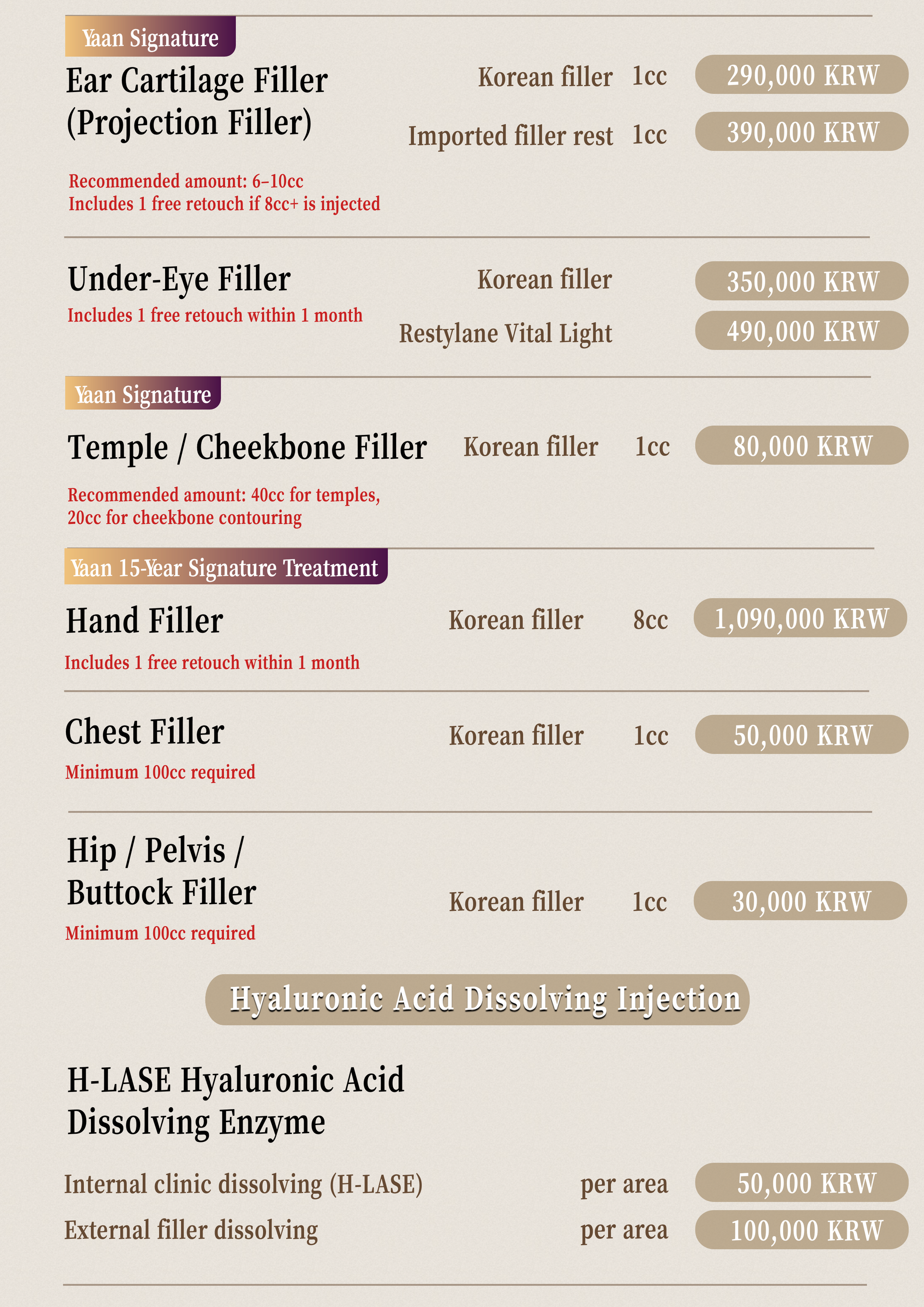
5. How Much Do SkinVive and Juvederm Filler Cost in Korea?
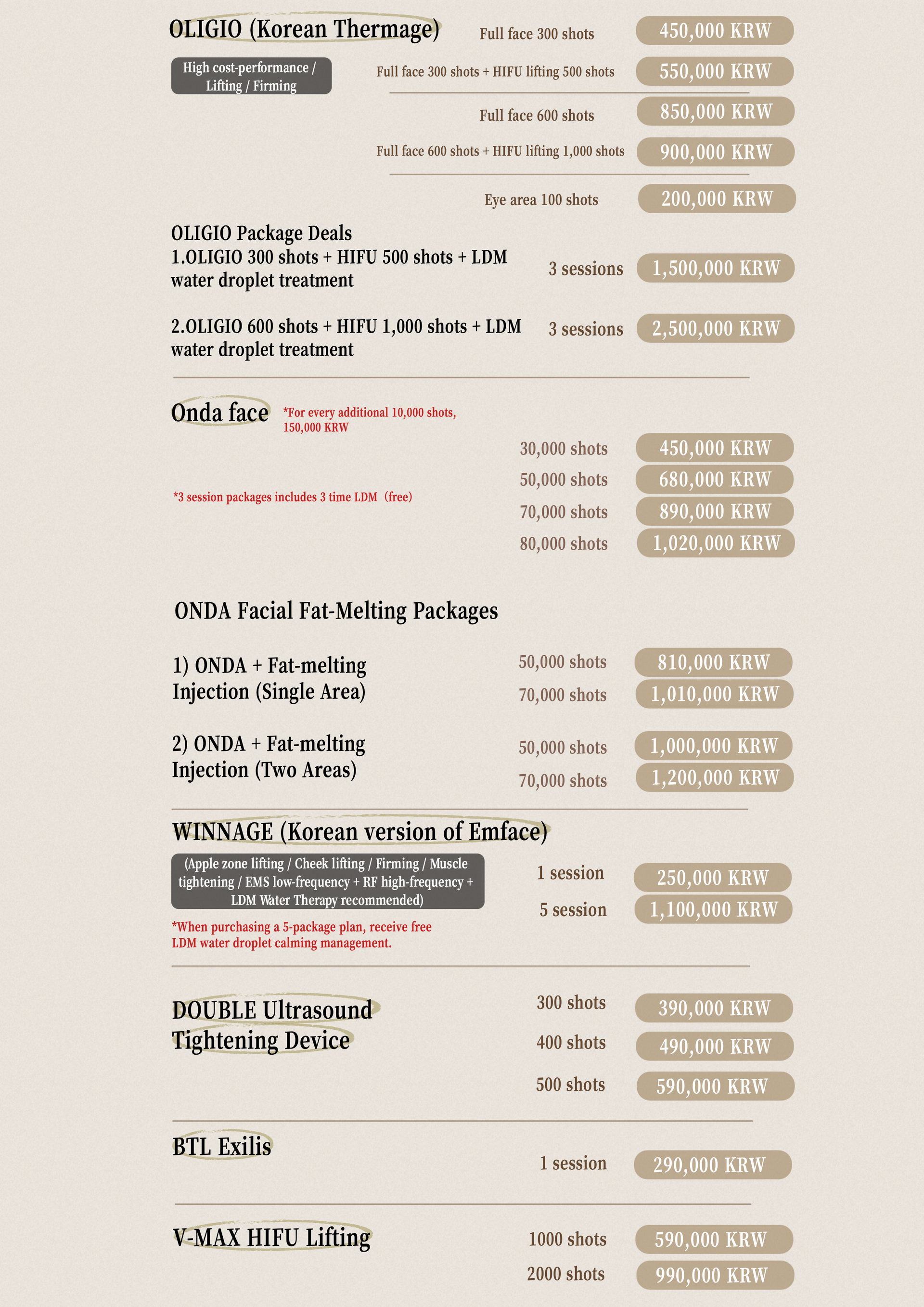
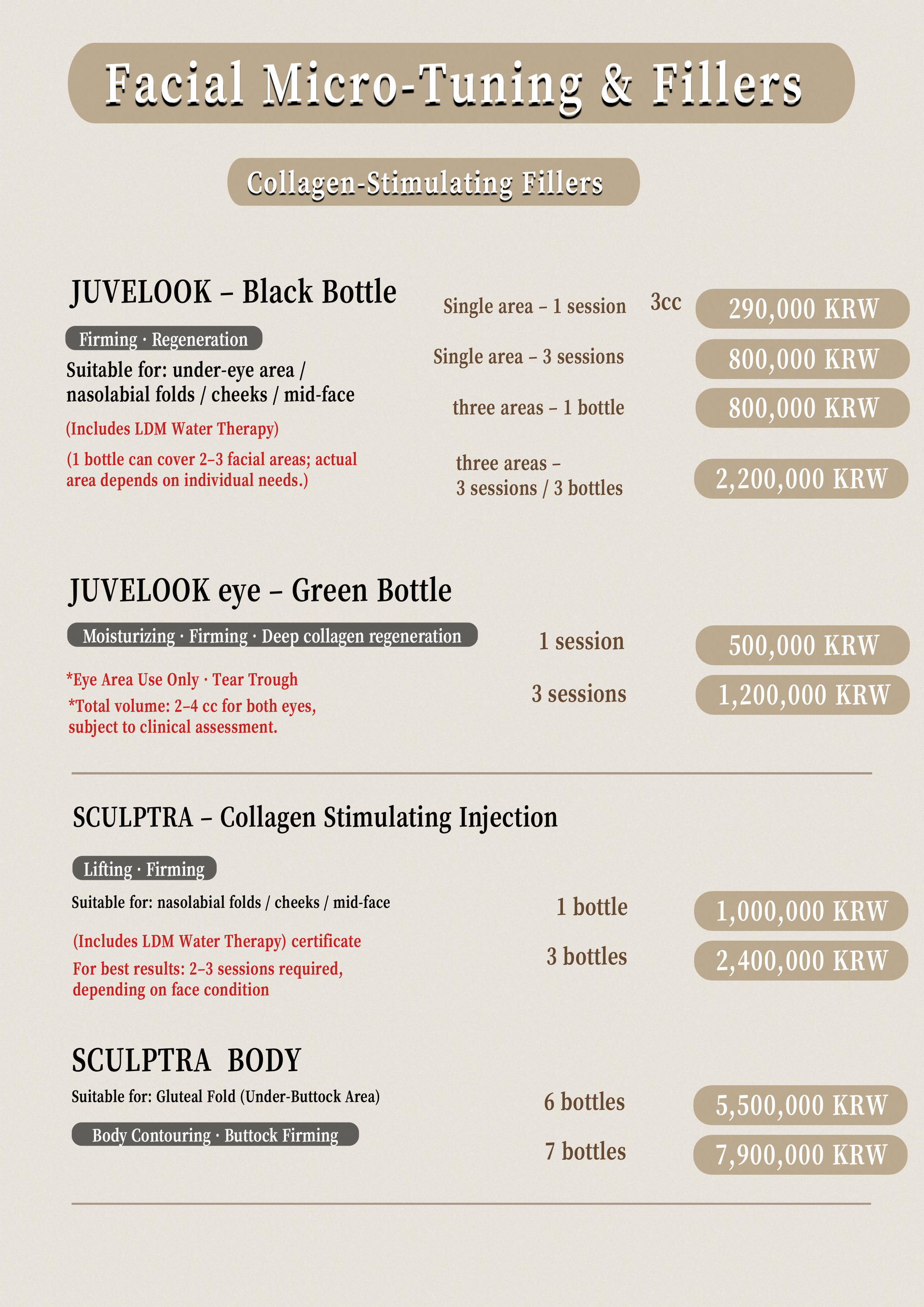
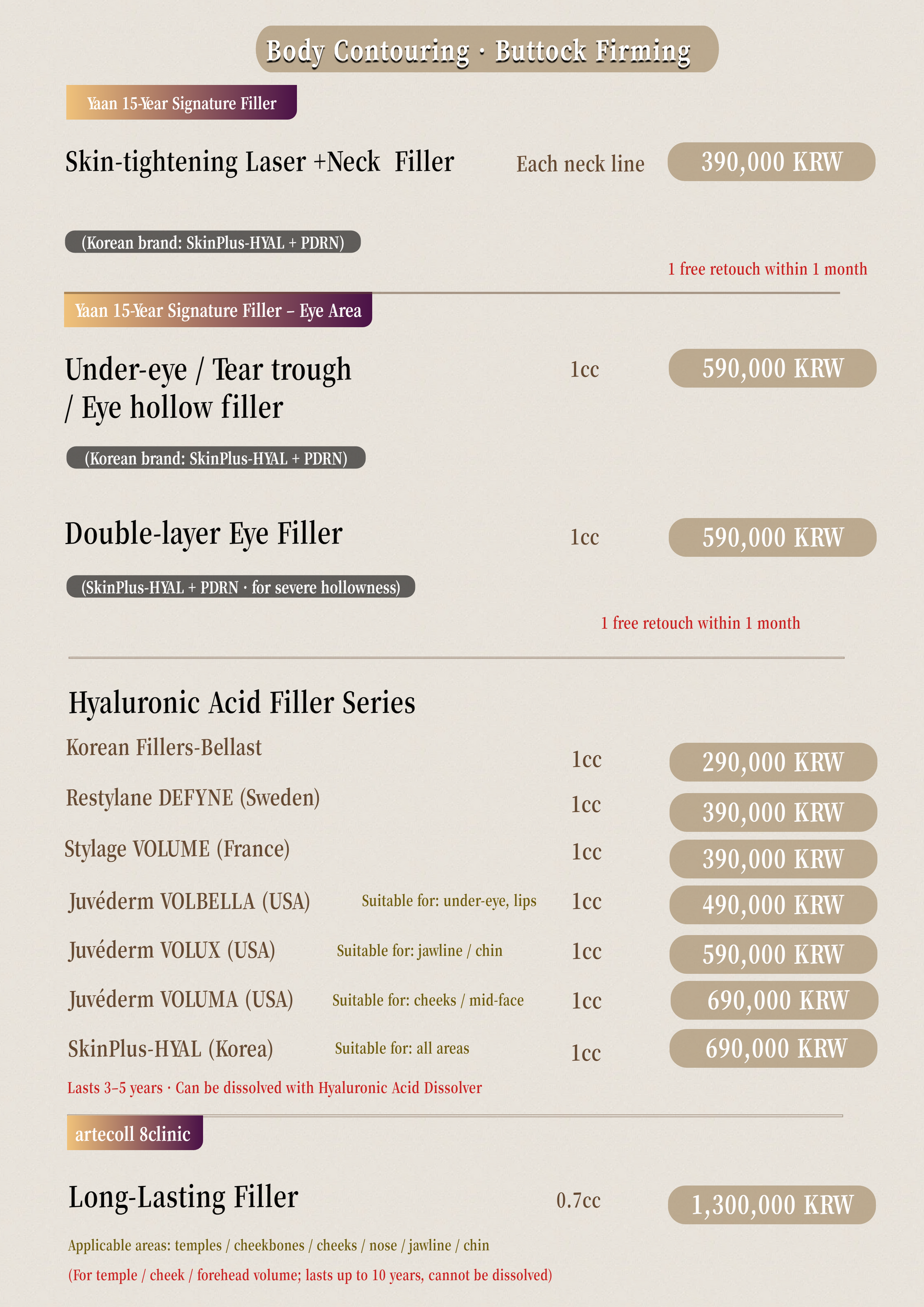
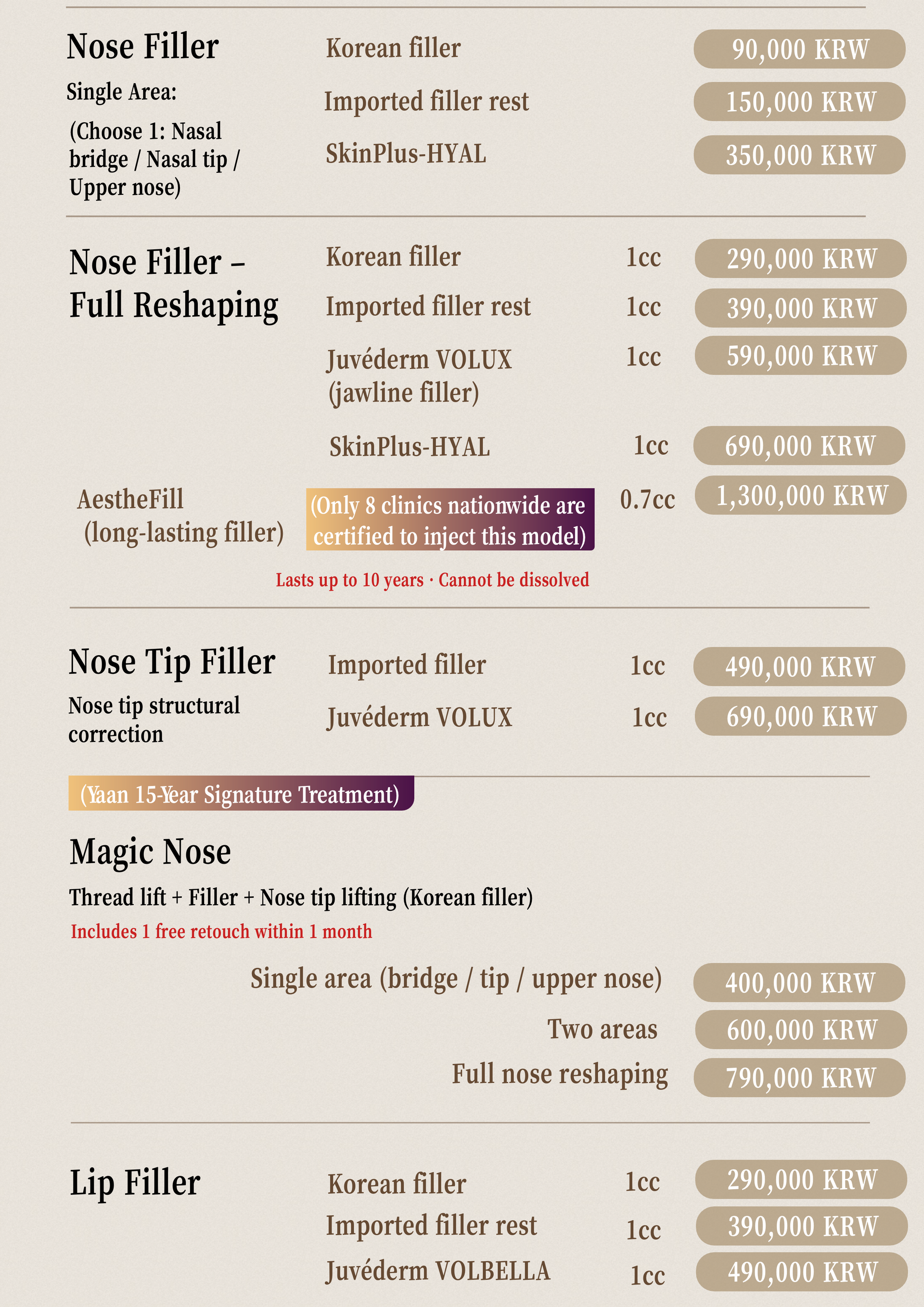
Prices vary depending on the product, amount used, treatment area, injection technique, clinic, and promotional pricing.
As a general 2026 Seoul price guide:
SkinVive
- 1cc: approximately ₩300,000–₩500,000
- 2cc: approximately ₩500,000–₩800,000
- Larger treatment plans: approximately ₩700,000–₩1,200,000+
Juvederm Filler
- 1cc: approximately ₩400,000–₩900,000
- Premium Juvederm formulations: approximately ₩600,000–₩1,000,000+ per 1cc
- Larger treatment plans: approximately ₩1,000,000–₩2,000,000+
Actual Korean prices can vary significantly according to the specific Juvederm product and whether the clinic is offering a promotional package.
Foreign patients should confirm:
- Exact Juvederm formulation
- Amount of product used
- Treatment area
- Injection technique
- Whether numbing is included
- Whether VAT is included
- Whether the quoted price is promotional
Do not compare SkinVive and Juvederm simply by price per cc. The two products are used differently, and the amount required for a skin-quality treatment cannot be directly compared with the amount needed for facial contouring.
6. Which Should Foreign Patients Choose in Korea?
The simplest way to decide is to identify whether your main concern is skin quality or facial structure.
Consider SkinVive if your priorities are:
- Hydration
- Cheek skin smoothness
- Fine skin texture
- Mild cheek fine lines
- A dewy, refreshed appearance
- Improving skin quality without intentionally adding facial volume
Consider Juvederm filler if your priorities are:
- Facial volume
- Lip enhancement
- Cheek augmentation
- Chin definition
- Jawline contouring
- Specific folds or wrinkles
- Correction of localized volume loss
The two treatments can sometimes be used as part of a broader aesthetic plan because they address different concerns. For example, a patient may use SkinVive for overall cheek skin quality while considering conventional filler for a specific area that lacks volume.
For foreign patients visiting Seoul, ask the clinic to clearly explain the exact product, amount, injection depth, treatment area, expected result, recovery period, and total cost before treatment.
It is also important to mention any previous filler treatments, because existing injectable material can affect treatment planning.
Frequently Asked Questions
Is SkinVive a Juvederm filler?
SkinVive is part of the Juvéderm family and is an HA injectable, but it is formulated and used differently from conventional volumizing Juvederm fillers.
Does SkinVive add facial volume?
SkinVive is designed to improve cheek skin smoothness and hydration rather than intentionally change facial shape or create significant volume.
Is Juvederm better than SkinVive for hollow cheeks?
When the concern is actual volume loss or a hollow area, a conventional filler may be considered because it is designed to provide structural volume. The appropriate product depends on the specific anatomy.
Is SkinVive better for dry skin?
SkinVive is specifically designed around HA-based hydration and skin smoothness, making it more directly relevant when dehydration and surface smoothness are the primary concerns.
Can SkinVive and Juvederm filler be used together?
They can potentially be part of the same overall treatment plan, but the decision depends on the treatment areas, existing volume, skin condition, and aesthetic goals.
Can foreigners get SkinVive or Juvederm in Seoul?
Yes. Both types of HA injectable treatments are available in Korean aesthetic and dermatology clinics. International patients should confirm the exact product, dosage, treatment area, price, and aftercare instructions before treatment.
Final Thoughts
SkinVive and traditional Juvederm fillers both use hyaluronic acid, but SkinVive is primarily designed for hydration and skin smoothness, while conventional Juvederm fillers are used for volume, contour, and targeted facial correction.
For foreign patients visiting Korea, the key is to identify whether you want to improve the quality of your skin or the shape and volume of your face. Comparing the products based on that distinction makes it easier to understand which treatment may fit your goals.